Exploring Chinese Electric Cars: Innovation, Companies, and Global Impact
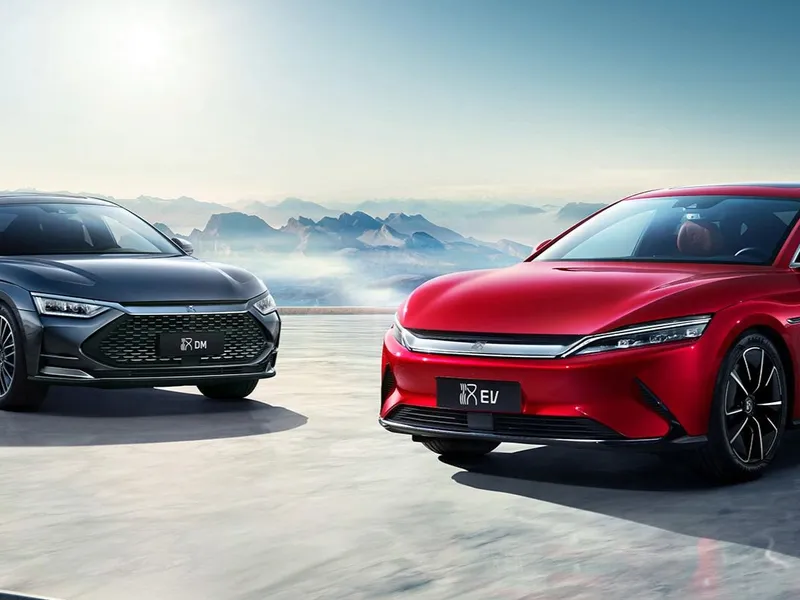
In recent years, Chinese electric cars have become a major force in the global automotive industry. With the rapid rise of technology, environmental awareness, and government incentives, China has transformed from a country primarily known for manufacturing traditional vehicles into a global leader in electric mobility. This article explores Chinese cars, the growth of Chinese electric car companies, the types of vehicles produced, and their impact on both domestic and international markets.
I. The Rise of Chinese Electric Cars
China’s push toward electric cars is driven by multiple factors: environmental concerns, urban pollution, technological innovation, and government policy. The country has one of the largest electric vehicle (EV) markets in the world, both in terms of production and sales.
By 2025, it is estimated that China will produce more than 6 million electric vehicles annually, surpassing other major markets such as the United States and Europe. The Chinese government offers incentives like subsidies, tax reductions, and preferential licenses for EV owners, making Chinese electric cars more accessible to consumers.
Beyond domestic consumption, China is now exporting electric vehicles globally. Companies such as BYD, NIO, Xpeng, and Li Auto have established a strong presence in Asia, Europe, and North America, competing with established international brands like Tesla.
II. Leading Chinese Car Companies
Several Chinese car companies have emerged as leaders in the EV market, each with unique approaches to design, technology, and user experience.
1. BYD (Build Your Dreams)
BYD is one of the world’s largest EV manufacturers. Founded in 1995, the company initially focused on batteries before expanding into cars. Today, BYD produces a wide range of electric vehicles, including sedans, SUVs, and buses. Its innovative battery technology and commitment to sustainability have made it a global EV powerhouse.
2. NIO
NIO, often called the “Tesla of China,” is known for luxury electric SUVs and sedans. The company emphasizes smart technology, offering features like autonomous driving assistance, over-the-air software updates, and innovative battery-swapping stations, which reduce charging time significantly.
3. Xpeng Motors
Xpeng is recognized for combining affordability with advanced technology. Their EVs are equipped with AI-powered navigation, smart cabin interfaces, and high-performance batteries. Xpeng focuses on young, tech-savvy consumers, reflecting the modern Chinese EV market’s trends.
4. Li Auto
Li Auto specializes in extended-range electric vehicles (EREVs), which combine electric motors with small gasoline engines to improve travel range. This approach helps alleviate “range anxiety” and appeals to families and urban commuters alike.
Other notable Chinese car companies producing electric or hybrid vehicles include WM Motor, Geely, and Great Wall Motors.
III. Types of Cars Made in China
China’s automotive industry produces a wide variety of vehicles, ranging from traditional gasoline cars to cutting-edge electric models.
1. Traditional Cars
- ● Sedans and hatchbacks for domestic consumers
- ● Commercial vehicles for logistics and transportation
- ● SUVs catering to growing urban demand
2. Electric Cars (EVs)
- ● Compact EVs for city commuting
- ● Luxury electric sedans with advanced features
- ● Electric SUVs and crossovers for families and long-distance travel
3. Hybrid Vehicles
- ● Plug-in hybrids combining electric motors and gasoline engines
- ● Extended-range EVs (EREVs) to solve range concerns
The diversity of vehicles reflects the Chinese car market’s maturity and adaptability to both domestic and international demands.
IV. Innovation and Technology
One of the reasons Chinese electric cars have gained global attention is their technological innovation.
1. Battery Technology
Chinese EV companies invest heavily in battery development, focusing on longevity, efficiency, and fast charging. BYD, for instance, developed the Blade Battery, designed to be safer, lighter, and more durable than traditional lithium-ion batteries.
2. Autonomous Driving
Companies like NIO and Xpeng integrate autonomous driving features, including lane keeping, adaptive cruise control, and parking assistance. These innovations make driving safer and more convenient, especially in crowded urban environments.
3. Smart Connectivity
Modern Chinese EVs often feature AI-powered infotainment systems, smart cabin interfaces, and over-the-air software updates, allowing continuous improvement of the car without visiting a service center.
4. Sustainable Manufacturing
Chinese electric car manufacturers emphasize sustainability, using recyclable materials and renewable energy in production processes. This aligns with China’s national goals to reduce carbon emissions and promote green technology.
V. Global Influence of Chinese Electric Cars
Chinese cars, particularly EVs, are no longer confined to domestic markets. They have become a major player in global automotive trends.
- ● Europe: Chinese electric cars are increasingly popular due to affordability, long-range batteries, and modern features. Countries like Norway, Germany, and the Netherlands have seen a surge in imports.
- ● North America: Select Chinese EVs are entering U.S. and Canadian markets, focusing on high-tech and environmentally conscious consumers.
- ● Asia: Neighboring countries like Singapore, Malaysia, and Thailand are importing Chinese EVs for urban fleets, taxis, and ride-hailing services.
Beyond direct sales, Chinese electric car companies influence global technology standards, particularly in battery development, autonomous driving, and connected car platforms. Many international automakers now collaborate with Chinese companies for battery technology and EV components.
VI. Challenges and Opportunities
While Chinese electric cars are rising in prominence, they face challenges:
- ● Competition: From established global brands like Tesla, Volkswagen, and Toyota.
- ● Perception: Some consumers are skeptical about quality and durability.
- ● Infrastructure: Charging networks are growing but still uneven in rural areas.
However, opportunities are immense:
- ● Growing global demand for EVs due to environmental awareness
- ● Continuous government support and incentives in China and abroad
- ● Technological leadership in batteries, smart systems, and AI
VII. Future of Chinese Electric Cars
The future looks promising. By 2030, China aims to have over 50% of new vehicles sold be electric, positioning itself as the world’s largest EV producer. Innovations in battery technology, autonomous driving, and connected vehicles will continue to set trends internationally.
Additionally, Chinese electric cars are becoming lifestyle products, not just transportation tools. Urban consumers increasingly see EVs as symbols of sustainability, technological sophistication, and modernity.
VIII. Conclusion
Chinese electric cars represent the intersection of tradition, innovation, and global ambition. Companies like BYD, NIO, Xpeng, and Li Auto are not only redefining what cars Chinese make but are also shaping the future of mobility worldwide.
From affordable city EVs to luxury autonomous sedans, from traditional hybrid vehicles to fully electric crossovers, Chinese cars combine technological prowess, sustainable practices, and cultural identity.
As the world moves toward cleaner, smarter transportation, Chinese electric car companies will continue to play a central role, offering solutions that are innovative, practical, and globally competitive. Whether you are exploring Chinese cars for personal use, investment, or curiosity, it is clear that the future of driving will increasingly be electrified, with China at the forefront.