Chongyang Festival: Climbing High on the Ninth Day, Honoring the Elderly
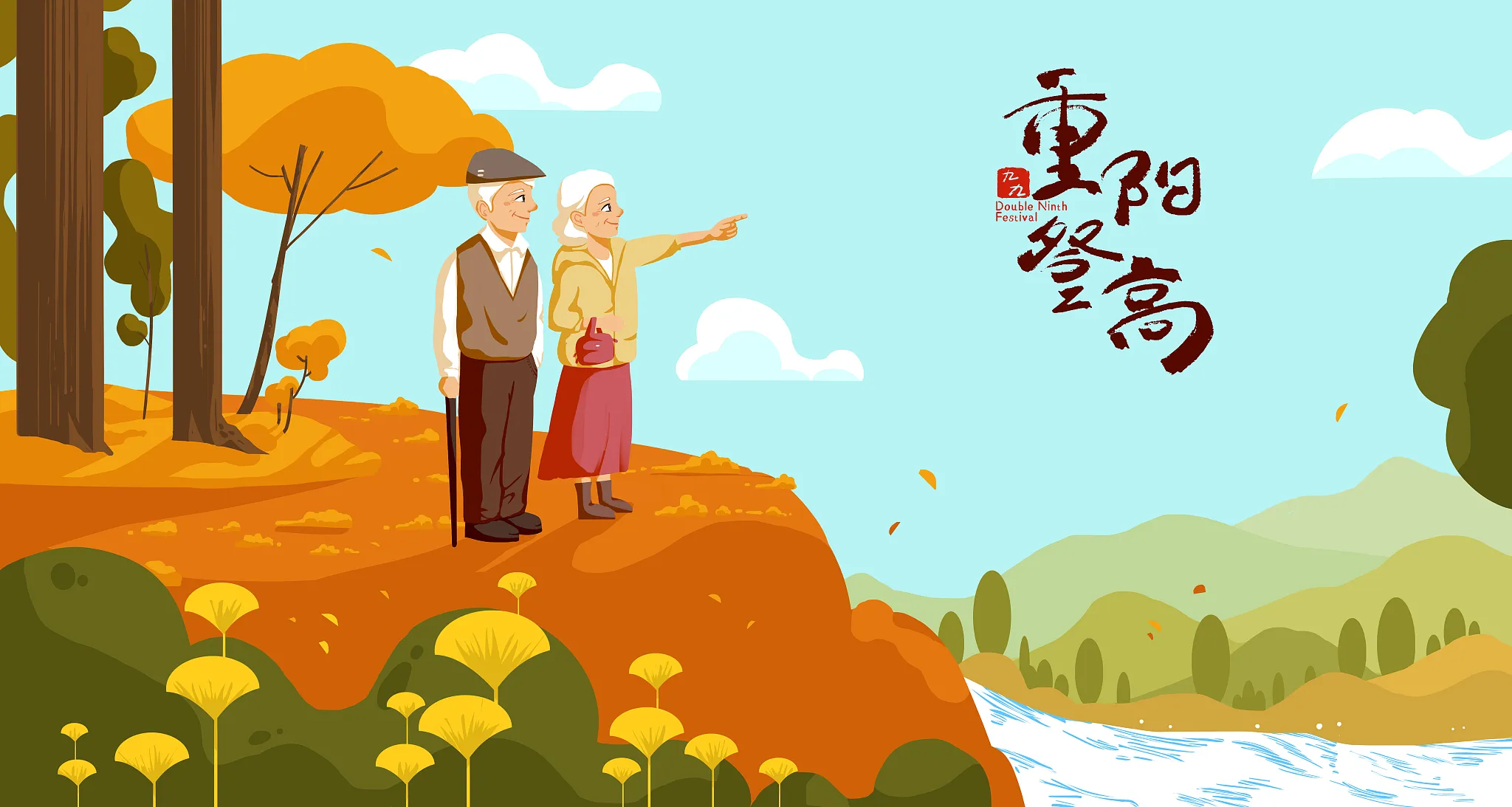
Every year on the ninth day of the ninth lunar month, China celebrates a traditional festival known as Chongyang Festival.
The festival's name comes from the doubling of the number nine—"nine" being a yang number in Chinese cosmology. Double nine signifies the peak of yang energy and symbolizes longevity and good fortune, hence the term "Chongyang" (Double Ninth). In ancient thought, nine was considered the utmost number of heaven and earth, representing permanence and auspiciousness. For this reason, the festival is also called the Festival of Longevity, Climbing Festival, Chrysanthemum Festival, or Elderly Day.
On this day, the skies are high and clear, and autumn is in full bloom. People may climb mountains to enjoy panoramic views and pray for safety and health; wear cornelian charms or drink chrysanthemum wine to ward off misfortune and extend life; gather with family and friends to appreciate the autumn scenery and savor seasonal cakes; or gaze into the distance from afar, sending their thoughts to absent loved ones. Since ancient times, Chongyang has been more than just a festival—it is a vessel for emotions and a continuation of cultural heritage.
From climbing to avoid misfortune and composing poems among chrysanthemums in ancient times, to today's emphasis on honoring the elderly and family reunions, the meaning of Chongyang Festival has long surpassed ritual practice. It unites the rhythms of the seasons, the flow of human emotions, and the spiritual essence of the Chinese people, making it one of the most poetic and heartfelt festivals of the year.
Origins of the Festival: From "Double Nine" to "Chongyang"
The term "Chongyang" first appeared in the I Ching (Book of Changes). In ancient Chinese thought, odd numbers were considered yang, even numbers yin, and nine was regarded as the extreme number of heaven, representing pure yang energy. The ninth day of the ninth lunar month, with two nines stacked together, was called "Double Nine" or "Chongyang". In the yin-yang worldview, nine as the extreme yang symbolized vigorous energy and resilience. While the day was considered auspicious, it was also believed that yin energy would soon rise and the abundance of nature would begin to decline. To seek blessings, avoid misfortune, and extend life, people developed traditions such as climbing high, wearing cornelian charms, and drinking chrysanthemum wine.
As early as the Pre-Qin period, people held autumn rituals, climbed heights, and drank wine during the ninth lunar month. From the Warring States to the Han dynasty, with the development of the yin-yang and Five Elements theory, the idea of "Double Nine brings peak yang energy" gradually took hold. By the Han dynasty, the custom of ascending heights for blessings became firmly established as a seasonal practice to mark the transition from summer to autumn.
A widely told legend explains the origin of this custom: During the Eastern Han, Huan Jing of Runan studied under the Taoist Fei Changfang. One day, Fei, observing the heavens, warned, "On the ninth day of the ninth month, plague will strike; only by climbing high with family can disaster be avoided." Huan Jing heeded his master's advice, taking his family up a mountain early that day, wearing cornelian charms and drinking chrysanthemum wine. Upon returning home at dusk, they discovered that all the poultry in the household had perished. The story spread, and climbing heights on the ninth day gradually became a widespread tradition.
After the Han and Tang dynasties, the festival's meaning extended beyond disaster avoidance to include blessing, longevity, and autumn appreciation. Tang literati imbued it with poetic sentiment, making Chongyang a festival for relishing autumn scenery and reflecting on loved ones—a vivid expression of the ancient concept of harmony between humans and nature.
Historical Evolution: From Folk Customs to Festival
The formation of the Chongyang Festival did not happen overnight; it is the result of millennia of folk traditions and cultural accumulation. From its early practices of autumn rituals, climbing heights, and prayers for blessings, it gradually integrated the appreciation of chrysanthemums, wine drinking, remembrance of loved ones, and respect for elders, becoming a comprehensive festival rich in both everyday life and spiritual meaning.
As early as the pre-Qin period, the Chinese had the traditions of "autumn sacrifices" and "climbing heights" to express reverence for nature and reflection on life. The Zhou Li records that autumn was the season for "worshipping mountains and rivers," during which people performed rituals on elevated grounds to pray for harvests and safety. This laid the cultural foundation for the later practice of climbing heights on Chongyang.
During the Wei, Jin, Northern, and Southern Dynasties, scholars admired nature and pursued leisure, making the practice of climbing to enjoy autumn scenery a trend among the literati. The ninth day of the ninth lunar month—double nine—was called Chongyang, symbolizing "longevity" (jiu jiu, meaning long-lasting). Poets would climb mountains with friends, drink wine, and compose poetry, expressing appreciation for autumn and reflections on life, as seen in Tao Yuanming's "Nine Days of Leisure" and Xie Lingyun's "Climbing the Isolated Isle in the River". Through this, the festival evolved from a simple folk practice to a time for connecting with nature and contemplating life.
By the Tang Dynasty, Chongyang became a nationally recognized folk festival, with ritualized customs further established. People enjoyed literary gatherings, climbing, drinking, wearing cornelian charms, and admiring chrysanthemums. In Wang Wei's poem "Remembering My Brothers in Shandong on the Ninth Day of the Ninth Month", the lines: "遥知兄弟登高处,遍插茱萸少一人" Yáo zhī xiōngdì dēng gāo chù, biàn chā zhūyú shǎo yī rén —not only express homesickness but also transform the festival from "warding off disasters" to "cherishing loved ones."
From the Song Dynasty onward, as social life flourished, Chongyang customs became richer. Appreciating chrysanthemums and drinking chrysanthemum wine became emblematic practices. Chrysanthemums were believed to "purify the mind, ward off disease, and prolong life," earning the festival the poetic name "Chrysanthemum Festival." During the Ming and Qing Dynasties, customs like climbing, drinking, wearing cornelian charms, and eating Chongyang cakes became widespread. The cakes symbolized "step-by-step advancement," making the festival more integrated with daily life and enjoyable, and turning it into one of the most human-centered festivals of autumn.
In modern times, the Chongyang Festival has taken on new cultural significance. In 1989, China officially designated the ninth day of the ninth lunar month as "Senior Citizens' Day," promoting the traditional virtues of respecting, loving, and helping the elderly. The festival's focus shifted from personal longevity to honoring the lives of elders. Modern expressions of filial piety extend beyond formal rituals to include listening patiently, making caring phone calls, preparing warm family meals, and spending quality time together. Community health services, cultural performances, and family gatherings make this ancient festival resonate warmly in contemporary life.
Double Ninth, Lasting Longevity—this ancient festival carries not only wishes for personal life and health but also symbolizes enduring familial bonds, societal warmth, and cultural continuity. From ancient times of climbing to avoid disaster to modern acts of honoring elders, the Chongyang Festival has conveyed the Chinese people's hopes for life, kinship, and lasting happiness across millennia.
Festival Customs: Climbing High and the Fragrance of Chrysanthemums
Climbing High: Ascend Step by Step, Blessings and Longevity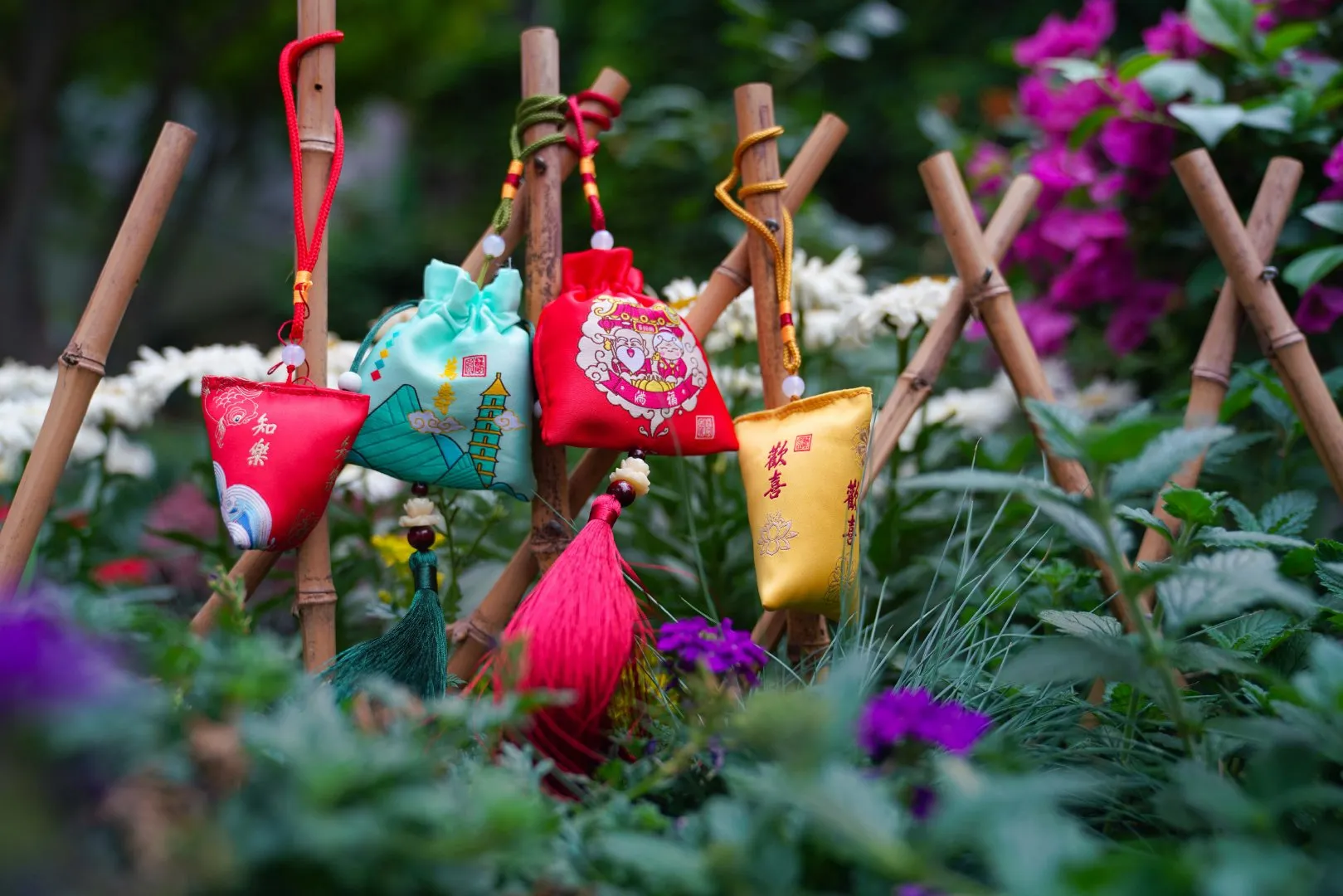
One of the most representative customs of Chongyang Festival is climbing to high places. In ancient times, this practice, known as "climbing to avoid disaster," aimed to escape plague and misfortune while symbolizing progressive success and extended longevity. In the ninth lunar month, as nature wanes and the leaves turn yellow, ascending mountains or towers is not only a physical act but also a spiritual transcendence—from the heights, the horizon broadens, and the heart and mind expand.
Records in the Xijing Zaji note that during the Han dynasty, people already climbed high and drank chrysanthemum wine on the ninth day of the ninth lunar month. They would carry food and wine to mountaintops, towers, or city walls, drinking and composing poetry to pray for longevity and protection. Ancient belief held that on the ninth day of the ninth month, yang energy reaches its peak, and climbing high allowed one to absorb the positive energy of heaven and earth, driving away misfortune and disease.
By the Wei, Jin, and Northern-Southern Dynasties, the meaning of climbing shifted from "disaster avoidance" to autumn appreciation. Literati, enjoying landscapes and leisure, turned Chongyang climbs into occasions for poetic reflection and emotional expression. Wang Wei's poem Remembering My Brothers in Shandong on Double Ninth conveys homesickness with the line:
"I know my brothers are climbing high, cornelian charms in place, yet one person is missing."
Similarly, Du Fu's Ascending the Height expresses life's vastness and concern for the nation amid the autumn winds along the Yangtze:
"Endless falling leaves flutter down, the Yangtze rolls on without end."
Here, climbing is not merely a physical activity but a contemplation of life, time, and history. In traditional culture, high places are considered auspicious. Ascending symbolizes career progress, academic achievement, and family prosperity, reflected in the folk saying:
"Climb an inch higher, add a year to life."
Thus, in ancient times, Chongyang climbs often accompanied family outings and gatherings with friends, reinforcing bonds and social cohesion.
In modern society, climbing has become more flexible. One need not scale dangerous peaks—even climbing a tall city building to enjoy the view can evoke the spirit of "Standing on the peak, I see all other mountains small." Today, Chongyang climbing has evolved into a form of public fitness, nature appreciation, and emotional expression, with many cities organizing mountain races or long-distance runs to symbolize health, longevity, and continual progress.
Through this ritual, people not only experience the changing seasons but also cultivate a composed outlook on life: from a high vantage point, they reflect on the past, face the future with courage, and embrace life with a broader perspective. This timeless combination of nature, reflection, and human aspiration is precisely what makes the Chongyang Festival enduringly meaningful.
Appreciating Chrysanthemums and Drinking Chrysanthemum Wine: Autumn Fragrance and Symbol of Longevity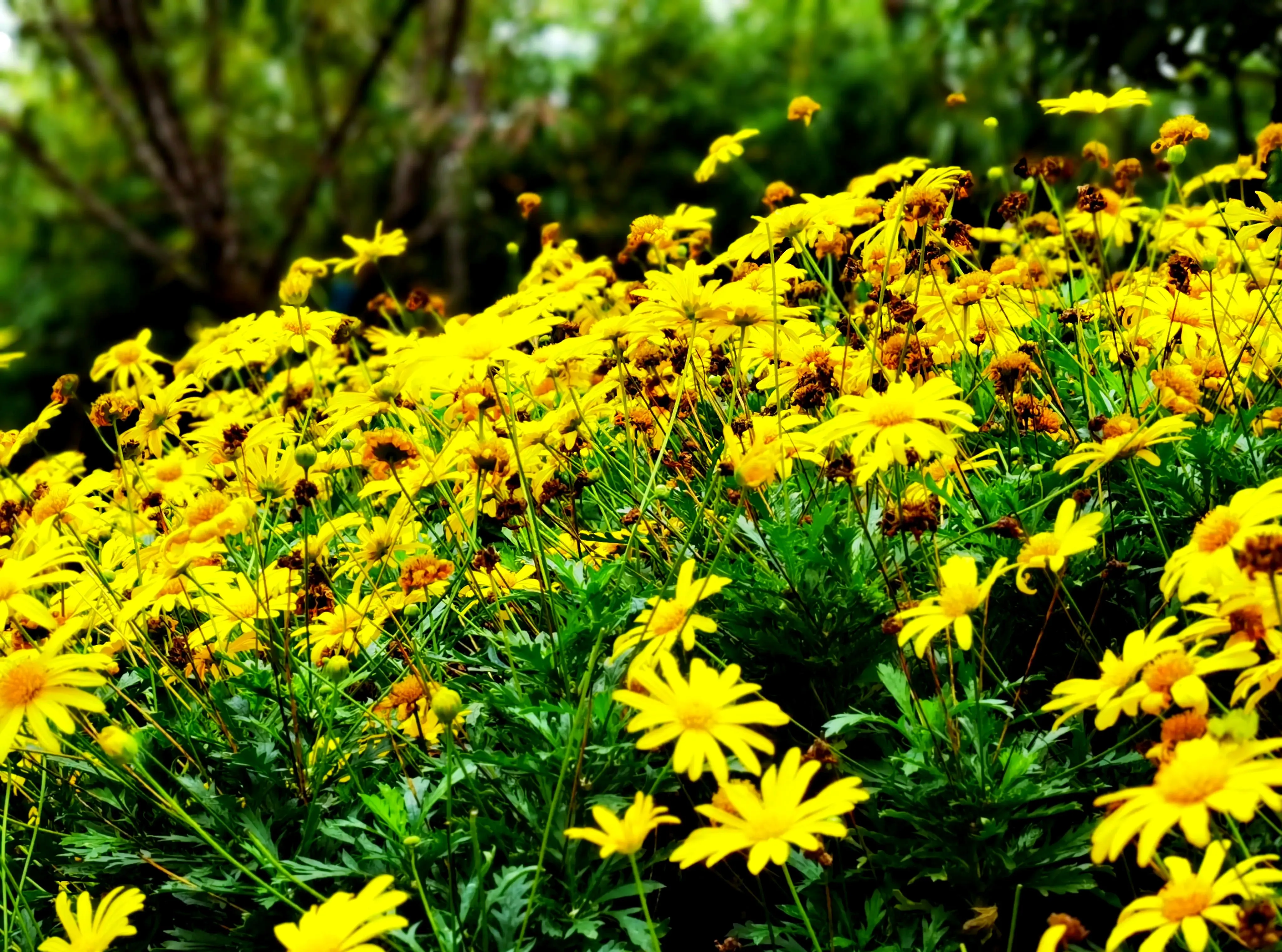
Chrysanthemums are the soul of autumn. Unlike flowers that compete in spring, chrysanthemums bloom alone amid frost and dew, symbolizing nobility, steadfastness, and longevity. The chrysanthemum's proud stance became a symbol of scholarly character and the quintessential flower of the Chongyang Festival.
In ancient culture, chrysanthemums carried profound philosophical meaning. Poets wrote about drinking morning dew and feasting on autumn chrysanthemum petals, symbolizing personal purity and resilience. During certain historical periods, literati valued nature and seclusion, making the chrysanthemum the flower of hermits. The famous line about plucking chrysanthemums by the eastern fence while gazing at southern hills embodies the eternal spirit of retreat and tranquility.
Since certain historical eras, the custom of admiring chrysanthemums flourished. By later dynasties, chrysanthemums entered both courts and common households. During the Chongyang Festival, literati would ascend heights to enjoy chrysanthemums, drink chrysanthemum wine, and compose poetry. Many poems portray joyous gatherings amid flowers and wine, reflecting the serenity of life.
Among common people, chrysanthemums were considered auspicious and longevity-promoting. Drinking chrysanthemum wine became both a folk custom and a health-preserving ritual, believed to nourish the body, clear the mind, and ward off evil. Chrysanthemums for wine were traditionally harvested on the ninth day of the ninth lunar month, brewed with glutinous rice and yeast, then sealed and consumed the following year, symbolizing annual safety and peace.
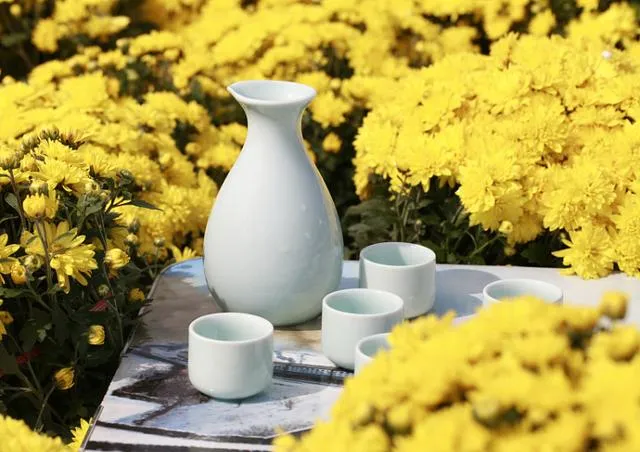
From later dynasties onward, chrysanthemum appreciation became widespread. People held chrysanthemum festivals, socializing through flowers and wine. In various cities, autumn flower exhibitions were grand affairs, with poets composing verses on chrysanthemums, integrating cultural aesthetics and festival traditions. By subsequent dynasties, drinking chrysanthemum wine symbolized longevity, health, and disease prevention. People also used chrysanthemum petals for tea, wine, or pastries, expressing wishes for health and long life.
Even in modern times, chrysanthemums remain central to the Chongyang Festival. Whether arranging flowers at home, sipping chrysanthemum tea, visiting exhibitions, or tasting chrysanthemum wine, people continue this thousand-year cultural tradition, experiencing autumn's tranquility, life's resilience, and a mindful approach to the passage of time. As ancient saying goes, chrysanthemums embody seclusion while wine embodies forgetting sorrow. Appreciating chrysanthemums and drinking wine are not only festival rituals but also a philosophy of life—learning to be composed, serene, grateful, and resilient amid autumn's breeze and floral fragrance.
Wearing Calamus and Cornel, and Inserting Flower Cakes: Ward Off Evil and Bring Blessings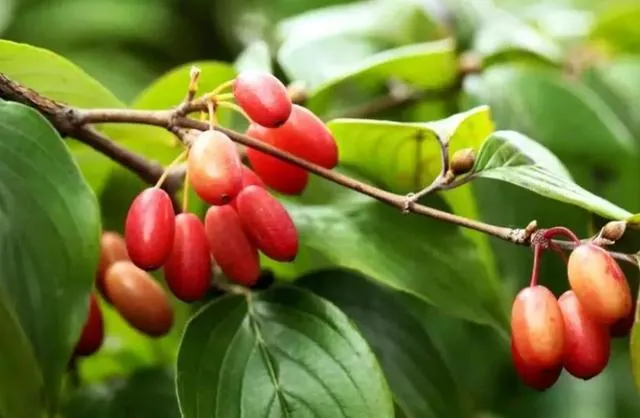
Calamus and cornel are among the most symbolic plants of Chongyang. Typically evergreen shrubs with dense leaves and small red fruits, they emit a strong fragrance. Since ancient times, they were believed to ward off evil and protect health. Historical medical texts note that calamus dispels evil and cures various diseases, making them essential for the festival.
Ancient people believed that on the ninth day of the ninth month, positive energy peaks while negative energy rises, making it easy for misfortune to occur. Wearing calamus or cornel pouches, or inserting branches in hair or hats, was both a ritual to ward off evil and a wish for health, longevity, and safety. During historical dynasties, people carried calamus pouches while climbing heights, symbolizing protection. Poetic works convey festive scenes and longing for distant relatives through these traditions.
Calamus customs extended into many folk practices. Branches were placed over doors and windows to repel evil, or steeped in wine to promote health and longevity. In certain regions, families made calamus-scented pouches containing various herbs, hung on children or elders, symbolizing protection.
Accompanying this is the tradition of flower cakes. From later historical periods, people ate Chongyang cakes made of rice or glutinous rice flour, stuffed with sweet ingredients. The cakes were often shaped to symbolize step by step rising, expressing wishes for career, academic, and life success. Some cakes were decorated with chrysanthemum motifs, complementing flower viewing and wine drinking for a visual and culinary festival experience.
These practices not only honor nature and life but also bless family and society, reminding people to maintain health, care for elders, and greet autumn with a sense of ritual and gratitude.
Eating Chongyang Cake: Auspicious Symbol of Step-by-Step Progress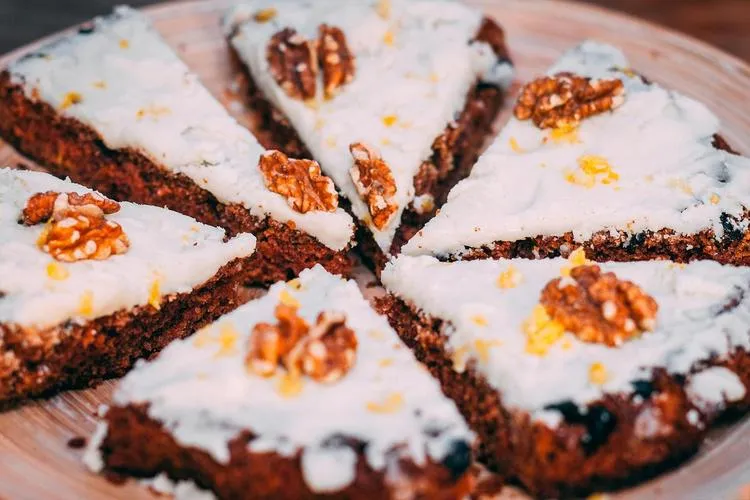
Chongyang cake, also called flower cake or chrysanthemum cake, is one of the festival's most representative foods. Made from glutinous or rice flour, often in nine or double layers, it symbolizes step-by-step ascent, expressing hopes for a better life.
Cakes are often topped with various ingredients, each with meaning:
Red dates signify early success, symbolizing smoothness and good fortune
Chestnuts symbolize achievement, representing career aspirations
Pine nuts imply prosperous descendants and flourishing families
Layered cakes not only look beautiful but also convey the hope that life, study, career, and family all rise step by step, symbolizing future blessings.
From certain historical periods, the practice of climbing and eating cakes became popular. The linguistic connection between height and cake reinforces its symbolism, combining prayers, disaster avoidance, and celebration. Scholars often paired this custom with chrysanthemum viewing and wine drinking, forming a unique cultural landscape.
Regional variations exist. In southern regions, cakes are sweeter, soft, and often decorated with sweet ingredients. In northern regions, they are firmer, layered, and decorated with dates and chestnuts, symbolizing harvest and good fortune. Regardless of region, Chongyang cakes remain indispensable, representing family reunion, health, and longevity.
Today, Chongyang cakes remain popular across generations. Beyond home preparation, bakeries offer gift boxes before the festival, making them ideal presents. Through this culinary tradition, the Chongyang Festival not only celebrates autumn's bounty but also conveys the auspicious wish of step-by-step progress and long life to every household.
Chongyang and Poetic Sentiment: Eternal Literary Heart in Autumn Hills
The Chongyang Festival has long been intertwined with poetry. Throughout history, poets climbed heights to gaze into the distance and express homesickness, leaving countless moving verses:
Wang Wei – Thinking of My Brothers on Mountain-Climbing Day
独在异乡为异客,每逢佳节倍思亲。
Dú zài yìxiāng wéi yì kè, měi féng jiājié bèi sī qīn.
遥知兄弟登高处,遍插茱萸少一人。
Yáo zhī xiōngdì dēng gāo chù, biàn chā zhūyú shǎo yī rén.
→ Expresses the deep homesickness of a traveler and longing for family during the festival.
Du Fu – On the Height
无边落木萧萧下,不尽长江滚滚来。
Wúbiān luòmù xiāoxiāo xià, bù jìn Cháng Jiāng gǔngǔn lái.
万里悲秋常作客,百年多病独登台。
Wàn lǐ bēi qiū cháng zuò kè, bǎi nián duō bìng dú dēng tái.
→ Uses the imagery of climbing heights to reflect autumn and meditate on life, aging, and the fate of the nation.
Meng Haoran – Visiting an Old Friend's Cottage
待到重阳日,还来就菊花。
Dài dào Chóngyáng rì, hái lái jiù júhuā.
→ Reveals a yearning for friendship and the idyllic pastoral life.
These verses transform the Chongyang Festival from a mere folk celebration into an enduring literary symbol of homesickness, friendship, and reflections on life in Chinese literature.
Chongyang and Respect for the Elderly: Modern Inheritance of Traditional Virtues

The Chongyang Festival today not only preserves traditional customs such as climbing heights, admiring chrysanthemums, wearing cornelian sachets, and drinking chrysanthemum wine, but also carries profound humanistic significance—it is celebrated as a Festival of Respect for the Elderly. Every year on the ninth day of the ninth lunar month, people express love and respect for their elders in various ways, making Chongyang a concentrated embodiment of the Chinese virtues of respecting, caring for, and supporting the elderly.
Respecting and caring for elders is one of the core values of Chinese culture, and Chongyang serves as its best representation. It reminds people that amid busy daily life, one should not forget to visit their parents; in the rush of time, a simple "thank you for your hard work" carries deep significance. The festival's meaning lies not only in rituals but in the heartfelt transmission of care and affection.
Across China, communities organize diverse activities to honor the elderly. Communal banquets, cultural performances, and fitness events are arranged so that senior citizens feel the warmth of the festival and the care of society. Schools also encourage students to visit elderly people living alone, engaging them in conversation, helping tidy the yard, or presenting handmade gifts—allowing the younger generation to experience and understand the importance of filial piety.
Within families, children often take their parents to climb hills, admire chrysanthemums, drink chrysanthemum wine, and enjoy Chongyang cakes, symbolizing health, longevity, and family harmony. Many also give chrysanthemums, pastries, or handmade gifts to express love and gratitude toward their elders. During the festival, whether on city park hilltops or rural mountain peaks, scenes of three generations together—parents and children ascending heights and enjoying the autumn scenery—can be widely seen.
In addition, many regions combine the festival with public welfare initiatives, such as elder-focused cultural festivals, health lectures, and cultural performances, further promoting the concept of respecting the elderly in society. Through the joint efforts of families and communities, Chongyang has evolved beyond a personal celebration of filial piety into an important vehicle for fostering family bonds, promoting traditional virtues, and enhancing social harmony.
The modern significance of Chongyang extends beyond avoiding misfortune or admiring chrysanthemums—it is a continuation of cultural heritage and emotional expression. On this day, care and respect intertwine, tradition and modernity merge, and every act of filial devotion becomes a warm gesture, allowing the culture of filial piety to take root and flourish in contemporary society.
Regional Customs: Chongyang Across China
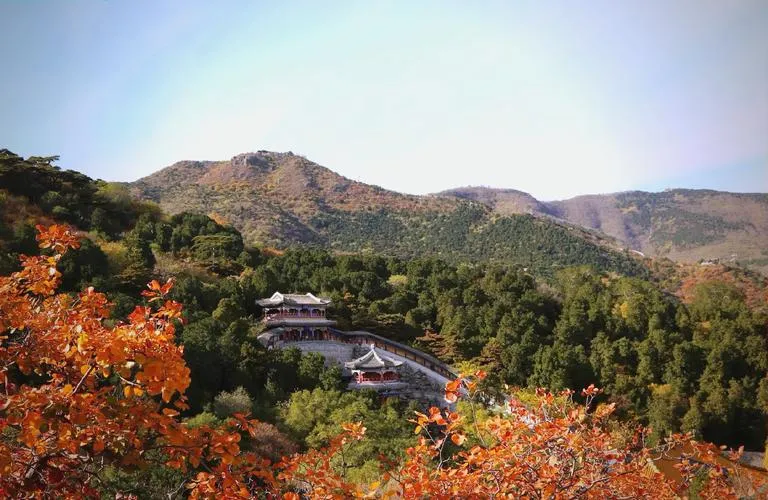
Although the Chongyang Festival is celebrated nationwide, local customs vary, reflecting China's rich regional culture and the festival's diverse traditions. From north to south, east to west, people share common sentiments—remembering loved ones, respecting elders, and praying for blessings.
Beijing: On the ninth day of the ninth lunar month, residents often climb Fragrant Hills (Xiangshan) or Jingshan to admire the autumn foliage. Golden and fiery red maple leaves mingle with blooming chrysanthemums, while the ancient temple bells echo through the mountains. Literati and scholars have long taken these outings as opportunities to compose poems. Citizens also enjoy climbing in groups, combining fitness with symbolic wishes for "rising step by step" and long life.
Xi'an: In this ancient capital, people emphasize ancestor worship alongside climbing activities. Many families ascend Mount Li, burn incense, and make offerings to ancestors, often wearing cornelian sachets to pray for health and safety. Along the way, they can enjoy the vividly colored forests of the Qinling Mountains, experiencing the profound blend of history and nature.
Wuxi, Jiangsu: Locals traditionally "climb Huishan, drink chrysanthemum wine, and eat Chongyang cake." The ancient villages, pavilions, and temples at the foot of Huishan are adorned with autumn chrysanthemums. Chrysanthemum exhibitions and cultural performances are also popular. During family gatherings, cakes symbolize "rising step by step," and chrysanthemum wine represents health and longevity, creating a warm and elegant festival atmosphere.
Hunan: In some areas, tomb-sweeping and ancestor worship form the main activities. Families tidy ancestral graves, present flowers and offerings, expressing remembrance and respect for forebears. Meanwhile, climbing hills and enjoying autumn scenery are also popular, blending tradition with nature.
Taiwan: Known as "Senior Citizens' Day", Chongyang in Taiwan features elder appreciation events, cultural performances, and outdoor excursions. Young people are encouraged to accompany elders to scenic spots, enjoy chrysanthemums and Chongyang cakes, and strengthen intergenerational bonds. The festival serves both as a family reunion opportunity and a public celebration of respect for the elderly.
From north to south and east to west, Chongyang customs may differ in form due to regional climate and culture, but the core sentiment remains the same—care for elders, remembrance of ancestors, and gratitude and blessings for life. Whether climbing hills, admiring chrysanthemums, drinking chrysanthemum wine, wearing cornelian sachets, or enjoying Chongyang cakes, these practices express warmth and cultural identity in the autumn season, embodying the unique ways Chinese people celebrate and connect through tradition.
Cultural Symbolism and Modern Insights
The Chongyang Festival is more than a ceremonial celebration—it embodies reflections on life itself:
Climbing heights symbolizes transcendence and self-improvement;
Admiring chrysanthemums conveys composure and resilience in the face of time;
Respecting elders reflects reverence for tradition and the continuity of life;
Remembering loved ones nurtures familial warmth and human connection.
In today’s fast-paced world, Chongyang reminds us to slow down:
To gaze upon the autumn mountains;
To inhale the fragrance of a single chrysanthemum;
To spend time with the elder quietly waiting for your return at home.
Year after year, the Double Ninth passes, yet affection endures. From the Han and Tang dynasties to the present day, Chongyang has traversed millennia, retaining its gentle and timeless spirit. It is both a moment to climb high and reflect on life, and a day to honor elders and cherish family; a time filled with the drifting fragrance of chrysanthemums and the poetic elegance of autumn, while carrying the warmth of familial and national bonds.
Double Nine, Lasting Longevity—Chongyang is more than a date on the calendar; it is a state of mind. On this day, let us climb to lofty heights, remember our loved ones, and realize that the truest beauty of Chongyang lies in enduring human affection.
Related Vocabulary
| Chinese | Pinyin | English |
|---|---|---|
| 重阳节 | Chóngyáng jié | Double Ninth Festival / Chongyang Festival |
| 登高 | dēng gāo | climb to a height |
| 赏菊 | shǎng jú | appreciate chrysanthemums |
| 菊花酒 | júhuā jiǔ | chrysanthemum wine |
| 茱萸 | zhūyú | cornelian / Cornus officinalis |
| 重阳糕 | Chóngyáng gāo | Chongyang cake |
| 敬老 | jìng lǎo | respect the elderly |
| 思亲 | sī qīn | remembrance of loved ones |
| 秋祭 | qiū jì | autumn sacrifice |
| 长寿 | chángshòu | longevity |
| 九九 | jiǔ jiǔ | double nine |
| 登山 | dēng shān | mountain climbing |
| 花香 | huā xiāng | floral fragrance |
Chongyang Festival FAQ
Q1: When is the Chongyang Festival?
A1: The Chongyang Festival falls on the 9th day of the 9th month in the lunar calendar. It is called "Double Ninth" because the number nine, considered a yang number, appears twice.
Q2: What is the origin of the Chongyang Festival?
A2: The festival originated from ancient autumn sacrifices and mountain climbing activities during the pre-Qin period. The story of Han dynasty scholar Huan Jing wearing cornelian (zhuyu) to avoid disaster helped establish the festival's customs.
Q3: What are the traditional customs of the Chongyang Festival?
A3: Main customs include:
- Climbing mountains (to pray for health and longevity)
- Appreciating chrysanthemums and drinking chrysanthemum wine (symbolizing longevity)
- Wearing cornelian pouches (to ward off evil)
- Eating Chongyang cakes (symbolizing progress and success)
- Remembering family and showing respect to elders
Q4: Why do people climb mountains during the Chongyang Festival?
A4: Originally, mountain climbing was believed to avoid disasters and absorb positive energy. Over time, it became a way to enjoy autumn scenery, exercise, pray for good fortune, and express emotions.
Q5: Why do people appreciate chrysanthemums and drink chrysanthemum wine?
A5: Chrysanthemums symbolize integrity, resilience, and longevity. Drinking chrysanthemum wine represents health and the dispelling of illness, and also reflects the scholarly appreciation for nature and a reclusive lifestyle.
Q6: What is cornelian (zhuyu) and its role in the festival?
A6: Cornelian is an evergreen plant traditionally believed to ward off evil and protect health. Wearing or placing cornelian pouches is a customary practice during the Chongyang Festival.
Q7: What does the Chongyang cake symbolize?
A7: The cake represents "step by step rising," conveying wishes for success in career, studies, and life. It is often decorated with red dates, chestnuts, and pine nuts, each carrying a special meaning.
Q8: What is the modern significance of the Chongyang Festival?
A8: Today, the festival not only preserves traditional customs but is also recognized as Elderly Day in China, emphasizing respect, love, and care for seniors while strengthening family bonds and social warmth.
Q9: How do Chongyang Festival customs differ across regions?
A9: In Beijing, people climb Xiangshan to view red leaves; in Xi'an, ancestral rites and mountain climbing are emphasized; in Wuxi, residents climb Huishan, drink chrysanthemum wine, and eat Chongyang cakes; in Hunan, tomb-sweeping is common; in Taiwan, the festival focuses on honoring elders. Despite regional differences, the core values of remembering family, respecting elders, and wishing for good fortune remain consistent.