Exploring the Contrasts Within Chinese Society
Table of Contents
While Chinese society is often perceived as uniform, it is, in fact, remarkably diverse. Across history and geography, the experiences of people living in cities versus rural areas, northern versus southern regions, and among China’s 56 recognized ethnic groups have varied widely. Gaining insight into these contrasts is essential for understanding the complexity of modern China.
Urban vs. Rural China
One of the most striking distinctions in contemporary Chinese life is the divide between urban and rural areas. Historically, the majority of Chinese people lived as farmers, and despite the presence of large cities even in pre-modern times, agriculture dominated the social and economic landscape for centuries.
Well into the 20th century, China remained primarily rural, a fact that continues to influence cultural norms, social behaviors, and community structures today. Renowned Chinese anthropologist and sociologist Fei Xiaotong (费孝通 Fèi Xiàotōng) emphasized that understanding rural life is crucial to understanding the foundations of Chinese society and the values that persist in both urban and rural communities.
Migration Between Countryside and City in China
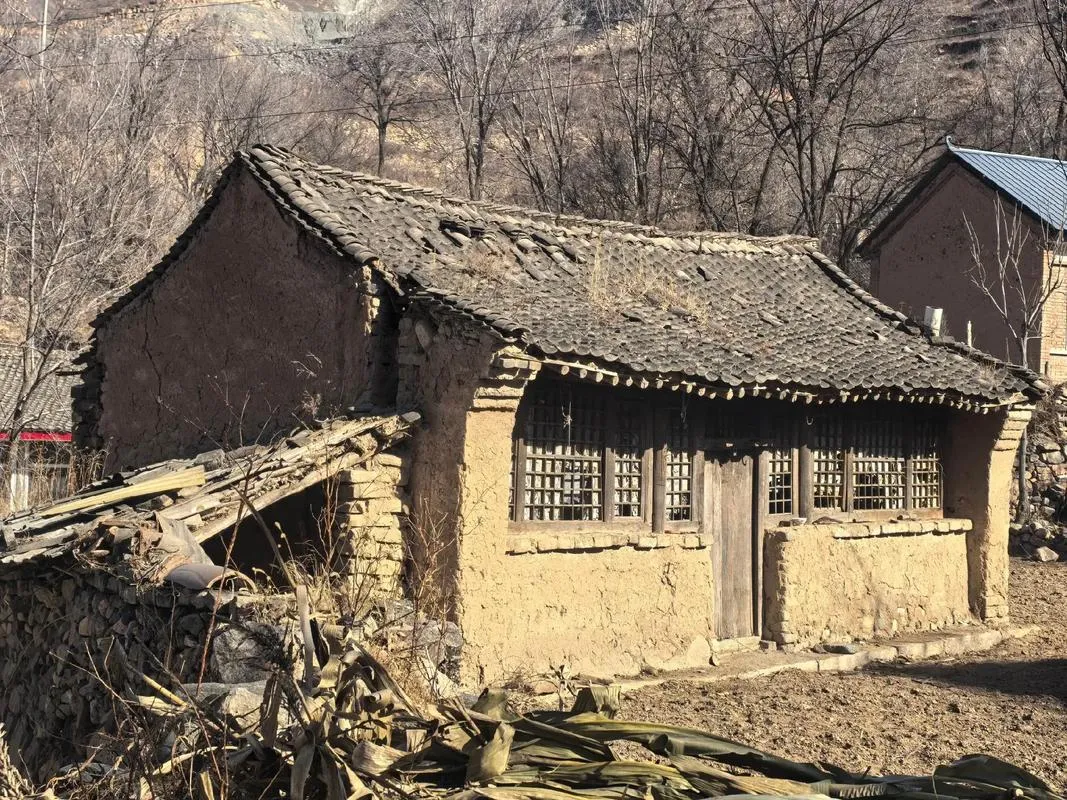
Rural-urban migration in China: Millions of workers moving from villages to cities for better employment opportunities since the Reform and Opening-up era.
Historically, movement between rural and urban areas in China existed but was limited to specific groups, such as traders, soldiers, government officials, or individuals traveling to take the imperial examinations. For the majority of people, life remained tied to the village or town of their birth, often for generations.
In the early years of communist rule during the 20th century, China implemented a planned economy and enforced strict population controls through the hukou household registration system (户口制度, hùkǒu zhìdù). This system categorized citizens as either urban or agricultural residents and severely restricted movement between rural and urban areas for most of the population.
The situation began to change after the Reform and Opening-up (改革开放, gǎigé kāifàng) in the late 1970s and early 1980s. Millions of rural residents, often called migrant workers (农民工, nóngmíngōng), flocked to cities seeking employment in factories and construction projects.
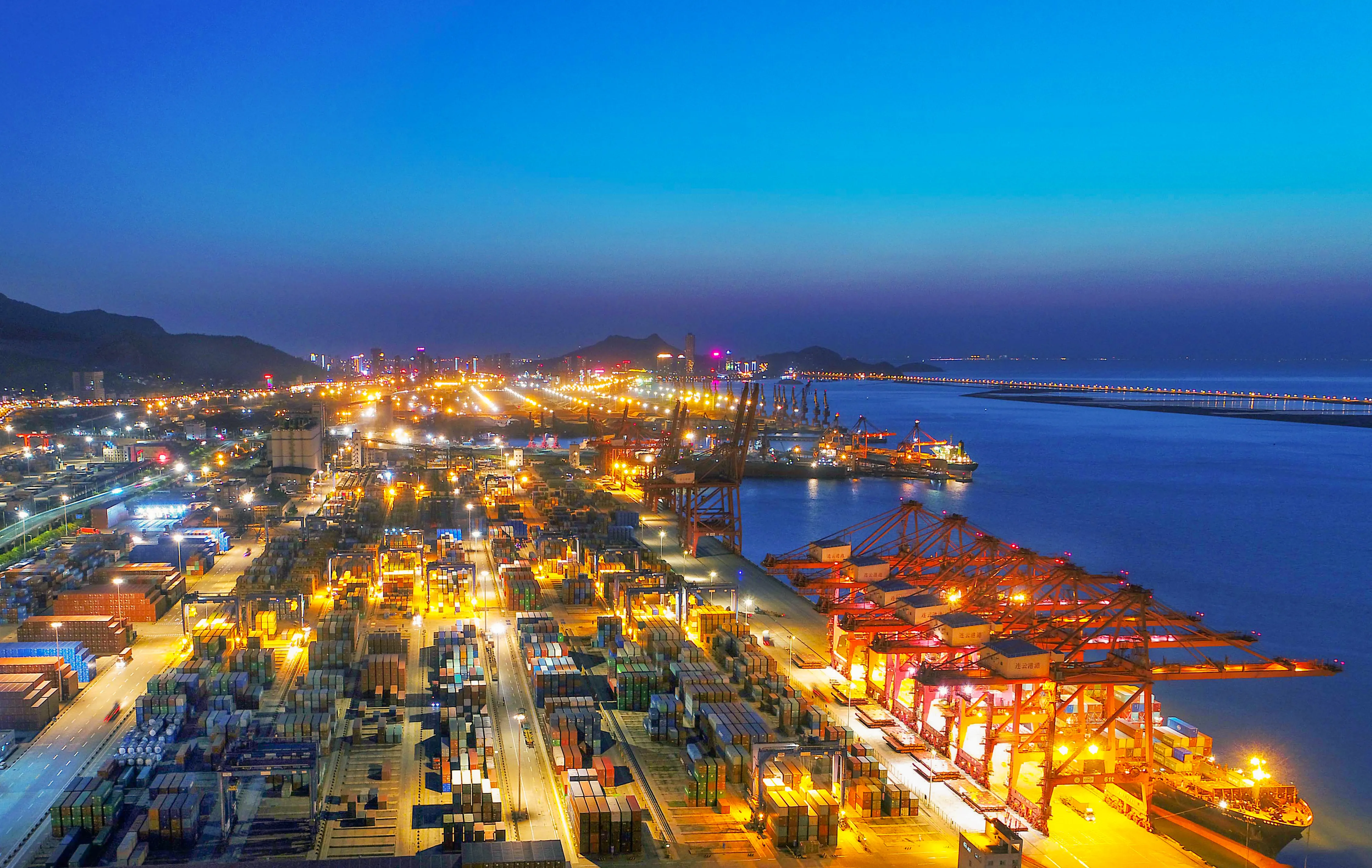
Reform and Opening-up in China: The economic policies implemented in the late 1970s that transformed China's economy and triggered large-scale rural-to-urban migration.
Despite this massive migration, disparities in economic development mean that people from rural areas still tend to have lower incomes and fewer opportunities than their urban counterparts.
Despite moving to cities for work, many agricultural hukou holders and their children face significant social limitations. Officially classified as rural residents—even if they have never worked on a farm—they often lack access to public schooling, healthcare, and other essential urban social services.
Under the hukou system, a person's ancestral village remains their official place of residence. This holds true even for those who have lived and worked in cities for many years, returning to their hometowns only once a year for the Spring Festival. This rigid classification has created entrenched social inequalities, contributing to challenges such as the left-behind children phenomenon, where children remain in rural areas while their parents work in cities.
Recognizing these issues, the Chinese government began reforming the hukou system in 2014, easing the process for agricultural hukou holders to obtain official urban residency. Over the past decade, it has become considerably easier to convert a rural hukou to an urban hukou in small- and medium-sized cities.
However, obtaining a hukou in major cities like Beijing or Shanghai remains extremely difficult. To manage population growth, some of China's most developed cities have introduced talent incentive programs that allow non-residents to apply for urban residency. Yet, the requirements of these programs are highly restrictive, making them unattainable for most agricultural hukou holders. As a result, the hukou system continues to be a major driver of social inequality in contemporary China.
Northern and Southern China
Beyond the urban-rural divide, another major factor shaping modern Chinese society is the historical and geographical distinction between northern (北方 běifāng) and southern (南方 nánfāng) China. These regions differ not only in climate and terrain but also in culture, economy, and daily life. Generally, northern China is characterized by cold, dry winters and flat plains, while southern China tends to be warm, humid, and mountainous, with milder winters and abundant rainfall.
Defining the North-South Divide
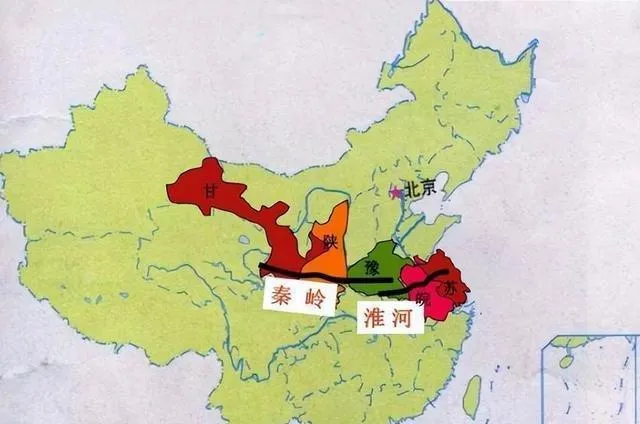
The Qin-Huai Line in China: The traditional boundary between northern and southern China, marking differences in climate, agriculture, and culture.
The traditional boundary between north and south China is marked by the Qin-Huai Line (秦岭淮河线 Qínlǐng Huáihé Xiàn), which stretches along the 33rd parallel from the Huai River to the Qin Mountains. This line has historically served as a geographical and cultural marker, influencing everything from dialects and cuisine to agricultural practices.
After the founding of the People’s Republic of China, the government used the Qin-Huai Line as a practical division for winter heating policies. Provinces north of the line were provided with subsidized central heating during the cold months, while southern provinces were largely excluded—even though southern winters can still be chilly. Today, this legacy explains why winters in the south can feel harsher, despite the milder temperatures, while northerners enjoy heated homes but suffer from high levels of air pollution due to coal-fired heating plants.
Economic Shifts and Regional Disparities
During the Mao era, northeastern China—particularly provinces like Jilin, Liaoning, and Heilongjiang—was the heart of the country’s heavy industry. These regions, often called the industrial northeast, were home to massive state-owned steel mills, machinery factories, and other heavy manufacturing facilities. The north’s industrial backbone shaped not only employment patterns but also the local culture and social structure.
In recent decades, however, China’s economy has shifted from heavy industry toward technology, finance, and service sectors, leaving the old industrial northeast behind. Southern provinces such as Guangdong, Zhejiang, and Jiangsu now lead the country in economic growth, innovation, and urban development. This economic divergence has created stark contrasts: northeastern cities in the so-called “rust belt” face stagnation, population decline, and limited job opportunities, while southern urban centers attract talent, investment, and a younger, more mobile workforce.
As a result, internal migration patterns reflect these disparities, with many workers from the north moving south to access better-paying jobs. Meanwhile, those who remain in the northeast must cope with both economic stagnation and the environmental legacy of decades of heavy industry, illustrating the enduring north-south contrast in modern Chinese society.
Culinary Differences Between North and South China
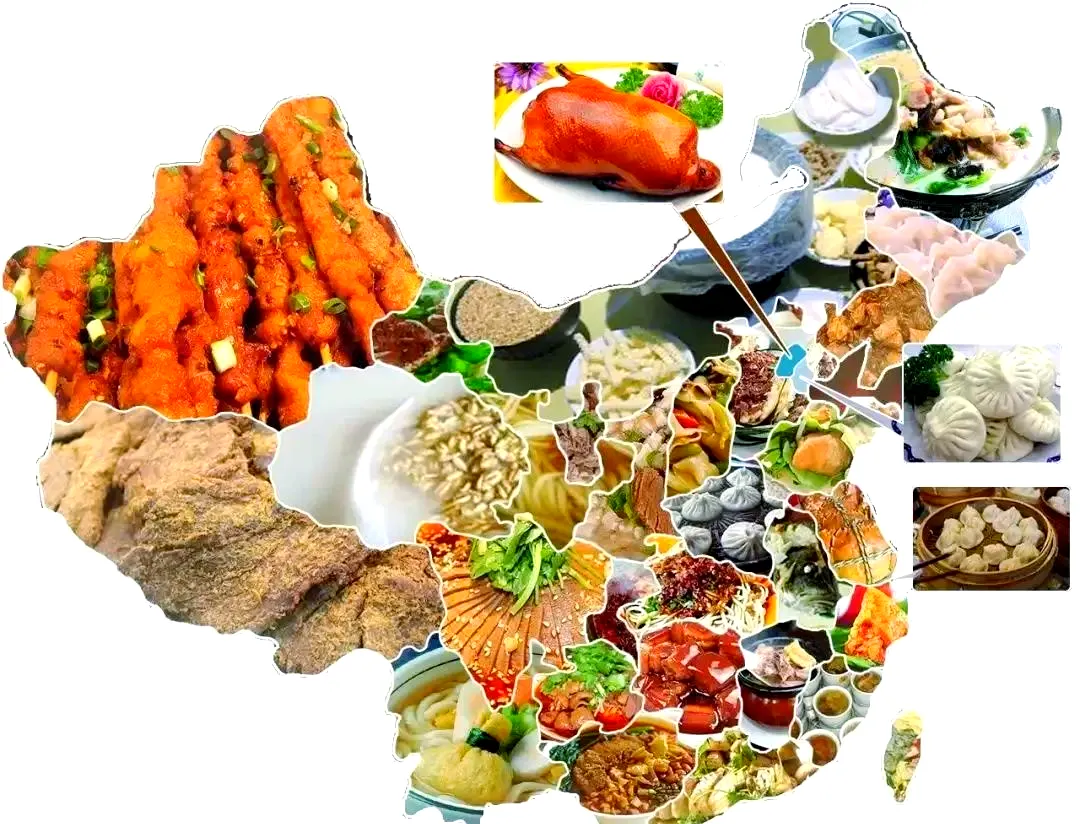
Visual representation of cultural differences between northern and southern China, showcasing diversity in cuisine, architecture, and lifestyle across different regions.
China’s diverse geography and climate have given rise to distinct regional food cultures, making cuisine one of the most noticeable markers of the north-south divide. Southern China, with its warm, wet climate, is ideal for rice cultivation, while the colder, drier north is better suited for wheat, corn, and millet. These agricultural patterns directly influence the staple foods of each region.
In the north, wheat-based foods dominate the diet, including noodles, steamed buns (馒头 mántou), and dumplings (饺子 jiǎozi). Northern meals often have a hearty, filling quality, reflecting the need for sustenance during long, cold winters. In contrast, southern cuisine centers around rice and rice-based dishes, from plain steamed rice to sticky rice cakes (年糕 niángāo), and incorporates more fresh vegetables, seafood, and subtle seasonings.
Cultural differences also extend to holiday celebrations. During the Spring Festival, northern families traditionally eat dumplings, symbolizing wealth and prosperity, whereas southern families often prepare niángāo, a sweet or savory glutinous rice cake that represents growth and good fortune for the new year. Even within these broad north-south distinctions, each province has its own signature flavors, ingredients, and cooking techniques, reflecting centuries of local adaptation and culinary creativity.
Ultimately, the diversity of Chinese cuisine serves as a delicious reminder of the country’s vast cultural and regional variety, shaped by geography, climate, and history.
Cultural Differences Across Northern and Southern China
Beyond food, the cultural contrasts between northern and southern China are visible in many aspects of everyday life. Architecture, for instance, reflects regional climates and available materials. In the colder, drier north, buildings have traditionally been constructed from brick and stone, materials that provide durability and insulation. In the warmer, more humid south, wooden structures have long been preferred, allowing for better ventilation and flexibility in mountainous terrain.
The north–south divide is also evident in traditional Chinese arts. Distinct regional styles of opera, painting, and dance developed independently, shaped by local history and aesthetics. Northern operatic traditions tend to emphasize bold movements and resonant vocal styles, while southern forms are often more lyrical and refined.
Popular stereotypes further illustrate perceived regional differences. Northerners are often described as taller and more physically robust, while southerners are thought to be more compact in build, though such generalizations come with many exceptions and are becoming less accurate over time.
Language is another clear marker of regional identity. In northern China, Mandarin is commonly spoken with pronounced “r” sounds, a feature known as 儿化 (érhuà). Southern Mandarin, by contrast, usually lacks these sounds and carries a distinct accent influenced by the many local dialects and regional languages spoken in the south. These linguistic differences make it easy for native speakers to identify someone’s regional background within seconds of conversation.
As travel, education, and access to mass media have become more widespread, historical differences between north and south have gradually narrowed. Still, traces of regional identity remain deeply embedded in language, customs, and cultural expression.
Ethnic Diversity: Han Chinese and Minority Cultures
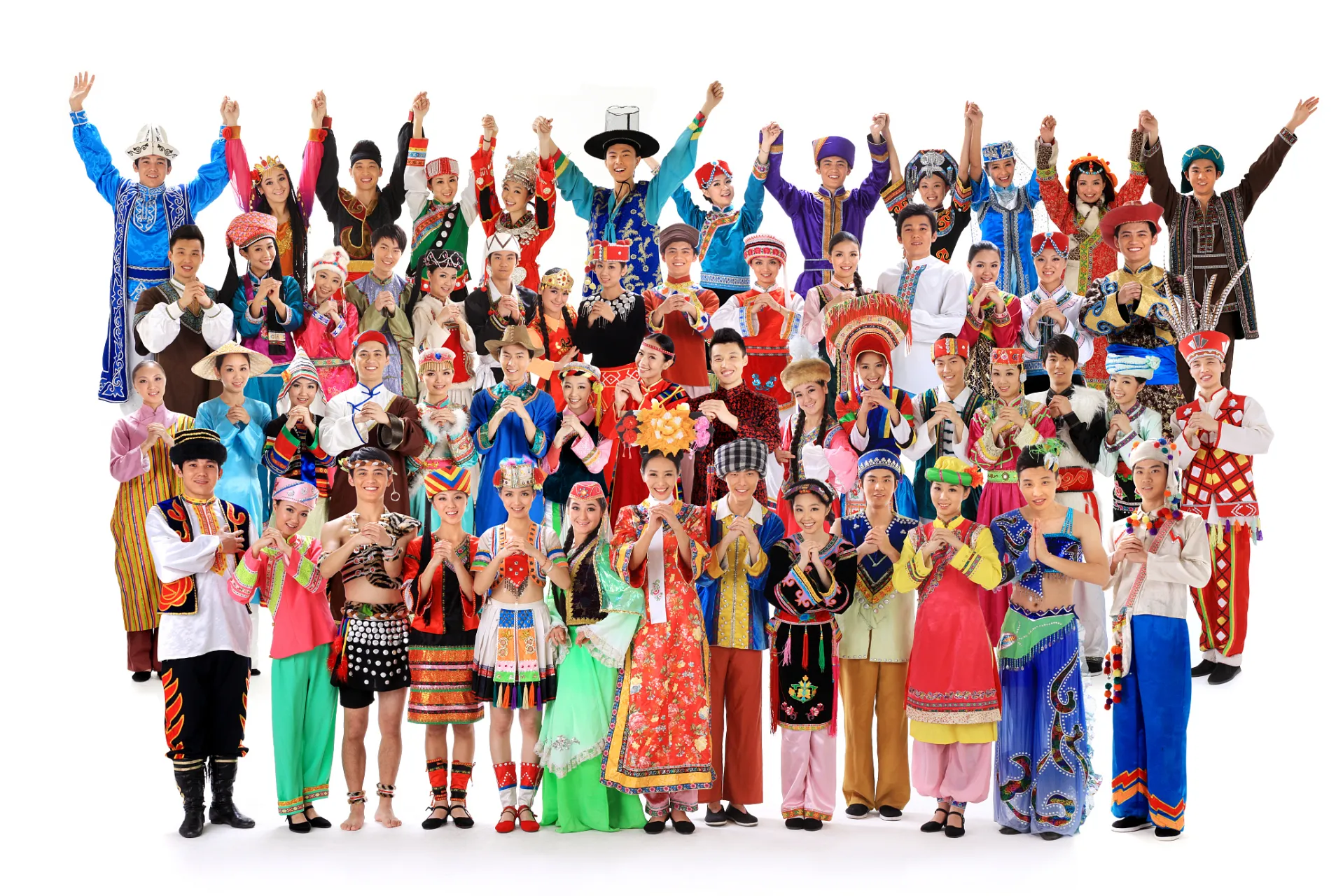
Harmonious coexistence of Han Chinese and ethnic minority cultures in China, showcasing the country's diverse national heritage.
Another important dimension of China’s cultural diversity lies in its ethnic composition. China officially recognizes 56 ethnic groups, with the Han Chinese (汉族 Hànzú) forming the majority. Accounting for approximately 92% of the population, the Han are often the group most closely associated with "Chinese culture" in the global imagination.
The remaining 8% of the population consists of 55 officially recognized ethnic minority groups (少数民族 shǎoshùmínzú), each with its own history, traditions, and cultural practices. Historically, many of these groups maintained distinct ways of life, languages, and belief systems that differed significantly from those of the Han majority.
Minority Traditions in Contemporary China
In recent decades, rapid modernization, mass education, nationwide media, and improved transportation have reshaped the lives of many ethnic minority communities. As a result, Han cultural influence has become more widespread. Some groups, such as the Manchu (满族 Mǎnzú), once rulers of imperial China during the Qing dynasty, have largely assimilated into mainstream society, with only limited traces of distinct cultural practices remaining.
Other groups, however, have preserved much stronger cultural identities. Communities such as the Yi (彝族 Yízú), Tibetans (藏族 Zàngzú), and Uyghurs (维吾尔族 Wéiwú'ěrzú) continue to maintain traditional customs, religious practices, and social structures that set them apart from the Han majority.
Many ethnic minority populations reside in geographically remote regions, including provinces like Yunnan and Guizhou, as well as the Guangxi Zhuang Autonomous Region, where groups such as the Zhuang and Yao are especially prominent. In areas with limited outside influence, minority communities may still wear traditional clothing, speak their own languages or dialects (方言 fāngyán), practice indigenous or region-specific religions, and celebrate festivals unique to their cultural heritage.
Together, these regional and ethnic distinctions reveal a China far more diverse and layered than is often assumed, shaped by geography, history, and centuries of cultural exchange.
Preferential Government Policies
In recognition of China’s ethnic and cultural diversity, the Chinese government has implemented a range of preferential policies (优惠政策 yōuhuì zhèngcè) aimed at supporting officially recognized ethnic minority groups. These measures share some similarities with affirmative action policies found in certain Western countries.
One well-known example involves education. Students from ethnic minority backgrounds may receive additional points on the national college entrance examination, known as the gaokao (高考 gāokǎo), which can significantly improve their chances of admission to competitive universities. In addition, ethnic minority groups have historically been exempt from or granted flexibility under certain nationwide policies, most notably the former One-Child Policy, which applied more strictly to the Han majority.
These preferential policies are intended to promote social equity, preserve cultural diversity, and support the development of minority regions, many of which are located in geographically remote or economically disadvantaged areas.
A Society Shaped by Difference
From bustling megacities to quiet rural villages, from the wheat fields of the north to the rice paddies of the south, and from the Han majority to China’s many ethnic minority communities, Chinese society is defined not by uniformity, but by contrast. These differences are not obstacles to understanding China; they are the very framework through which its history, values, and modern transformations make sense.
What unites these diverse experiences is a shared cultural thread that emphasizes adaptability, family, community, and continuity in the face of change. As China continues to modernize and integrate with the wider world, the lines between regions, identities, and traditions are gradually shifting, yet they never fully disappear.
To truly understand China, one must look beyond a single narrative and embrace the layers that coexist within it. Observing how tradition and innovation, diversity and unity, old systems and new realities intersect offers a deeper, more human understanding of the country today.
In the end, Chinese society is not a puzzle to be solved, but a landscape to be explored—one shaped by history, sustained by diversity, and constantly evolving.
FAQ
Q: How many ethnic groups are officially recognized in China?
A: China officially recognizes 56 ethnic groups, with the Han Chinese (汉族 Hànzú) forming the majority, accounting for approximately 92% of the population, and 55 minority groups making up the remaining 8%.
Q: Do ethnic minority groups in China still maintain their traditional customs?
A: Yes, many ethnic minority groups, such as the Yi (彝族 Yízú), Tibetans (藏族 Zàngzú), and Uyghurs (维吾尔族 Wéiwú'ěrzú), continue to maintain traditional customs, religious practices, social structures, and sometimes their own languages or dialects (方言 fāngyán), especially in geographically remote areas.
Q: What are some examples of government policies supporting ethnic minorities in China?
A: The Chinese government has implemented preferential policies (优惠政策 yōuhuì zhèngcè), such as awarding extra points on the national college entrance examination (高考 gāokǎo) to students from ethnic minority backgrounds, and providing exemptions or flexibility under certain nationwide policies, like the former One-Child Policy.
Q: How does China’s ethnic diversity affect its culture?
A: China’s ethnic diversity contributes to a rich cultural tapestry, influencing traditions, festivals, cuisine, clothing, languages, and social practices. Minority communities often retain unique customs that differ from the Han majority, adding layers of cultural complexity across regions.
Q: Are ethnic minorities concentrated in specific regions of China?
A: Yes, many ethnic minority populations reside in geographically remote regions, such as Yunnan and Guizhou provinces and the Guangxi Zhuang Autonomous Region, where groups like the Zhuang and Yao are especially prominent.
Q: Why is China described as a society defined by contrasts?
A: China’s society is shaped by contrasts across urban and rural areas, north and south regions, and Han versus minority communities. These differences influence language, customs, traditions, and social practices, highlighting China’s diversity rather than uniformity.