The Chronicles of the Chinese Nap Culture: From Office Folding Beds to Drool Marks on School Desks
I. Introduction: The Collective “Power-Down” of the Midday Nap in China
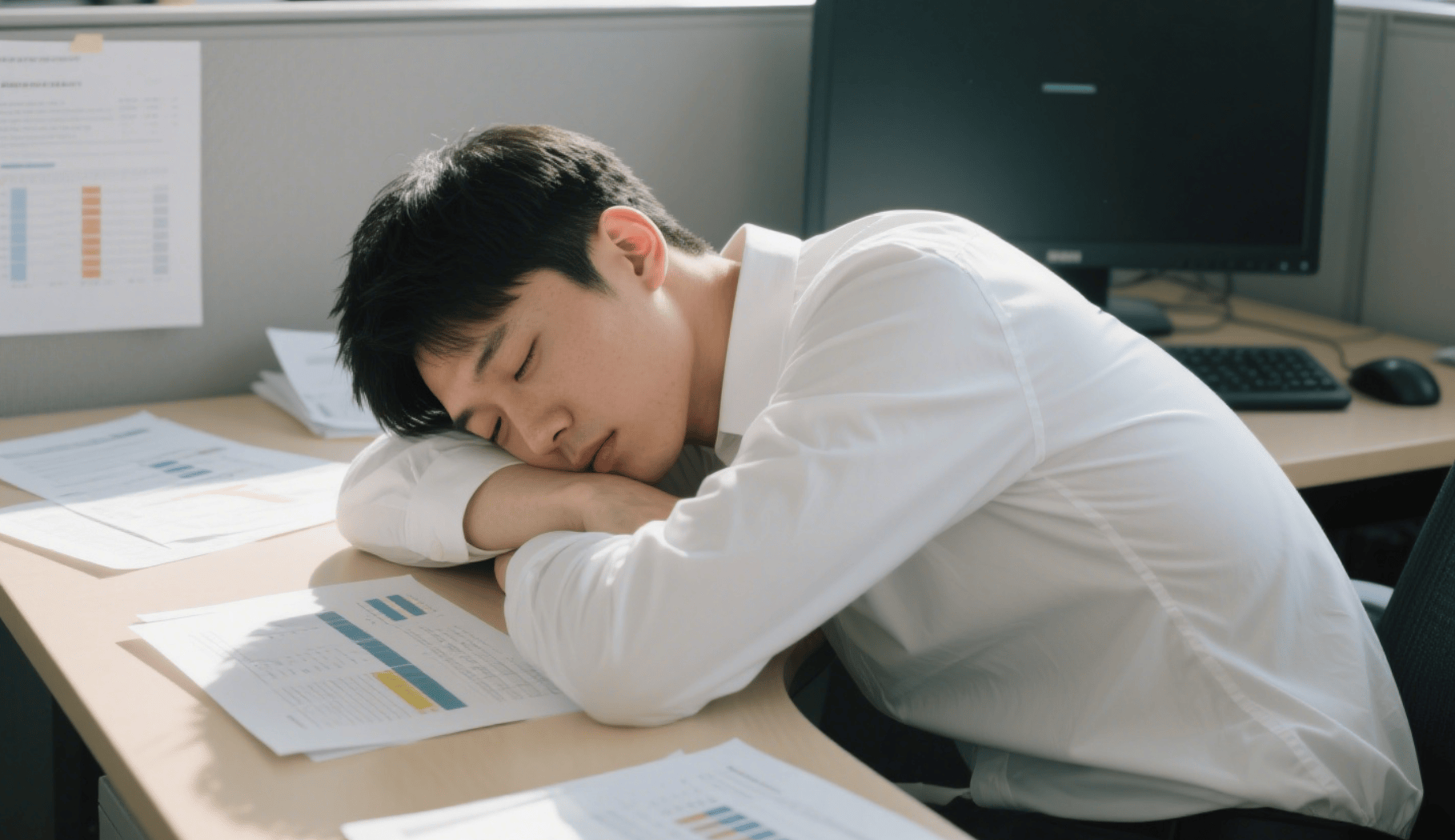
If you have ever lived in any city in China, you have probably witnessed a curious moment central to Chinese nap culture. When the clock strikes twelve, bustling office towers, noisy cafeterias, and even busy streets seem to fall under an invisible mute button. This is not cinematic special effects. It is the daily ritual known as the great Chinese midday migration to nap.
At this hour, a remarkable scene unfolds. Lights in office buildings go dark in large patches. Behind glass curtain walls, thousands of people perform the same synchronized motion: phones are set aside, computers shut down, and from drawers emerge the tools of the trade—a U-shaped neck pillow or a foldable cot tucked beneath the desk.
In schools, the transformation is even more dramatic. The teacher simply says, “Put your heads down and sleep.” A classroom that moments ago sounded like a boiling kettle suddenly becomes a quiet landscape of dozens of heads resting in folded arms. In parks, on benches, or even on the steps outside banks, elderly men and women can be seen dozing with handheld fans and sun hats.
To many foreigners, this collective shutdown is baffling. They might ask, “Don’t you drink coffee to stay awake? Why do Chinese people nap instead?” For Chinese people, however, the question hardly requires an answer. It is a biological rhythm carved into the body and a social understanding shared without words. For one brief hour, interns and senior managers alike return to a simple truth: if you are tired, you close your eyes.
For Chinese people, a midday nap means far more than rest. It is a pressure valve in the middle of an intense day, a halftime break in a long marathon of work. Without it, the afternoon mind creaks like rusted machinery. With even twenty minutes of sleep, one wakes feeling capable of conquering the next five hundred years. It is less a habit than a form of survival wisdom, a slow-motion pause inserted into a fast-forward world. Today, let us explore this deeply human and vividly Chinese culture of midday sleep.
II. Historical Roots: Grandma’s “Ziwu Nap” and the Rhythm of the Seasons
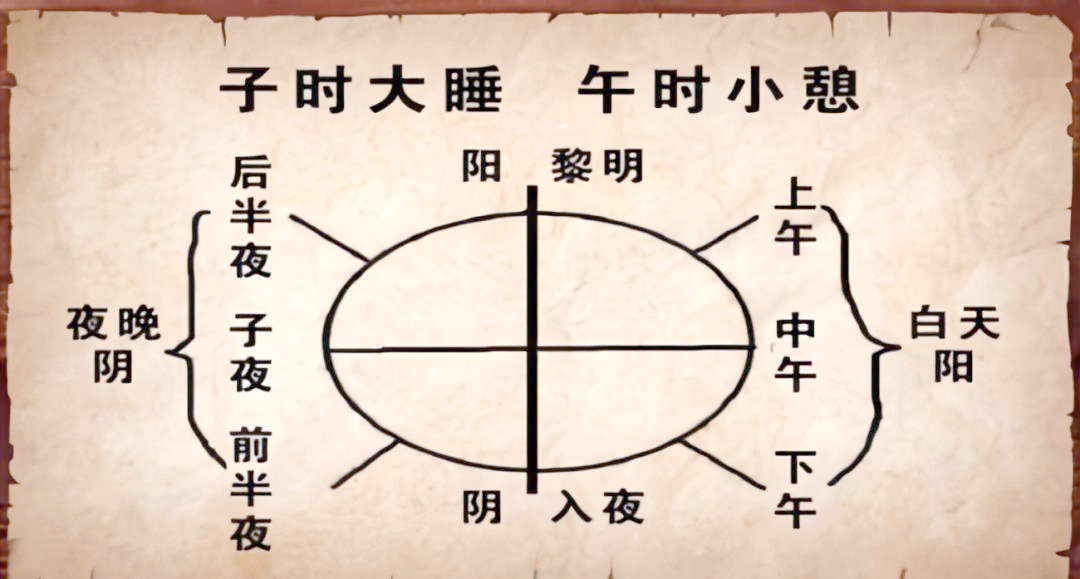
Today we talk about naps because of afternoon meetings or exams. But for many Chinese people, the memory of napping is tied to childhood, climate, and the gentle scolding of grandparents regarding the traditional “Ziwu sleep” (子午觉).
On summer afternoons when the sun scorched the earth and cicadas screamed in the trees, grandmothers would wave palm fans and say, “Go take a ziwu nap. Otherwise you’ll have no energy this afternoon and you won’t grow tall.” As children, few understood what ziwu meant. They only knew that refusing to lie down meant trouble.
These memories carry different flavors across China, reflecting diverse regional nap habits. In the south, especially in regions like Jiangsu, Zhejiang, and Lingnan, summer humidity wraps the air like a wet blanket. A nap becomes a lifesaver. People remember bamboo mats damp with sweat and heavy heat that even the wind through open hallways could not disperse. Only by curling up on the cool mat could one steal a moment of relief. In the north, the experience reflects the dramatic changes of the seasons. Summer naps happen in the shade of trees, while winter naps are a warm luxury. Outside the window snow may be falling, while indoors the heating makes cheeks glow red. Wrapped in thick quilts, people sleep deeply while cold winds howl outside.
This habit also grew naturally from China’s traditional rhythm of life. Lunch is often a hearty meal of rice and oily stir-fried dishes. Once the stomach begins digesting, blood flows toward the digestive system, leaving the brain feeling foggy and heavy. In agricultural times, the midday sun was often too harsh for fieldwork, so farmers rested before returning to labor in the afternoon. Over generations, the rhythm of “work at sunrise, rest at noon” became embedded in daily life.
Even though modern China lives in high-rise buildings with air conditioning, the memory remains. Young people may claim they will power through the day without sleep, but once lunch is finished their eyelids begin to argue otherwise. The ancient rhythm within the body quietly awakens, urging them to close their eyes. Technology may accelerate life, but the desire for a quiet midday pause has never vanished. It is an invisible thread connecting the agricultural past with modern urban life.
III. Modern Scenes: Office Nap Gadgets and Campus Dreams of Lying Flat
In modern workplaces and schools, China’s nap culture has evolved into a fascinating ecosystem of gadgets, tactics, and spatial negotiations.
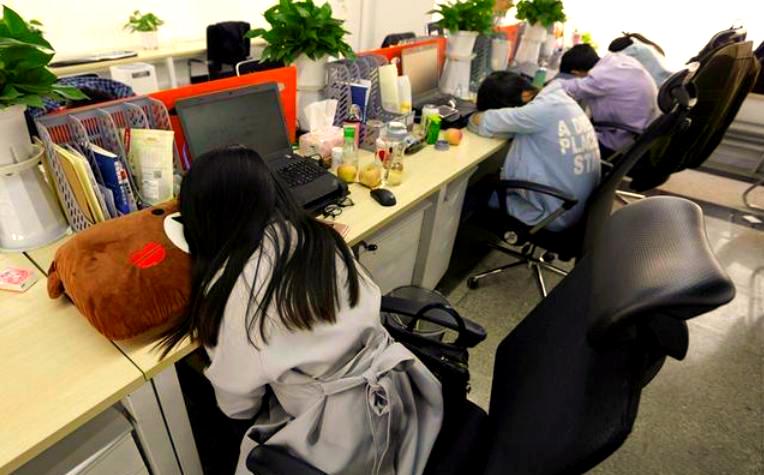
Inside office buildings, the midday nap resembles a survival strategy. Veteran employees often keep hidden equipment beneath their desks. With a swift pull, a collapsible camp bed appears. Drawers contain eye masks, earplugs, and small blankets. Regional differences still appear in office nap habits. In southern offices, where humidity lingers, small fans, dehumidifiers, and breathable linen pillows are common companions. In northern offices, particularly during winter, heating can dry the air so much that workers wake up thirsty. Humidifiers and thermoses filled with warm water become essential tools.
When lunchtime arrives, everyone deploys their strategy. Some crawl beneath desks. Others line up chairs to form makeshift beds. A few rush toward conference rooms to claim the most comfortable sofas before anyone else arrives. In certain innovative companies, futuristic corporate nap pods have appeared. Employees scan a code, enter a capsule, and lie down for ten minutes like astronauts recharging in orbit.
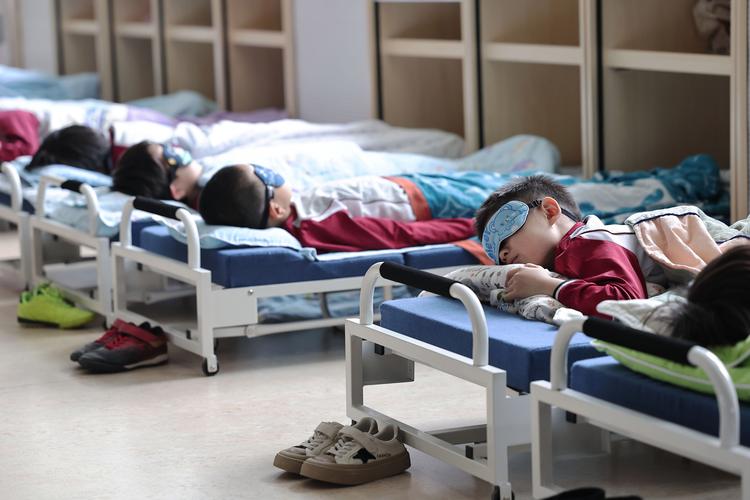
In schools, school nap time in China is practically mandatory. For many years, students simply rested their heads on desks, a practice known as sleeping at desk. After waking, faces carried creases from sleeves, arms felt numb, and small patches of drool decorated textbooks. Recently, however, many schools have begun improving the situation. Some classrooms now use desks that transform into reclining chairs, while others provide foldable nap beds. Children can finally lie flat rather than folding themselves over desks, which is far healthier for developing spines.
Yet modern nap culture is not entirely peaceful. For young professionals in big cities, long commutes make it impossible to return home at noon. Many must nap wherever they can. Some even skip lunch to steal a few extra minutes of sleep. Despite the inconvenience, people still try to carve out a tiny island of rest in the middle of the workday. Even ten minutes of closed eyes can feel like reclaiming a small piece of dignity in a demanding world.
IV. Cultural Friction: When the “Nap Tribe” Meets the “Coffee Tribe”
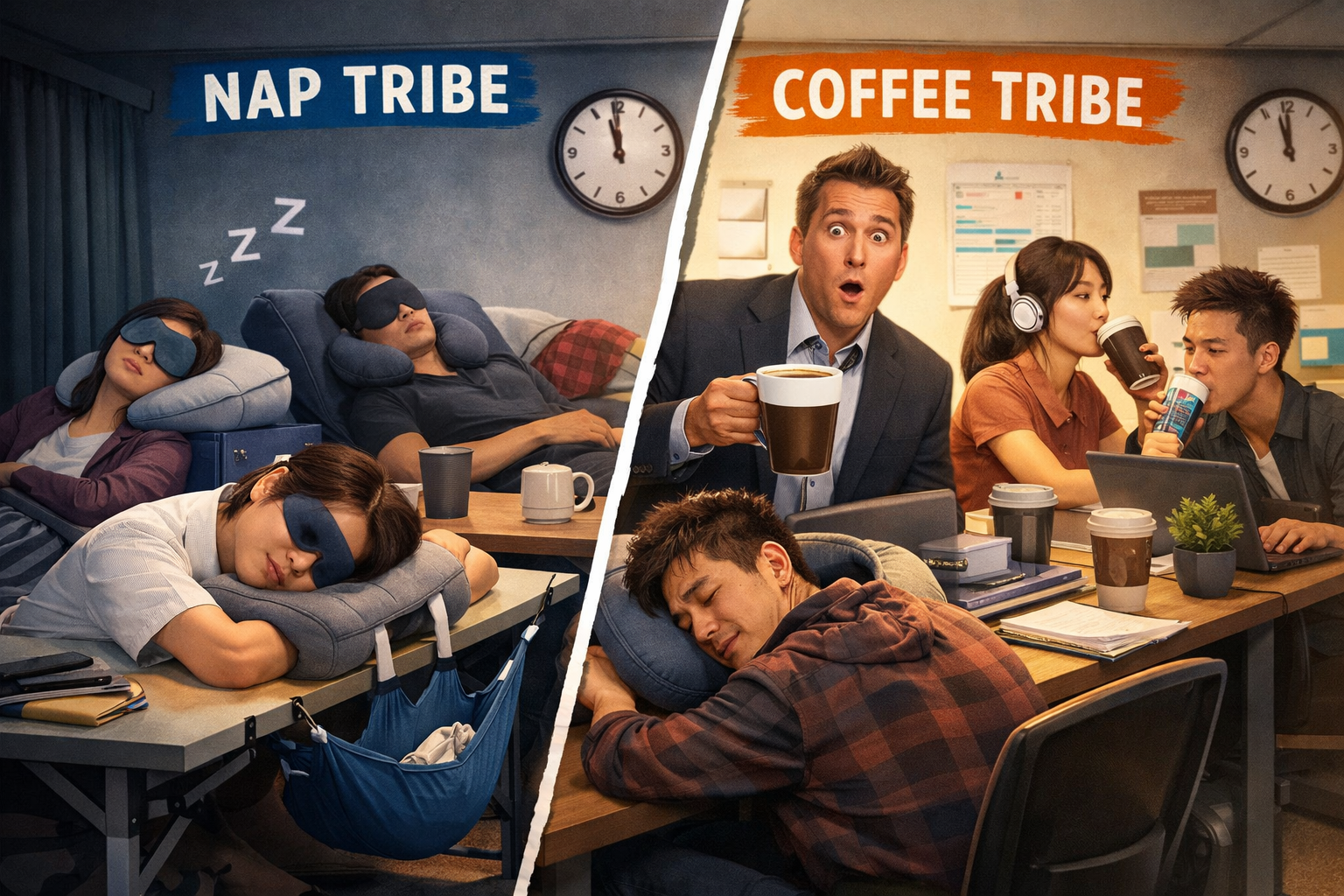
As China becomes more globally connected, nap culture has begun colliding with different workplace philosophies, creating a classic Nap vs Coffee culture debate.
In many Western countries, especially the United States, professional culture emphasizes continuous productivity. Sleeping during work hours may be interpreted as laziness or a lack of discipline. Imagine a foreign manager walking into a darkened office at noon and discovering an entire team asleep. The reaction might be pure astonishment.
Western professionals often rely on coffee, energy drinks, or quick walks to maintain alertness. To them, caffeine is fuel; to many Chinese workers, sleep is the better battery charger. This difference sometimes creates awkward situations in international companies. Chinese employees may hesitate: if they nap, will they appear unprofessional? If they stay awake, can they really function all afternoon?
Generational differences exist within China as well. Older generations firmly believe in the proverb “If you don’t nap at noon, you will suffer all afternoon.” Younger workers, especially those born after 2000, sometimes prefer scrolling through short videos, chatting with friends, or working on side projects during lunch breaks.
As a result, offices may split into two camps. The nap tribe, equipped with eye masks and neck pillows, shuts out the world. The awake tribe continues typing energetically at keyboards. Occasionally the two rhythms clash. The click-clack of keyboards may wake the sleepers, while drawn curtains might block light needed by those still working.
Even the question of how to sleep sparks debate. Doctors warn that sleeping face-down harms the neck, but many offices simply lack space for anything better. In response, creative inventions have appeared: hanging pillow hammocks, face-hole cushions designed to prevent drool marks, and all kinds of ingenious contraptions. Behind the humor lies a serious effort to balance tradition with modern work environments.
V. The Science: Benefits of Power Nap and Avoiding Sleep Inertia
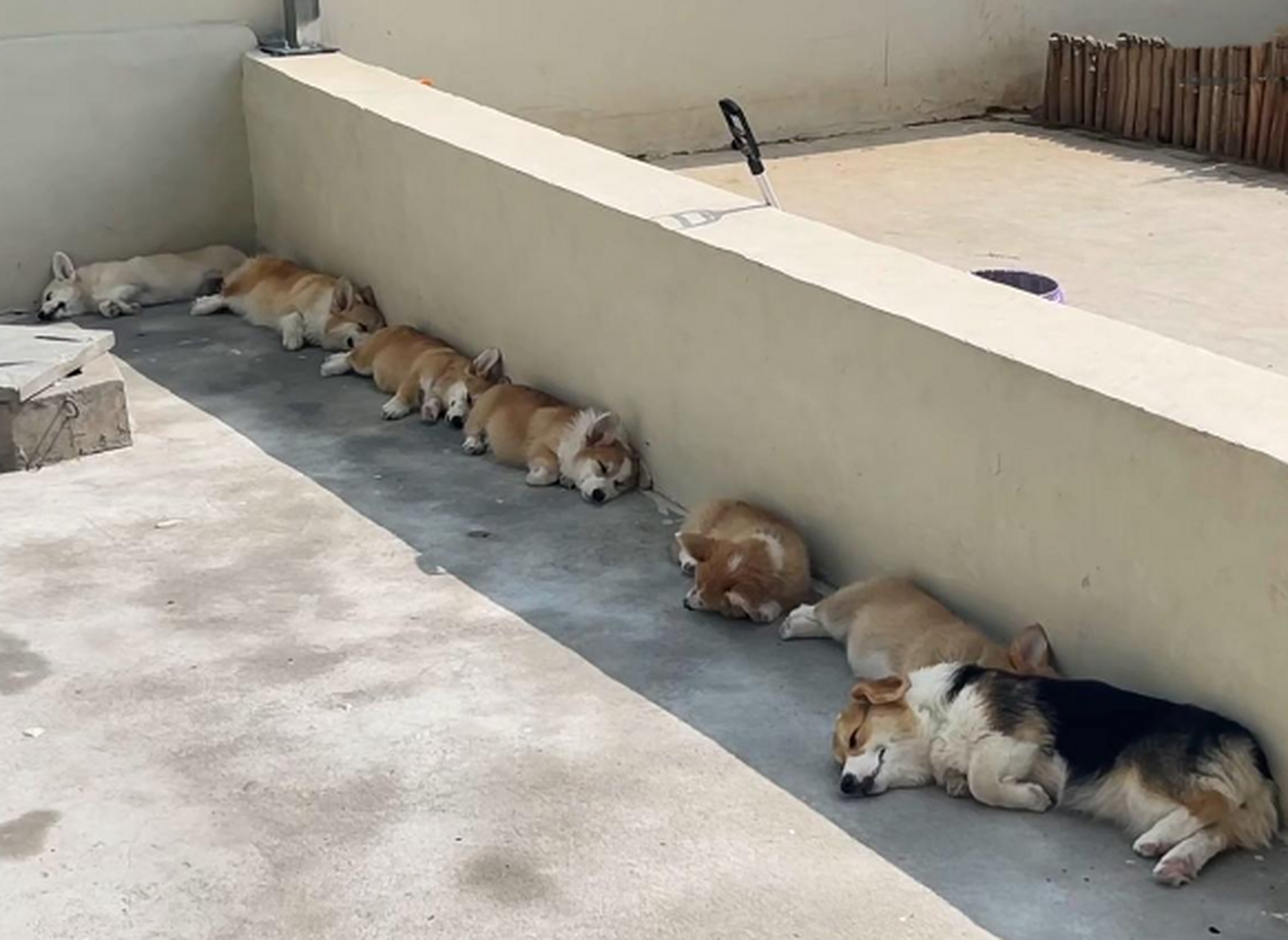
Almost everyone has experienced the strange phenomenon of waking from a nap feeling worse than before. You open your eyes, but your brain seems to remain in another dimension. Science calls this sleep inertia.
The key factor is duration. Experts recommend a power nap of about 15 to 20 minutes. During this period the body remains in light sleep, restoring alertness without sinking into deeper stages. If the nap extends beyond thirty minutes, the body may enter deep sleep. Being awakened suddenly from that stage leaves the brain disoriented and sluggish. That familiar moment of confusion—Where am I? What day is it?—can last half an hour before the mind fully restarts.
Posture also matters. In China, desk sleeping is common but problematic. Pressure on the eyes can blur vision temporarily, compressed arms may cause numbness, and bending forward strains the neck and shoulders. Whenever possible, leaning back with proper neck support or lying down reduces these issues significantly.
Timing plays another role. The best window for a nap is usually between 1 p.m. and 2 p.m., when the body’s circadian rhythm naturally dips. Napping too late in the afternoon can disrupt nighttime sleep. In other words, a good nap is not just about closing your eyes. It is a small science of time, posture, and balance to maximize the benefits of a power nap.
VI. Challenges and the Future: From “Making Do” to “Sleeping Well”
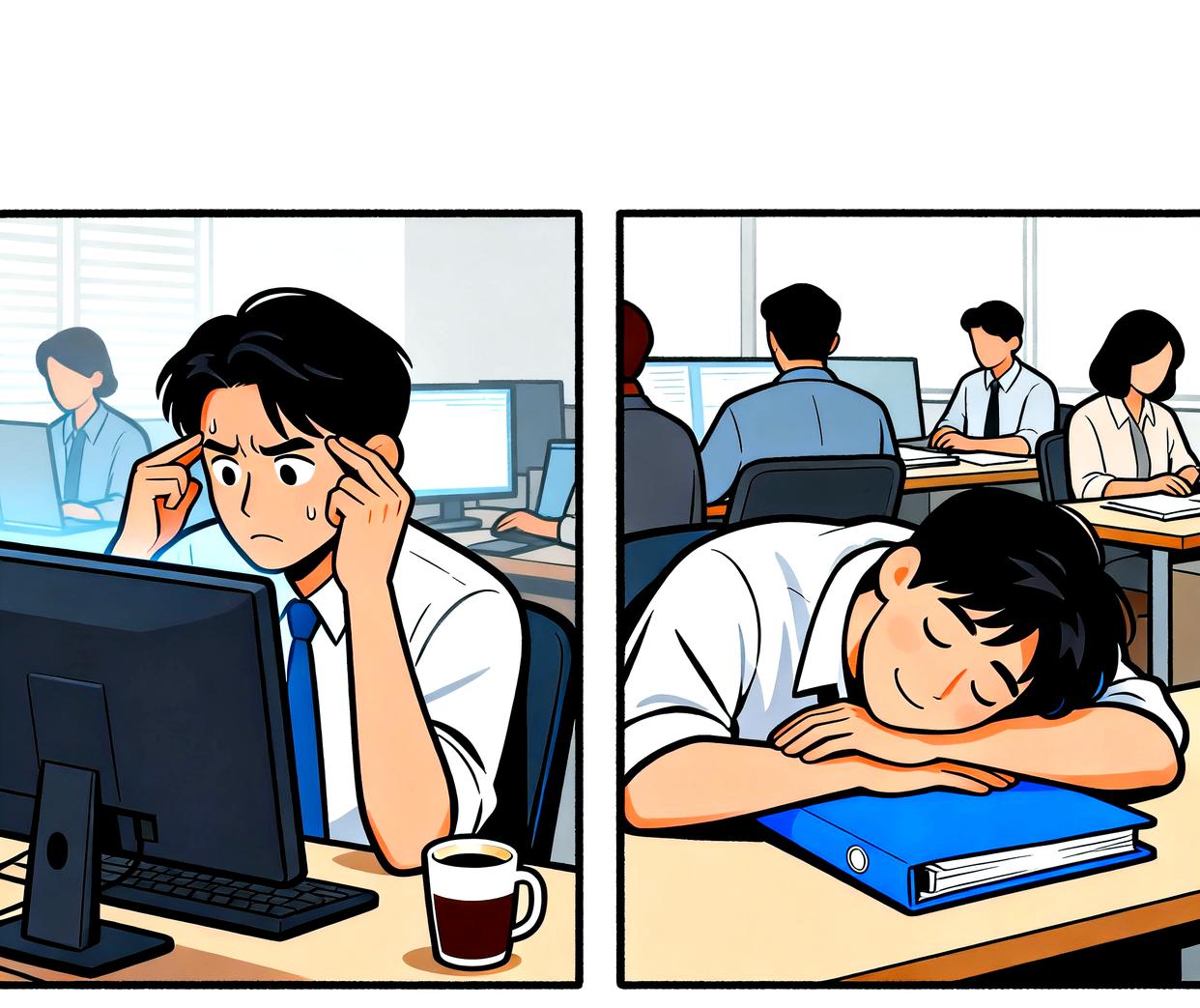
Despite its popularity, modern urban life makes quality naps increasingly difficult. The biggest obstacle is space. In major cities where office rent is expensive, companies often squeeze as many desks as possible into limited rooms. Foldable beds become luxuries. Some employees sneak into empty meeting rooms, curl up inside cars, or simply pretend to rest while listening to audiobooks.
Schools face similar challenges. Older classrooms were never designed for lying down. Transforming them into nap-friendly spaces requires both funding and careful redesign.
Still, new possibilities are emerging for the future of Chinese nap culture. Technology is introducing innovative nap solutions. Smart desks that convert into beds, compact sleep pods, and massage nap chairs are appearing in offices and public spaces. In technology parks and large shopping malls, shared sleep capsules are becoming increasingly common.
Public policy is also beginning to support better rest. In cities such as Shenzhen, educational authorities have promoted programs encouraging schools to provide conditions for students to lie flat during lunch breaks. Parents have widely welcomed these initiatives. Meanwhile, forward-thinking companies recognize that well-rested employees work more efficiently and make fewer mistakes. Comfortable rest areas are slowly becoming a new form of employee benefit.
The future of midday nap in China may shift from simply coping with limited conditions to creating spaces where rest becomes genuinely comfortable and intentional.
VII. Conclusion
China’s nap culture is, in many ways, a miniature portrait of Chinese life. It is not glamorous. It can be messy, with drool marks, wrinkled faces, and tangled hair. Yet those details capture something honest and deeply human.
In a world that spins faster every year, people spend their days racing against time. The midday nap acts like a pause button inserted into that relentless motion. For a brief moment, messages stop, deadlines fade, and the body simply rests. It reminds us that no matter how fast we move, we must still care for ourselves. Even in the busiest life, there should always be room for a quiet breath.
May everyone who works hard each day enjoy a peaceful noon nap. When you wake, the sunlight is gentle, the breeze is calm, and you are ready to step forward once more. Perhaps that is the simplest and most precious gift a nap can offer.
FAQ
Q: Why is taking a nap so common in China?
A: Midday naps are deeply rooted in Chinese daily life and cultural rhythm. Traditionally, agricultural work often paused at noon because the sun was too strong, which naturally created a habit of resting in the middle of the day. Over time, this routine became part of the biological rhythm for many people. Even in modern cities, many Chinese workers and students still take a short nap after lunch to restore energy and stay productive during the afternoon.
Q: How long should a healthy midday nap last?
A: Most sleep experts recommend keeping a nap between 15 and 20 minutes. This length allows the body to rest while staying in a light sleep stage, which helps improve alertness and concentration. Naps longer than 30 minutes may push the body into deep sleep, which can cause “sleep inertia,” a groggy and disoriented feeling after waking up.
Q: Why do many Chinese students sleep on their desks at school?
A: For many years, schools in China did not have enough space to provide beds for every student during lunchtime. As a result, students often rested by placing their heads on their desks. Although this method is not very comfortable, it became a common practice. Recently, however, some schools have begun introducing reclining desks or foldable beds so that students can lie down during their midday rest.
Q: Is it unhealthy to nap while leaning on a desk?
A: Sleeping face-down on a desk can put pressure on the neck, shoulders, and eyes. It may also compress nerves in the arms, leading to numbness or discomfort after waking up. While it is still common in offices and schools, experts suggest using a neck pillow or reclining slightly in a chair if possible. These positions can reduce strain and improve the quality of the nap.
Q: Are workplace naps becoming more accepted around the world?
A: Yes, attitudes toward naps are gradually changing. While some Western workplaces once viewed napping as unprofessional, many companies now recognize the benefits of short “power naps.” Some modern offices even provide nap rooms or sleep pods to help employees recharge. Research shows that a brief nap can improve focus, creativity, and overall productivity.