Chinese Milk Tea Culture: Why Milk Tea Is So Popular in China
I. A Cup of Milk Tea, Half the History of Contemporary Chinese Life
Table of Contents
- I. A Cup of Milk Tea, Half the History of Contemporary Chinese Life
- II. Origins and Evolution: A Migration of Taste from the Frontiers to the Metropolis
- III. Explosive Growth: The Arrival of the New-Style Tea Drink Era
- IV. Language and Culture: The "Chinese Code" Within Milk Tea
- V. Socializing and Identity: The Social Weight of a Drink
- VI. Controversies and Reflections: Problems Behind the Sweetness
- VII. Globalization Trends: Chinese Milk Tea Goes Global
- VIII. Milk Tea is More Than Just a Drink
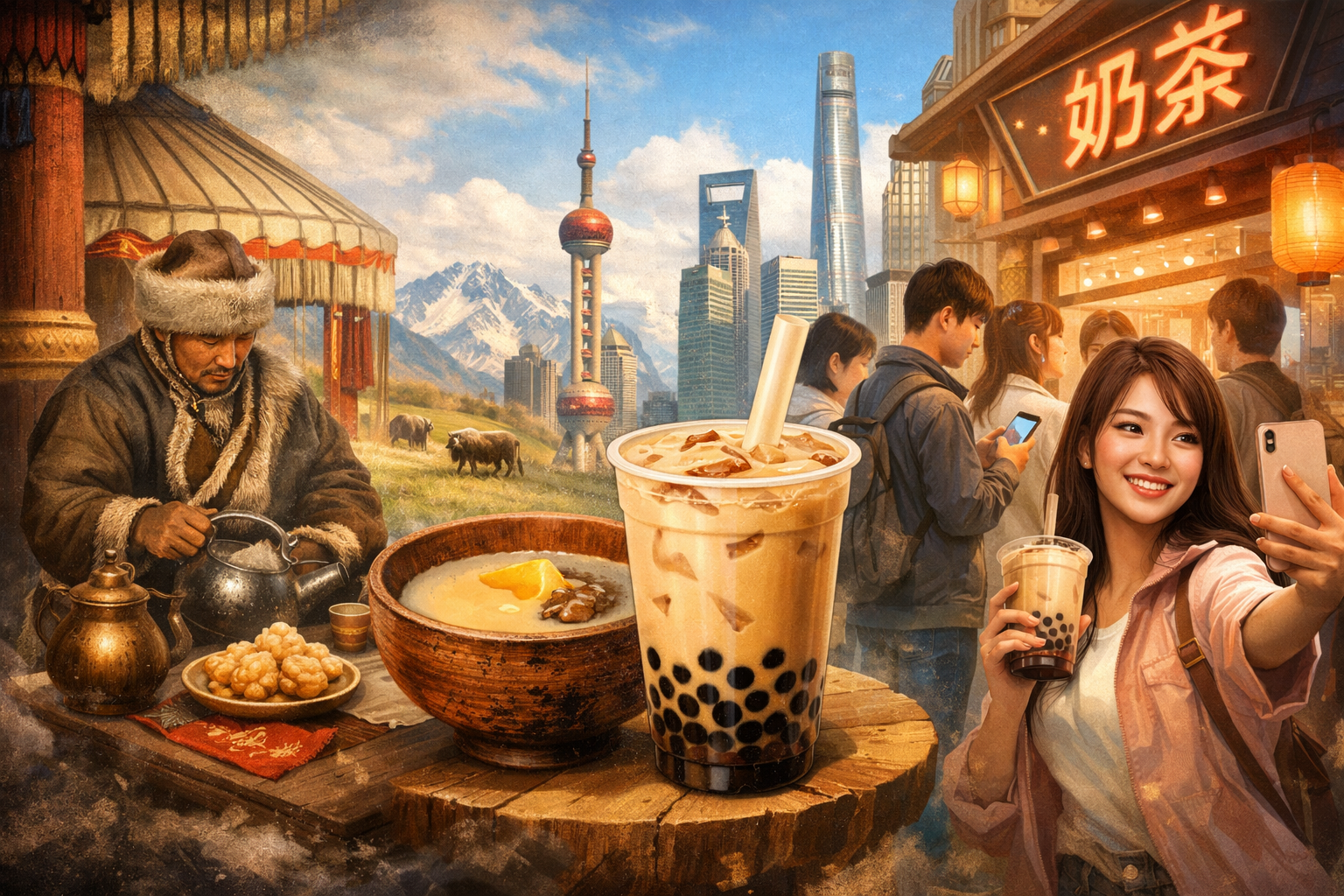
On the streets of China in 2026, whether it's the bustling Nanjing Road in Shanghai, Taikoo Li in Chengdu, or the pedestrian zones of third- and fourth-tier cities, you will always see this scene: young people holding exquisitely designed drinks adorned with labels, queues winding outside trendy stores, and mobile screens flashing "pickup code" notifications. This is not just a beverage; it is the most vivid footnote to contemporary Chinese life and a defining symbol of Chinese milk tea culture.
Once upon a time, milk tea was merely a cheap sugary water for quenching thirst, a mixed drink costing a few yuan at a stall outside a school. However, in just two decades, it has undergone a stunning transformation, leaping from a marginalized street snack to a massive industry worth hundreds of billions of yuan, now widely recognized as part of the rapidly growing milk tea industry in China. More importantly, it has evolved from a simple "thirst-quencher" into a unique "social symbol." For today's Chinese youth, Chinese milk tea is no longer just a treat for the taste buds; it is an energy station at 3 PM, an icebreaker for workplace socializing, a carrier of emotional value, and even a totem defining a lifestyle.
If coffee represents the efficiency and rationality of Western industrial civilization, then China's new-style milk tea reflects the warmth, anxiety, and yearning for a better life within Eastern society's rapid modernization process. These new style tea drinks in China record the upgrade and iteration of China's consumer market, witness the rise and fall of internet culture, and mirror the psychological landscape of a younger generation seeking small moments of certainty in a fast-paced life. It can be said that to understand milk tea culture in China is to understand half the history of contemporary Chinese life.
II. Origins and Evolution: A Migration of Taste from the Frontiers to the Metropolis
The story of Chinese tea drinks did not begin under the neon lights of today's prosperous cities but originated in the wind, snow, and pastoral songs of the vast frontiers.
1. Traditional Origins: The Water of Life on the Grasslands
On the great grasslands of Inner Mongolia and the snowy domains of the Tibetan Plateau, milk tea has a history spanning thousands of years. For nomadic groups such as the Mongolians and Tibetans, milk tea (salty milk tea) was a necessity for survival, not a leisurely garnish. Traditional Mongolian milk tea is made by brewing brick tea into a rich broth, adding fresh milk, and sprinkling in an appropriate amount of salt; sometimes fried millet, milk skin, or even butter is added. This salty and savory drink, rich in fat, protein, and theine, provides sufficient calories and electrolytes for herders in high-altitude, cold, and oxygen-deficient environments, playing a key role in keeping warm, aiding digestion, and refreshing the mind.
Similarly, Tibetan butter tea follows a similar logic; the mixture of tea leaves, butter, and salt is the source of vitality on the plateau. At this stage, the functionality of milk tea far outweighed its entertainment value. It was a "drink for survival," carrying heavy regional culture and ethnic memory. At this time, milk tea was fundamentally different from the sweet drinks found in modern cities: it was salty, hot, rough, and passionate.
2. Modern Transformation: The Rise of Taiwanese Bubble Tea
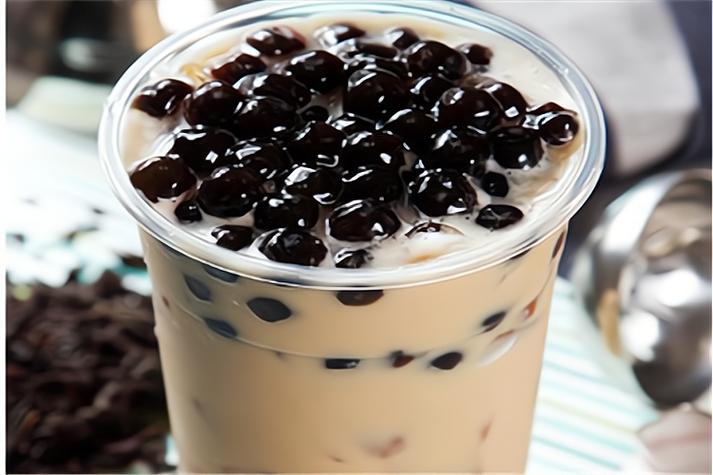
Time jumped to the 1980s, when a revolution of taste quietly took place in Taiwan. With economic development and improved living standards, people began to pursue more interesting beverages, giving birth to what is now widely known as bubble tea in China and around the world.
In the mid-1980s, Ms. Lin Xiuhui in Tainan added tapioca balls to iced sweet milk tea, creating the globally popular "Bubble Milk Tea." Shortly after, "Boba Milk Tea" emerged; large brown sugar pearls, with their unique chewy texture, instantly conquered the hearts of young people.
This invention was groundbreaking: it combined "drinking" with "chewing," endowing beverages with an unprecedented layer of texture; it expanded milk tea from hot drinks to cold drinks, making it suitable for all seasons; more importantly, it established "sweetness" as the main tone of milk tea, completely changing its taste genes.
From the late 1990s to the early 21st century, bubble tea crossed the strait and entered mainland China, rapidly expanding what would become the modern bubble tea China market. Initially, it mostly appeared around schools and in low-end commercial districts in the form of powder mixes. Although the taste was single and criticized as "essence and colored water," its novel form quickly opened up the market. This period was the "Enlightenment Era" of milk tea in China, making mainland consumers realize for the first time that tea could be so rich and varied, not just drunk plain. Over the next decade or so, with the deep cultivation of brands like CoCo Fresh Tea & Juice and Yi Dian Dian, milk tea began a long journey of localized improvement, laying the groundwork for the explosive growth that followed.
III. Explosive Growth: The Arrival of the New-Style Tea Drink Era
Around 2015, the Chinese milk tea industry reached a true "singularity," marking the official opening of the new style tea drinks China era. The characteristics of this stage were branding, chain expansion, and extreme product innovation.
1. Branding and Chain Expansion: From Roadside Stalls to Shopping Malls
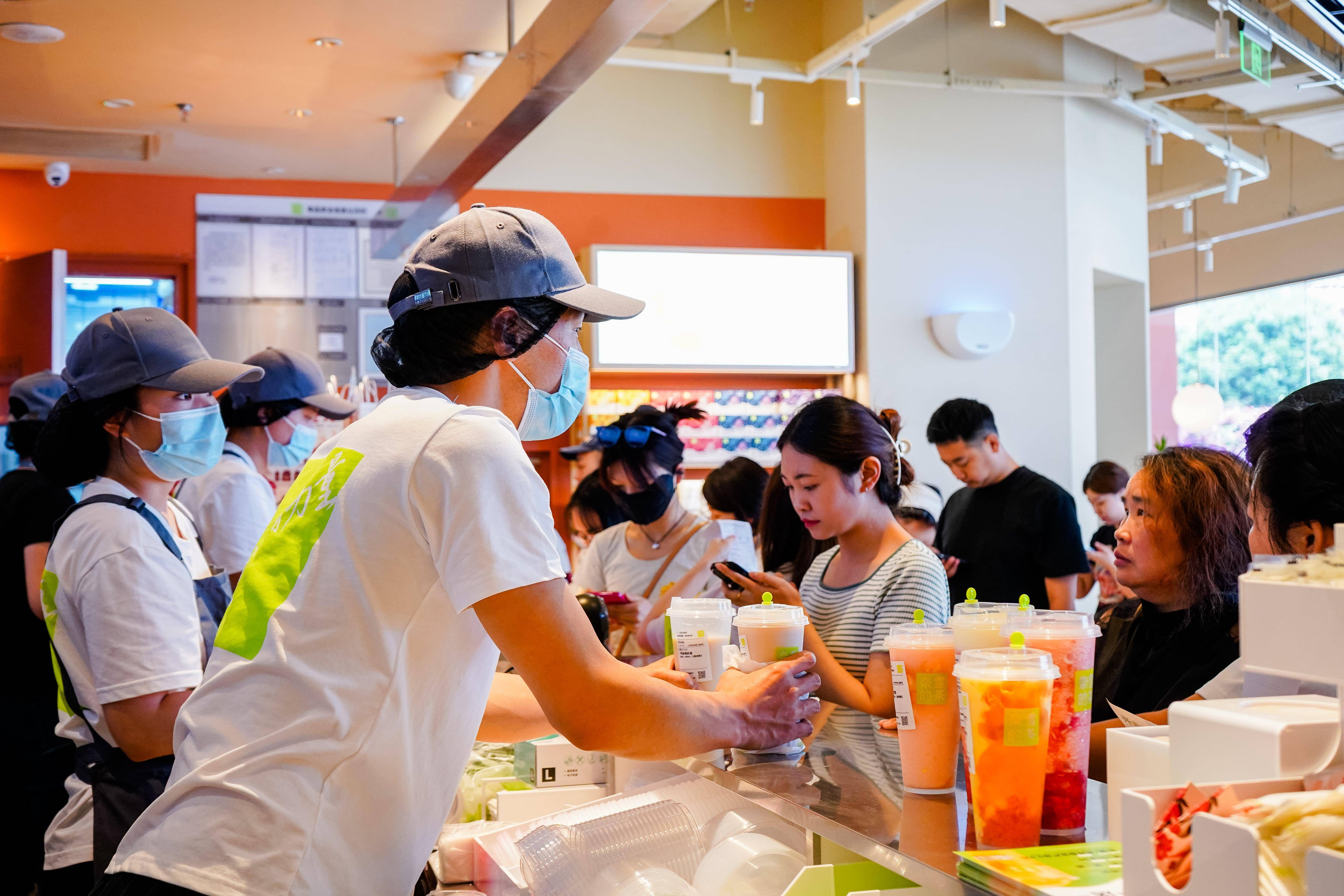
Head brands represented by Heytea and Nayuki's Tea completely reshaped the industry image of milk tea. They abandoned the previous practice of powder mixing, instead emphasizing "original leaf tea," "fresh milk," and "fresh fruit." Store locations moved from small street-side shops into high-end shopping centers, with decoration styles full of design sense, becoming "third spaces" that young people rushed to check in at.
At the same time, Mixue Bingcheng took a completely different path. Relying on extreme supply chain management and low-price strategies, Mixue Bingcheng penetrated the lower-tier markets, driving the price of milk tea down to single digits, achieving a scale of tens of thousands of stores nationwide. This situation of simultaneous explosion at "both high and low ends" constitutes the unique ecological map of the Chinese milk tea market: there are high-end brands with unit prices over 30 yuan emphasizing quality and experience, and there are national brands with unit prices under 10 yuan focusing on cost-performance ratio.
2. Product Innovation: Deliciousness Born from Involution
The core of competition in new-style tea drinks lies in "speed" and "novelty." To stand out in the fierce market, brands have launched crazy product innovation competitions.
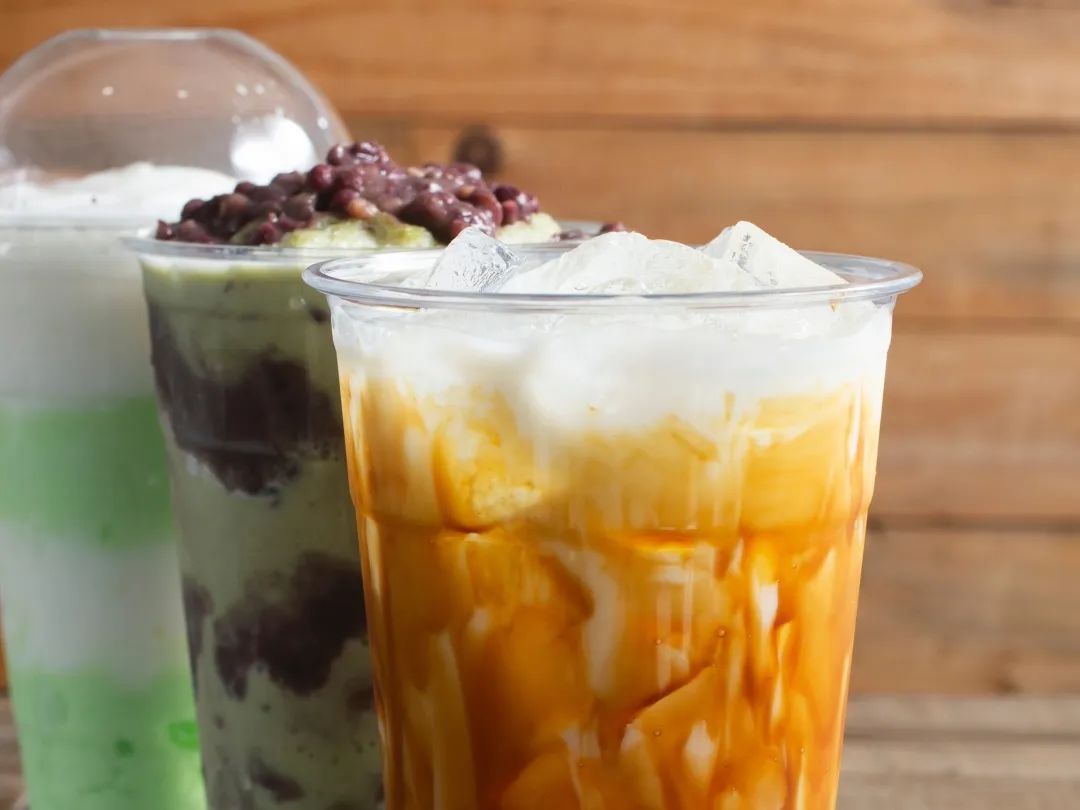
- Ingredient Upgrades: The emergence of cheese foam tea made the interwoven salty-sweet taste a classic; the popularity of fresh fruit tea turned single items like Succulent Grape and Duck Shit Fragrance Lemon Tea into seasonal carnivals.
- Health Trends: Facing consumer concerns about health, brands have successively launched options for "low sugar," "sugar substitutes," and "plant-based" bases (such as oat milk and coconut milk), even publishing ingredient lists to emphasize "real tea and real milk."
- Marketing Tactics: Seasonal limits, IP collaborations (with games, anime, luxury brands), and blind box peripherals have turned milk tea into a carrier of trend culture. The launch of every new product is a carefully planned marketing event.
3. Supply Chain and Industrialization: The Victory of Standardization
Supporting this vast empire is a highly developed supply chain system. From tea gardens in Yunnan to lemon bases in Sichuan, to automated ice makers and intelligent dispensing systems, the Chinese milk tea industry has achieved a high degree of industrialization and standardization. This allows a brand store in Beijing to produce a taste almost identical to a store in Guangzhou. This standardization capability is the fundamental confidence that enables Chinese milk tea brands to replicate quickly and go global.
IV. Language and Culture: The "Chinese Code" Within Milk Tea
Ordering a cup of milk tea in China is often like playing a miniature language coding game. This unique system of milk tea ordering in Chinese has become a special code in contemporary Chinese culture.
1. Ordering Language: The Logical Aesthetics of Minimalism
"Less sugar, no ice, room temperature, add boba, switch to oat milk." This seemingly simple instruction actually contains extremely high information density and personalized needs.
- Sweetness Grading: From "full sugar" to "no sugar," there are also "70% sugar," "50% sugar," "30% sugar," and "micro sugar." This refined grading reflects the Chinese pursuit of subtle differences in taste and also embodies the consumer's active awareness of health control.
- Temperature and Ice Volume: "No ice" does not mean room temperature, but rather no ice cubes added while maintaining a low temperature; "less ice," "regular ice," "hot drink," "warm"—every option corresponds to different drinking scenarios and sensory needs.
- Topping Matrix: Pearls, coconut jelly, pudding, grass jelly, crispy tapioca pearls, taro paste... rich topping options turn milk tea into a customizable "liquid salad."
Milk Tea Ordering Vocabulary (Quick Reference)
| Chinese | Pinyin | English | Example Sentence | Translation |
|---|---|---|---|---|
| 少糖 | shǎo táng | less sugar | 我要少糖。 | I’d like less sugar. |
| 无糖 | wú táng | no sugar | 这杯可以做无糖吗? | Can this be made with no sugar? |
| 半糖 | bàn táng | 50% sugar | 我要一杯半糖奶茶。 | I want a milk tea with 50% sugar. |
| 去冰 | qù bīng | no ice | 请帮我去冰。 | Please remove the ice. |
| 少冰 | shǎo bīng | less ice | 我要少冰的。 | I’d like less ice. |
| 常温 | cháng wēn | room temperature | 做成常温可以吗? | Can you make it room temperature? |
| 加珍珠 | jiā zhēn zhū | add boba | 我要加珍珠。 | I want to add boba. |
| 椰果 | yē guǒ | coconut jelly | 我想加椰果。 | I want to add coconut jelly. |
| 布丁 | bù dīng | pudding | 这杯加布丁。 | Add pudding to this drink. |
| 芋泥 | yù ní | taro paste | 芋泥奶茶很好喝。 | Taro paste milk tea is delicious. |
| 燕麦奶 | yàn mài nǎi | oat milk | 可以换成燕麦奶吗? | Can I switch to oat milk? |
V. Socializing and Identity: The Social Weight of a Drink
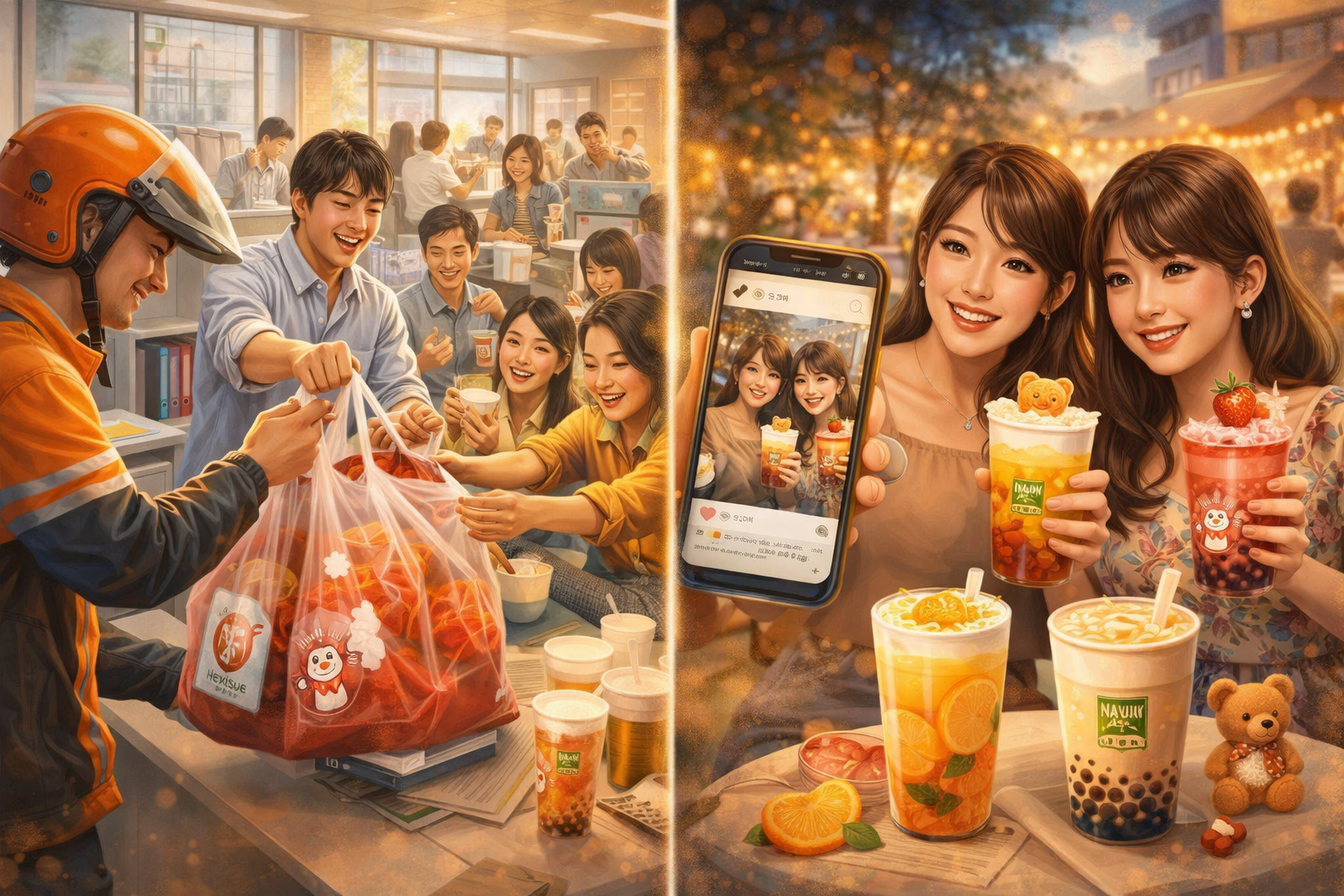
In modern society, where the trend of atomization is becoming increasingly obvious, milk tea has unexpectedly shouldered the responsibility of rebuilding social connections.
1. Office Culture and the "Group Order" Ritual
In any office building in China, a spectacular "group order" drama often unfolds at 3 PM. "Who wants milk tea?" With a shout, half the office responds. Everyone pools money to meet discount thresholds and share delivery fees. This collective behavior is not just for savings; it is a micro social interaction.
Receiving the bag handed over by the delivery rider and distributing the milk tea is a lubricant for interpersonal relationships in the office. It breaks the barriers between cubicles and creates moments for informal communication. For many young people, milk tea is more than a drink—it answers the question of why Chinese people love milk tea, combining emotional comfort, convenience, and social bonding in a single cup. Refusing a cup of milk tea offered by a colleague might even mean refusing an opportunity to integrate into the collective.
2. Social Media and the "Lookism Economy"
On social platforms like Xiaohongshu (Little Red Book) and Douyin (TikTok), the "looks" of milk tea are often more important than the "taste." Exquisite cup designs, unique layered colors, and creative peripheral gifts are all motivations for users to take photos and share.
The "check-in" culture is prevalent; young people are willing to queue for two hours just to drink a new product and take a photo that can get high praise on their social feeds. In this process, consuming milk tea becomes a way of self-presentation: keeping up with trends, demonstrating lifestyle awareness, and expressing aesthetic taste.
VI. Controversies and Reflections: Problems Behind the Sweetness
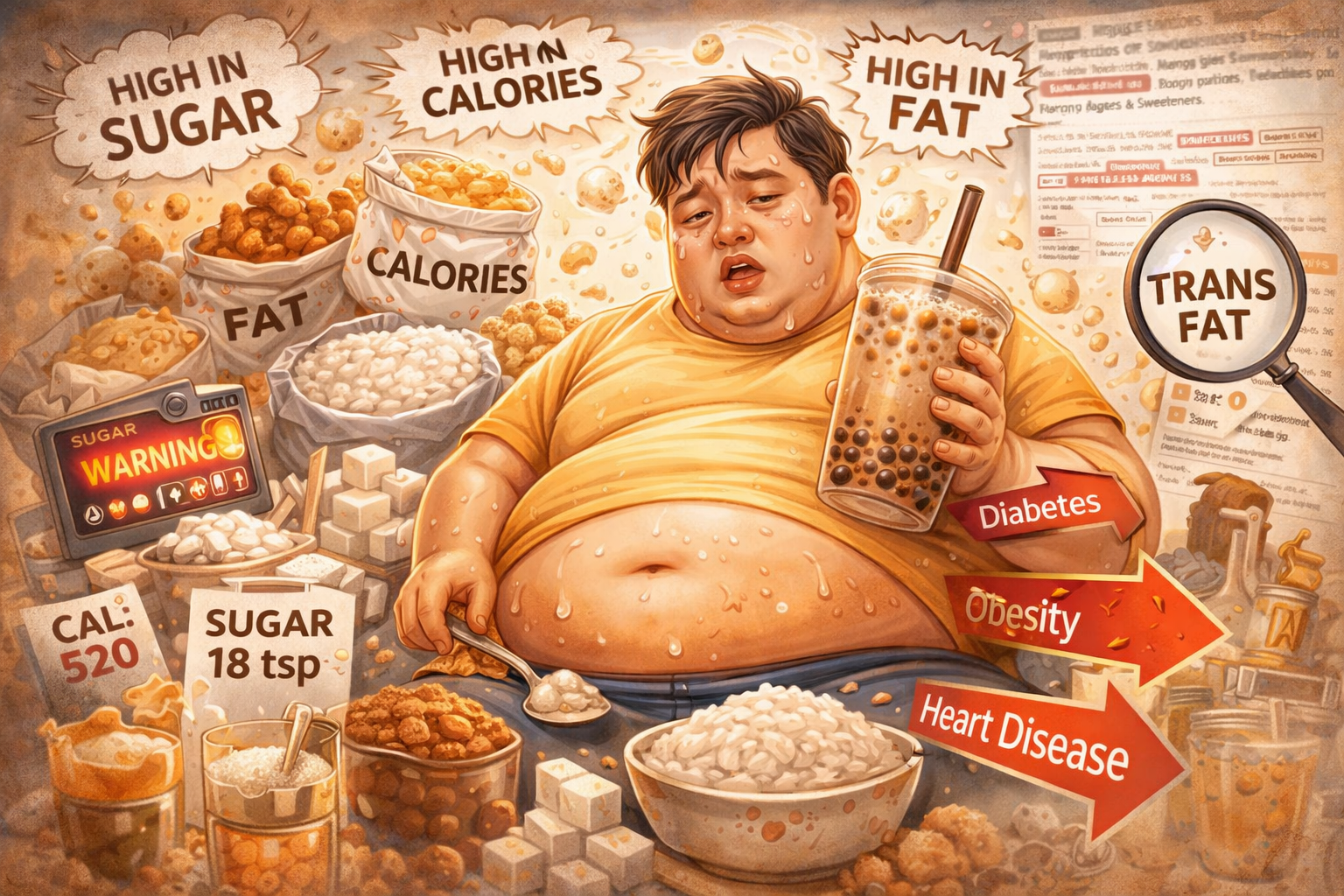
1. Health Hazards: The Burden of Sweetness
High sugar, high calories, and high fat are labels that traditional milk tea finds hard to shake off. Although brands vigorously promote the concept of "low sugar," to maintain taste, many drinks still hide large amounts of sugar and trans fats. The Shanghai Consumer Council has repeatedly tested and found that the sugar content of some milk teas is astonishing; the calories in one cup of milk tea may equal two or three bowls of rice.
With the awakening of health consciousness, consumers are becoming more selective. The transparency of ingredient lists, the safety of sugar substitutes, and calorie labeling have become new focus points. How to find a balance between "tasty" and "healthy" is a problem the industry must solve.
2. Environmental Cost: The Siege of Single-Use Plastics
The explosive growth of the milk tea industry has also brought huge environmental pressure. Hundreds of millions of single-use plastic cups, straws, lids, and packaging bags are produced daily and quickly become waste. Although many brands have started trying to use biodegradable materials and promote "bring your own cup for a discount" activities, these efforts still seem like a drop in the bucket against the backdrop of massive consumption volume.
VII. Globalization Trends: Chinese Milk Tea Goes Global
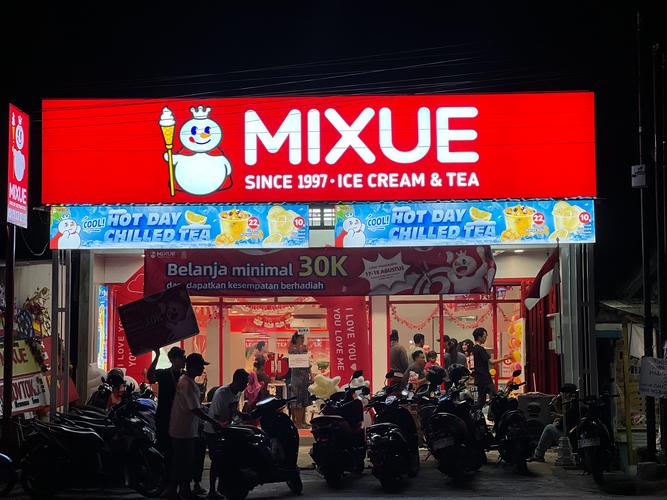
1. Brands Going Overseas: From Southeast Asia to Europe and the US
Chinese brands such as Mixue Bingcheng, Heytea, and Chagee are setting sail overseas, bringing Chinese milk tea to the global stage. In Southeast Asia, relying on similar taste preferences and high cost-performance ratios, Chinese milk tea has quickly occupied the market, becoming a daily staple for local young people. In European and American markets, Chinese milk tea appears with an image of "cool" and "trendy," attracting a large number of consumers pursuing fresh experiences.
On the streets of New York, London, and Paris, long queues in front of milk tea shops with Chinese signs have become the norm. "Chinese Milk Tea" is no longer a strange word but a lifestyle representing Eastern fashion and modern Chinese tea drinks culture.
2. The Output of Cultural Symbols
The globalization of Chinese milk tea is not just an output of products but also of culture. It presents Chinese tea culture to the world in a youthful and modern way, breaking the stereotype that "tea only belongs to the elderly" or "tea can only be drunk plain."
In competition with coffee culture, milk tea demonstrates unique inclusivity: it can refresh like coffee but offers more sweetness and gentleness; it can be as rich as cocktails but is more accessible and everyday. This characteristic allows Chinese milk tea to occupy a unique place in the global beverage landscape.
VIII. Milk Tea is More Than Just a Drink
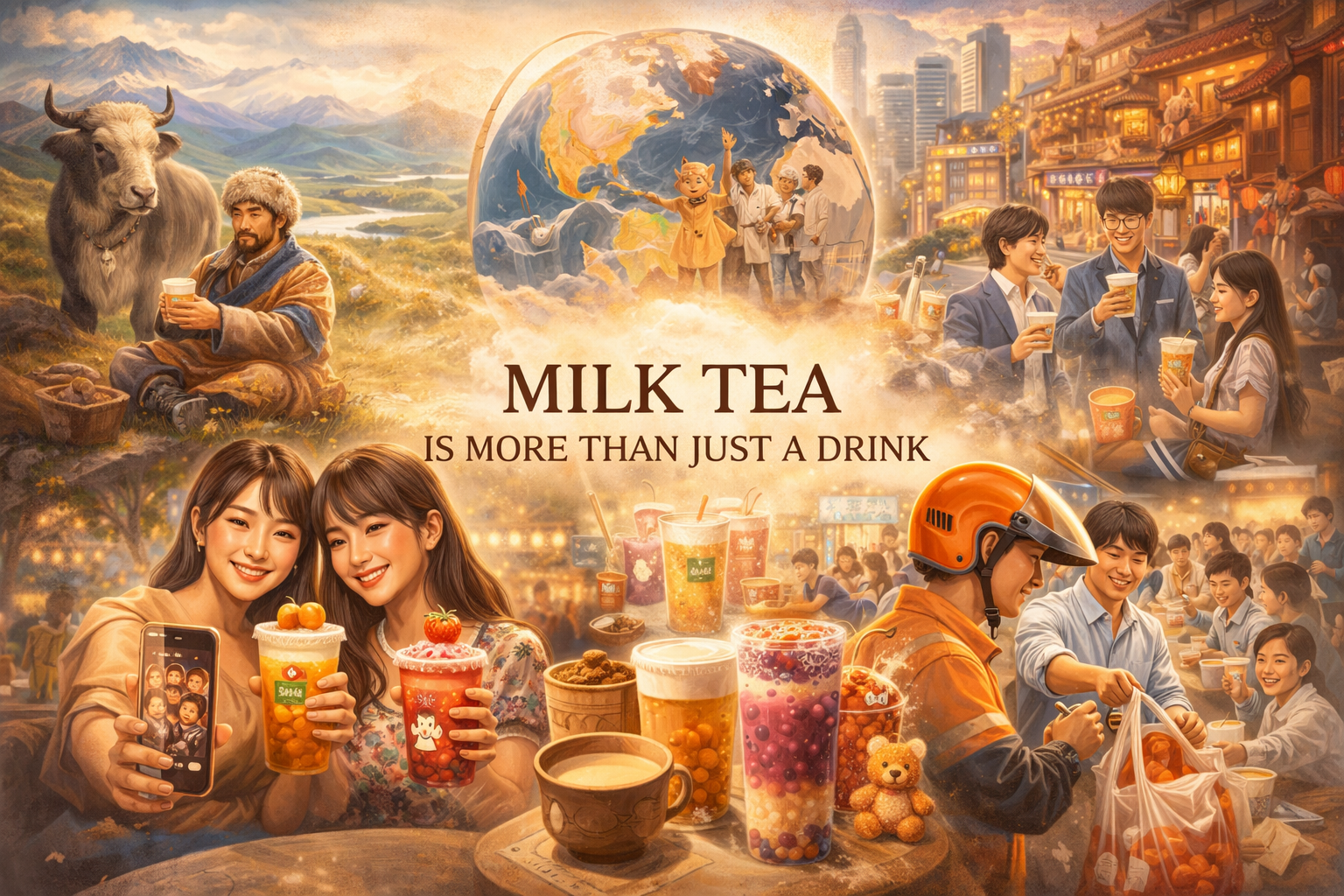
Looking back at the development history of Chinese milk tea culture, what we see is not just the rise of an industry, but a micro-history of social change in China.
From the survival drink of frontier herders to the creative snack on Taiwanese streets, and then to the new-style tea drinks spreading across the globe today, every transformation of milk tea has closely followed the pulse of the times. It reflects the economic take-off and consumption capacity improvement of China, witnesses the reshaping of traditional industries by internet technology, and records the psychological journey of a younger generation seeking comfort under pressure and craving connection in loneliness.
Today, when we hold a cup of milk tea, we are not just drinking a mixture of tea and milk. We are drinking a momentary escape from a busy life, a persistent pursuit of delicious flavors, a warm bond connecting us with others, and a vivid embodiment of cultural confidence.
From "what to drink" to "why we drink," the cultural significance of milk tea has long transcended the beverage itself. It is a mirror reflecting the joys and sorrows of contemporary Chinese people; it is a bridge connecting tradition with modernity, and the local with the global.
Where will Chinese milk tea culture go in the future? Perhaps there will be healthier formulas, more environmentally friendly packaging, and more amazing flavors. But no matter how it changes, the passion for life and humanistic care conveyed through a cup of drinks will remain unchanged.
Finally, I would like to ask you, the reader: Which milk tea has brought you special memories in your life? Was it that cup of full-sugar comfort during a breakup, or that celebratory special blend upon a promotion? Welcome to share your "milk tea story" in the comments. After all, behind every cup of milk tea hides a unique you.
FAQ
Why is milk tea so popular in China?
Milk tea is popular in China because it combines taste, convenience, and social interaction in one drink. It serves not only as a daily refreshment but also as a social tool, emotional comfort, and part of modern lifestyle culture among young people.
What is the difference between bubble tea and Chinese milk tea?
Bubble tea is a type of Chinese milk tea that originated in Taiwan and typically includes tapioca pearls. Chinese milk tea is a broader concept that includes various styles, from traditional milk tea to modern “new-style tea drinks” with fresh tea, fruit, and customized toppings.
How do you order milk tea in Chinese?
Ordering milk tea in Chinese usually involves specifying sugar level (such as full sugar or no sugar), ice level (less ice or no ice), temperature, and toppings like boba or pudding. This structured way of ordering reflects both personalization and the logic of the Chinese language.
Is Chinese milk tea healthy?
Chinese milk tea can be high in sugar and calories, especially with added toppings. However, many brands now offer healthier options such as low sugar, no sugar, fresh tea bases, and plant-based milk alternatives, allowing consumers to make more balanced choices.
Why do Chinese people drink milk tea so often?
Drinking milk tea frequently has become a lifestyle habit in China. It fits into daily routines such as afternoon breaks, social meetups, and even work culture, making it more than just a drink but a small ritual of relaxation and enjoyment.