Chinese Leisure Activity: Understanding Traditional and Modern Ways People Relax in China
Chinese leisure activity reflects the country’s deep cultural heritage, social values, and evolving modern lifestyle. From ancient pastimes rooted in philosophy and artistry to today’s urban hobbies shaped by technology, leisure in China blends tradition with innovation. This guide explores the most popular Chinese leisure activities, their origins, and what they reveal about everyday life in China.
Traditional Chinese Leisure Activities
Traditional Chinese leisure activities have been shaped by Confucian values, Taoist philosophy, and centuries of artistic practice. These activities are calm, expressive, and often centered around mindfulness and social connection.
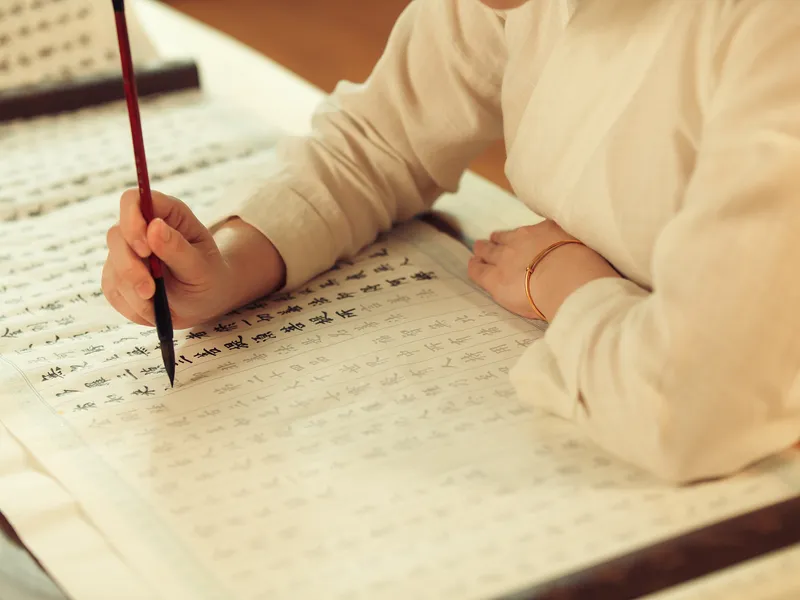
Chinese Calligraphy and PaintingCalligraphy (书法, shūfǎ) has long been more than an art form—it is a reflection of one’s character and emotional state. Practicing brushwork requires focus, balance, and patience. Similarly, traditional ink painting (国画, guóhuà) emphasizes simplicity, brush control, and appreciation of nature.
Tea Drinking and Tea CeremonyTea culture is central to Chinese life. Leisure often includes tasting different teas, learning brewing techniques, and participating in tea ceremonies (茶道, chádào). This practice emphasizes calmness, harmony, and social bonding.
Playing MahjongMahjong (麻将) is one of the most iconic Chinese leisure activities. Played with tiles in homes, teahouses, or parks, it combines strategy, luck, and lively interaction. For many families, mahjong is a festive tradition during holidays like Chinese New Year.
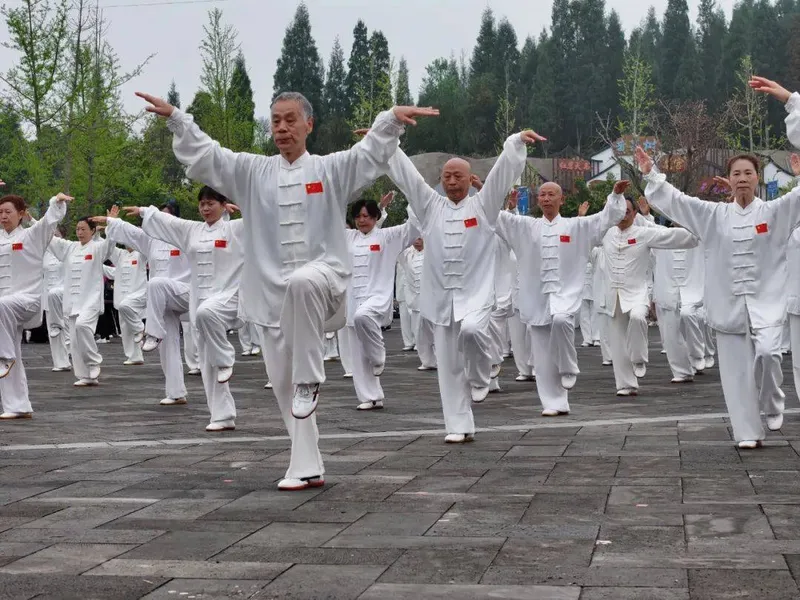
Tai Chi and Park ExercisesTai Chi (太极) is a form of slow, meditative movement often practiced outdoors. It improves balance, relaxation, and overall well-being. In Chinese parks, it’s common to see seniors performing Tai Chi, dancing in groups, or practicing qigong (气功) as a daily pastime.
Social Leisure: Parks, Squares, and Community Life
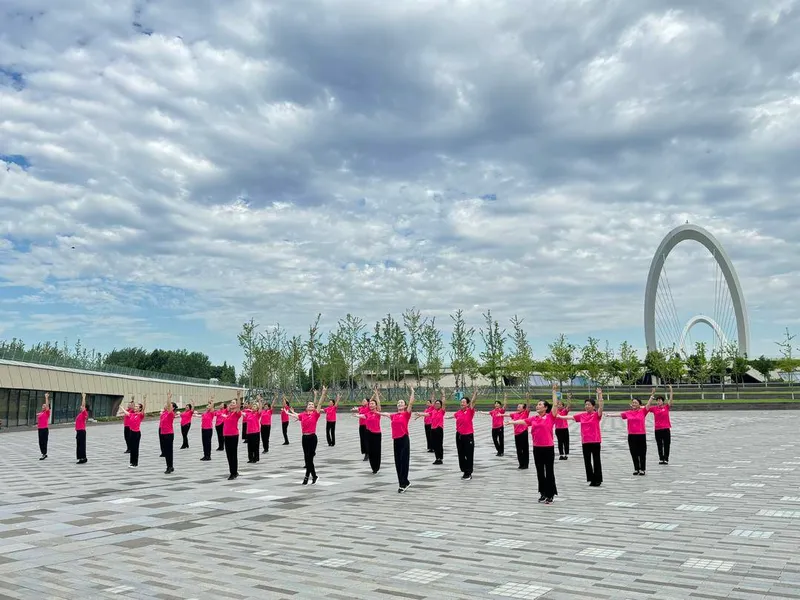 Square Dancing (广场舞)
One of the most recognizable modern traditions is square dancing performed by "dancing aunties" (大妈). These community dances improve fitness, reduce stress, and foster strong neighborhood ties.
Outdoor Games and MusicMany parks host groups playing traditional musical instruments, singing opera, or practicing fan dances. Others enjoy shuttlecock kicking (踢毽子) or Chinese yo-yo (空竹), a fun activity for both children and adults.
Chess and Cards in the ParkIt’s common to find people playing Chinese chess (象棋) or cards under a shady tree, often surrounded by onlookers who offer commentary and advice. These games create lively social atmospheres and mental engagement.
Modern Chinese Leisure Activities
 Shopping and Night Markets
Shopping malls are major leisure centers that combine retail, dining, cinemas, and interactive activities. Meanwhile, night markets offer food, crafts, and lively nightlife experiences popular with both locals and tourists.
Digital Gaming and EsportsChina has one of the world’s largest gaming communities. Mobile games, esports competitions, and PC gaming cafés (网吧) are popular among young people.
Café CultureIn major cities like Shanghai, Beijing, and Chengdu, café culture has become a trendy lifestyle. People visit cafés to study, work, socialize, or enjoy specialty coffee.
Domestic Travel and Weekend TripsImproved transportation has made travel a major leisure activity. From historical towns to mountain retreats, short weekend trips are now a common way for families and young professionals to unwind.
Cultural and Festival-Based Leisure Activities
Chinese New Year ActivitiesFamilies enjoy activities such as setting off fireworks, visiting temples, watching dragon dances, and making dumplings together.
Mid-Autumn FestivalMoon-gazing, eating mooncakes, and lantern-lit celebrations mark this holiday focused on reunion and harmony.
Dragon Boat FestivalDragon boat racing is both athletic and cultural, combining teamwork, tradition, and excitement.
These festival-based activities strengthen cultural identity and community bonds across generations.
Why Chinese Leisure Activities Matter
Chinese leisure activities—both traditional and modern—highlight important cultural values:
- Community and social connection
- Harmony with nature
- Balance of work and rest
- Appreciation of art and heritage
As China balances tradition with modern life, its leisure culture continues to evolve while preserving its unique identity.
Experience the Rich World of Chinese Leisure
Chinese leisure activities offer a window into the country’s daily life, cultural values, and timeless traditions. Whether it’s sipping tea, practicing Tai Chi, dancing in public squares, or enjoying high-tech entertainment, people in China embrace diverse and meaningful ways to relax.
Explore more cultural insights, discover new learning resources, and immerse yourself in the world of Chinese traditions with us today.