
Meeting the Red Panda
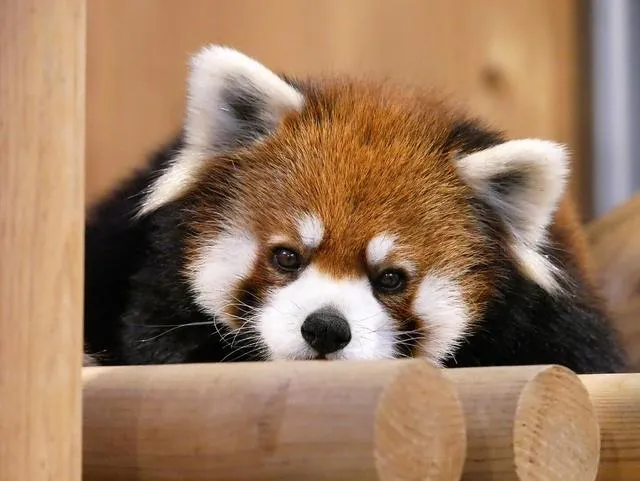
Table of Contents
What is a Red Panda?
The red panda is one of the most photographed animals few people could describe accurately. Most have seen its small body, its rust-colored coat, its face that seems permanently thoughtful, as if paused mid-thought. And yet, almost everyone makes the same mistake: they assume it is a smaller cousin of the giant panda, a minor character in a more famous story. It is not.
The red panda belongs to its own lineage, separate from bears, separate from raccoons, separate even from expectations. Its resemblance to the giant panda is a coincidence of diet and evolution, not family. One eats bamboo because it can. The other eats bamboo because it learned to. This misunderstanding is part of its quiet fate. Recognizable but rarely understood. Seen often, known lightly. Perhaps that is why people feel an immediate fondness for it: the red panda does not demand attention. It earns curiosity simply by existing slightly out of place.
Where Red Pandas Belong
To understand the red panda, geography matters more than statistics. Its world stretches across the eastern Himalayas and into southwestern China, not in open plains or dramatic cliffs, but in layered forests that feel enclosed and patient. These are high-altitude environments where clouds drift slowly through trees and seasons change with restraint rather than spectacle.
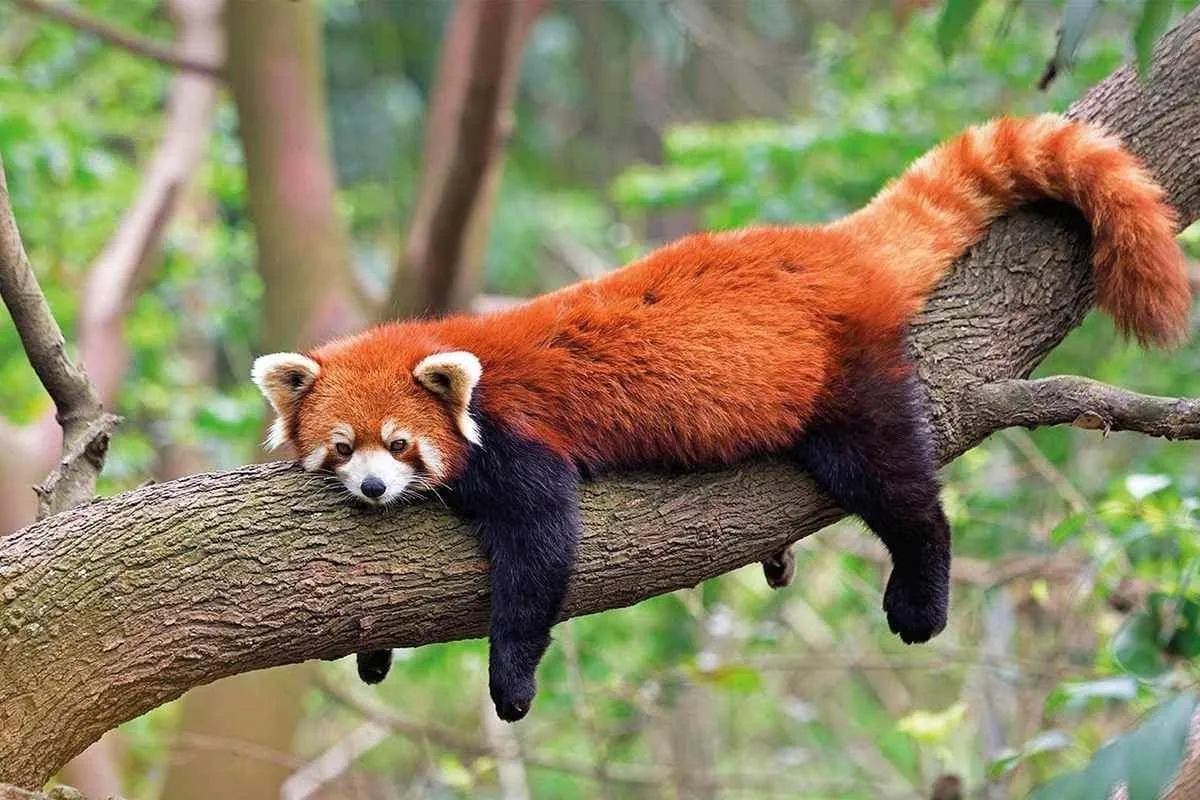
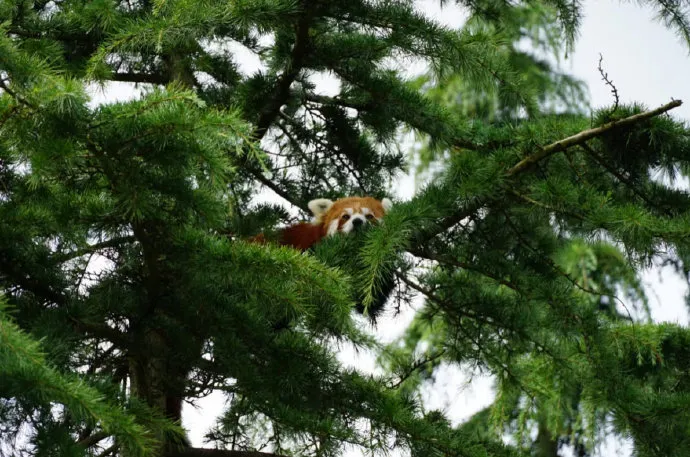
The forests are cool, damp, and vertical. Bamboo grows thick beneath taller trees. Moss settles quietly on trunks. Sound travels differently here. Even footsteps feel softened. Red pandas live in these spaces not because they dominate them, but because they fit. They move along branches rather than ground, preferring the safety of height. Their reddish-brown fur blends into the muted colors of bark and leaves, especially at dawn and dusk.
This is not a landscape designed for speed or confrontation. It rewards balance, memory, and careful movement. And so does the animal that lives within it.
How Red Pandas Endure
Bamboo forms the center of the red panda’s diet, but it is not the whole story. When available, they eat fruit, berries, eggs, even insects. Survival, for the red panda, is not about strict rules but about quiet adjustment.
Their bodies are not built for efficiency in the way predators are. They move slowly. They conserve energy. They rest often. This is not laziness. It is precision. A red panda understands rhythm. When to climb. When to pause. When to retreat into trees and wait. Its survival strategy is not aggression or dominance, but patience paired with flexibility.
Even their famous “false thumb,” an extended wrist bone used to grip bamboo, reflects this approach. It is not a perfect tool, but it is good enough. Evolution, in this case, chose adequacy over excess.
Solitary Nature and Daily Behavior
Red pandas are solitary animals. They do not form packs. They do not perform for one another. Communication is subtle and infrequent, carried through scent markings, soft vocalizations, and an understanding of boundaries.
This solitude is not loneliness. It is a preference. In the wild, red pandas maintain personal territories. They move through them with familiarity, not urgency. Encounters with others are brief and purposeful. There is little wasted energy. Watching a red panda feels less like observing behavior and more like witnessing intention. Every movement seems considered. Every pause has weight. This is not an animal rushing through life. It is one inhabiting it carefully.
A Face People Remember
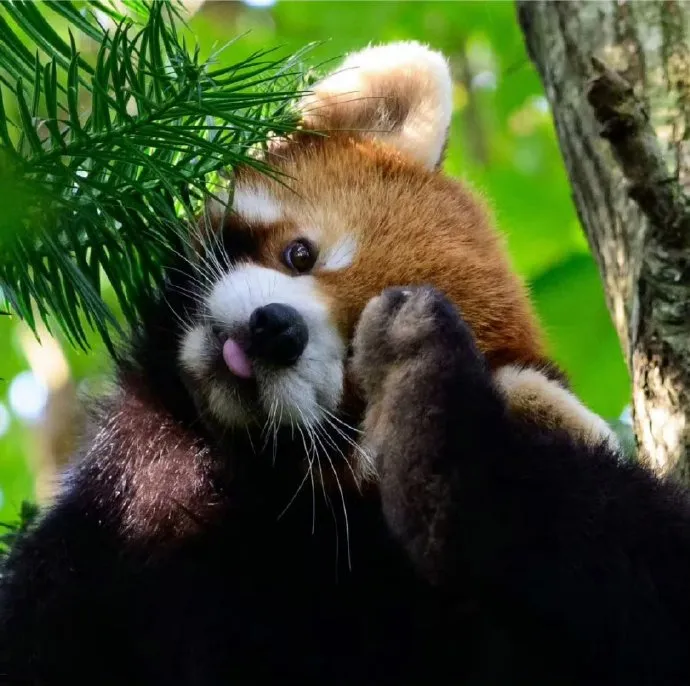
There is something about the red panda’s face that lingers. Large eyes set within pale markings give it an expression that reads as gentle attention. Not surprise. Not fear. Simply awareness. The face does not project emotion loudly. It invites projection quietly.
People remember red pandas not because they are dramatic, but because they appear present. When a red panda looks outward, it seems to be actually looking, not reacting. This creates a strange sense of connection, as if the animal is meeting observation halfway. In a world crowded with animals designed to impress, the red panda is memorable for its restraint.
Fragile but Worth Protecting
Red pandas are endangered. Habitat loss, deforestation, climate change, and human expansion continue to shrink the forests they depend on. Their survival is tied directly to the health of a specific ecosystem, one that cannot be easily replaced.
They are not adaptable to urban edges. They do not migrate easily. When forests disappear, red pandas do not relocate. They fade. Protecting red pandas means protecting old forests, bamboo growth cycles, and altitude-specific climates. It is not a symbolic effort. It is a practical one. The red panda’s vulnerability reflects the vulnerability of the environment itself.
What the Red Panda Represents
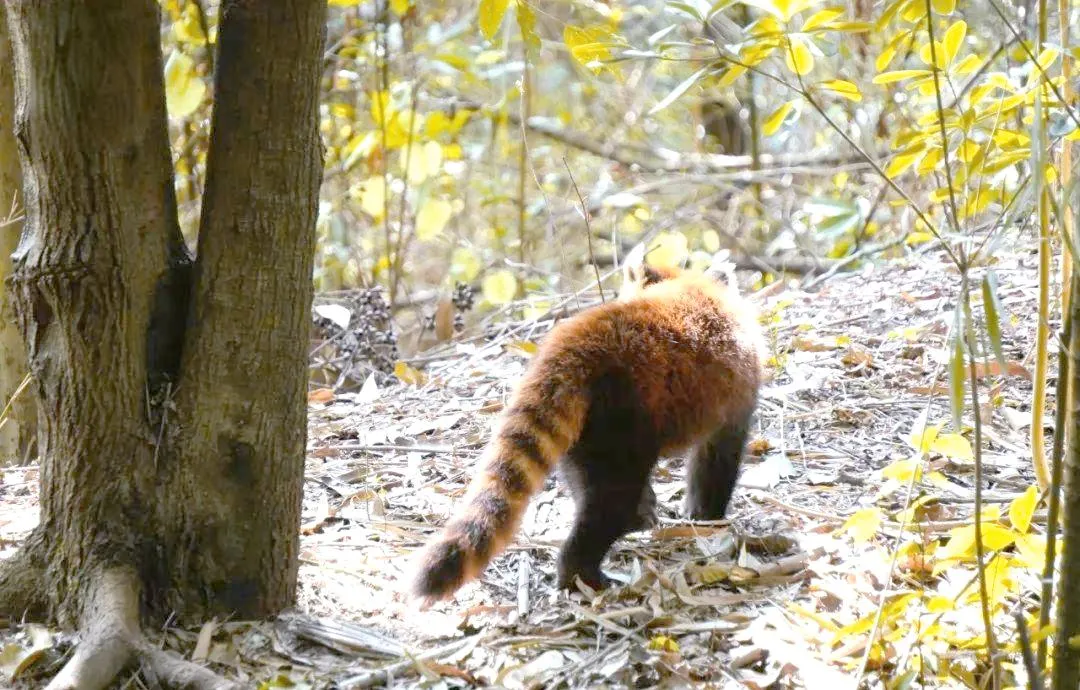
The red panda does not symbolize strength in the traditional sense. It does not represent dominance, speed, or conquest. Instead, it embodies balance. A way of existing that values restraint over expansion, sufficiency over excess, presence over noise.
In a human world increasingly defined by visibility and urgency, the red panda stands as a reminder that survival does not always favor the loudest or the fastest. Sometimes it favors those who know when to pause, where to belong, and how to take up only the space they need.
A Quiet Ending
The red panda does not exist to be admired, photographed, or turned into an icon. It exists because its environment shaped it, and because it learned how to remain within that shape. Its importance is not measured by attention, but by continuity. By the fact that something so unassuming has endured, quietly, in forests that ask for care rather than control.
To understand the red panda is not simply to learn about an animal. It is to recognize a different logic of life—one that values patience over speed, belonging over visibility, and understanding over performance. That same logic matters far beyond the forest.
RPL School Welcomes You

Just as the red panda quietly thrives in an environment that suits its nature, learning a new language requires a space that values patience, curiosity, and careful observation. Located in Beihai, Guangxi, RPL School is a Chinese language school built around this idea. It provides high-quality Chinese language education for anyone who wants to learn Mandarin, not through pressure or shortcuts, but through steady guidance and thoughtful structure.
Learning Chinese at RPL School is not about rushing to sound fluent or keeping pace with others. It is about understanding rhythm, noticing patterns, and developing confidence over time. Students are encouraged to learn attentively, explore openly, and progress at a sustainable pace—much like the red panda navigating its forest with care and intention.
In the end, RPL School exists for those who believe that the most meaningful growth—whether in language, culture, or understanding—happens quietly, patiently, and in the right environment.
FAQ
Q: What exactly is a red panda?
A: The red panda is a small, reddish-brown mammal native to the eastern Himalayas and southwestern China. Despite its name, it is not closely related to the giant panda or raccoons. It has its own unique lineage and is known for its gentle, deliberate movements and bamboo-based diet.
Q: Where do red pandas live?
A: Red pandas inhabit high-altitude forests in the eastern Himalayas and southwestern China. These forests are cool, damp, and layered, with thick bamboo undergrowth. Red pandas prefer climbing and spend most of their time in trees, blending into the forest environment at dawn and dusk.
Q: What do red pandas eat?
A: Bamboo is the primary component of a red panda’s diet, but they also eat fruits, berries, eggs, and insects when available. Their eating habits reflect patience and flexibility rather than efficiency, and they use their “false thumb” to grip bamboo while conserving energy.
Q: Are red pandas social animals?
A: No, red pandas are solitary creatures. They maintain personal territories, communicate through scent and soft vocalizations, and only interact briefly with others. Their solitary nature is a preference, not a sign of loneliness, and their movements are deliberate and intentional.
Q: Why are red pandas endangered?
A: Red pandas are endangered due to habitat loss, deforestation, climate change, and human expansion. They are not adaptable to urban environments and cannot easily relocate, making the preservation of their high-altitude forest habitats essential for their survival.
Q: What makes red pandas unique in their behavior and symbolism?
A: Red pandas embody balance, patience, and careful presence rather than strength or dominance. Their deliberate movements, solitary lifestyle, and quiet survival make them symbols of restraint and sufficiency. Observing red pandas teaches a different logic of life that values patience, understanding, and belonging over visibility and speed.