Ways to Say “Happy Birthday” in Chinese: Language, Culture, and Customs

Birthdays are universally cherished, and in China they carry their own blend of warmth, symbolism, and tradition. From simple spoken wishes to time-honored customs, expressing birthday greetings in Chinese goes beyond just words. So how exactly do people say “happy birthday” in Chinese, and what makes birthday celebrations in China unique?
Read on to discover the language and cultural nuances behind Chinese birthday wishes. And to everyone celebrating another year around the sun, we send our warmest wishes: 生日快乐 (shēngrì kuàilè)
Table of Contents
How Do You Say “Happy Birthday” in Chinese?

The most straightforward and commonly used way to say “happy birthday” in Chinese is 生日快乐 ( shēngrì kuàilè). It’s simple, natural, and always appropriate.
Let’s break it down.
生日 (shēngrì) means “birthday,” while 快乐 (kuàilè) means “happy.” Put together, the phrase literally reads “birthday happy,” which works exactly like “happy birthday” in English. Say this on someone’s special day and you’re guaranteed to be understood.
You may also hear a slightly fuller version: 祝你生日快乐 (zhù nǐ shēngrì kuàilè). Here, 祝 means “to wish,” and 你 means “you.” Literally, it translates to “wish you a happy birthday.” This version sounds a bit warmer and more expressive, making it especially common in cards, messages, or spoken well-wishes among friends and family.
Whether you choose the concise 生日快乐 or the more heartfelt 祝你生日快乐, both are perfectly natural ways to celebrate someone’s birthday in Chinese
Other Ways to Express Birthday Wishes in Chinese
If you’d like to go beyond a simple “happy birthday” and add a little flair or warmth to your message, Chinese offers plenty of expressive options. Birthday wishes in Chinese often reflect the age, gender, and even social role of the person being celebrated, making them feel more thoughtful and personal.
From elegant blessings for elders to cheerful phrases for friends and children, choosing the right expression can turn a basic greeting into a meaningful compliment. Below are some of the most commonly used birthday wishes, each suited to different people and occasions.
For Older People
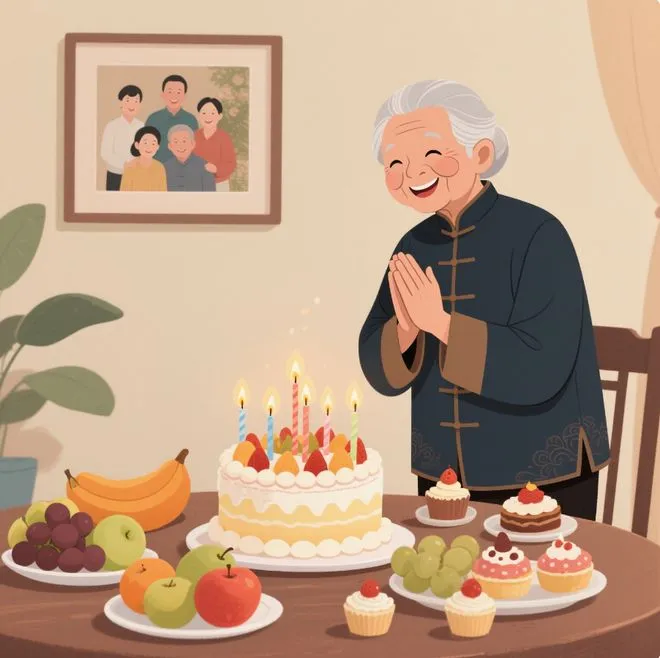
祝您生日快乐,长命百岁!
zhù nín shēngrì kuàilè, chángmìngbǎisuÀ!
Translation:
“Happy birthday! May you live a long life and reach a hundred years.”
Explanation:
This greeting is especially appropriate for elders, as it combines politeness with a traditional blessing. The phrase begins with 祝您生日快乐, which is the respectful form of “happy birthday.” Here, the standard 你 (nǐ, “you”) is replaced with 您 (nín), a more courteous pronoun used when addressing seniors or people of higher status.
The second part, 长命百岁 (chángmìng bǎisuÀ), is a classic Chinese expression used to wish someone longevity. Literally, 长 means “long,” 命 refers to “life,” and 百岁 means “a hundred years.” Together, they convey a heartfelt hope for a long, healthy life—making this phrase a timeless and culturally resonant birthday wish for older people.
For Young Women
祝你生日快乐,青春永驻!
zhù nǐ shēngrì kuàilè, qīngchūn yǒngzhù!
Translation:
“Happy birthday! May your youth stay with you forever!”
Explanation:
This birthday wish has a warm, friendly tone and is commonly used for young women. The opening phrase 祝你生日快乐 uses the informal 你 (nǐ), making it suitable for friends, peers, or people younger than yourself.
The second part, 青春永驻 (qīngchūn yǒngzhù), is a graceful idiomatic expression often used in birthday greetings. 青春 means “youth” or “youthful vitality,” while 永驻 means “to remain forever.” Together, the phrase conveys a wish for lasting youth, beauty, and energy, making it a popular and flattering choice for celebrating birthdays.
For Friends Pursuing Their Career (Any Age)
祝你生日快乐,事业有成!
zhù nǐ shēngrì kuàilè, shìyè yǒu chéng!
Translation:
“Happy birthday! Wishing you great success in your career!”
Explanation:
This greeting is a versatile and encouraging birthday wish, suitable for friends of any age who are focused on their professional goals. The phrase 祝你生日快乐 delivers a straightforward and friendly “happy birthday.”
The second half, 事业有成 (shìyè yǒuchéng), is a widely used expression in Chinese that conveys hopes for career achievement and long-term success. 事业 means “career” or “professional pursuits,” while 有成 literally means “to have accomplishment.” Together, the phrase reflects a thoughtful wish for progress, recognition, and fulfillment in one’s work, making it especially appropriate for colleagues, ambitious friends, or anyone building their career.
For Friends Around Your Own Age
祝你生日快乐,天天开心,幸福美满!
zhù nǐ shēngrì kuàilè, tiāntiān kāixīn, xìngfú měimǎn!
Translation:
“Happy birthday! Wishing you happiness every single day and a life filled with joy and fulfillment!”
Explanation:
This is a warm, well-rounded birthday wish that works perfectly for close friends and peers. It begins, as expected, with 祝你生日快乐, a friendly and familiar way to say “happy birthday.”
The phrase 天天开心 (tiāntiān kāixīn) adds a light, casual tone, expressing the hope that the person feels cheerful day after day. It’s the kind of phrase you’d hear between good friends.
Finally, 幸福美满 (xìngfú měimǎn) elevates the message slightly, wishing not just momentary happiness but a deeply satisfying and well-balanced life. 幸福 means “happiness” or “well-being,” while 美满 suggests completeness and harmony. Together, they create a heartfelt closing that feels sincere without being overly formal.
For Children (Any Gender)

祝你生日快乐,学业有成!
zhù nǐ shēngrì kuàilè, xuéyè yǒuchéng!
Translation:
“Happy birthday! Wishing you great success in your studies!”
Explanation:
This birthday wish is especially common when speaking to children or students and reflects the high value Chinese culture places on education. It opens with 祝你生日快乐, a friendly and encouraging way to say “happy birthday.”
The second phrase, 学业有成 (xuéyè yǒuchéng), is a well-established idiomatic expression used by parents, teachers, and elders. 学业 means “schoolwork” or “studies,” while 有成 means “to achieve results” or “to succeed.” Together, the phrase conveys a hopeful and supportive message: a wish that the child will do well academically and make steady progress in learning.
It’s a thoughtful, positive blessing that sounds natural, appropriate, and genuinely caring in a Chinese-speaking context
For Everybody
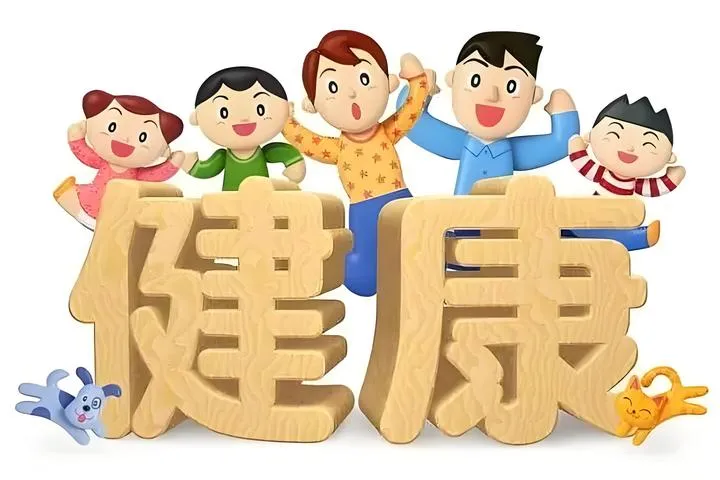
祝你生日快乐,身体健康,万事如意!
zhù nǐ shēngrì kuàilè, shēntǐ jiànkāng, wànshì rúyì!
Translation:
“Happy birthday! Wishing you good health and may everything go your way!”
Explanation:
This is a warm, all-purpose birthday greeting suitable for anyone, regardless of age, gender, or relationship.
● 祝你生日快乐 – “happy birthday”
● 身体健康 – “good health,” an essential and highly valued wish in Chinese culture
● 万事如意 – “may everything go your way,” a classic blessing for smoothness and success in all aspects of life
By including 身体健康, this greeting emphasizes both happiness and well-being, making it a thoughtful and universally appreciated choice
How to Sing “Happy Birthday” in Chinese
Once you’ve learned how to say “happy birthday” in Chinese, you might be curious about whether the birthday song itself is sung in China—and how to do it.
Traditionally, there was no birthday song in Chinese culture. However, the Western melody and custom of singing “Happy Birthday” have been widely adopted, and it is now common at birthday parties across China.
The good news is that if you already know the phrase “祝你生日快乐” (zhù nǐ shēngrì kuàilè), you have everything you need! To sing the song in Chinese, simply repeat “zhù nǐ shēngrì kuàilè” four times, following the familiar tune of the English version.
It’s a fun and easy way to join in the celebration, whether you’re at a party with friends, family, or colleagues
Calculating Chinese Birth Dates: A Cultural Puzzle
Although many modern Chinese birthday traditions are evolving, several customs remain deeply rooted in traditional culture. One area where this is most apparent is in the way ages and birth dates are calculated, which can be more intricate than the Western method.
A Different Way of Counting Age
In traditional Chinese culture, a person is considered one year old at birth. This explains why someone who is 21 by Western counting might insist they are actually 22.
Additionally, in the traditional system, everyone gains a year in age on the first day of the Chinese Lunar New Year, rather than on their individual birthdays. For example, even if someone’s 21st birthday falls in June, relatives may begin referring to them as 22 from the Lunar New Year in January.
These cultural calculations can create some confusion for foreigners: your Chinese friend who says she is 23 may actually be 22—or even 21—if you use the Western method of counting from their birth year. Understanding this difference is a small but meaningful way to navigate Chinese birthday traditions with cultural sensitivity.
So Many Birthdays, So Little Time
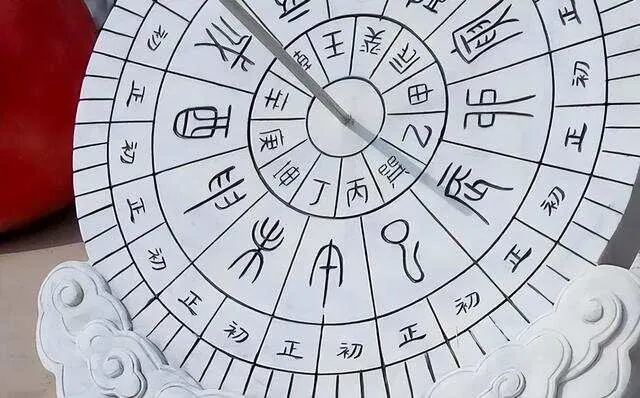
In China, both the traditional lunar calendar (农历, nónglì) and the familiar Gregorian calendar (阳历, yánglì) coexist, though the Gregorian calendar is now used for official purposes. Each Gregorian date corresponds to a different lunar calendar date, which shifts from year to year. Online conversion tools make it easier to translate between the two systems.
Many Chinese people still celebrate their birthdays according to the lunar calendar, considering it their “true” birthday. At the same time, official documents such as identity cards (身份证, shēnfènzhèng) always use the Gregorian calendar. This dual system sometimes creates confusion—especially in rural areas where the Gregorian calendar was only recently adopted.
Take the example of Xiǎo Zhào: he grew up knowing his lunar birthday as March 5, 1990 (农历正月初五, nónglì zhēngyuè chūwǔ). When local authorities issued his official ID card, they simply recorded March 5, 1990 on the Gregorian calendar—without converting it. In reality, the correct Gregorian equivalent of his lunar birthday was April 12, 1990.
As a result, Xiǎo Zhào now has three birthdays: March 5 on the Gregorian calendar, April 12 on the Gregorian calendar, and March 5 on the lunar calendar, which he considers his “real” birthday. This example illustrates the unique complexity—and charm—of Chinese birth date traditions.
Using the Chinese Zodiac to Estimate Age
If all the lunar and Gregorian calendar calculations seem confusing, there’s a simpler tool you can use: the Chinese zodiac. 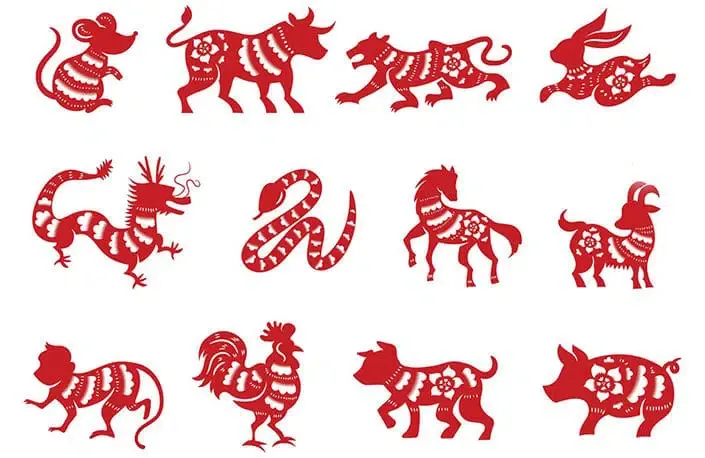
For example, if Xiǎo Zhào tells you he was born in the Year of the Dragon, you can use the current zodiac year to quickly narrow down his possible birth years. He could have been born in 1990, 1978, or 1964, depending on his appearance and the context. While it won’t give you an exact age, the Chinese zodiac provides a fast and culturally meaningful way to gauge someone’s approximate age.
Celebrating Birthdays in China
Now that you know how to say “happy birthday” in Chinese and understand the role of lunar birth dates, you might be wondering what actually happens at a Chinese birthday celebration. What traditions, customs, and special foods should you expect? Read on to discover how birthdays are celebrated in China.
Noodles Over Cake
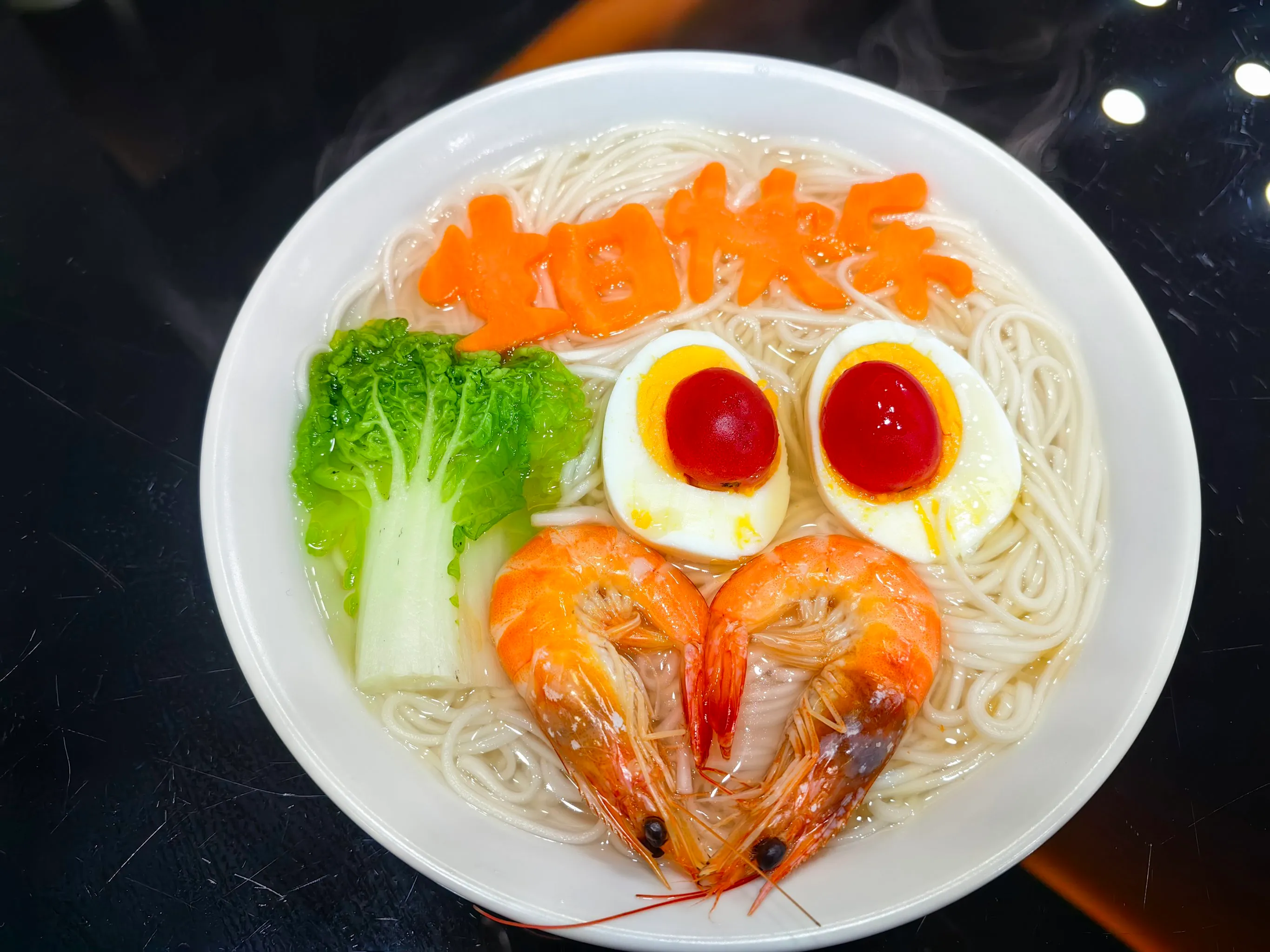
While Western-style birthday cakes are gradually gaining popularity in China, many people still celebrate with traditional foods that carry special meanings. One of the most iconic birthday dishes is a generous bowl of "longevity noodles," known in Chinese as 长寿面 (chángshòumiàn) or simply 寿面 (shòumiàn). Eating these long noodles is believed to symbolize a long and healthy life, making them a staple at birthday meals.
Another unique tradition involves wearing red underwear during your zodiac year, or 本命年 (běnmìngnián)—the year in the Chinese zodiac corresponding to the year you were born. Red, a color symbolizing luck and protection, is worn to ward off misfortune.
For example, Xiǎo Zhào was born in 1992, the Year of the Monkey. In each subsequent Monkey year (2004, 2016, 2028, etc.), he would wear red underwear as a way of staying lucky and protecting himself from bad fortune.
Birthday Gift Ideas

Gift-giving, or 礼物 (lǐwù), is an important part of birthday celebrations in China, and thoughtful presentation is just as valued as the gift itself. Traditionally, it’s recommended to wrap gifts in red paper, a color that symbolizes good luck and happiness. Other bright, festive colors such as gold, yellow, or pink are also acceptable. However, you should avoid black or white, as these colors are traditionally associated with mourning and funerals.
When choosing a gift, practical, high-quality items are especially appreciated. For example, items made of durable materials like ceramic or bamboo are popular choices because they combine elegance with longevity. A finely crafted ceramic tea set or a bamboo tea tray not only looks beautiful but is also practical and long-lasting. Bamboo panels paired with a melamine chassis, for instance, resist deformation, are hard to damage, and are easy to clean, making them both functional and stylish.
Other popular gifts might include items that reflect the recipient’s interests, such as books, stationery, or artisanal handicrafts. The key is to choose gifts that are thoughtful, high-quality, and convey good wishes for happiness, health, and prosperity.
Birthday Gift Etiquette in China
When receiving a gift in China, etiquette is just as important as the gift itself. One key rule is not to open a gift in front of the giver. Doing so is considered impolite, as it can create pressure or embarrassment if the gift is not exactly what the giver hoped for. Instead, it’s customary to accept the gift graciously with both hands and express your thanks. You can open it later in private.
Certain gifts should be avoided due to cultural taboos. For example:
● Clocks – Giving a clock, or 送钟 (sòng zhōng), is considered highly inappropriate. The pronunciation of this phrase is identical to 送终 (sòng zhōng), which means to attend a funeral or pay one’s last respects. Giving a clock is therefore associated with death and bad luck.
● Green hats – Another gift to avoid is a green hat. In Chinese culture, the phrase 戴绿帽子 (dài lǜ màozi) implies that a man’s wife is unfaithful. Giving or wearing a green hat is considered a serious faux pas and can cause embarrassment or offense.
In general, when selecting gifts in China, focus on positive symbolism. Red or gold wrapping paper, high-quality items, and gifts that convey good wishes for health, happiness, and success are always safe choices. By following these guidelines, your gift will not only be appreciated but also show that you understand and respect Chinese customs.
Bringing It All Together: Celebrating Birthdays in China
Birthdays in China are a fascinating blend of ancient traditions and modern practices. From wishing someone 生日快乐 (shēngrì kuàilè) to enjoying longevity noodles, giving thoughtful 礼物 (lǐwù), and observing age and zodiac customs, each element reflects the deep cultural values of respect, family, and good fortune.
Whether it’s celebrating with friends, family, or colleagues, Chinese birthday traditions are as much about expressing care, well-wishes, and happiness as they are about marking the passing of another year. By learning the proper greetings, understanding the symbolic foods and gifts, and honoring traditional etiquette, you can join in the celebration with sincerity and cultural awareness.
So next time you wish a Chinese friend a happy birthday, remember: it’s not just about the words or the cake—it’s about connecting through centuries of rich tradition, showing respect, and spreading joy. And no matter where you are in the world, saying 生日快乐 will always bring a smile.
FAQ
Q: How do you say “Happy Birthday” in Chinese?
A: The most common and natural way to say “Happy Birthday” in Chinese is 生日快乐 (shēngrì kuàilè). A warmer and more expressive version is 祝你生日快乐 (zhù nǐ shēngrì kuàilè), which literally means “wish you a happy birthday.”
Q: Do people in China celebrate birthdays the same way as in Western countries?
A: Not exactly. While Western-style birthday cakes and parties are becoming more common, traditional Chinese birthday celebrations often focus on symbolic foods, family gatherings, and cultural customs rather than large parties.
Q: What are longevity noodles and why are they eaten on birthdays?
A: Longevity noodles, known as 长寿面 (chángshòumiàn), symbolize a long and healthy life. The noodles are kept long and uncut, as breaking them is believed to shorten one’s lifespan.
Q: What is 本命年 (běnmìngnián) and why do people wear red?
A: 本命年 refers to your zodiac year, which occurs every 12 years. During this year, people often wear red clothing or red underwear to ward off bad luck and invite protection and good fortune.
Q: What are appropriate birthday gifts in China?
A: Practical, high-quality gifts are highly valued. Popular choices include tea sets, books, stationery, or items made from durable materials like ceramic or bamboo. Gifts are usually wrapped in red or other bright colors.
Q: Are there any birthday gift taboos in Chinese culture?
A: Yes. Avoid giving clocks, as 送钟 (sòng zhōng) sounds like attending a funeral, and green hats, which imply infidelity. It’s also considered polite not to open gifts in front of the giver.