The Meaning and Cultural Significance of the Chinese Character "喜"
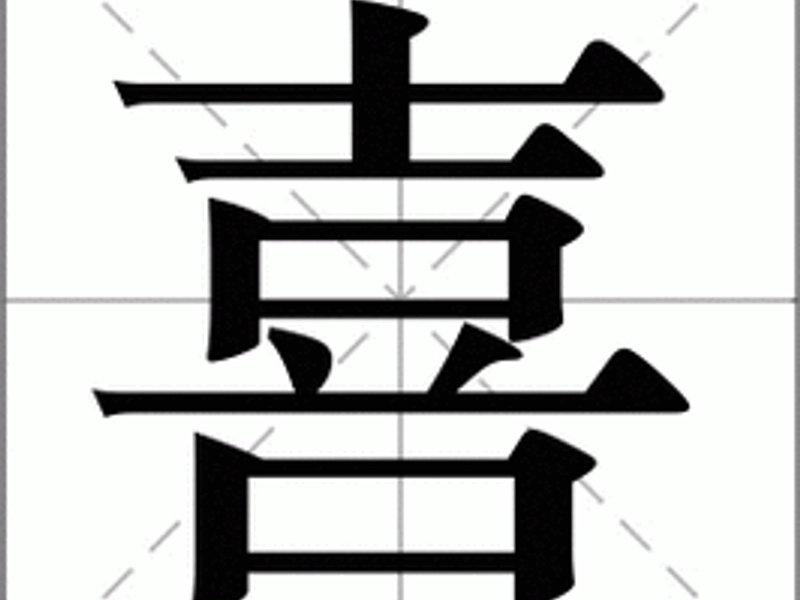
Simplified: 喜
Traditional: 喜
Pinyin: xǐ
Meaning: joy; happiness; delight; to like; happy event
The Chinese character "喜" (xǐ) embodies the fundamental human experience of joy, happiness, and celebration. It represents not only the emotional state of delight but also the auspicious occasions that bring people together in shared happiness. Understanding "喜" provides deep insight into Chinese cultural values surrounding celebration, relationships, and the pursuit of a joyful life.
Basic Meaning of "喜"
The character "喜" has a wonderfully expressive origin that directly reflects its meaning. It is composed of two parts: the upper component 壴 (zhù), which depicts a drum set on a stand, and below it 口 (kǒu), meaning "mouth." This combination vividly portrays a scene of musical celebration - the beating of drums and joyful singing or cheering. The character captures the essence of festive occasions where music and vocal expressions create an atmosphere of shared happiness. This imagery of celebration remains powerfully embedded in the character's modern usage.
Common Combinations with "喜"
- Emotional States:
- 喜欢 (xǐ huan) - to like; to be fond of
- 喜悦 (xǐ yuè) - joy; delight
- 欣喜 (xīn xǐ) - glad; joyful
- 喜乐 (xǐ lè) - happiness and joy
- Celebratory Events:
- 喜庆 (xǐ qìng) - joyous; jubilant
- 喜事 (xǐ shì) - happy event (especially wedding)
- 喜宴 (xǐ yàn) - wedding banquet
- 贺喜 (hè xǐ) - to congratulate
- Specific Contexts:
- 喜剧 (xǐ jù) - comedy
- 喜讯 (xǐ xùn) - good news
- 惊喜 (jīng xǐ) - pleasant surprise
- 双喜 (shuāng xǐ) - double happiness
- Personal Attributes:
- 喜气 (xǐ qì) - joyful atmosphere
- 笑喜喜 (xiào xǐ xǐ) - beaming with joy
These combinations demonstrate how "喜" permeates emotional expression, social celebrations, and cultural practices.
Extended Meanings of "喜"
Beyond its core meanings, "喜" extends into several important domains:
- Preference and Inclination: Indicating personal tastes and preferences
- Auspicious Symbolism: Representing good fortune and blessings
- Biological Reactions: Describing physiological responses (喜脉 - joyful pulse in pregnancy)
- Cultural Metaphors: Serving as symbolic representation of ideal states
- Social Bonding: Facilitating relationship building through shared joy
Cultural and Symbolic Significance
In Chinese culture, "喜" carries profound symbolic importance:
- Wedding Culture: The character "喜" is quintessentially associated with weddings. The double happiness symbol "囍" is ubiquitous in Chinese weddings, representing the joy of marriage and the union of two families.
- Color Symbolism: Red, the color of "喜," symbolizes happiness, good fortune, and celebration in Chinese culture. Red "喜" characters are displayed during festivals and weddings to invite good luck.
- Philosophical Balance: In traditional Chinese medicine and philosophy, "喜" is one of the seven emotions that must be kept in balance. While joy is positive, excessive joy is believed to damage the heart.
- Festive Traditions: During Chinese New Year and other festivals, "喜" characters are displayed upside down on doors, as the phrase "福倒了" (fu dao le - blessings upside down) sounds like "福到了" (fu dao le - blessings have arrived).
- Literary Themes: "喜" appears frequently in poetry and literature as a counterpoint to sorrow, reflecting the philosophical understanding that joy and sorrow are interdependent.
Example Sentences
- Emotional Context:
- 我很喜欢中国的传统文化。
(I really like Chinese traditional culture.) - 听到这个好消息,他脸上露出了喜悦的笑容。
(Hearing this good news, a joyful smile appeared on his face.)
- 我很喜欢中国的传统文化。
- Celebratory Context:
- 他们下个月要办喜事了。
(They are going to have a wedding next month.) - 春节时,家家户户都充满喜气。
(During Spring Festival, every household is filled with joy.)
- 他们下个月要办喜事了。
- Unexpected Joy:
- 朋友突然来访,给了我一个惊喜。
(My friend's sudden visit gave me a pleasant surprise.)
- 朋友突然来访,给了我一个惊喜。
Related Vocabulary
| Chinese | Pinyin | English |
|---|---|---|
| 喜 | xǐ | joy; happiness |
| 喜欢 | xǐ huan | to like |
| 喜悦 | xǐ yuè | joy; delight |
| 喜庆 | xǐ qìng | joyous |
| 喜事 | xǐ shì | happy event |
| 喜剧 | xǐ jù | comedy |
| 惊喜 | jīng xǐ | pleasant surprise |
| 双喜 | shuāng xǐ | double happiness |
FAQ: Common Questions About the Chinese Character "喜"
Q1: What's the difference between "喜欢" and "爱"?
A: "喜欢" expresses liking or fondness and is used for things, activities, or casual affection between people. "爱" denotes deeper love and commitment, used for profound romantic love, family love, or passionate devotion to ideals. "喜欢" is lighter and more casual than "爱."
Q2: Why is the double happiness symbol "囍" so important in Chinese culture?
A: "囍" represents the ultimate joy of marriage - the happiness of two individuals and the union of two families. It symbolizes the cultural importance placed on marriage as not just a personal commitment but a social institution that brings happiness to the entire community.
Q3: How is "喜" used in traditional Chinese medicine?
A: In TCM, "喜" is one of the seven emotions that affect health. While normal joy is beneficial, excessive joy ("喜伤心") is believed to damage the heart energy. This reflects the Chinese philosophical emphasis on maintaining emotional balance.
Q4: What's an effective way to remember this character?
A: Remember the beautiful imagery behind the character: drums (壴) and singing (口) creating a festive atmosphere. Think of a wedding celebration with drumming and cheerful voices - this is the essence of "喜." The character visually represents the sounds and sights of celebration.