
The Top 10 Vegetables Eaten in China and How to Enjoy Them
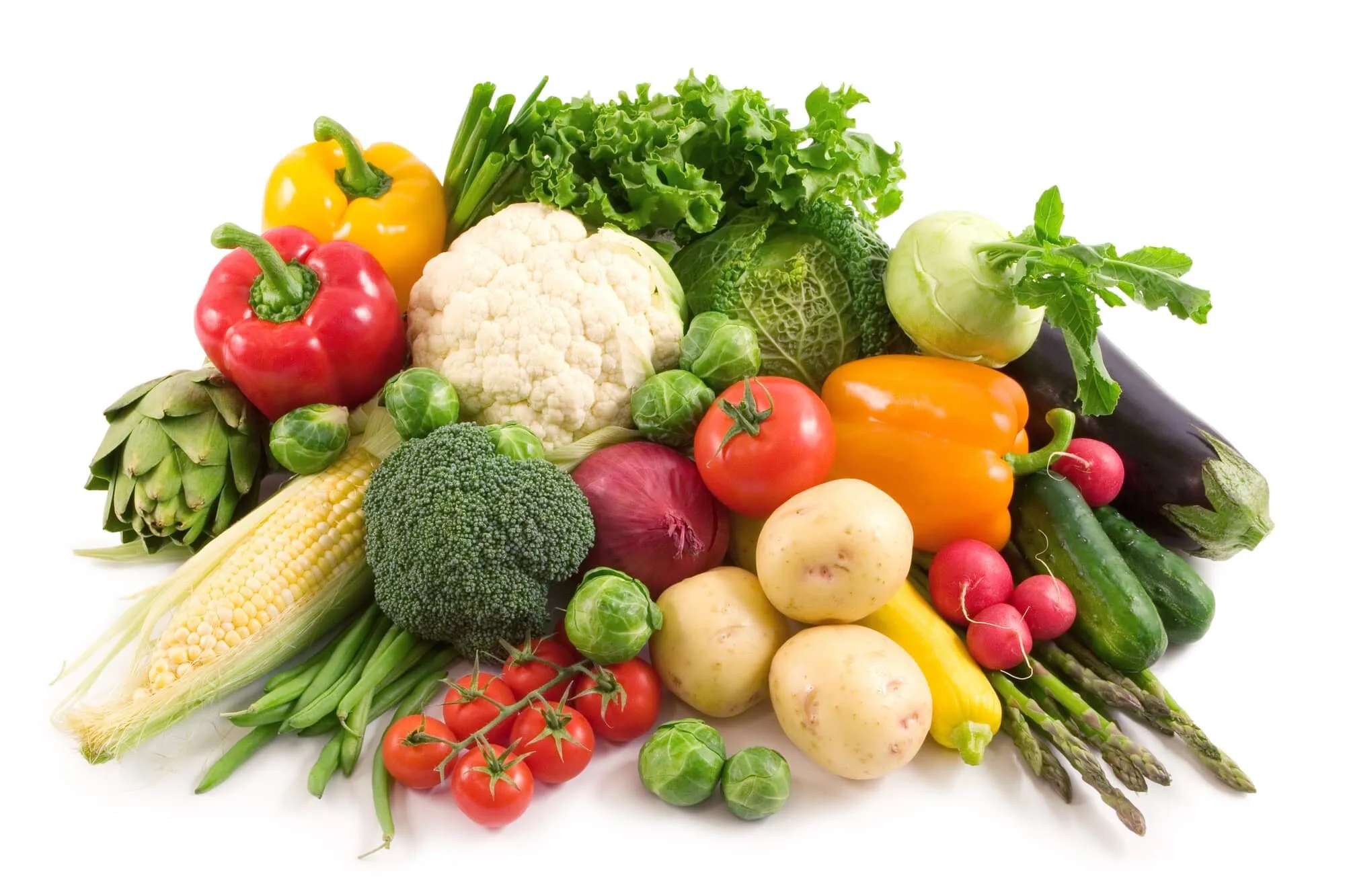
Table of Contents
China is home to over 300 million farmers, and together they produce nearly half of the world's vegetables. While many of the vegetables eaten in China may already be familiar to you, others are far less known and rarely seen outside the country.
From bustling street markets to home kitchens and restaurant woks, vegetables play a central role in Chinese cuisine. Understanding what people eat and how they prepare it offers a revealing glimpse into everyday life in China.
Below are ten of the most commonly eaten vegetables in China, along with the most popular and delicious ways to enjoy them.
1. Chinese Cabbage (大白菜 dàbáicài)
Chinese cabbage, also known as napa cabbage or snow cabbage, is one of the most widely consumed vegetables in China. In local markets, it is often sold in towering piles, especially during the colder months.
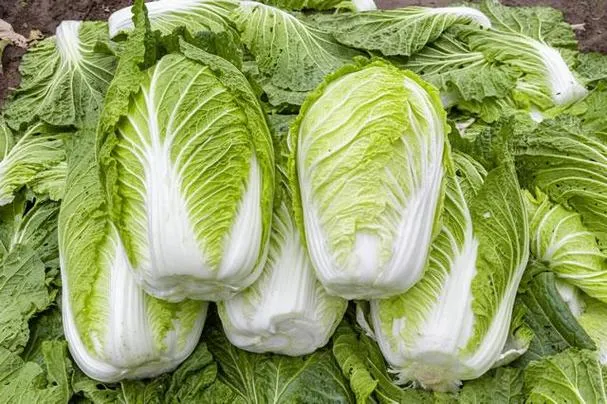
This leafy vegetable appears frequently in everyday dishes, from comforting soups and bubbling hotpots to simple stir-fries. Chinese cabbage has a mild yet hearty flavor, with a slight sweetness that deepens when cooked.
It is both nutritious and versatile. Most commonly, it is lightly stir-fried with garlic and paired with sauces such as soy sauce or oyster sauce, making it a humble but essential staple of Chinese home cooking.
2. Bok Choy (小白菜 xiǎobáicài)
Bok choy is often translated into English as "Chinese cabbage" as well, but it looks quite different from its larger cousin, napa cabbage. It is smaller in size, with deep green leaves and crisp, pale stalks.
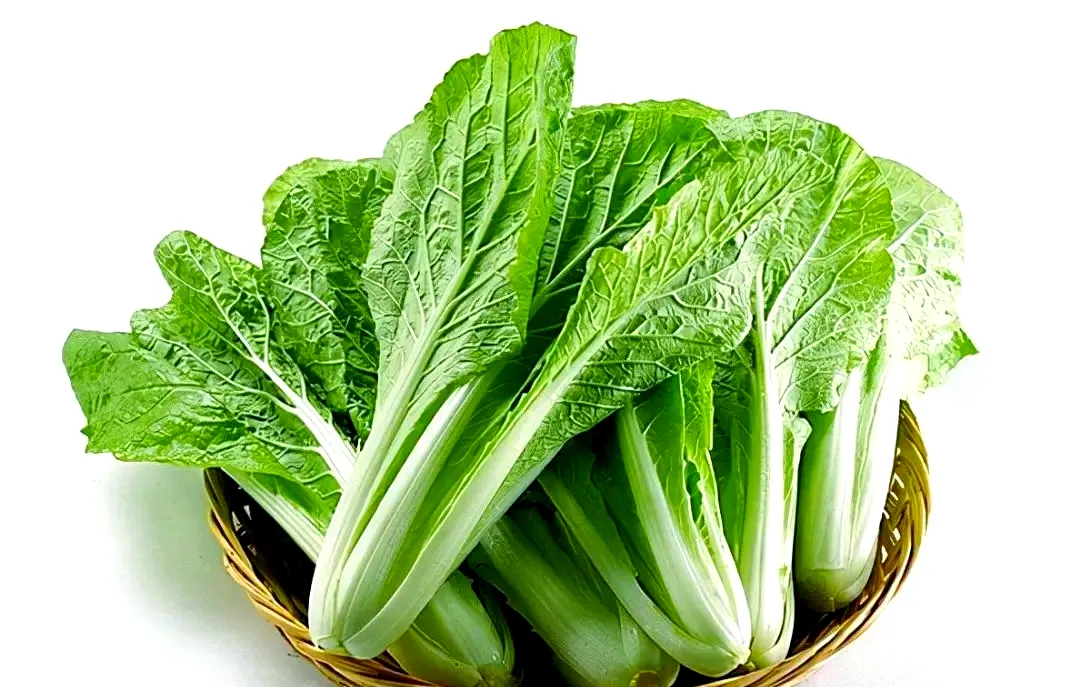
Compared to napa cabbage, bok choy has a sharper, more pronounced flavor and a firmer texture. Because of this, it is usually added in smaller amounts, serving as a supporting ingredient rather than the main focus of a dish.
Bok choy is commonly used in soups, hotpots, and quick stir-fries, where its freshness and slight bitterness balance richer flavors. It is especially popular in southern China, where lighter cooking styles allow its natural taste to shine.
3. Potatoes (土豆 tǔdòu)
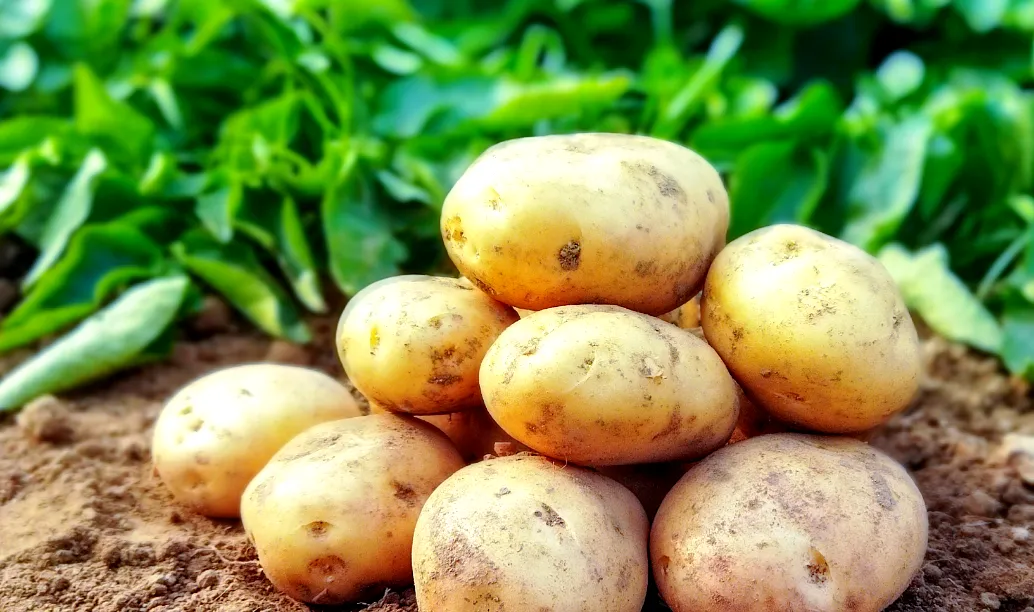
China is the world’s largest producer of potatoes, and in recent decades, this humble tuber has become an increasingly common sight on Chinese dining tables.
Unlike in Western cuisines, potatoes in China are rarely mashed or baked. Instead, they are sliced, shredded, or cubed and cooked quickly in stir-fries or simmered into hearty soups. This approach preserves their texture while allowing them to absorb bold seasonings.
Potatoes are especially popular in northeastern China, Xinjiang, and Sichuan. One iconic Sichuan dish features potatoes sliced paper-thin and stir-fried over high heat with chili peppers and vinegar, creating a spicy, tangy, and irresistibly crisp result.
4. Cucumbers (黄瓜 huángguā)
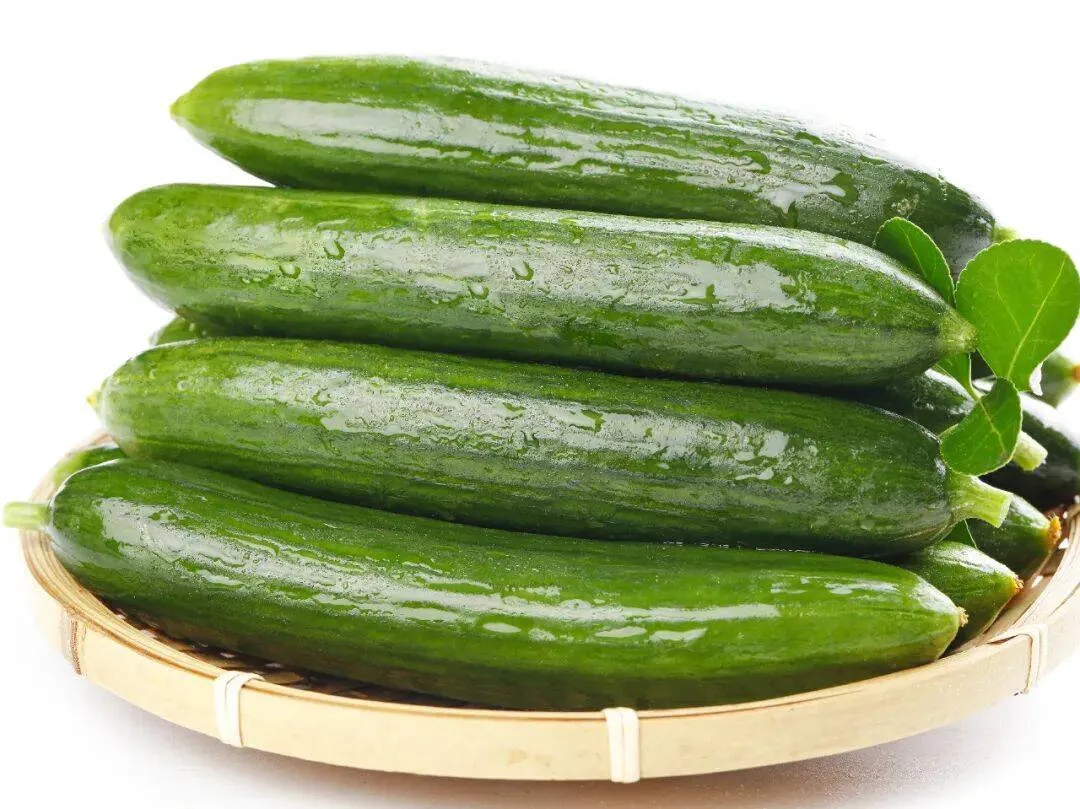
Cucumbers are a staple in Chinese cuisine, and they come in a surprising range of varieties. Some are thick and familiar to Western diners, while others are long, slender, and delicately curved. Their skins may be smooth or lightly ridged, but they all share one key trait: freshness.
Unlike certain Western varieties, Chinese cucumbers are generally not bitter. Instead, they offer a clean, crisp bite with a subtle sweetness that makes them perfect for both raw and cooked dishes.
They are commonly sliced into salads, lightly smashed and dressed with garlic and vinegar, or quickly stir-fried as a refreshing counterpoint to richer ingredients.
5. White Radish (白萝卜 báiluóbo)
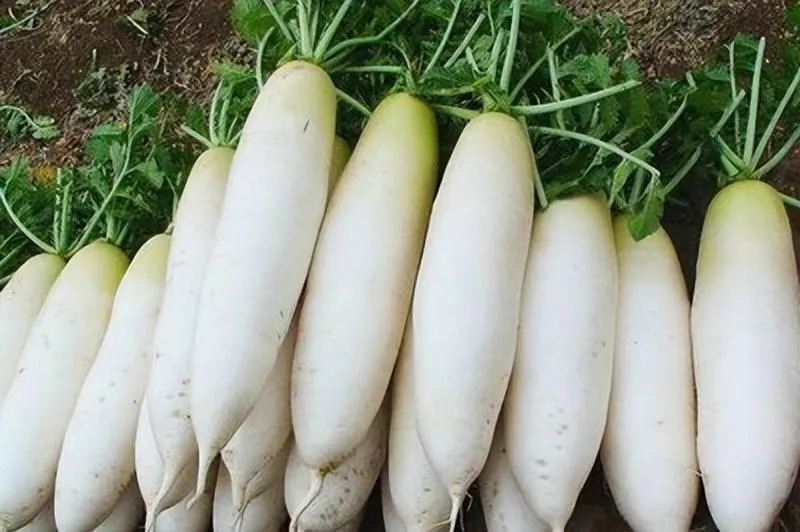
White radish, also known as daikon, is a vegetable many Western diners may have never tried. Instead of the small, round red radishes common in Western kitchens, these are long, thick, and snow-white, more like oversized carrots than radishes.
In Chinese markets, white radishes are often stacked in towering piles, especially during colder months. Like Chinese cabbage, they are a staple winter vegetable, valued for both their nutrition and versatility.
White radish is rich in calcium and vitamin C. When cooked, its sharp raw flavor mellows into a gentle sweetness, making it ideal for stir-fries, slow-cooked soups, and broths where it absorbs surrounding flavors beautifully.
6. Chinese Eggplant (茄子 qiézi)
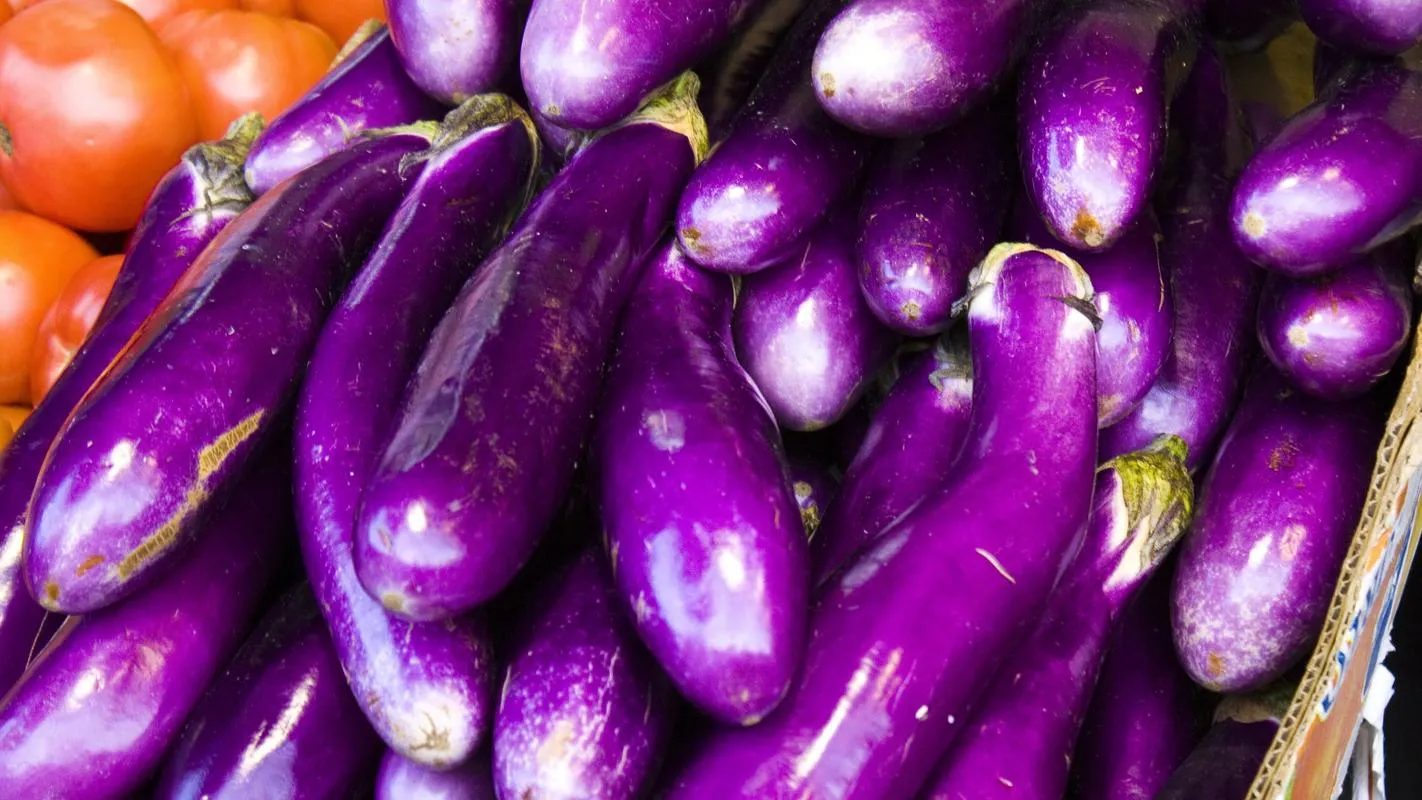
Chinese eggplants are typically long and slender with smooth purple skin, quite different from the rounder varieties commonly found in Western supermarkets. Their flesh is tender and absorbs flavor exceptionally well, which makes them a favorite in Chinese home cooking.
Most commonly, Chinese eggplant is stir-fried with minced meat or cooked in a fragrant garlic sauce. When heated, it turns soft and almost creamy, soaking up sauces like a sponge.
One of the most iconic dishes is braised eggplant, where the vegetable is simmered until silky in a rich, savory sauce. This dish perfectly showcases why eggplant holds such a special place in Chinese cuisine: humble ingredients, deep flavor, and pure comfort.
7. Soybean Sprouts (黄豆芽 huángdòuyá)
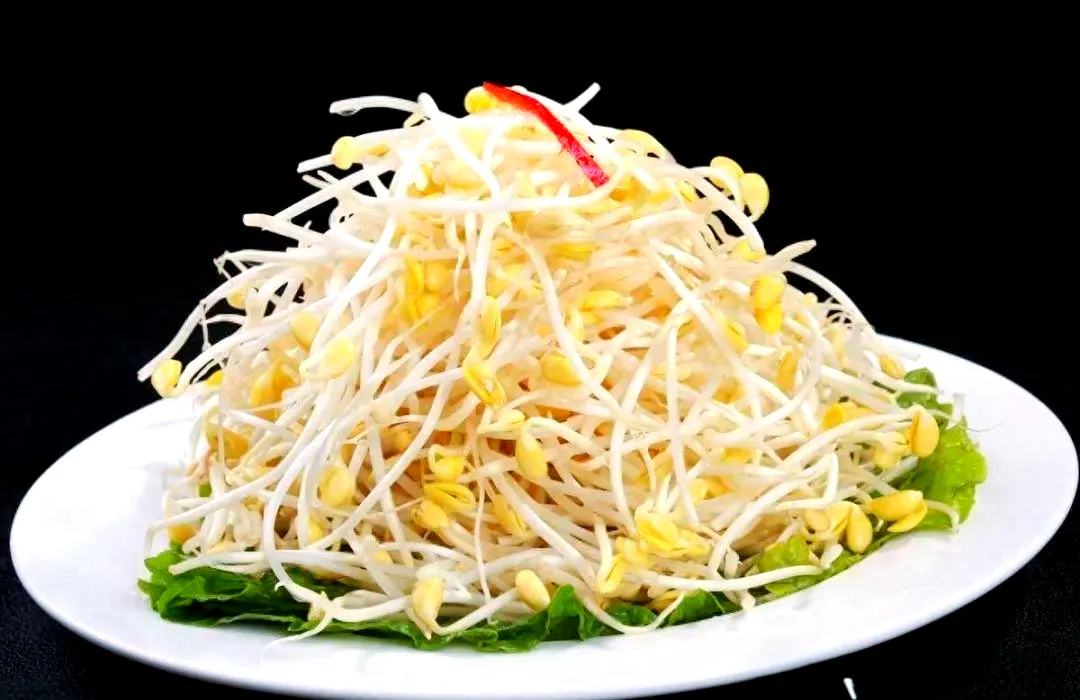
Soybean sprouts are young soybean seedlings, produced by allowing dried soybeans to germinate. Their appearance may be modest, but nutritionally they punch well above their weight, offering a good supply of vitamins A, B, and C.
In Chinese cooking, soybean sprouts are a common feature of everyday meals. They are most often quickly stir-fried over high heat or added to light soups, where they bring a clean crunch and a mild, earthy freshness. Seasoning is usually kept simple. Garlic, tofu, and a splash of soy sauce are enough to highlight their natural texture rather than mask it.
Soybean sprouts can also be eaten raw in salads when absolute freshness is guaranteed. Many households buy them daily from wet markets, while others prefer to sprout soybeans at home. For maximum nutritional value, they are best eaten raw or only lightly cooked, making soybean sprouts a quiet but dependable staple in Chinese home kitchens.
8. Water Spinach (空心菜 kōngxīncài)
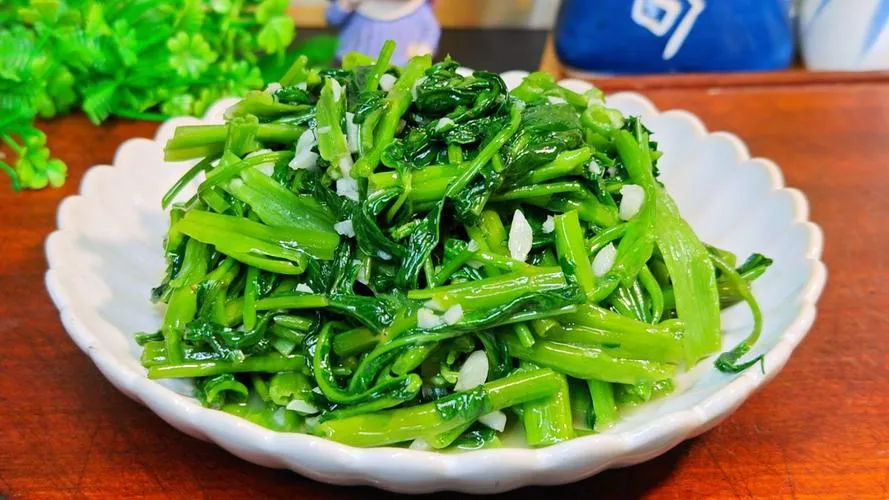
Water spinach, known in Chinese as kōngxīncài (空心菜), is one of the most commonly eaten leafy vegetables in southern China. With its hollow stems and tender leaves, it grows quickly in warm, humid climates and appears year-round in home kitchens, street stalls, and restaurant menus. For many Chinese families, it’s a weekday staple rather than a special-occasion dish.
The most classic way to enjoy water spinach is simple and fast: stir-fried over high heat with garlic, oil, and a pinch of salt. This method keeps the stems crisp while allowing the leaves to wilt just enough to absorb flavor. In some regions, fermented tofu, chili, or shrimp paste is added to deepen the taste without overpowering the vegetable itself.
Water spinach is especially beloved in southern and coastal cuisines, where lighter cooking styles highlight freshness and texture. Its clean, slightly grassy flavor makes it an ideal counterbalance to rich or spicy dishes. Like many Chinese greens, its appeal lies not in complexity, but in how effortlessly it turns a simple meal into something complete.
9. Tomatoes (番茄 fānqié / 西红柿 xīhóngshì)
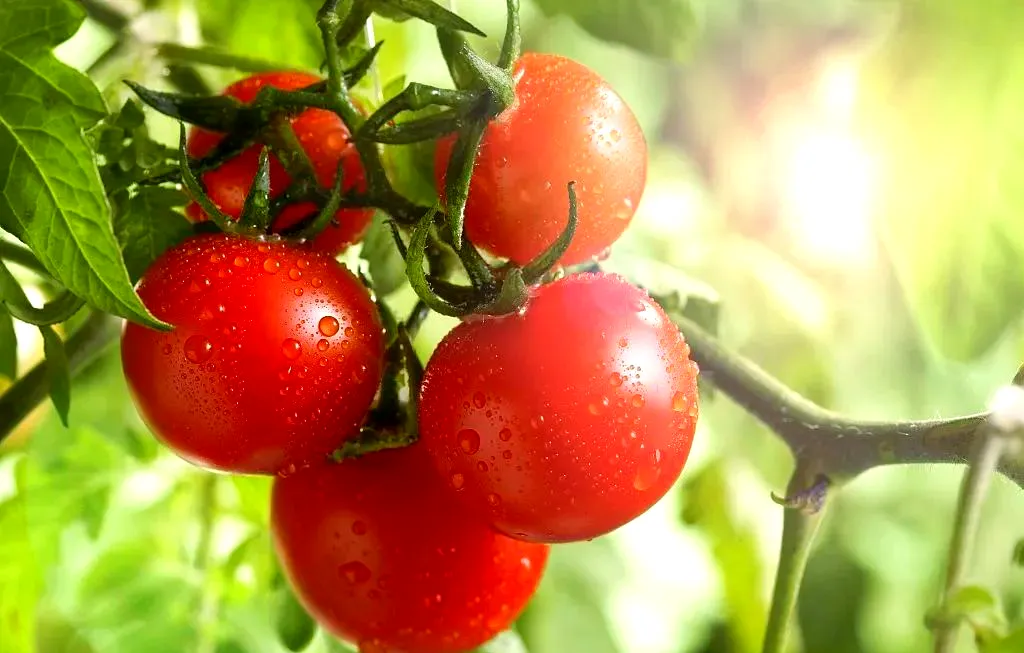
Tomatoes are a staple of Western kitchens, but in China they play a quieter, more selective role. Rather than forming the base of sauces or stews, they are used sparingly to add acidity, sweetness, and color. Tomatoes appear most often in inland regions such as Xinjiang, Guilin, and Sichuan, where their bright flavor helps balance richer or spicier dishes.
The vegetable’s name reflects a clear north–south divide. In southern China, tomatoes are commonly called 番茄 (fānqié), while in the north they are better known as 西红柿 (xīhóngshì). Regardless of the name, the most iconic way to enjoy tomatoes is simple and comforting: stir-fried with eggs, sometimes with a pinch of sugar to enhance their natural sweetness, or paired with small amounts of meat for an everyday home-style dish.
China is the world’s largest tomato producer, accounting for roughly 31% of global output. Much of this harvest is exported or processed rather than eaten fresh in traditional cooking. As a result, tomatoes in Chinese cuisine are less about slow-cooked sauces and more about immediacy: a quick stir-fry, a flash of red on the plate, and a refreshing contrast that lifts the entire meal.
10. Bitter Melon (苦瓜 kǔguā)
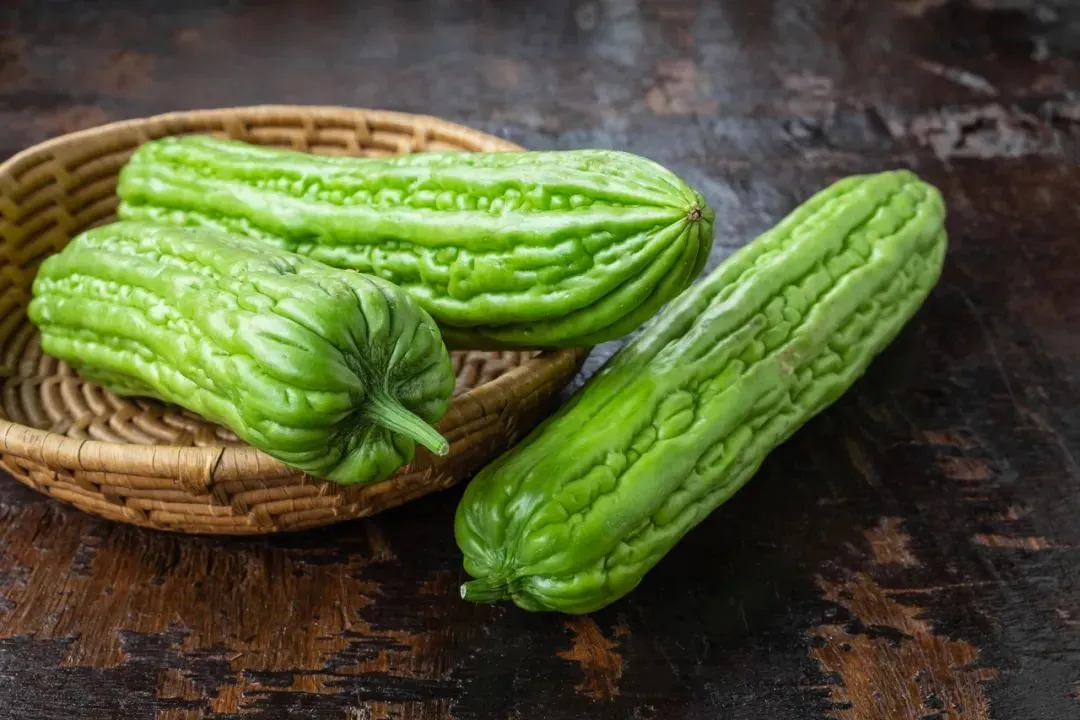
Bitter melon is one of the most distinctive vegetables in Chinese cuisine, both in appearance and flavor. This gourd resembles a heavily textured cucumber, dark green in color and covered with deep ridges and bumps. Its striking look alone is often enough to signal that this is not a vegetable meant to fade quietly into the background.
True to its name, bitter melon has an intense bitterness that can surprise first-time eaters. In Chinese cooking, this bitterness is not avoided but carefully controlled. Common techniques include briefly blanching the slices or rubbing them with salt to draw out excess bitterness before cooking. Once prepared, bitter melon is most often stir-fried and paired with assertive flavors such as garlic, fermented black beans, chili, or eggs, ingredients strong enough to balance its bold character.
Beyond taste, bitter melon holds a special place in traditional Chinese food culture because of its perceived health benefits. In Chinese dietary philosophy, it is considered a “cooling” food and is commonly eaten during hot weather to help restore balance in the body. Many people believe it supports blood sugar regulation and overall wellness, which explains its lasting popularity despite its challenging flavor. Bitter melon perfectly reflects a core principle of Chinese cuisine: balance matters more than comfort, and not every favorite needs to be easy.
Travel Through Vegetables, One Market at a Time
Traveling through China isn't only about famous dishes or iconic landmarks. Some of the most revealing moments happen in ordinary places: a wet market at dawn, a street-side stir-fry stall, or a small neighborhood restaurant with a short handwritten menu.
Knowing these everyday vegetables changes how you travel. You recognize what's on the plate, understand why certain flavors dominate a region, and feel more confident ordering local dishes without guesswork. From crunchy cucumbers to silky eggplant and bracing bitter melon, these vegetables quietly guide you through China's culinary landscape.
So the next time you wander through a Chinese market or sit down to eat on the road, let the vegetables lead the way. They're often the most honest storytellers of a place.
FAQ
Q: Why do vegetables play such an important role in Chinese cuisine?
A: Vegetables are central to everyday Chinese cooking because of historical farming traditions, seasonal eating habits, and dietary balance. For centuries, vegetables were more accessible than meat for most households, leading to a cuisine that emphasizes freshness, texture, and variety. Even today, many Chinese meals are built around vegetables, with meat used as a complement rather than the main focus.
Q: Are Chinese vegetables prepared differently from Western vegetables?
A: Yes. Chinese cooking typically favors quick methods such as stir-frying, blanching, or light braising, which preserve texture and natural flavor. Vegetables are rarely overcooked or heavily seasoned. Instead of butter or cream, Chinese dishes rely on garlic, oil, soy sauce, vinegar, or fermented ingredients to enhance taste without masking the vegetable itself.
Q: Why are potatoes and tomatoes used differently in China?
A: In Chinese cuisine, potatoes and tomatoes are treated as vegetables rather than starches or sauce bases. Potatoes are sliced or shredded and stir-fried for crispness, while tomatoes are used sparingly to add acidity and brightness, often paired with eggs. This reflects a preference for contrast and texture rather than slow-cooked, heavy dishes.
Q: What makes Chinese leafy greens like bok choy and water spinach special?
A: Chinese leafy greens are valued for their freshness, crunch, and subtle bitterness. Vegetables like bok choy and water spinach cook quickly and retain structure, making them ideal for high-heat stir-frying. Their clean flavor balances richer or spicier dishes, especially in southern Chinese cuisine.
Q: Why is bitter melon still popular despite its strong taste?
A: Bitter melon is appreciated not only for flavor but also for its role in traditional food philosophy. It is considered a “cooling” food, often eaten in hot weather to restore balance. Chinese cooking embraces bitterness as one of the five key tastes, believing it contributes depth, contrast, and health benefits rather than simple comfort.
Q: How does understanding Chinese vegetables improve the travel experience?
A: Knowing common Chinese vegetables helps travelers read menus, recognize dishes, and order with confidence. It also reveals regional preferences and local eating habits, from spicy Sichuan stir-fries to lighter southern greens. Vegetables act as cultural guides, offering insight into daily life beyond famous landmarks or signature dishes.