
Top 10 Largest Chinese Metro Areas by Population: A Deep Dive
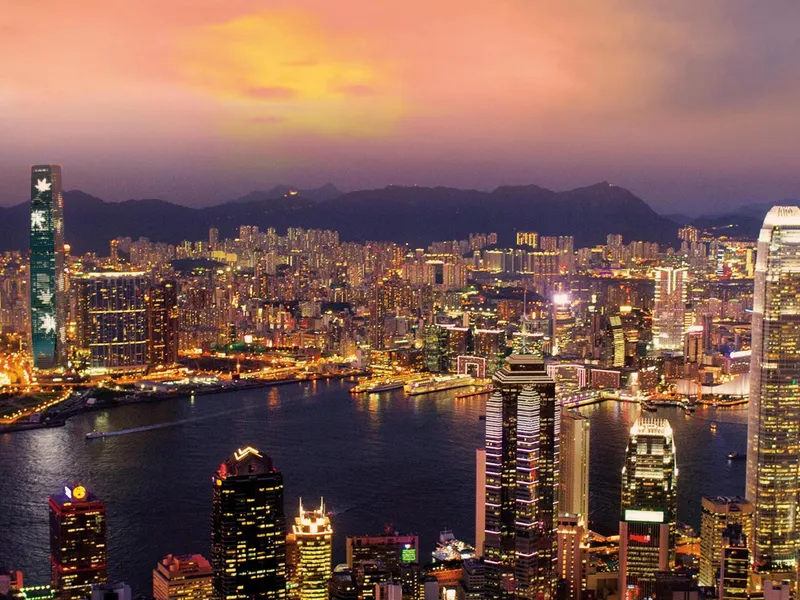
When thinking about top Chinese cities, “biggest” can mean many things. Do we mean administrative boundaries, or the true scale of urban life as experienced by daily commuters, residents, and businesses? For meaningful comparison, one of the most useful lenses is the metro area — the continuous urban or metropolitan agglomeration that captures both dense core cities and their sprawling commuting zones.
Below, I present a richly detailed look at the 10 largest Chinese metro areas by population (urban-agglomeration / “都市圈” scale) — not only their size, but how their growth reflects China’s broader urban transformation.
1. Shanghai Metropolitan Area
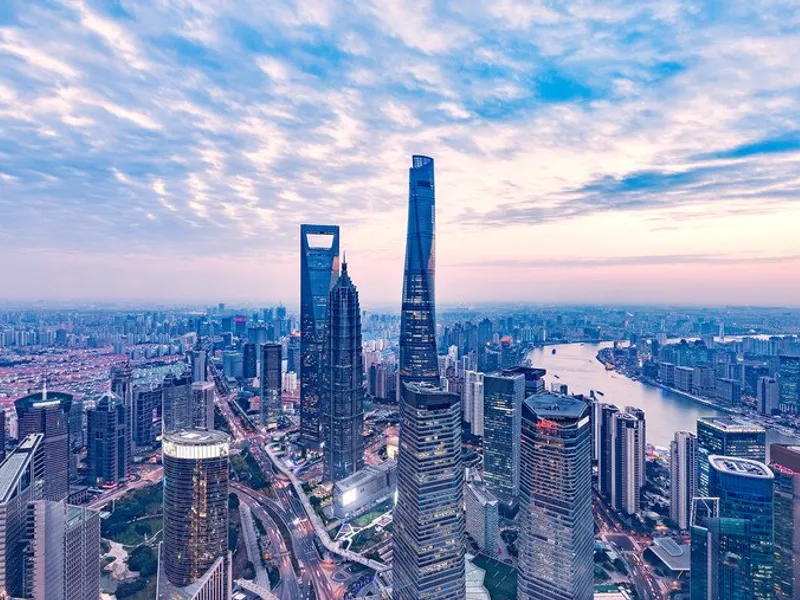
Population Estimate: ~ 28–31 million (metro / urban agglomeration scale)
Why It’s So Big: Shanghai isn’t just a city — it’s the beating heart of China’s global financial ambitions. The Shanghai metropolitan area includes not only the city’s dense core, but also neighboring satellite cities in its greater urban circle, making it one of the most populous and economically powerful metro zones in China.
What Makes It Unique:
● Financial powerhouse: Shanghai is a global financial center, with major banks, trading firms, and exchanges.
● Port and trade: As one of the world’s busiest ports, Shanghai connects China to global trade routes.
● Modern urbanism: Skyscrapers, high-speed metro lines, and highly developed infrastructure define the cityscape.
● Cultural appeal: From the Bund to Pudong, historic architecture mixes with futuristic skylines, giving both legacy and modernity a place.
Why Its Metro-Area Population Matters: The huge metro population supports a massive labor pool, sustained consumer demand, and a scale of services (transport, education, healthcare) that few Chinese cities can match.
2. Beijing Metropolitan Area
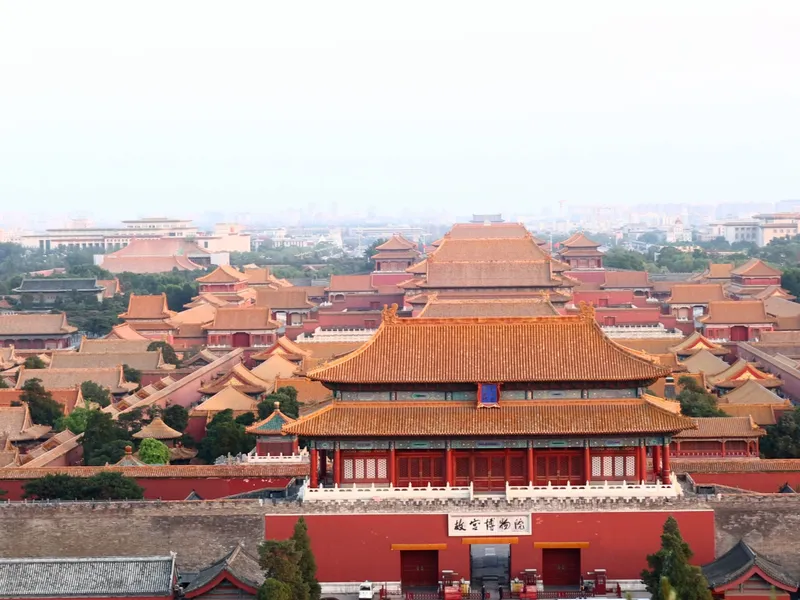
Population Estimate: ~ 20–23 million (metro scale)
Why It’s So Big: As China’s political capital, Beijing draws people for government, higher education, research, and national cultural institutions. Its urban agglomeration includes not only dense urban wards but sprawling suburbs, new towns, and commuter belts.
What Makes It Unique:
● Political center: Beijing houses the national government, embassies, and most major state institutions.
● Education & research: Top universities like Tsinghua and Peking University make Beijing a global academic hub.
● Cultural heritage: The Forbidden City, the Great Wall, and other historic landmarks give the city an immense heritage value.
● Transport: Massive subway system, ring roads, and a large international airport make it a major node in China’s infrastructure network.
Metro Impact: A metro population of this size enables large-scale commuting, supports cultural institutions, and sustains demand for high-level professional talent.
3. Guangzhou–Foshan / Pearl River Delta (PRD) Agglomeration
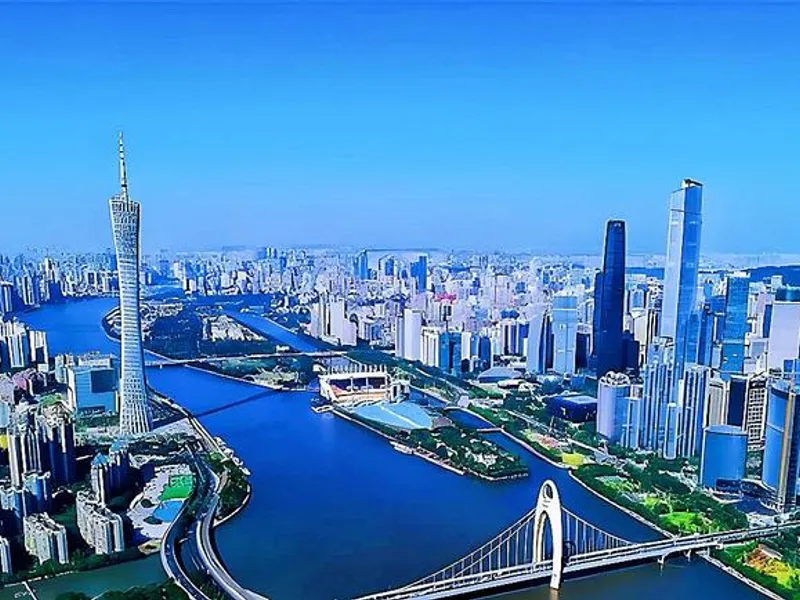
Population Estimate: ~ 20–25+ million (depending on how you define the region)
Why It’s Huge: The Pearl River Delta (PRD) is a mega-region made up of Guangzhou, Foshan, Dongguan, Shenzhen, Zhuhai, and other connected cities. The urban agglomeration is not a single city, but a dynamic cluster.
What Makes It Unique:
● Manufacturing power: The PRD is one of the world’s most concentrated industrial and export regions.
● Economic integration: These cities are deeply linked — factories in one, offices in another, people living in a third but commuting across city lines.
● Transportation network: High-speed rail, highways, and river transport all connect parts of the Delta efficiently.
● Innovation & trade: Beyond manufacturing, the region is also innovating: design, tech startups, logistics, and trade headquarters.
Significance of Metro Scale: The PRD’s size isn’t just about population — its economic and industrial weight makes it a global manufacturing engine, and its commuting patterns reflect the sheer scale of urban integration.
4. Shenzhen Metropolitan Area
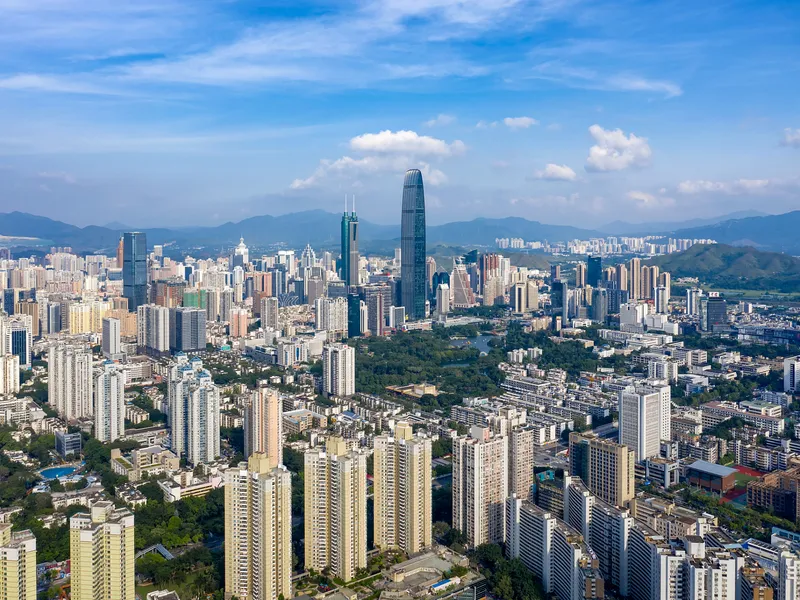
Population Estimate: ~ 12–18 million (depending on metro-area definition)
Why It’s Exploding: Shenzhen went from a small fishing town to a global tech hub in a few decades. As a core city in the PRD, its urban area has grown rapidly, and the metro includes many suburbs and linked industrial zones.
What Makes It Unique:
● Tech capital: Home to tech giants, hardware makers, and hundreds of unicorn startups.
● Youthful energy: Migration from all over China, especially younger people, gives Shenzhen a vibrant, dynamic population.
● Innovation ecosystems: Hardware, fintech, green energy — Shenzhen is often seen as a laboratory for China’s future.
● Connectivity: Excellent transport (metro, cross-city highways, near Hong Kong) makes it ideal for business and commuting.
Metro Role: The metro-area population underpins its sprawling industrial and residential base, making it a city not just of creation, but of global influence.
5. Chongqing Urban Agglomeration
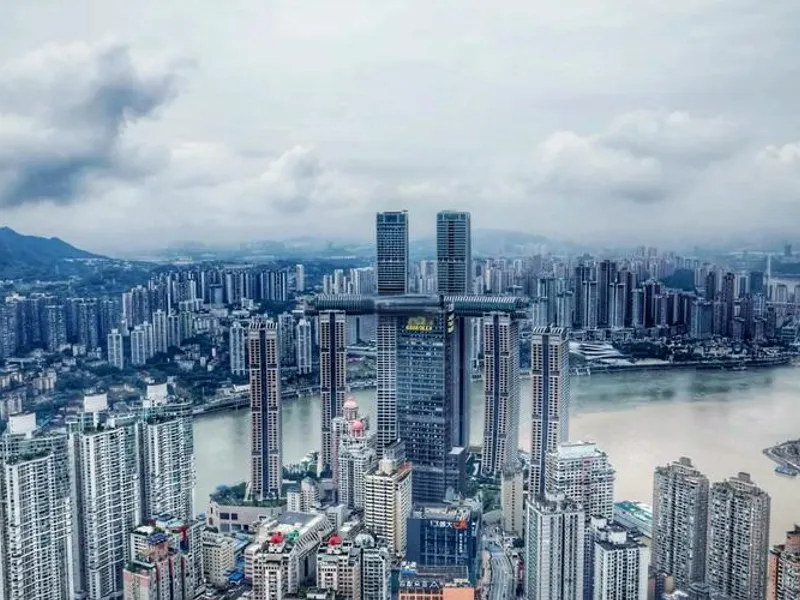
Population Estimate: Highly uncertain for metro core; Chongqing municipality is huge, but true continuous built-up area is smaller — estimates vary, but metro core may be 10–15+ million.
Why It’s Large in Administrative Terms: Officially, Chongqing municipality covers a massive area, including rural and mountainous land. But not all of that is continuous urban area.
What Makes It Unique:
● Inland megacity: Unlike coastal supercities, Chongqing is deep inland, straddling rivers and hills.
● Industrial base: Heavy industry, auto manufacturing, and logistics are central.
● Transport hub: River port on the Yangtze, rail links, and roads connect it nationally.
● Strategic interior growth: In China’s development strategy, Chongqing represents the rise of the interior — not just coast-based growth.
Metro Significance: While administrative population is massive, its urban agglomeration still has one of China’s most important economic and strategic footprints.
6. Chengdu Metropolitan Area
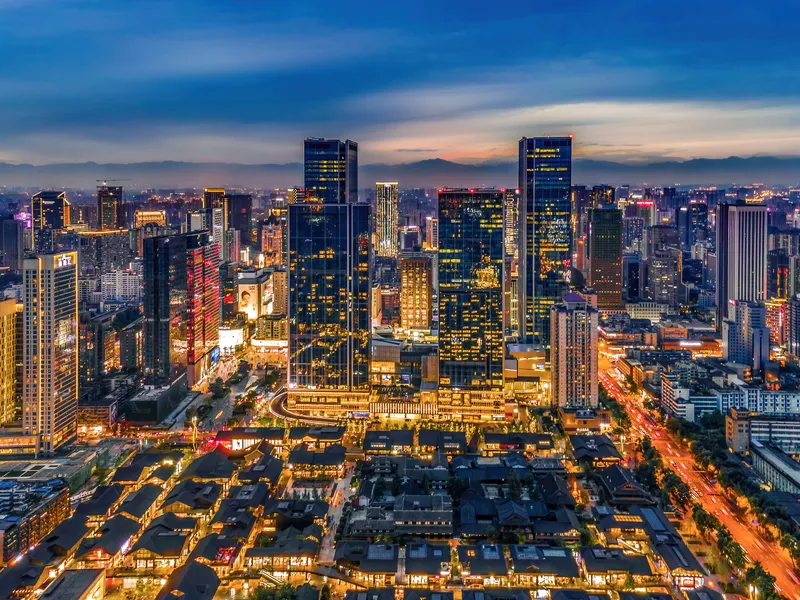
Population Estimate: ~ 10–17 million (metro / urban-agglomeration scale)
Why It’s Growing: As one of western China’s most important cities, Chengdu is becoming a major engine of regional urbanization. The metro area includes its dense city core, rapidly urbanizing suburbs, and satellite towns.
What Makes It Unique:
● Tech & R&D: Big presence of tech parks, research institutes, and startups.
● Quality of life: Known for a more relaxed pace, great food (Sichuan cuisine), and a pleasant urban environment.
● Logistics hub: Central China location and growing transport infrastructure (rail, air) make it a key node.
● Cultural magnet: Historic temples, teahouses, and Sichuan opera contribute to a strong local identity.
Metro-scale Importance: The metro area supports a booming middle class and is a major inland alternative to crowded coastal megacities, helping drive more balanced national development.
7. Tianjin Metropolitan Area
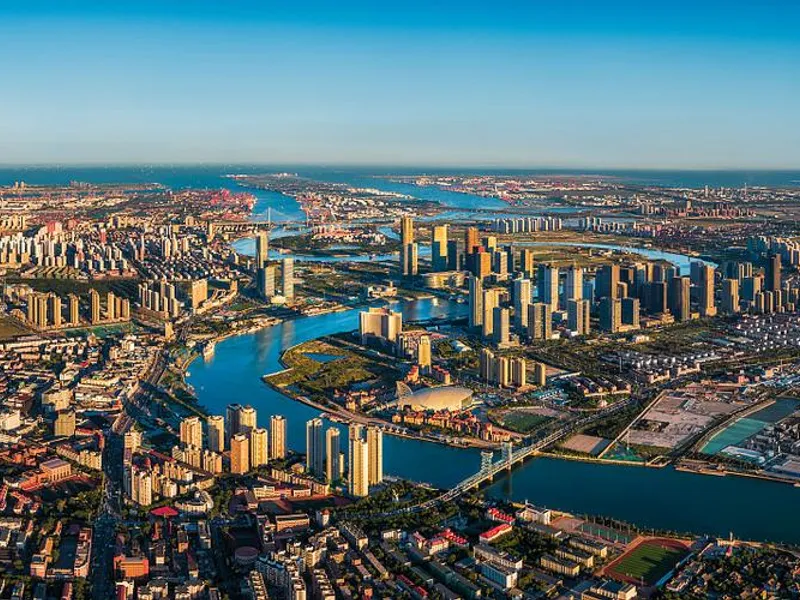
Population Estimate: ~ 10–14 million (urban agglomeration)
Why It Matters: Tianjin is a major industrial and port city just southeast of Beijing. Its metro area includes dense urban districts as well as developed satellite cities.
What Makes It Unique:
● Port city: Tianjin’s port is one of China’s largest, serving as a gateway for northern China.
● Industrial base: Heavy industry, petrochemical, and manufacturing facilities are key.
● Proximity to Beijing: Many people commute or maintain business in both cities, making Tianjin part of a broader metropolitan corridor.
● Urban infrastructure: Well-developed transit, housing, and public services support a large metropolitan population.
Why Metro Population Matters: It reflects not just Tianjin’s core city, but its extended urban zones, commuter belt, and role in the Beijing–Tianjin region.
8. Wuhan Metropolitan Area
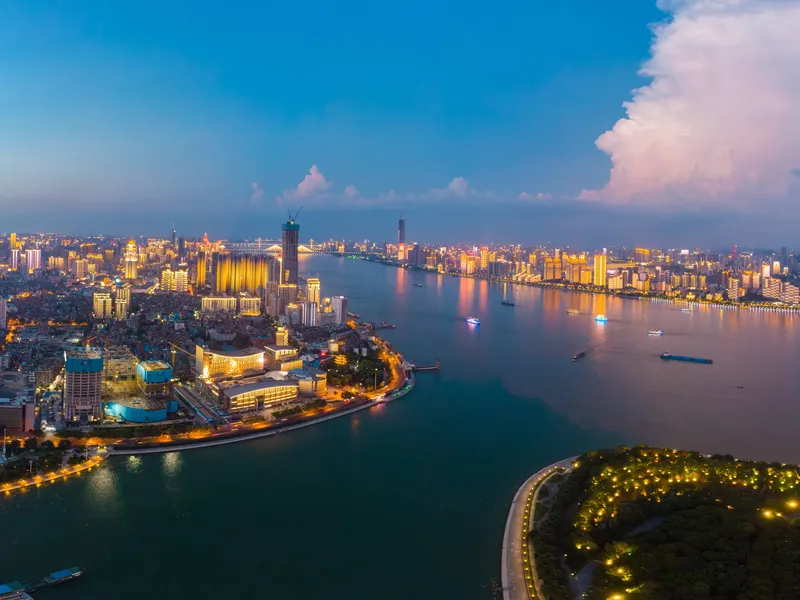
Population Estimate: ~ 9–12+ million metro (estimate from OECD & other sources)
Why It’s Large: Wuhan sits at a critical geographic point—on the Yangtze River, with major rail and water transport connections. Its metro area has grown significantly as industry, education, and logistics converge.
What Makes It Unique:
● Transportation nexus: Rail, roads, and river connect Wuhan to much of central China.
● Universities & research: Strong presence of higher education and research institutions.
● Industrial and commercial mix: From heavy industry to modern services.
● Cultural significance: A long history, tourism for lakes and historical sites, and modern city life.
Metro Scale Impact: Its agglomeration is vital for central China’s economic integration and population concentration.
9. Xi’an Metropolitan Area
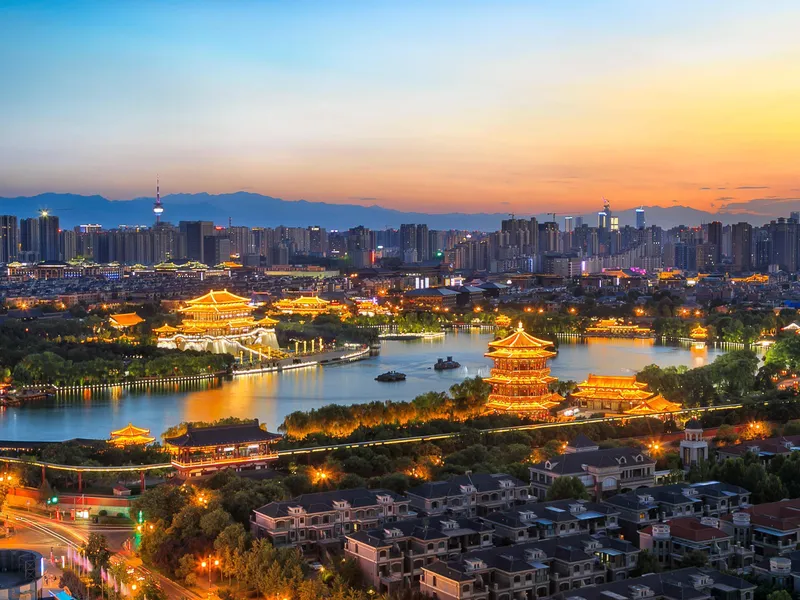
Population Estimate: ~ 8–10+ million (metro / built-up area)
Why It’s Significant: Xi’an is an ancient capital but a modern growth center. Its metro area has expanded with tech parks, manufacturing, and an increasing service economy.
What Makes It Unique:
● Historical legacy: Terracotta Warriors, city walls, classical culture.
● Tech & aerospace: Xi’an is an important center for research, aerospace, electronics, and education.
● Tourism + economy: Tourism is a major economic driver, but the city is also industrializing in new ways.
● Inland rise: As western and central China urbanizes, Xi’an’s metro zone becomes more powerful.
Metro Influence: The metro size supports growing migration, investment, and cultural tourism.
10. Hangzhou / Suzhou / Nanjing Cluster (Yangtze River Delta)
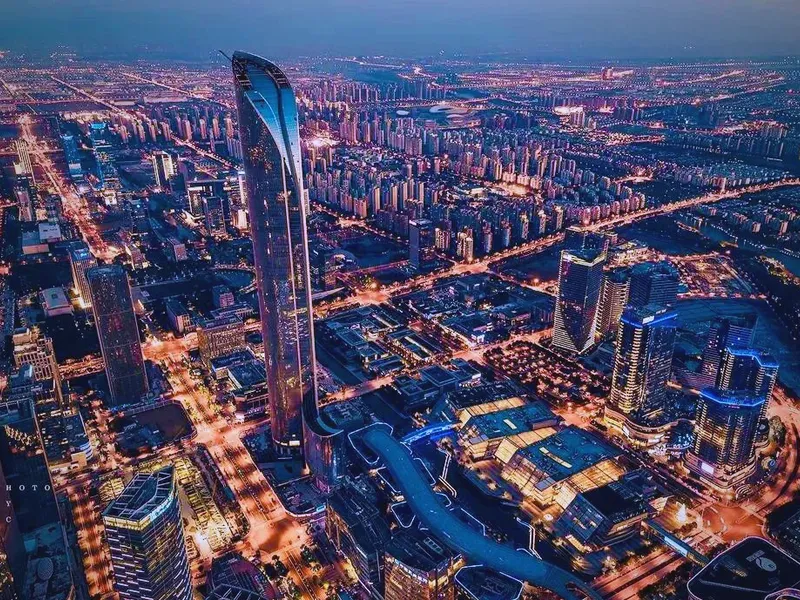
Population Estimate: Varies by city, but the Yangtze River Delta (YRD) urban-agglomeration is one of China’s largest and most dynamic. Hangzhou metro may range ~7–13 million; Suzhou / Nanjing each have large urban agglomerations.
Why This Cluster Is Included: Because influence and population cluster in this mega-region, it's useful to count one of its key metros (typically Hangzhou or Suzhou) in any Top 10 metro list.
What Makes It Unique:
● Digital economy: Hangzhou is home to Alibaba and other major tech firms.
● Manufacturing power: Suzhou’s industrial parks and factories are globally significant.
● Historical / Cultural: Nanjing’s history as a former capital, rich academics, and cultural depth.
● Connectivity: High-speed rail, water transport, and dense transport networks make the region very integrated.
Metro Scale Significance: This urban cluster is central to China’s economic strategy, innovation growth, and regional integration.
Why This Top 10 Matters for You
If you are interested in China — whether as a businessperson, traveler, student, or curious learner — understanding the largest metro areas is crucial for several reasons:
1. Economic Opportunity: These metros concentrate huge markets and talent.
2. Urban Life: Metro area gives a better sense of actual city life than just the municipal boundary.
3. Policy & Planning: China’s future urbanization, infrastructure, and economic growth will be shaped by these mega-regions.
4. Cultural Diversity: Each metro area has its own identity, history, cuisine, and pace. Visiting or studying in them is vastly different.
Challenges & Caveats
● Data Variation: Metro population numbers are not universally agreed. Different sources use different definitions (built-up area vs commuting zone vs municipality).
● Rapid Change: China’s urbanization is still evolving fast; population and functional metro boundaries change quickly.
● Overlapping Zones: In places like the Pearl River Delta or Yangtze River Delta, urban agglomerations overlap, making strict “metro area ranking” tricky.
Final Reflection
China’s urban map is not static — it is a living, breathing tapestry of megacities and agglomerations, each contributing to the nation’s economic power, social innovation, and cultural depth. These top 10 metro areas represent more than population: they are engines of growth, hubs of creativity, and symbols of modernization.