
Ten Must-Try Chinese Dumplings
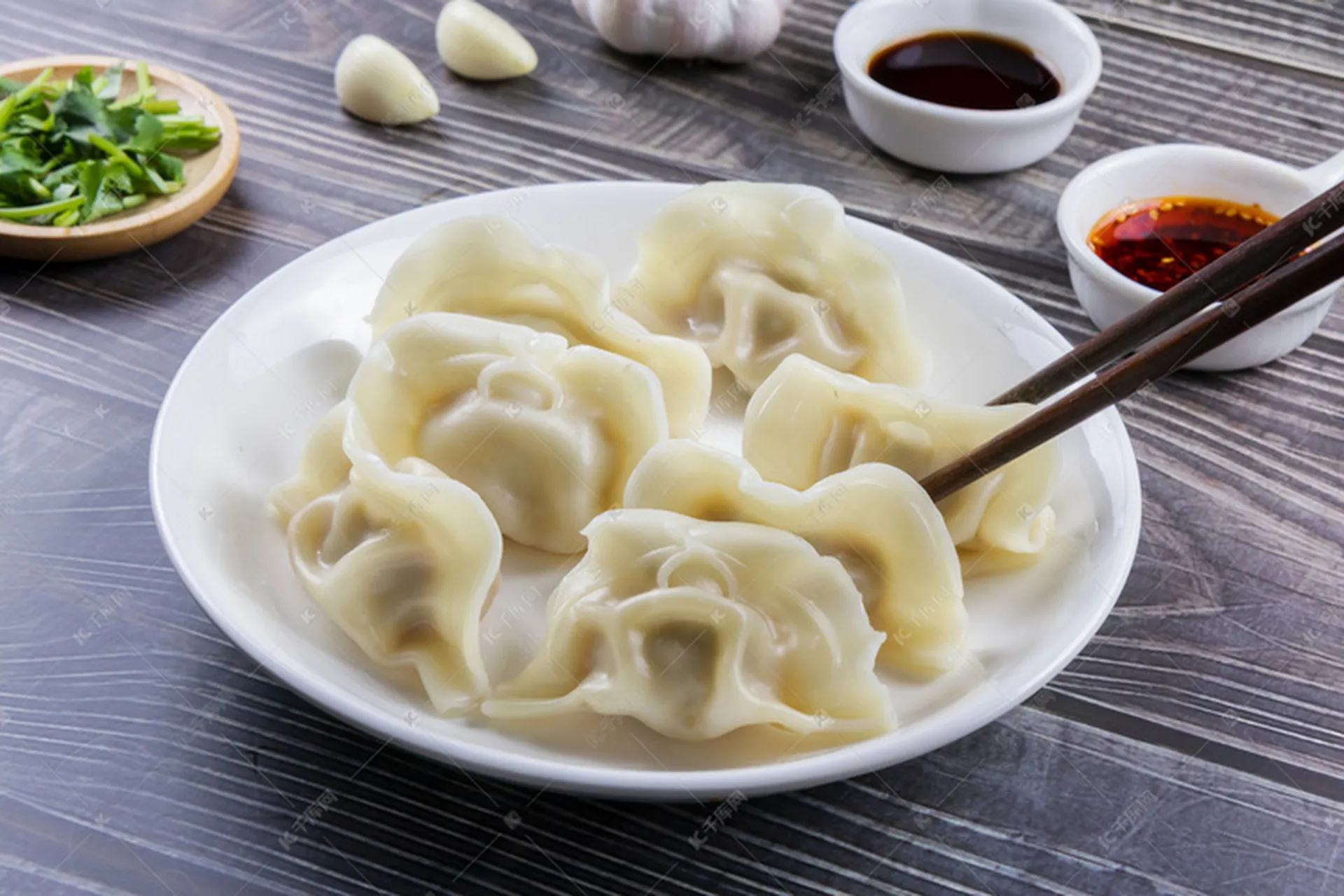
Dumplings are a cornerstone of Chinese cuisine, symbolizing family reunion, good fortune, and culinary tradition. A truly tasty dumpling depends on its dumpling filling, which can vary across regions, reflecting local tastes and cultural heritage. From classic meat fillings to fresh seafood and vegetarian options, each type of filling offers a unique flavor and experience.
In this article, we explore the ten most popular dumpling fillings in China, including tips for cooking, seasoning, and even creating your own Chinese dumpling filling recipe at home.
1. Pork and Cabbage — 猪肉白菜馅
Overview: Pork and cabbage is the most classic dumpling filling in northern China, often served during Chinese New Year and family gatherings. The combination balances the savory richness of ground pork with the freshness and subtle crunch of Napa cabbage.
● Ingredients & Tips: Choose pork with a 70:30 fat-to-lean ratio for juicy filling. Chop cabbage finely and squeeze out excess water to avoid soggy filled dumplings. Season with ginger, garlic, soy sauce, and sesame oil.
● Cooking Method: Boil to preserve tenderness or pan-fry for a golden crispy bottom.
● Cultural Note: Represents home-style comfort and northern culinary tradition.
● Extra Tip: Let the filling rest for 15 minutes before wrapping for better flavor.
2. Pork and Chive — 猪肉韭菜馅
Overview: Pork with Chinese chives (jiu cai) is a fragrant filling with a mild garlicky taste, popular in both urban and rural households.
● Ingredients & Tips: Finely mince chives and mix with ground pork, soy sauce, and sesame oil. Light seasoning allows the chive aroma to shine.
● Cooking Method: Steaming preserves freshness; pan-frying brings out more fragrance.
● Cultural Note: Chives are associated with vitality and health, making this filling meaningful for gatherings.
● Extra Tip: Briefly blanch chives to reduce excess water for firmer dumplings.
3. Pork and Mushroom — 猪肉香菇馅
Overview: Pork and mushroom is an earthy, umami-rich filling, widely enjoyed in Jiangsu and Zhejiang provinces. Shiitake or wood ear mushrooms enhance flavor and texture.
● Ingredients & Tips: Rehydrate dried mushrooms, chop finely, and combine with pork, soy sauce, Shaoxing wine, and sesame oil.
● Cooking Method: Steaming retains mushroom aroma; pan-frying adds depth.
● Cultural Note: Mushrooms symbolize longevity and prosperity in Chinese culinary culture.
● Extra Tip: Remove excess mushroom moisture to prevent watery dumplings.
4. Chicken and Mushroom — 鸡肉香菇馅
Overview: Chicken and mushroom offers a lighter alternative to pork, ideal for health-conscious families.
● Ingredients & Tips: Use chicken thigh for juiciness. Mix with finely chopped mushrooms, ginger, and soy sauce.
● Cooking Method: Steam to retain moisture; pan-fry for texture contrast.
● Cultural Note: Often served during spring festivals, reflecting seasonal freshness.
● Extra Tip: Mince mushrooms finely for smooth, evenly distributed dumpling filling.
5. Shrimp and Pork — 虾仁猪肉馅
Overview: Shrimp and pork dumplings are festive favorites, especially during Chinese New Year. Shrimp adds sweetness and freshness, complementing savory pork.
● Ingredients & Tips: Chop shrimp finely, mix with pork, scallions, and a small amount of cornstarch to bind filling.
● Cooking Method: Steam or boil; avoid overcooking shrimp to keep it tender.
● Cultural Note: Shrimp symbolizes happiness in Chinese culture.
● Extra Tip: Keep shrimp cold before mixing to preserve texture.
6. Shrimp and Chive — 虾仁韭菜馅
Overview: Shrimp with Chinese chives is light, aromatic, and popular in coastal areas.
● Ingredients & Tips: Chop shrimp and chives finely, season lightly with soy sauce, sesame oil, and white pepper.
● Cooking Method: Steaming preserves delicate flavor; pan-frying enhances aroma.
● Cultural Note: Coastal families favor this filling for its freshness.
● Extra Tip: Mix gently to avoid crushing shrimp, keeping texture firm.
7. Beef and Onion — 牛肉洋葱馅
Overview: Beef and onion is hearty and flavorful, commonly found in northern China. Sweet onion complements beef’s savory richness.
● Ingredients & Tips: Use well-marbled beef, finely chop onion, and season with soy sauce, sesame oil, and ginger.
● Cooking Method: Pan-fry for crispy bottoms or boil for classic comfort.
● Cultural Note: Beef symbolizes strength and energy, fitting for family meals.
● Extra Tip: Add a splash of water when mixing to soften beef texture.
8. Lamb and Carrot — 羊肉胡萝卜馅
Overview: Lamb and carrot is a specialty of northern China, especially Inner Mongolia and Xinjiang. The sweetness of carrot balances lamb’s strong flavor.
● Ingredients & Tips: Combine ground lamb, grated carrot, cumin, white pepper, and sesame oil.
● Cooking Method: Steam to retain tenderness; pan-fry for added aroma.
● Cultural Note: Reflects regional and nomadic culinary traditions.
● Extra Tip: Avoid over-seasoning to let lamb’s natural flavor stand out.
9. Vegetarian: Cabbage, Mushroom, and Tofu — 素菜馅(白菜香菇豆腐)
Overview: Vegetarian dumplings are popular for health-conscious families. Tofu, cabbage, mushrooms, and optional glass noodles create a light, savory filling.
● Ingredients & Tips: Press tofu to remove water, chop vegetables finely, season with soy sauce and sesame oil.
● Cooking Method: Steam to preserve nutrients; pan-fry for texture contrast.
● Cultural Note: Often eaten during Buddhist festivals or by vegetarian households.
● Extra Tip: Add a small amount of cornstarch to absorb moisture and prevent soggy dumplings.
10. Spinach and Egg — 菠菜鸡蛋馅
Overview: Spinach and egg is nutritious and mild, ideal for children and health-conscious eaters.
● Ingredients & Tips: Blanch spinach to remove bitterness, mix with beaten eggs, salt, and sesame oil.
● Cooking Method: Steam or boil; pan-fry for golden color.
● Cultural Note: Symbolizes health and vitality, often served at breakfast or family meals.
● Extra Tip: Fold egg mixture evenly for consistent filling in each filled dumpling.
Conclusion
Dumplings are a symbol of Chinese culinary tradition, and the choice of dumpling filling defines their taste and character. From traditional pork and cabbage to creative seafood and vegetarian options, these ten fillings showcase China’s diversity, flavor, and cultural richness.
● Call to Action: Trying these Chinese dumpling filling recipes at home allows anyone to enjoy authentic filled dumplings while celebrating family, festivals, and culinary heritage. Experiment with combinations, adjust seasoning, and share your creations with loved ones for a truly memorable experience.