
Peking Duck in Beijing: A Culinary Journey for Visitors
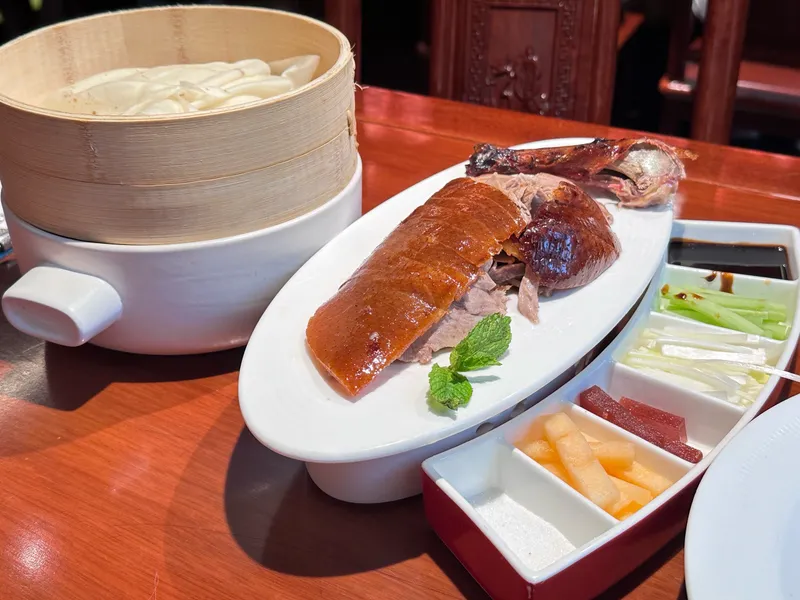
1. Where to Buy Peking Duck: From Restaurants to Takeaway
When it comes to Peking duck, location matters. Beijing is home to countless restaurants specializing in this iconic dish, ranging from centuries-old establishments to modern, tourist-friendly eateries.
Famous Restaurants
- Quanjude (全聚德, Quánjùdé): Established in 1864, Quanjude is arguably the most famous Peking duck restaurant worldwide. Visitors flock here not just for the food, but for the theatrical experience: chefs carve the duck tableside with precision, revealing the golden, crispy skin and juicy meat.
- Da Dong Roast Duck (大董, Dà Dǒng): Known for its innovative style and emphasis on “super lean” roasting, Da Dong modernizes Peking duck while maintaining traditional techniques. The presentation is often artistic, and the flavor delicate, appealing to international palates.
- Li Qun (利群, Lì Qún): A hidden gem in a Hutong alley, Li Qun offers a rustic, authentic experience, often crowded with locals rather than tourists. The ducks are hung to dry and roasted in wood-fired ovens, resulting in an intense, smoky flavor.
Buying for Home or Takeaway
Not all visitors want a sit-down experience. In Beijing, you can purchase whole roasted ducks for takeaway from these restaurants. Ask for packaging and reheating instructions—some places include special duck ovens or heating bags. Additionally, supermarkets like Wumart or high-end grocery stores often carry vacuum-packed Peking duck, ideal for cooking at home.
Tips for Ordering
- Reserve in advance, especially for famous restaurants—Peking duck often requires a 45-minute to 1-hour roasting process.
- Specify whether you want the whole duck or just the skin and meat carved separately.
- Ask for accompanying condiments and pancakes if ordering takeaway; some restaurants sell them separately.
2. A Dish Steeped in History
Peking duck is more than a meal; it is a symbol of Beijing’s culinary heritage. Its origins date back to the Imperial era of the Ming dynasty (明朝, Míng cháo), when the dish was served to emperors and elite families. Ducks were bred in special farms near Beijing, and roasting techniques were developed to maximize flavor and presentation.
From Imperial Kitchens to City Streets
Initially, the dish was prepared in palace kitchens. Ducks were hung in ovens and roasted with meticulous care to produce a thin, crisp skin. By the Qing dynasty (清朝, Qīng cháo), Peking duck had become a delicacy available to wealthy merchants and government officials. Restaurants like Quanjude later adapted the dish for public consumption while maintaining ceremonial serving traditions.
Cooking Techniques
- Ducks are air-dried and sometimes glazed with maltose syrup to achieve the iconic golden skin.
- Wood-fired ovens impart subtle smokiness.
- The meat is tender and juicy, with a balance of fat and lean portions.
3. How to Eat Peking Duck: A Step-by-Step Guide
For first-time visitors, eating Peking duck may seem daunting because of the preparation involved. Traditionally, the experience is interactive and layered.
Step 1: The Skin
Crispy skin is the highlight of the dish. Many restaurants serve thin slices separately, often with sugar for dipping. The crunch and caramelization are meant to be savored alone or with minimal condiments.
Step 2: Wrapping the Meat
- Pancakes (薄饼, Báobǐng): Thin, soft wheat pancakes are provided to wrap the meat.
- Condiments: Hoisin sauce (海鲜酱, Hǎixiān jiàng), scallions, and cucumber strips.
- Assembly: Place a slice of duck, a bit of hoisin, and vegetables onto a pancake. Fold and eat in one or two bites.
Step 3: Optional Sides
Some restaurants also serve the duck with fried buns, rice, or stir-fried vegetables prepared from leftover meat. Eating is a holistic experience: savoring textures, temperatures, and flavors.
Dining Etiquette
- Use chopsticks or fingers for assembling wraps.
- Avoid piling too many ingredients; the goal is balance.
- Share with companions—Peking duck is meant to be communal.
4. Pairings, Accompaniments, and Local Beverages
While Peking duck is flavorful on its own, pairing it with complementary foods enhances the meal.
Vegetables and Herbs
- Cucumber and Scallions (黄瓜和葱, Huángguā hé cōng): Provide freshness and crunch.
- Pickled Vegetables (泡菜, Pàocài): Help cut through the richness of the duck.
Beverages
- Jasmine Tea (茉莉花茶, Mòlìhuā chá): Light, floral, and refreshing, it balances the fat content.
- Tsingtao Beer (青岛啤酒, Qīngdǎo píjiǔ): Carbonation and mild bitterness cleanse the palate.
Additional Serving Styles
Some restaurants serve Peking duck as part of a multi-course meal, with duck soup or stir-fried meat from the carcass as subsequent dishes. This ensures that no part of the duck goes to waste and provides a fuller experience of the flavors.
Conclusion: More Than Just a Meal
For travelers to Beijing, Peking duck is a culinary rite of passage. It embodies history, craftsmanship, and the social tradition of sharing food. Knowing where to buy, how to eat, and what to pair it with allows visitors to engage fully with the dish. Each bite connects the modern diner to centuries of Beijing culture, from imperial kitchens to contemporary streets.
Whether sitting in a historic restaurant like Quanjude, exploring a local hutong eatery, or enjoying a takeaway duck in your hotel room, Peking duck invites everyone to savor the richness of Chinese culinary heritage—one crispy, golden slice at a time.