
Pangdonglai: The Supermarket Chinese People Prefer

The Origins of Pangdonglai – More Than a Supermarket
Nestled in the city of Nanyang (南阳), Henan Province, Pangdonglai (胖东来) is far from just another supermarket. While the name might suggest an ordinary retail chain, Pangdonglai has achieved a unique reputation across China as a model of customer service, community engagement, and cultural significance. Founded in 1995 by Mr. Dong Lai (东来), the store started as a modest family business with a vision that went beyond profits: to create a shopping environment where customers feel genuinely valued and respected.
What sets Pangdonglai apart from typical supermarkets is its philosophy. The founder believed that the way customers are treated reflects the soul of a business. Unlike many commercial ventures that focus solely on efficiency and cost-cutting, Pangdonglai emphasizes experience, employee happiness, and long-term loyalty. Every employee is trained to smile genuinely, help shoppers with patience, and even walk them to aisles if needed. The store’s design prioritizes openness, cleanliness, and natural lighting, creating an atmosphere that feels more like a community hub than a retail space.

The city of Nanyang itself, while not a major metropolis, contributes to the charm of Pangdonglai. Residents value personal relationships and community culture, and this small-town atmosphere allows the supermarket to integrate into local life seamlessly. Over the years, the story of Pangdonglai has spread beyond Henan Province, attracting visitors from across China who want to experience firsthand the legendary service culture. It’s not merely a place to buy groceries; it’s a place to observe how a business can cultivate trust, respect, and care as its core values.
Walking Through Pangdonglai – A Shopper’s Experience
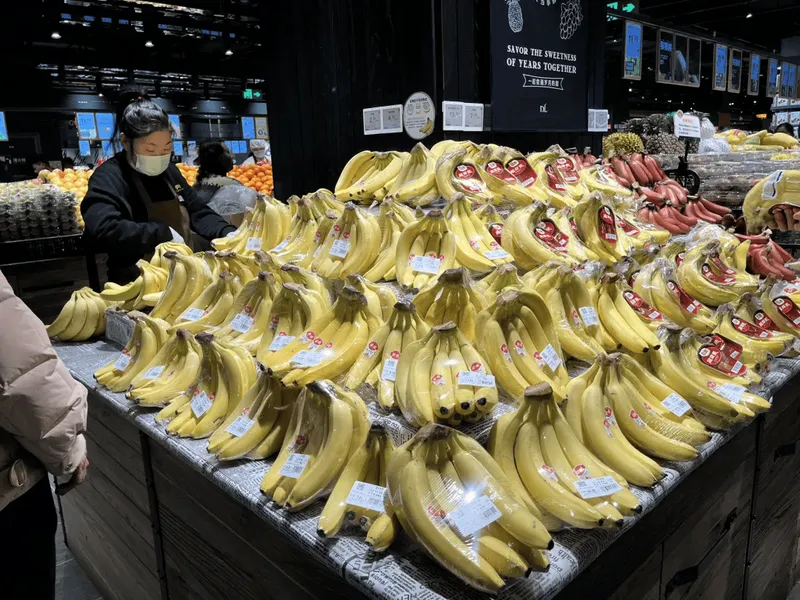
Entering Pangdonglai is an experience in itself. Unlike massive hypermarkets in Beijing or Shanghai, where efficiency often replaces warmth, Pangdonglai provides a slower, more mindful shopping journey. The aisles are meticulously organized, with local and imported products placed for easy accessibility. Fresh produce is often displayed in wicker baskets rather than plastic crates, creating a feeling reminiscent of traditional Chinese markets but with modern cleanliness and standards.
Shoppers quickly notice the staff’s attentiveness. Employees frequently offer help, provide recommendations for ingredients, and even share simple cooking tips. Unlike many supermarkets where staff are distant or purely transactional, Pangdonglai employees often engage customers in brief conversations, reflecting the store’s philosophy that shopping is a human experience. During Chinese festivals, the supermarket decorates its interior with traditional symbols, such as red lanterns during Spring Festival or calligraphy scrolls for Mid-Autumn Festival, reinforcing its connection to Chinese culture.
The food court section is another highlight. Many visitors are surprised to find a wide selection of freshly prepared dishes, ranging from local Henan specialties to general Chinese snacks. Here, a tourist can try staple dishes such as stewed noodles with beef (牛肉炖面, niúròu dùn miàn) or traditional dumplings (饺子, jiǎozi) while observing how locals shop, eat, and socialize. The store even offers sampling stations, encouraging first-time visitors to taste products before buying—a practice rare in most large-scale supermarkets.
Accessibility is key. While Pangdonglai’s store layout is comprehensive, it is designed for easy navigation. Signage is clear, and the atmosphere is calm, allowing visitors unfamiliar with Chinese markets to feel comfortable. Photography enthusiasts often note the aesthetic appeal of the store: clean floors, organized shelves, and bright lighting make for an inviting environment that contrasts sharply with the sometimes chaotic feel of other supermarkets.
Beyond Shopping – The Cultural and Social Influence
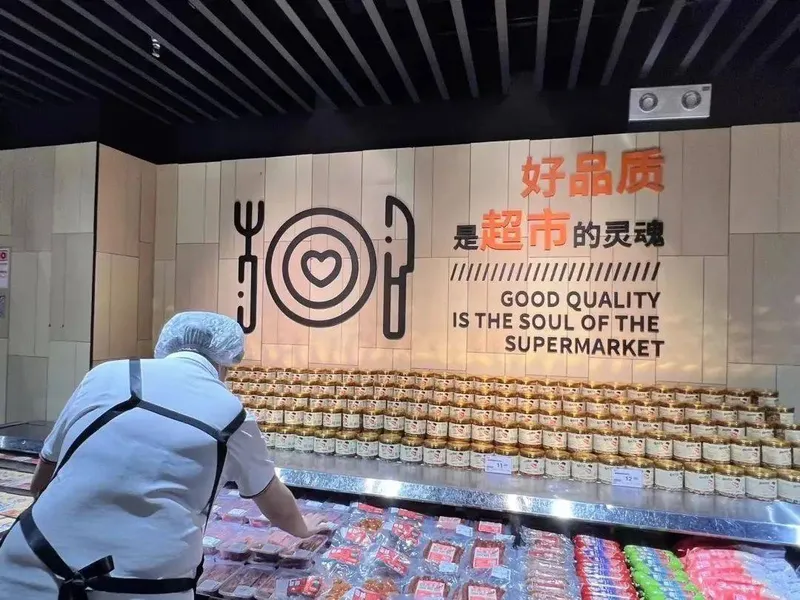
Pangdonglai’s influence goes beyond groceries; it’s become a cultural symbol in China. Many articles, videos, and social media posts discuss how a supermarket can model respect, humanity, and community values. Scholars and business leaders often cite Pangdonglai as a case study for service-oriented business philosophy. This focus on human connection has attracted national attention and has encouraged other businesses to consider customer experience as a central tenet, rather than an afterthought.
The store’s cultural significance also lies in its integration of Chinese traditions. During festivals and seasonal events, Pangdonglai hosts activities such as calligraphy demonstrations, tea tastings, and cultural exhibitions. These events allow visitors to engage with local traditions while shopping. For foreigners traveling in China, experiencing Pangdonglai is not only a shopping trip but also a lesson in modern Chinese business culture that harmonizes with traditional values.
Social responsibility is another core aspect. Pangdonglai emphasizes employee well-being, offering professional training, fair wages, and a family-like atmosphere. Many employees have stayed with the company for decades, creating a continuity that customers notice. This long-term commitment has contributed to a community sense rarely found in commercial settings, making the supermarket a microcosm of Chinese social values—respect for elders, attention to community, and pride in work.
Planning Your Visit – Practical Tips for Travelers
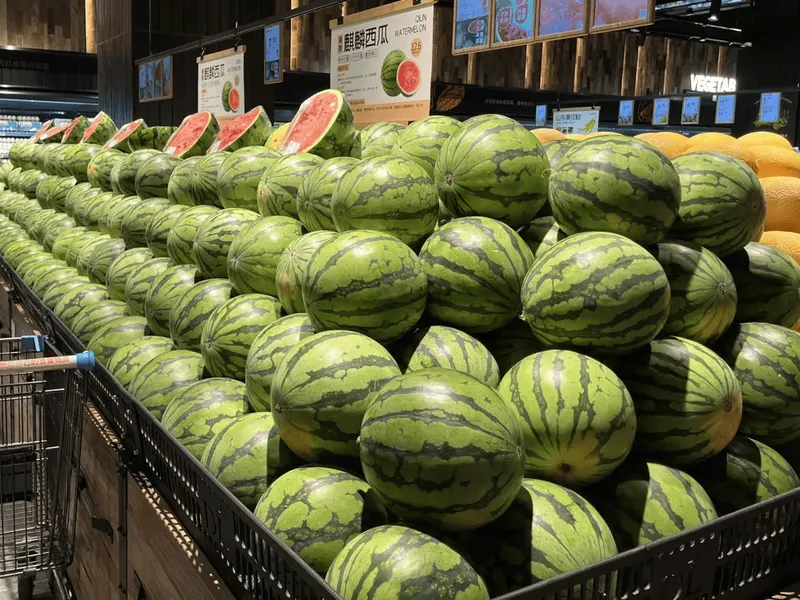
For foreign visitors in China, Pangdonglai is a must-see not only for groceries but for cultural immersion. The main store in Nanyang is the most famous, though other branches exist across Henan Province. Travelers coming from major cities like Beijing, Shanghai, or Xi’an can reach Nanyang by high-speed train, usually transferring from Zhengzhou (郑州, Zhèngzhōu) station.
Timing is important. Weekdays tend to be quieter, offering a relaxed shopping experience, while weekends are bustling with locals, giving a more authentic feel of community life. Visitors should bring cash or mobile payment apps commonly used in China, such as Alipay or WeChat Pay, since credit cards may not be universally accepted.
Once inside, take your time exploring each section. Pay attention to the display of local produce, traditional snacks, and the cultural decorations. If you’re interested in Chinese cooking, staff members often offer cooking advice, making the visit educational as well as enjoyable. Don’t miss the food court, where tasting local dishes provides a direct connection to Henan cuisine.
Pangdonglai exemplifies how a business can transcend commercial goals to become a cultural and social landmark. For travelers, visiting the store offers a rare glimpse into a small-town Chinese community, modern retail practices intertwined with tradition, and the values that many Chinese hold dear: respect, care, and a sense of shared humanity. It’s a destination where shopping and cultural exploration meet, leaving a lasting impression long after the groceries are unpacked.
If the Chance Arises
As you explore Pangdonglai, it becomes clear that this is more than just a shopping destination—it is a reflection of modern Chinese retail philosophy, a place where quality, service, and cultural pride intersect. From its humble beginnings to becoming a household name, Pangdonglai embodies the energy and innovation of contemporary China. Visitors leave not only with products in hand but with a deeper appreciation for how commerce, culture, and community can come together. Whether you are a curious traveler, a food lover, or simply someone fascinated by Chinese society, a trip to Pangdonglai offers a window into the heartbeat of everyday China—dynamic, welcoming, and endlessly engaging.