
Jiangxi — Chronicle of Gan-Po Splendor
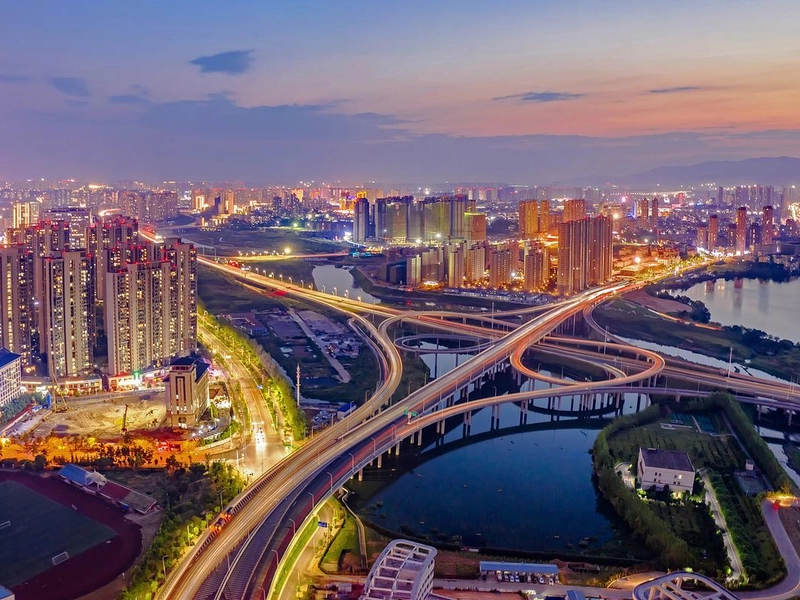
Nestled in the embrace of the middle reaches of the Yangtze River, Jiangxi weaves a magnificent epic where nature and culture illuminate each other. Mount Lu rises like a towering screen, shrouded in swirling mists that carry millennia of literary tradition. Poyang Lake stretches vast and mirror-like, nourishing the land of Gan and Po with both abundance and spirit. Before the Tengwang Pavilion, the setting sun and lone birds soar together; in the mountains of Wuyuan, whitewashed walls and black-tiled houses reflect seas of blooming rapeseed flowers. Jiangxi is a living landscape painting—not only captivating with its scenery but also stirring the soul with its cultural resonance.
This is the starting point of the ceramic route: for over a thousand years, the kilns of Jingdezhen have burned continuously, transforming a handful of clay into the world-renowned "white as jade, bright as a mirror" porcelain. This is also a land of literary integrity, where the pens and spirits of sages such as Wang Bo, Ouyang Xiu, Zeng Gong, and Wen Tianxiang have collectively shaped Jiangxi's cultural soul.
From the mists of Mount Lu to the sparks of Jinggang Mountain, from the ancient charm of Wuyuan to the heroic spirit of Nanchang, Jiangxi shines at the intersection of history and the present. With the stillness of mountains and the flow of waters, it conveys both the depth and warmth of Chinese civilization—a province of landscapes, a half chapter of a grand narrative.
The Spirit of Jiangxi: Landscapes and Strategic Heart of Gan-Po
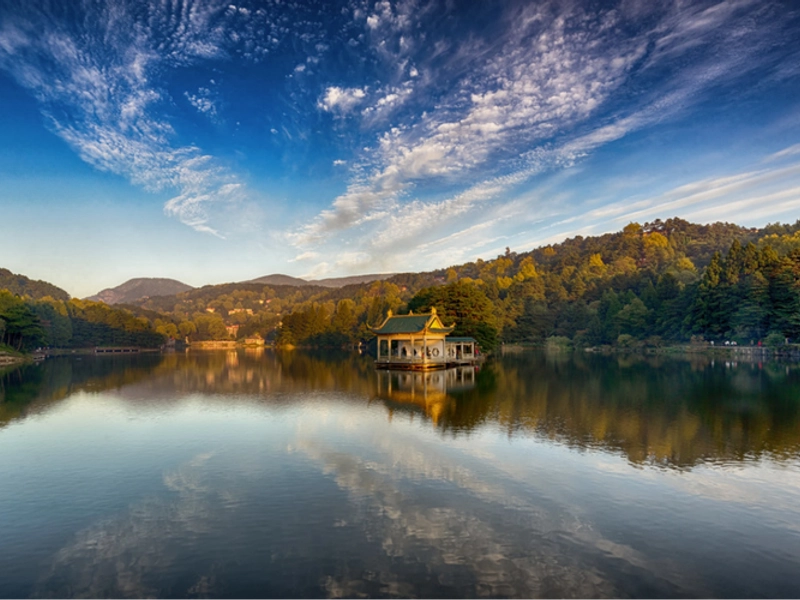
Jiangxi's uniqueness lies in its harmonious "six mountains, one water, two parts farmland, one part roads and estates." The Wuyi Mountains shield the eastern frontier, the Luoxiao range stretches across the west, the Nanling Mountains undulate along the southern boundary, and Mount Mufu stands guard in the north. In the center lies the fertile Poyang Lake Plain, where rivers and mountains intertwine. This geography not only shapes Jiangxi's varied natural beauty but also historically provided natural advantages for transportation, agriculture, and cultural development.
The five major river systems—the Gan, Fu, Xin, Xiu, and Rao Rivers—crisscross the land like lifeblood, ultimately converging into China's largest freshwater lake, Poyang Lake. Its vast surface hosts migratory birds, merging water and sky into a singular panorama that forms a unique ecological barrier. Surrounding rice paddies and fish ponds complement the landscape, creating the "land of fish and rice." Between the mountains and waters, not only are rich biological resources nurtured, but Jiangxi's deep cultural heritage flourishes: the clouds of Mount Lu inspire poets, the terraced fields of Wuyuan mirror the elegance of Huizhou architecture, and the Gan River Basin carries centuries of commerce and scholarship.
Jiangxi's landscapes are more than natural paintings; they are a flowing history. The harmonious coexistence of rivers, lakes, and mountains has fostered a distinctive regional temperament—serene yet spirited, profound yet vibrant—positioning Jiangxi as a vital crossroads where Central Plains, Jiangnan, and Lingnan cultures converge.
The Rhythms of Four Distinct Seasons
Jiangxi enjoys a subtropical monsoon climate, with each season presenting its own character and natural rhythm.
Spring (March–May):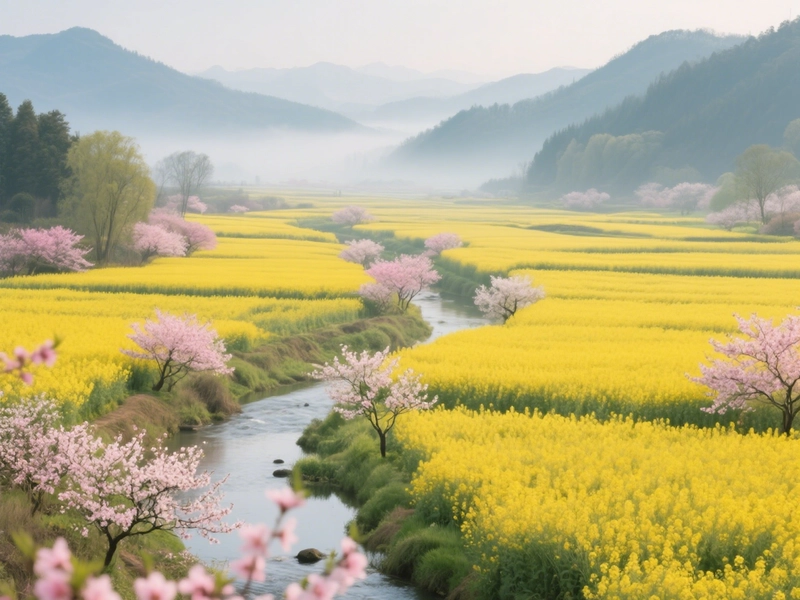
- Wuyuan's rapeseed flowers blanket the land in golden seas, interwoven with ancient Huizhou-style villages, creating a living scroll of beauty. In Jinggang Mountain, rhododendrons burst into flame-red bloom, their fragrance and poetry carried by the mountain breeze, leaving visitors enchanted.
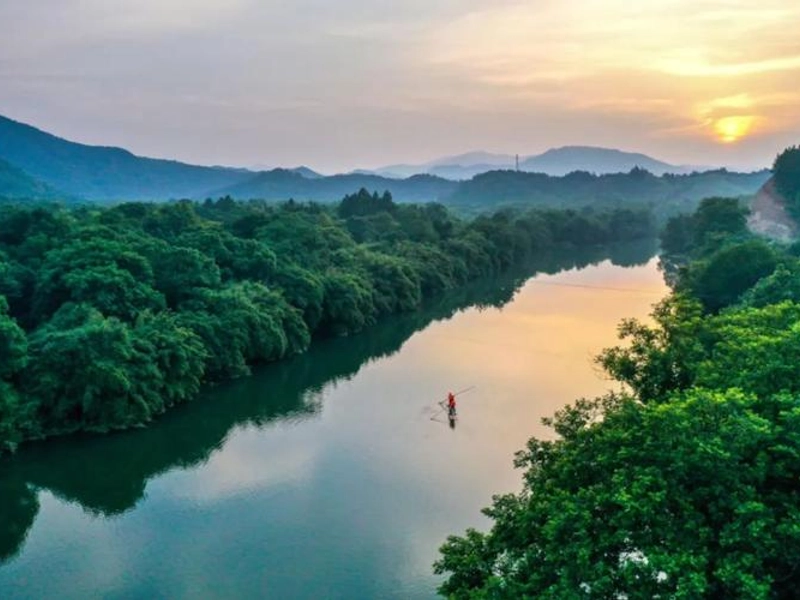
- Mist curls around Mount Lu, with cool breezes making it a perfect summer retreat. Poyang Lake ripples in emerald waves, dotted with white sails, while waterbirds soar above. The lake and mountains merge, revealing the lively and refreshing spirit of Jiangnan's water towns.
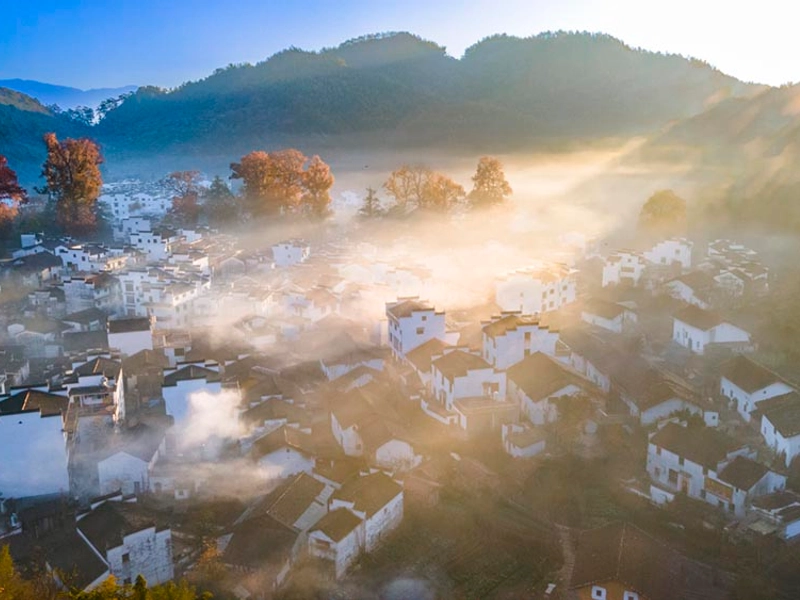
- In Nanchang, the sky is high and clouds are light under a warm autumn sun. Gannan's oranges hang heavily on branches, terraced fields glow gold, and the aroma of harvest spreads across the countryside. Mount Lu's red leaves mirror the water, painting a scene of poetic abundance.
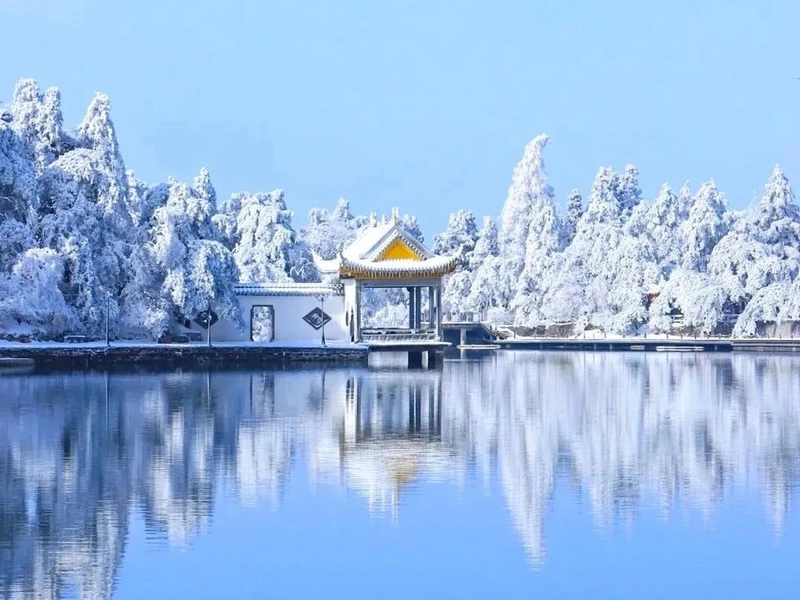
- Jinggang Mountain dons a coat of snow, pine and cypress stand evergreen, and valleys are shrouded in mist. Poyang Lake's wetlands welcome migratory birds in elegant flight, creating a unique winter ecological tableau.
The seasonal changes in Jiangxi not only shape its natural beauty but also nurture the rhythm of local life. From the bloom of spring flowers to the flight of winter birds, each season reflects the vitality and charm of the Gan-Po land, embodying the timeless allure of "mountains with emotion, waters with resonance."
The Soul of Jiangxi: Literary Integrity and Generational Legacy
In Jiangxi, every academy echoes with the wisdom of Neo-Confucianism, and every revolutionary site glimmers with ideals and faith. Its history resonates as a grand symphony where the elegance of literati and the spirit of revolution intertwine, a cultural and ideological harmony that has endured for centuries.
Cultural Luminaries Illuminating Millennia
- Tao Yuanming: Founder of the Pastoral Poetry Tradition
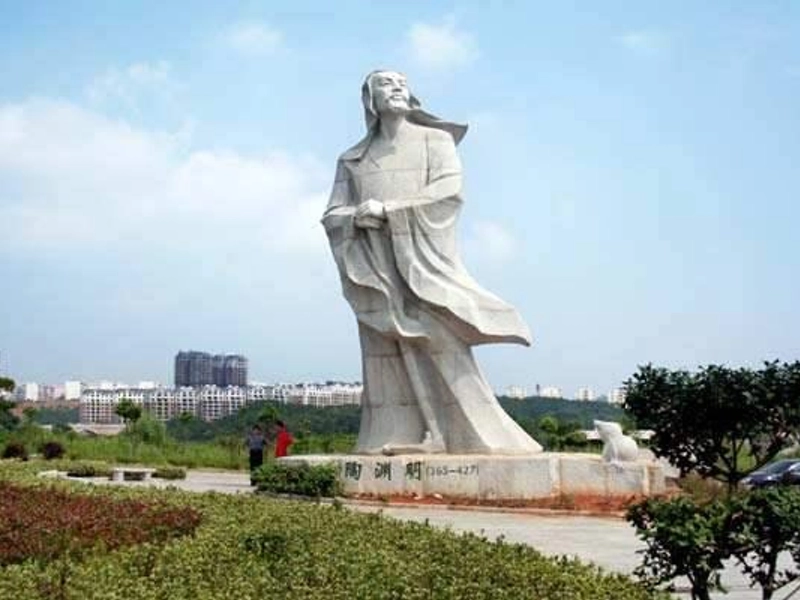
Amid the blue bricks and ancient tiles of the Tao Yuanming Memorial Hall in Jiujiang, a gentle breeze ripples across the pond, as if carrying the poet's whisper. Known for his refusal to bow "for five pecks of rice," he retreated to rural life, pursuing spiritual freedom and harmony with nature. His Peach Blossom Spring depicts an idyllic, secluded paradise far from worldly turmoil, pioneering China's pastoral poetry tradition. Tao Yuanming influenced generations of scholars from the Wei, Jin, Tang, and Song dynasties and became a symbol of simplicity and self-contentment in Chinese culture. Each calligraphy work and garden within the hall reflects his sincerity toward nature, life, and moral integrity.
- Wang Anshi: The Iron-Willed Reformer
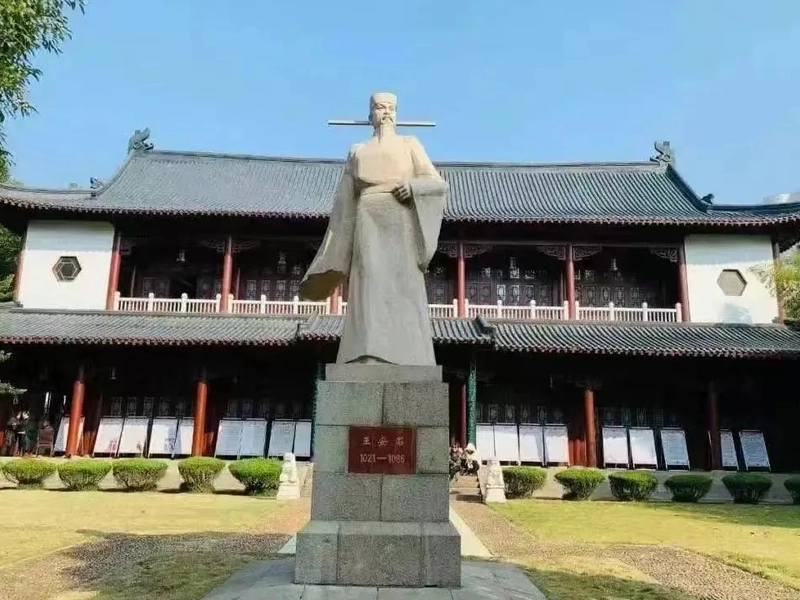
At the Wang Anshi Memorial Hall in Fuzhou, steles and scrolls shine together, reflecting the far-reaching vision of this "eleventh-century reformer." His New Policies sought to strengthen governance and support livelihoods. Though often controversial, they exemplified his courage and foresight: "Do not fear changes in heaven, disregard ancestral precedent, and pay no heed to public opinion." Wang Anshi was not only a statesman but also a literary master. His ideas and actions inspire posterity to confront challenges and innovate boldly, embodying the balance of pragmatism and wisdom in Jiangxi's cultural heritage.
Through these two figures, Jiangxi's cultural history shines vividly: one pursuing spiritual freedom, the other practicing governance, blending poetry and reality across the Gan-Po land.
- Ouyang Xiu: Literary Giant and Historian
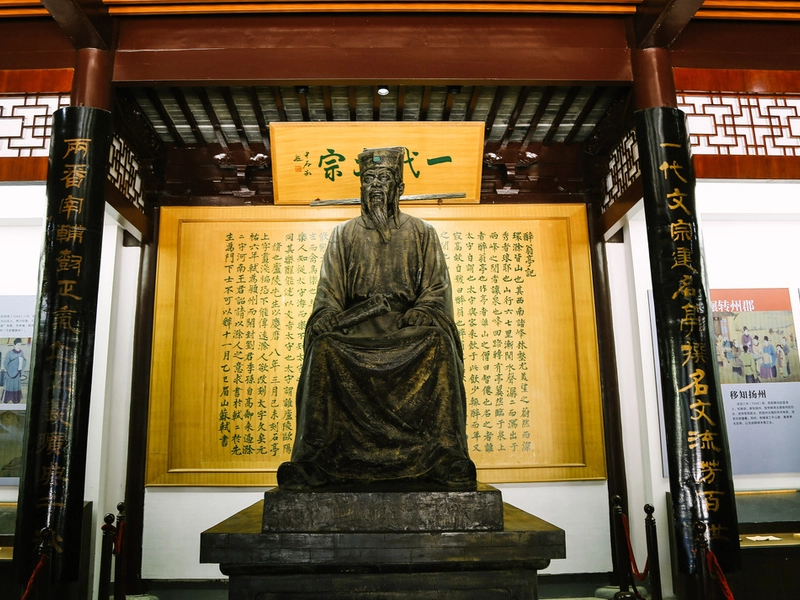
Born in Ji'an, Jiangxi, Ouyang Xiu, a Northern Song writer, statesman, and historian, inherited the region's rich literary soil. Advocating the principle that "literature conveys the Way," he emphasized moral guidance and social responsibility alongside literary elegance. His compilation of the New History of the Five Dynasties left an enduring mark on Chinese historiography, establishing standards for future historians. Proficient in poetry, prose, essays, and calligraphy, Ouyang's works are renowned for their clarity, elegance, and refinement, reflecting the integrity and vision of Jiangxi scholars. Throughout his life, he championed the welfare of the people and spoke candidly to authority, ensuring that Jiangxi's literary legacy continues to shine across the centuries.
Revolutionary Pioneers
- Zhu De:
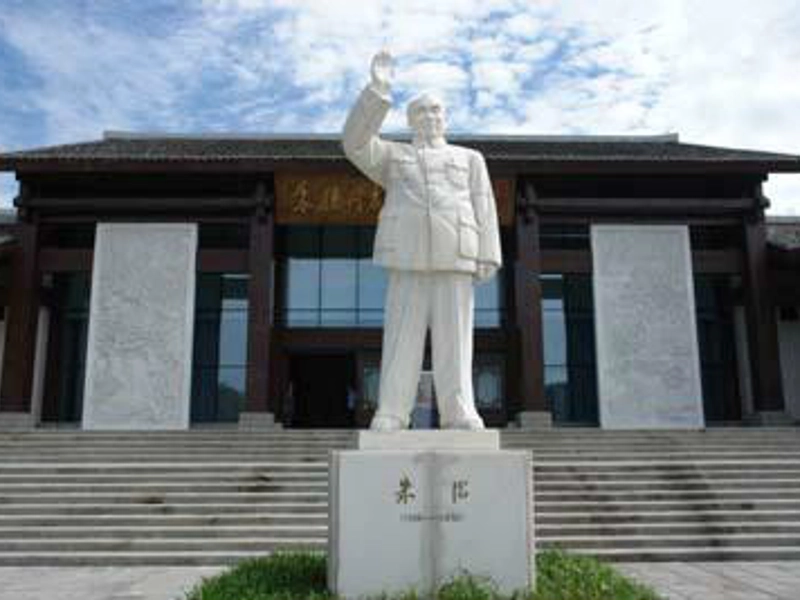
Zhu De, one of the founding leaders of the People's Liberation Army and a key figure in the Nanchang Uprising, spent crucial revolutionary years in the Central Soviet Area of Ruijin, Jiangxi. Among dense forests and rugged hills, he led strategic training and military deployments, turning adversity into a forge for determination. Ruijin is thus called "the cradle of the Chinese revolution," where every mountain path and woodland bears witness to his indomitable spirit, laying a solid foundation for revolutionary victory.
Science and Art
- Xu Beihong:
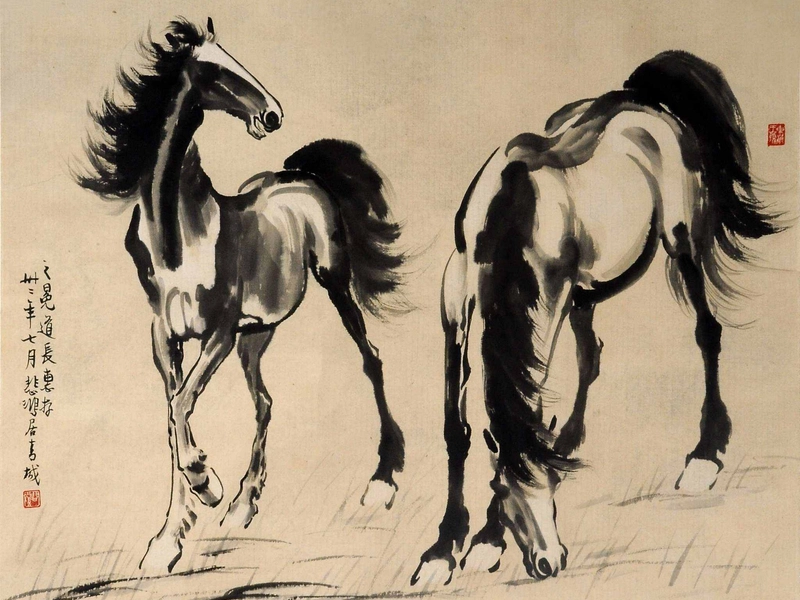
Born in Nanchang, Jiangxi, Xu Beihong was a towering figure in modern Chinese painting. Mastering both Chinese and Western techniques, he excelled in integrating traditional ink painting with Western realism, particularly in figure and horse paintings. Emphasizing "art in service of the nation," he advocated for the coexistence of artistic excellence and social responsibility. Xu was also a pioneer of modern Chinese art education and, during the War of Resistance, used his paintings to inspire national spirit, allowing Jiangxi's cultural soil to nurture an artistic legacy bridging tradition and modernity.
- Fan Zeng:
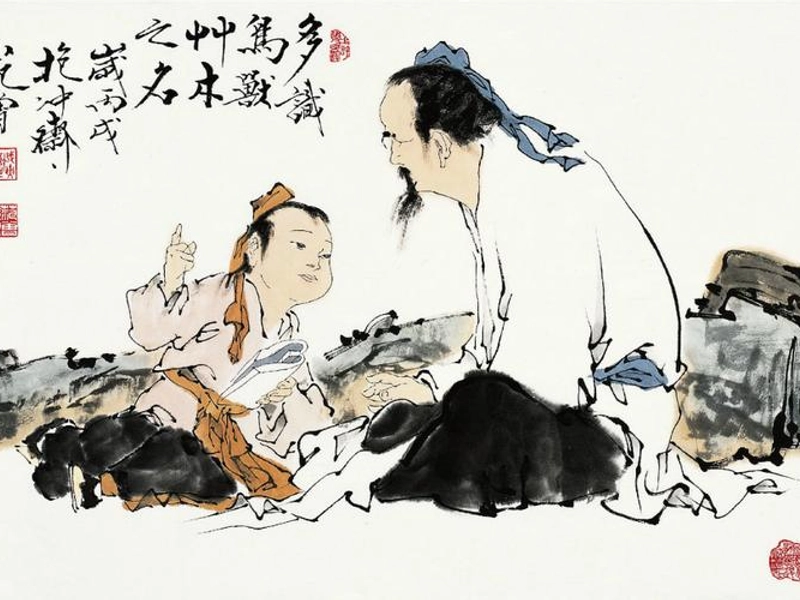
Fan Zeng, painter and poet from Ganzhou, Jiangxi, channels the elegance and humanistic depth of Gan-Po landscapes through his brushwork. Known for figure painting, he vividly portrays historical figures and cultural elites, combining scholarly temperament with dynamic composition. His calligraphy and poetry further integrate Jiangxi's rich cultural heritage with personal thought, reflecting the confluence of Central Plains culture and southern Jiangxi character.
Culture and Thought
- Zhang Taiyan:
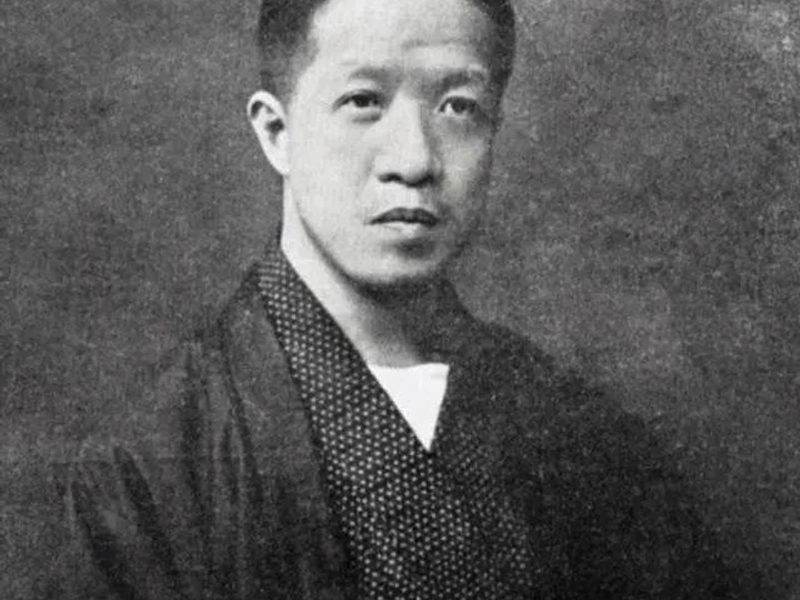
A thinker, philologist, and educator, Zhang Taiyan hailed from Nanchang, Jiangxi. He championed academic independence and national spirit, asserting that "learning serves the nation, literature conveys the Way." His scholarly pursuits and patriotic dedication profoundly influenced modern Chinese cultural development and intellectual awakening. Zhang's legacy ensures that Jiangxi remains not only fertile ground for nature and culture but also a highland of thought, nurturing generations of scholars and patriots.
The Splendor of Jiangxi's Cities: Natural Treasures and Remarkable People
Jiangxi, a fertile land in Jiangnan, is not only blessed with picturesque landscapes and profound culture but also home to a variety of cities, each with its own unique history and character. From the heroic ancient city of Nanchang to the millennia-old porcelain capital Jingdezhen, from the cradle of Hakka culture in Ganzhou to the poetic villages of Wuyuan, every city reflects a distinct memory and cultural charm. Some are famed for revolutionary history, others for literary heritage, and still others for natural beauty. Together, they compose a rich and colorful tapestry of the Gan-Po region, where the weight of history and the vigor of modern life coexist, unveiling Jiangxi's multifaceted allure.
Nanchang: The Heroic Ancient City, Pearl of the Gan River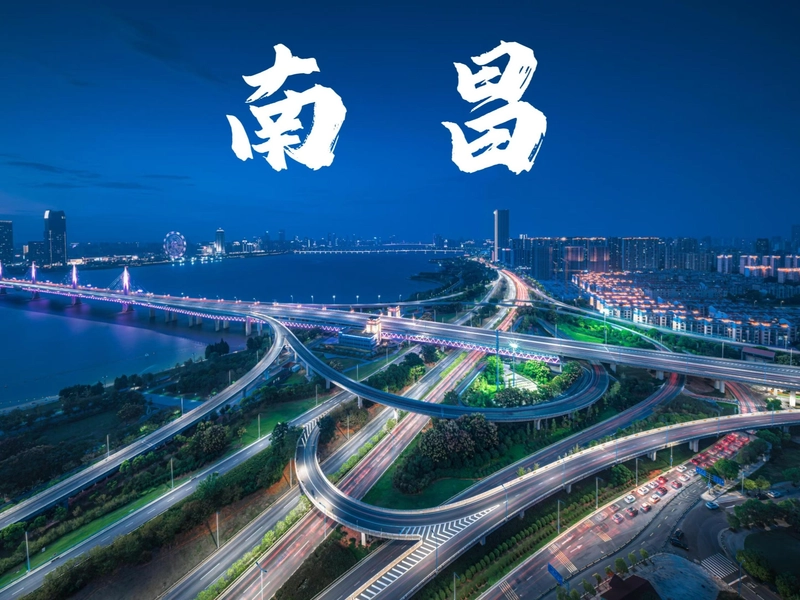
Situated along the Gan River, Nanchang is Jiangxi's capital and a hub of historical and cultural significance. The Tengwang Pavilion, immortalized in Wang Bo's poetry, towers with centuries of literary elegance. The August 1st Uprising Memorial Hall commemorates the city's revolutionary past, blending cultural depth with revolutionary spirit. Modern Nanchang occupies a central position in the mid-Yangtze urban cluster, with towering skyscrapers and thriving technology and education sectors. The riverside greenways and Tengwang Pavilion Square harmonize historical charm with urban vitality, making Nanchang a pearl of the Gan River where history and modernity, poetry and power, coexist.
Jiujiang: Key Waterway and Commercial Hub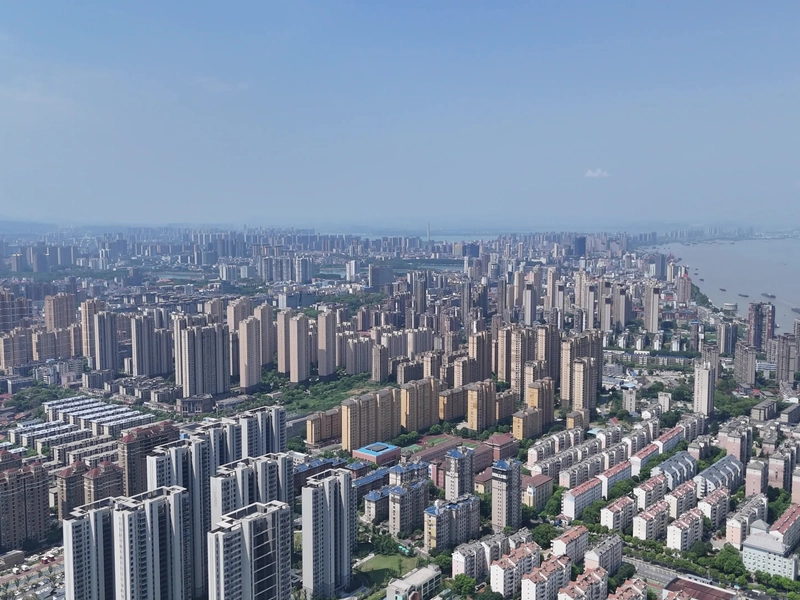
Located at the confluence of the Yangtze River and Poyang Lake, Jiujiang, known as the "Three Rivers Port," has long been a vital commercial passage. Misty Mount Lu resembles a fairyland; Xunyang Tower evokes literary imagery, and the White Deer Grotto Academy echoes with scholarly voices, reflecting deep cultural heritage. Today, Jiujiang leverages its port and transportation advantages to become a major mid-Yangtze commercial city. The interplay of scenic landscapes and urban development fosters tourism, trade, and education, making Jiujiang both a center of cultural elegance and modern economic vitality.
Jingdezhen: Millennial Porcelain Capital, Legacy of Craftsmanship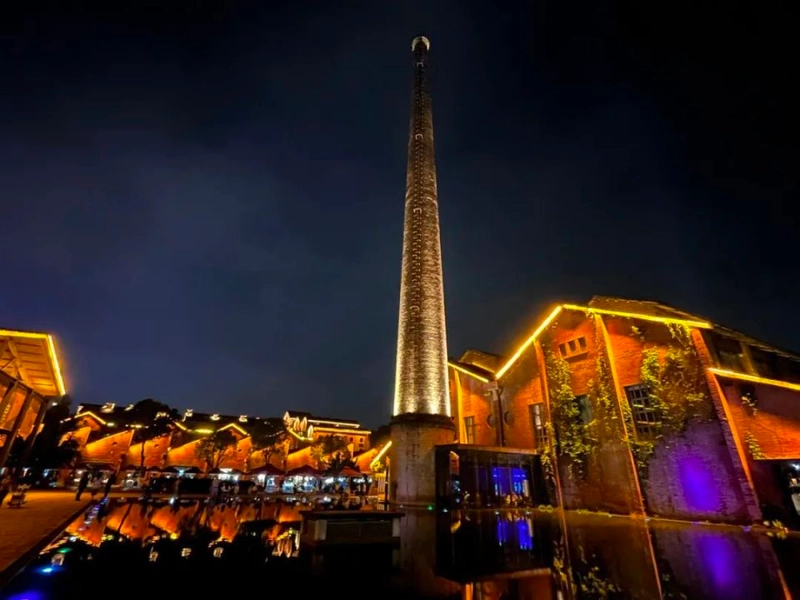
Jingdezhen, renowned for its porcelain, symbolizes Chinese craftsmanship. Since the Tang and Song dynasties, its porcelain has been passed down through generations. Blue-and-white porcelain exudes elegance and purity, while famille-rose pieces showcase vibrant colors—each piece reflecting artisans' skill and dedication. Beyond production, Jingdezhen's porcelain culture thrives through museums, folk artisans, and art institutions. It stands not only as a manufacturing hub but also as a cultural and artistic center, attracting scholars and visitors eager to experience the essence of Chinese artistry.
Ganzhou: Hakka Homeland, Commercial Stronghold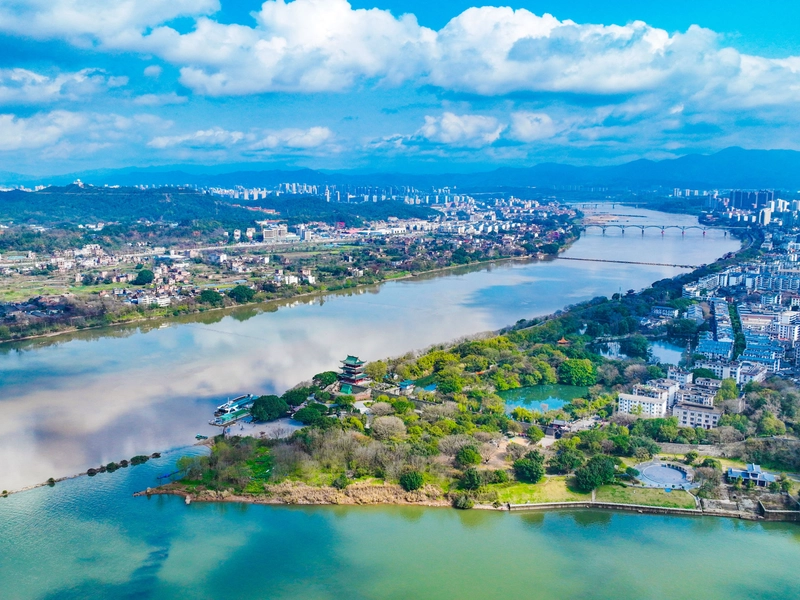
Situated between hills and valleys in southern Jiangxi, Ganzhou is a core birthplace of Hakka culture. Ancient city walls, Nankang woodcarving, traditional southern Jiangxi residences, and revolutionary sites coexist, blending history with modern vitality. Ganzhou's strategic location supports prosperous trade and logistics. Here, Hakka culture integrates with contemporary urban development, and traditional festivals and folk performances harmonize with economic growth, making Ganzhou a comprehensive representative of southern Jiangxi's culture, history, and economy.
Ji'an: Land of Scholars, Cradle of Revolution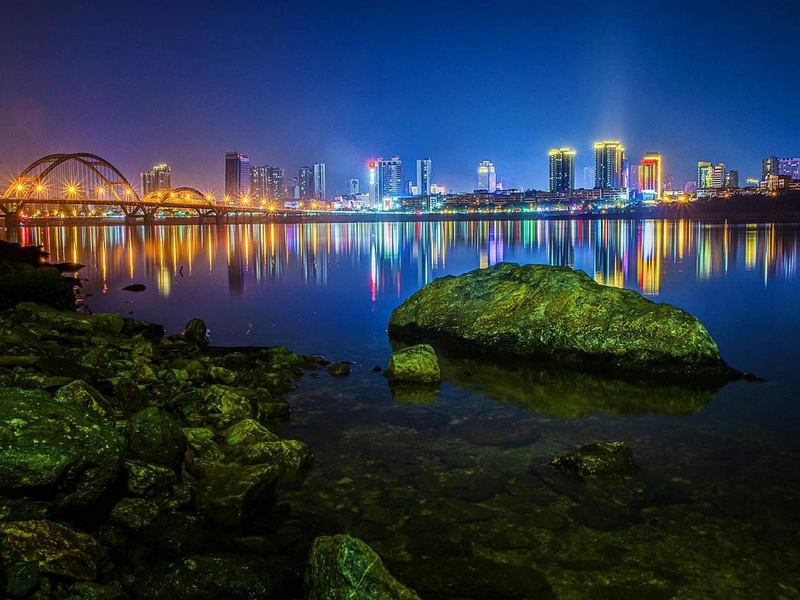
In central-southern Jiangxi, Ji'an nurtured literary giants like Ouyang Xiu. The revolutionary base of Jinggang Mountain lies within its borders, where red history intertwines with natural landscapes, creating unique historical and geographical value. Beautiful mountains, rivers, lakes, ancient villages, academies, and memorials collectively reflect both cultural and revolutionary heritage. Modern Ji'an develops education, tourism, and economy in parallel, preserving history while embracing modern vitality.
Shangrao: A Living Landscape, Hub of Neo-Confucian Thought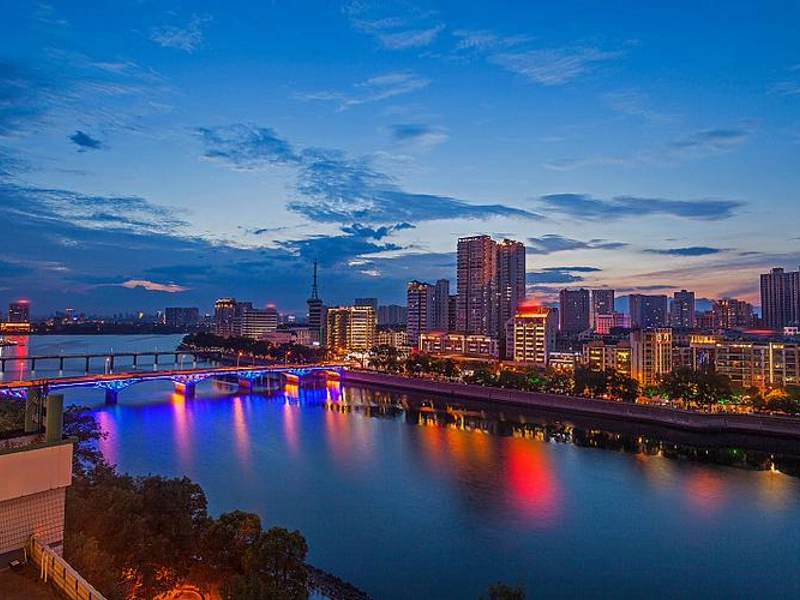
Located in northeastern Jiangxi, Shangrao is famed for Wuyuan and Sanqing Mountain. Picturesque landscapes and pastoral charm abound: ancient villages with white walls and black tiles, terraced fields and streams, and Sanqing's peaks and rolling clouds evoke a celestial scenery. Shangrao is also an important center of Neo-Confucian culture, where academies and historical sites preserve China's intellectual heritage. Modern Shangrao emphasizes ecological and cultural harmony, integrating tourism, education, and local economy, making it a radiant cultural jewel in northeastern Jiangxi.
Pingxiang: Pearl of Western Jiangxi, Cradle of Labor Movements
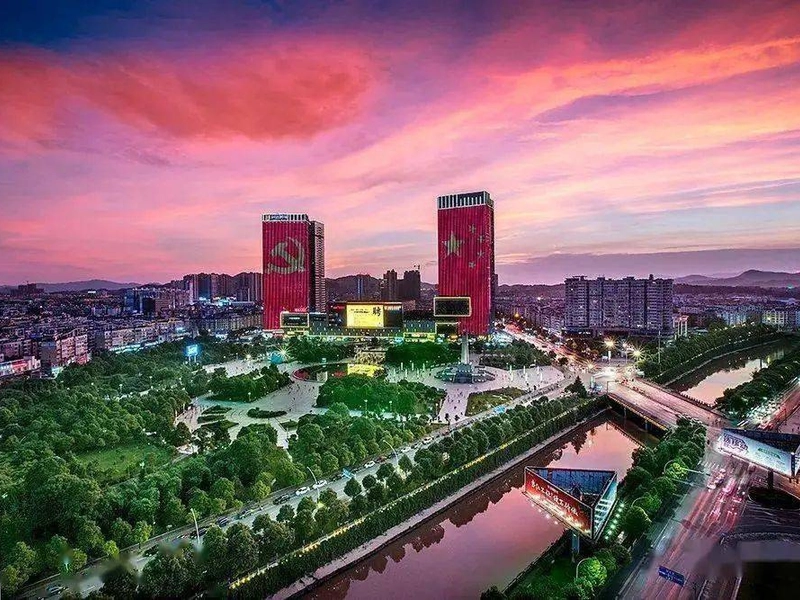
Pingxiang, located in the western Jiangxi hills, is rich in mineral resources, establishing it as an economic hub. Here, industrial history coexists with scenic beauty. Pastoral landscapes along the Luxi River juxtapose with ancient mining sites, blending industry with culture. Modern Pingxiang actively transforms its coal, steel, and ceramics industries while prioritizing ecological protection and urban development, creating a livable and industrious city. The spirit of labor meets natural beauty, making Pingxiang a shining humanistic and economic gem in western Jiangxi.
Xinyu: Lakeside Industrial City
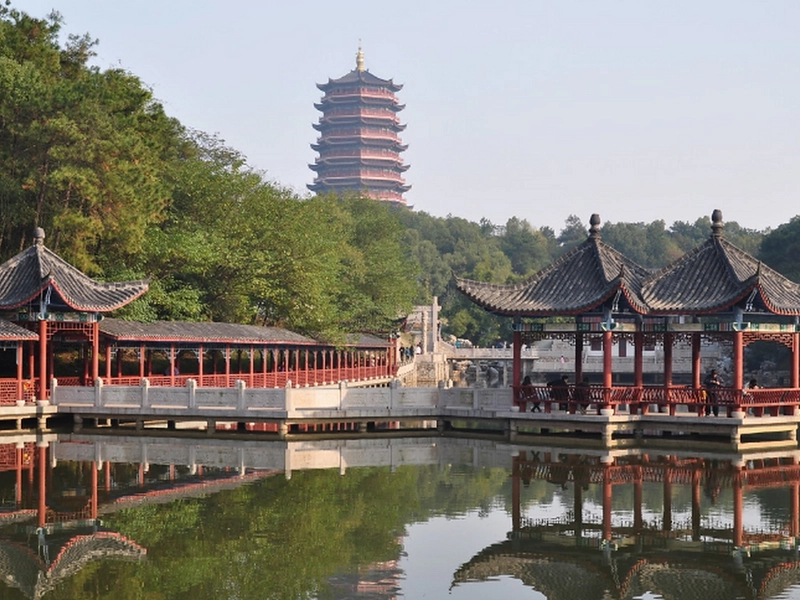
Famed for Fairy Lake, Xinyu boasts picturesque landscapes, lush forests, and calm waters. As an important steel, chemical, and energy base in Jiangxi, the city develops rapidly, balancing industrial growth with ecological preservation. Tourism and culture integrate with industry, creating a unique urban character where modern industrial civilization coexists with natural beauty. From sunrise over Fairy Lake to the glow of steel factories, Xinyu embodies innovation and resilience in central Jiangxi.
Yingtan: Taoist Capital, Copper Industry Base
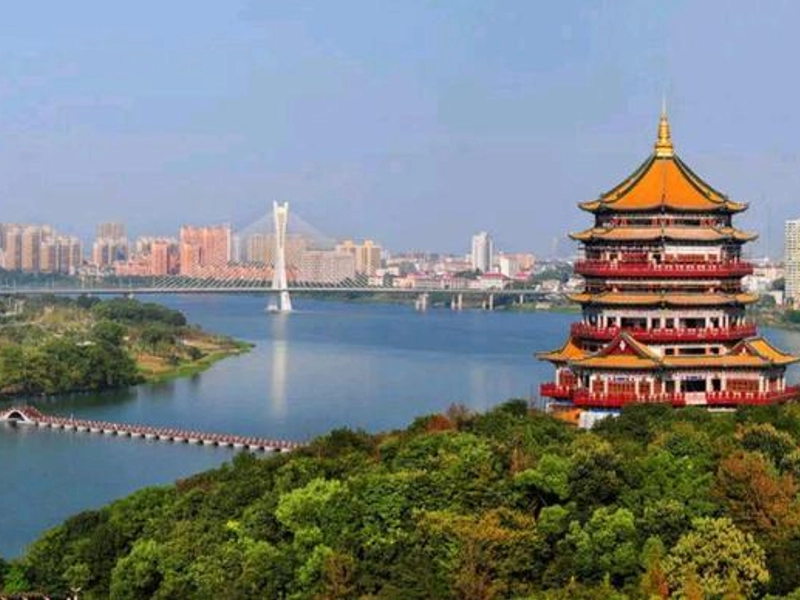
Located in northeastern Jiangxi, Yingtan is renowned for Mount Longhu, a Taoist sacred site, with dramatic peaks, misty landscapes, and rich cultural heritage. It is also a major copper production center with a long industrial history. Nature, culture, and industry coexist harmoniously, attracting tourists to experience both celestial landscapes and local craftsmanship. Yingtan exemplifies the integration of natural beauty, cultural tradition, and industrial development in northeastern Jiangxi.
Fuzhou: Land of Scholars, Cultural Heartland
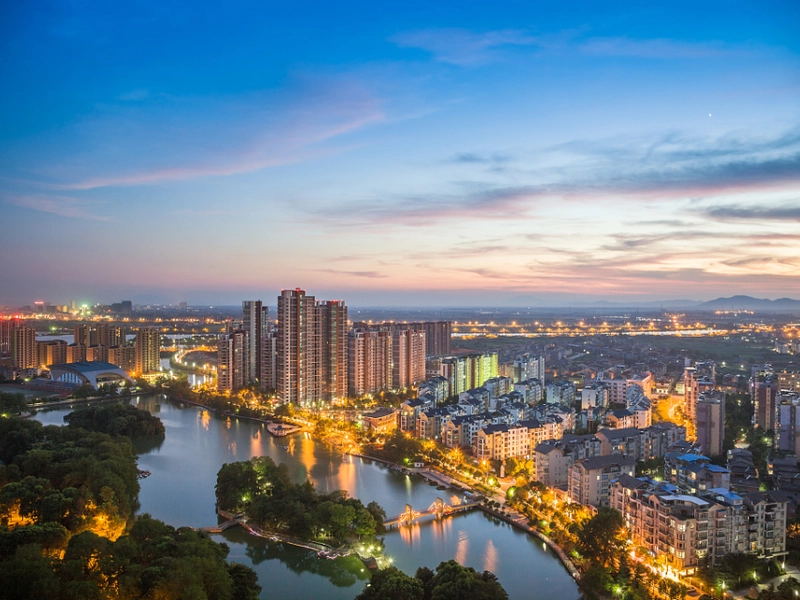
In southeastern Jiangxi, Fuzhou has long been a home to eminent scholars like Wang Anshi and Yang Wanli. Ancient city walls, Confucian temples, and academies coexist with modern educational institutions, making Fuzhou a cultural hub in southern Jiangxi. Tourism and education thrive alongside urban development, blending classical culture with contemporary life. In spring, the sound of scholars reading in ancient streets merges with urban bustle, showcasing Fuzhou's enduring literary spirit and rich cultural charm.
Yichun: City of Hot Springs and Bamboo, Balancing Culture and Ecology
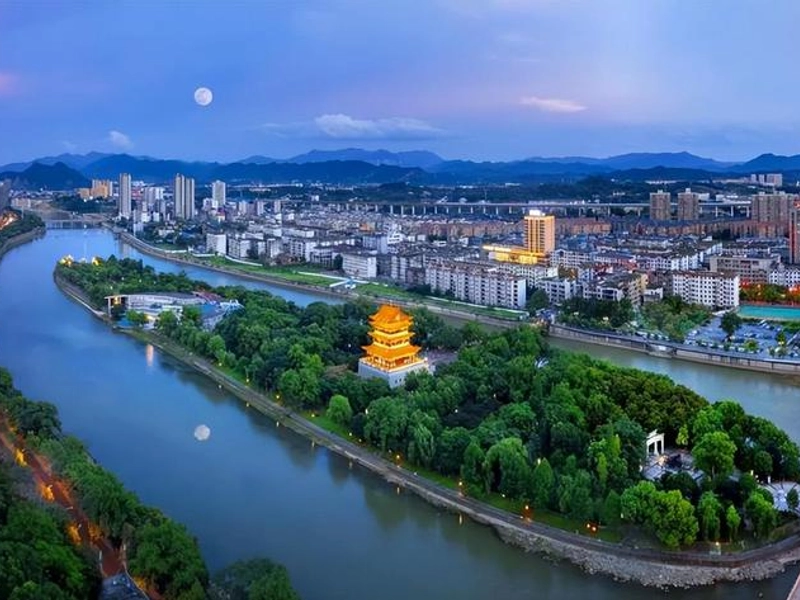
Known for its abundant hot springs, Yichun is called the "Home of Wengtang." The city is green, with extensive bamboo forests and beautiful ecological landscapes. Historical sites such as ancient temples and Confucian academies integrate with modern industry and agriculture, creating a harmonious cultural and ecological cityscape. Yichun's hot spring tourism, bamboo culture, and local cuisine attract visitors, while environmental protection and sustainable development remain priorities. From the leisurely experience of hot springs to the serenity of bamboo groves, Yichun reflects a unique blend of nature, culture, and ecological harmony.
Famous Landscapes and Wonders of Jiangxi: The Perfect Blend of Nature and Culture
Mount Lu: Cultural Sanctuary, Timeless Elegance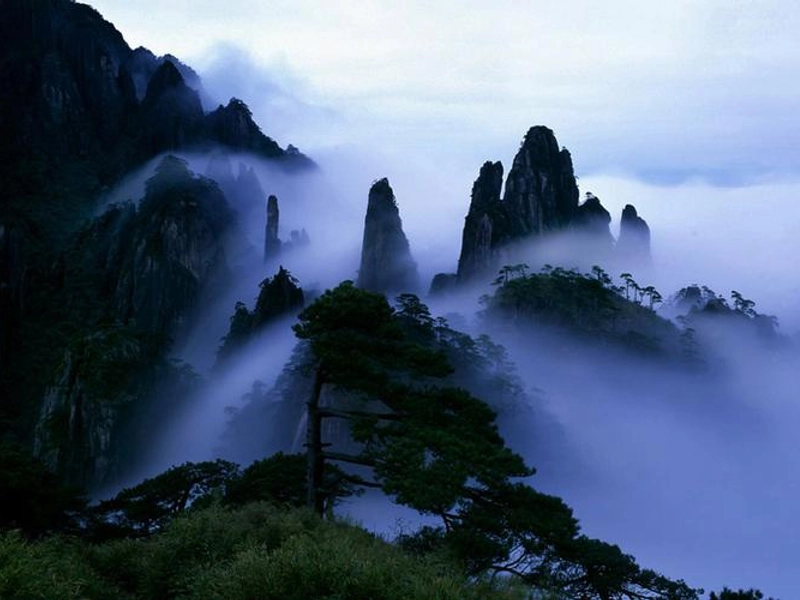
Mount Lu is renowned for its grandeur, uniqueness, steepness, and beauty, and is recognized as a UNESCO World Cultural Heritage site as well as a landmark in Chinese cultural history. Natural wonders such as the Three-Tiered Waterfall, Jinxi Valley, and Hanpo Pass are shrouded in clouds and mist, with streams cascading through majestic peaks. Since the Tang and Song dynasties, poets and scholars like Li Bai, Su Shi, and Bai Juyi have immortalized the mountain in verse, making it a favored retreat for literati. Summer brings cool relief, autumn paints the forests in fiery red, and winter transforms the peaks into a magical scene of frost and mist. Mount Lu embodies both natural splendor and cultural legacy, its landscapes infused with centuries of literary elegance.
Sanqing Mountain: Granite Peaks, Sea of Clouds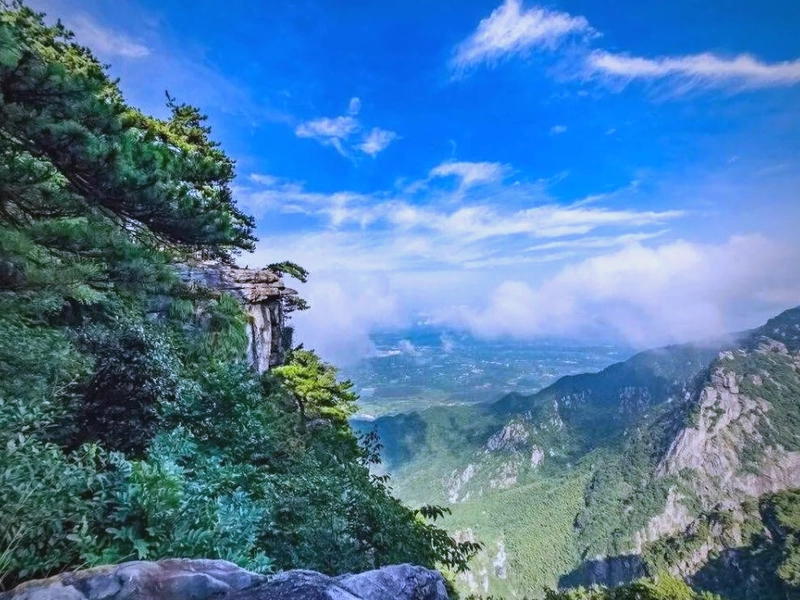
Sanqing Mountain is famous for its peculiar granite peaks, ancient trees, seasonal blossoms, flowing springs, waterfalls, and shifting seas of clouds, earning it recognition as a UNESCO World Natural Heritage site. Natural rock formations like the "Giant Python Emerging from the Mountain," the "Eastern Goddess," and "Jade Maiden Offering Longevity" create a geological wonderland. Ancient paths, Taoist temples, and historic villages harmonize with the scenery, offering opportunities for hiking, photography, and religious pilgrimage. In spring and summer, flowers bloom in profusion; in autumn and winter, mists and clouds weave an ever-changing tableau. Sanqing Mountain exemplifies the integration of natural beauty and Taoist culture, allowing visitors to traverse a cultural panorama spanning centuries.
Mount Longhu: Taoist Sanctuary, Danxia Landscape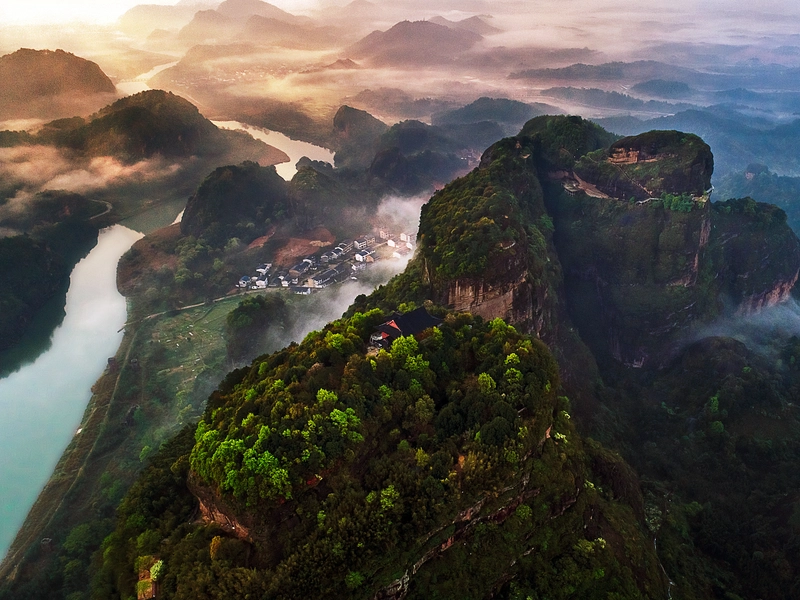
Mount Longhu, the birthplace of Chinese Taoism, is celebrated for its Danxia landforms, Taoist heritage, and ancient cliff tombs. Floating down the Lu River on bamboo rafts, visitors encounter cascading waterfalls, ancient structures, and verdant landscapes in harmony. Sacred sites such as Yujing Peak and the Celestial Master's Mansion remain vibrant centers of worship. The striking natural scenery—red cliffs, deep valleys, and green forests—resembles a living landscape painting. Attracting tourists and pilgrims alike, Mount Longhu offers a unique blend of Taoist culture and breathtaking Danxia geology, exemplifying the seamless union of human and natural wonder.
Jinggang Mountain: Cradle of the Revolution, Ever-Green Beauty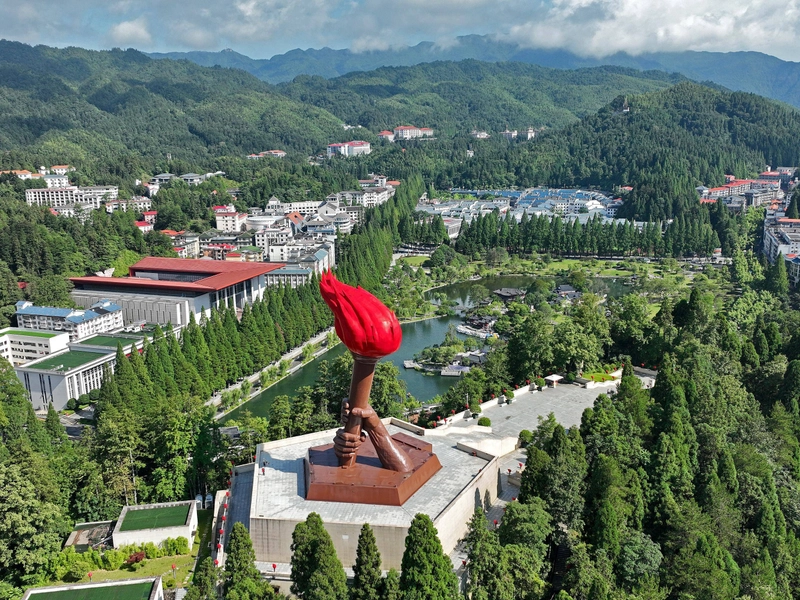
Jinggang Mountain, a key birthplace of the Chinese revolution, also showcases Jiangxi's natural splendor. Dense forests, rugged peaks, and clear streams form a picturesque landscape, while revolutionary sites, including the Five Major Outposts and Red Army memorials, preserve historical memory. Nature and history intertwine, embodying enduring revolutionary spirit alongside ecological beauty. In spring and summer, the forested hills surge with life; autumn brings fiery foliage; winter blankets the peaks in red and gold. Jinggang Mountain serves as both a revolutionary education base and a leisure destination, where red culture and natural scenery converge to reflect Jiangxi's mountainous heritage.
Wuyuan: Jiangnan Countryside, Fields of Rapeseed Flowers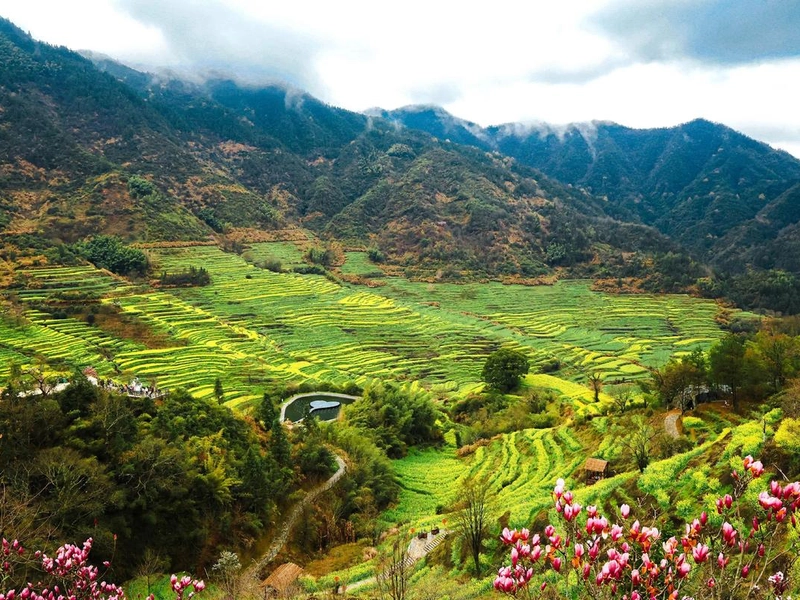
Wuyuan, known as "China's Most Beautiful Village," is famous for Huizhou-style architecture and blooming rapeseed fields in spring. Meandering streams, stone bridges, and white walls with black tiles create a poetic rural landscape. Ancient villages such as Jiangwan, Likeng, and Huangling preserve traditional customs, offering seasonal charms: golden rapeseed fields in spring, cool streams in summer, red foliage in autumn, and misty scenery in winter. Wuyuan not only captivates with its natural beauty but also retains deep cultural heritage, allowing visitors to experience the perfect fusion of local traditions and scenic landscapes.
Poyang Lake: Giant Lake of Jiangnan, Paradise for Migratory Birds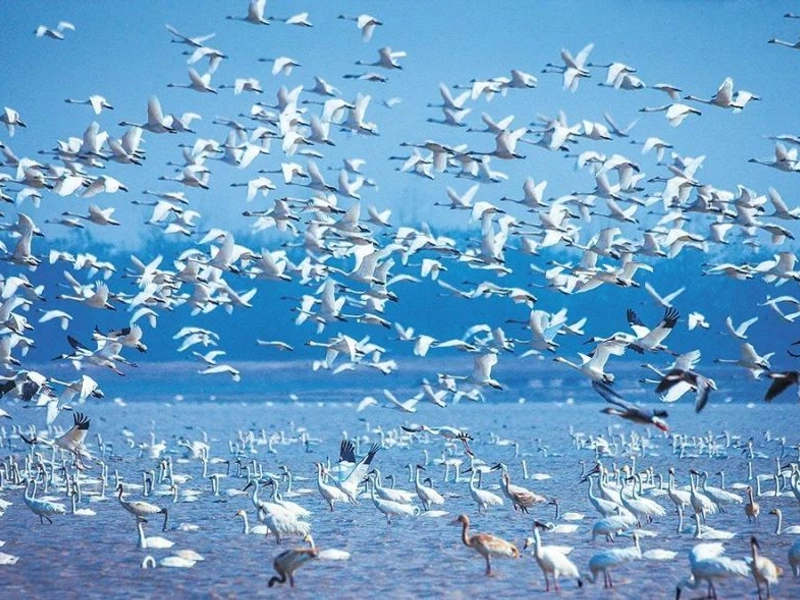
Poyang Lake is China's largest freshwater lake, its expansive surface merging with the sky, earning it the nickname "Jiangnan's Giant Basin." Every winter, tens of thousands of migratory birds flock here, creating a spectacular scene. The lake's wetlands are ecologically rich, supporting abundant fish and rice cultivation, emblematic of Jiangxi's "land of fish and rice." Lakeside towns, fishing villages, and agrarian culture create a harmonious blend of nature and humanity. With scenic reflections and traditional boats at sunset, Poyang Lake is not only a prime eco-tourism destination but also a cultural and photographic paradise.
Intangible Cultural Heritage: Mastery, Creativity, and Enduring Legacy
Jingdezhen Porcelain Craft: A Millennia-Long Romance of Clay and Fire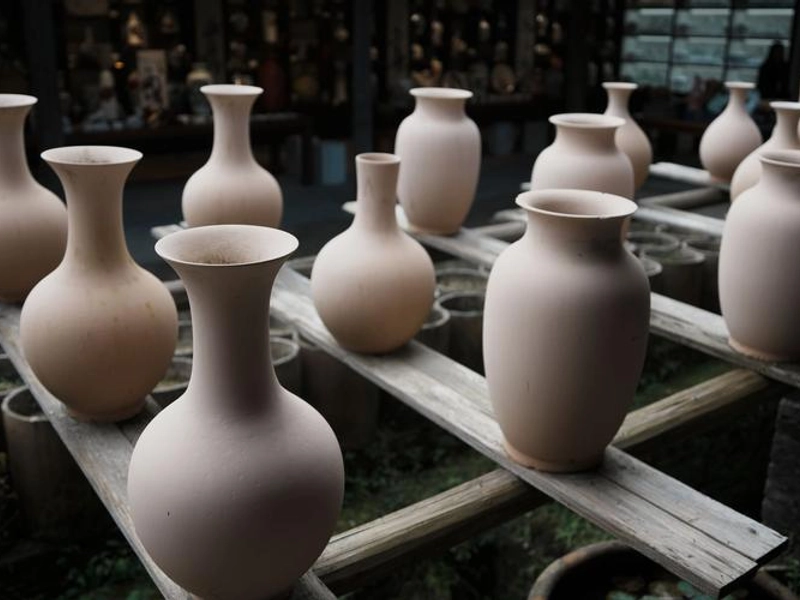
Jingdezhen, known as the "Porcelain Capital," has been producing ceramics for over a thousand years. Every step of the process—selecting clay, kneading, throwing, shaping, painting, glazing, and firing—is meticulously controlled. Blue-and-white porcelain exudes elegance and purity, famille-rose porcelain dazzles with vibrant colors, and translucent porcelain is delicate and refined, while colored glazes offer unique textures and effects. Each piece reflects the artisan's skill and dedication. Beyond its practical use, Jingdezhen porcelain embodies Chinese cultural identity and represents the pinnacle of traditional craftsmanship. Whether in museums or daily life, these works continue the aesthetic traditions of Chinese art, celebrated at home and abroad.
Gan Opera: Melodious High-Pitched Singing, Ancient Rhythms with Modern Resonance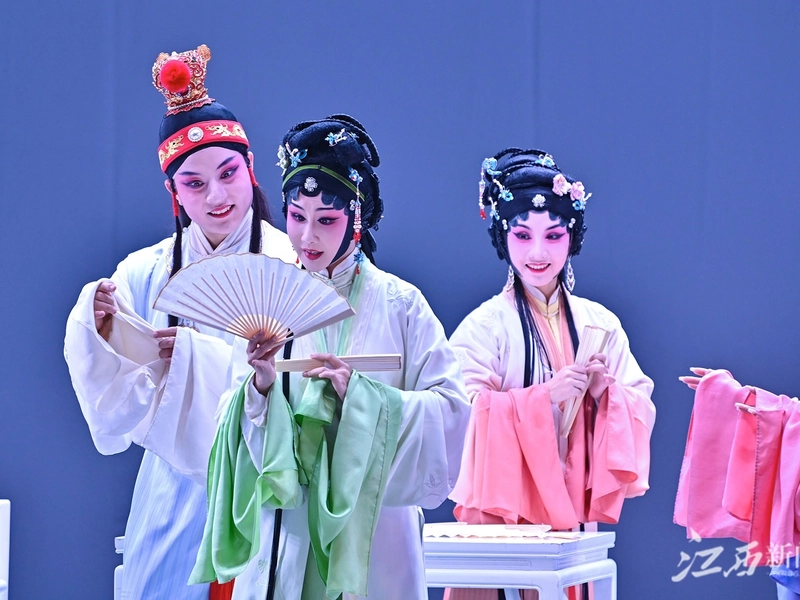
Originating from the Ming Dynasty's Yiyang style, Gan Opera has developed over centuries into a unique regional performing art. Its singing is high-pitched and powerful, with clear tonal quality, combining singing, recitation, acting, and martial movement, all aligned with local dialect rhythms. Stage performances vividly depict folklore, historical tales, and local life, showcasing the wisdom of Jiangxi's people while incorporating modern aesthetics. Gan Opera is more than a stage art; it is a vital vessel of Jiangxi folk culture. Every performance conveys historical and humanistic spirit, allowing audiences to experience the ancient charm and local character of the Gan-Po region.
Hakka Gǔwén: Oral Traditions of Folk Wisdom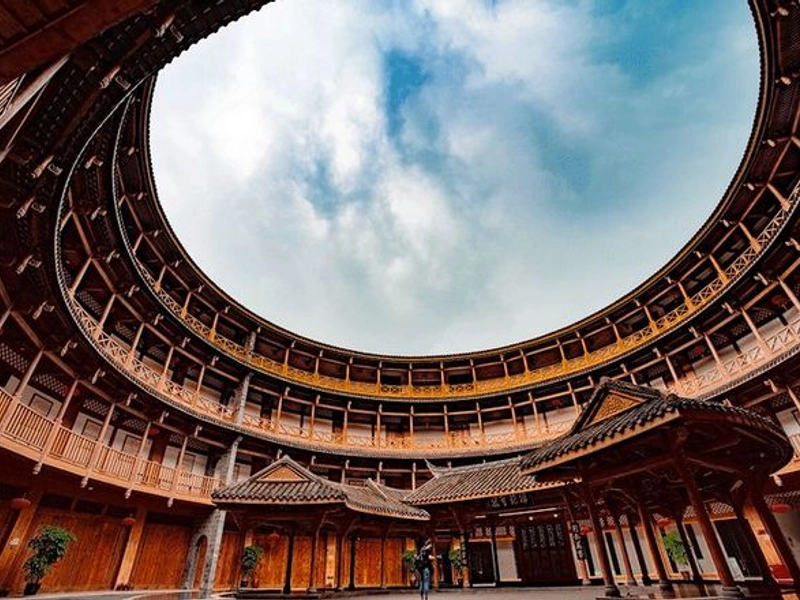
Hakka Gǔwén is a distinctive form of spoken and sung storytelling from southern Jiangxi's Hakka communities. Performers use wooden clappers or fishing drum instruments to narrate historical stories, folk legends, and everyday wisdom in Hakka dialect. The melodies are simple yet rhythmically engaging, and this oral tradition has been passed down through generations. Hakka Gǔwén preserves dialect, records daily life and historical memory, and reflects the industriousness, intelligence, and patriotic sentiment of the Hakka people. Each performance is a vivid microcosm of Jiangxi Hakka culture, blending educational and artistic value.
Lushan Folk Songs: Singing with the Mountains and Rivers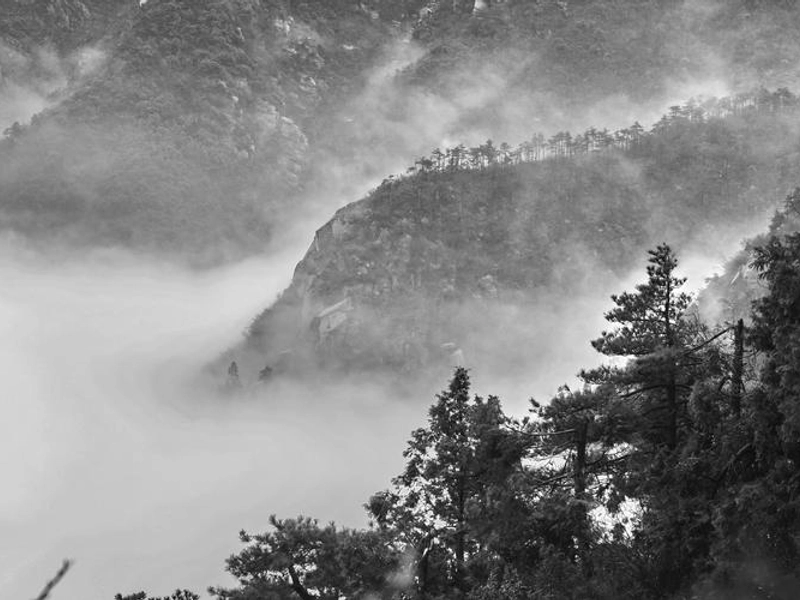
Lushan folk songs have a long history, featuring clear and melodious tunes. Lyrics often celebrate landscapes, agricultural life, and local stories. These songs accompany daily life and festivals around Mount Lu, creating a distinctive artistic style. Climbing Lushan, with the wind in the mountains and the sound of streams, one feels as if the songs are conversing with the scenery, expressing natural sentiments and cultural wisdom. Preserving historical memory and folk traditions, Lushan folk songs form an essential part of Jiangxi's musical heritage, merging landscapes with humanistic spirit.
Poyang Lake Fishermen's Songs: Singing the Spirit of Water Towns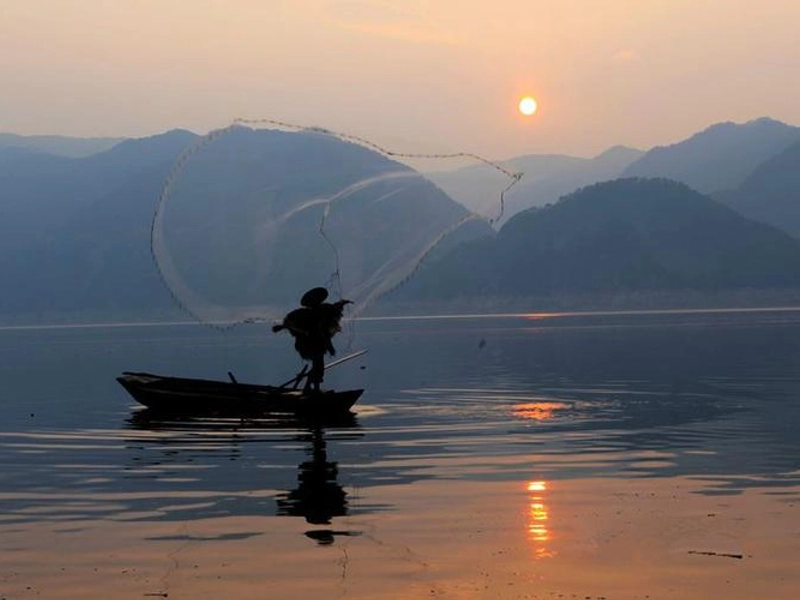
Fishermen's songs from Poyang Lake express the art, labor, and daily life of local communities. With melodious tunes synchronized to paddling, these songs describe lake landscapes, seasonal changes, and fishing life. Rooted in oral tradition, they preserve and transmit regional culture. Today, Poyang Lake fishermen's songs are not only folk art treasures but also key cultural expressions of Jiangxi's water towns, reflecting harmonious coexistence between humans and nature and showcasing local aesthetic sensibilities.
Jinggangshan Red Culture Arts: Artistic Inheritance of Revolutionary Spirit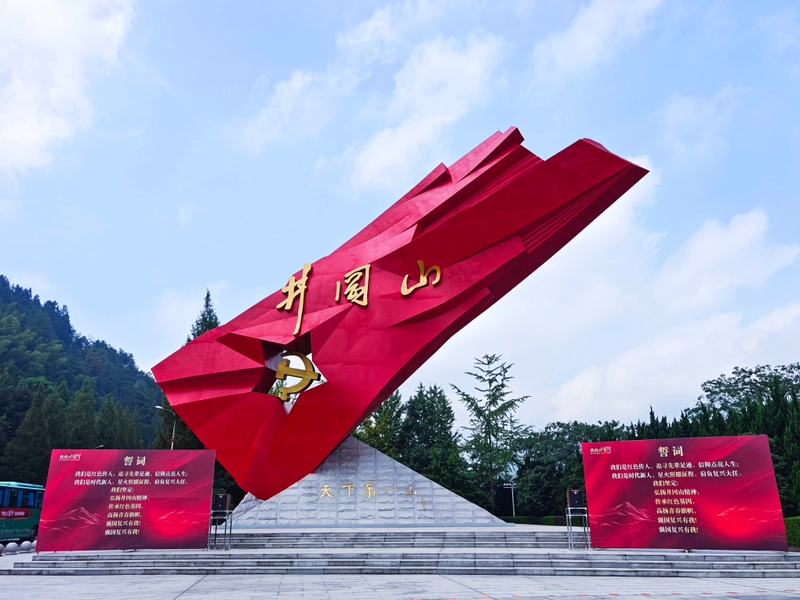
As the cradle of China's revolution, Jinggangshan nurtured a rich tradition of red culture arts. Revolutionary songs, dramas, and folk performances vividly portray the struggles and spirit of the Red Army. Drawing on historical events and local cultural elements, these works combine educational and aesthetic value. Passed down through generations, red culture arts in Jinggangshan are living embodiments of revolutionary memory and an essential part of Jiangxi's cultural heritage. Every song and performance conveys the steadfast faith and unyielding spirit of revolutionary pioneers, highlighting the profound depth of Jiangxi's red cultural legacy.
Handicrafts: The Beauty of Jiangxi, Mastery Beyond Compare
Wuyuan Bamboo Weaving: Rural Wisdom Woven by Hand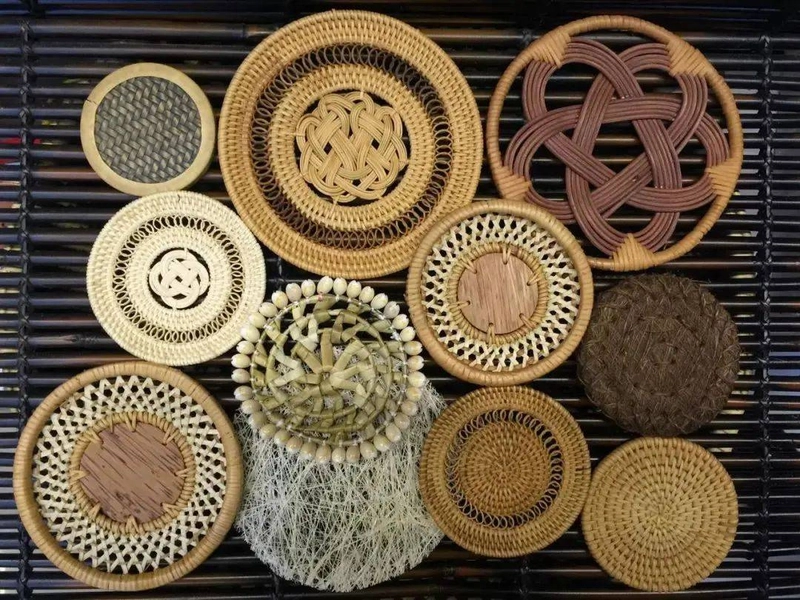
Bamboo weaving in Wuyuan has a long history, emphasizing carefully selected materials, uniform texture, and diverse weaving techniques. Local artisans skillfully transform bamboo into baskets, winnowing trays, lanterns, and other everyday items that are both practical and decorative. With smooth lines and sturdy structures, these works embody the aesthetic sensibility and ingenuity of Jiangxi's rural life. Beyond daily use, bamboo weaving is often featured in festivals and folk activities, serving as an important carrier of local cultural memory. Through its continued practice and innovation, each woven piece conveys the rustic beauty and artisan spirit of the region.
Ganzhou Woodcarving: Exquisitely Carved Cultural Treasure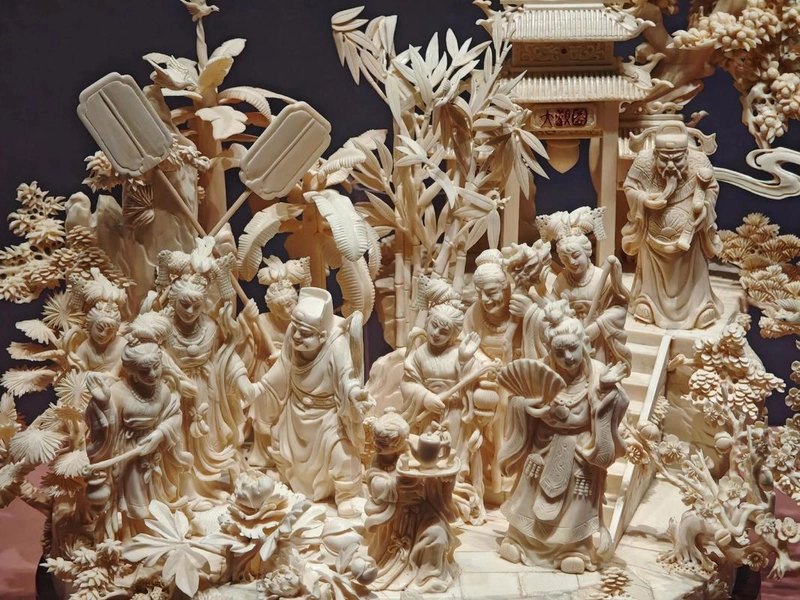
Ganzhou woodcarving boasts a long history and is celebrated for its meticulous craftsmanship and rich thematic variety. Carvings often depict religious motifs, folklore, auspicious symbols such as dragons and phoenixes, birds and flowers, and human figures, blending decorative appeal with symbolic meaning. The art emphasizes masterful knife work, layered composition, flowing lines, and vivid charm, representing a fusion of Hakka and Lingnan cultural influences. Woodcarving adorns ancient buildings, temples, and furniture, while also preserving local history and folk wisdom, making it a key medium for showcasing Jiangxi's cultural spirit and artistic creativity.
Fuzhou Lacquerware: Vibrant Colors, Durably Elegant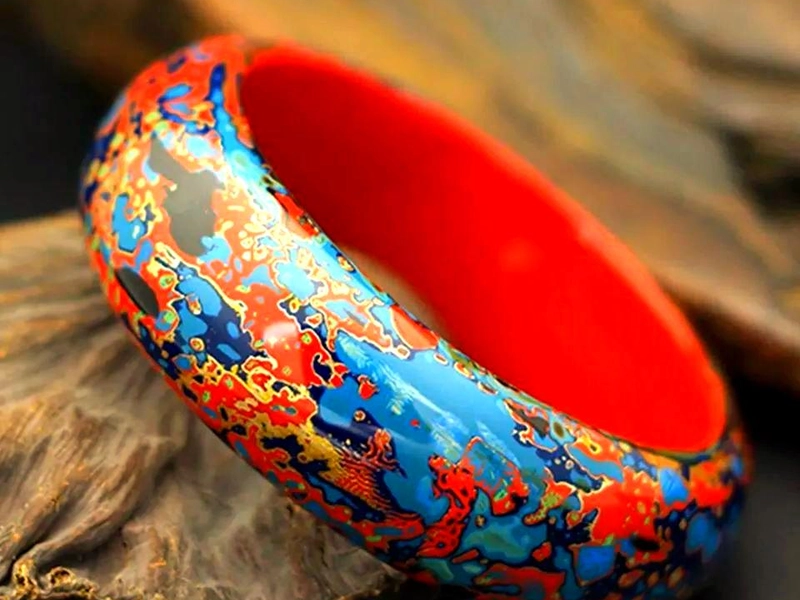
Fuzhou lacquerware is renowned for its exquisite craftsmanship, using natural lacquer and multiple processes including polishing, lacquering, and gilding. The pieces are vibrant, finely decorated, and both aesthetically pleasing and durable. Common motifs draw from landscapes, flowers and birds, and auspicious symbols, reflecting the harmonious aesthetic of Jiangxi's human and natural environment. Each item requires meticulous patience and precision, embodying the artisan's skill and time. Beyond being traditional handicrafts, Fuzhou lacquerware carries cultural symbolism and serves as an important window into local art and folk culture.
Yichun Bronze Sculpture: Strong, Fluid Metal Art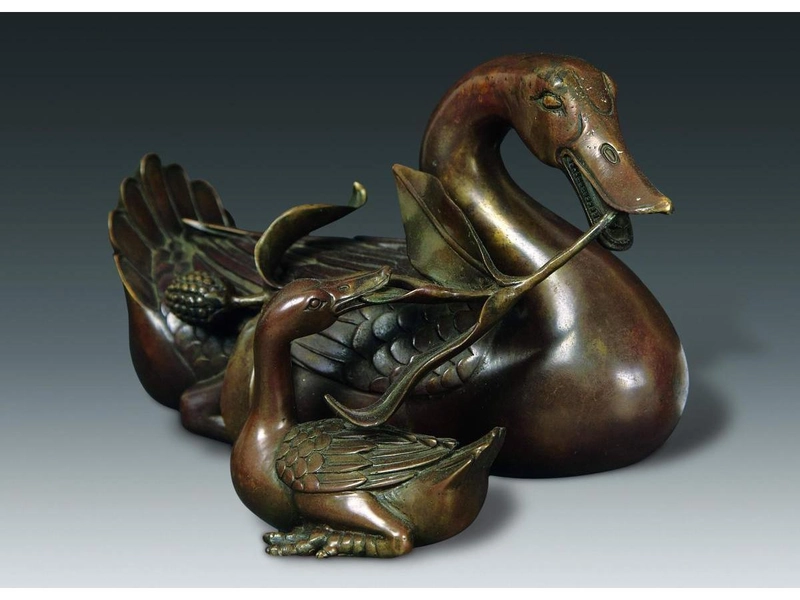
Bronze sculpture in Yichun uses copper as its main material, combining casting, carving, inlaying, and other techniques to create a distinctive artistic style. The works cover a wide range of subjects, including religious themes, folk customs, historical figures, and auspicious patterns, featuring bold, fluid lines and vivid forms that command attention. Yichun bronze sculptures are widely applied in temples, gardens, and public facilities, reflecting both artistic aesthetics and Jiangxi's deep cultural heritage. Their combination of strength and refinement makes them important representatives of local culture and handicraft tradition.
Cuisine and Local Delicacies: The Flavors of Jiangxi
Nanchang and Poyang Lake Region: Fresh, Spicy, and Rich
- Stir-fried Artemisia with Cured Meat:
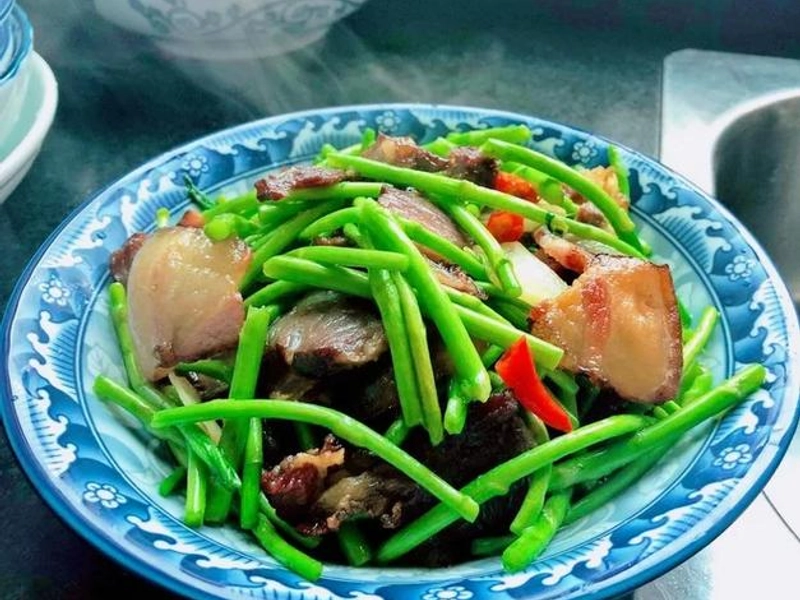
A specialty of the Poyang Lake region, this dish combines the slightly bitter, aromatic artemisia with savory cured meat. Commonly enjoyed for breakfast in Nanchang, it reflects the pastoral flavors of the lakeside countryside.
- Nanchang Rice Noodles:
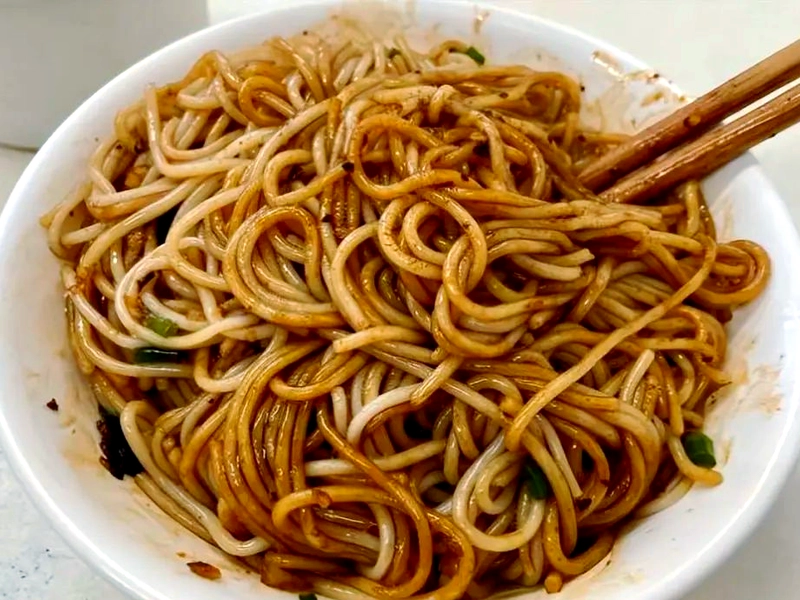
Smooth and delicate rice noodles served with savory broths, chili sauce, or home-style seasonings, representing the everyday culinary essence of Nanchang.
- Clay Pot Soup:
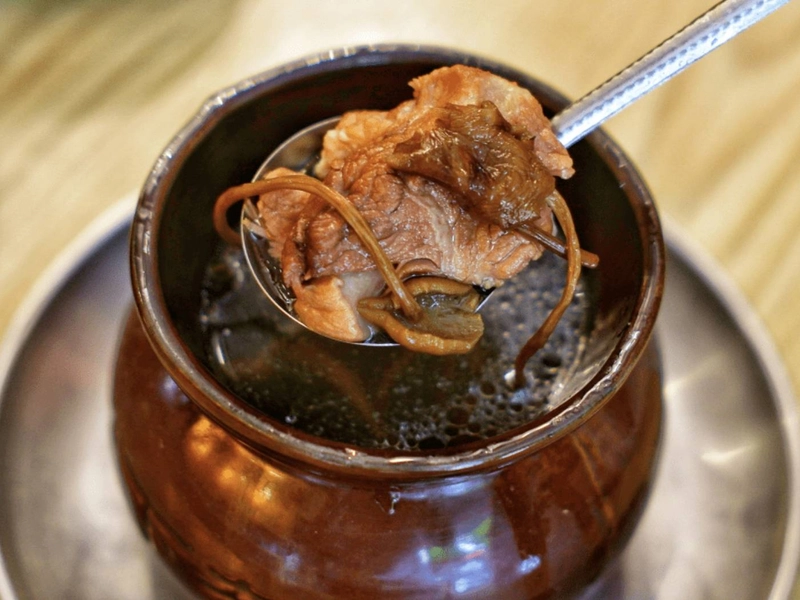
Slow-cooked in earthenware pots, these soups feature meat, fish, or shrimp, preserving natural flavors while offering nourishing and wholesome qualities.
Southern Jiangxi Hakka Cuisine: Bold, Flavorful, and Aromatic
- Stir-fried Fish (Southern Jiangxi Style):
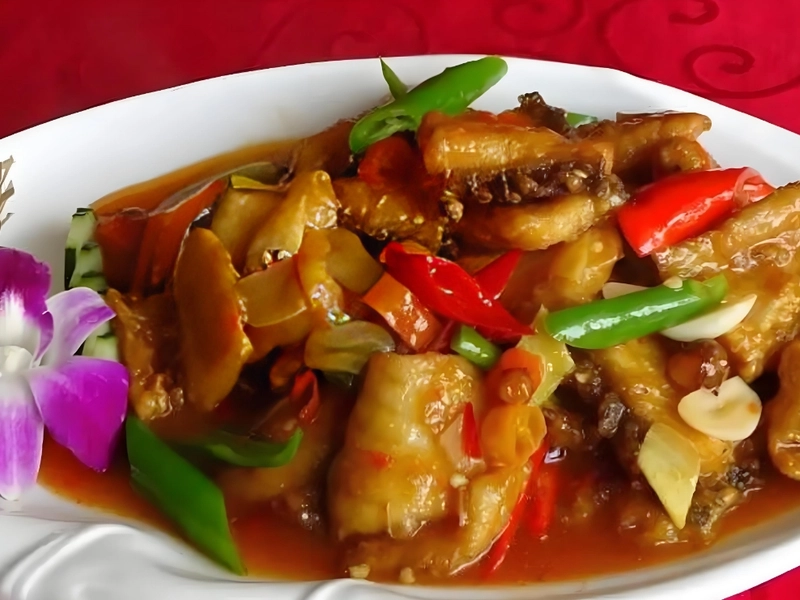
Local freshwater fish stir-fried with chili and garlic, tender and spicy, a classic dish on Hakka family tables.
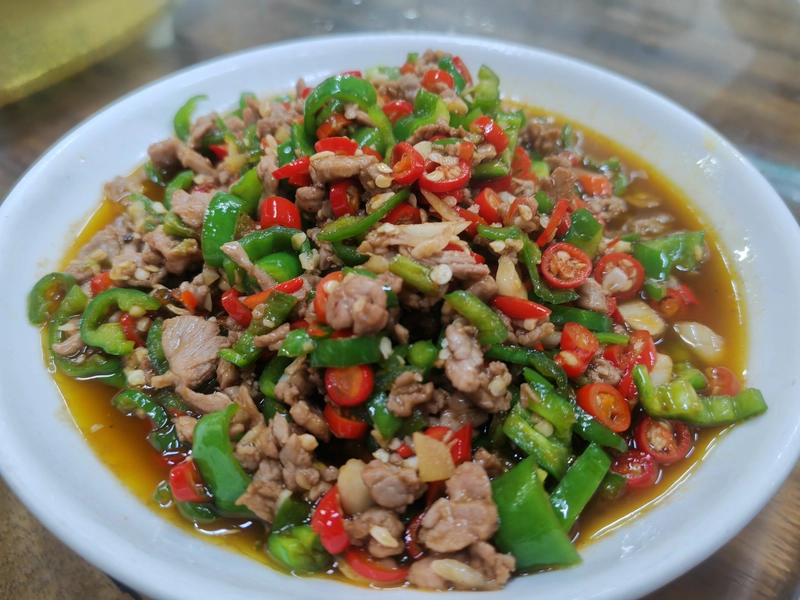
Quick-fried pork with chili peppers, fragrant and spicy, embodying the Hakka spirit of daring flavors and boldness.
- Ji'an Tofu Balls:
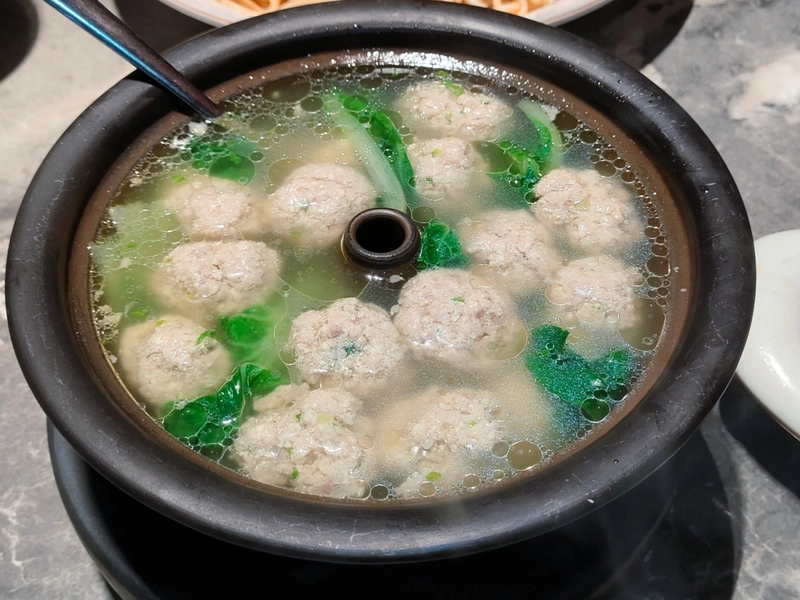
Small tofu balls, crispy on the outside, tender inside, served in thick sauce or clear broth, commonly featured at festive Hakka banquets.
Western Jiangxi Flavors: Smoky and Cured
- Pingxiang Smoked Meat:
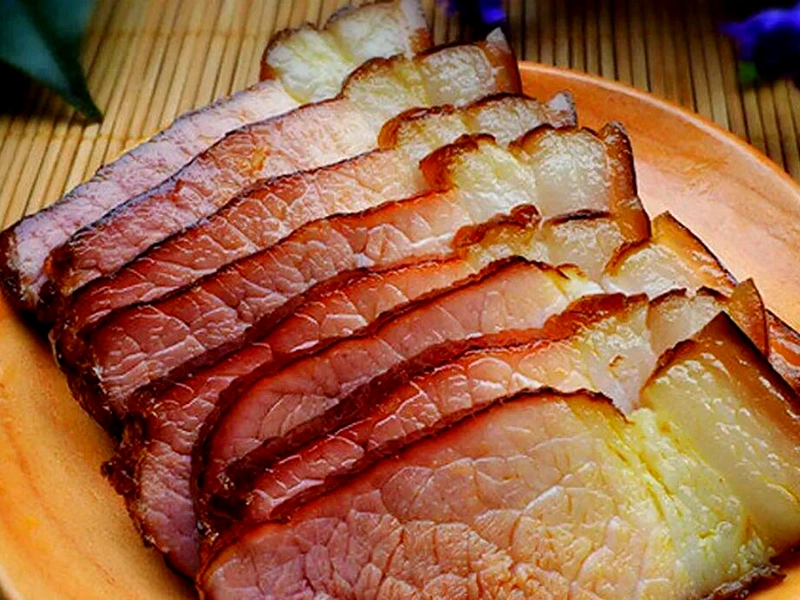
Pork smoked over firewood or pine, with a bright reddish color and intense aroma. A must-have delicacy for traditional festivals and banquets in western Jiangxi.
- Yichun Wenchang Cured Meats: Incorporates cured meats and sausages into dishes, offering rich flavor and enticing aroma, reflecting the traditional curing and smoking techniques of Jiangxi.
- Zhangshu Steamed Pork with Rice Flour:
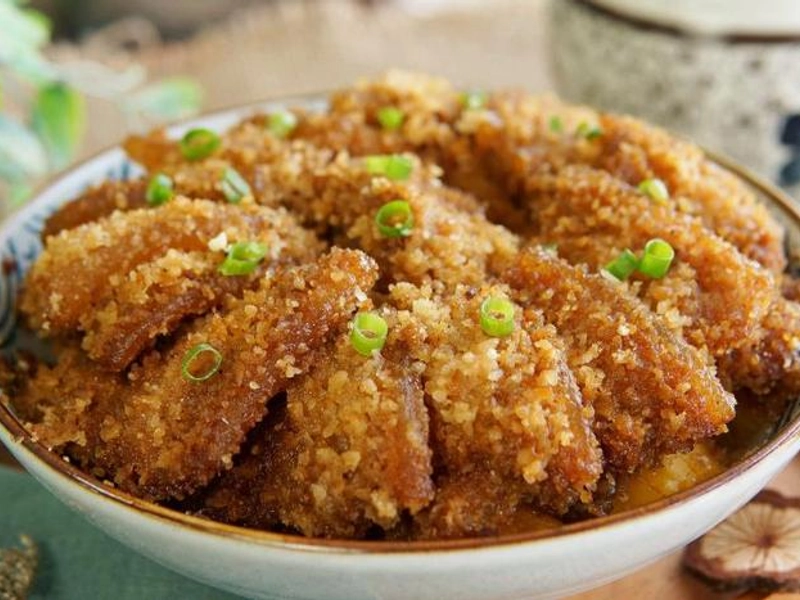
Pork belly coated with glutinous rice flour and steamed until tender and flavorful, representing the folk culinary style of western Jiangxi.
Jingdezhen and the Porcelain Capital: Culinary Artistry
- Clay-braised Chicken:
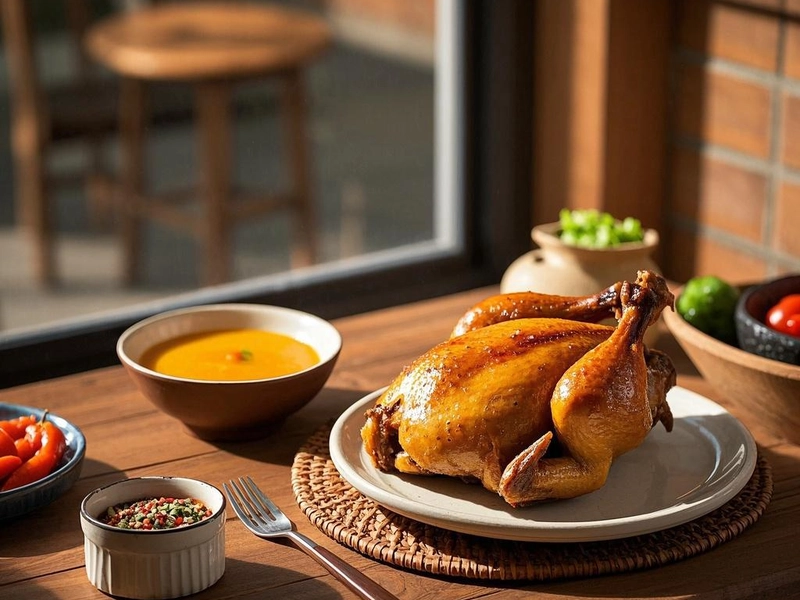
Local free-range chicken slow-cooked in porcelain clay, tender and flavorful with a unique earthy aroma, reflecting Jingdezhen's "Porcelain Capital" culinary culture.
- Fuliang Red-braised Fish:
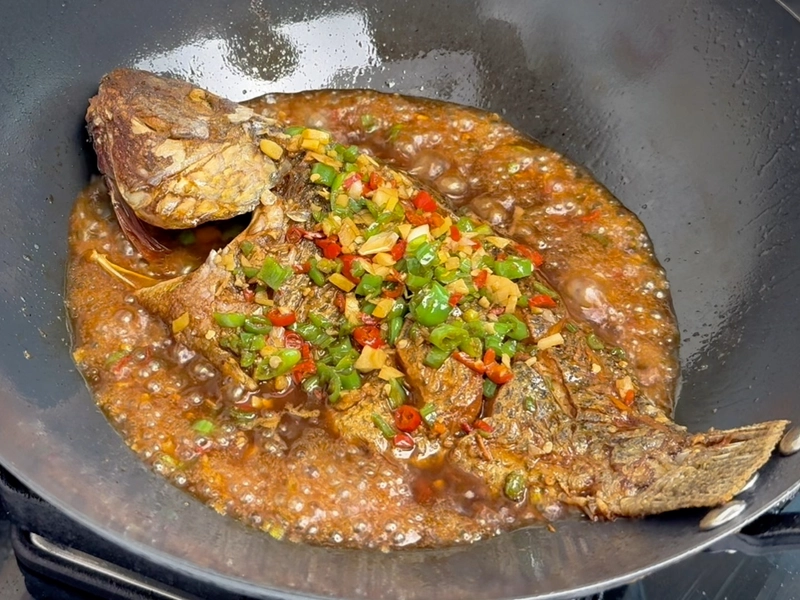
Freshwater fish braised slowly to a glossy red finish, aromatic and rich, combining both taste and artistry.
- Jingdezhen Clay Pot Chicken:
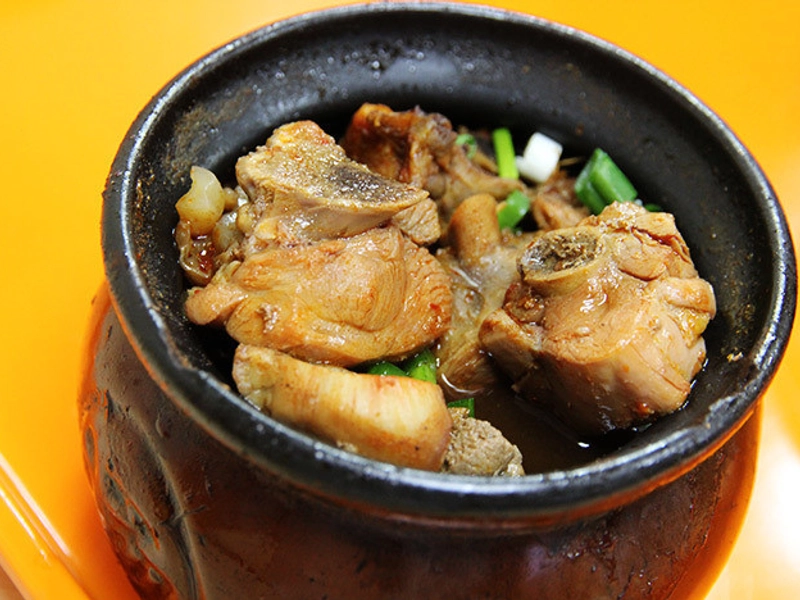
Precision slow-cooked chicken in earthenware, tender and juicy, nourishing and full of local flavor.
Fuzhou, Shangrao, and Wuyuan: Literati-inspired Cuisine
- Guobian Hu (Soup with Rice Sheets):
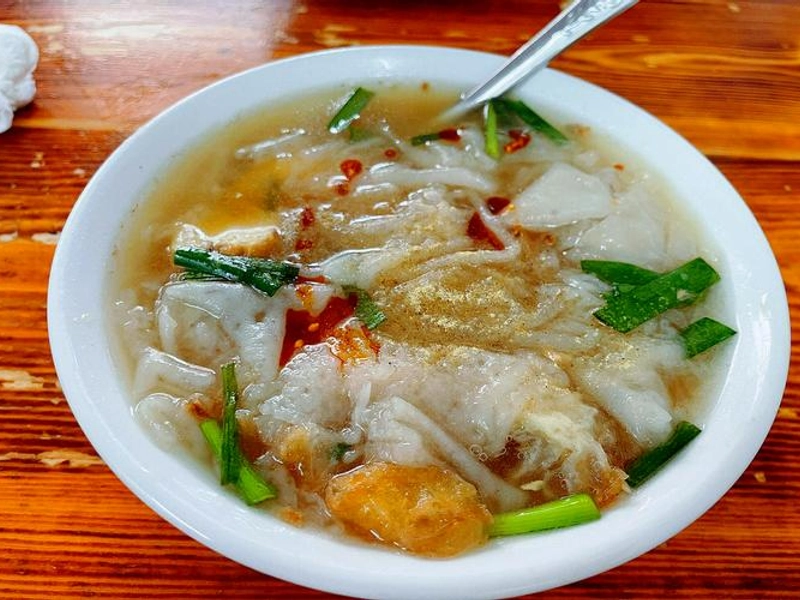
Thin rice sheets added to soup with meat and tofu, fragrant and flavorful, representing the light and refined culinary style of Wuyuan and Fuzhou.
- Fuzhou Steamed Pork with Rice Flour:
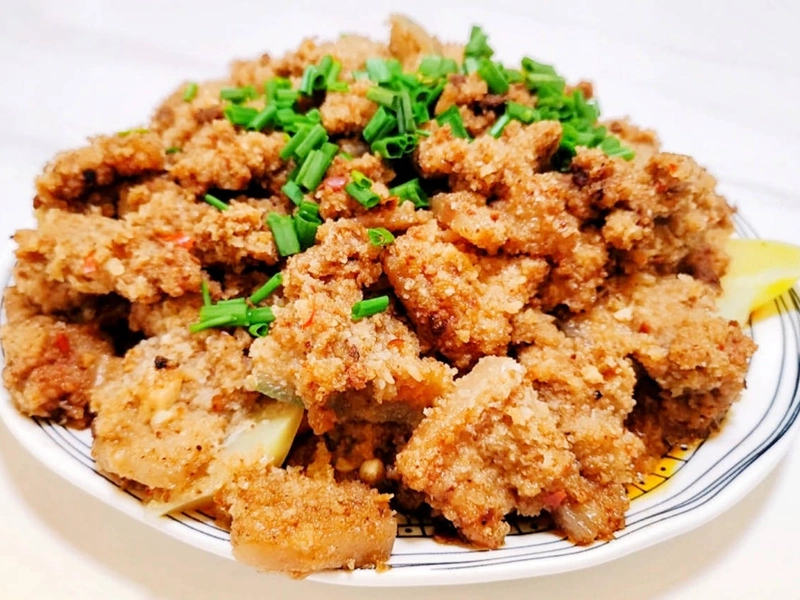
Glutinous rice-coated pork belly, tender and aromatic, reflecting the delicate flavors of literati dining in Fuzhou.
- Wuyuan Steamed Fish:
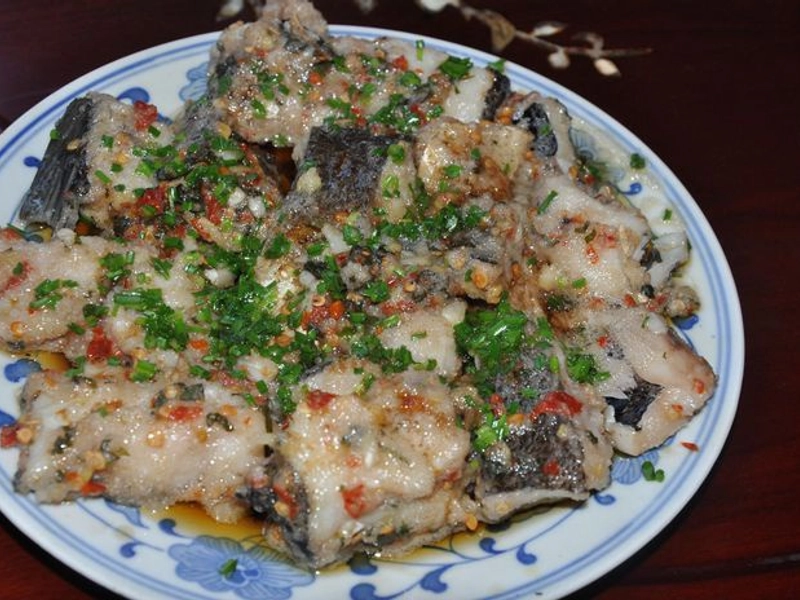
Freshwater fish steamed simply to preserve natural flavors, embodying the clean and healthy eating style of northern Jiangxi's landscapes.
Jiujiang and Poyang Lake: Freshwater Delicacies
- Fish Head Tofu Soup: Fish heads and tofu slowly simmered to produce a milky, rich, and nourishing soup, typical of the Poyang Lake region.
- Poyang Lake Whitefish: Steamed or braised lake fish, tender and delicately flavored, an essential dish on Nanchang and lakeside tables.
- Jiujiang Slow-cooked Softshell Turtle: Selected high-quality softshell turtle slow-cooked for tender meat and flavorful broth, combining culinary delight with nutritional benefits.
Renowned Teas: Mountains in a Cup
- Lushan Yunwu Tea
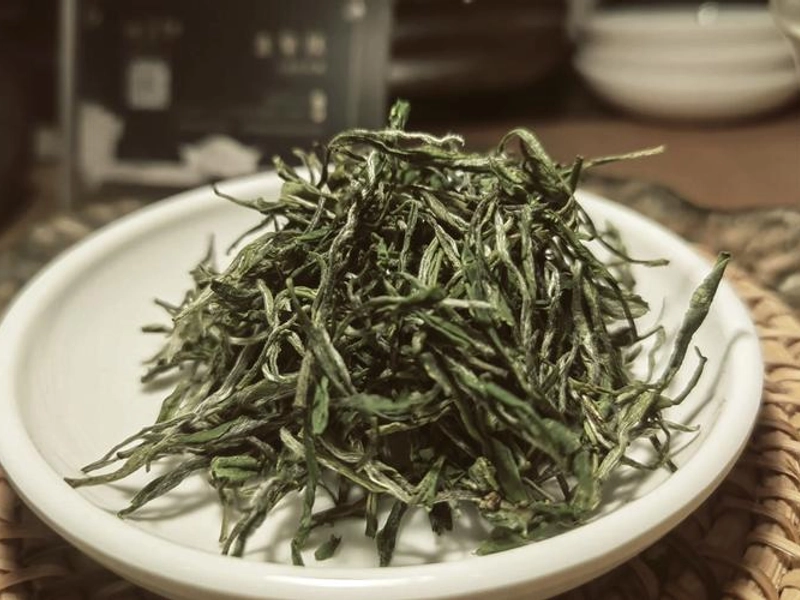
Grown in the misty highlands of Lushan Mountain, Lushan Yunwu Tea thrives in abundant moisture and mineral-rich soil. Harvested primarily as tender buds, the tea undergoes light pan-frying, rolling, and roasting, resulting in tightly curled, emerald-green leaves. When brewed, the liquor is bright amber, the aroma lingering and uplifting, with a mellow, refreshing taste and subtle floral and woodland notes. Beyond being a daily beverage, Lushan Yunwu Tea has long been cherished by scholars and literati as a medium to appreciate nature and cultivate refined taste, exemplifying the unique charm of Jiangxi's high-mountain teas.
- Wuyuan Green Tea
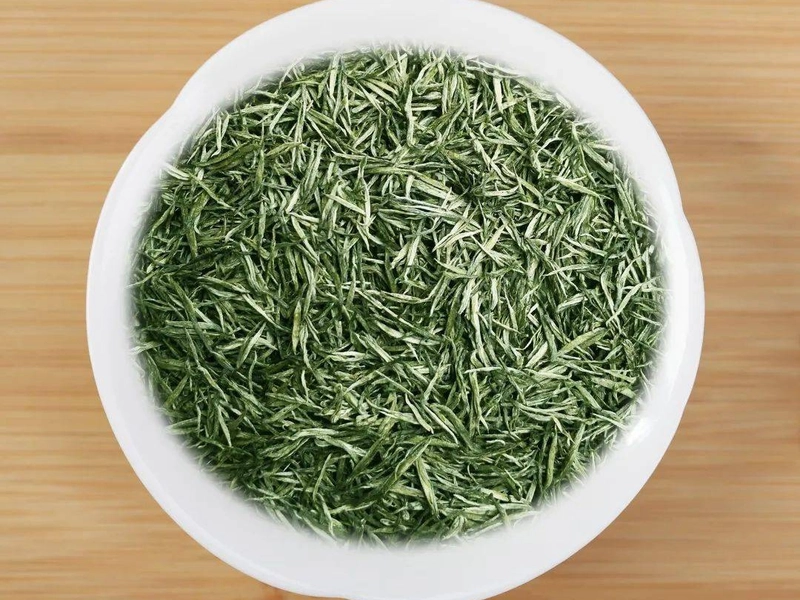
Produced in the hilly terrain of Wuyuan, where fertile soil and ample rainfall create ideal growing conditions, Wuyuan Green Tea is harvested as one bud and one leaf. Traditional hand-frying and meticulous rolling preserve the tender green leaves. The brewed tea exudes a delicate, lasting fragrance, a sweet and mellow flavor, and a bright, tender green liquor. Beyond its exquisite taste, Wuyuan Green Tea carries a deep cultural legacy, historically enjoyed by scholars who paired tea with poetry and wine, reflecting Jiangxi's harmonious blend of nature and culture.
- Jinggang Cuilv
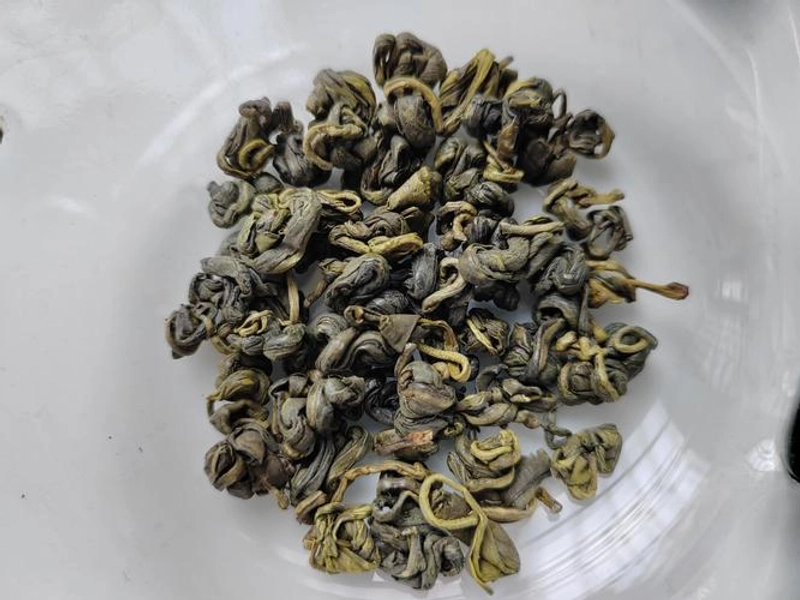
Originating from Jinggangshan and its surrounding mountains, Jinggang Cuilv grows in cloud-covered, forested highlands. Spring buds are carefully picked and processed with traditional pan-frying, rolling, and roasting. The leaves are uniform, glossy green, and the brewed tea emits a light, elegant fragrance, yellow-green clear liquor, and a fresh, sweet, and enduring taste. Jinggang Cuilv embodies both a premium tea experience and the revolutionary spirit of Jinggangshan, allowing one to savor both mountain freshness and historical memory in every sip.
- Fuliang Black Tea
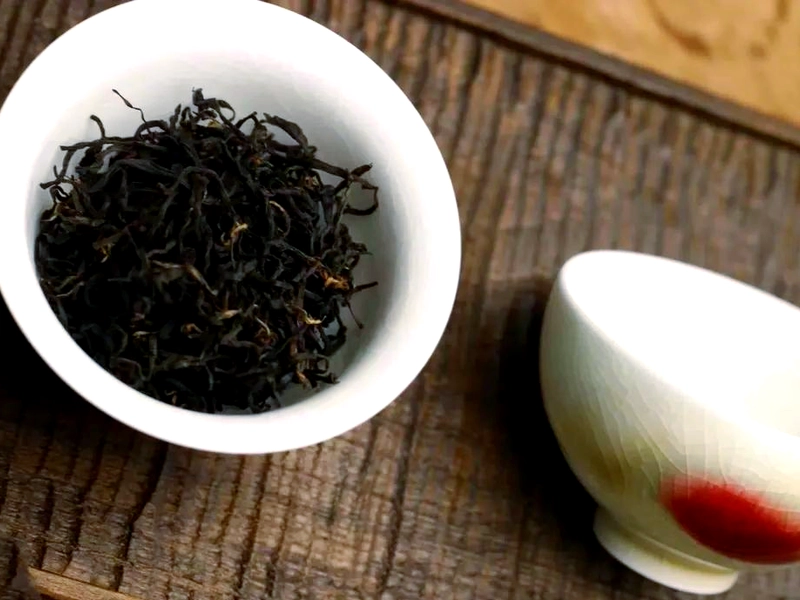
Hailing from Fuliang County in Jingdezhen, this traditional black tea grows on fertile, sunlit hillsides. Harvested as one bud and two leaves, it undergoes withering, rolling, fermentation, and roasting. The fine, dark glossy leaves produce a bright reddish brew with a rich, lasting aroma and smooth, sweet flavor. Fuliang Black Tea represents China's classic black teas and complements Jingdezhen's porcelain heritage, creating a perfect pairing of tea and art.
Local Treasures: Gifts and Delicacies
- Jingdezhen Porcelain
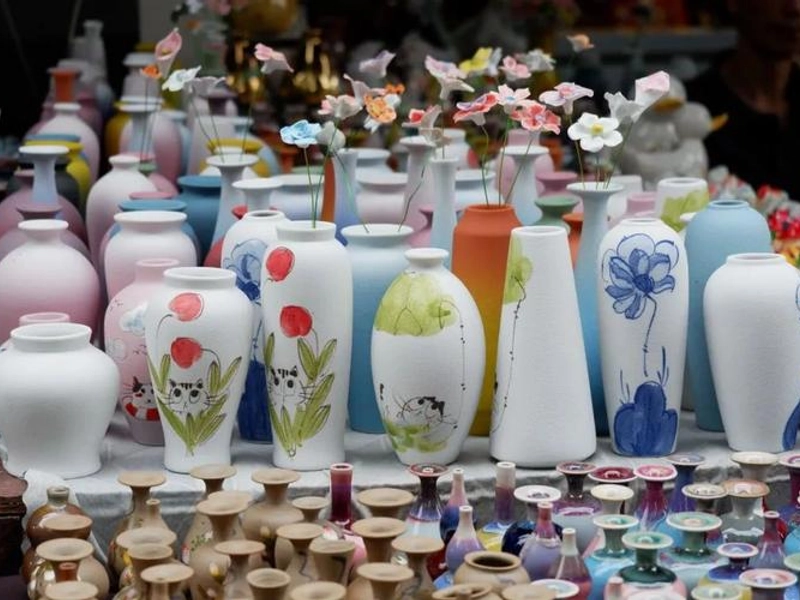
Celebrated worldwide as the "Porcelain Capital," Jingdezhen has over a thousand years of ceramic history. Crafted from high-quality kaolin clay through kneading, throwing, glazing, painting, and high-temperature firing, the porcelain is famed for being "white as jade, bright as a mirror, thin as paper, and resonant as a chime." Styles like blue-and-white, famille rose, and translucent porcelain reflect exquisite craftsmanship and deep cultural heritage, making them ideal gifts and collectibles.
- Nanfeng Honey Oranges
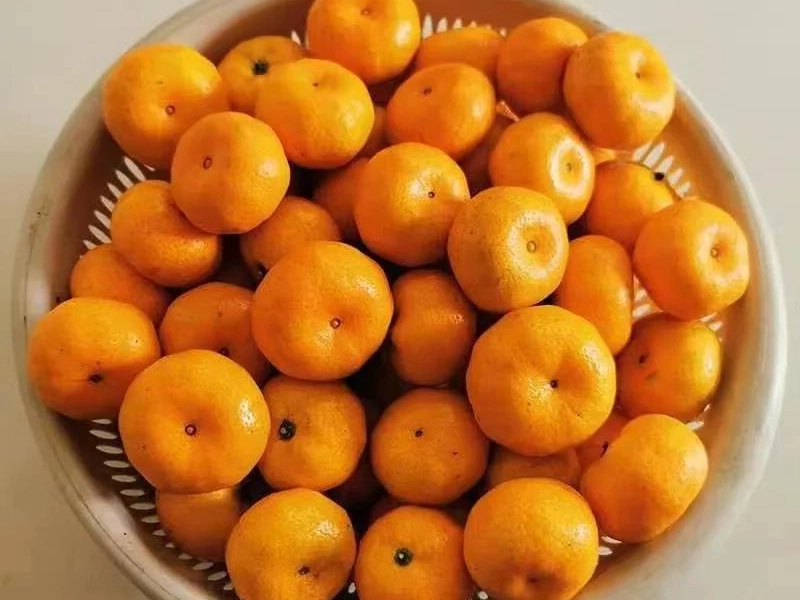
Grown in the warm, fertile hills of Nanfeng, these oranges are thin-skinned, juicy, and sweet. Every autumn, orchards glow golden and fragrant. Beyond their delicious taste, Nanfeng Honey Oranges are culturally significant, often celebrated in poetry, making them a perfect gift that embodies Jiangxi's abundance and natural bounty.
- Gannan Navel Oranges
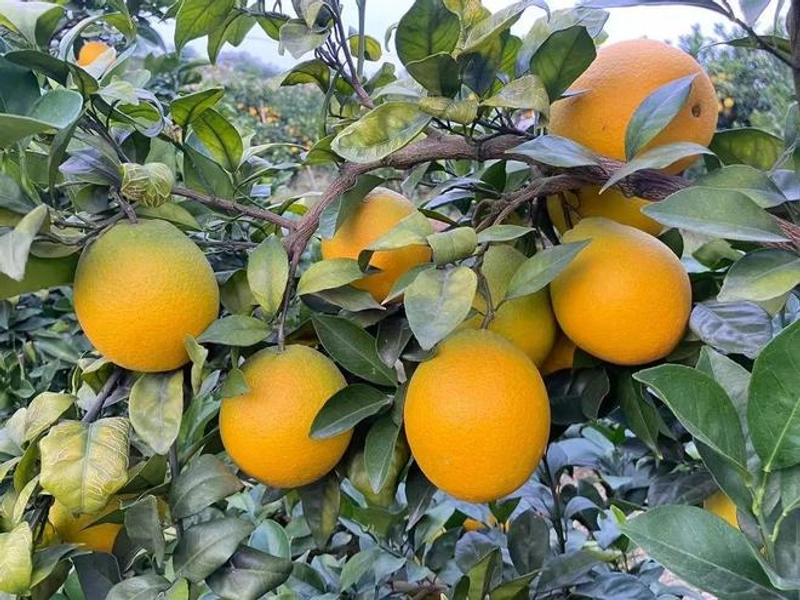
Cultivated in the sunny hills of southern Jiangxi, Gannan navel oranges feature large, vibrant, sweet, and juicy fruits with a thin peel. Renowned locally and for export, they symbolize harvest, prosperity, and warmth. Eaten fresh, juiced, or presented as festive gifts, they represent the sweet essence of Jiangxi.
- Lidu Writing Brushes
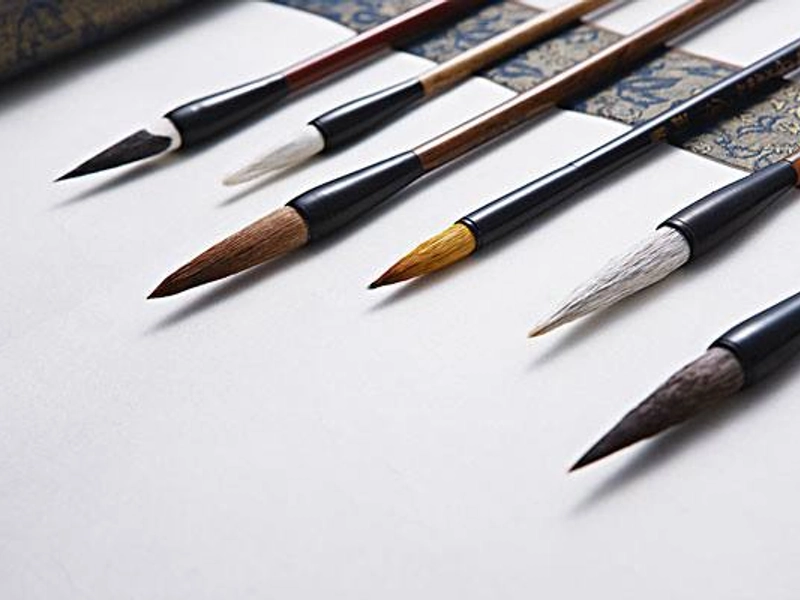
Produced in Lidu Town, Yichun, with a history dating back to the Ming and Qing dynasties, these brushes are made from premium rabbit, goat, or purple hair. Through cleaning, shaping, drying, and meticulous finishing, each brush offers smooth ink flow, balanced elasticity, and precise strokes. Lidu brushes are essential tools for calligraphy and painting, cherished by artists and collectors, and embody Jiangxi's rich literary heritage and artisanal spirit.
The Soul of Jiangxi: Timeless and Enduring
Jiangxi, in the heart of the Yangtze River Middle Reaches, weaves together mountains and rivers, cultural lineage, revolutionary spirit, and masterful craftsmanship into a singular regional charm. Lushan's mist, Sanqing Mountain's peaks, and Longhu's scenic landscapes are poetic and picturesque. Jingdezhen porcelain, Gan opera, and Hakka folk songs preserve centuries of artisanal skill and cultural wisdom. Revolutionary landmarks from Jinggangshan and Nanchang echo historical resolve and civic dedication. Culinary delights—from stir-fried Artemisia with cured meat to Southern Jiangxi stir-fried fish and Lushan Yunwu Tea—offer both gustatory pleasure and cultural resonance. Every town, landscape, dish, and handcrafted object tells a story of harmony between nature and humanity, tradition and innovation. Visiting Jiangxi is a journey through both scenic splendor and cultural depth, a feast for the senses and the soul, where past and present, spirit and culture, converge in enduring vitality.
| Chinese | Pinyin | English |
|---|---|---|
| 江西 | Jiāngxī | Jiangxi (province) |
| 庐山 | Lúshān | Lushan Mountain |
| 鄱阳湖 | Póyáng Hú | Poyang Lake |
| 景德镇 | Jǐngdézhèn | Jingdezhen |
| 陶瓷 | táocí | Porcelain / Ceramics |
| 赣剧 | Gànjù | Gan Opera |
| 民歌 | míngē | folk songs |
| 渔歌 | yúgē | fisherfolk songs |
| 绿茶 | lǜchá | green tea |
| 红茶 | hóngchá | black tea |
| 饮食 | yǐnshí | food / diet |
| 文化 | wénhuà | culture |
| 手工艺 | shǒugōngyì | handicraft |
| 游览 | yóulǎn | sightseeing |
| 景点 | jǐngdiǎn | scenic spot |
| 传统 | chuántǒng | tradition |
| 历史 | lìshǐ | history |
| 美食 | měishí | cuisine / delicacy |
FAQ – Jiangxi Highlights and Culture
Q1: What is Jiangxi famous for?
A1: Jiangxi is renowned for its rich history, revolutionary heritage, natural landscapes, and cultural traditions. Key highlights include Lushan Mountain, Poyang Lake, Jingdezhen porcelain, Gan Opera, and revolutionary sites like Ruijin and Jinggangshan.
Q2: Which cities in Jiangxi are worth visiting?
A2: Major cities with unique charms include Nanchang (historical and revolutionary sites), Jingdezhen (porcelain capital), Jiujiang (Lushan Mountain and lake views), Ganzhou (Hakka culture and commerce), and Wuyuan (scenic villages and rural landscapes). Each city offers a mix of history, culture, and natural beauty.
Q3: What are the must-try foods in Jiangxi?
A3: Jiangxi cuisine features fresh, spicy, and aromatic flavors. Signature dishes include Nanchang rice noodles, Poyang Lake freshwater fish, Gan-style stir-fried fish, Ruijin chili stir-fry pork, Lushan cloud mist tea, and Wuyuan local steamed fish. Each dish reflects regional ingredients and culinary traditions.
Q4: What types of tea are produced in Jiangxi?
A4: Jiangxi is known for its high-quality teas, including Lushan Cloud Mist Tea, Wuyuan Green Tea, Jinggangshan Jing Green Tea, and Fuliang Red Tea. These teas are prized for their aroma, taste, and connection to local geography and cultural heritage.
Q5: What traditional crafts can visitors explore in Jiangxi?
A5: Jiangxi has rich handicraft traditions, including Jingdezhen porcelain, Wuyuan bamboo weaving, Ganzhou wood carving, Fuzhou lacquerware, and Yichun copper sculptures. Each craft combines artistic expression with local cultural identity, making them perfect souvenirs or cultural experiences.
Q6: Which historical and cultural sites should tourists visit?
A6: Key sites include Lushan Mountain (UNESCO World Heritage), Jinggangshan Revolutionary Base, Ruijin (Red Capital), Sanqing Mountain (Daoist culture), and the ancient villages of Wuyuan. These places offer a mix of natural beauty, cultural depth, and revolutionary history.
Q7: What is unique about Jiangxi's folk art and performance culture?
A7: Jiangxi features Gan Opera, Lushan folk songs, Poyang Lake fisherfolk songs, Hakka storytelling, and revolutionary art from Jinggangshan. These art forms preserve oral traditions, local dialects, and historical memory, reflecting the region's rich cultural heritage and creativity.