
2026 Guide to Taking High-Speed Rail in China for Foreigners
Introduction — Breaking Fears and Redefining "China Speed"
1.1 Saying Goodbye to Old Impressions: From "Chaos" to "Futuristic"
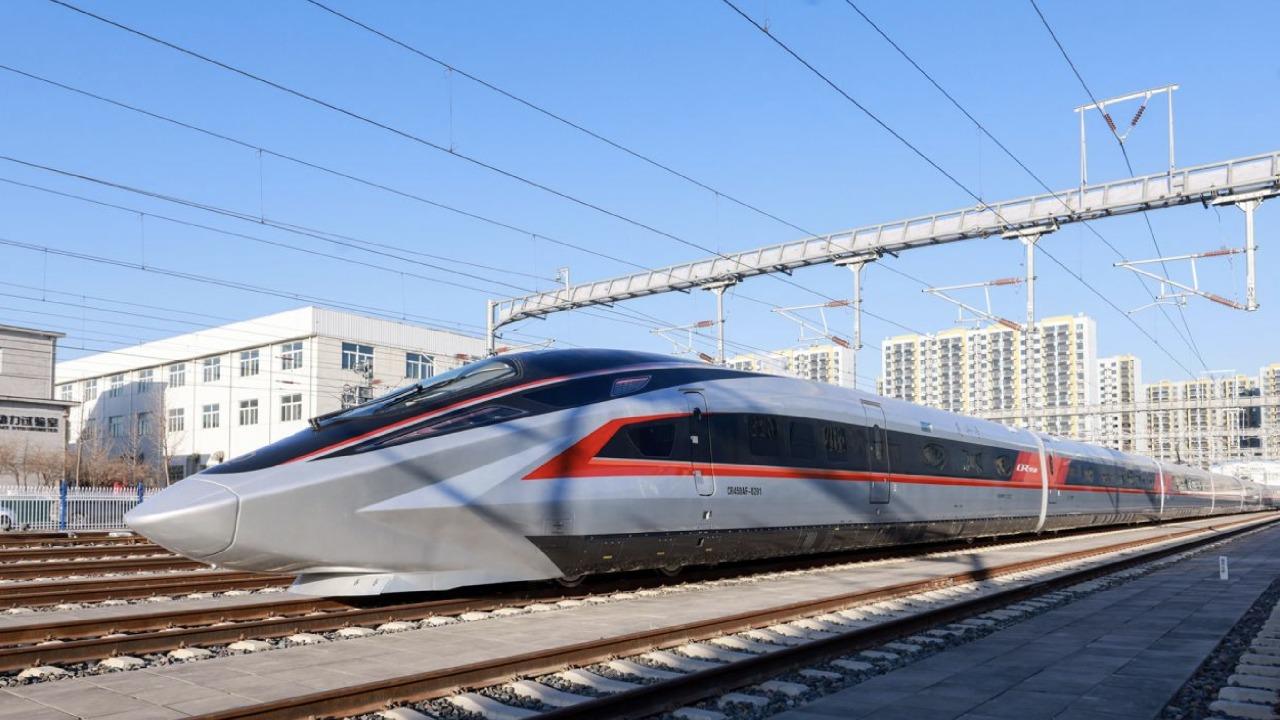
For many foreign travelers who have never set foot in China, the thought of "taking a train in China" is often accompanied by an instinctive anxiety. This anxiety stems from stereotypes decades old: overcrowded carriages, incomprehensible dialect broadcasts, chaotic platforms, and timetables that seem never to be on time. In the outdated narratives of many Western media outlets, China's transportation system has been depicted as a vast and daunting maze, navigable only by locals fluent in Chinese. However, if you arrive in China in 2026 with these obsolete imaginations, you will experience a massive cognitive shock. Today, China's High-Speed Rail (HSR) is not just a mode of transport; it has evolved into a symbol of national modernization—an efficient, comfortable, and highly futuristic way of traveling that surpasses air travel in many dimensions. For anyone planning travel in China, mastering the HSR China network is the key to unlocking the country.
1.2 Punctuality: More Reliable Than a Swiss Watch
First, let's talk about "punctuality," a headache for travelers worldwide. In Europe or North America, train delays of half an hour or even cancellations are commonplace, leaving passengers waiting helplessly in the cold for the next uncertain train. But in China's high-speed rail system, "on time" is not just a goal; it is an almost religious standard of execution. China's high-speed rail maintains a punctuality rate of over 98% year-round, with an extremely strict definition: any error exceeding 3 minutes is considered a delay. When you stand on the platform watching the giant electronic display count down second by second, and the train glides into the station with the precision of a Swiss clock, opening its doors at the exact moment, this reliability brings immense peace of mind. For business travelers or backpackers who need to plan their itineraries strictly, this means you can schedule your meetings, transfers, or dinners down to the minute, without worrying about uncontrollable traffic disrupting your entire plan. This reliability is a cornerstone of the China train travel experience.
1.3 Time-Space Compression: Seamless Connection from City Center to City Center
Secondly, high-speed rail in China has completely transformed the sense of time and distance between cities. China is vast; from the icy world of the north to the tropical rainforests of the south, straight-line distances often exceed a thousand kilometers. In the past, this meant long overnight trains or expensive flights. Now, China's bullet trains have made the ancient poetic dream of "traveling a thousand li in a single day" a reality. Take the Beijing to Shanghai high-speed train route, for example. This golden line connecting China's political and economic centers spans over 1,300 kilometers, yet the high-speed train covers it in just 4 hours. This is not just a victory of speed, but an upgrade in experience. Airports are usually located on the city outskirts, and with cumbersome security checks, boarding, taxiing, and long ground transfers upon arrival, the actual door-to-door time for a short flight often exceeds 6 hours. In contrast, while China train stations are grand, they are mostly located in urban areas or core transport hubs. The entry process is extremely efficient, truly achieving a seamless "city center to city center" connection. Sitting in a spacious seat, watching the scenery fly by—switching instantly from the wheat fields of the North China Plain to the gentle water towns of Jiangnan—offers a visual feast that an airplane window at 10,000 meters can never provide. This makes sightseeing by train in China a unique attraction in itself.
1.4 International Upgrades: Welcoming Global Explorers
More importantly, by 2026, China's high-speed rail has completed a comprehensive international upgrade aimed at eliminating language and cultural barriers. Signage systems in stations use clear bilingual (Chinese-English) or even multi-language labels; ticketing systems fully support passport recognition; and onboard services are more human-centric. This is no longer a closed system belonging only to Chinese people but an open platform welcoming global explorers. Riding the high-speed train in China gives you the opportunity to observe real Chinese society up close: you might see a girl in traditional Hanfu touching up her makeup, a business person typing code on a laptop, or a family happily sharing snacks. It is an immersive cultural experience that lets you feel the pulse of the country while on the move. For foreigners traveling in China, the HSR network is now more accessible than ever before.
So, forget those old stories about chaos and crowding. China's high-speed rail in 2026 is a perfect symphony of efficiency, comfort, and technology. It is not just an iron dragon connecting cities; it is your best partner for exploring this ancient yet modern nation. In the following chapters, we will teach you step-by-step how to master this iron artery like a seasoned traveler and start your worry-free journey.
Ticketing in Action — Buying China Train Tickets with a Passport
2.1 The Preferred Option: The Barrier-Free Experience of Trip.com
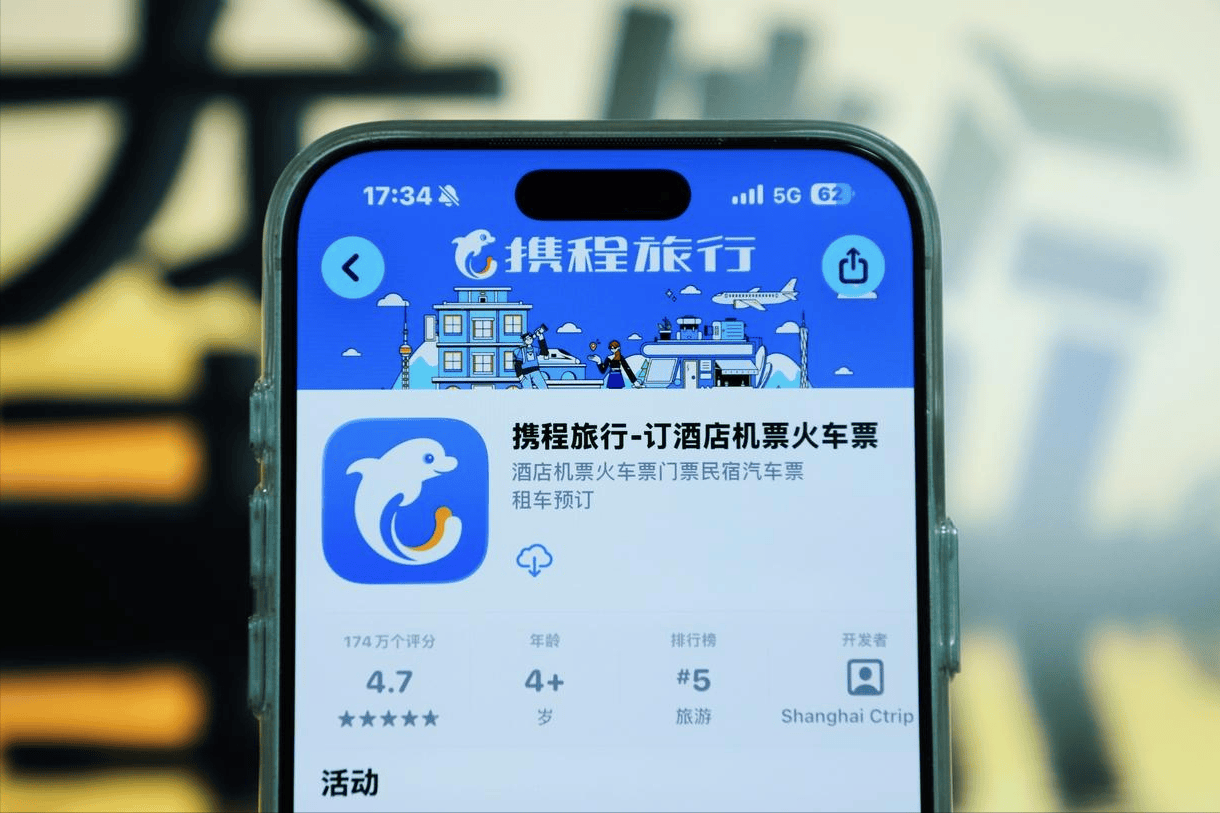
For foreign tourists, the first major hurdle in traveling in China is often not language, but the threshold of digital life. Especially regarding ticket purchasing, many worry: "What if I don't have a Chinese ID?" "Can I register without a Chinese phone number?" "Do I have to queue at the station?" Rest assured, by 2026, these concerns are history. China's railway system has built an ecosystem extremely friendly to foreigners. As long as you master the right tools and processes, you can easily buy tickets for a cross-country trip from your hotel bed using just your phone. First, let us introduce two core ticketing channels: Trip.com and the official Railway 12306 App. For the vast majority of foreign visitors new to China, Trip.com is the most recommended first choice for booking China train tickets. As a global travel service platform, Trip.com offers a perfect full English interface (and dozens of other languages), with an operational logic that fits international user habits. Most importantly, it supports direct payment with almost all international credit cards (Visa, MasterCard, Amex, etc.), without needing you to bind Chinese Alipay or WeChat Pay. On Trip.com, simply enter your departure, destination, and date, and the system will automatically display all available trains. After selecting your preferred train, when adding passenger information, select "Passport" as the ID type, and enter your passport number, name (must match your passport exactly, paying attention to capitalization and spaces), nationality, and expiration date. The system will automatically verify the validity of your passport information. Once purchased, the e-ticket for China rail is directly bound to your passport, and you will receive a detailed confirmation email in English containing key information such as train number, seat number, and gate. The whole process is smooth and silky, requiring no Chinese phone number; you can even register with an email address. This is arguably the easiest way for foreigners to buy train tickets in China.
2.2 The Advanced Choice: The English Version of the Official 12306 App
If you wish to experience more authentic Chinese services or want to access the most real-time ticket availability (especially during extreme peak periods like Chunyun or Golden Week), then the English version of the official Railway 12306 App is your best bet. In recent years, 12306 for foreigners has undergone drastic international reforms. After downloading the app, you can switch to "English" mode on the login page. Registration also supports real-name authentication using a passport. Although 12306 primarily relies on Alipay and WeChat for payment, both platforms have now strengthened their support for international bank cards. You can bind your overseas credit card in Alipay or WeChat Pay, and then select these payment methods within the 12306 app to complete the transaction. Although the steps are slightly more involved than Trip.com, 12306, as the official source, offers the most transparent refund and change rules and has the highest priority in extreme ticketing situations. Using the 12306 app directly connects you to the primary database of China Railway.
2.3 Core Concept: E-Tickets and "Scanning Passport" for Entry
There is a crucial concept all foreign tourists must remember: China's high-speed rail has fully implemented an E-ticket system. This means you do not need to pick up a paper ticket at the station! This is vastly different from many other countries. Your passport is your ticket. Once you purchase successfully, your passport information is entered into the railway system. Upon entry, simply hold your passport, place it lightly on the sensor area of the gate, and the barrier will open automatically, with facial recognition assisting in verifying your identity. This passport scanning entry not only saves valuable queuing time but also eliminates the risk of losing a paper ticket.
IMPORTANT WARNING: Regarding "Reimbursement Vouchers"
At the self-service machines in the station, you may see an option to "Print Reimbursement Voucher." Unless your company explicitly requires this piece of paper for financial reimbursement, DO NOT print it!
- Reason: This paper is NOT your ticket; it is solely for reimbursement purposes.
- Consequence: Once you print this voucher, your e-ticket status changes to "Ticket Collected." This will prevent you from processing refunds or changes directly via the mobile app. If your plans change, you must personally go to the manual ticket window at the station to handle it, which is very troublesome for international travelers in China.
- Limitation: Each ticket can only be printed once per person; if lost, it cannot be reissued.
Advice: For maximum flexibility, use your electronic passport for entry throughout the journey and do not print any paper vouchers.
2.4 Seat Selection Tips and Flexible Refund/Change Policies
Regarding booking timing, it is advisable to book China high-speed train tickets at least 3-5 days in advance, especially for popular tourist routes (e.g., Beijing-Xi'an, Shanghai-Hangzhou) or during holidays. The advance sales period for China's high-speed rail is typically 15 days; the earlier you book, the greater your chance of getting a window seat or adjacent seats. When selecting seats, the system usually offers five options: A, B, C, D, and F. Among these, A and F are window seats, C and D are aisle seats, and B is the middle seat in a three-seat row. If you want to enjoy the scenery along the way, remember to lock in seat A or F. Finally, regarding refund and change policies, China's railway refund policy is relatively flexible and transparent. Before the train departs, you can apply for a refund or change at any time on the app. Refund fees are charged on a tiered basis depending on the time remaining before departure: typically, no fee for refunds made more than 8 days in advance; 5% for 48+ hours; 10% for 24-48 hours; and 20% for within 24 hours. Changes allow you to freely change the train or date once, subject to ticket availability. All these operations can be completed on your phone in minutes, with refunds returned to your original payment account. In short, buying tickets is no longer a problem; with just a phone, a passport, and an international credit card, you can plan your trip to China without obstruction.
Station Navigation — Moving Calmly Through Giant China Train Stations
3.1 Time Management and Strict Security Procedures
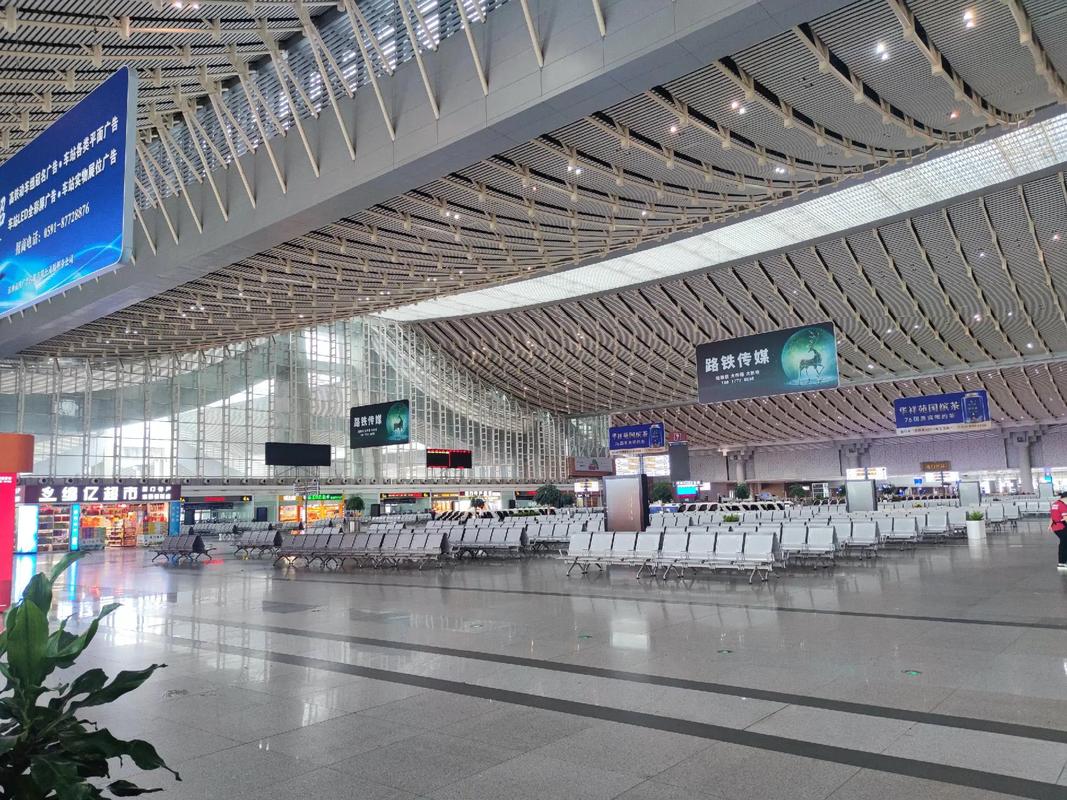
When you first step into a Chinese high-speed station, such as Beijing Fengtai Station, Shanghai Hongqiao Station, or Guangzhou South, the shock is indescribable. These buildings are often astonishingly large, like independent aviation cities, with domes dozens of meters high, vast halls, and flowing crowds, which might make first-time foreign visitors feel small and confused. "Will I get lost in such a big place?" "What if I can't find the gate?" "Will security be troublesome?" Don't worry; the design logic of Chinese high-speed stations is very clear. By following a few key steps, you can navigate them as comfortably as your own living room. First is time management. Although high-speed rail is known for efficiency, we still recommend arriving 45 minutes to 1 hour before departure. This is not because the process is cumbersome, but because security standards at Chinese high-speed stations are extremely high, comparable to or even stricter than airports. Unlike foreign train stations where you can often walk directly onto the platform, entering the waiting hall of a Chinese high-speed station requires strict security screening. Please allow time for queuing through security, especially during morning/evening peaks or holidays. During screening, you must place all carry-on luggage into the X-ray machine and pass through a metal detector yourself.
Luggage Allowance Tips for China High-Speed Rail
China's high-speed rail luggage rules are specific, and while enforcement is relatively lenient in daily practice, knowing the regulations can avoid embarrassment:
- Weight Limit: Adult passengers may carry items free of charge up to 20 kg (approx. 44 lbs); children up to 10 kg.
- Size Limit: The sum of length, width, and height for each item must not exceed 160 cm (approx. 63 inches). Rod-shaped items must not exceed 200 cm.
- Reality Check: Usually, 2-3 large suitcases plus a backpack pass through without issue. However, if you carry oversized hiking packs, excessive boxes, or obviously overweight cargo, staff may require you to check them in or pay extra. Traveling light is recommended to enjoy the convenience of China train travel.
Note that China has clear regulations on prohibited items: flammable/explosive materials, controlled knives (including certain multi-tool Swiss Army knives), and spray cosmetics over 100ml (such as hairspray or sunscreen spray) are generally prohibited. If you are unsure about an item, check regulations beforehand or be prepared to surrender it. However, ordinary food, beverages (you may need to take a sip to prove safety), laptops, and cameras can pass smoothly.
3.2 Finding the Gate: Reading LED Screens and Color-Coded Landmarks
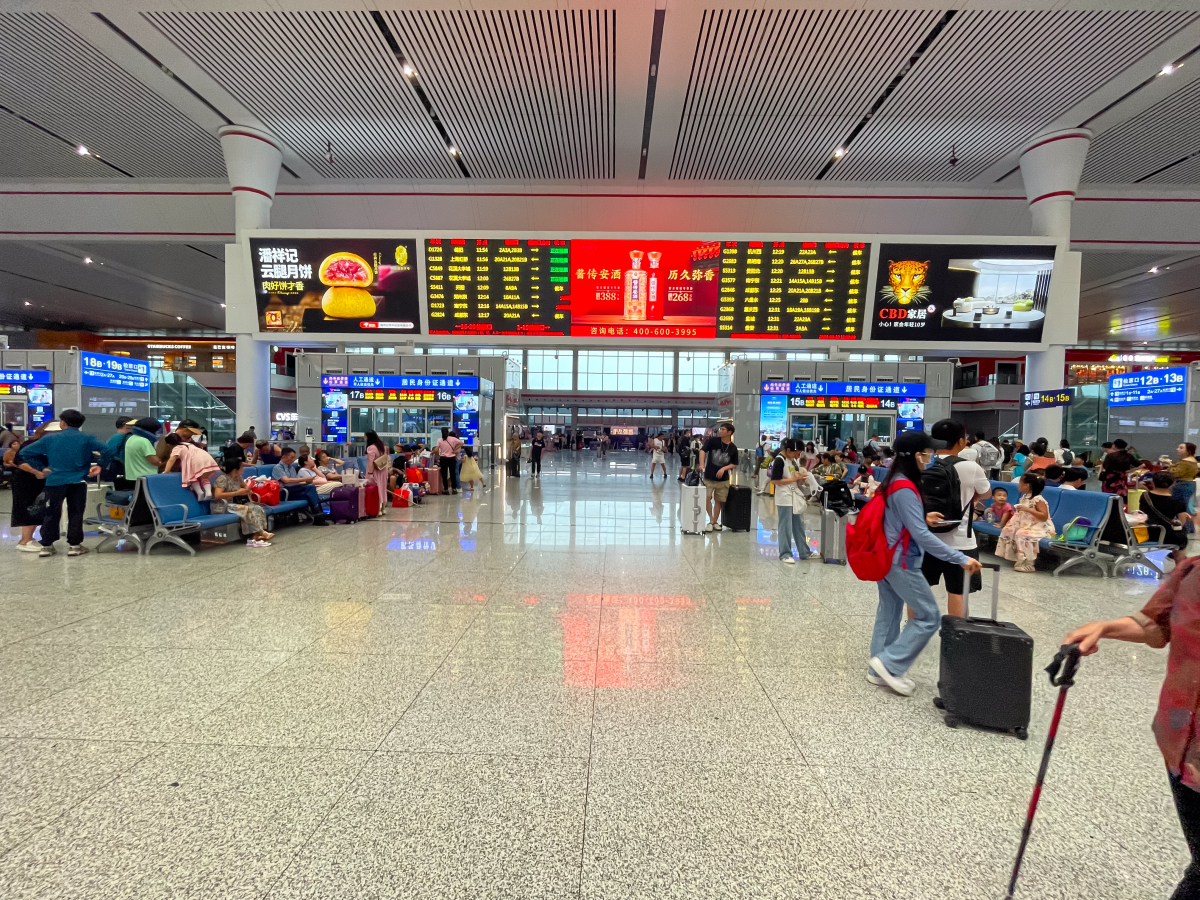
After passing security, you enter the magnificent waiting hall. Immediately look up for the giant LED electronic display. This is your navigation beacon. The screen scrolls with information for all upcoming trains, including the train number (e.g., G123), destination, departure time, status (Boarding/Stopped Boarding), and most importantly—the Check-in Gate Number. Find your train and note the corresponding gate number (e.g., "15A" or "15B"). Large Chinese high-speed stations often split the gate for the same train into A and B sides; both lead to different positions on the same platform, so it doesn't matter which side you enter. Next, locate the gate. Both the floor and ceiling of the station feature a very clear color-coded guidance system. Different areas are marked with different colors; simply follow the lines on the floor matching your gate's color or look up at the hanging colored signs to find your destination easily. Along the way, uniformed staff and volunteers are available; most can speak simple English (e.g., "Go straight," "Gate 15 is over there"). If you are truly lost, show them your electronic order, and they will be happy to guide you. Navigating major railway hubs in China is designed to be intuitive.
3.3 Scanning for Entry and Platform Waiting Guide
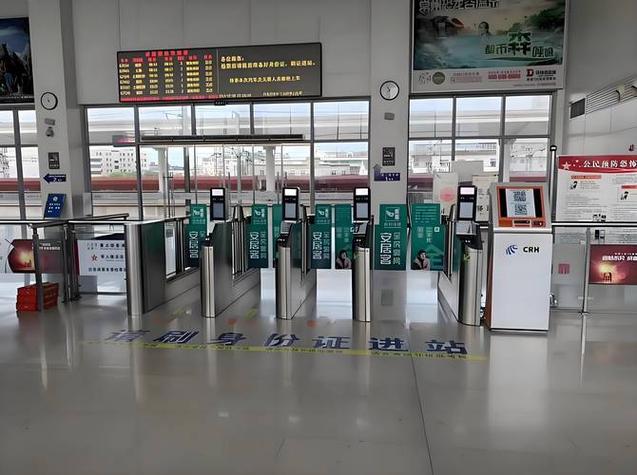
Upon reaching the gate, you will see rows of automatic barriers. Take out your passport. Place the photo page face down flat on the scanning area of the gate (usually clearly marked) and look at the facial recognition camera in front. The system will compare your passport information with the ticket data within seconds; once verified, the gate opens, and you can proceed. If using the manual lane (usually beside the gates for special assistance), staff will also scan your passport to let you through. After passing the gate, you arrive at the platform. Double-check the train information on the platform screen, then look for ground landmarks based on your Car Number. The platform has colored landmark stickers indicating carriage positions for trains of different lengths. For example, blue landmarks might represent 16-car long trains, while yellow represents 8-car short trains. Your booking order will state your car number; queue according to the corresponding colored landmark. When the train arrives and stops, the doors open automatically. Simply verify that the electronic display above the door shows your train number, then board. The whole process is interlinked and clearly marked; as long as you stay calm and follow the signs, you absolutely will not get lost. Remember, although Chinese high-speed stations are huge, they are highly ordered systems where every design detail serves your smooth travel.
Emergency Help: Quick Survival Phrases for Travelers in China
Although high-speed stations in 2026 are highly internationalized, in case you encounter staff who only speak Chinese or face an emergency, the following phrases will be of great help. You can simply show the Chinese text to the staff or try reading the Pinyin. Having these Chinese survival phrases handy is part of a smart China travel kit.
| Scenario | Chinese (Show this) | Pinyin (Pronunciation) | English Meaning |
|---|---|---|---|
| Asking for Help | 请帮帮我 | Qǐng bāng bang wǒ | Please help me. |
| Finding Train | 我的车在哪里? | Wǒ de chē zài nǎ lǐ? | Where is my train? |
| Finding Restroom | 洗手间在哪? | Xǐ shǒu jiān zài nǎ? | Where is the restroom? |
| Missed Stop | 我坐过站了 | Wǒ zuò guò zhàn le | I missed my stop. |
| Language Barrier | 我不会说中文 | Wǒ bù huì shuō Zhōng wén | I don't speak Chinese. |
| Finding Exit | 出口在哪里? | Chū kǒu zài nǎ lǐ? | Where is the exit? |
(Tip: You can screenshot this table or bookmark this page on your phone for emergencies.)
Onboard Experience — Not Just "Taking a Train," But Enjoying Tech Life on China's Bullet Trains
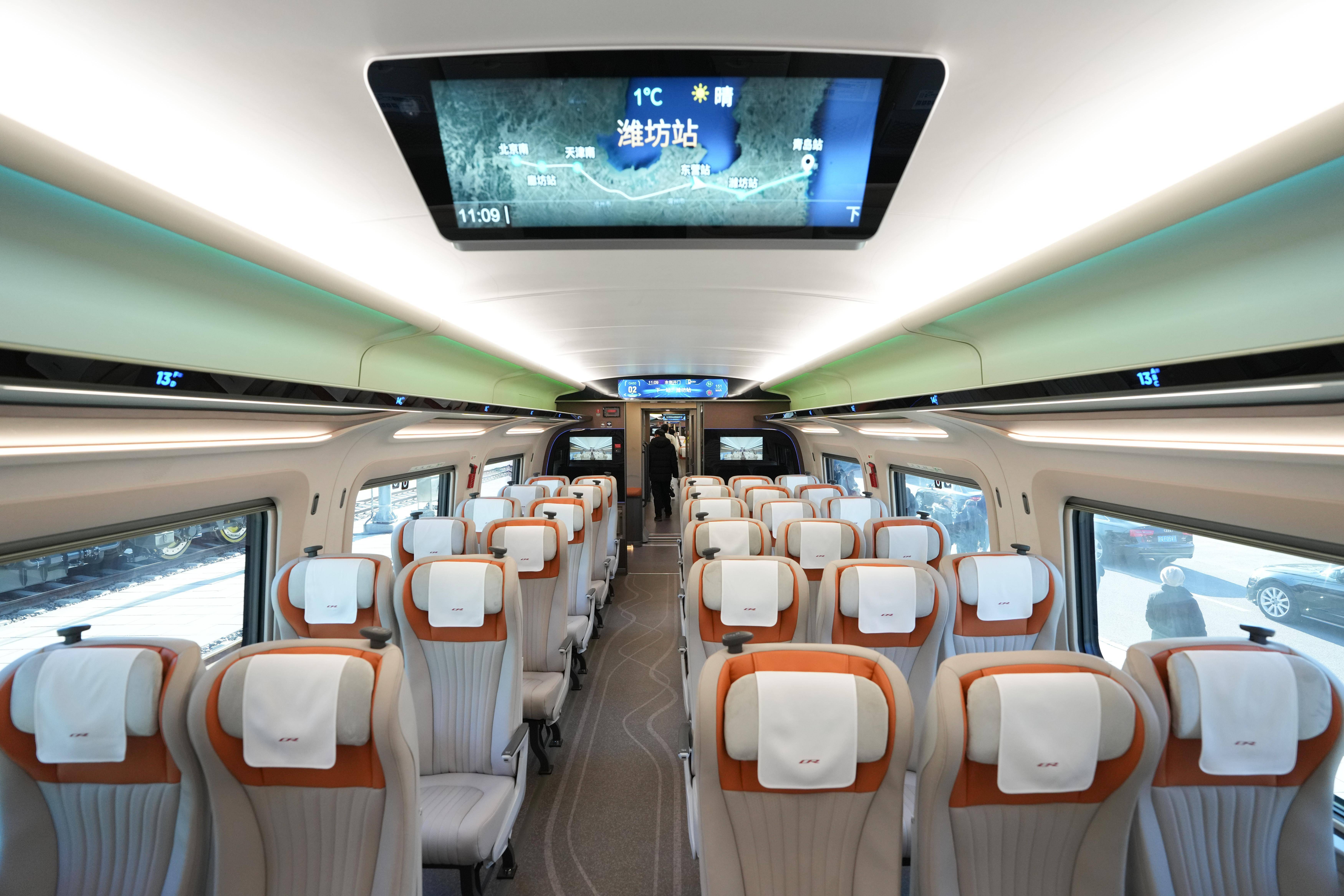
4.1 Seat Classes: From Comfortable Second Class to Luxurious Business Class
When you finally settle into your seat on a Chinese high-speed train, the real surprise begins. For foreign tourists accustomed to old trains in Europe/America or noisy buses, the carriage environment often creates an illusion of "traveling to the future." This is not just a displacement; it is a comprehensive experience of comfort, convenience, and technology. First is seat comfort. Even the lowest grade, Second Class on China trains, offers space far exceeding economy train seats in most countries. The seats feature ergonomic designs, adjustable backrest angles, and ample legroom, allowing even a 1.9-meter-tall person to stretch out. The fabric is soft and breathable, and the headrests have foldable side wings for napping. If you seek higher quality, First Class provides wider seats and greater pitch, usually in a 2+2 layout for better privacy. Business Class on China high-speed rail is the epitome of luxury; seats can recline fully into a bed, equipped with independent reading lights, slippers, blankets, and even exclusive snack and beverage service. It allows you to enjoy treatment comparable to airline first class for a fraction of the price—often half or less of an airfare. Comparing China train seat classes helps you choose the right comfort level for your budget.
4.2 Exclusive Black Tech: Scan-to-Order Food Delivered to Your Seat
Next is the "black tech" service that amazes foreigners: Scan-to-Order Food on China High-Speed Rail. On Chinese high-speed trains, you no longer have to endure unappetizing box lunches or travel on an empty stomach. A QR code is attached to the armrest or small table of every seat. Simply scan it with WeChat or Alipay to enter a dedicated ordering interface. Here, you'll find not only railway-operated nutritious meals but also access to food delivery services from stations along the route! You can order KFC, McDonald's, Starbucks, or even local specialties (e.g., Sweet and Squirrel Fish in Suzhou, Stinky Tofu in Changsha). After ordering, the food will be delivered directly to your seat by staff when the train stops at that station, piping hot and fresh. This food delivery service on trains is unique globally, greatly enriching the culinary experience of the journey and making long-distance rail travel in China deliciously convenient.
4.3 Always Online: Power Supply and 5G Network Coverage
Power and Internet are also highlights of the high-speed rail experience. In an era where everyone relies on electronic devices, China's high-speed rail ensures you stay "online" throughout the journey. Under each seat or in the seat-back pocket, there are universal power sockets (supporting both two-pin and three-pin plugs) and USB charging ports. Whether charging a laptop for work or powering up phones and cameras, it's effortless. As for network signals, 5G coverage on China's high-speed rail is comprehensive along the entire network. Even when the train travels through tunnels or mountainous areas at 350 km/h, your video calls, online games, and HD streaming remain smooth. You can hold video conferences, binge-watch shows, or livestream the scenery without worrying about losing connection. This connectivity makes the train a viable office for digital nomads working while traveling in China.
4.4 Clean Environment and Quiet Carriage Culture
The hygiene inside China train carriages is equally commendable. China's high-speed rail has a strict cleaning regimen; attendants regularly clear trash, keeping floors and tables tidy. The restrooms overturn many people's expectations: they maintain extremely high cleanliness, equipped with toilet seat covers, hand soap, hand dryers, and even baby care tables. Some new "Fuxing" trains also feature accessible restrooms and nursing rooms, reflecting great humanistic care. Furthermore, the quiet environment on Chinese trains is impressive. Thanks to advanced soundproofing technology and track design, even at full speed, the carriage is quiet enough to hear pages turning. Most Chinese passengers have developed the habit of speaking softly in public; few talk loudly or play videos without headphones (if violated, attendants intervene promptly). This quiet atmosphere is perfect for reading, working, or resting. Finally, don't forget to enjoy the view through the window. The windows are huge and clean, offering a superb viewing deck. As the train speeds along, the scenery outside switches like a film reel: from the vast snowy plains of the north to the misty drizzle of Jiangnan, from the towering mountains of the west to the bustling cities of the east. This experience of feeling the earth's pulse up close on the ground is something an airplane at 10,000 meters cannot provide. Sitting on the high-speed train, you are not just rushing; you are reading a three-dimensional geography magazine of China. Sightseeing from the train is an attraction in itself.
Route Recommendations — Three "Golden Routes" Perfect for Foreigners
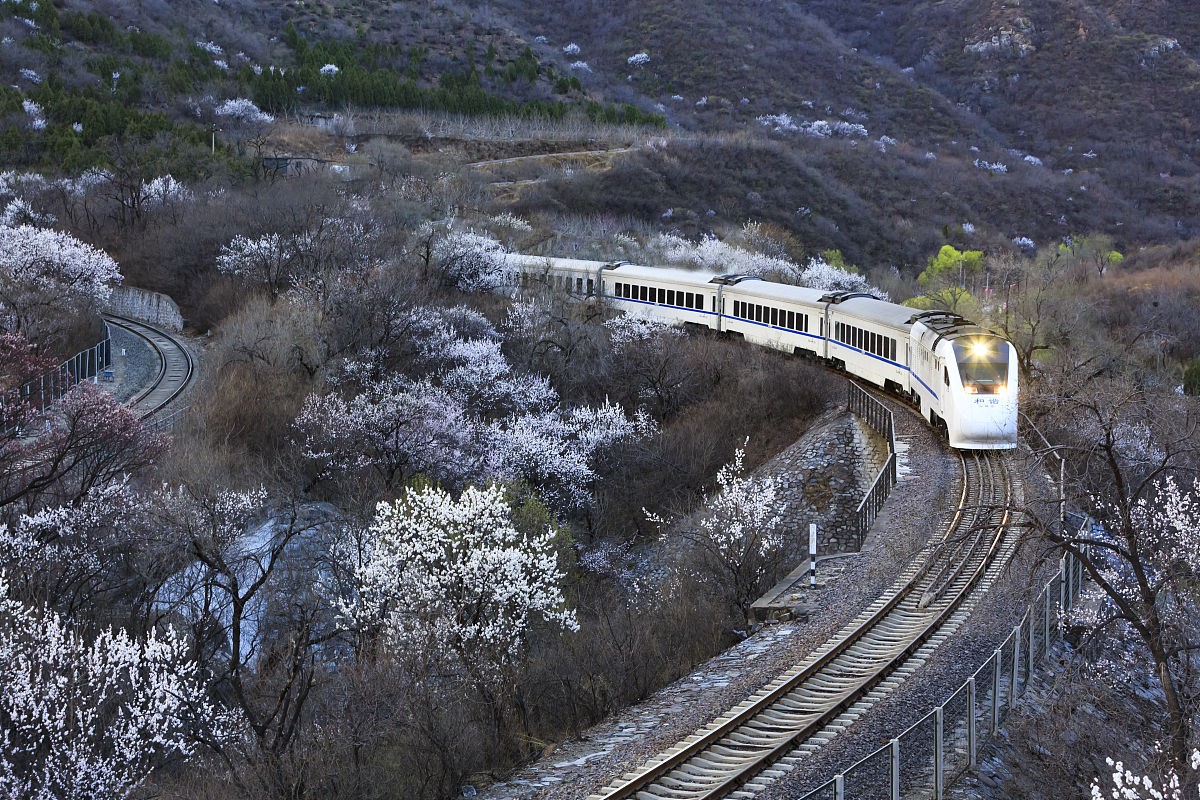
5.1 The Classic Speed Run: Beijing to Shanghai High-Speed Train
- Why Recommend: This is China's busiest and most mature high-speed line, the best sample to experience "China Speed." Connecting the political center (Beijing) and economic center (Shanghai), it spans over 1,300 km and takes as little as 4 hours and 18 minutes. It is the most popular high-speed rail route in China for first-time visitors.
- Highlights:
- Beijing: Before departure, feel the imperial majesty of the Forbidden City and touch the historical bricks of the Great Wall.
- En Route: Leaving Beijing, the train crosses the North China Plain, where you'll see vast wheat fields and neat villages. Then, crossing the Yangtze River, it enters the water towns of Jiangnan, with crisscrossing rivers and white-walled, black-tiled houses dotting the landscape—a gentle and moving scene.
- Shanghai: Upon arrival, the colonial architecture of the Bund and the skyscrapers of Lujiazui will deliver a strong visual impact, showcasing modern China's prosperity.
- Suitable For: First-time visitors, those with tight schedules, and business travelers/tourists wanting to experience the contrast between ancient and modern in one go. Trains on this line are extremely frequent (almost every 10 minutes), making it very convenient to travel spontaneously.
5.2 The Scenic Wonderland: Kunming to Lijiang Train Route
- Why Recommend: Located in Yunnan Province in southwest China, this route is known as the "Train to Spring." The terrain is complex, with an extremely high ratio of bridges and tunnels. The scenery along the way is magnificent and varied, ranging from plateau lakes to snow-capped canyons. It is widely considered one of the most scenic train rides in China.
- Highlights:
- Kunming: The "Spring City" blooms year-round; red-billed gulls at Dianchi Lake await your arrival in winter.
- Dali: The train runs alongside Erhai Lake, where the sparkling water reflects the Cangshan Mountains. After disembarking, you can stroll through Dali Ancient Town, experiencing Bai ethnic customs and a leisurely pace of life.
- Lijiang: The terminus, Lijiang, backs onto the Jade Dragon Snow Mountain. The stone-paved roads of the ancient town and Naxi culture make one feel as if traveling through time.
- Suitable For: Photography enthusiasts, nature lovers, and travelers seeking relaxation and a slow life. The journey itself is a visual feast; watching the transition from subtropical vegetation to snow-capped glaciers outside the window is breathtaking.
5.3 The Spicy Foodie Trail: Chengdu to Chongqing High-Speed Rail
- Why Recommend: For foodies, this is a route you cannot miss. Chengdu and Chongqing, two cities separated by just one hour of high-speed rail, offer two distinct flavors of Ba-Shu culture. This short hop is a highlight of any China food tour.
- Highlights:
- Chengdu: Start the morning with authentic Dan Dan noodles in Chengdu, visit the Panda Base to see the national treasure being cute, and experience the slow life in a tea house.
- En Route: The train traverses the hilly terrain of the Sichuan Basin, passing through numerous tunnels, offering a "rollercoaster-like" thrill.
- Chongqing: Arrive by noon in Chongqing, this "8D Magical City" built on mountains, where light rail passes through buildings. In the evening, you must try an authentic nine-grid old hotpot to feel the fiery passion. At night, Hongya Cave lights up brilliantly, resembling a real-life version of Spirited Away.
- Suitable For: Food connoisseurs, urban explorers, and young people who love liveliness and nightlife. This route is short and punchy but concentrates the most authentic Chinese "smoke and fire" (earthly life).
These three routes are just the tip of the iceberg of China's high-speed rail network. Whether you want to trace the history of the Silk Road (Xi'an-Lanzhou) or explore the overseas Chinese culture of Lingnan (Guangzhou-Chaoshan), high-speed rail can take you there easily. Choose a route that moves your heart, buy a ticket, and set off! Exploring these top China train routes is the best way to see the real country.
Conclusion — Travel Like a Local in China: Discover the Real Nation
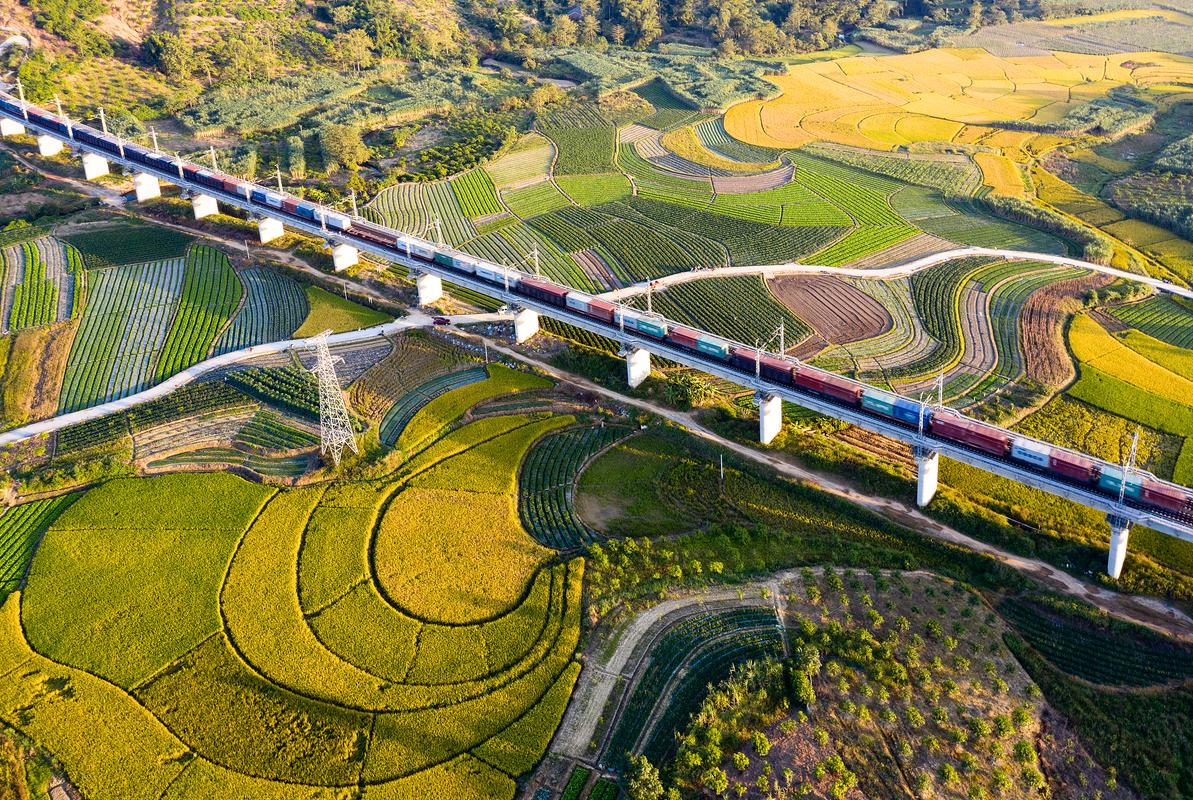
When you finish a high-speed rail journey, step out of the station, and merge into the bustling crowd, you will realize that this experience brings you more than just displacement from point A to point B; it offers a brand new perspective on China. The high-speed rail, this iron dragon, is actually a microcosm of Chinese society: efficient, orderly, full of technology, yet deeply humane.
On the train, you are no longer a tourist observing through a shop window but part of this flowing painting. You might see an elderly neighbor enthusiastically sharing an orange with you, asking where you are from in broken English; you might see young parents patiently teaching their children to recognize cows and sheep outside the window; you might see entrepreneurs typing code on their laptops that could change the world. These real moments are irreplaceable by any tourism promo video. High-speed rail breaks down geographical barriers and cultural walls. It makes distant cities within reach and strange faces feel dear and lovely.
Choosing high-speed rail is choosing a way to "travel like a local in China." It frees you from the constraints of tour groups, no longer limiting you to rushing between attractions, but giving you the freedom to explore niche cities and delve into rural fields. You can have coffee in a Beijing Hutong in the morning, taste authentic Lu cuisine in Jinan at noon, and stroll by the Qinhuai River in Nanjing in the evening. This flexibility endows travel with infinite possibilities.
In 2026, China is embracing the world with an unprecedented openness. The international upgrade of the high-speed rail system is a manifestation of this open spirit. We hope this guide eliminates your doubts and ignites your desire to explore. Do not fear language barriers or worry about complex processes, because in this highly digital nation, kindness and technology are your best passports.
Next time you plan your itinerary in China, swap your plane ticket for a China high-speed rail ticket. Bring your passport, pack your curiosity, and board this train to the future. Feel the shape of the wind, listen to the breath of the earth, and meet those warm smiles. China is vast, but high-speed rail makes it small; China is deep, but high-speed rail can take you further.
May every high-speed rail journey in China become a beautiful memory for you. Safe travels and enjoy the ride!
Frequently Asked Questions (FAQ) About China High-Speed Rail
1. Can I really buy China train tickets without a Chinese phone number?
Yes, absolutely. You do not need a Chinese phone number to book tickets.
- Via Trip.com: You can register and book using only your email address and an international credit card. No Chinese phone verification is required.
- Via 12306 App: While the official app previously required a Chinese number, it now supports international mobile numbers for registration in many regions. However, if you encounter issues, using Trip.com remains the most barrier-free option for foreigners, as it acts as an agent and handles the verification internally.
2. What happens if I miss my high-speed train in China?
If you miss your train, don't panic, but act quickly.
- One Free Change: According to current China Railway policies, you are allowed to change your ticket to a later train on the same day once for free, provided there are seats available. This can usually be done directly on the app (Trip.com or 12306) before the original train departs or shortly after.
- Refund Restrictions: If you miss the train and cannot change to another one, refunds are generally not allowed for missed trains unless under special circumstances (like illness with proof). Therefore, always aim to arrive at the station 45 minutes early.
- Important: Do not print the "Reimbursement Voucher" before traveling, as this locks your ticket and forces you to go to a manual counter to handle changes, which is time-consuming.
3. Is it safe for solo female travelers to take night trains or late arrivals?
Yes, China's high-speed rail system is exceptionally safe, even for solo female travelers arriving late at night.
- Security: Stations have airport-level security checks, and platforms/stations are monitored by thousands of HD cameras and staffed by police and security personnel 24/7.
- Environment: The carriages are well-lit, and fellow passengers are generally respectful. Violent crime on trains is extremely rare.
- Late Arrivals: Major stations like Beijing South, Shanghai Hongqiao, and Guangzhou South are bustling hubs that remain open and busy until the last train arrives (often past 11:00 PM). Taxis and ride-hailing apps (Didi, available via Alipay/WeChat) are readily available outside the exits. Just follow the crowd and official signs to the taxi queue.
4. Can I bring food and drinks onto the China high-speed train?
Yes, you are encouraged to bring your own food and non-alcoholic drinks.
- Outside Food: Unlike airlines or some European trains, there are no restrictions on bringing outside food (sandwiches, fruits, instant noodles, snacks) onto China's bullet trains. Many locals bring their own meals.
- Drinks: You can bring bottled water, tea, coffee, and soft drinks. Note that alcohol is restricted (usually limited to sealed bottles of beer or wine, with quantity limits, and strong spirits may be prohibited); check specific rules if carrying alcohol.
- Hot Water: Every carriage has a dispenser providing free boiling hot water 24/7, perfect for making instant noodles or tea. Bring a thermos or a cup with a lid!
5. Do I need to print my ticket or show a QR code at the gate?
No, you need neither a paper ticket nor a QR code.
- Passport is Your Ticket: China uses a fully electronic ticket (E-ticket) system. Your passport is your ticket.
- How to Enter: Simply place your passport (the page with your photo) face down on the sensor area of the automatic gate. The system reads the chip/data, matches it with the booking, and opens the gate instantly.
- Exception: Only print a "Reimbursement Voucher" (blue/pink paper) if your company requires it for expense claims. Do not print this before your journey is complete, as it complicates refunds and changes. For 99% of travelers, just your passport is enough from booking to exit.