
China Travel 2026: The 8 Provinces Truly Worth Visiting
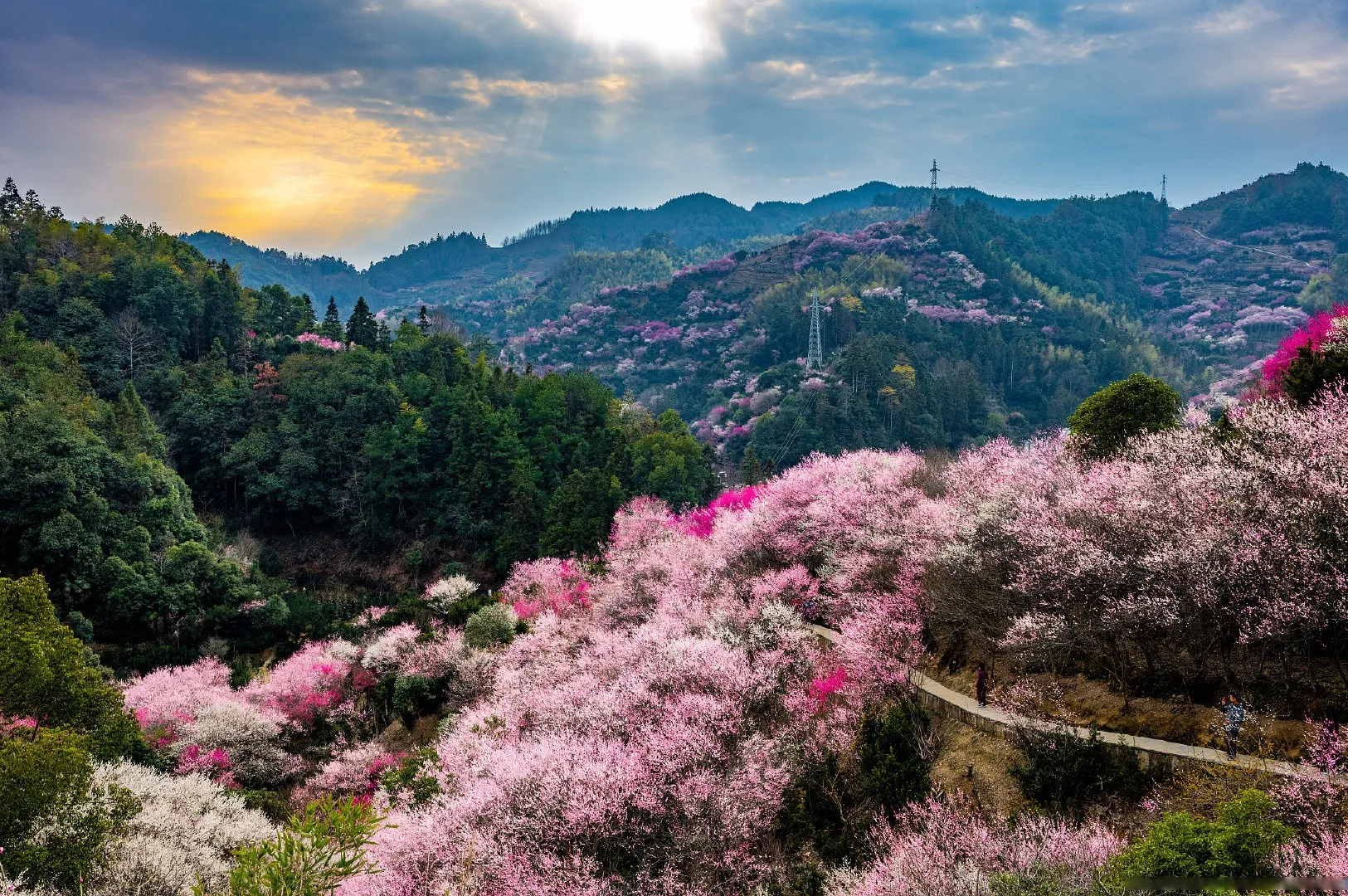
China is often described as a single destination, but in reality, it is many worlds stitched together. Traveling across the country does not simply mean moving from city to city. It means crossing culinary traditions, climates, dialects, histories, and ways of life.
This is why thinking in terms of provinces, rather than just famous cities, makes a crucial difference. Each province in China functions almost like a small country of its own. Food changes dramatically. Landscapes shift from mountains to deserts to coastlines. Daily rhythms, local customs, and even attitudes toward life feel distinct.
In 2026, as transportation becomes faster and travelers increasingly seek experiences beyond surface-level sightseeing, China rewards those who travel with intention. The most meaningful journeys are no longer about checking off landmarks, but about choosing places that reveal how people live, eat, celebrate, and remember.
The eight provinces below are not simply popular destinations. They are places where geography, culture, and everyday life intersect in ways that help visitors understand China more deeply. Whether you are visiting for the first time or returning to explore beyond the familiar, these provinces offer some of the richest travel experiences China has to offer in 2026.
Table of Contents
Beijing: The Heart of China
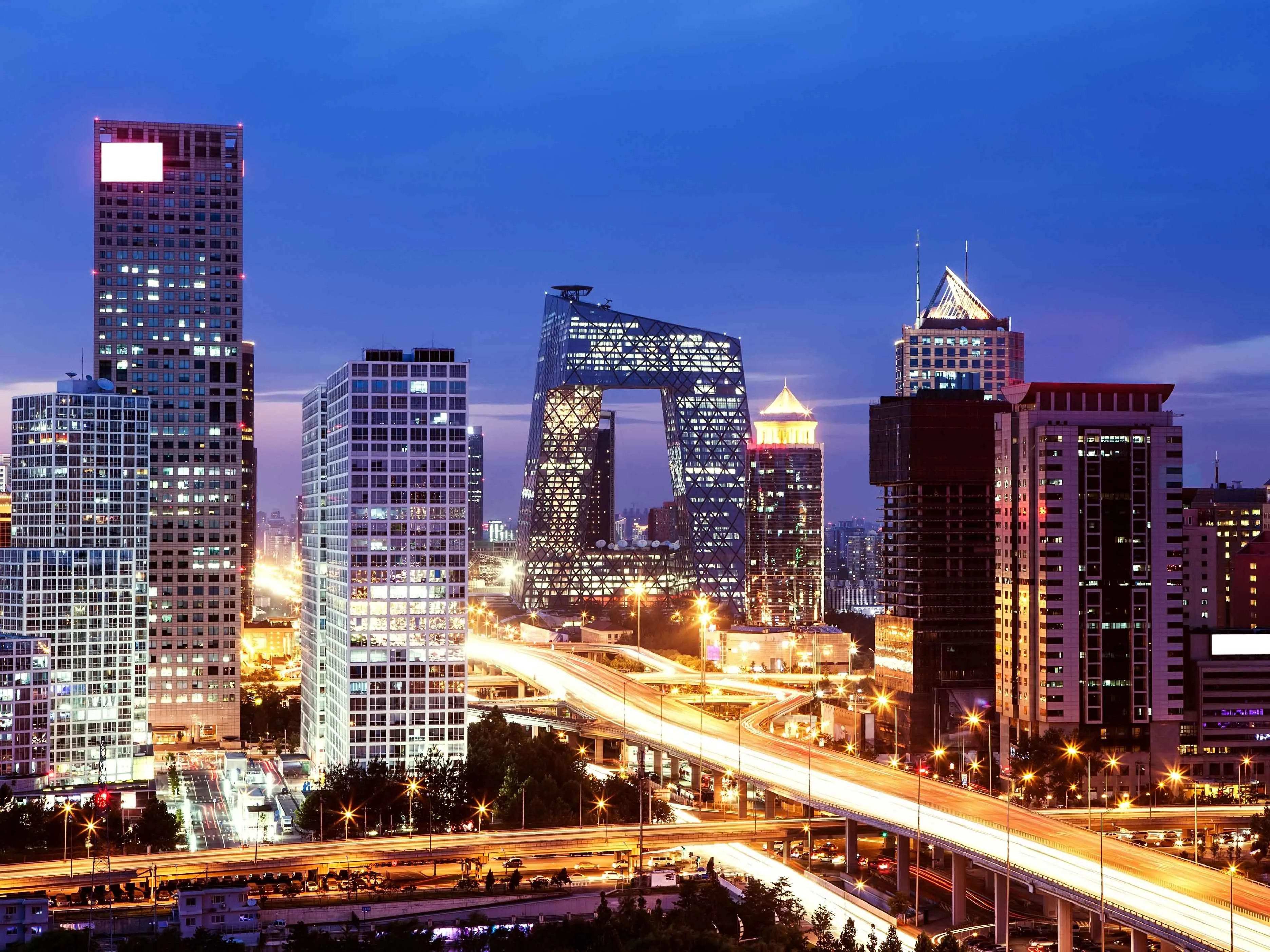
Why Beijing
Beijing is not just a city. It is a framework for understanding China.
As the capital and one of China’s four municipalities, Beijing concentrates history, power, ideology, and everyday life into a single, complex space. Dynasties rose and fell here. Modern China was announced here. Policies are written here, debated here, and quietly absorbed into daily routines here.
For travelers in 2026, Beijing matters because it offers context. It explains why China thinks the way it does, moves the way it does, and balances tradition with authority. Other provinces may feel more relaxed, more colorful, or more immediately enjoyable, but Beijing gives meaning to everything that follows.
This is where the story starts.
What to Eat
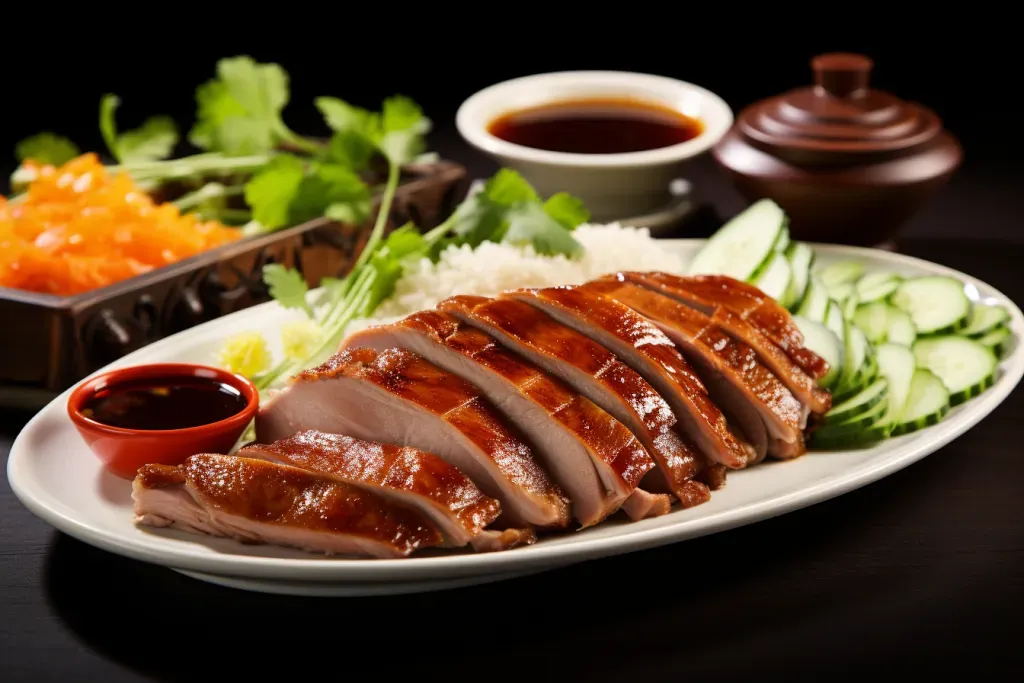
Beijing cuisine is direct, comforting, and unapologetically hearty.
The city’s most famous dish, Peking Duck, is less about novelty and more about ritual. Thin slices of crispy skin, tender meat, pancakes, scallions, and sweet bean sauce are assembled slowly, often shared among friends or family. It is a dish that teaches patience and precision.
Beyond duck, Beijing food reflects northern Chinese tastes. Think wheat rather than rice. Hand-pulled noodles, jianbing breakfast crepes, dumplings, and stuffed buns dominate daily meals. Lamb appears frequently, especially in hotpot and skewers, a legacy of the north’s colder climate and historical ties to nomadic cultures.
In small neighborhood restaurants, you will find food that feels practical rather than decorative. Simple stir-fries, thick soups, and filling portions. Eating in Beijing is less about surprise and more about grounding yourself.
What to Experience
To experience Beijing is to experience contrast.
In the morning, locals practice tai chi in parks beneath ancient trees. By afternoon, office workers crowd subway lines beneath glass towers. At night, young people gather in hutong bars built into courtyards older than many countries.
Walking through Beijing’s hutongs is one of the most revealing experiences in China. These narrow alleyways show how people live between history and modern pressure. Courtyards hide behind grey brick walls. Laundry hangs next to electric scooters. Old men play chess while delivery drivers weave through at full speed.
Beijing teaches travelers how China layers time. Nothing fully disappears. It simply adapts.
What to See
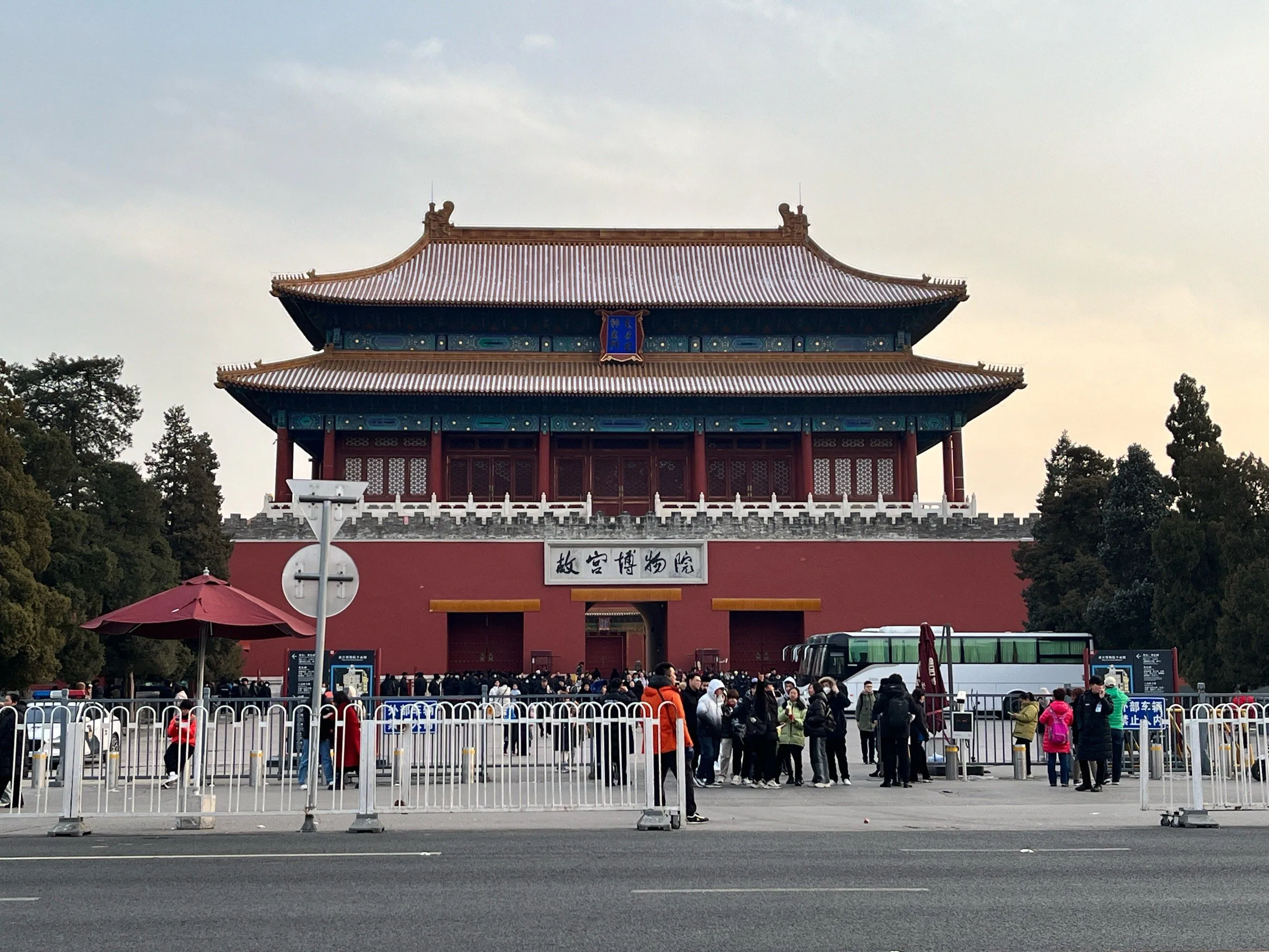
Beijing’s landmarks are not subtle, and they are not meant to be.
The Forbidden City is vast, symmetrical, and overwhelming by design. It communicates authority without explanation. Nearby, Tiananmen Square expands that feeling into open space, reminding visitors that scale itself is a language in China.
Just outside the city, the Great Wall stretches across mountains, less as a single structure and more as an idea made physical. Walking along it is less about conquest and more about endurance.
Yet some of Beijing’s most meaningful sights are quieter. Temple of Heaven in the early morning. A local wet market. A neighborhood gate that leads nowhere obvious.
These places show how the monumental and the ordinary coexist. That balance is Beijing’s true landmark.
Shanghai: The Pulse of Modern China
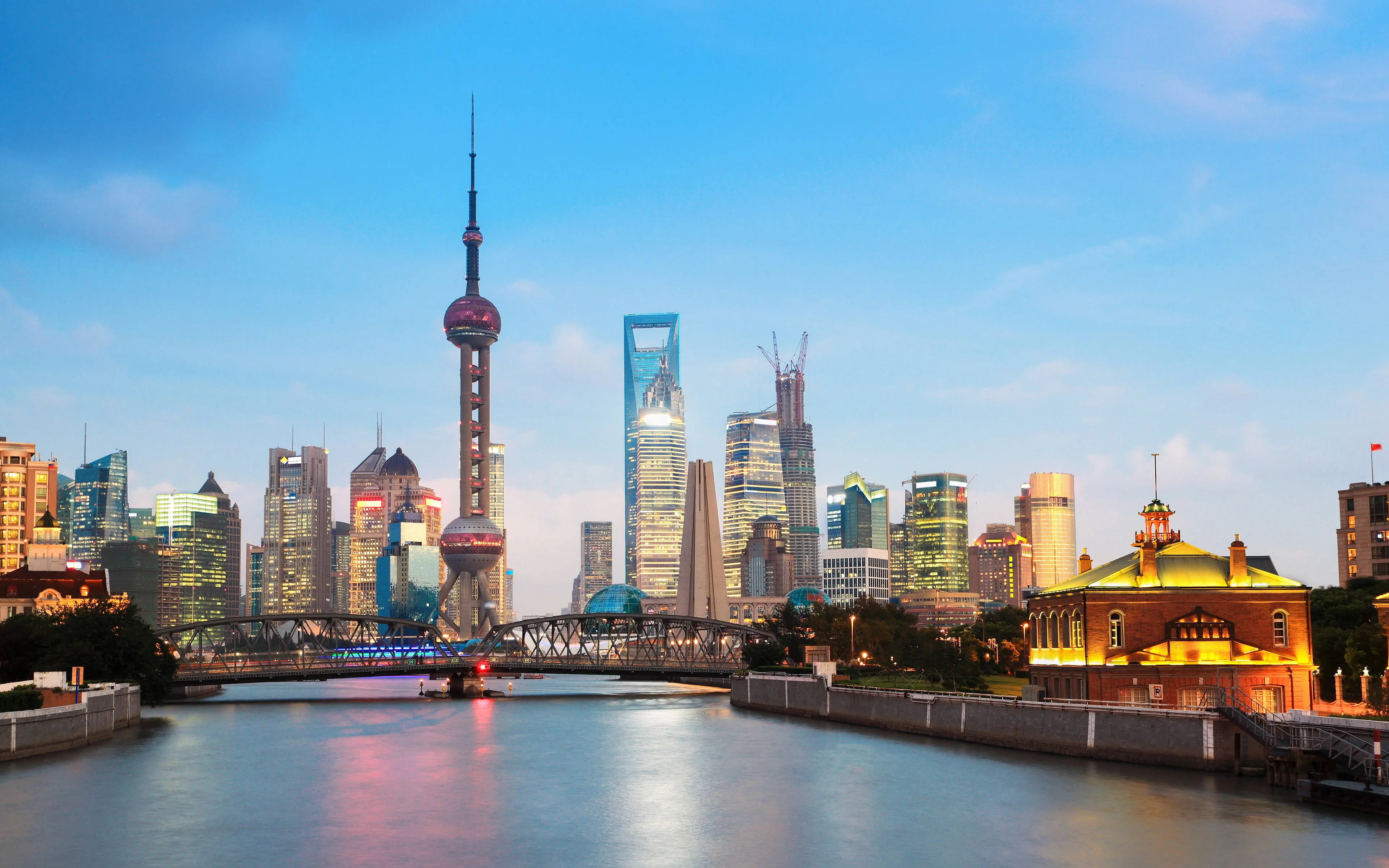
Why Visit Shanghai
Shanghai is not simply China’s most modern city. It is the place where China negotiates its future in real time.
More than anywhere else in the country, Shanghai reveals how China adapts rather than imitates. Global finance, international culture, and long-standing local habits coexist here with little friction. The city has been outward-facing for over a century, shaped by trade, migration, and constant reinvention.
For travelers in 2026, Shanghai matters not because it is flashy, but because it shows how China integrates the world into its own systems. It is efficient, ambitious, and pragmatic, offering insight into how modern Chinese cities think, work, and move forward.
What to Eat in Shanghai
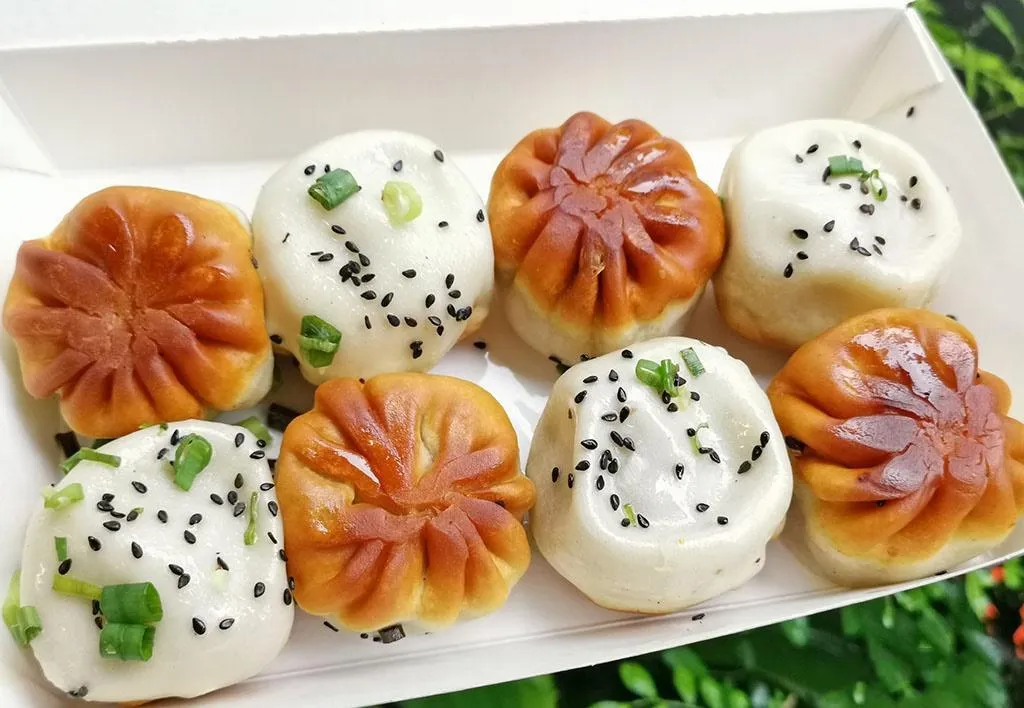
Shanghai cuisine, known as Hu cuisine (沪菜 Hùcài), is defined by restraint and balance rather than intensity. Flavors tend toward mild sweetness, clean textures, and careful seasoning.
Signature dishes like xiaolongbao (小笼包), with their delicate skins and savory broth, reflect Shanghai’s attention to detail. Shengjianbao (生煎包) add contrast with crisped bottoms and rich fillings, while hong shao rou (红烧肉) represents the city’s preference for slow, patient cooking.
Street food remains an essential part of daily life. Scallion pancakes, dumplings, and simple noodle dishes appear throughout the city, often eaten quickly and without ceremony. In Shanghai, food is not about performance. It is about consistency and comfort.
What to Experience in Shanghai
Experiencing Shanghai is about observing transitions.
A walk through the former French Concession reveals quiet residential streets, plane trees, cafés, and small shops woven into everyday routines. Just across the river, Lujiazui presents a sharply different rhythm, defined by glass towers, finance, and speed.
Museums and contemporary art spaces such as the Shanghai Museum, Power Station of Art, and M50 offer insight into how culture evolves alongside economic growth. At the same time, local markets, neighborhood eateries, and older residential blocks remind visitors that daily life continues beneath the skyline.
Shanghai teaches travelers how scale and intimacy can coexist without conflict.
What to See in Shanghai
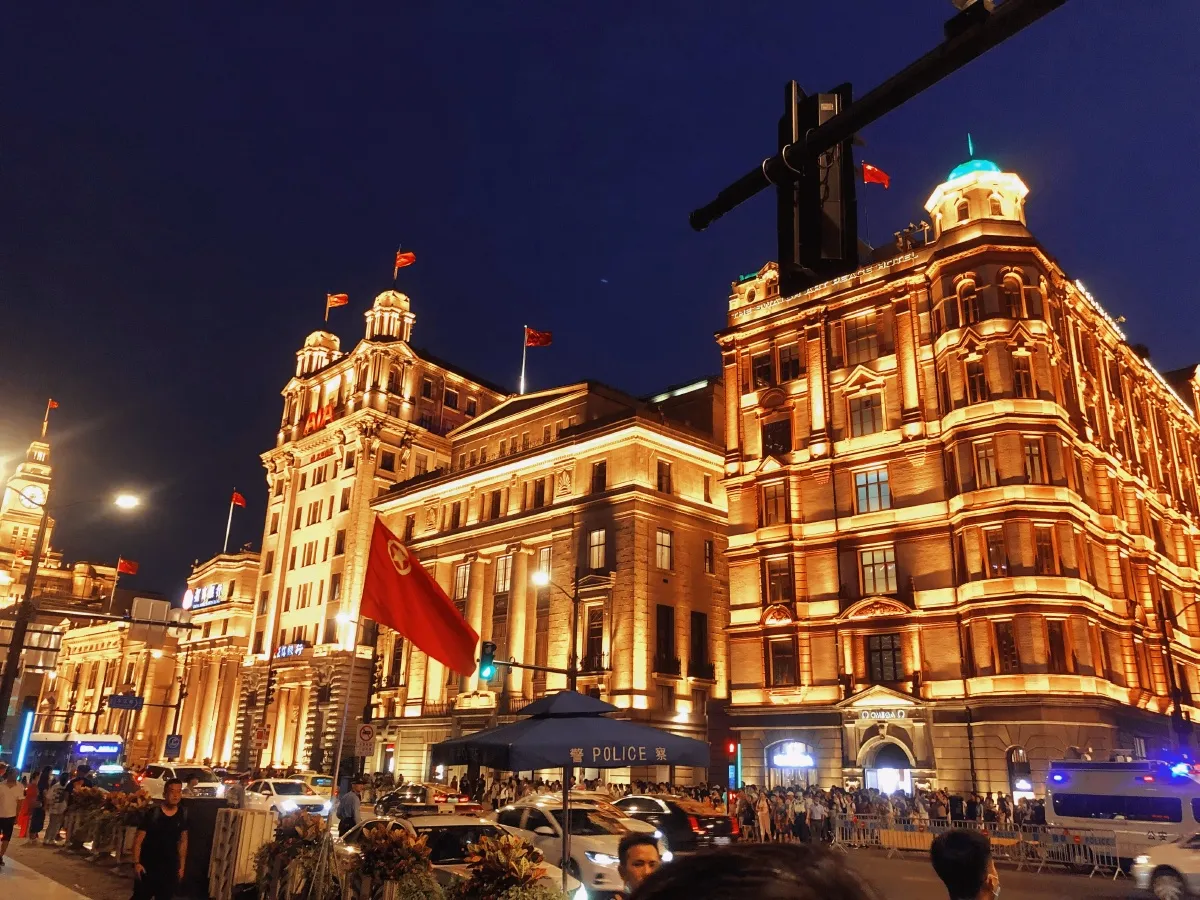
Shanghai’s cityscape communicates contrast more than grandeur.
The Bund presents a historical façade shaped by colonial-era architecture, while across the Huangpu River, modern towers signal ambition and technological confidence. Together, they frame the city’s long relationship with change.
Yu Garden offers a glimpse into classical aesthetics compressed within dense urban surroundings, while areas like Tianzifang and parts of the Old City reveal how older neighborhoods adapt rather than disappear.
What stands out most in Shanghai is not any single landmark, but the city’s ability to absorb new ideas while maintaining continuity. It is a place constantly becoming something else, without losing its sense of direction.
Guangdong: Where China Eats First
Why Visit Guangdong
Guangdong is one of the most influential provinces in China, not because of grand monuments, but because of how deeply it has shaped everyday Chinese life. As the heartland of Cantonese culture and the birthplace of much of what the world knows as “Chinese food,” Guangdong offers a softer, more lived-in view of China. This is a province defined by trade, migration, and openness, where coastal geography brought ideas, people, and flavors in and out of China for centuries. Traveling here feels less like sightseeing and more like understanding how China works at ground level.
What to Eat in Guangdong
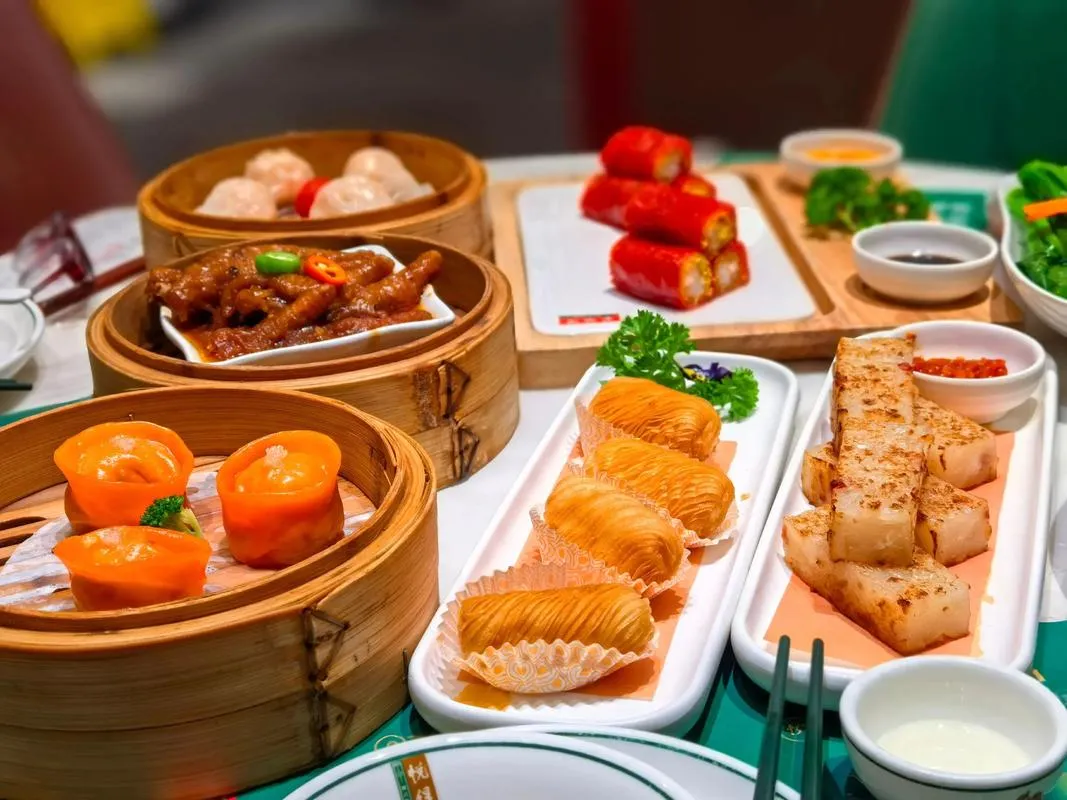
Food is the main reason people fall in love with Guangdong. Cantonese cuisine (粤菜 Yuècài) values freshness, balance, and the natural taste of ingredients. Dim sum is the most famous expression of this philosophy: shrimp dumplings (虾饺 xiājiǎo), siu mai (烧卖 shāomài), steamed pork ribs, rice rolls (肠粉 chángfěn), and egg tarts appear in endless variations. Beyond dim sum, Guangdong is known for roasted meats, clear soups, seafood, and slow-cooked dishes that prioritize texture over heavy seasoning. Here, food is not meant to impress loudly, but to be eaten often and remembered quietly.
What to Experience in Guangdong
Daily life in Guangdong revolves around food, markets, and conversation. Morning tea culture is a ritual, not a meal, where families and friends sit for hours over teapots and bamboo steamers. In cities like Guangzhou and Shenzhen, modern life moves fast, yet old habits remain deeply rooted. Night markets buzz with skewers, congee stalls, and seafood tanks, while coastal towns offer a slower rhythm shaped by the sea. Guangdong also reflects China’s outward-facing identity, with international influences blending naturally into local life.
What to See in Guangdong

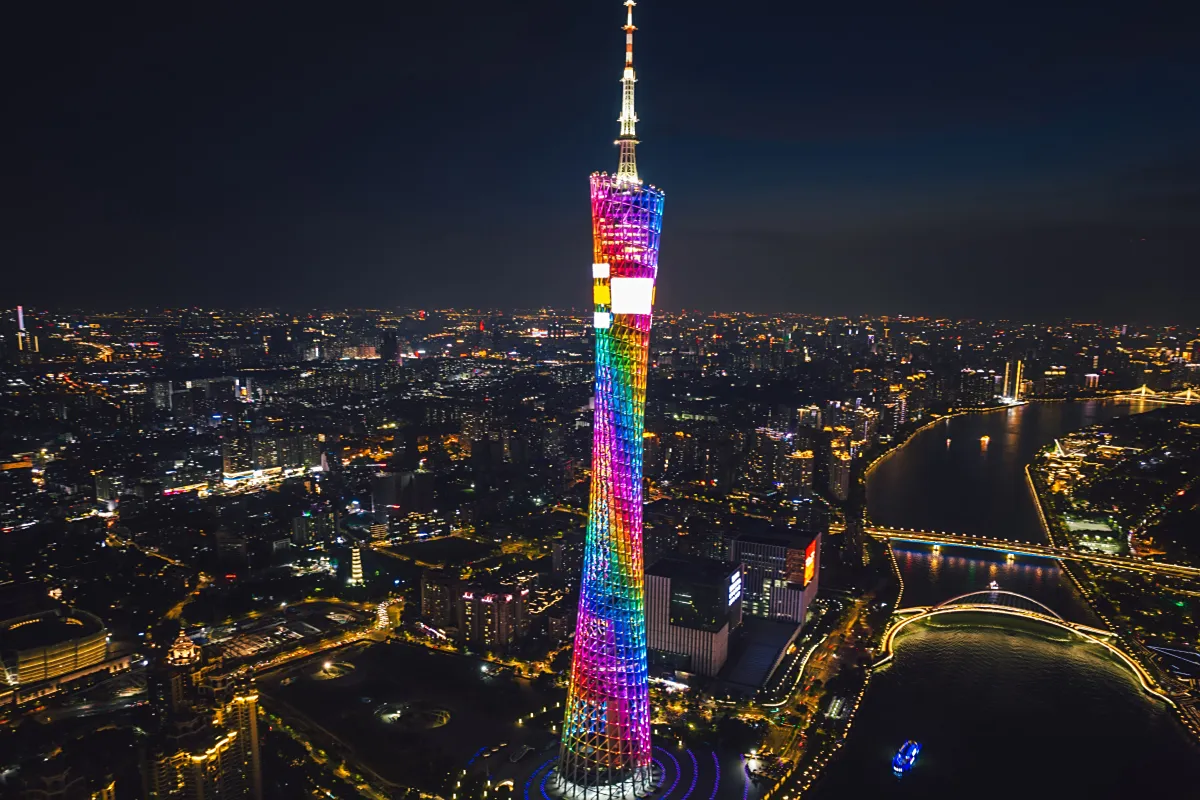
Guangzhou’s Canton Tower and historic Shamian Island reveal the city’s modern and colonial layers. In Shenzhen, futuristic architecture and design districts show how quickly China can reinvent itself. Traditional ancestral halls, temples, and old neighborhoods remain scattered throughout the province, offering glimpses of Cantonese heritage. Coastal scenery, river deltas, and island towns provide natural contrast to the dense urban centers, reminding travelers that Guangdong is as much about geography as it is about growth.
Sichuan: Where Flavor Becomes Memory
Why Visit Sichuan
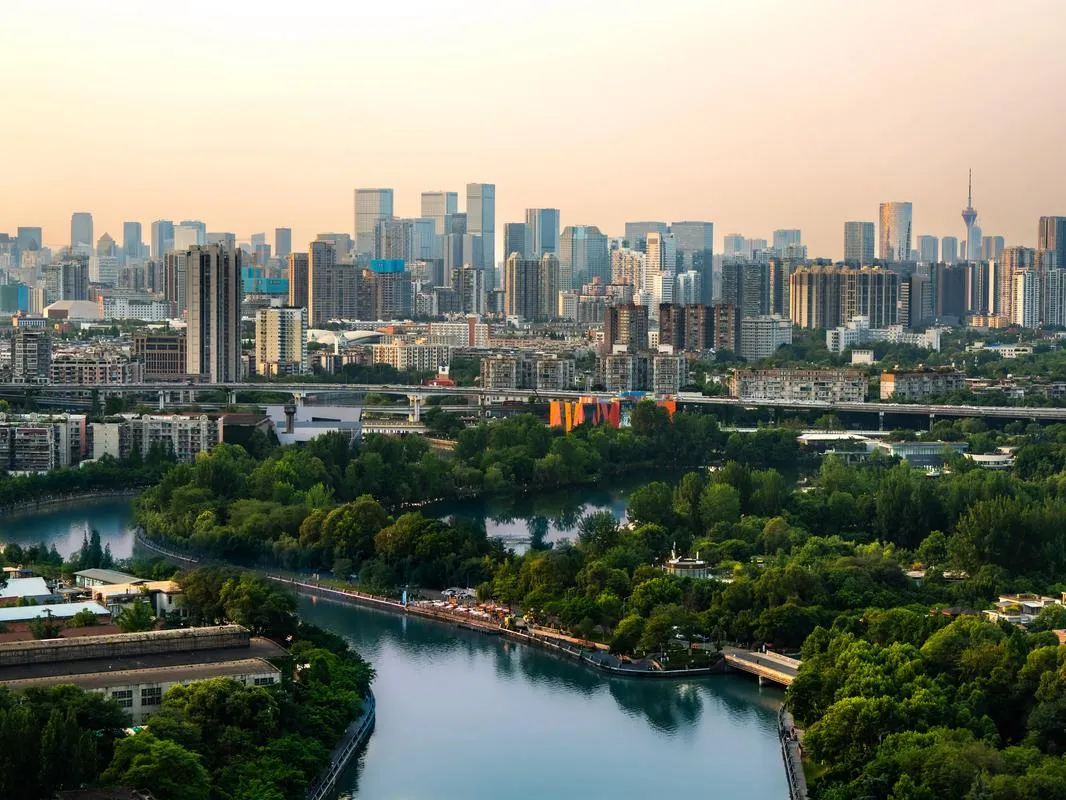
Sichuan is one of China’s most emotionally powerful provinces. It is not subtle, not restrained, and not easily forgotten. This is a place where geography shapes personality: a fertile basin surrounded by mountains, historically inward-looking, self-sufficient, and fiercely proud of its culture. Traveling in Sichuan feels immersive rather than observational. Life moves slower here, conversations linger longer, and food is treated as both pleasure and philosophy. If Guangdong shows how China eats daily, Sichuan shows how China feels.
This influence extends beyond provincial borders. Neighboring Chongqing, once part of Sichuan, shares the same culinary DNA and cultural temperament. For travelers, the two together form the emotional and flavor-heavy heartland of southwest China.
What to Eat in Sichuan
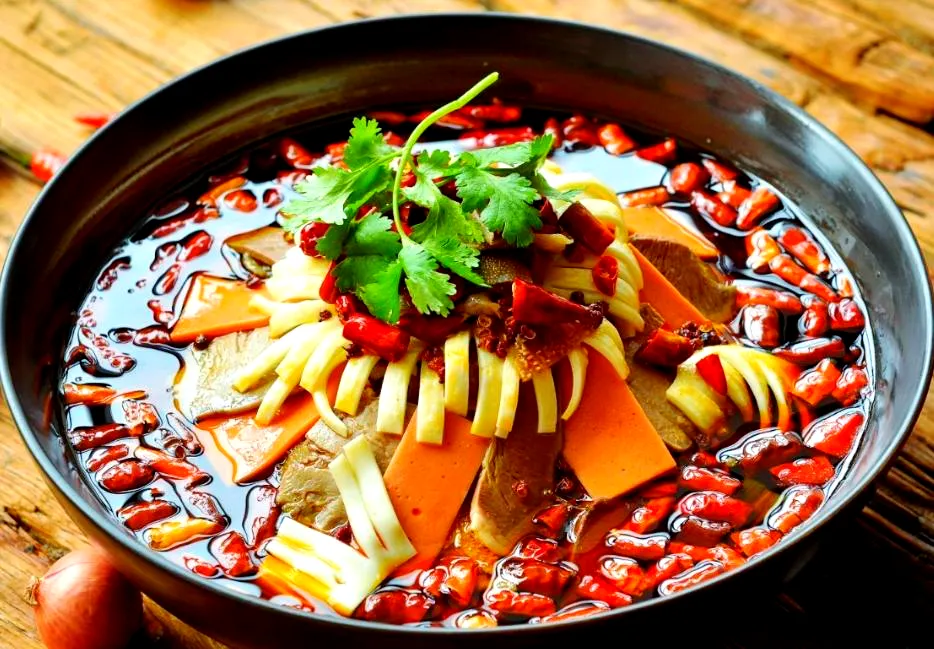
Sichuan cuisine (川菜 Chuāncài) is famous worldwide for its bold use of chili and Sichuan peppercorn, but the real story is balance. 麻 (numbing), 辣 (spicy), 鲜 (savory), and 香 (aromatic) are carefully layered, not overwhelming when done well. Classics like mapo tofu, kung pao chicken, twice-cooked pork, and hotpot are only the beginning.
Chengdu-style dishes tend to be rounder and more nuanced, while the spicier, more aggressive edge often associated with Chongqing hotpot reflects the shared regional love for intensity. Together, they show how a single flavor philosophy can express itself in different ways.
What to Experience in Sichuan
Tea houses are central to Sichuan life. Locals spend hours drinking tea, chatting, playing cards, or simply watching the world pass by. In Chengdu especially, time seems intentionally stretched. Hotpot meals turn into long social events, often lasting an entire evening.
Sichuan is also a province where humor, dialect, and local identity are strong. People speak directly, laugh easily, and value comfort over formality. This easygoing openness is something travelers also notice in Chongqing, making the entire region feel unusually accessible, even for first-time visitors to China.
What to See in Sichuan

Chengdu’s historic alleys, modern cafes, and teahouses form the cultural heart of the province. Just outside the city, panda research bases offer a gentle counterpoint to Sichuan’s fiery reputation.
Beyond the basin, Sichuan opens into dramatic landscapes: misty mountains, ancient temples, and Tibetan-influenced regions in the west. From the Leshan Giant Buddha to highland plateaus near the Tibetan border, Sichuan constantly shifts between intimacy and scale, offering one of the richest geographic experiences in China.
Yunnan: China at Its Most Diverse
Why Visit Yunnan
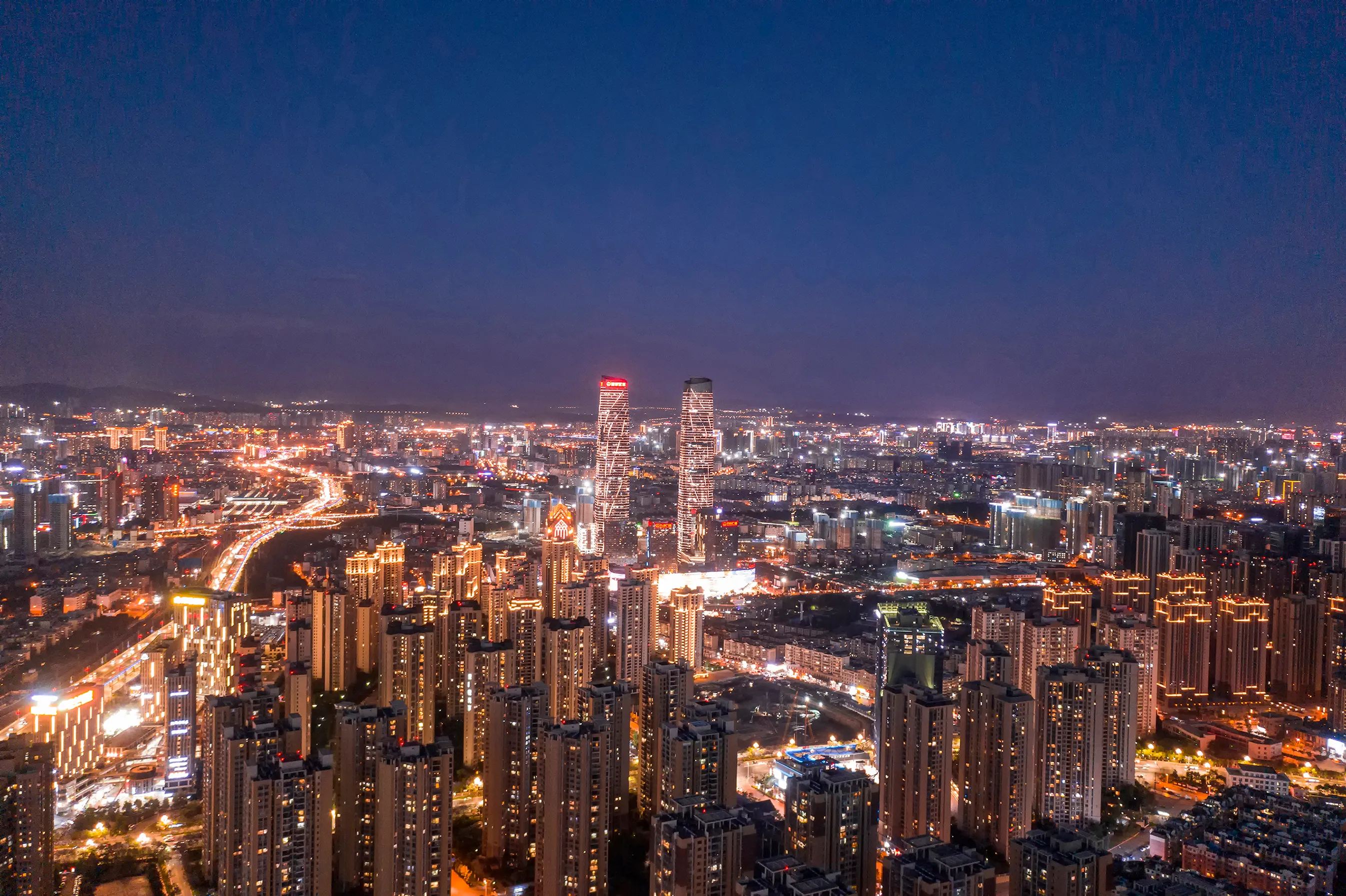
Yunnan does not feel like one China, but many Chinas layered together. Bordering Southeast Asia and the Tibetan Plateau, it is one of the most ethnically and geographically diverse provinces in the country. Traveling here feels less like moving through cities and more like crossing worlds.
After the intensity of Sichuan, Yunnan offers contrast. Life slows down, landscapes open up, and daily routines feel closer to nature. For many travelers, Yunnan is where China becomes breathable. It is not about checking sights quickly, but about staying longer than planned.
What to Eat in Yunnan
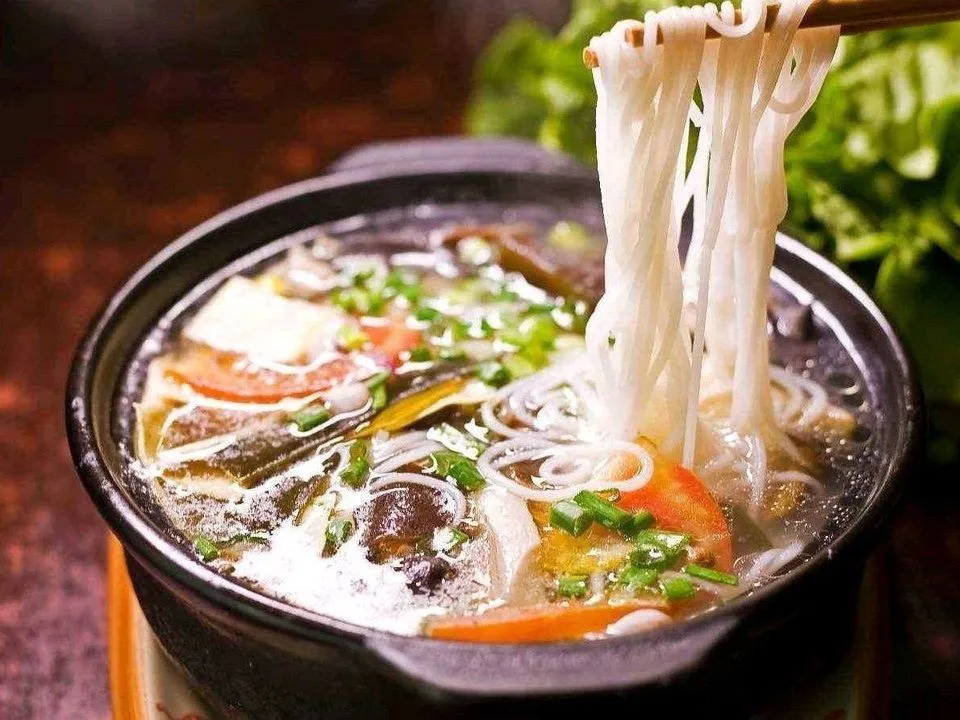
Yunnan cuisine is lighter, fresher, and more ingredient-driven than what many visitors expect from Chinese food. Mushrooms are central, especially wild varieties gathered from nearby mountains. Rice noodles appear everywhere, most famously in “Crossing-the-Bridge Noodles” (过桥米线 guòqiáo mǐxiàn), a dish built around ritual, timing, and delicate balance.
Flavors lean sour, herbal, and fragrant rather than oily or spicy. Influences from ethnic minority cooking and neighboring Southeast Asia give Yunnan food a distinctly regional identity. Eating here often feels seasonal and local, tied closely to the surrounding landscape.
What to Experience in Yunnan
Markets are one of Yunnan’s great experiences. In cities like Kunming or Dali, stalls overflow with fresh produce, herbs, flowers, and handmade foods. Tea culture is deeply rooted here as well, especially with Pu’er tea, which originates from the province and reflects Yunnan’s long relationship with time, aging, and patience.
Yunnan is also where many travelers feel comfortable doing very little. Sitting by a lake, wandering old towns, cycling through villages, or spending an afternoon in a café watching clouds drift over mountains becomes part of the journey. The experience is less curated and more personal.
What to See in Yunnan
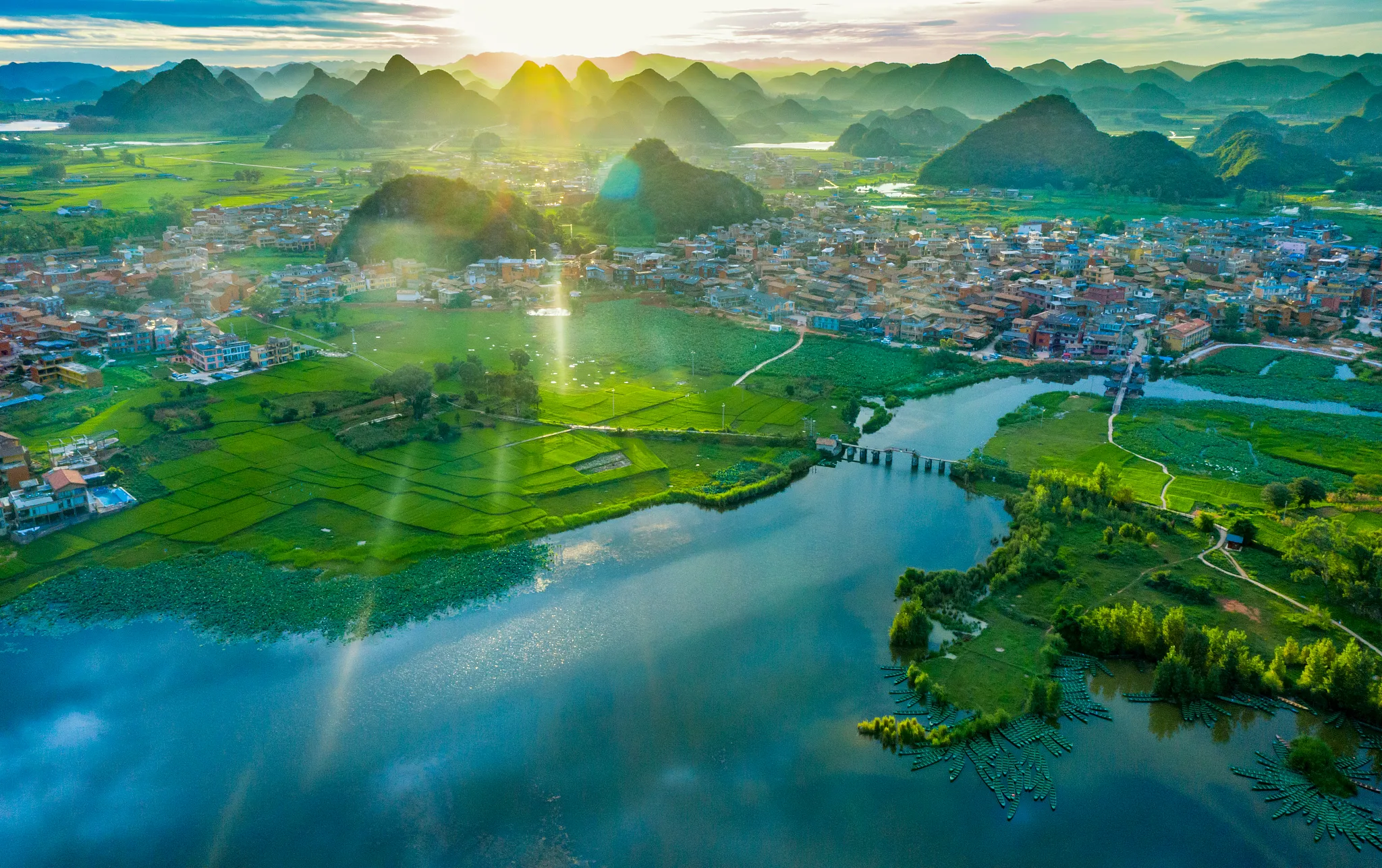
The scenery in Yunnan shifts constantly. Snow-capped mountains in the northwest, tropical landscapes in the south, highland lakes, deep gorges, and terraced fields all exist within one province. Places like Dali, Lijiang, and Shangri-La offer very different visual and cultural experiences, even though they are relatively close on the map.
Old towns, minority villages, and natural landmarks blend together here. Architecture feels human-scaled, streets invite wandering, and views often open unexpectedly. Yunnan rewards curiosity more than planning, making it one of the most forgiving and enriching places to explore in China.
Fujian: Where the Mountains Meet the Sea
Why Visit Fujian
Fujian is a province shaped by distance. For centuries, mountains separated it from China’s interior, while the sea opened it to the wider world. This geography created a culture that feels quietly independent, practical, and deeply rooted in daily life rather than spectacle.
Traveling in Fujian often feels intimate. It is less about iconic landmarks and more about understanding how people live, eat, and adapt between hills, coastlines, and ports. For travelers who enjoy observing local rhythms rather than chasing highlights, Fujian offers a grounded, authentic experience of China.
What to Eat in Fujian
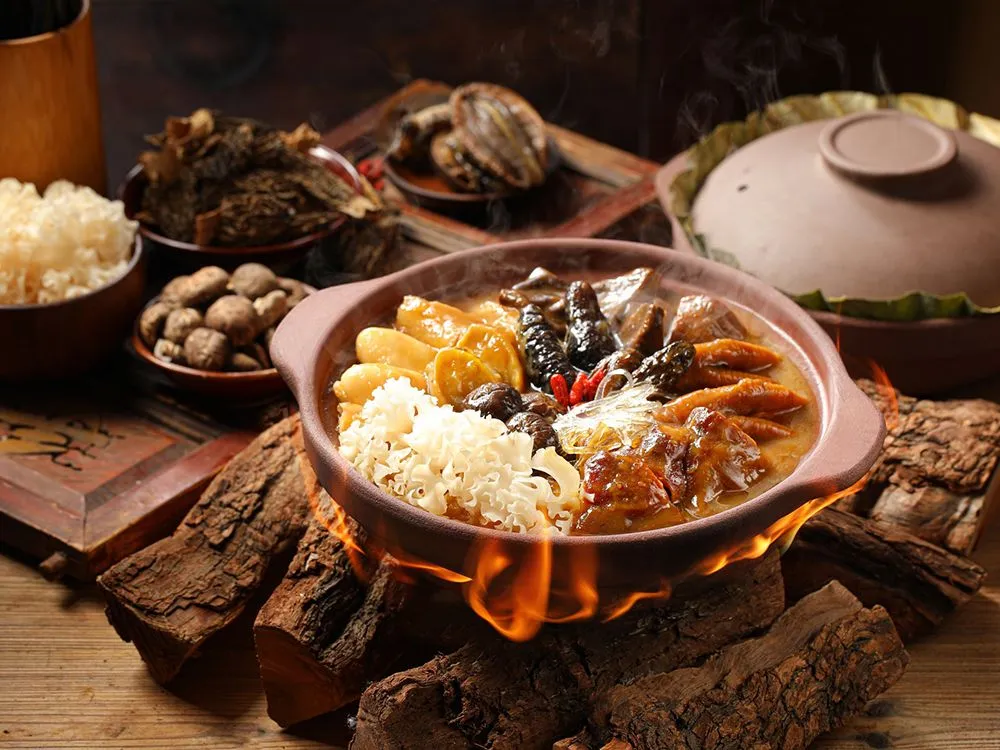
Fujian cuisine values clarity over intensity. Seafood is central, especially along the coast, where soups, broths, and lightly cooked dishes dominate the table. Flavors are clean and layered, built from dried seafood, mushrooms, and slow-simmered stocks rather than heavy spices.
Signature dishes like Buddha Jumps Over the Wall (佛跳墙 fótiào qiáng) showcase patience and technique, while everyday foods such as fish ball soups and oyster pancakes reflect how locals eat at home. Eating in Fujian feels nourishing rather than indulgent, designed to warm, restore, and balance.
What to Experience in Fujian
One of Fujian’s most memorable experiences is stepping into spaces built for community. In rural areas, traditional tulou earthen buildings house entire clans within massive circular or square structures. Walking through them reveals a way of life organized around family, cooperation, and shared resources.
Along the coast, daily life revolves around the sea. Morning markets, small harbors, and neighborhood temples dedicated to sea gods reflect a culture shaped by migration, trade, and uncertainty. Fujian is also deeply connected to the Chinese diaspora, and traveling here often helps visitors understand where overseas Chinese stories begin.
What to See in Fujian

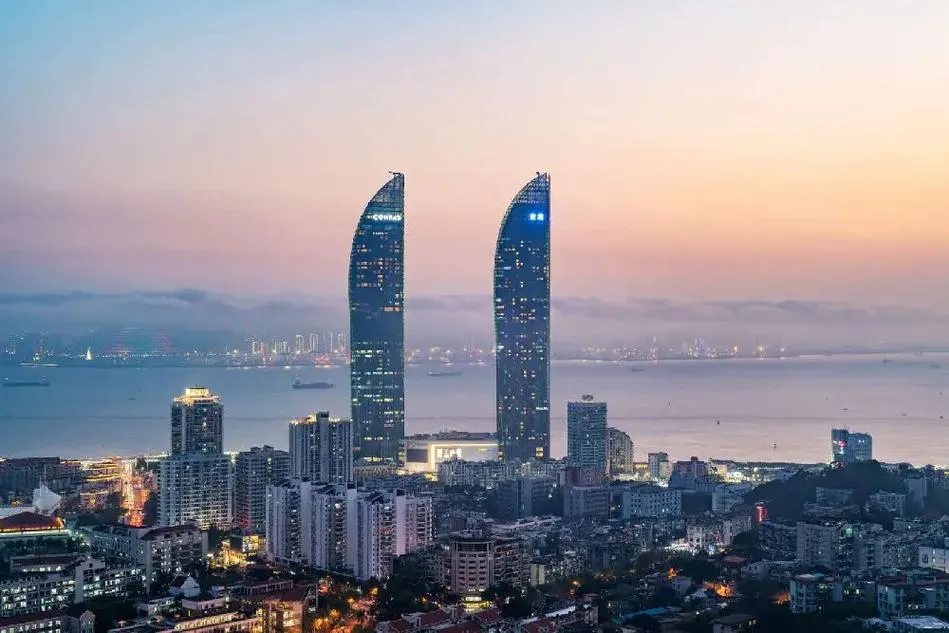
Fujian’s landscapes shift from forested mountains to rugged coastlines within short distances. Tea plantations climb misty hills, fishing villages line rocky shores, and old towns quietly preserve layers of history. Cities like Xiamen feel open and outward-facing, while inland regions offer slower, more traditional scenes.
Rather than dramatic monuments, Fujian offers continuity. Stone bridges, ancestral halls, temples, and harbors blend into everyday surroundings. What you see here is not frozen history, but living heritage—still used, still meaningful, and still shaping how people move through the world.
Xinjiang: China’s Vast Frontier of Landscapes, Cultures, and Silk Road Echoes
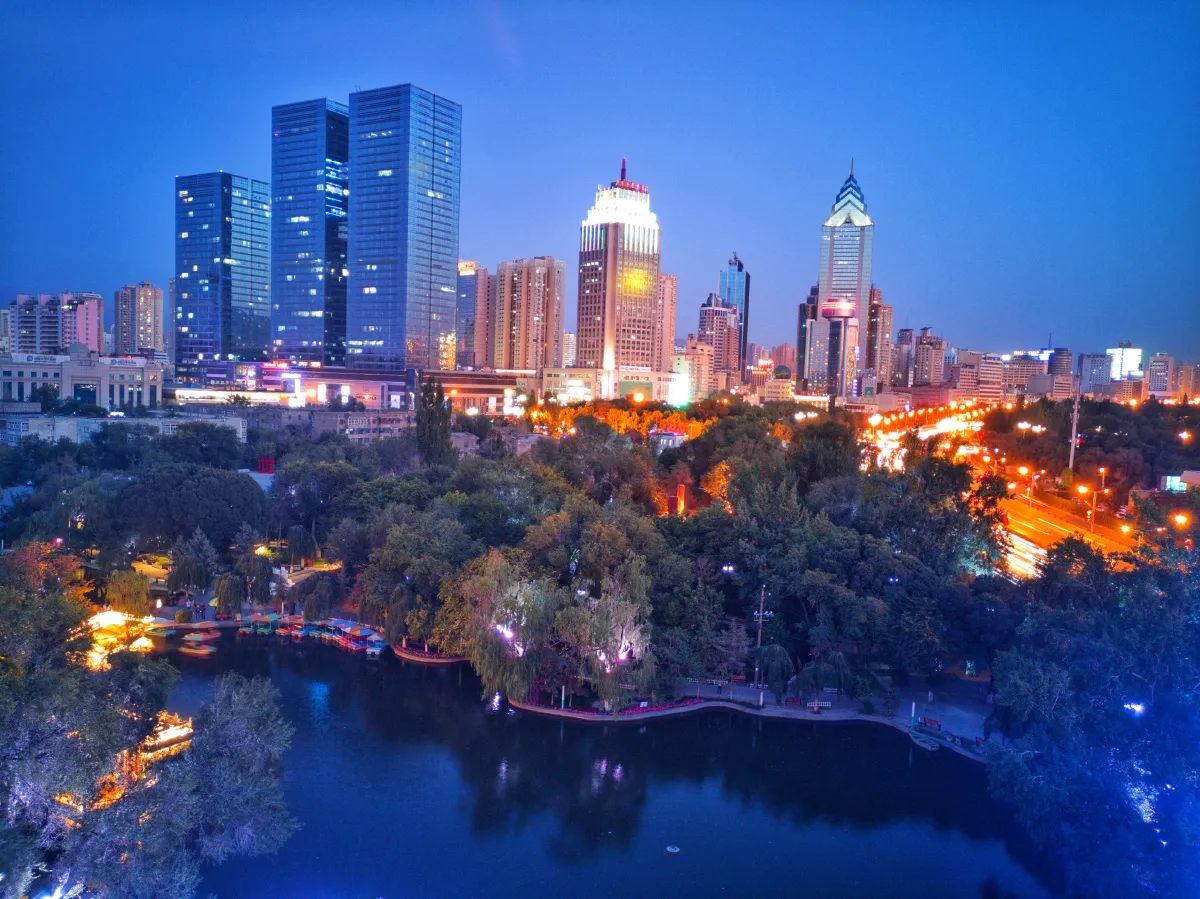
Why Visit Xinjiang
Xinjiang does not feel like anywhere else in China. It feels bigger, quieter, and more distant from the familiar rhythms of the east. This is China at its widest scale, where deserts, snow-capped mountains, and ancient trade routes stretch far beyond the horizon.
Traveling in Xinjiang reshapes how people understand China itself. It reveals a country that is not only dense and fast-moving, but also expansive, slow, and deeply connected to Central Asia. For travelers seeking space, contrast, and cultural depth rather than city buzz, Xinjiang offers an experience that feels almost continental in scale.
What to Eat in Xinjiang
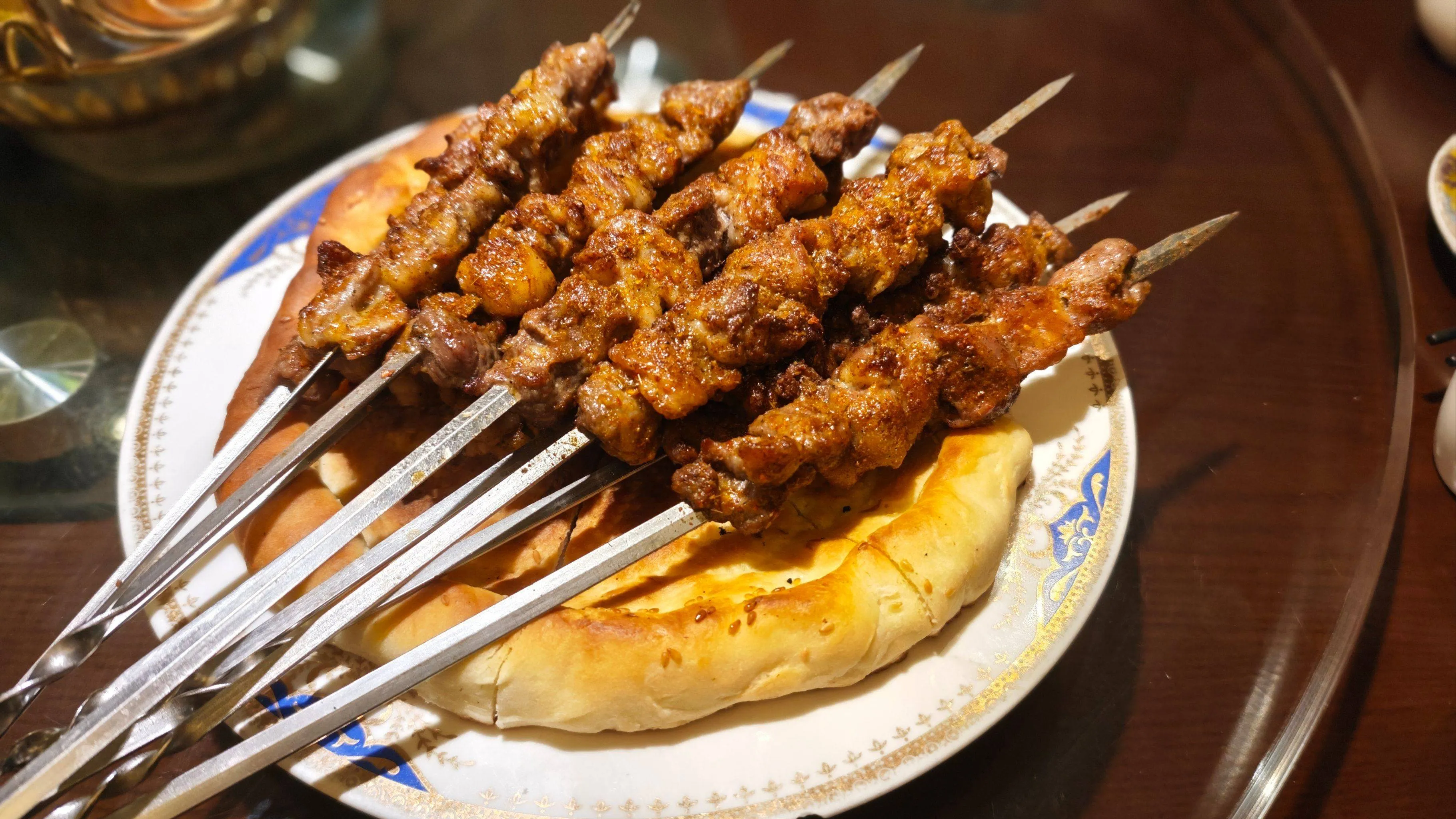
Food in Xinjiang is bold, hearty, and built for life on the road. Lamb is central, grilled over open flames, simmered in stews, or pulled into hand-made noodles. Spices like cumin, chili, and onion dominate, creating flavors that feel closer to Central Asia than coastal China.
Signature dishes include big-plate chicken (大盘鸡 dàpán jī), hand-pulled laghman noodles, and freshly baked naan from roadside ovens. Meals are filling, direct, and deeply practical, designed to sustain travelers, traders, and herders. Eating in Xinjiang often happens outdoors or in simple eateries, where smoke, spice, and conversation mix naturally.
What to Experience in Xinjiang
Xinjiang is best experienced through movement. Long drives between towns, desert highways, and mountain passes are part of the journey, not obstacles. Markets are especially vivid: stalls piled with dried fruits, nuts, spices, and breads reflect centuries of Silk Road exchange.
Cultural experiences here feel lived-in rather than curated. Music, dance, and language are woven into daily life, from evening gatherings to family meals. Visiting Xinjiang is less about ticking off attractions and more about absorbing atmosphere: the pace of conversations, the hospitality of shared food, and the quiet power of open land.
What to See in Xinjiang

The landscapes are unforgettable. The Taklamakan Desert stretches endlessly, while the Tianshan Mountains cut across the region with glaciers, alpine lakes, and grasslands. Places like Heavenly Lake, vast salt flats, and remote valleys feel cinematic without trying to impress.
Historic towns and ancient ruins trace the Silk Road’s path, reminding travelers that Xinjiang has long been a crossroads of civilizations. Mosques, bazaars, and old city quarters coexist with modern infrastructure, creating a visual contrast between deep history and contemporary life. What you see in Xinjiang is scale, silence, and continuity—nature and culture existing side by side without spectacle.
Guangxi: Where Mountains, Rivers, and Everyday Life Flow Together
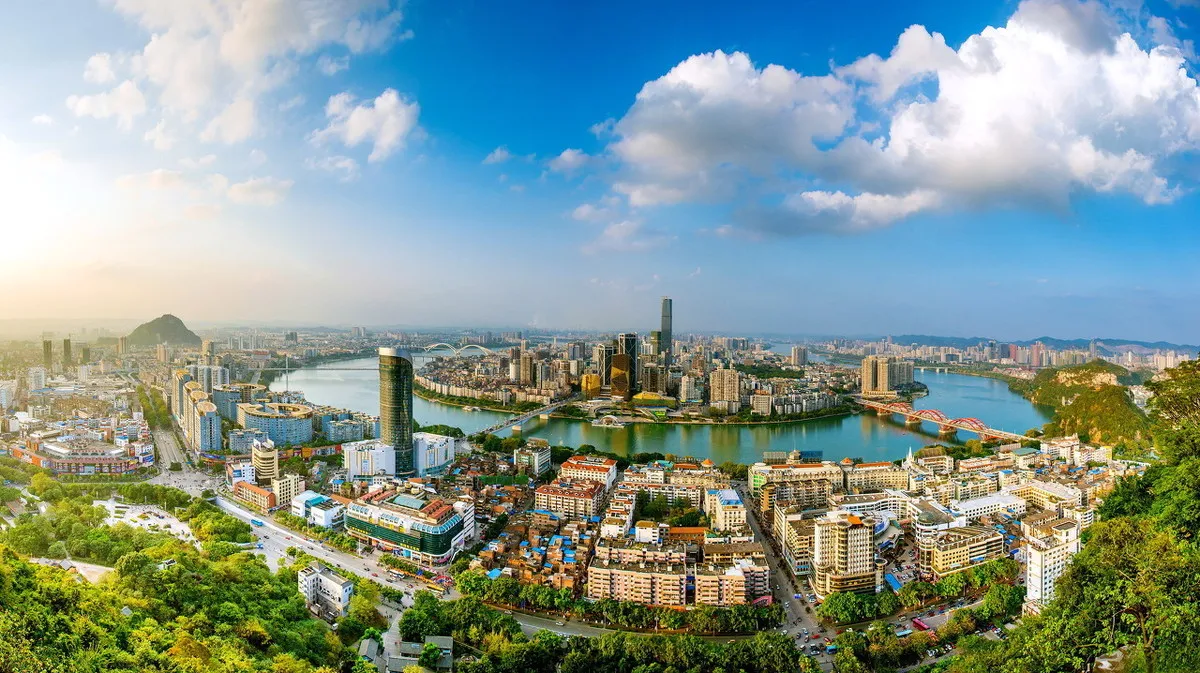
Why Visit Guangxi
Guangxi feels like China exhaling. After megacities, deserts, plateaus, and long distances, Guangxi offers something gentler and more human-scaled. Here, dramatic landscapes exist not as remote destinations, but as the backdrop to everyday life.
Travelers come to Guangxi not to rush, but to slow down. The region’s appeal lies in balance: nature without isolation, culture without spectacle, beauty without pressure. It is one of the best places in China to experience how people live in harmony with their surroundings rather than on top of them.
What to Eat in Guangxi
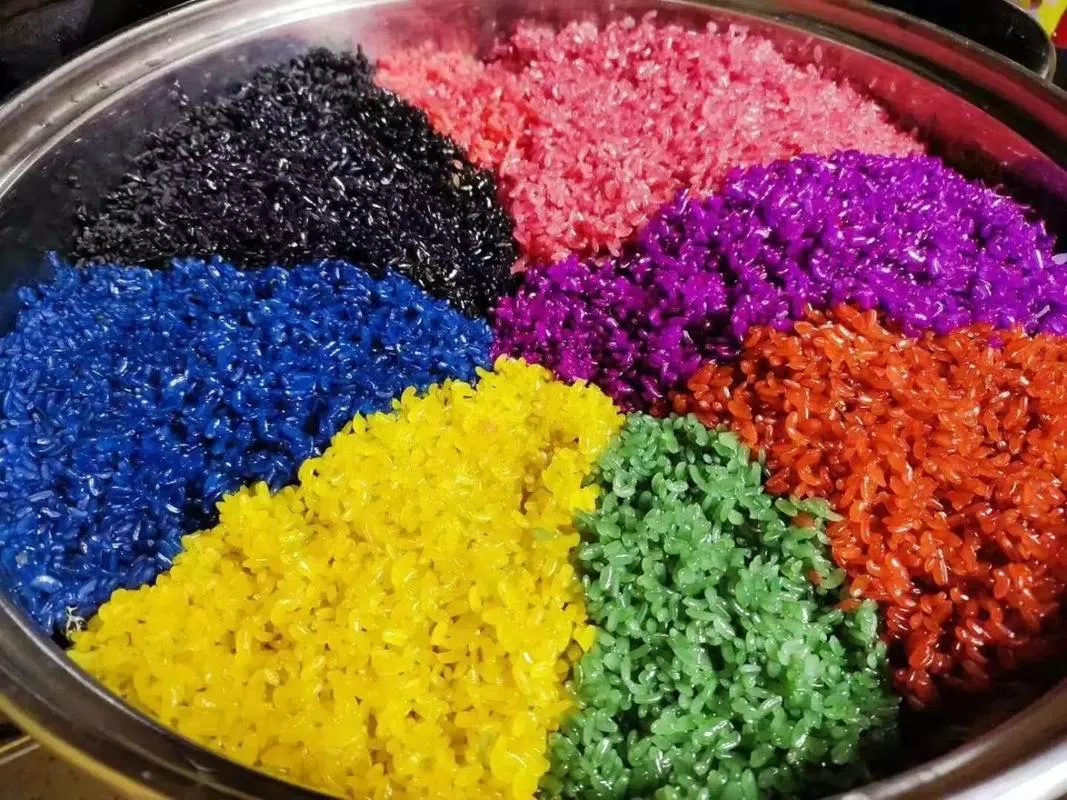
Guangxi cuisine is fresh, bright, and surprisingly diverse. Rice noodles dominate daily meals, especially Guilin rice noodles, served for breakfast with pickles, herbs, and savory broths. Flavors are clean and lightly sour, often enhanced with fermented vegetables, chili, and local herbs.
Fish from rivers, bamboo shoots from nearby hills, and seasonal greens appear frequently on the table. Compared to heavier northern cuisines, Guangxi food feels light but deeply satisfying, designed for warm weather and outdoor living. Meals here rarely overwhelm; instead, they refresh.
What to Experience in Guangxi
Life in Guangxi unfolds slowly. Morning markets, riverside walks, cycling through villages, and evening meals by the water define the rhythm of travel. In towns like Yangshuo or smaller rural communities, visitors often find themselves sharing space rather than sightseeing, moving alongside locals instead of around them.
Ethnic diversity adds quiet richness. Guangxi is home to Zhuang and other minority cultures, visible in language, architecture, festivals, and everyday customs. These cultural elements are present without performance, integrated naturally into daily life rather than staged for visitors.
What to See in Guangxi
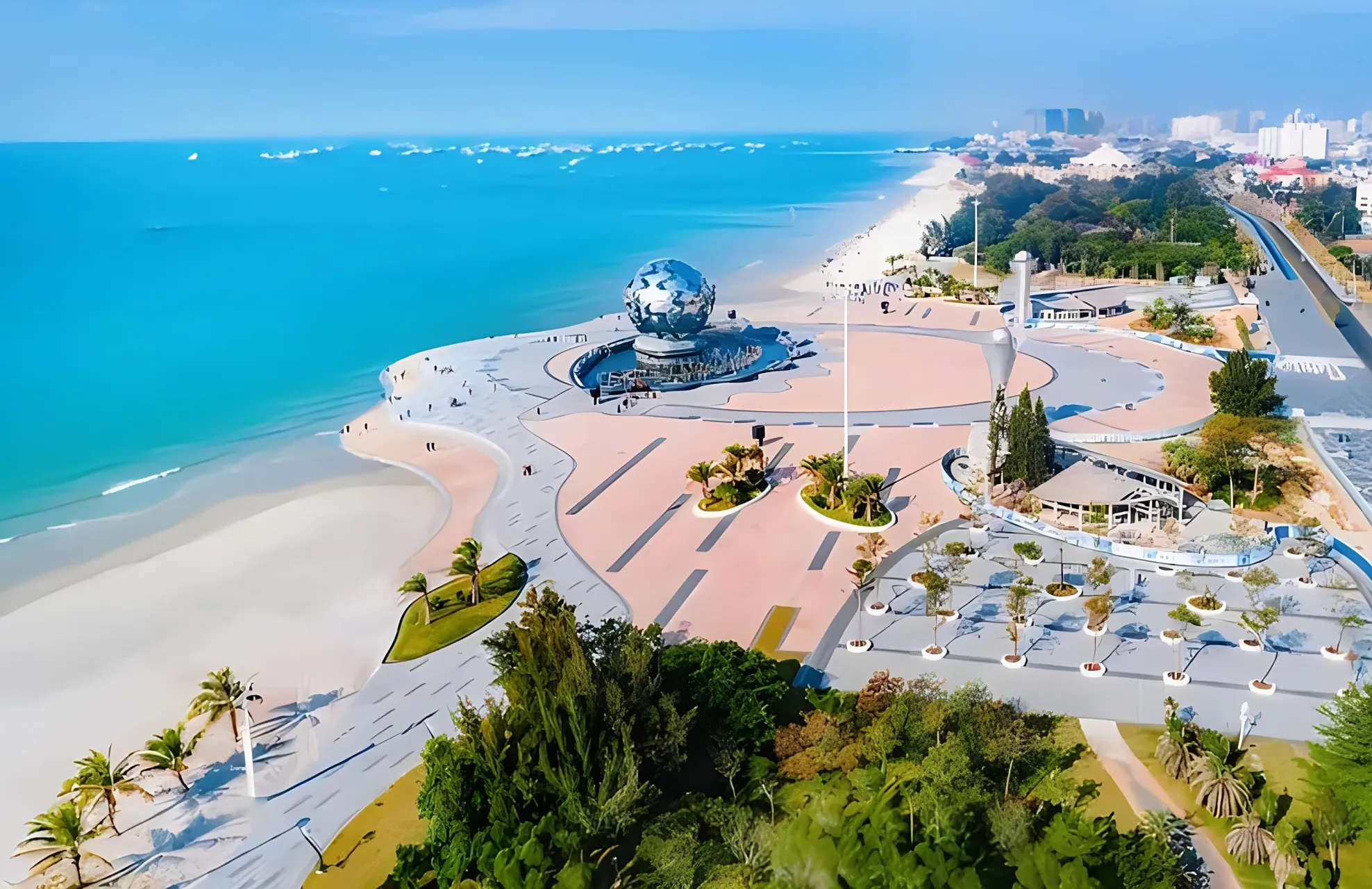
The karst landscapes of Guangxi are among the most iconic in China. Limestone peaks rise abruptly from flat land, mirrored by winding rivers that reflect sky and stone. Places like the Li River and surrounding countryside feel instantly recognizable yet endlessly calming.
Unlike destinations built around single landmarks, Guangxi’s beauty is continuous. There is no one perfect viewpoint, only long stretches of scenery that unfold slowly. Whether drifting on a bamboo raft, walking through rice fields, or watching mist settle between peaks at dusk, Guangxi invites you to look longer and move less.
A Closing Thought: Traveling China, One Province at a Time
China is often described as vast, complex, and overwhelming. That description is accurate, but incomplete. What truly defines travel in China is not scale alone, but variation.
Thinking in terms of provinces changes how the country is experienced. Each province carries its own logic, shaped by geography, climate, history, and everyday habits. Food shifts. Landscapes open or close. The pace of life adjusts. What people value, remember, and repeat becomes visible in small, ordinary ways.
In 2026, traveling China rewards those who move with intention rather than speed. The most meaningful journeys are rarely about seeing everything. They are about staying long enough to notice how mornings begin, how meals are shared, how cities and villages settle into the evening.
These eight provinces do not attempt to represent all of China. They offer points of entry. Each one provides a way to understand how people live within their environment, how traditions adapt rather than disappear, and how modern life takes different shapes across the country.
China does not ask to be understood all at once. It reveals itself gradually, province by province, place by place. Choose one, follow its rhythm, and let the experience unfold naturally. That is often where understanding begins.
FAQ
Q: Why does this guide focus on provinces rather than individual cities?
A: In China, provinces shape food, culture, dialects, landscapes, and daily habits far more deeply than single cities. Thinking in terms of provinces helps travelers understand regional logic, not just famous landmarks.
Q: Are these eight provinces the “best” places to visit in China?
A: They are not presented as the only or absolute best options. Instead, they are chosen as meaningful entry points that reveal different ways of living, eating, and moving through China in 2026.
Q: Is this itinerary suitable for first-time visitors to China?
A: Yes. The provinces include cultural, political, culinary, and geographic anchors such as Beijing and Shanghai, while also offering regions like Yunnan and Guangxi that help travelers experience China beyond major cities.
Q: How long should travelers spend in each province?
A: The article encourages depth over speed. Rather than rushing through multiple destinations, travelers are advised to spend enough time in one province to observe daily rhythms, local food habits, and everyday life.
Q: Why is Xinjiang included despite being less common on travel itineraries?
A: Xinjiang offers a scale, cultural background, and geographic diversity unlike any other region in China. Including it helps broaden travelers’ understanding of China as a continental, multi-cultural country.
Q: Does this guide focus more on sightseeing or cultural experience?
A: The emphasis is on cultural experience rather than checklist sightseeing. Food, daily life, regional habits, and the relationship between people and their environment are treated as central parts of travel.