Your Comprehensive Guide to China’s Seven Major Holidays

Table of Contents
Public holidays in China are far more than scheduled days off. They are living expressions of history, values, and collective memory, shaping how people travel, reunite with family, and reconnect with tradition. Each year, China officially observes seven major national public holidays, moments when the rhythm of daily life slows or surges in unison across the country.
During these periods, cities empty as millions return to their hometowns, temples fill with incense smoke, and dining tables become stages for ritual and reunion. For visitors, students, and expatriates, understanding these holidays offers a rare window into how ancient customs coexist with modern life in contemporary China.
In addition to these seven major holidays, China also recognizes other commemorative days such as International Women’s Day, Youth Day, and Army Day. While meaningful, these occasions do not involve nationwide public holidays. This guide focuses exclusively on the seven officially designated national holidays, the ones that shape travel seasons, work schedules, and cultural life on a national scale.
Chinese Festivals: Where Ancient Rituals Meet Modern Life
China is one of the world’s oldest continuous civilizations, with a recorded history stretching back over three millennia. Across this long timeline, festivals emerged as a way to mark agricultural cycles, honor ancestors, appease deities, and maintain cosmic harmony. Some of China’s most important celebrations can be traced as far back as the Qin Dynasty (221–206 BC), while others evolved from even earlier harvest rituals and seasonal observances.
Originally, these festivals were deeply practical. They aligned human activity with nature’s rhythms, celebrating planting and harvest seasons, warding off illness, and reinforcing clan ties in agrarian communities. Over time, layers of mythology, philosophy, and symbolism were added, transforming simple rituals into rich cultural traditions.
Yet modern Chinese holidays are not frozen in the past. While elements such as family reunions, symbolic foods, and traditional customs remain central, the way these festivals are experienced today has changed dramatically. Firecrackers have given way to digital red envelopes, temple fairs coexist with shopping festivals, and centuries-old legends are retold through livestreams and social media.
Today’s Chinese holidays exist at a crossroads of history and modernity. They are shaped as much by high-speed rail schedules and national tourism as by lunar calendars and ancient legends. Understanding them requires looking beyond dates and customs, and instead seeing how tradition adapts, survives, and thrives in a rapidly changing society.
In the sections that follow, we’ll explore each of China’s seven major public holidays, examining their origins, modern significance, and what they reveal about Chinese culture today.
What are the seven major Chinese holidays?
1. New Year's Day (元旦 / Yuándàn)
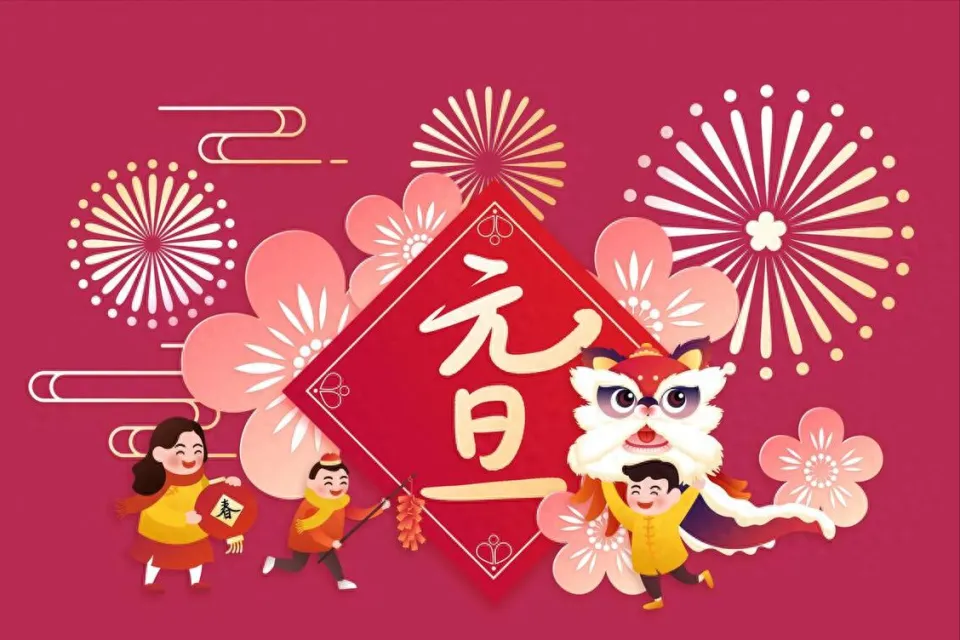
New Year’s Day marks the first official public holiday on China’s calendar and, unlike most traditional Chinese festivals, it follows the Gregorian calendar. Celebrated on January 1st, it aligns China with much of the rest of the world, making it the most internationally recognizable holiday in the country.
In China, this day is often informally referred to as “International New Year”, a practical distinction used to separate it from the Lunar New Year, which usually falls weeks later and carries far greater cultural weight. Schools, government offices, and many businesses close for the day, offering a brief pause before the longer and more intense holiday season begins.
Historically, Yuándàn was not a major celebration in traditional Chinese society. Before the adoption of the Gregorian calendar in the early 20th century, the term 元旦 was actually used to describe the first day of the lunar year. Over time, as modern calendars and global influences became standardized, the meaning shifted to January 1st.
In recent years, New Year’s Day has taken on a more festive and commercial character. Shopping malls, city centers, and entertainment districts are decorated with lights and countdown displays, and the holiday has become closely associated with promotions, sales, and short leisure trips. While it lacks the deep rituals of traditional festivals, it serves as a symbolic reset, a moment to look forward rather than backward.
For many people in China today, New Year’s Day is less about tradition and more about modern urban celebration: dining out, shopping, watching countdown events, or simply enjoying a quiet day off. It is a subtle reminder of how contemporary Chinese holidays blend global customs with local rhythms.
2. Chinese New Year (春节 / Chūnjié)
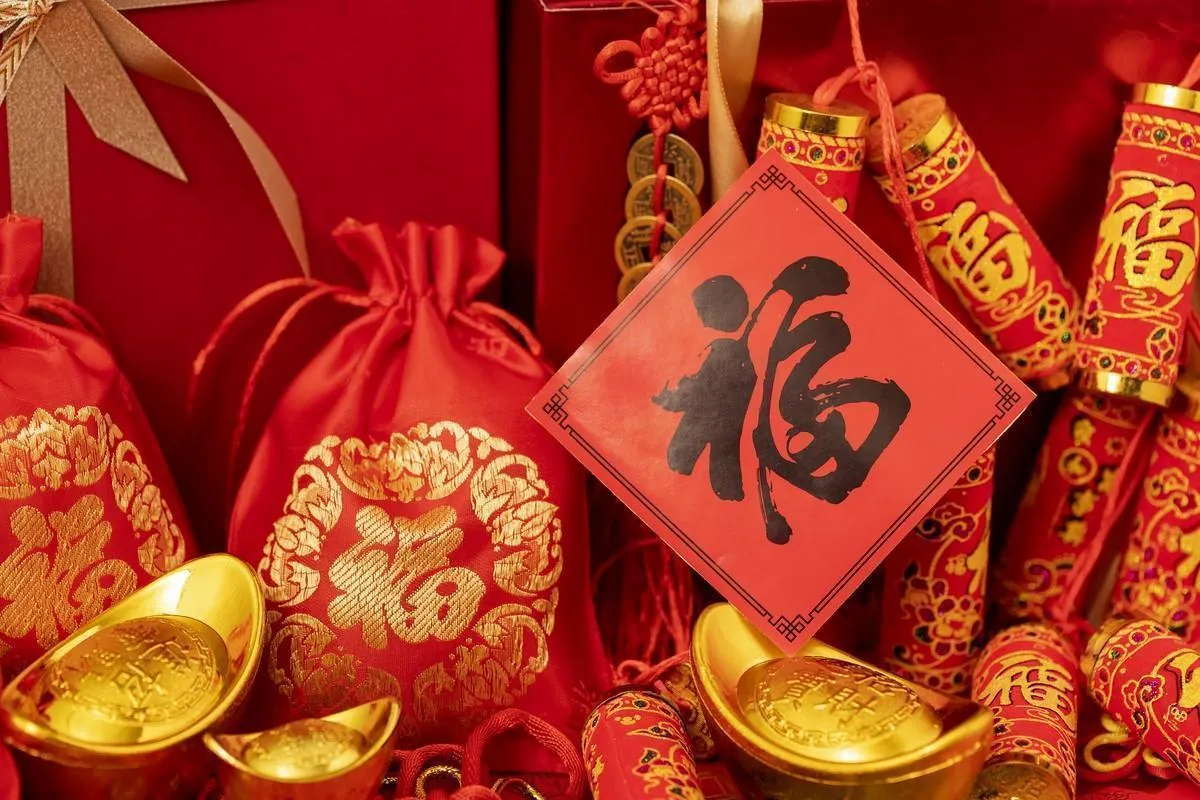
The second major public holiday each calendar year is Chinese New Year, also known as the Spring Festival. More than just a holiday, it is the cultural and emotional centerpiece of the Chinese calendar, shaping travel, family life, traditions, and even the national rhythm for weeks.
Unlike New Year’s Day, Spring Festival follows the Chinese lunisolar calendar, which means its date changes every year. It typically falls between late January and mid-February.
In 2026, Chinese New Year begins on February 17, marking the start of the Year of the Horse (马年).
Spring Festival has a history stretching back over 4,000 years, with roots in ancient agricultural rituals, seasonal worship, and ancestor veneration. Today, it is celebrated not only across mainland China, but also throughout much of East and Southeast Asia, including Singapore, Vietnam, Malaysia, and overseas Chinese communities worldwide.
Visually, China transforms during this period. Red dominates everything: lanterns, couplets, decorations, clothing, and gift packaging. In Chinese culture, red symbolizes good fortune, joy, vitality, and protection, making it the color of choice for welcoming a new year.
One of the most iconic traditions is the exchange of red envelopes, known as hóngbāo (红包). These envelopes, filled with money, are traditionally given by elders to children, employers to employees, and married couples to unmarried relatives. Beyond their monetary value, hóngbāo represent blessings, luck, and well wishes for the year ahead.
According to legend, Spring Festival traditions trace back to the mythical Nian monster (年兽 / Niánshòu). Each year, Nian was said to emerge from hiding to attack villages, devouring livestock, crops, and even people. Villagers eventually discovered that the beast feared red colors, fire, and loud noises. This legend explains many enduring customs: wearing red, hanging red decorations, lighting firecrackers, and setting off fireworks to frighten away misfortune and welcome prosperity.
Luck plays a central role throughout the Spring Festival period. People take great care to avoid bad omens and attract positive energy. Speaking negatively is strongly discouraged, and topics such as death, illness, or loss are traditionally avoided. Certain actions, such as breaking objects or arguing, are believed to invite bad luck for the coming year.
Numbers also matter. The number four (四 sì) is considered especially unlucky during this time because it sounds similar to the word for death (死 sǐ). In contrast, lucky numbers like eight (八 bā) are favored for their association with wealth and success.
Although many people think of Chinese New Year as a single day, the celebration actually spans over two weeks. Traditionally, the Spring Festival period does not conclude until the Lantern Festival (元宵节 / Yuánxiāo Jié), held on the 15th day of the first lunar month, when families enjoy lantern displays, solve riddles, and eat glutinous rice balls symbolizing reunion.
At its core, Spring Festival is about returning home, honoring family, and beginning anew. No matter how modern life becomes, Chinese New Year remains a powerful reminder that reunion, tradition, and hope are timeless.
3. Tomb Sweeping Day (清明节 / Qīngmíngjié)
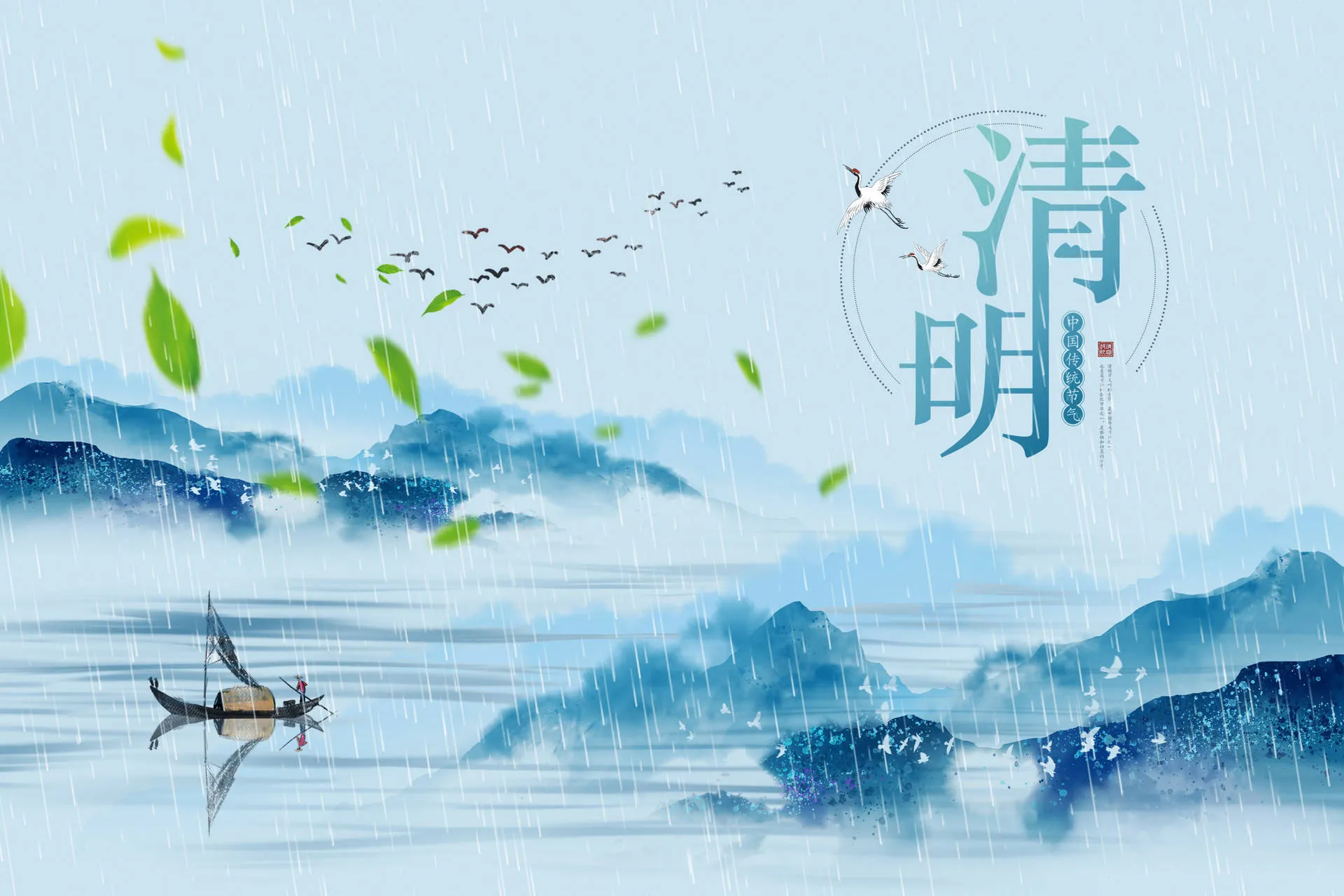
The third major public holiday of the year is Tomb Sweeping Day, known in Chinese as Qingming Festival or the Pure Brightness Festival. With a history of more than 2,500 years, Qingming reflects one of the most enduring values in Chinese culture: respect for ancestors and remembrance of the past.
Qingming Festival is closely tied to the traditional Chinese solar calendar. It falls on the 15th day after the Spring Equinox, usually landing on April 4th, 5th, or 6th each year.
In 2026, Tomb Sweeping Day is observed on April 5.
The name Qingming literally means “clear” and “bright,” symbolizing not only the seasonal shift into spring, but also clarity of mind and reverence of memory. On this day, families traditionally visit ancestral graves to clean tombstones, remove weeds, and make offerings. These acts are not merely symbolic; they represent filial piety (孝 / xiào), a core Confucian virtue emphasizing respect for one’s elders, both living and deceased.
One of the most recognizable Qingming customs is the burning of joss paper, often referred to in English as “hell money” or spirit money. These paper offerings may take the form of cash, clothing, houses, or even modern items like phones and cars, all intended to ensure that ancestors are comfortable and well-provided for in the afterlife.
Unlike many other Chinese festivals centered on celebration and noise, Qingming is more solemn and reflective. However, it is not exclusively mournful. Once tomb-sweeping rituals are completed, families often spend the remainder of the day enjoying spring outings, known as tàqīng (踏青). Picnics, kite flying, walking in nature, and quiet family gatherings are all common activities, reflecting the balance between remembrance and renewal.
Historically, Qingming also absorbed elements from older Cold Food Festival traditions, which discouraged the use of fire. While those customs have largely faded, the festival still retains a sense of restraint and calm that sets it apart from louder holidays like Spring Festival.
At its heart, the Qingming Festival serves as a bridge between generations. It reminds people to look backward with gratitude while moving forward with clarity, honoring those who came before while embracing the vitality of spring and life itself.
4. Labor Day (劳动节 / Láodòngjié)
The fourth major public holiday on China’s calendar is Labor Day, known in Chinese as Láodòngjié (劳动节) or May Day (五一节 / Wǔyī Jié). It coincides with International Workers’ Day and is celebrated every year on May 1st.
Labor Day honors the contributions of workers across all industries, from factory laborers and farmers to office employees, service staff, and professionals. In modern China, it has become both a tribute to work and a welcome pause from it.
Officially, the Labor Day holiday typically lasts three days. However, as with many Chinese public holidays, this break is often created through schedule adjustments. To form a longer continuous holiday, employees are usually required to make up workdays on surrounding weekends, a practice that can be both convenient and controversial.
Over time, Labor Day has evolved from a politically symbolic occasion into one of China’s most active travel and consumption periods. Domestic tourism surges during the Wǔyī holiday, with millions of people visiting scenic areas, historical sites, and major cities. Shopping malls, restaurants, and online platforms also capitalize on the holiday with large-scale promotions and discounts.
While Labor Day may lack the deep ritual traditions of festivals like Spring Festival or Qingming, it plays an important role in contemporary Chinese life. It reflects the country’s modern rhythm, balancing productivity with rest, and offering workers a brief but meaningful opportunity to relax, travel, or spend time with family.
5. Dragon Boat Festival (端午节 / Duānwǔjié)
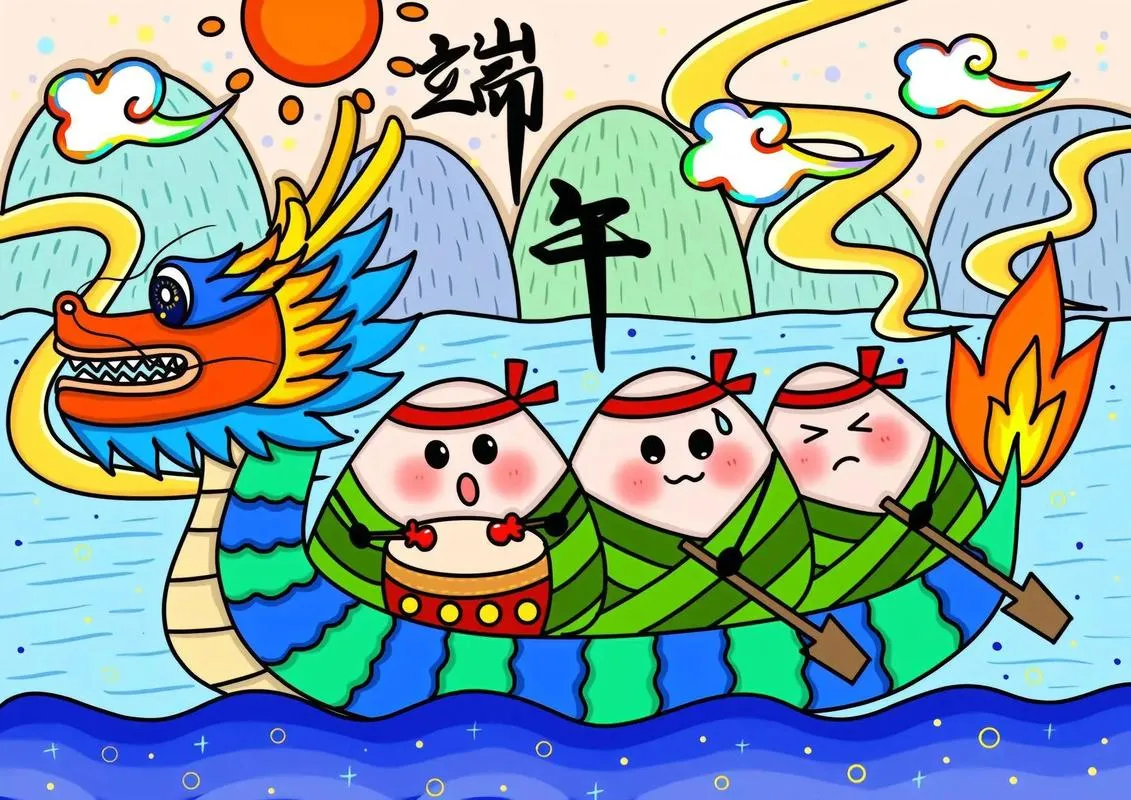
The fifth major public holiday in China is the Dragon Boat Festival, known in Chinese as Duānwǔjié (端午节). It takes place on the fifth day of the fifth lunar month, which usually falls in June on the Gregorian calendar.
In 2026, the Dragon Boat Festival will be observed on June 19.
Origins and LegendsThere are two widely accepted origin stories behind the festival. One is rooted in ancient superstition. In traditional Chinese belief, the fifth lunar month was considered an unlucky period, and the fifth day was thought to be particularly dangerous. People held rituals and protective practices during this time to ward off evil spirits, disease, and bad luck.
The more famous and historically grounded legend commemorates Qu Yuan (屈原), a patriotic poet and statesman who lived during the Warring States period (circa 340–278 BCE). After being falsely accused of treason and exiled from court, Qu Yuan fell into despair and drowned himself in the Miluo River. The local people, who deeply admired him, rushed out in boats in an attempt to save him or recover his body.
This act of collective mourning is believed to be the origin of the festival’s most iconic tradition: dragon boat racing.
Traditions and CustomsToday, dragon boat races are held across China and around the world, featuring long, narrow boats decorated with dragon heads and tails. Teams paddle in unison to the beat of drums, creating one of the most visually striking spectacles of the Chinese festival calendar.
Food also plays a central role during the Dragon Boat Festival. The most representative dish is zòngzi (粽子), sticky rice dumplings wrapped in bamboo or reed leaves and filled with ingredients such as red beans, dates, pork, or salted egg yolk. In some regions, people also drink realgar wine, traditionally believed to repel insects and evil influences.
Other common customs include wearing scented perfume pouches, often filled with medicinal herbs, and hanging mugwort leaves and calamus on doors and windows. These practices reflect the festival’s original function as a seasonal ritual for protection and well-being.
Blending poetry, patriotism, competition, and folk belief, the Dragon Boat Festival stands as a vivid example of how ancient Chinese traditions continue to shape modern cultural life.
6. Mid-Autumn Festival (中秋节 / Zhōngqiūjié)
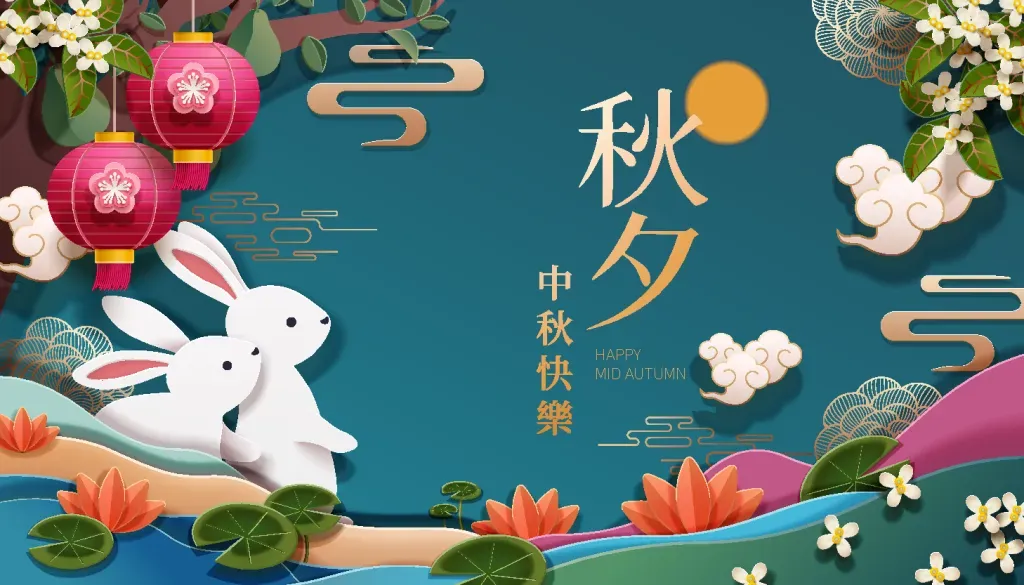
The sixth major public holiday in China is the Mid-Autumn Festival, known in Chinese as Zhōngqiūjié (中秋节). Celebrated on the 15th day of the eighth month of the lunar calendar, it coincides with the night of the brightest full moon of the year and traditionally marks the harvest season.
In 2026, the Mid-Autumn Festival will fall on September 25.
A Festival of Reunion and GratitudeMore than a seasonal celebration, the Mid-Autumn Festival is deeply associated with family reunions. In spirit, it is often compared to Thanksgiving in the United States. Families gather to share meals, admire the moon, and express gratitude for abundance, harmony, and good fortune.
In Chinese culture, the full moon symbolizes wholeness and unity, making this festival especially meaningful for families separated by distance. Even when physical reunions aren’t possible, many people look up at the same moon, believing it bridges emotional distance.
Lanterns, Moonlight, and Nighttime JoyLanterns are a beloved visual symbol of the Mid-Autumn Festival. Children and adults alike carry colorful paper lanterns through parks and streets, while some lanterns are designed to float or glow softly against the night sky. The warm lantern light paired with moonlight creates an atmosphere that feels both festive and poetic.
Mooncakes and Gift-Giving TraditionsNo Mid-Autumn Festival is complete without mooncakes (月饼 / yuè bǐng). These round pastries typically feature rich fillings such as lotus seed paste, red bean paste, or salted egg yolk, which symbolizes the full moon. Modern varieties now include ice cream, chocolate, and even savory fillings.
Exchanging mooncakes is an important social custom. Families, friends, and business partners gift beautifully packaged mooncakes as tokens of goodwill, respect, and connection. In many ways, mooncakes serve as edible messages of reunion and shared blessings.
Blending harvest rituals, moon symbolism, and heartfelt family bonds, the Mid-Autumn Festival remains one of the most emotionally resonant celebrations in the Chinese calendar.
7. National Day (国庆节 / Guóqìngjié)
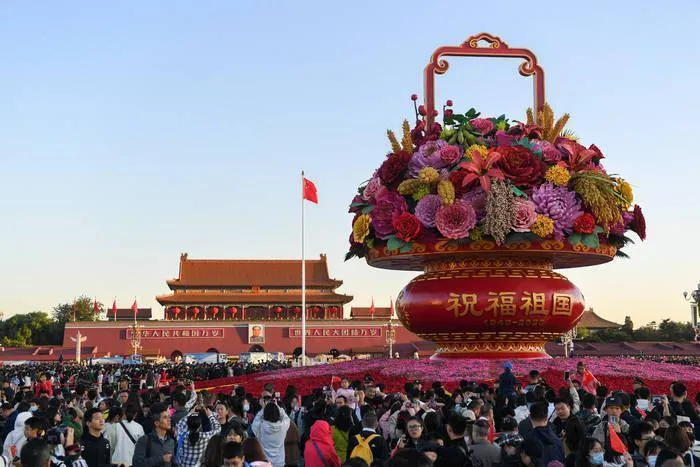
The seventh and final major public holiday in China is National Day, known as Guóqìngjié (国庆节). It is celebrated every year on October 1st, marking the founding of the People’s Republic of China in 1949.
National Day is not only a public holiday but also a powerful symbol of modern China’s national identity. It commemorates the moment when the country entered a new historical era and is therefore deeply tied to themes of unity, progress, and collective pride.
Ceremonies, Spectacle, and National PrideAcross the country, cities and towns are decorated with national flags, red banners, and patriotic slogans. Public squares, landmarks, and major streets often become focal points for celebrations, illuminated by festive lighting and large-scale displays.
The government organizes a range of official activities, including concerts, cultural performances, and firework shows. In milestone years, a large-scale military and civilian parade is held in Beijing, showcasing national achievements and honoring the country’s development. The flag-raising ceremony at Tiananmen Square remains one of the most iconic images associated with National Day.
The Golden Week EffectNational Day also marks the beginning of one of China’s most famous holiday periods: Golden Week. With several consecutive days off, millions of people travel across the country to visit family, explore tourist destinations, or simply take a well-earned break. As a result, transportation hubs, scenic sites, and hotels reach peak activity during this time.
Blending solemn commemoration with vibrant celebration, National Day stands as both a reflection on China’s modern history and a nationwide moment of shared identity. It brings the annual cycle of major Chinese public holidays to a meaningful and symbolic close.
How Long Do Chinese Holidays Last?
The length of Chinese holidays varies from festival to festival, and understanding this system is essential for anyone planning to live, work, or travel in China. One key concept to know is Golden Week.
What Is Golden Week?
“Golden Week” refers to extended public holidays that last seven or eight consecutive days, giving people enough time to travel long distances, visit family, or vacation both domestically and abroad. These longer breaks are created by adjusting work schedules, meaning people are often required to work on nearby weekends to compensate for the extra days off.
Standard Holiday Lengths
Most Chinese public holidays are officially one day long, including:
- ● New Year’s Day
- ● Tomb-Sweeping Day
- ● Labor Day
- ● Dragon Boat Festival
- ● Mid-Autumn Festival
However, the actual time off depends on which day of the week the holiday falls on.
- ● If a holiday falls on a Wednesday, people typically receive just one day off.
- ● When it falls on a Tuesday or Thursday, the government may link it with surrounding days to create a four-day break.
- ● If it falls on a Saturday or Sunday, the following Monday is usually given off instead.
Spring Festival: The Longest Holiday
The Spring Festival (Chinese New Year) is the longest and most important holiday of the year. It always includes a seven-day national break, regardless of the calendar. To make this possible, people often work six or seven consecutive days either before or after the holiday to make up for lost work time.
When Holidays Combine
In some years, National Day and the Mid-Autumn Festival fall close together. When this happens, the government may merge them into a single extended Golden Week, lasting seven or even eight days, creating one of the busiest travel periods of the year.
Together, these flexible arrangements create a holiday system that balances tradition, modern work life, and nationwide travel—sometimes at the cost of a few extra workdays, but with the reward of meaningful time off.
Is China Closed During Public Holidays?
If you’re planning to travel in China during a public holiday, it’s natural to wonder whether the country slows to a standstill. In reality, the opposite is true. Chinese public holidays are often the busiest and most energetic times of the year.
What Stays Open and What Closes?
During major holidays, especially Chinese New Year and Golden Week, tourism surges and consumer spending peaks. Shopping malls, restaurants, tourist attractions, and entertainment venues are typically fully open and often busier than usual. Hotels and transport services also operate at full capacity, though prices and crowds tend to increase.
That said, government offices and public institutions such as immigration offices, police bureaus, and administrative departments usually close for the entire holiday period. This can be inconvenient during longer breaks like Golden Week, so it’s best to complete any official paperwork in advance.
How Weekends Affect Chinese Holidays
In mainland China, public holidays are not limited by weekends. If a holiday falls on a Saturday or Sunday, the government typically adds replacement days off during the following week. This ensures everyone receives official time off, regardless of the calendar date, but it may also involve adjusted workdays before or after the holiday.
Banking During the Holidays
Most banks close during public holidays, although some major branches, particularly in city centers or financial districts, may remain open with limited hours. If you need banking services during a holiday, your best option is to visit a central branch in the financial district or rely on ATMs, which generally remain accessible.
In short, China doesn’t shut down for the holidays, but it does shift gears. With lively streets, packed trains, and closed public offices, a little planning goes a long way in making your holiday travel smooth and enjoyable.
Does China Celebrate Thanksgiving and Christmas?
Traditionally, Thanksgiving and Christmas are not official holidays in China, and neither is observed nationwide in the way they are in Western countries.
Thanksgiving in China
Thanksgiving (感恩节 Gǎn'ēn Jié) is primarily a North American holiday, rooted in the cultural history of the United States and Canada. As such, it is not celebrated in China, and there are no public activities or traditions associated with it.
That said, the spirit of Thanksgiving does find a loose parallel in Chinese culture. The Mid-Autumn Festival serves a similar role, emphasizing family reunions, gratitude, and appreciation for the year's harvest and blessings.
Christmas in China

Christmas (圣诞节 Shèngdàn Jié), on the other hand, has gained noticeable popularity in China over the past few decades. While it is not a public holiday, it is widely embraced in cities, especially among younger generations and those interested in Western culture.
Shopping malls, cafés, and restaurants often feature Christmas decorations, themed promotions, and festive music. For many people in China, Christmas is seen less as a religious occasion and more as a social or romantic celebration.
One uniquely Chinese Christmas custom is the tradition of giving red apples on Christmas Eve. This practice comes from a playful linguistic connection: Christmas Eve in Mandarin is called Píng'ān Yè (平安夜, "peaceful night"), and the word for apple is píngguǒ (苹果). Because they share the same opening sound, apples have become a symbol of peace, safety, and good wishes during the Christmas season.
When Are China's Public Holidays Each Year?
Each year, the Chinese government releases an official calendar of public holidays, outlining the exact dates and adjusted work schedules. These announcements help residents and travelers alike plan ahead.
- ● 2026 Chinese Public Holidays
- ● 2027 Chinese Public Holidays
Many Chinese holidays rank among the oldest continuously celebrated festivals in the world, offering rare insight into traditions that have endured for centuries. From ancestral rituals to vibrant street celebrations, these dates mark some of the most culturally rich moments of the year.
Whether you’re living in China or simply visiting, experiencing these holidays firsthand is one of the best ways to understand local customs, values, and everyday life. Few things bring Chinese culture to life quite like celebrating its festivals alongside the people themselves.
A Final Word on Chinese Holidays
Chinese holidays are far more than days off on a calendar. They are living expressions of history, family bonds, seasonal rhythms, and shared memory. From the intimate reunions of Spring Festival to the nationwide pride of National Day, each holiday offers a different lens through which to understand China.
Whether you're planning a trip, learning Chinese, or simply curious about the culture, knowing these festivals helps you read between the lines of everyday life. The foods people eat, the words they avoid, the places they travel to—and the ones they return to—are all shaped by these special days.
In China, time is not only counted in weeks and months, but in festivals remembered and celebrated together. Once you understand the rhythm of these holidays, you begin to understand the rhythm of China itself.
FAQ
Q: Why does China only have seven official national public holidays?
A: China’s holiday system is designed to balance cultural tradition with economic productivity. While there are many meaningful festivals and commemorative days, only seven are designated as nationwide public holidays because they have broad historical roots, strong cultural significance, and a nationwide social impact that affects travel, work schedules, and family life.
Q: Why do Chinese holidays often involve working on weekends?
A: To create longer continuous breaks, especially Golden Weeks, the government adjusts work schedules by shifting rest days and workdays. This means people may work on a nearby weekend to “exchange” it for consecutive days off, allowing longer travel and family reunions without increasing the total number of annual public holidays.
Q: Which Chinese holiday has the biggest impact on travel?
A: Chinese New Year (Spring Festival) has the largest impact by far. It triggers the world’s largest annual human migration, as hundreds of millions of people return to their hometowns. National Day’s Golden Week ranks second, creating another massive surge in domestic tourism.
Q: Are traditional festivals still important in modern China?
A: Yes, but their expression has evolved. While core values like family reunion, remembrance, and symbolism remain intact, modern elements such as online red envelopes, livestreamed celebrations, and holiday shopping festivals now coexist with ancient rituals, showing how tradition adapts rather than disappears.
Q: Is it a bad idea to travel in China during public holidays?
A: It depends on your expectations. Holidays offer vibrant atmospheres, cultural immersion, and festive energy, but they also bring heavy crowds, higher prices, and packed transportation. Travelers who enjoy lively scenes may love it, while those seeking quiet exploration should avoid Golden Weeks.
Q: How do Chinese holidays reflect core cultural values?
A: Each holiday highlights a different value: Spring Festival emphasizes family and renewal, Qingming focuses on remembrance and filial piety, Dragon Boat Festival honors loyalty and protection, Mid-Autumn celebrates reunion and gratitude, and National Day reinforces collective identity. Together, they form a cultural calendar that mirrors how Chinese society understands time, relationships, and belonging.