
Chill Out the Chinese Way: Exploring Old-School Chinese Ice Cream and Homemade Popsicles
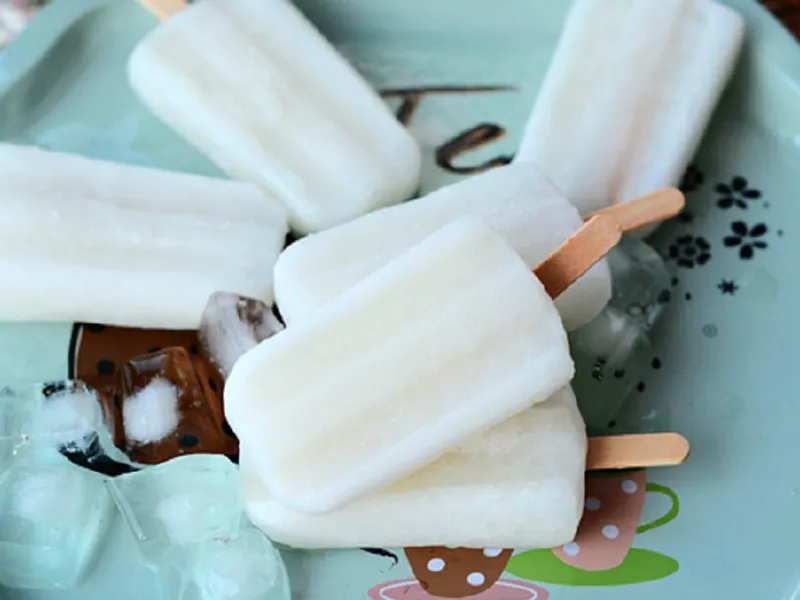
When you think of ice cream, your mind might go straight to creamy scoops of vanilla, chocolate, or strawberry in a cone. But in China, the world of frozen treats carries a flavor of nostalgia and a slice of history that’s distinctly Chinese. From the famous 老冰棍 (lǎo bīnggùn), the “old-school popsicle,” to sweet syrup-based frozen treats, China has been delighting people of all ages with ice cream and icy snacks long before fancy gelato shops took over city streets.
For those curious about how to make ice cream at home, Chinese ice cream traditions offer a playful, accessible inspiration. And if you are exploring homemade ice cream recipes or seeking healthy ice cream alternatives, the simplicity of these traditional treats might surprise you.
A Walk Down Memory Lane: Old-School Chinese Popsicles
The 老冰棍 is more than just a frozen treat—it’s a symbol of Chinese summer, childhood memories, and street-side nostalgia. First introduced in the early 20th century, these popsicles were sold from carts or small shops and often cost just a few Chinese cents, making them accessible to everyone. Their simple ingredients—sugar, water, fruit flavorings, and sometimes milk—were frozen in metal molds or later in plastic sticks.
Unlike Western ice creams, which rely heavily on cream and milk, the classic Chinese popsicle is lighter, icier, and more refreshing in hot weather. Strawberry, red bean, mango, and green bean flavors were common, while innovative flavors like lychee, hawthorn, or even mung bean offered a uniquely Chinese taste.
Walking through older neighborhoods in cities like Beijing or Shanghai, you might still spot elderly vendors shouting “冰棍! 冰棍!” as they carry boxes full of these frozen treats. For many, grabbing one is like stepping back into childhood—sticky fingers, sweet aroma, and the fleeting pleasure of something cold melting in your mouth under the summer sun.
The Science and Simplicity of Chinese Popsicles
What makes Chinese popsicles fascinating is their simplicity and flexibility. If you’re exploring how to make ice cream at home, a traditional sugar-water popsicle is a great place to start. All you need are water, sugar (or natural sweeteners), and a mold or cup to freeze the mixture. For fruit-based popsicles, adding fresh fruit, puree, or even juice elevates the flavor while keeping it naturally sweet.
Some variations incorporate milk or condensed milk, bridging the gap between Western-style creamy ice cream and classic Chinese icy treats. This creates a texture that’s smoother but still light, reminiscent of nostalgic childhood desserts.
For the health-conscious, experimenting with healthy ice cream versions is simple. Replace sugar with honey, use coconut water instead of plain water, or add fresh fruit chunks for natural sweetness. The result is a frozen treat that’s not only delicious but also light, refreshing, and suitable for all ages.
Making Chinese Ice Cream at Home
If you’ve ever wondered how to make ice cream in the Chinese style, the process is easier than it seems. Here’s a simple approach inspired by old-school popsicles:
- Choose your base: Water-based popsicles are classic, but milk or yogurt can give creamier texture.
- Add sweetness: Sugar, honey, or fruit syrup. Traditional flavors like red bean or mung bean paste are authentic choices.
- Flavor it: Fresh fruit (mango, strawberry, lychee) or natural flavorings (matcha, sesame, coconut) make it vibrant.
- Freeze in molds: Use ice pop molds, small cups, or even paper cups with sticks inserted. Freeze for several hours until solid.
- Enjoy: Pop it out, take a bite, and savor the nostalgia of a simple, homemade frozen delight.
Experimenting with different textures and flavors is part of the fun. Some people even combine layers—fruit puree at the bottom, milk ice in the middle, and a drizzle of syrup on top—to create a miniature layered ice cream cup in the spirit of Chinese ice cream culture.
Cultural Significance of Ice Cream in China
Ice cream in China is more than just a dessert—it’s a symbol of seasonal joy and social life. Street vendors selling 冰棍 (bīnggùn) are staples of summer, and enjoying a frozen treat with friends or family is a communal experience. During summer festivals or temple fairs, colorful popsicles are a part of the lively atmosphere, evoking laughter, shared memories, and the playful side of urban life.
Even in modern supermarkets, Chinese ice cream brands balance international influences with local tastes. From red bean and green tea to taro and black sesame, flavors often nod to traditional Chinese desserts while embracing modern convenience. These products bridge generations, combining the nostalgia of old-school lǎo bīnggùn with contemporary innovation.
Ice Cream as a Global Bridge
For foreigners interested in Chinese culture, exploring Chinese ice cream provides more than culinary insight—it’s a lens into everyday life, history, and local traditions. Unlike Western desserts, which often emphasize richness and creaminess, Chinese ice cream celebrates refreshment, simplicity, and flavor balance. Trying to make homemade ice cream in this style is both an experiment and a cultural experience: learning what ingredients are local favorites, how flavors reflect Chinese taste preferences, and how a simple icy treat can carry emotional resonance.
Moreover, understanding these traditions connects to a broader cultural framework. Street food, neighborhood markets, and homemade desserts reflect the rhythm of Chinese daily life. Ice cream, especially popsicles made from sugar water or fresh fruit, is an accessible entry point for appreciating Chinese ingenuity and playfulness in food culture.
Conclusion: Sweet Lessons from Chinese Frozen Treats
Whether you’re curious about how to make ice cream at home, exploring homemade ice cream, or simply enjoying the nostalgia of childhood desserts, Chinese ice cream offers a delightful and educational journey. From the 老冰棍 carried by street vendors to syrupy homemade popsicles frozen in cups, each treat tells a story of history, culture, and seasonal enjoyment.
Trying these desserts, recreating them in your kitchen, or simply appreciating their role in daily life provides a richer understanding of Chinese culinary culture. Ice cream isn’t just food—it’s a way to connect generations, celebrate summers, and taste the sweet side of Chinese tradition.
So next time you think of ice cream, don’t just imagine cones and scoops. Imagine a red bean popsicle melting in your hands on a summer street in Beijing, or a layered syrup-and-milk cup you made yourself at home. That is the essence of Chinese ice cream culture, blending simplicity, flavor, and joy—one frozen bite at a time.