
Beihai City Walk Let’s take a step back in time and explore Beihai’s hidden stories.
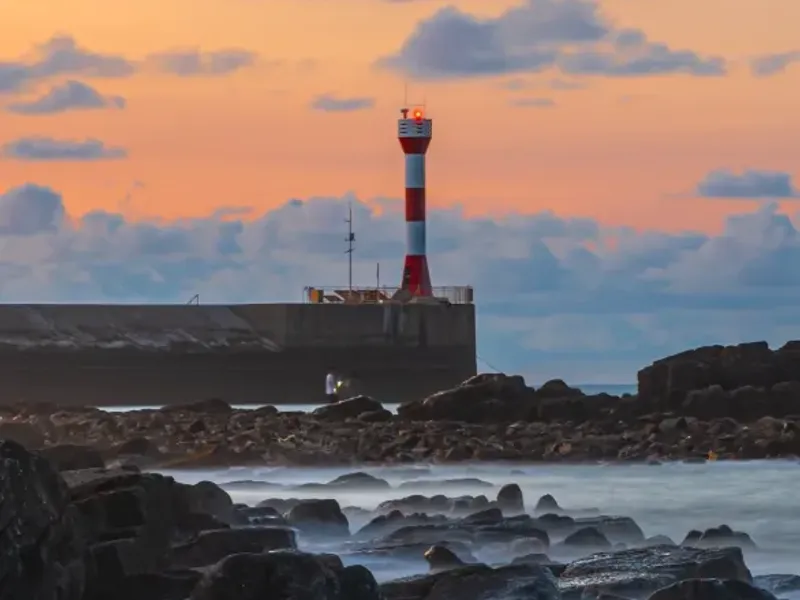
Beihai is one of China’s rising coastal destinations. Here, you’ll meet people from all over the country — from Northeast to Southwest China — with only about 10% being locals. You could say Beihai is truly a “city of migrants.”
How did this happen? Beihai began as a small fishing village. Thanks to its natural deep-water harbor and location near Vietnam, Guangzhou, and inland China, it flourished during the Qing Dynasty — China’s last imperial era. The city soon attracted both domestic and foreign merchants, leading to the construction of consulates, hospitals, churches, and modern schools.
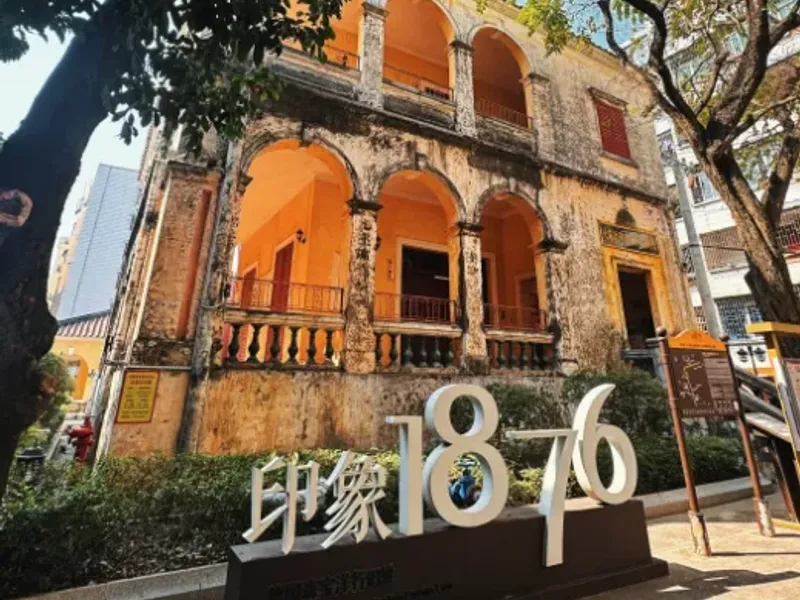
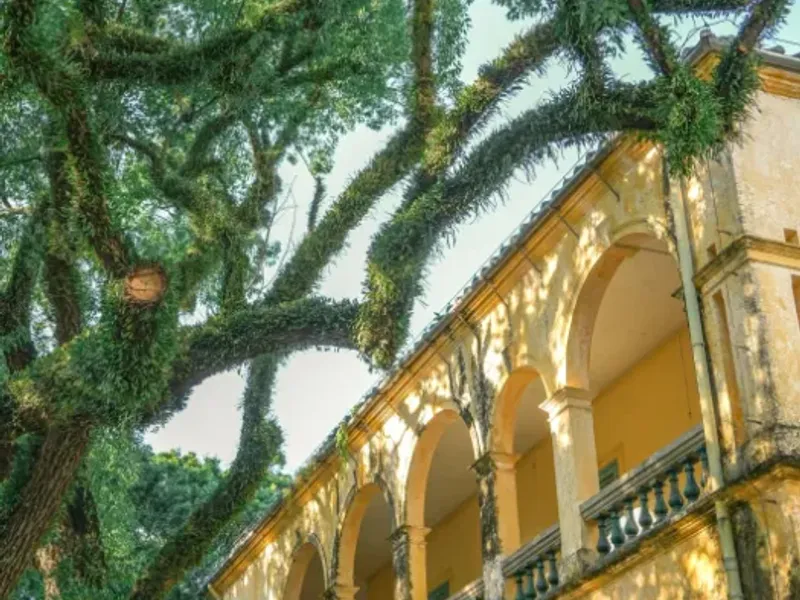
Remarkably, Beihai had electric streetlights even before Jinan, the capital of Shandong Province, was electrified — a symbol of its early prosperity. After the founding of the People’s Republic of China, Beihai replaced Hepu as the regional center. During the early years of China’s reform and opening-up, it became one of the 14 coastal open cities, drawing businesspeople from Hong Kong and Sichuan.
Today, Silver Beach is famous for its fine white sand and easy access, making it one of the most popular mainland beach destinations. Weizhou Island, with its volcanic landscape and frequent sightings of Bryde’s whales, has made Beihai go viral once again.

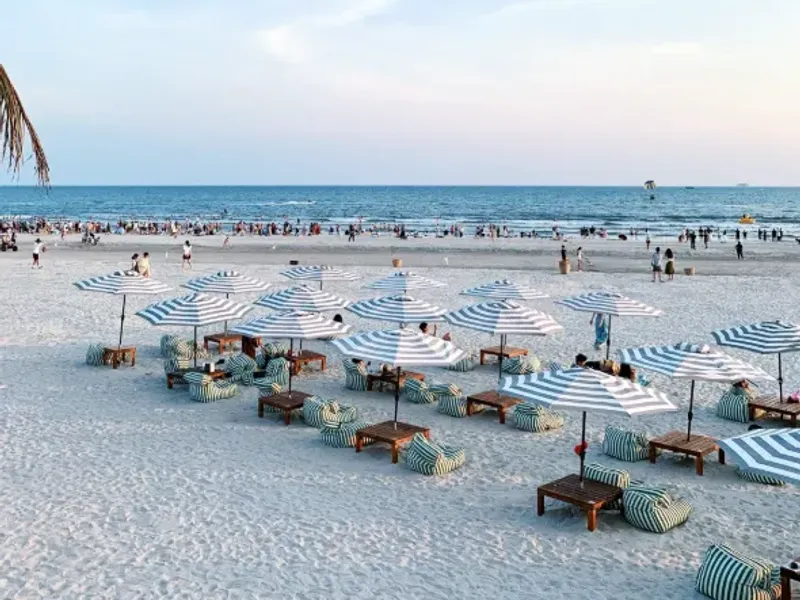

Beihai — once a quiet fishing village — has lived through over a century of remarkable transformation. Join RPL School and let’s uncover the city’s fascinating stories together!
Our walking route includes:
● Former British, French, and German consulates — windows into Beihai’s foreign trade history.
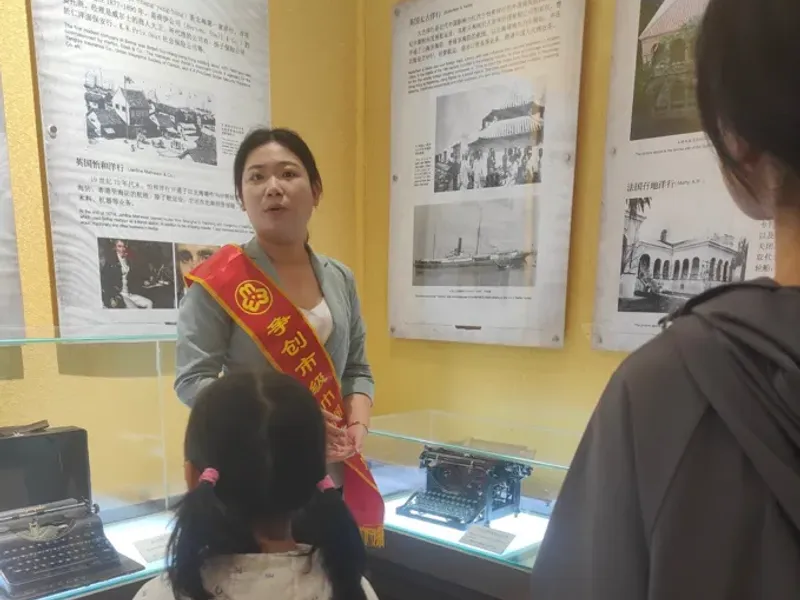
● The Qing Dynasty Post Office and Customs Building — once the gateway linking China to the world.
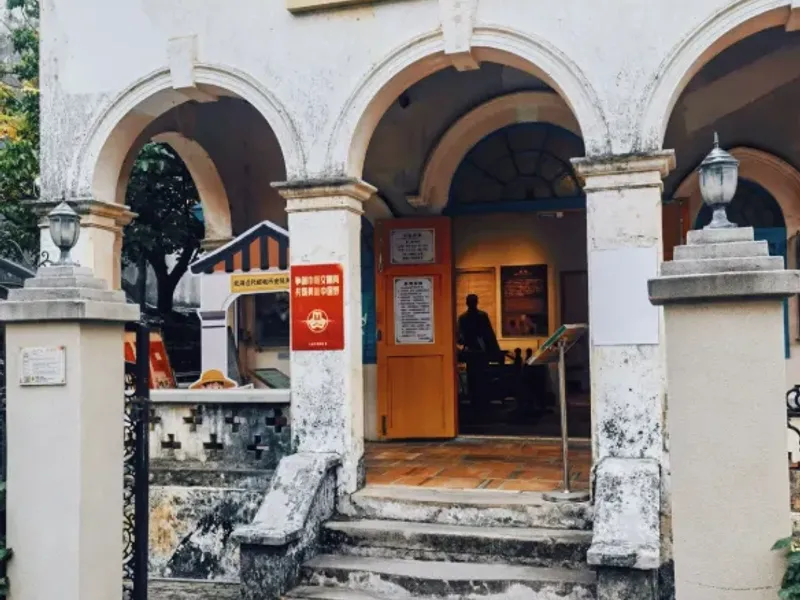
● A small intangible cultural heritage exhibition hidden in a historic German trading courtyard.
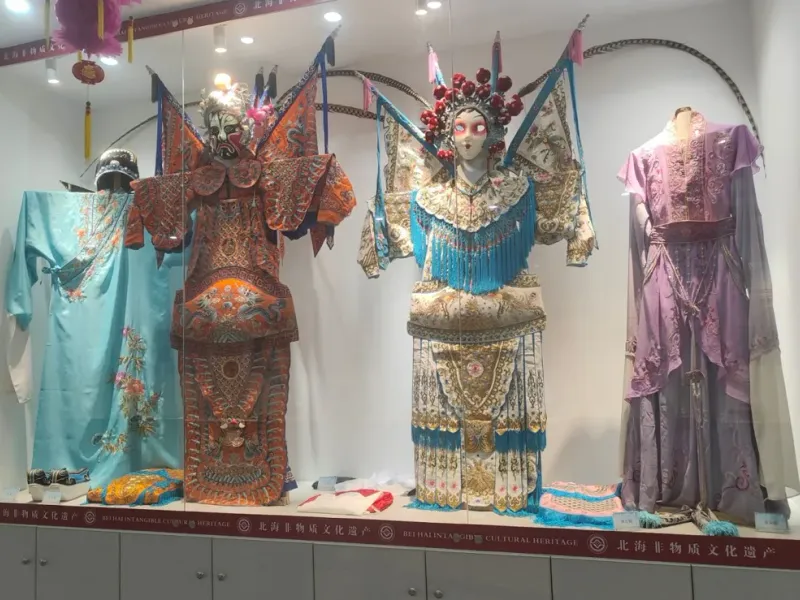

● The Beihai Shell Carving Museum (admission required, passport needed for entry) — showcasing exquisite local craftsmanship.
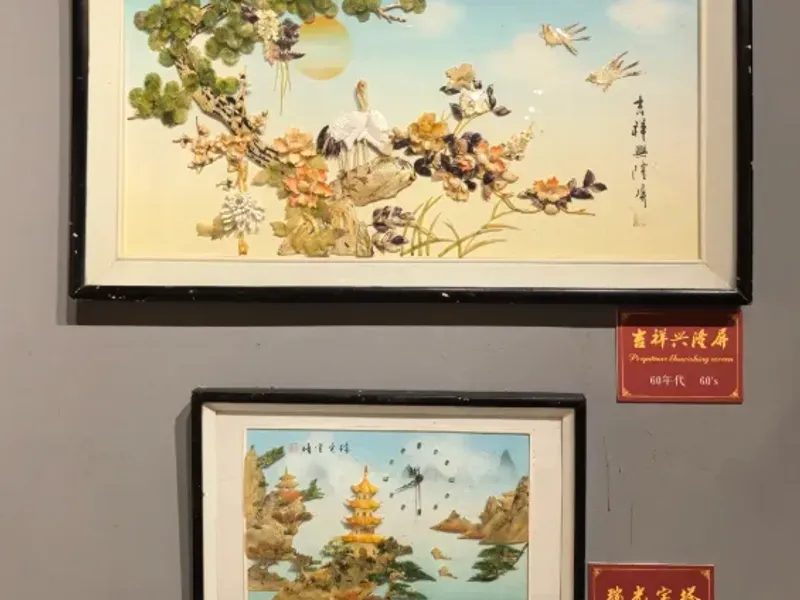
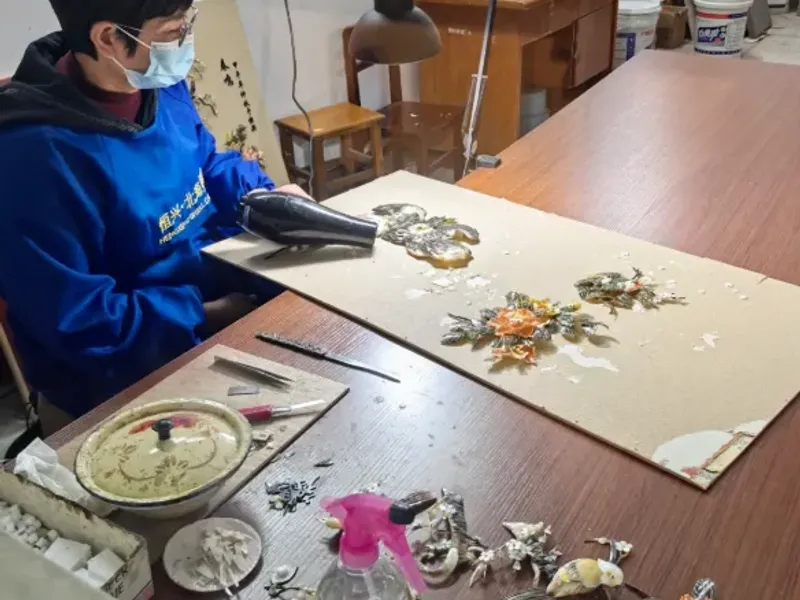
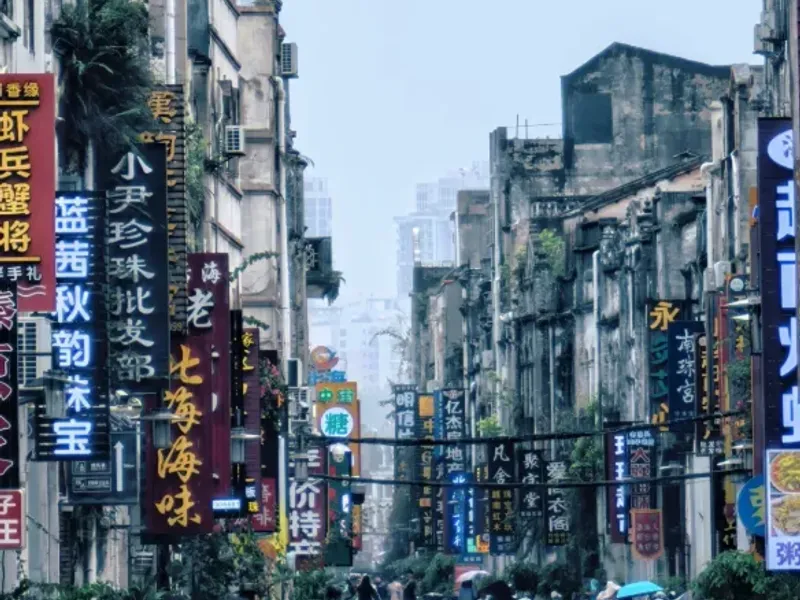
● Along the way, we’ll pass by some hidden local spots — secret little shops only Beihai residents know. Let’s explore and discover them together with RPL School!
Note: Please bring your passport, drinking water, and sun protection.
A relaxing and educational city walk — experience Beihai’s blend of history, culture, and taste with RPL School.