
Anhui – Chronicle of Jianghuai Splendor
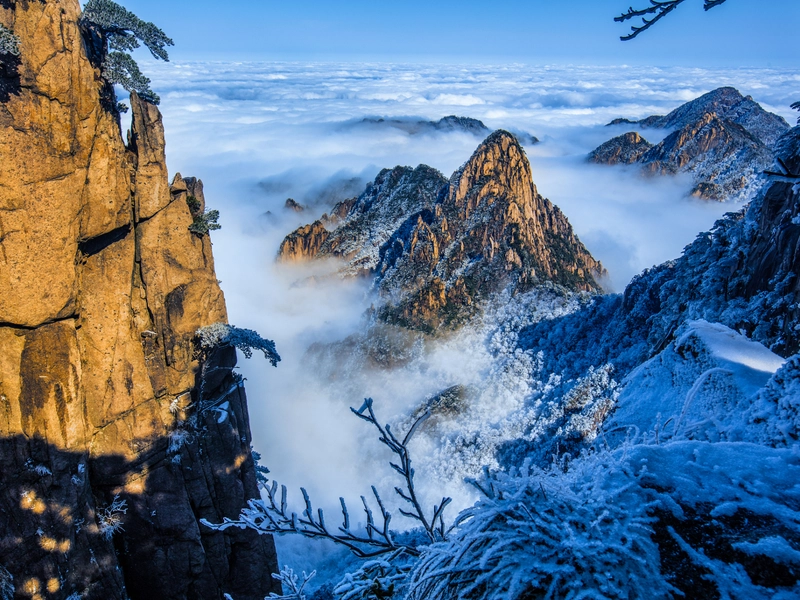
Embraced by the Yangtze River and Huai River, Anhui showcases a unique blend of northern and southern cultural traits, composing a civilization that is both inclusive and harmonious. This land is not only an ecological gallery where mountains and waters mirror each other, but also the birthplace of China’s renowned Four Treasures of the Study. From the majestic peaks of Huangshan to the ancient villages of Huizhou, from the Huai River plains to Jiangnan’s watery towns, every scene tells the moving story of “Jianghuai nurtures beauty; outstanding people thrive on its land.”
The Spirit of Anhui: A Strategic Crossroad and Landscape Gallery
The Symphony of Three Major River Basins and Three Landforms
Anhui’s distinctiveness lies in the perfect integration of its three major river systems—Yangtze River, Huai River, and Xin’an River—and its three landforms—southern Anhui mountains, Jianghuai hills, and northern Huai plains. The Yangtze winds west to east, nourishing fertile lands in both the north and south of Jianghuai; the Huai River flows horizontally, gathering myriad tributaries; and the Xin’an River meanders down from the southern highlands, infusing vitality into Huangshan and Huizhou.
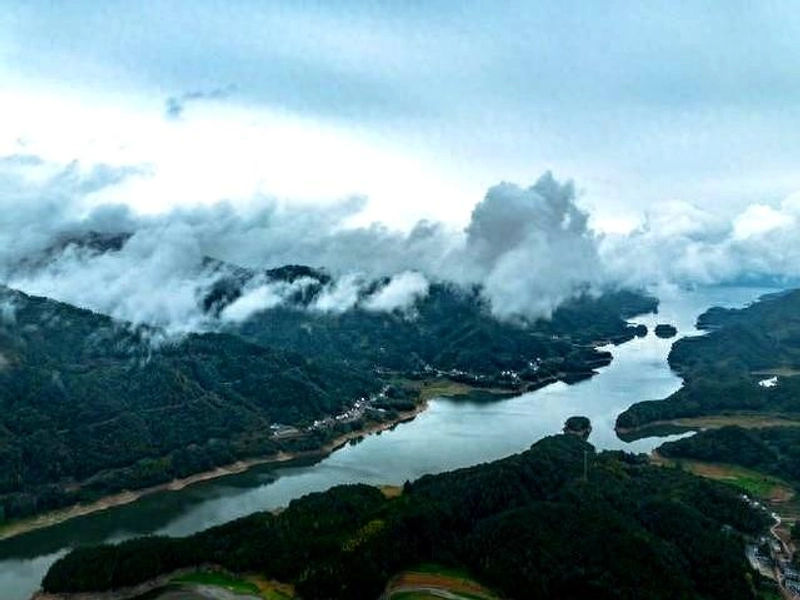
A Natural Poem of Mountains and Waters
The southern Anhui mountains, represented by Huangshan and Jiuhua Mountain, feature soaring peaks, rolling seas of clouds, and striking pine and rock landscapes intertwined with Buddhist serenity.
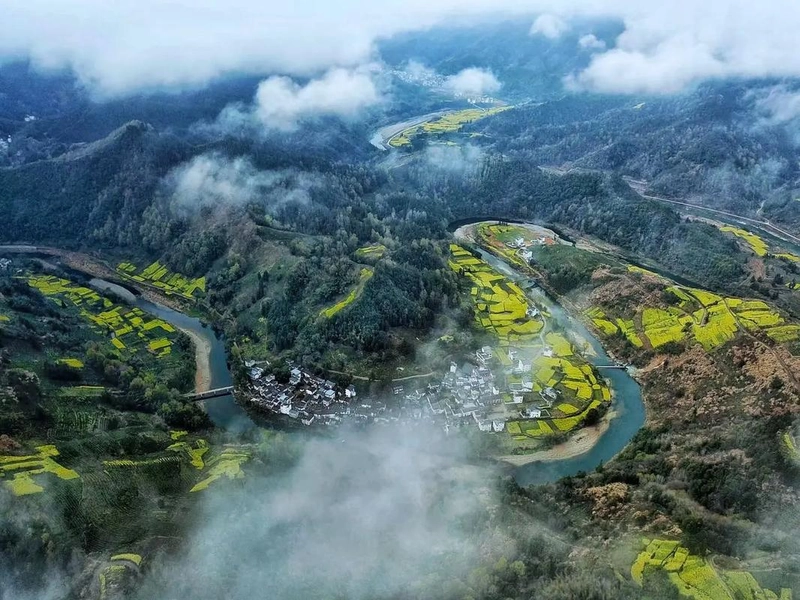
Between the Yangtze and Huai rivers, hills and lakes are scattered like lines in a pastoral poem, while the northern Huai plains stretch endlessly, crisscrossed with waterways, serving as a major granary for the region. Anhui functions both as a green buffer for the Yangtze River Delta and a natural climatic boundary between north and south, where nature and culture harmoniously converge in space.
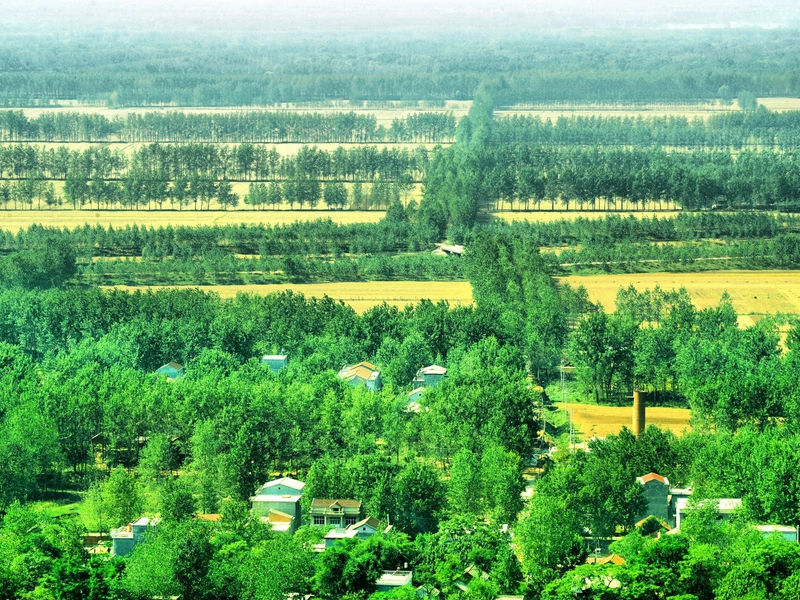
The Rhythms of Four Seasons
Located at the transition zone between the warm temperate and subtropical climates, Anhui offers distinct seasonal landscapes:
Spring (March–May)
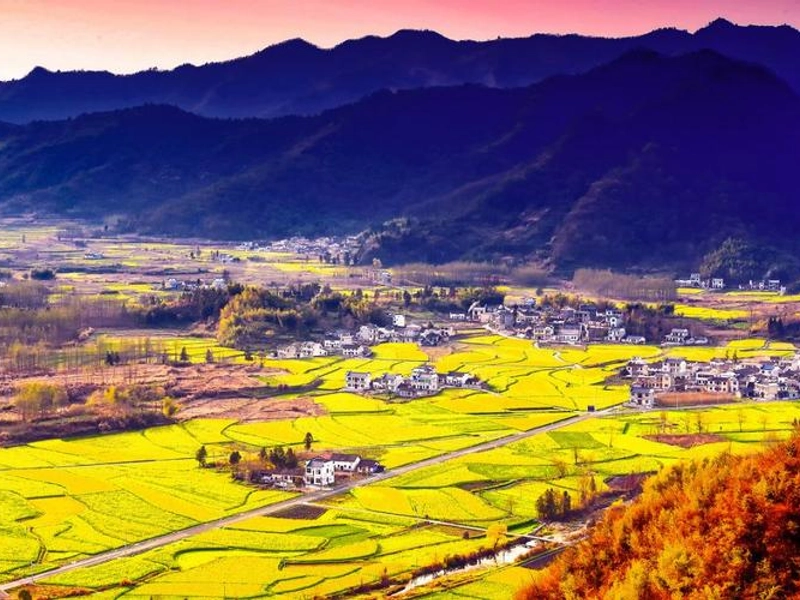
- Golden rapeseed flowers blanket southern Anhui; misty rain drifts over Xin’an River; ancient villages exude poetic charm.
Summer (June–August)
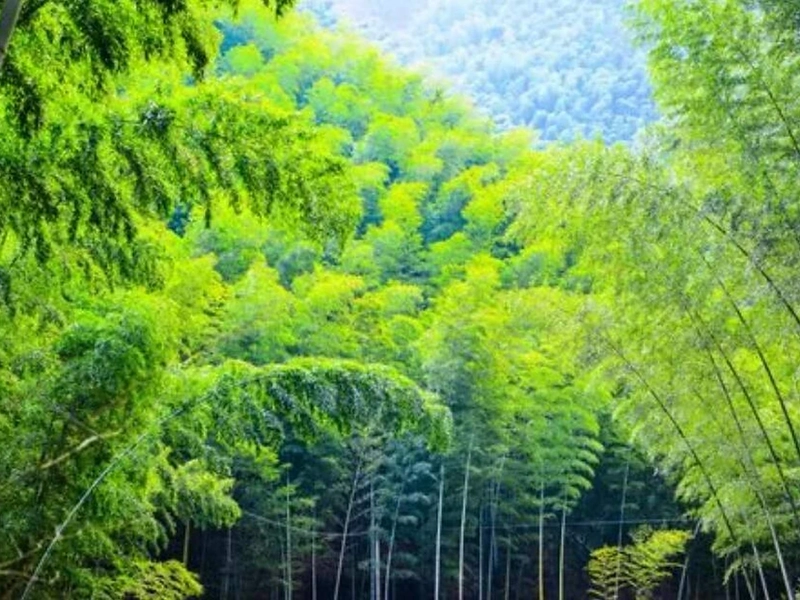
- Clouds surge over Huangshan; breezes waft across Taiping Lake; lotus blossoms scent the air.
Autumn (September–November)
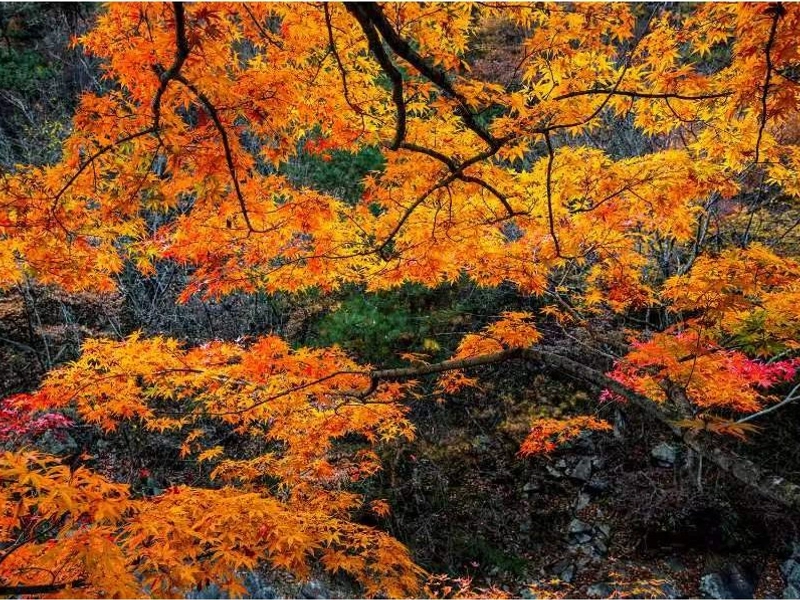
- Huizhou villages bustle with autumn harvesting; Huai plains turn golden with ripened rice, creating magnificent harvest scenes.
Winter (December–February)

- Snow adorns the ancient temples of Jiuhua Mountain; migratory birds grace the frozen waters of Chaohu Lake; winter landscapes are tranquil and solemn.
Here, rivers, mountains, seasonal changes, and cultural scenery intertwine to form Anhui’s unique natural tapestry, providing a rich backdrop for both historical culture and modern life.
The Soul of Anhui: Enduring Culture and Pioneering Spirit
In Anhui, every inkstone has ground centuries of literary thought, and every ancient village preserves wisdom and courage. The mountains and rivers here have nurtured extraordinary individuals, and every chapter of history shines with a unique brilliance. Anhui is not merely a geographic coordinate—it is fertile ground for culture, intellect, and human achievement.
Millennia of Outstanding Figures: Forging Anhui’s Soul
Hua Tuo: The Miraculous Physician
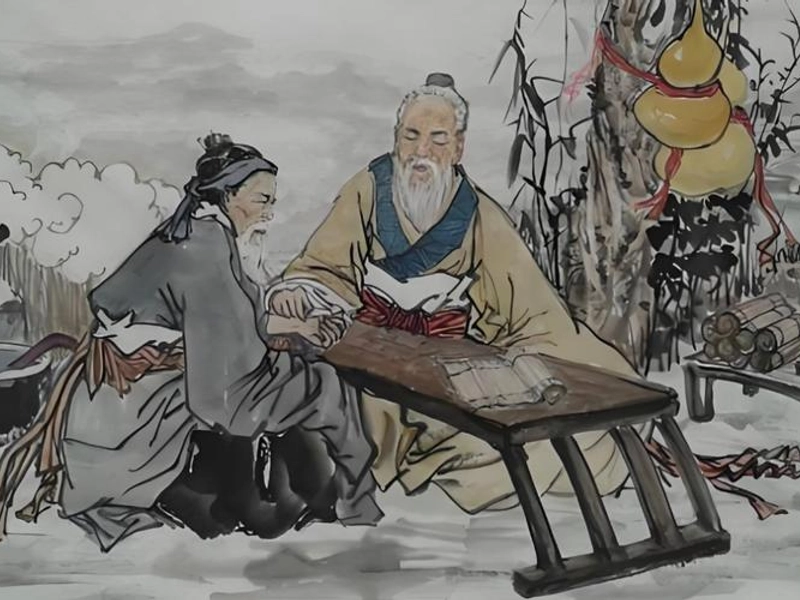
Born in Bozhou, Hua Tuo is revered as a legendary doctor in Chinese medicine. He mastered herbal remedies and acupuncture and pioneered whole-body therapeutic techniques that treated all systems of the body. Stories of his dedication abound—he famously performed the bone-scraping surgery on Guan Yu and treated countless common people, often without recognition. Hua Tuo’s wisdom not only advanced traditional Chinese medicine but also embodies Anhui’s reverence for life and relentless pursuit of excellence.
Cao Cao: The Strategist and Poet
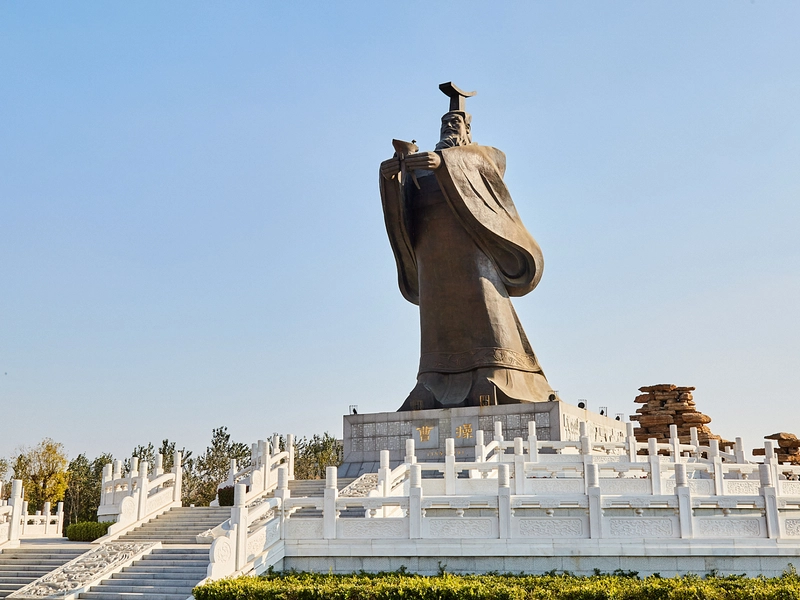
Cao Cao, from Qiao County (modern Bozhou), was a formidable warlord and a cultured poet during the Three Kingdoms period. Known for both military brilliance and literary talent, he skillfully governed northern China, built infrastructure, and wrote timeless lines such as “Raise a toast and sing, how short is life.” Cao Cao’s life reflects Anhui culture’s combination of intellect, courage, and strategic vision.
Bao Zheng: The Upright Judge
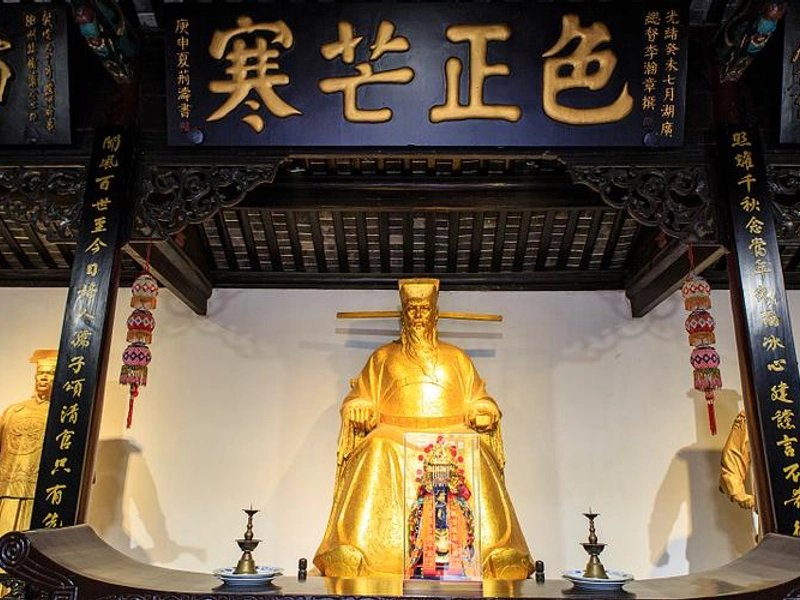
The Bao Gong Temple in Hefei commemorates Bao Zheng, famed for his incorruptible integrity. Powerful officials feared his justice, while ordinary people trusted in his fairness. Legends tell of his nightly patrols and judicious verdicts, earning him the title “Lord of Blue Sky.” Bao Zheng symbolizes honesty, fairness, and the ethical strength embedded in Anhui culture. His story continues to inspire adherence to justice and conscience.
Zhu Yuanzhang: The Peasant Emperor
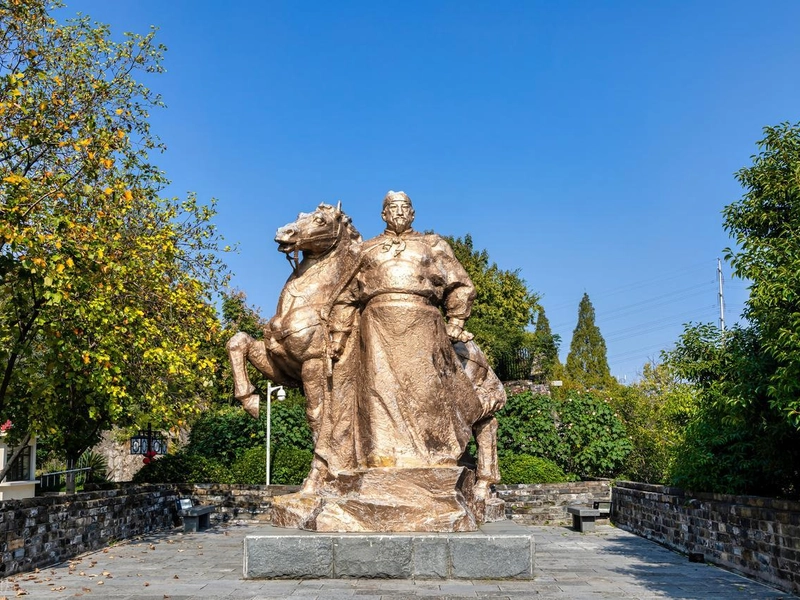
Born in Fengyang, Zhu Yuanzhang rose from poverty to become the founding emperor of the Ming dynasty. Surviving famine and chaos, he united China with extraordinary courage and intelligence. His governance restored agriculture and reformed administration, revitalizing the Jianghuai region. Zhu Yuanzhang exemplifies Anhui’s pioneering, resilient spirit.
Li Hongzhang: Modernization Pioneer
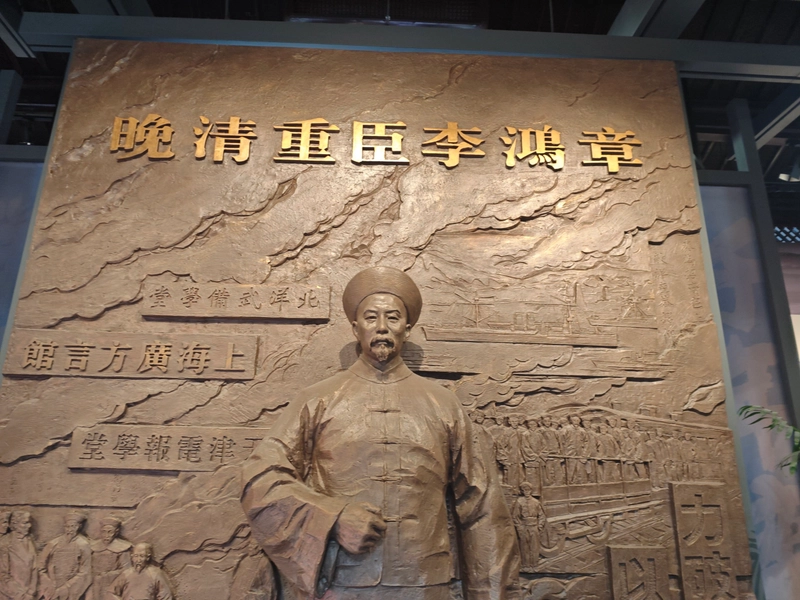
Li Hongzhang, born in Hefei, led China’s late Qing modernization efforts, founding the Jiangnan Arsenal and the Beiyang Fleet. Advocating “Chinese learning as essence, Western learning for practical use,” he sought a balance between tradition and modernity. Whether in diplomacy or domestic reform, he demonstrated pragmatism and boldness. Li’s achievements highlight Anhui’s influence during pivotal historical transitions.
Deng Jiaxian: National Pillar in Science
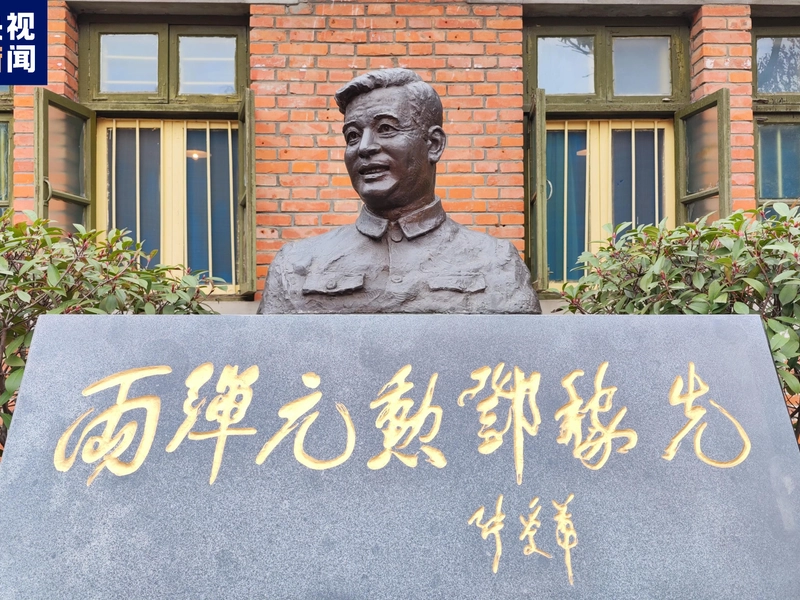
Deng Jiaxian from Huaining played a key role in China’s “Two Bombs, One Satellite” project. Dedicated to nuclear physics research, he worked tirelessly, often sacrificing family life for the nation. His perseverance, intelligence, and selfless dedication reflect Anhui’s cultural DNA of pioneering spirit and patriotic commitment.
The Charm of Anhui’s Cities: Diverse Splendor, Unique Character
Anhui Province, abbreviated as “Wan,” has Hefei as its capital and is located in the heart of the Yangtze River Delta in East China, covering a total area of 140,100 square kilometers. It borders Jiangsu to the east, Henan and Hubei to the west, Zhejiang to the southeast, Jiangxi to the south, and Shandong to the north. Anhui boasts diverse landscapes of plains, hills, mountains, and lakes, and its rich cultural heritage encompasses Huaihe culture, Luzhou culture, Wanjiang culture, and Hui culture, making it one of the cradles of prehistoric Chinese civilization. World-renowned attractions such as Huangshan, Jiuhua Mountain, Hongcun, and Xidi have made Anhui a prime tourist destination. Its 16 cities each possess unique characteristics, together painting a vivid picture of Anhui’s blend of history and modernity.
1. Hefei – Capital, Land of the Three Kingdoms, Home of Bao Zheng
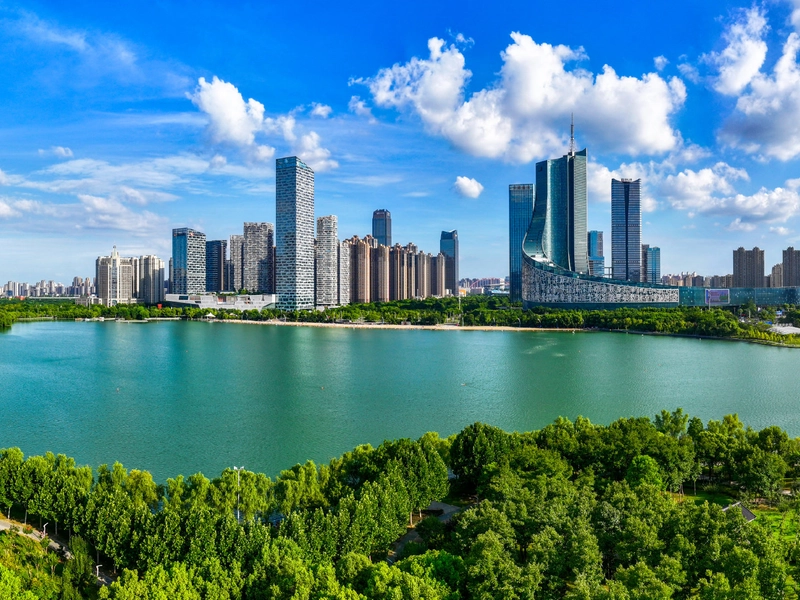
Hefei, a city with a long history, lies at the heart of Huaihe culture. It has produced prominent figures such as Zhou Yu, Bao Zheng, and Li Hongzhang. Key attractions include Bao Park, Li Hongzhang’s Former Residence, Xiaoyaojin Park, and Chaohu Lake. Local delicacies include Luzhou Roast Duck, Chaohu Silver Fish, and Sanhe Rice Dumplings. Modern Hefei is a national comprehensive science center, with numerous universities and thriving technological innovation. Scenic spots such as the Ring City Park and Science Island showcase the harmony of green spaces and technology, blending historical culture with contemporary urban charm.
2. Huangshan – Homeland of Huizhou Merchants, World Heritage Site
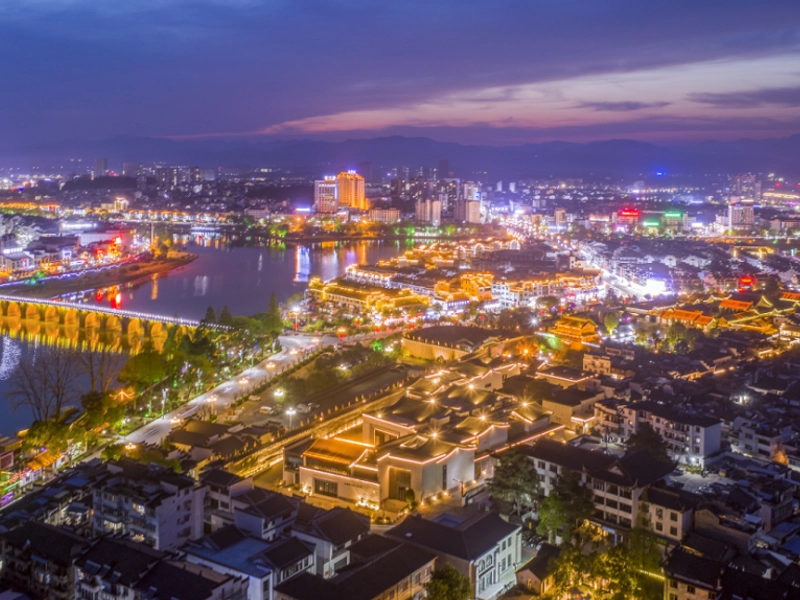
Huangshan is famous worldwide for its “Five Wonders”—peculiar pines, strange rocks, sea of clouds, hot springs, and winter snows—and is recognized as both a cultural and natural World Heritage Site. Ancient villages such as Hongcun, Xidi, and Chengkan preserve Huizhou culture and architecture. Key attractions include Huangshan Scenic Area, Xin’an River Landscape Gallery, and Shexian Ancient Town. Renowned teas such as Huangshan Maofeng, Qimen Black Tea, and Taiping Houkui reflect the region’s rich tea culture. The fusion of natural beauty and Huizhou culture makes Huangshan the quintessential cultural and tourist city of Anhui.
3. Wuhu – Eastern Jiang City, Yangtze Trading Hub
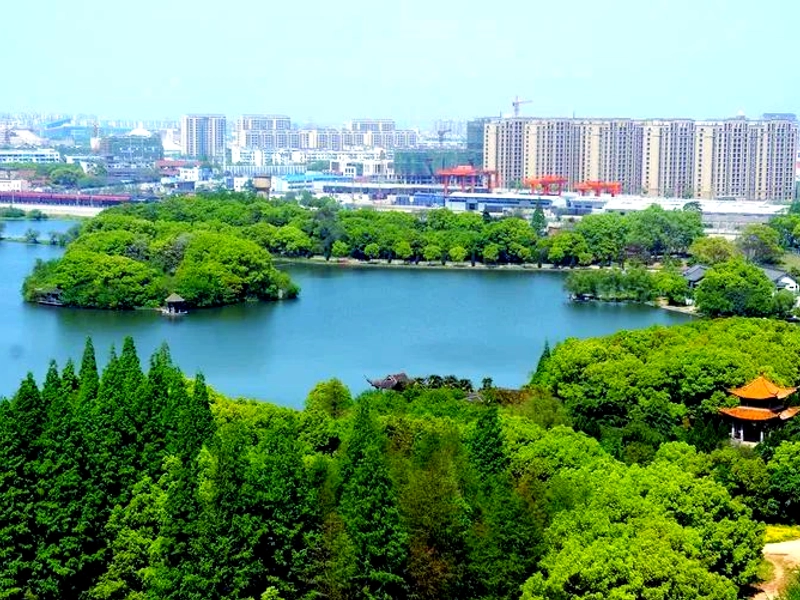
Wuhu has long been a commercial center, shaped by its strategic location along the Yangtze River. Attractions include Jiuzi Ancient Town, Zhe Mountain Park, Jinghu Park, and Fantawild Theme Park. Modern Wuhu excels in manufacturing, new energy, and smart technology industries. Local cuisine, such as Wuhu Sesame Cake, Duck Head, and Jiang-Hai Rice Noodles, is widely loved. Wuhu blends historical heritage with modern industrial vitality, forming an important core city of the Wanjiang Economic Belt.
4. Anqing – Pleasant City, Hometown of Huangmei Opera
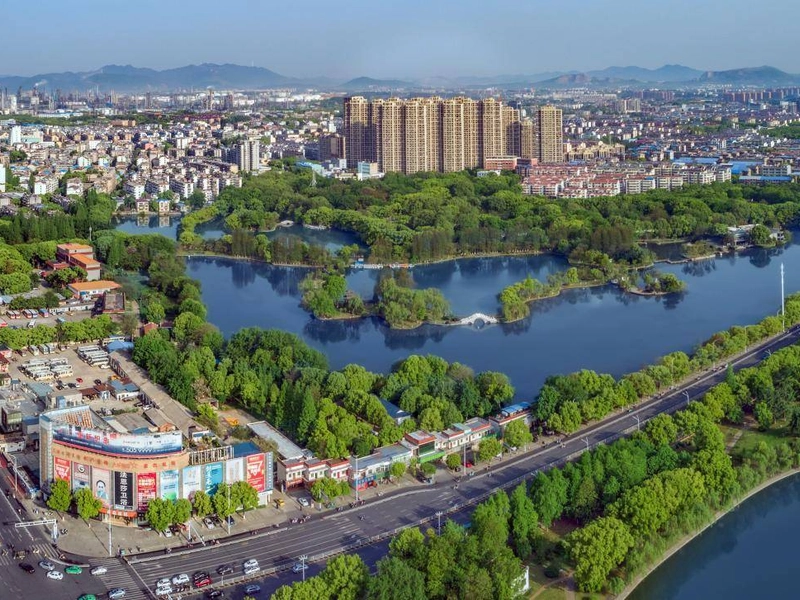
Anqing is the birthplace of Huangmei Opera and a cultural center of the Tongcheng school. Attractions include Yingjiang Temple, Tianzhu Mountain, and Duxiu Garden. The city is rich in folk culture, and its cuisine features Anqing Sesame Cake and Tianzhu Mountain Tofu. Strategically located along the Yangtze River, Anqing has long been a transportation hub, with a balanced development of economy and culture.
5. Chuzhou – Home of the “Drunken Weng,” Pavilion City
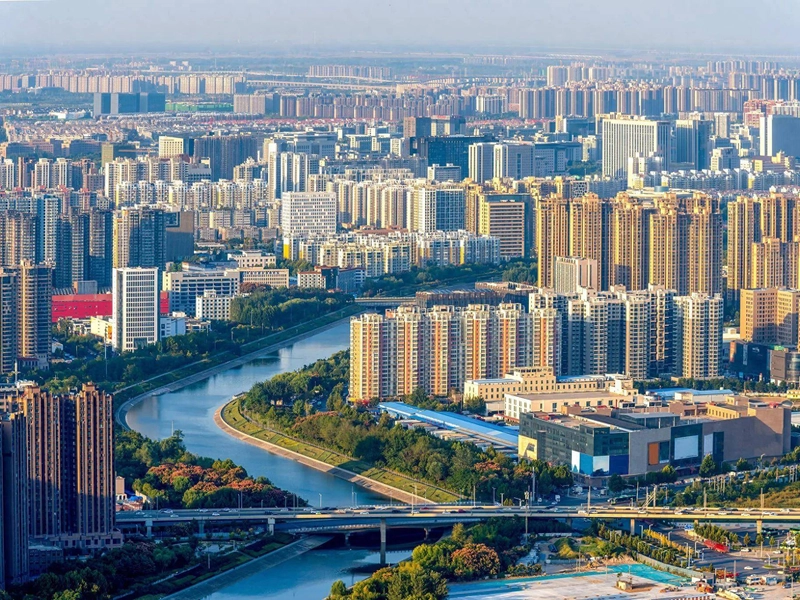
Famed for the Northern Song dynasty literati Ouyang Xiu’s “Ode to the Drunken Weng Pavilion”, Chuzhou’s main attractions include Drunken Weng Pavilion, Langya Mountain, Minghuang Mausoleum, and Xiaogang Village in Fengyang. As a center of agriculture and culture, Chuzhou also played a key role in China’s rural reforms. Local delicacies include Langya Mountain Bamboo Shoots and Chuzhou Rice Noodles, reflecting unique regional flavors.
6. Bozhou – Capital of Chinese Medicine, Ancient Capital of Three Dynasties
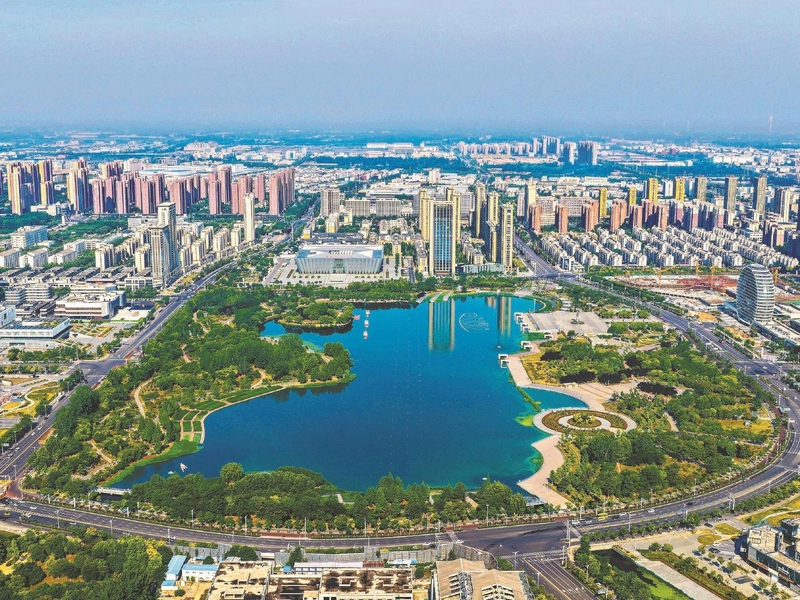
Bozhou, the hometown of Cao Cao and Hua Tuo, is known as the “Capital of Chinese Medicine.” Attractions include Huaxi Building, Cao Cao Military Road, Hua Zu Temple, and Gujing Wine Culture Park. Its traditional Chinese medicine market is the largest of its kind worldwide. Local foods include Gujing Tribute Liquor and medicinal cuisine, showcasing Bozhou’s blend of historical depth and modern pharmaceutical vitality.
7. Bengbu – Pearl City
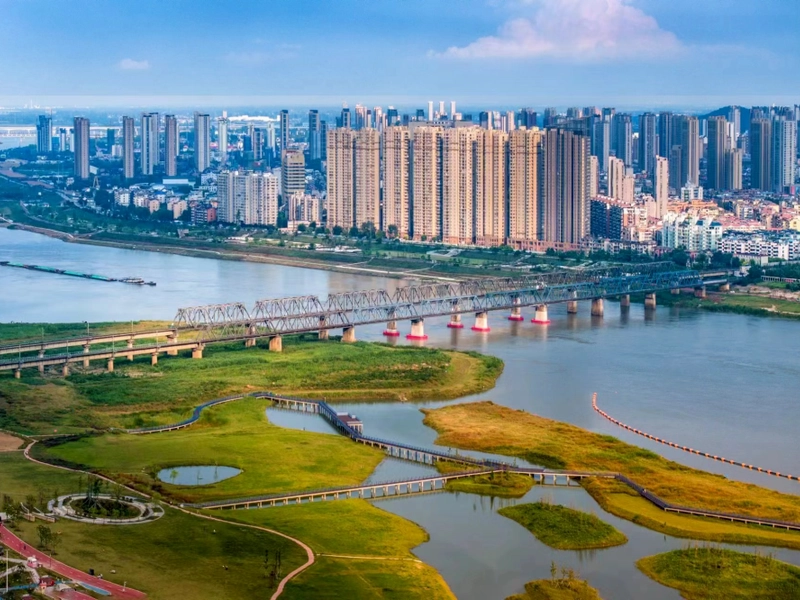
Renowned for freshwater pearl production, Bengbu is called the “Pearl City.” Attractions include Longzi Lake, Zhanggongshan Park, and Bengbu Museum. Located at the confluence of the Huai River and the Beijing-Shanghai Railway, it is a key transportation hub in northern Anhui. Local cuisine features rice noodles and freshwater clam dishes.
8. Huainan – Colorful Huainan, Energy Capital
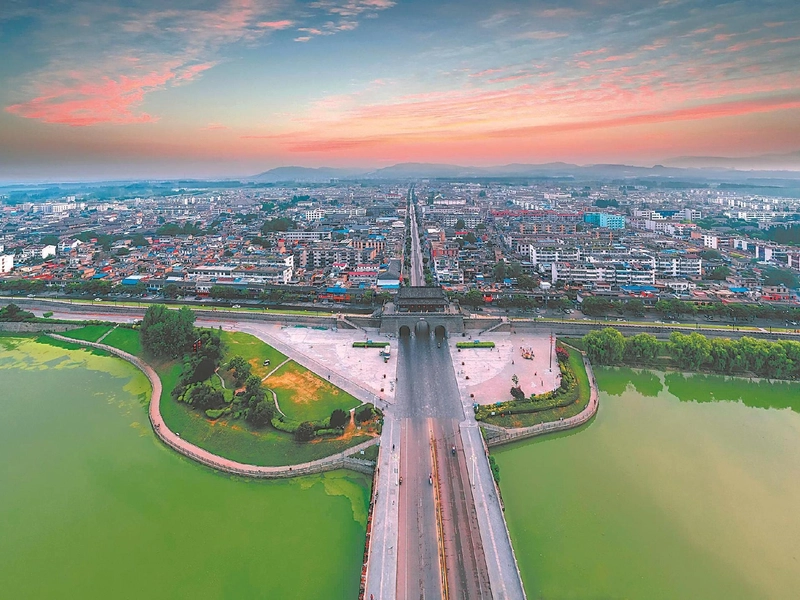
Known as a “Coal City,” Huainan is Anhui’s energy industry core and the birthplace of Bagong Mountain Tofu. Scenic spots include Bagong Mountain and Shungengshan National Forest Park. Local specialties include Huainan Beef Soup and Bagong Mountain Tofu. Modern Huainan excels in energy, chemical, and new materials industries while promoting eco-tourism.
9. Ma'anshan – Steel City, City of Poetry
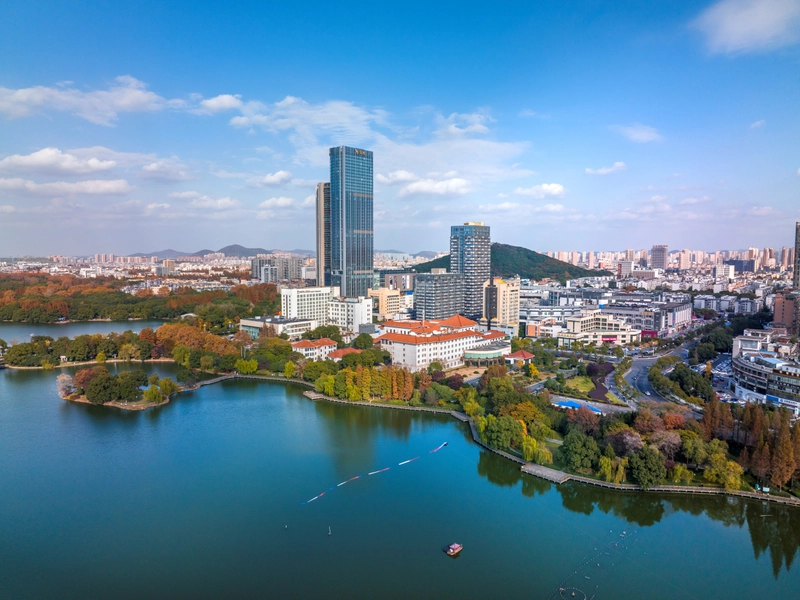
Adjacent to Nanjing, Ma’anshan is a steel production hub. Attractions include Caishi Cliff, Baochan Mountain, and Yushan Lake Park. Li Bai’s cultural heritage has earned the city the title “City of Poetry.” Local cuisine emphasizes freshwater produce and regional snacks.
10. Huaibei – Hometown of Xiangcheng
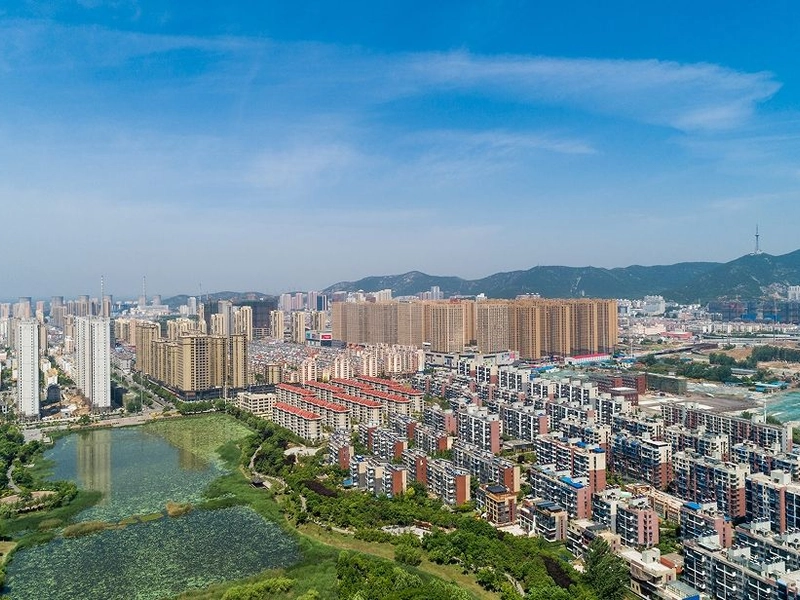
Historically Xiangcheng, Huaibei is a northern coal hub. Key sites include Xiangshan Park, Sui-Tang Grand Canal Town, and Nanhu Wetland Park. Its economy balances energy, modern manufacturing, and ecological development. Local foods focus on noodles and regional snacks.
11. Tongling – Ancient Copper Capital of China
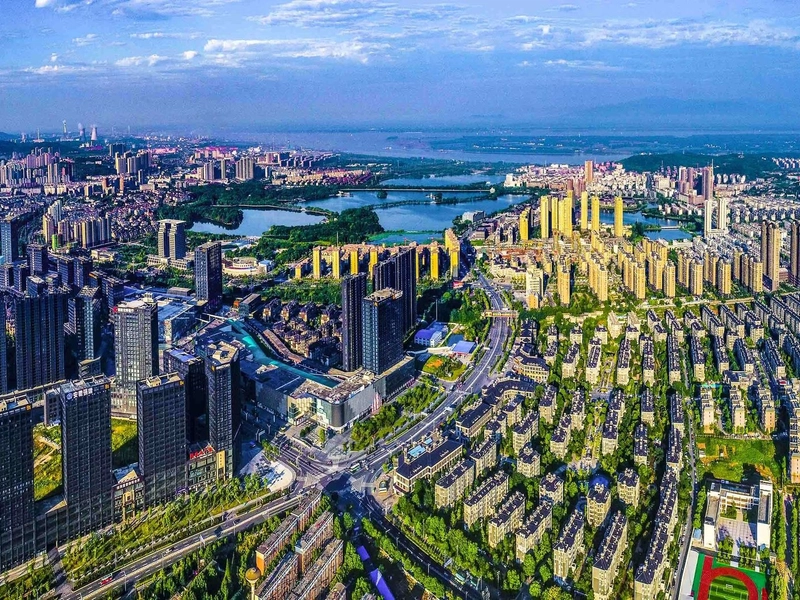
With a 3,000-year history of copper mining, Tongling is known as China’s ancient copper capital. Attractions include Tianjing Lake Park, Datong Ancient Town, and Yongquan Farm. The city’s economy focuses on non-ferrous metals and chemicals, while preserving cultural tourism. Local cuisine features river seafood and specialty snacks.
12. Suzhou – Hometown of Calligraphy and Painting
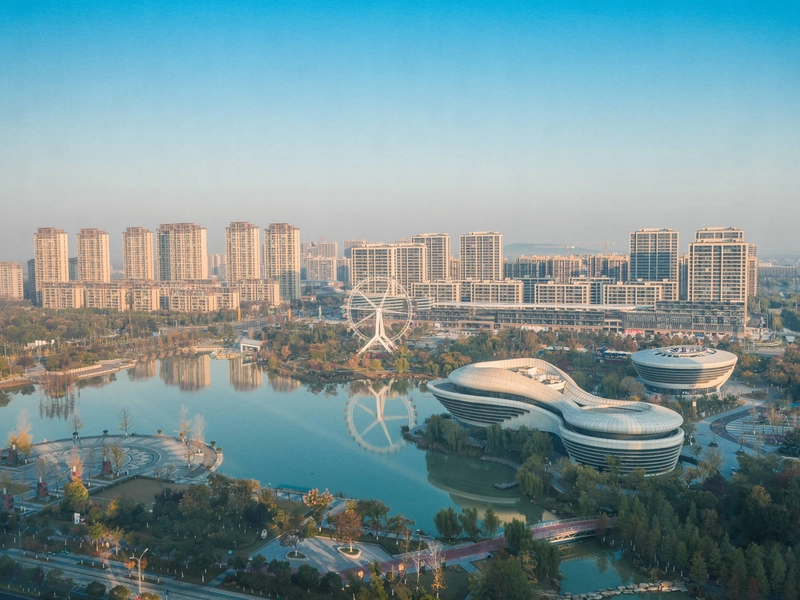
Famed as a “Hometown of Calligraphy and Painting,” Suzhou hosts Chu-Han battlefields at Gaixia and Huangcangyu National Forest Park. The Sui-Tang Grand Canal’s Tongji section is also a historic site. Local cuisine emphasizes pastries and snacks, blending culture, tourism, and modern services.
13. Lu’an – Cradle of Generals, Tea Valley
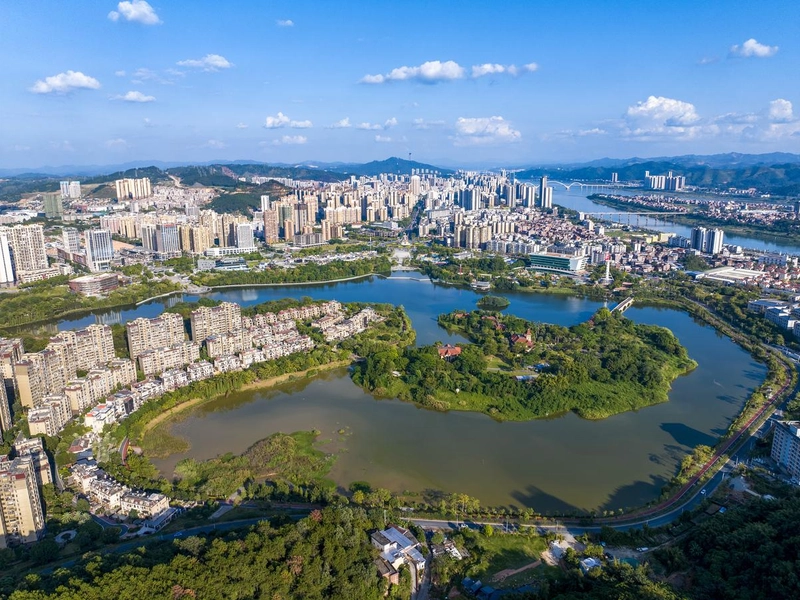
A revolutionary base, Lu’an produced 108 founding generals, earning the nickname “Cradle of Generals.” Located in the Dabie Mountains, it is the origin of Liu’an Guapian tea. Main attractions include Tiantangzhai Scenic Area, Wanfo Lake, Dabie Mountain, and Dushan Revolutionary Sites. Local cuisine features tea-based products and regional snacks.
14. Chizhou – Land of Poets, Buddhist Wonderland
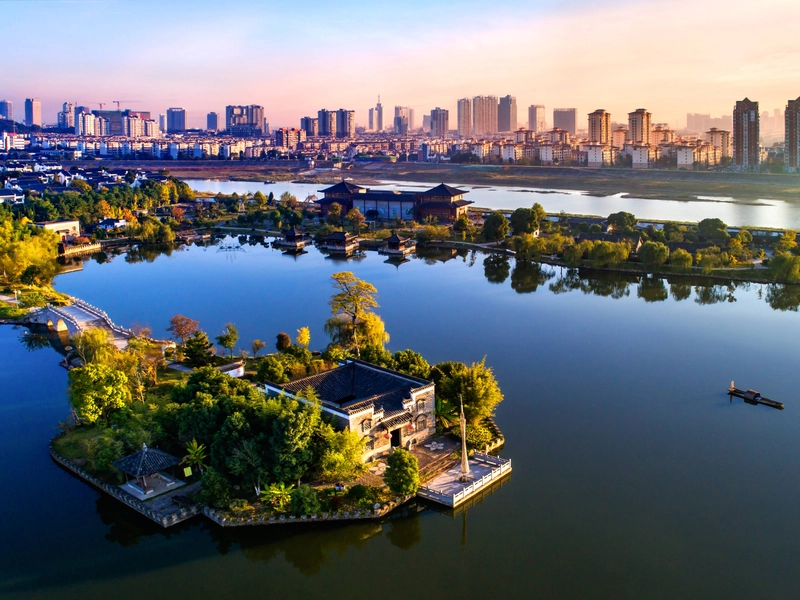
Home to Jiuhua Mountain, one of China’s Four Great Buddhist Mountains, Chizhou is the site of Kṣitigarbha Bodhisattva worship. Attractions include Jiuhua Mountain, Xinghua Village, Guniujiang, and Shengjin Lake. Known for eco-tourism and cultural industries, local foods include vegetarian Buddhist dishes and farmhouse specialties.
15. Xuancheng – Hometown of the Four Treasures of the Study
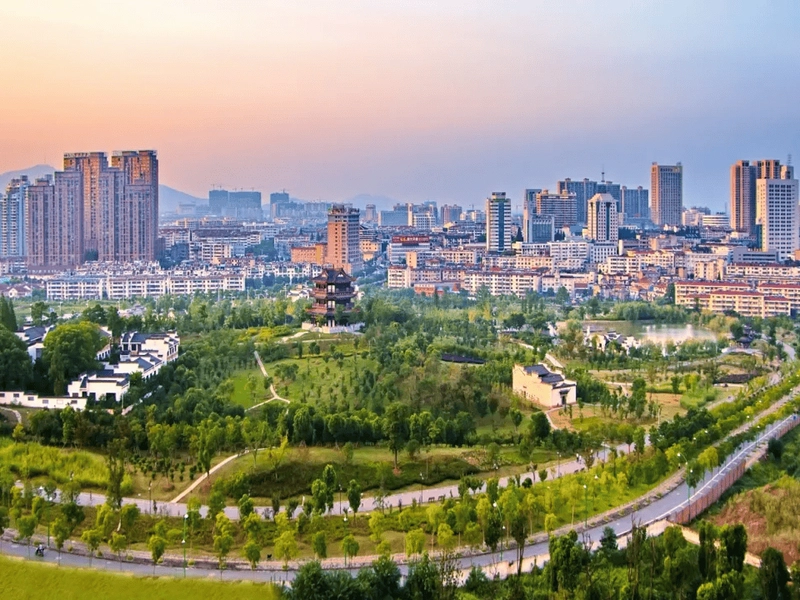
Famous for poets, Xuancheng produces renowned Xuan paper, Xuan brushes, and Hui ink. Attractions include Jingteng Mountain, Taiji Cave, Peach Blossom Pool, Chaji Ancient Village, and Longchuan Scenic Area. Beautiful landscapes, cultural heritage, and artistic craftsmanship make Xuancheng highly livable with strong cultural appeal.
16. Fuyang – Jianghuai Granary, Hometown of Guan Zhong
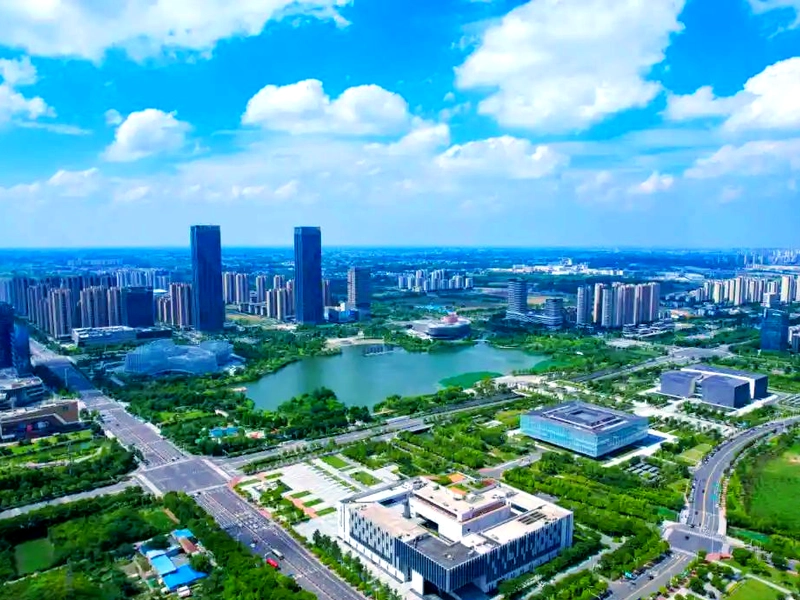
Fuyang, in northern Anhui, is a populous agricultural hub. It is historically linked to statesman Guan Zhong and Wei-Jin scholar Ji Kang. Attractions include Fuyang Ecological Park, Digou Scenic Area, and Guan Zhong Old Street. Local delicacies include Ying Shang Huagu Lantern dishes and Jieshou painted pottery. The economy emphasizes agriculture and light industry while preserving historical and cultural heritage.
From Hefei’s blend of modern science and historical culture to Huangshan’s natural wonders and Huizhou heritage; from Wuhu’s vibrant trade to Bozhou’s medicinal and wine culture; from Chuzhou’s literary charm to Anqing’s Huangmei elegance—each city is a gem in Anhui’s rich mosaic of history, culture, and nature. Whether your interests lie in natural landscapes, historical sites, revolutionary memory, or modern urban life, Anhui offers a perfect destination.
Academic Heritage of Anhui: An Overview of Key Universities
Anhui Province has a well-established higher education system, hosting numerous prestigious universities. Among them, three stand out for their strong research capabilities and rich historical heritage.
University of Science and Technology of China (USTC)
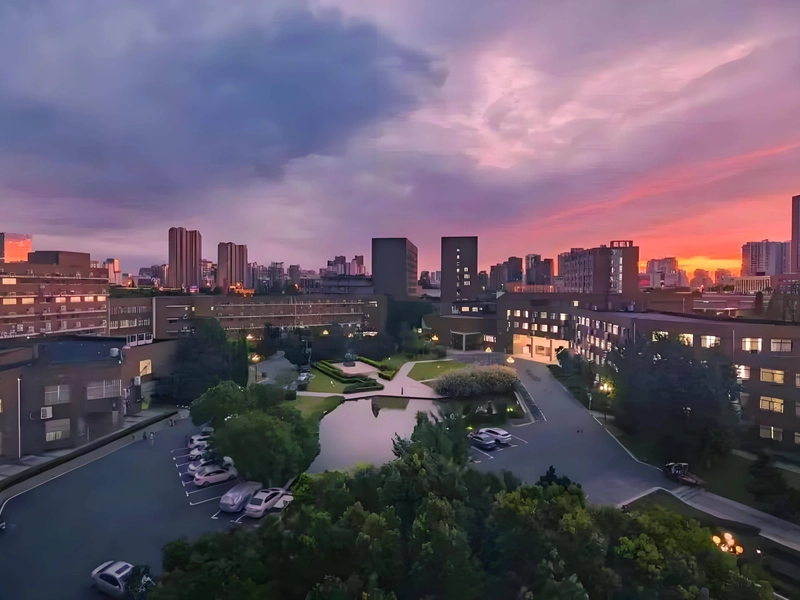
Founded in 1958, USTC is a key university directly under the Chinese Academy of Sciences and a “Double First-Class” initiative institution. Renowned for its strengths in fundamental sciences, physics, computer science, and materials science, USTC serves as a major hub for technological innovation in China. The university emphasizes interdisciplinary research and cutting-edge scientific development, nurturing a large pool of top-tier researchers. Notable alumni include quantum information expert Pan Jianwei and former vice president of the Chinese Academy of Sciences Zhu Qingshi. With a beautiful campus and a strong academic atmosphere, USTC is often hailed as “The Cradle of China’s Scientists.”
Hefei University of Technology (HFUT)
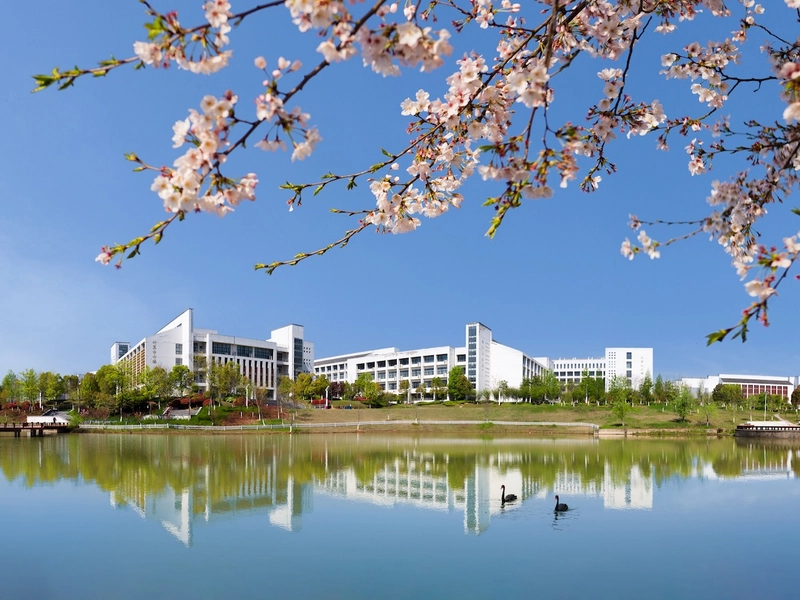
HFUT primarily focuses on engineering while promoting multidisciplinary coordination. It excels in mechanical, electronic, and information engineering fields. The university has robust research strength in advanced manufacturing, intelligent manufacturing, and artificial intelligence, maintaining close collaboration with domestic and international enterprises and research institutions to foster industry-academia integration. HFUT not only emphasizes scientific innovation but also cultivates students’ practical skills, making it a key training ground for engineering and technical talent in Anhui and across China.
Anhui University (AHU)
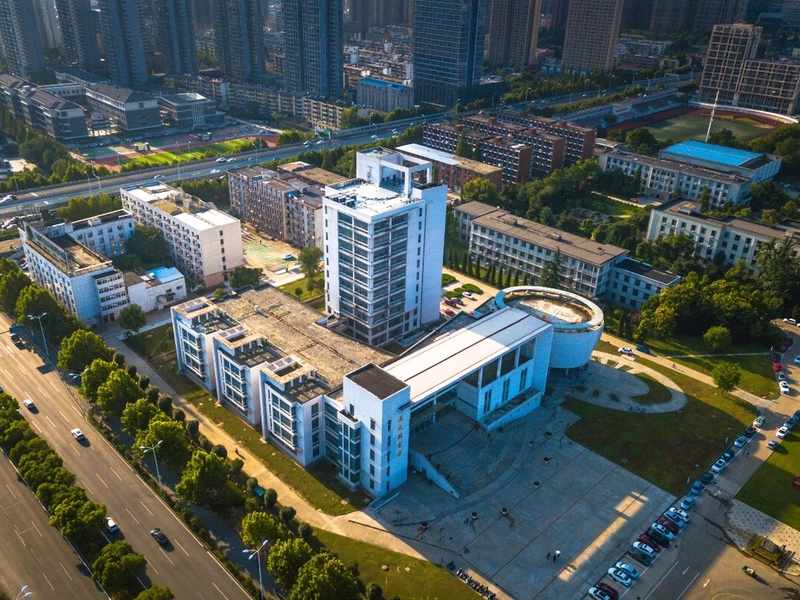
As a comprehensive provincial university with a long history, AHU offers a balanced curriculum in both arts and sciences. Its Chinese, history, economics, and law programs are particularly prominent, while it also maintains strong departments in science, engineering, business, and arts. AHU focuses on both academic research and the cultivation of humanistic literacy, providing crucial intellectual support for regional social development and cultural heritage.
Additionally, Anhui is home to other notable universities such as Anhui Normal University, Huangshan University, and Anqing Normal University, which support regional education and professional development. However, the three key universities—USTC, HFUT, and AHU—remain the most influential in shaping Anhui’s academic landscape.
Famous Scenery and Wonders: Nature’s Creation and Human Wisdom
Huangshan (Yellow Mountain): Beyond the Five Sacred Peaks
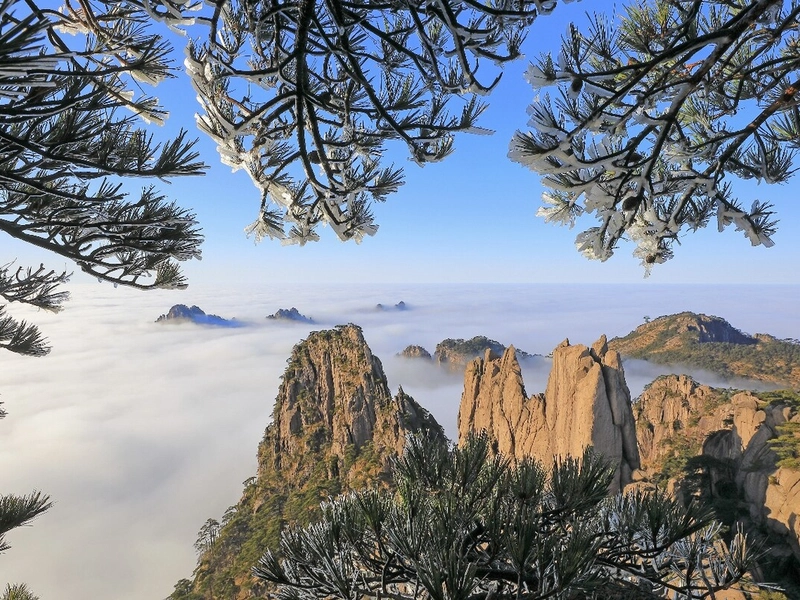
As Xu Xiake once exclaimed, “After visiting the Five Sacred Mountains, one should see Huangshan,” highlighting its unique charm. Huangshan is famed for its “Five Wonders” — peculiar pines, bizarre rocks, seas of clouds, hot springs, and winter snow. The Welcoming Pine symbolizes Anhui’s hospitality, while the cloud seas, sunrises, strange rock formations, and cliffside plank paths inspire countless painters, poets, and photographers. Visitors can also enjoy mountain hot springs and the Xihai Grand Canyon. The mountain preserves poems, inscriptions, and steles left by literati throughout history, making Huangshan a perfect blend of natural beauty and humanistic depth, embodying the integration of Huizhou culture and landscape aesthetics.
Xidi and Hongcun: Villages in a Chinese Painting
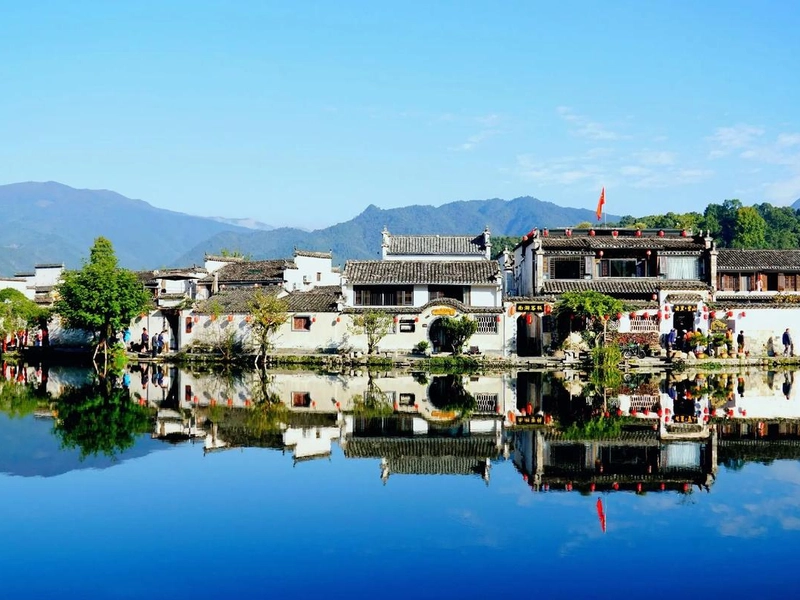
Xidi and Hongcun are called “museums of Ming and Qing residential architecture,” famous for exquisite Huizhou-style buildings and ingenious water systems. White walls and black tiles, horse-head walls, carved wooden windows, brick and stone carvings abound, with narrow alleys and clustered ancient houses evoking the Huizhou heyday. The villages’ waterways serve both practical and aesthetic purposes. As UNESCO World Heritage Sites, they preserve the prosperous history of Huizhou merchants and folk culture, showcasing the ancients’ wisdom in architecture, life, and environment. They inspire photographers, architecture scholars, and tourists alike.
Jiuhuashan: Buddhist Sacred Mountain and Lotus Buddhist Kingdom
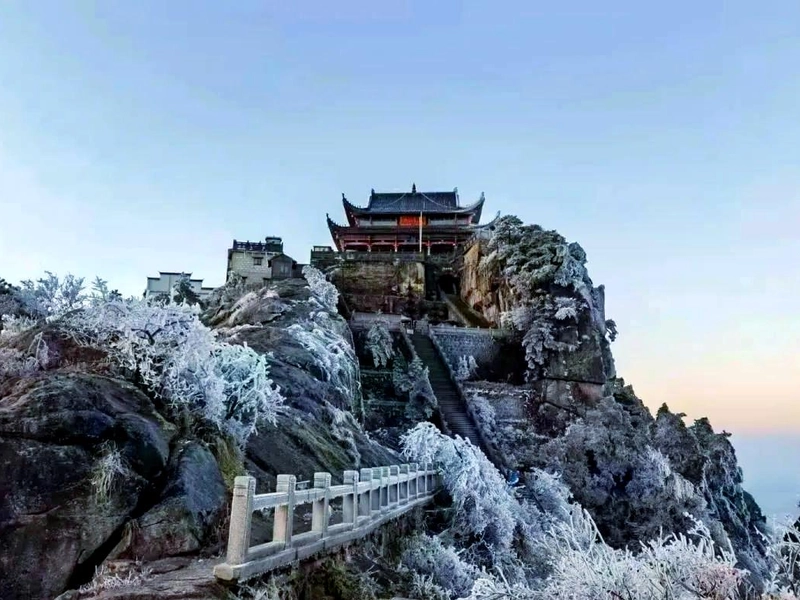
Jiuhuashan is one of China’s four famous Buddhist mountains, known as the abode of Kṣitigarbha Bodhisattva. Temples abound, attracting pilgrims year-round. Its natural scenery is striking, with continuous peaks, jagged rocks, clear streams, and misty clouds. Seasonal changes are spectacular: spring flowers, summer shade, autumn foliage, and winter snow. Hikers can visit Lotus Peak, Baishou Palace, and the Flesh Body Hall. Jiuhuashan is not only a religious site but also a source of inspiration for literature, painting, and photography, blending nature and culture harmoniously.
Tianzhu Mountain: Taoist Wonderland, Majestic and Beautiful
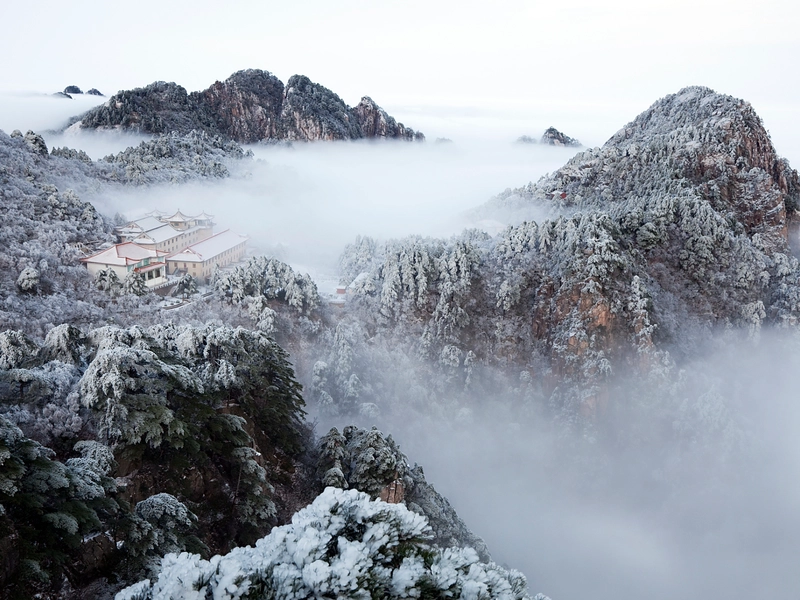
Located in Qianshan County, Anqing, Tianzhu Mountain is a national 5A-level scenic spot. Known for its peculiar peaks, gorges, waterfalls, and ancient forests, it is praised as “the foremost wonder of southern China.” It is also a Taoist holy site with historic temples and cultural relics. Visitors can climb Tianzhu Peak, explore Longquan Cave, and enjoy the mountain’s sea of clouds, witnessing the fusion of natural marvels and religious heritage. Azaleas bloom in spring, and red leaves cover the mountains in autumn, making Tianzhu Mountain a year-round paradise for nature lovers and cultural tourists.
Caishi Cliff: Yangtze River Cliff, Poetic City
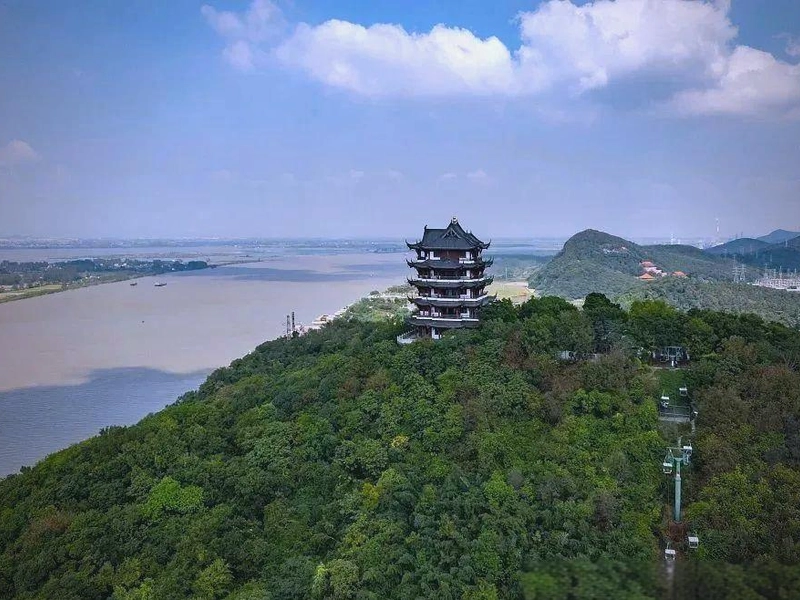
Caishi Cliff, on the Yangtze River in Ma’anshan, is famous for its sheer cliffs and rushing waters. It inspired Li Bai’s poetry, “Climbing to the top of Caishi Cliff, I embrace the color of the river and sky.” Here, natural scenery and historical culture intertwine, with bizarre rocks, river mists, and ancient inscriptions. Tourists can take boat rides or climb for panoramic views, experiencing the richness of Yangtze River culture and the poetic charm of Anhui’s Jiangnan region.
Intangible Cultural Heritage: Mastery and Cultural Continuity
Huizhou Three Carvings: Stone, Wood, and Brick
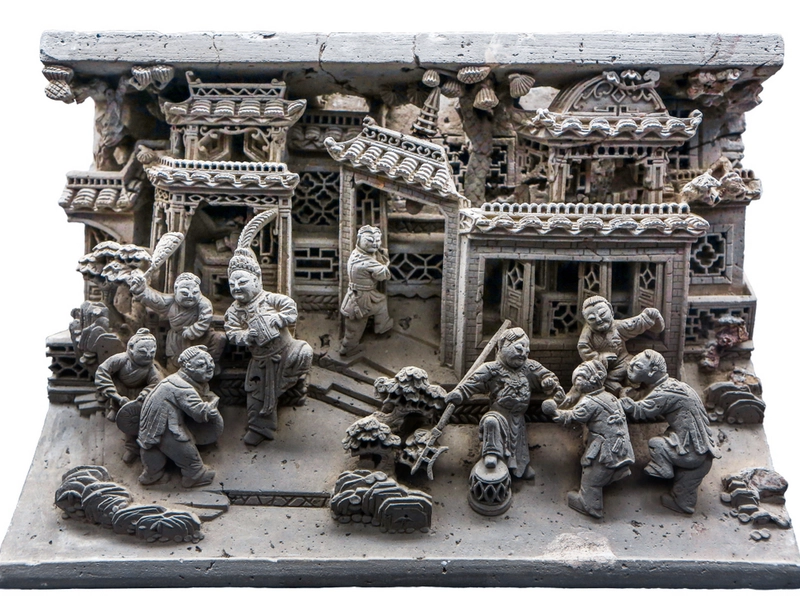
The “Three Carvings” are essential components of Huizhou architecture and peak representations of Chinese folk craft. Stone carvings appear on pillars, doorways, and memorial arches, with bold lines and intricate patterns. Wood carvings decorate windows, beams, and furniture, featuring dragons, phoenixes, flowers, and auspicious motifs. Brick carvings are found on doors, ancestral halls, and walls, rich in symbolic meaning. Combining folk wisdom, religious belief, and aesthetics, each piece reflects craftsmanship and Huizhou culture. Today, the Three Carvings are cultural heritage sites and serve as windows for tourists and scholars exploring Huizhou architecture and traditional crafts.
Four Treasures of the Study: Xuan Brushes, Huizhou Ink, Xuan Paper, She Inkstone
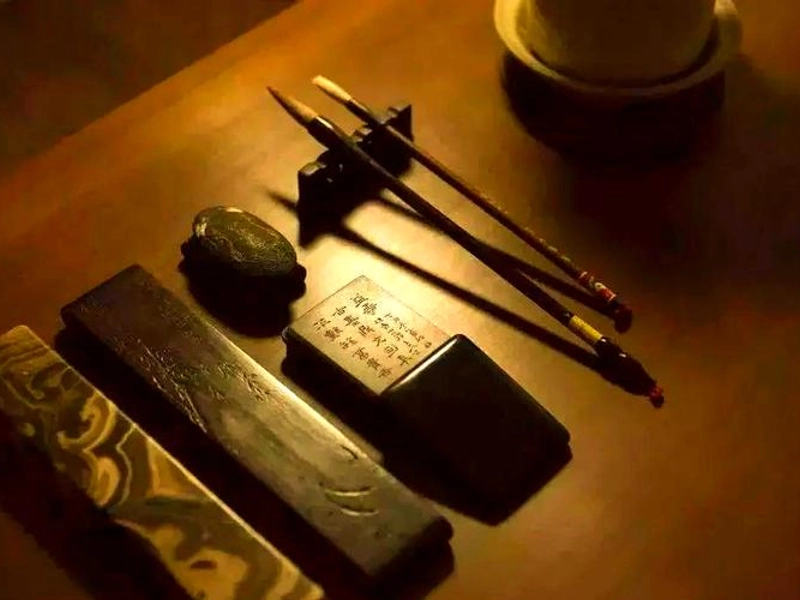
The Four Treasures are essential tools for Chinese calligraphy and painting. Xuan brushes, from Xuancheng, are known for fine, elastic hairs; Huizhou ink is made from pine soot, dense and long-lasting; Xuan paper is soft, ink-absorbent, and hailed as “the finest paper”; She inkstones, from She County, are smooth, durable, and prized by scholars. Beyond tools, the Four Treasures carry centuries of aesthetic and cultural legacy. From scholar’s studios to modern exhibitions, they showcase the continuous development of Chinese calligraphy and painting.
Huangmei Opera: Mountain Breezes and Musical Gems
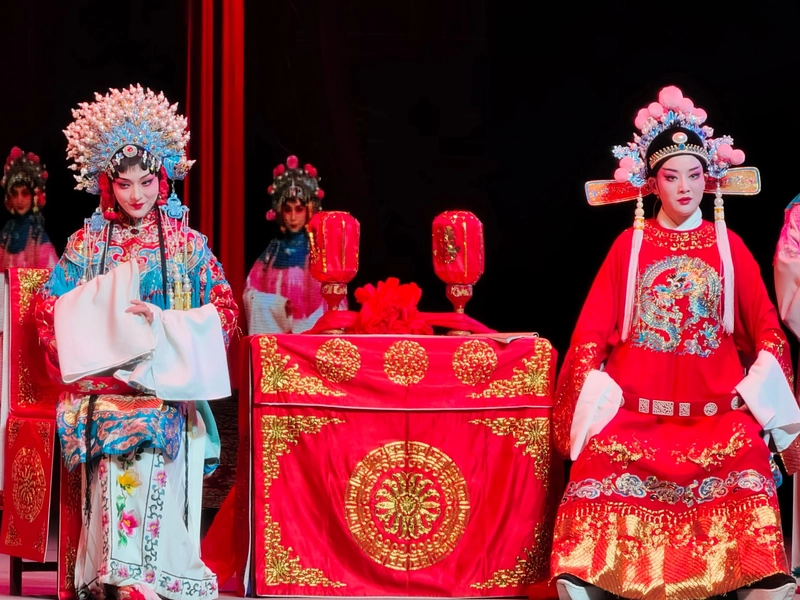
Originating in the Wanjiang region, Huangmei Opera blends folk tunes and local dialect, featuring melodic singing, smooth rhythms, and lively performances. Famous works include Tianxian Pei, The Female Prince Consort, and The Cowherd and Weaver Girl. The art form emphasizes singing, acting, recitation, and acrobatics, naturally combining local charm with traditional Chinese opera artistry. Modern performances, film adaptations, and intangible heritage programs have revitalized Huangmei Opera, making it an important window for promoting Chinese culture worldwide.
Huizhou Paper-Cutting and Folk Crafts: Ingenuity in Light and Shadow
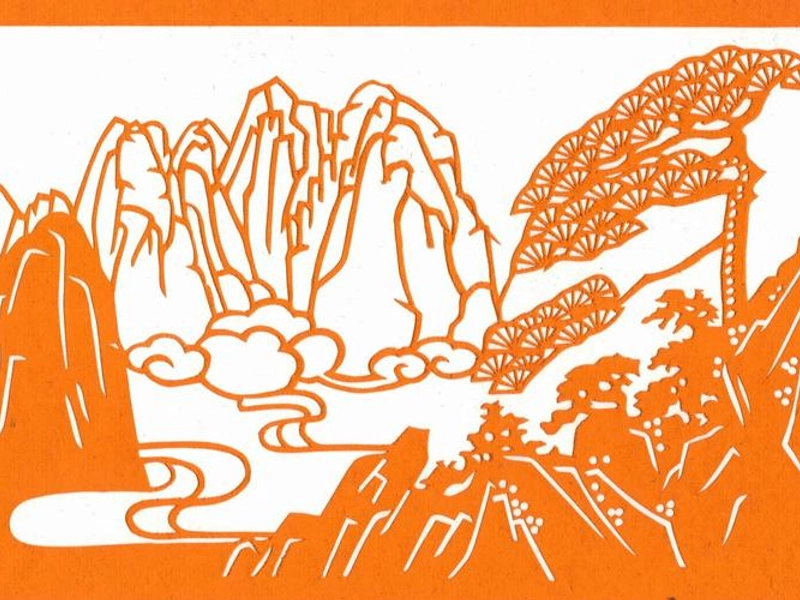
Huizhou paper-cutting is delicate, detailed, and richly patterned, featuring wedding, festival, New Year, and religious motifs, often using peonies, lotuses, and auspicious symbols. Folk crafts also include ceramics, bamboo weaving, and embroidery, reflecting the locals’ daily wisdom and artistic pursuit. Paper-cutting is both decorative and a cultural expression, preserving historical customs and folk beliefs, making it a key intangible cultural heritage.
Wanjiang Colored Porcelain and Traditional Handicrafts: A Symphony of Color and Craftsmanship
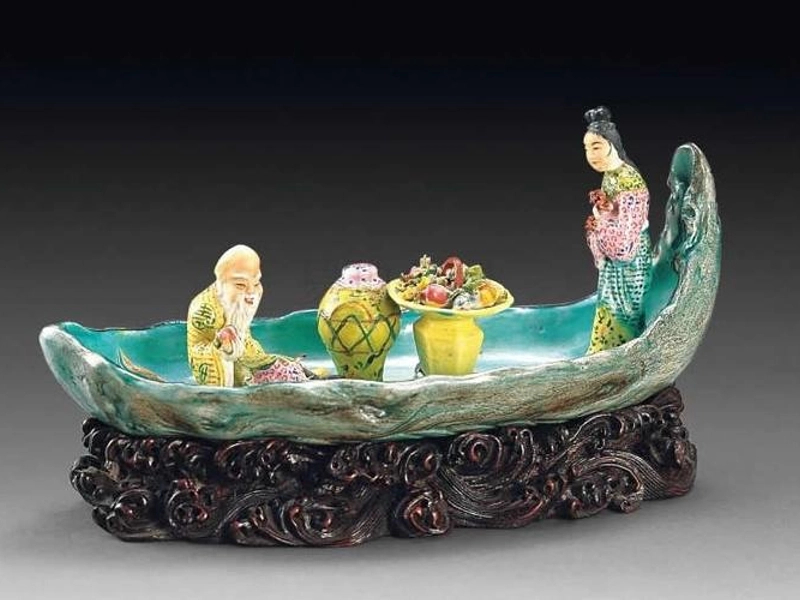
Colored porcelain from the Wanjiang region merges Huizhou tradition with Jiangnan water-town aesthetics, celebrated for vivid glazes, intricate patterns, and unique shapes. The craft values both utility and artistic expression. Huizhou ceramics, celadon, and hand-painted porcelain, combined with modern aesthetics, become collectible masterpieces. Traditional crafts like woodblock New Year prints, bamboo weaving, and ancient brewing techniques have been revitalized under heritage protection, reflecting Anhui artisans’ spirit and cultural continuity.
Flavors and Delicacies: The Taste of Anhui on the Palate
Huizhou Cuisine: Authentic, Rich, and Lingering
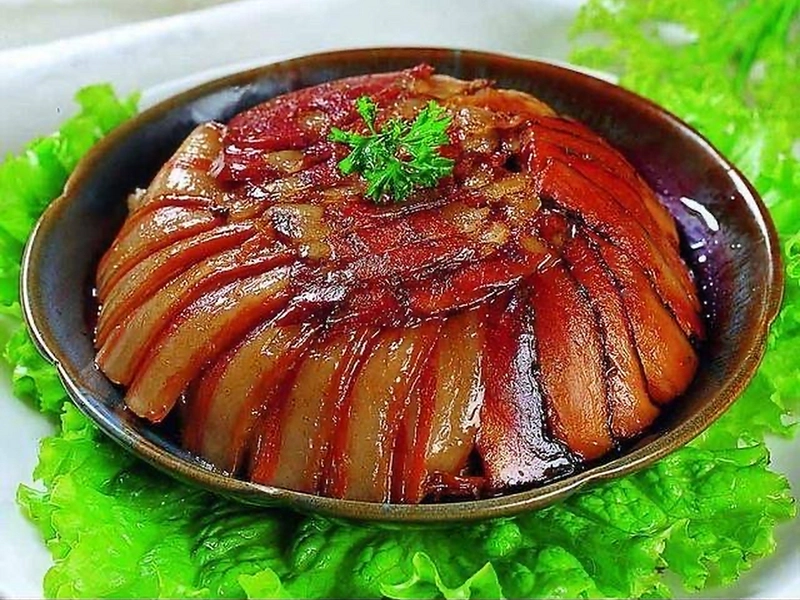
Originating from the Huizhou region, Huizhou cuisine (徽菜, Huīcài) is one of China’s eight major culinary traditions. Known for its rich oils, deep colors, precise control of heat, and emphasis on original flavors, it excels at combining “mountain delicacies and freshwater freshness.” Huizhou chefs skillfully use wild game, mountain vegetables, and river fish, infusing dishes with the natural bounty and cultural depth of Huizhou. The cuisine embodies a respect for ingredients and a reverence for nature, resulting in a unique, savory, and aromatic style.
Stinky Mandarin Fish (Chòu Guìyú): From Strong Aroma to Exquisite Flavor
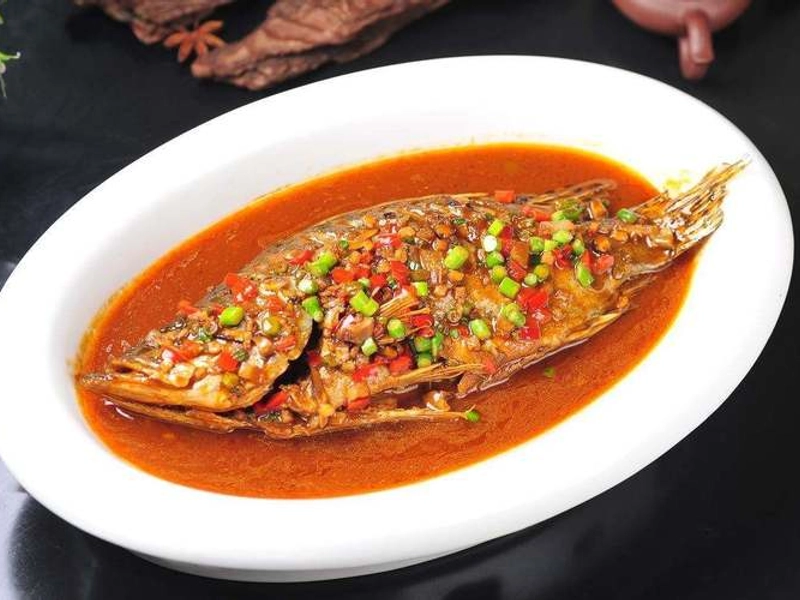
This iconic dish originates from the Wanjiang River region. Its pungent fermented smell transforms into a delicate, flavorful dish after cooking, with tender flesh and rich fragrance. The preparation requires careful attention to heat and seasoning to preserve the natural freshness of the fish. Stinky Mandarin Fish is both a staple on local tables and a symbol of Huizhou culinary culture, attracting food enthusiasts from near and far.
Mao Tofu: Naturally Fermented, Distinctive Taste
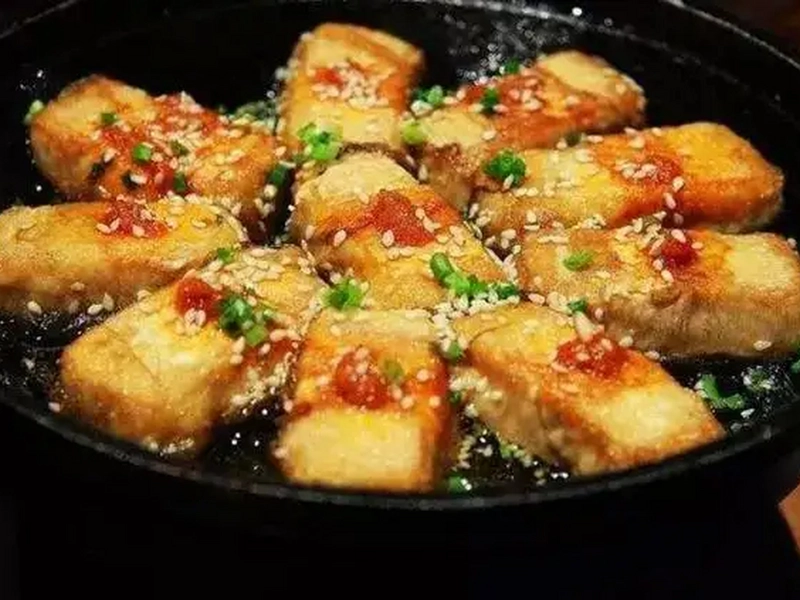
Mao Tofu, named for its “hairy” exterior and tender interior, is a traditional rural specialty. Naturally fermented, it offers a crisp outside and soft, rich interior. Dipped in chili sauce or soy-based condiments, its flavor is further enhanced. Mao Tofu reflects the Huizhou mastery of fermentation and the cuisine’s emphasis on regional characteristics and innovation in taste.
Hu Shi Hotpot: Rich Flavor, Abundant Ingredients
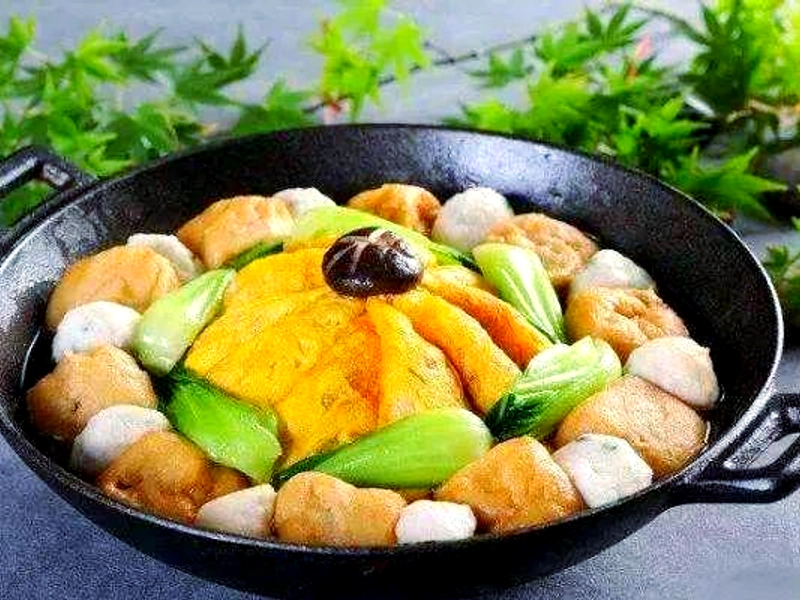
The Hu Shi Hotpot stems from Huizhou’s traditional folk hotpot. A slow-cooked broth features a variety of fresh meats, wild vegetables, tofu, and mushrooms. The soup is flavorful and aromatic, with ingredients fully infused. Every bite reflects Huizhou cuisine’s commitment to natural flavors and layered taste, highlighting precise control over ingredient selection and cooking techniques. It is a staple in family meals and festive banquets.
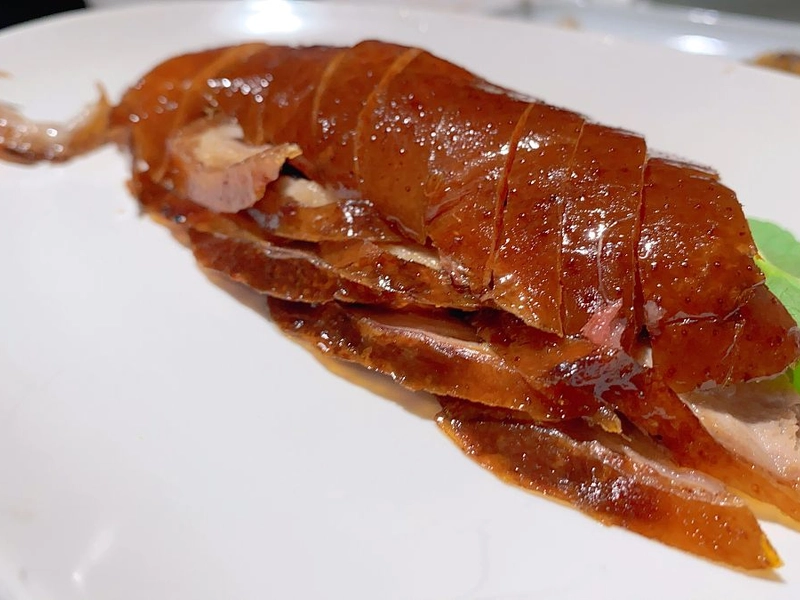
Luzhou Roast Duck: Crispy Skin, Tender Meat
A traditional dish from Hefei, Luzhou Roast Duck is celebrated for its crisp skin and juicy meat. Slow roasting ensures even heat, resulting in golden, crispy skin and tender flesh. Served with dipping sauce and thin pancakes, it preserves the original flavor while adding depth. Luzhou Roast Duck represents the culinary ideals of Huizhou and Jianghuai regions, combining visual appeal, aroma, and taste.
Other Huizhou Specialties: Diversity and Distinct Flavors
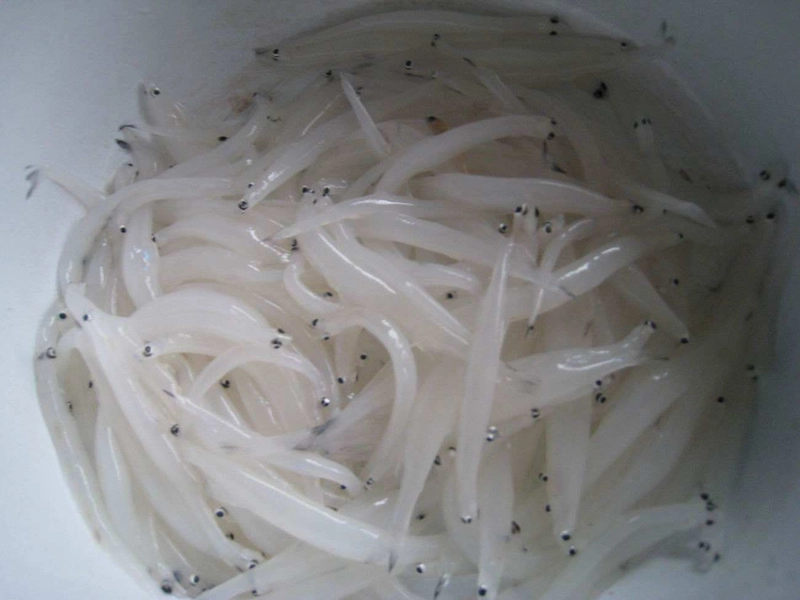
Anhui offers numerous local delicacies: Chaohu silverfish, Sanhe rice dumplings, Qimen black tea pastries, Xuancheng tofu balls, Huangshan baked cakes, Bozhou medicinal cuisine, and more. Each dish combines local ingredients and cooking expertise, reflecting both natural flavors and cultural heritage. From street food to banquet dishes, Anhui cuisine delivers rich tastes, unique aromas, and deep cultural resonance — a true “taste of Anhui.”
Teas of Anhui: Fragrance and Excellence
Huangshan Maofeng: White Tips, Peak-like Buds
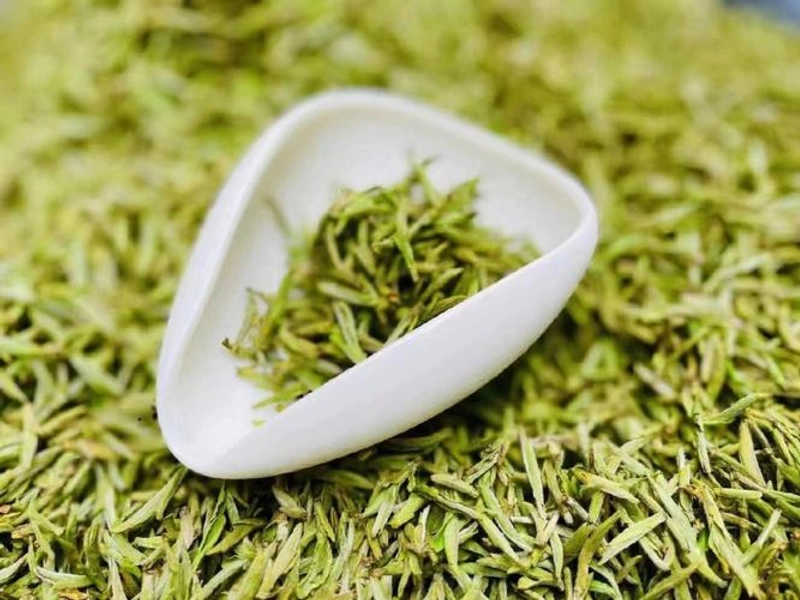
Grown in high-altitude, misty tea gardens around Huangshan, Huangshan Maofeng features tight, delicate shoots with prominent white hairs. Brewing yields a clear, bright liquor with a fresh, mellow flavor. This green tea represents Anhui’s tea culture and is cherished by domestic and international tea enthusiasts, earning the nickname “Gentleman of Tea.”
Taiping Houkui: Embracing Buds, Flat and Straight
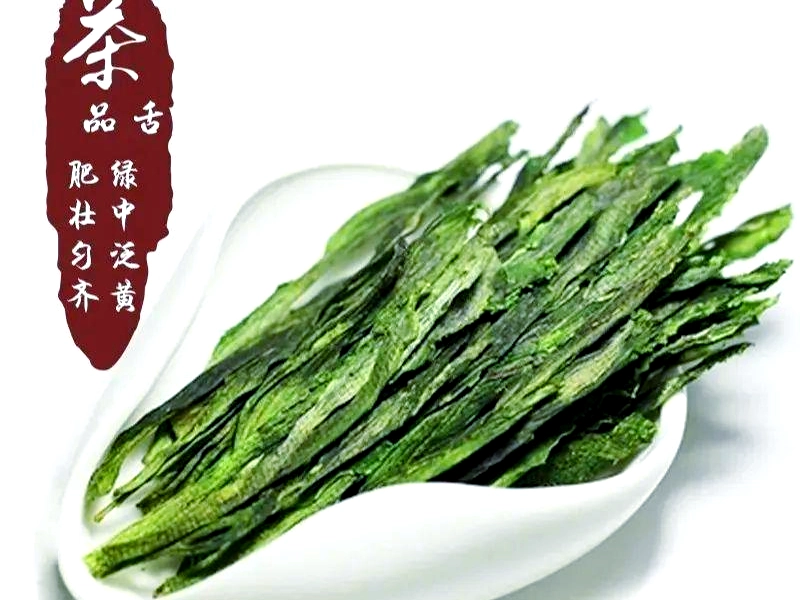
Produced in Taiping County, this tea grows amid clouds and mineral-rich soil. Its leaves are long, flat, and straight, with tightly wrapped buds resembling an embrace. Brewing releases a fresh, high fragrance with a natural chestnut aroma and a sweet, refreshing taste. Known as a “Huizhou tea marvel,” it is prized for its unique form and meticulous processing, often presented as a high-end gift.
Liu’an Guapian: Melon Seed Shape, Emerald Hue
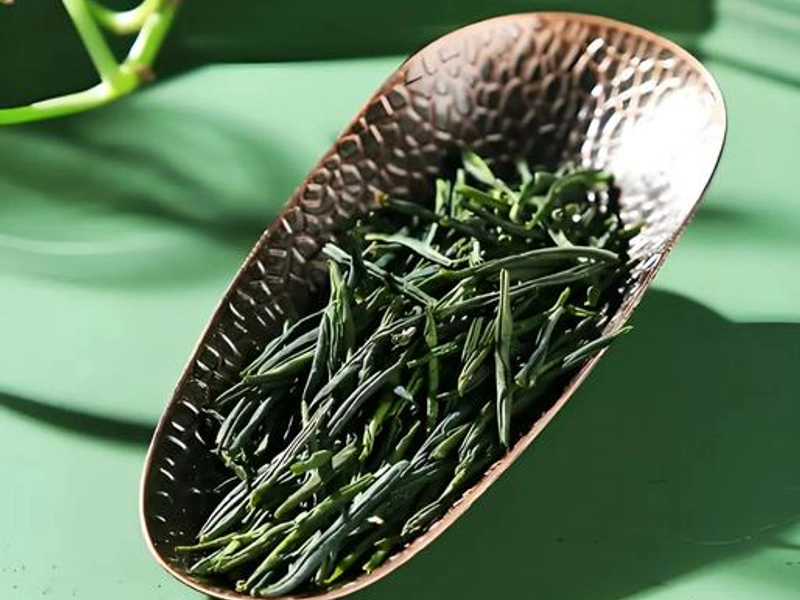
From Liu’an, this tea consists of single leaves shaped like melon seeds. The green, glossy leaves brew into a clear, elegant liquor with fresh and sweet notes. Carefully harvested and roasted, Liu’an Guapian is one of China’s traditional famous teas, celebrated for its appearance, flavor, and cultural significance.
Qimen Black Tea: The Noble Tea
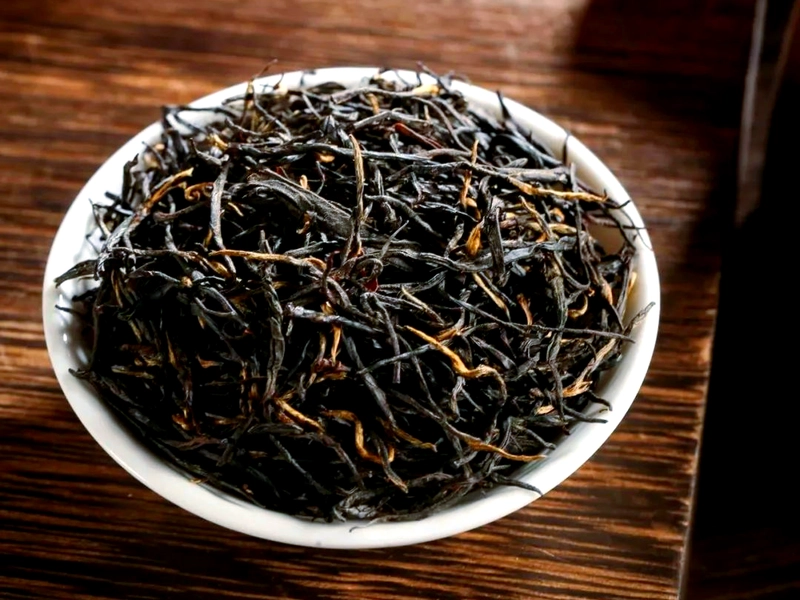
Grown in Qimen County at Huangshan’s southern foothills, Qimen Black Tea uses high-quality small-leaf varieties. Its leaves are tight and uniform, with dark, glossy color. Brewing yields bright red liquor with a distinctive “Qimen aroma” and a rich, sweet taste. Qimen Black Tea has historically been a tribute tea for the imperial court and remains internationally acclaimed, symbolizing Anhui’s tea heritage.
Other Anhui Teas: A Feast of Green and Fragrance
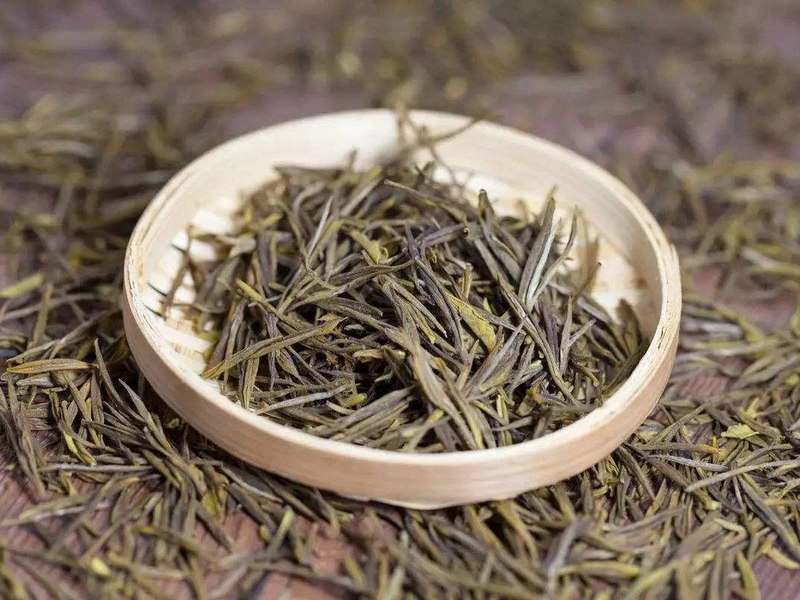
Anhui also produces notable teas such as Jixi Cuilan, Shexian Yunwu tea, and Qianshan white tea. Each owes its distinct flavor to unique geography and skilled craftsmanship. Anhui’s tea culture intertwines nature and human wisdom, offering centuries of tasting tradition for tea lovers to explore.
Local Delights and Souvenirs: Cultural Gifts from Anhui
Xuanzhi Paper: King of Papers, Lasting a Millennium
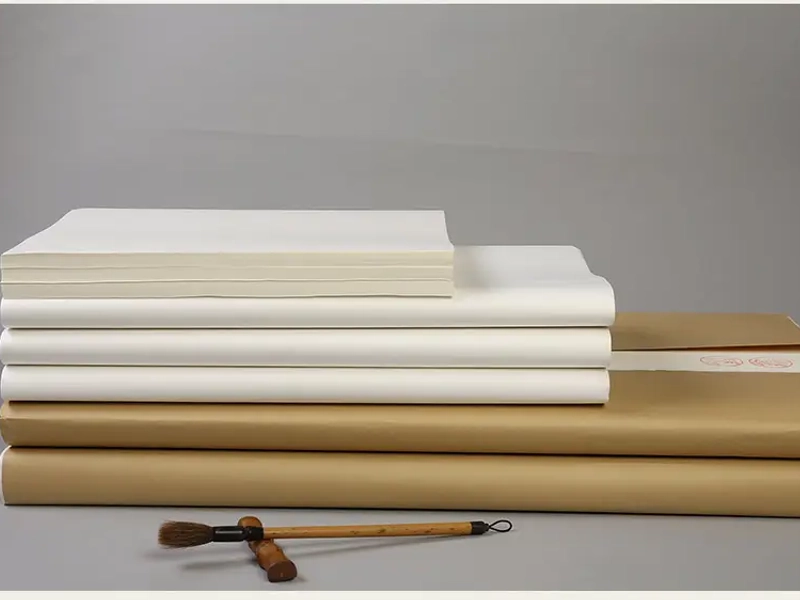
Made in Xuancheng from high-quality plant fibers, Xuanzhi is flexible, ink-absorbent, and long-lasting. Ideal for calligraphy, painting, and document preservation, it is a prized cultural product and a perfect souvenir for visitors.
She Inkstone: Hard Yet Smooth as Jade
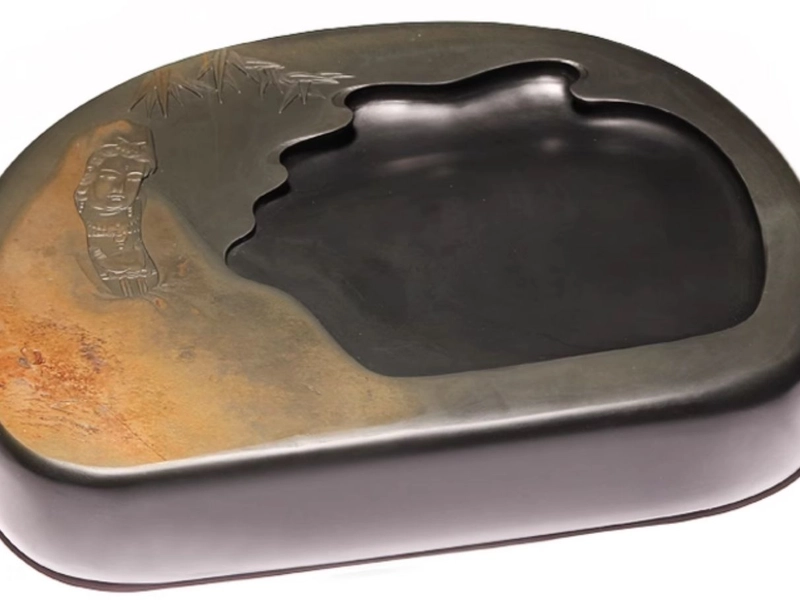
Produced in She County, She Inkstones are durable, finely textured, and smooth. Each piece is often engraved with landscapes, birds, or poetry, blending practicality and aesthetic value.
Huizhou Ink: Smooth, Clear, Fragrant
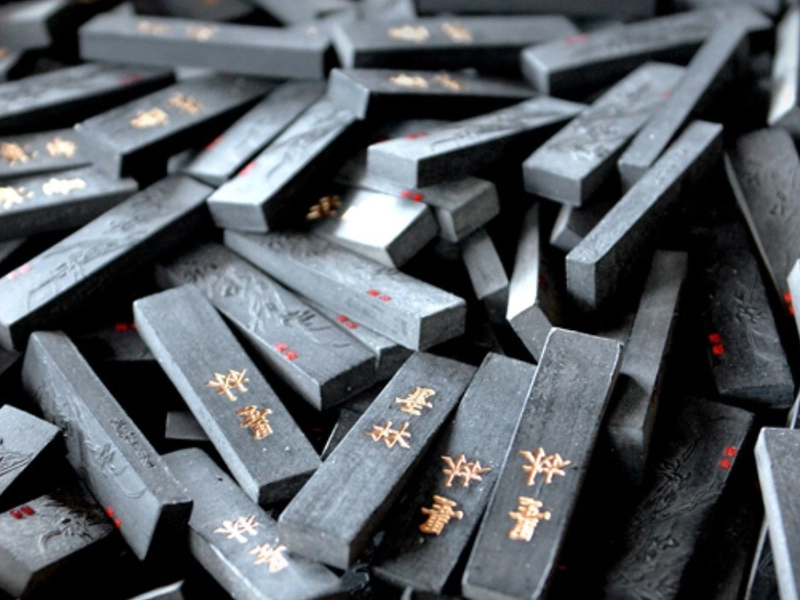
Made from Huizhou pine soot and natural glue, this ink is dark, consistent, and fragrant. It produces clear, even ink for calligraphy, painting, and seal-making, reflecting the artisans’ meticulous skill and aesthetic pursuit.
Huaiyuan Pomegranate: Large, Sweet, Juicy
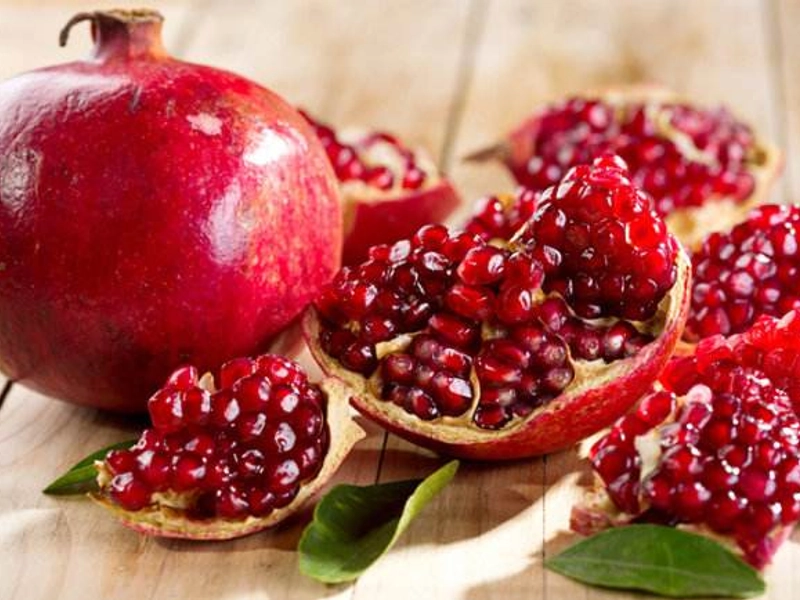
From Huaiyuan County, these bright red pomegranates feature large seeds and a sweet, juicy flavor. They are rich in vitamins and antioxidants, often used in festive gifts, symbolizing prosperity.
Other Huizhou Souvenirs: Tradition and Taste
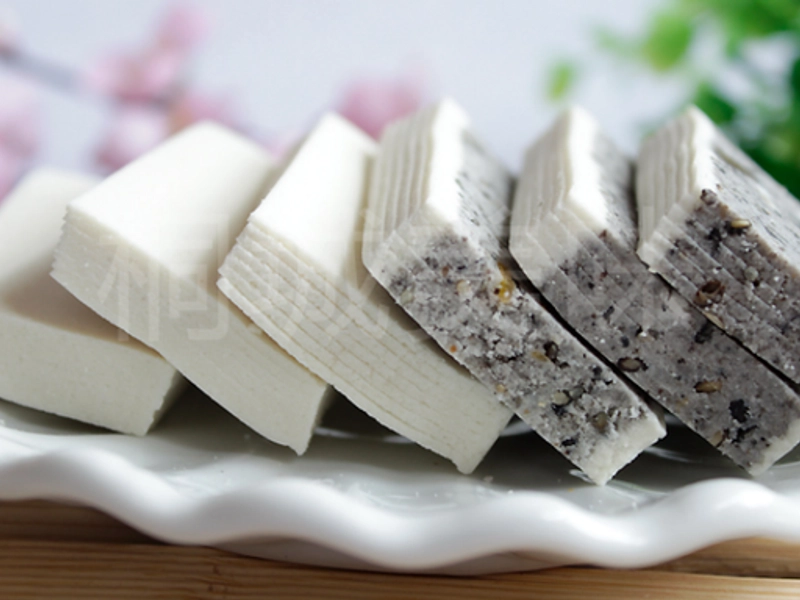
Other notable local products include Jixi Zisha teapots, Taiping Houkui tea, Xuancheng brushes, Huizhou embroidery, and Tongcheng pastries. These items combine natural resources and cultural heritage, offering practical and collectible value for travelers.
Step into Anhui: Landscape, Culture, and Culinary Wisdom
Anhui blends breathtaking scenery — from Huangshan’s peaks to Jiuhuashan’s Buddhist serenity, from Xidi and Hongcun’s Huizhou architecture to She County’s ancient towns — with rich human achievements. It celebrates historical figures like Bao Zheng, Hua Tuo, and Li Hongzhang, nurtures modern universities like USTC, HFUT, and Anhui University, and preserves cultural treasures like Huangmei Opera, Huizhou ink, Xuanzhi paper, stinky mandarin fish, Luzhou roast duck, and Huangshan Maofeng.
Whether exploring landscapes, visiting ancient villages, tasting tea, experiencing traditional crafts, or enjoying modern innovation, Anhui offers a vibrant blend of heritage and contemporary life. Each city, view, and historical site adds a unique hue to the province’s rich tapestry — a symphony of civilization and development waiting to be discovered.
Related Vocabulary
| Chinese | Pinyin | English |
|---|---|---|
| 安徽 | Ānhuī | Anhui (province) |
| 黄山 | Huángshān | Huangshan Mountain |
| 油菜花 | yóucài huā | Rapeseed flower |
| 云海 | yúnhǎi | Sea of clouds |
| 雪景 | xuě jǐng | Snow scenery |
| 候鸟 | hòuniǎo | Migratory birds |
| 茶叶 | chá yè | Tea leaves |
| 烤鸭 | kǎo yā | Roast duck |
| 炖汤 | dùn tāng | Stew / Braised soup |
| 小吃 | xiǎo chī | Snack / Street food |
| 山水 | shān shuǐ | Landscape / Mountains and rivers |
| 温泉 | wēn quán | Hot spring |
| 书画 | shū huà | Calligraphy and painting |
| 剪纸 | jiǎn zhǐ | Paper-cutting |
FAQ – Anhui Province
Q1: What are the major rivers and landforms in Anhui?
A1: Anhui features three major rivers—the Yangtze River, Huai River, and Xin’an River—and three distinct landforms: the southern Anhui mountains, Jianghuai hills, and northern Huai plains. This creates a diverse landscape of mountains, hills, lakes, and fertile plains.
Q2: What are the most famous natural attractions in Anhui?
A2: Key attractions include Huangshan (Yellow Mountain) with its Five Wonders—peculiar pines, strange rocks, seas of clouds, hot springs, and winter snow—Jiuhuashan, a Buddhist sacred mountain, Tianzhu Mountain with Taoist heritage, and Caishi Cliff along the Yangtze River. These combine natural beauty with historical and cultural significance.
Q3: Which ancient villages in Anhui are UNESCO World Heritage Sites?
A3: Xidi and Hongcun are famous Huizhou villages recognized as UNESCO World Heritage Sites. They feature traditional Ming and Qing architecture, horse-head walls, carved wood and stone, and ingenious water systems, preserving Anhui’s cultural heritage.
Q4: What are some signature dishes and culinary specialties of Anhui?
A4: Anhui cuisine (Huīcài) emphasizes fresh ingredients and natural flavors. Famous dishes include Stinky Mandarin Fish (Chòu Guìyú), Mao Tofu, Hu Shi Hotpot, Luzhou Roast Duck, Chaohu Silver Fish, Sanhe Rice Dumplings, and teas like Huangshan Maofeng, Taiping Houkui, Liu’an Guapian, and Qimen Black Tea.
Q5: Which cities in Anhui are worth visiting and what are they known for?
A5: Key cities include Hefei (capital and science hub), Huangshan (natural and cultural heritage), Wuhu (Yangtze trading city), Anqing (Huangmei Opera birthplace), Bozhou (Capital of Chinese Medicine), Xuancheng (Four Treasures of the Study), and Chizhou (Jiuhuashan and Buddhist culture). Each city has unique cultural, historical, and natural attractions.
Q6: Are there any notable industries or economic specialties in Anhui?
A6: Anhui is diverse economically. Hefei is a tech hub with AI and semiconductor industries; Wuhu is a manufacturing and logistics center; Huainan and Huaibei focus on coal and energy; Ma’anshan is known for steel; Bozhou is famous for traditional Chinese medicine; the province also has thriving tea, handicraft, and tourism sectors.
Q7: What are some unique natural landscapes to explore off the beaten path?
A7: Beyond Huangshan and Jiuhuashan, Anhui offers Tiantangzhai in Lu’an, known as the “Southern Anhui Alps,” the lotus fields and bamboo forests around Taiping Lake, and scenic rural villages like Chengkan and Guniujiang, which preserve traditional Huizhou lifestyles.
Q8: What modern amenities and tourist infrastructure are available in Anhui?
A8: Anhui has well-developed transportation, including high-speed rail, highways, and airports connecting cities like Hefei, Huangshan, and Wuhu. Hotels range from luxury resorts in Huangshan to boutique inns in Huizhou villages. Tourist services include guided tours, cultural workshops, tea experiences, and hiking trails.
Q9: Are there any unique local customs or daily life experiences tourists should know?
A9: Visitors can experience Anhui’s culinary culture through street snacks, family-style Huizhou meals, and tea houses. Traditional crafts such as paper-cutting, inkstone carving, and pottery workshops offer hands-on learning. Local markets often sell fresh produce, herbs, and medicinal ingredients reflecting daily Anhui life.