How Much Do You Know About the First Lunar Month?
Table of Contents
- I. Introduction: The Significance and Symbolism of the First Lunar Month – A New Cycle Begins, Everything Renewed
- II. The Origin and Historical Evolution of Zhengyue: From the "Three Zheng" Debate to Establishing the Huaxia Foundation
- III. Traditional Festival Activities in Zhengyue: From New Year's Day Greetings to the Lantern Festival
- IV. Folk Customs and Taboos in Zhengyue: The Wisdom of Revering Nature and Praying for Blessings
- V. Inheritance and Innovation of Zhengyue in Modern Society: The Collision and Fusion of Tradition and Modernity
- VI. Conclusion: Zhengyue – A Cultural Bond Connecting the Past and the Future
- Frequently Asked Questions About Zhengyue (The First Lunar Month)
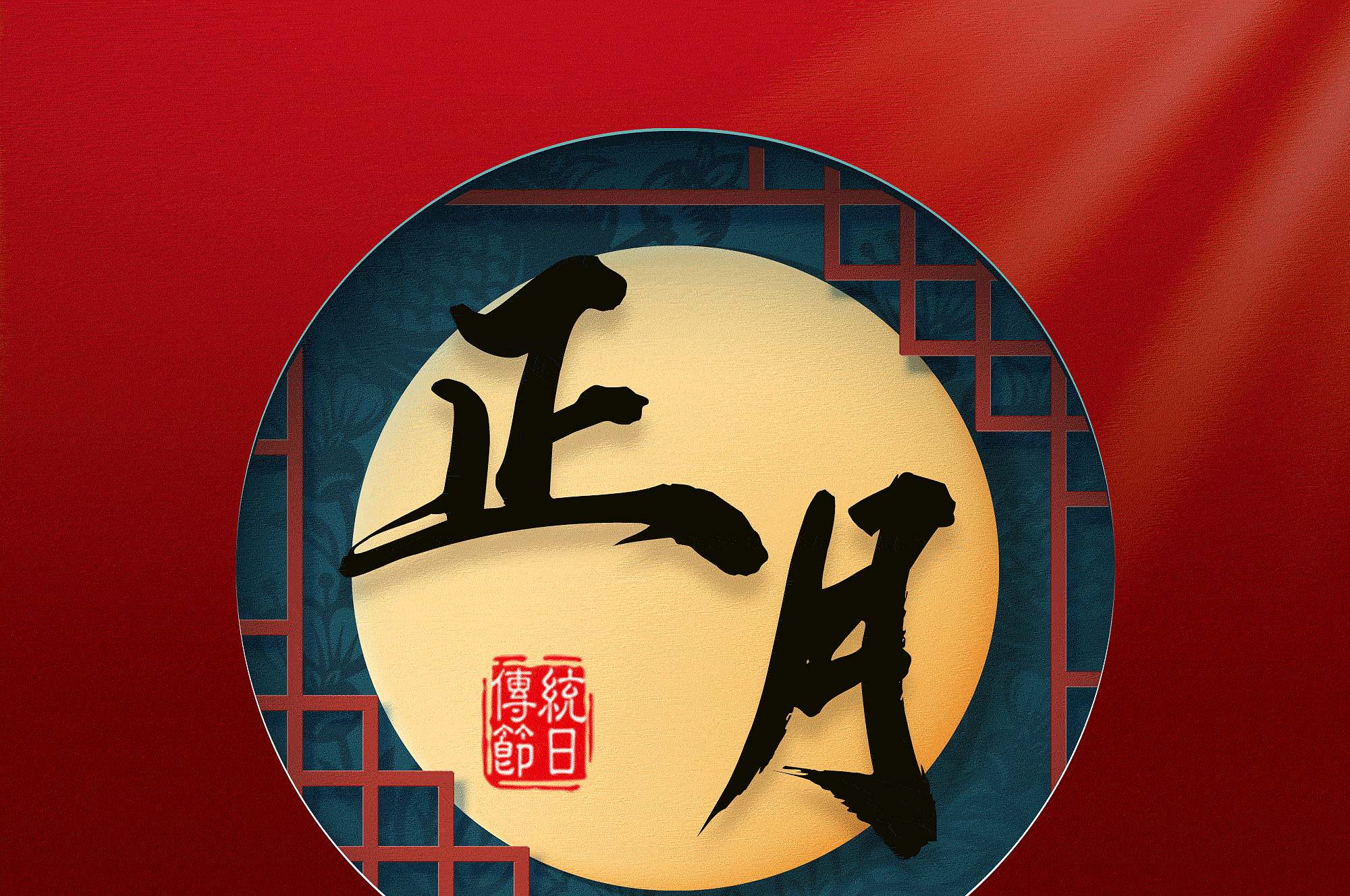
I. Introduction: The Significance and Symbolism of the First Lunar Month – A New Cycle Begins, Everything Renewed
As the train of time glides past the biting chill of winter, and the first breath of spring gently brushes against the frozen river surfaces, the most solemn, warm, and ritualistic moment of the Chinese nation arrives as scheduled—the First Lunar Month, known as Zhengyue (正月). This period marks the heart of the Chinese New Year celebrations.
Zhengyue (正月), the first month of the lunar calendar, was historically called "Yuanyue" (元月) or "Duanyue" (端月). It is not merely a marker of time signifying another completion of the Earth's orbit around the sun; within the context of Chinese culture, it is a vast spiritual vessel. It carries thousands of years of Chinese reverence for nature, remembrance of ancestors, longing for reunion, and infinite anticipation for the future. The Shangshu·Dazhuan states: "Zhengyue (正月) is the Duanyue (端月); its first day is the Yuanri (元日)." "Yuan" (元) means beginning and greatness. The start of Zhengyue (正月) signifies "a new cycle begins, and everything is renewed." In this month, the dust of the old year is thoroughly swept away, and new hope sprouts like spring grass, embodying the true spirit of the Spring Festival.
For the Chinese people, Zhengyue (正月) is the homeland of emotion. No matter where one is or how far the journey, hundreds of millions of wanderers embark on their return at this moment, all for that steaming hot New Year's Eve dinner and that warm greeting of "Happy New Year." It is the coagulant of blood ties, pulling family members scattered across the land back under the same roof. Over cups and plates, they rekindle familial warmth; in casual chatter, they soothe the fatigue of the past year. This mass migration is a unique phenomenon central to Chinese New Year traditions.
Zhengyue (正月) is also a cultural feast. From the New Year's Eve vigil and firecrackers to the New Year's Day greetings; from welcoming the God of Wealth on the fifth day to the Lantern Festival celebrations on the fifteenth. This series of interlocking folk activities resembles a grand cultural symphony, playing out the unique life rhythm of the Chinese nation. Red lanterns, golden "Fu" (福) characters, noisy gongs and drums, and brilliant lights—these distinct Chinese cultural symbols jointly paint a colorful folk scroll, showcasing the unique charm of Eastern civilization to the world.
More importantly, Zhengyue (正月) symbolizes the starting point of hope. As the ancients said, "The plan for the whole year lies in spring." As the beginning of spring, Zhengyue (正月) nurtures the vitality of the entire year. Farmers plan their plowing, merchants strategize their businesses, students set their academic goals, and ordinary people pray for health and safety. People believe that the good deeds planted and the grand wishes made in Zhengyue (正月) will grow robustly under the warm spring sun and bear fruitful results.
However, with the changing times, the wave of modernization has impacted the banks of tradition. Some lament that the "flavor of the New Year has faded," while others question whether complex Chinese customs are still necessary. Against this backdrop, rereading Zhengyue (正月) and looking back on this thousand-year cultural journey is particularly precious. This is not merely for nostalgia but to find that sense of ritual that settles the soul in our fast-paced modern life and to rediscover that sincere love for a better life.
This article will take you through the mists of history, starting with the origin of the Chinese lunar calendar, detailing the millennial festival activities, interpreting the folk taboos hidden within, and exploring the inheritance and innovation of Zhengyue (正月) culture in modern society. Let us walk into Zhengyue (正月) together, to feel that never-ending cultural feast and to touch the cultural pulse that has beaten for thousands of years in the Chinese nation.
II. The Origin and Historical Evolution of Zhengyue: From the "Three Zheng" Debate to Establishing the Huaxia Foundation
As the first month of the lunar year, the establishment of Zhengyue (正月) was not achieved overnight but underwent a long history of political gaming and cultural fusion. In ancient China, setting the start of the year was not just a time marker; it concerned the legitimacy of the dynasty and the mandate of heaven. The history of Zhengyue's (正月) origin is, in fact, a condensed history of Chinese political and cultural evolution.
As early as antiquity, Chinese ancestors possessed the wisdom of observing celestial phenomena to determine agricultural seasons. However, regarding which month should mark the beginning of the year, the Xia, Shang, and Zhou dynasties had vastly different regulations, historically known as the "Three Zheng" (三正). According to the Records of the Grand Historian·Book of Calendars: "The Xia Zheng started with the first month, the Yin (Shang) Zheng with the twelfth month, and the Zhou Zheng with the eleventh month." The Xia Dynasty took the month of Jianyin (建寅) (equivalent to the current first lunar month) as the start of the year. At this time, spring returned to the earth, and all things revived, best fitting the natural rhythm of agricultural production. After establishing the Shang Dynasty, to highlight the new regime's atmosphere, the start of the year was moved forward by one month to the month of Jianchou (建丑) (the twelfth lunar month). This was mid-winter, intended to champion white color and an aura of solemnity. By the Zhou Dynasty, the start of the year was moved forward again to the month of Jianzi (建子) (the eleventh lunar month), the month containing the Winter Solstice. The Zhou people believed the Winter Solstice marked the birth of Yang energy, and starting the year then symbolized the sprouting of life. This practice of "correcting the calendar" (Gaizheng Shuo, 改正朔) was a crucial ritual for ancient emperors to declare sovereignty and comply with heavenly will, forming the basis of the traditional Chinese calendar.
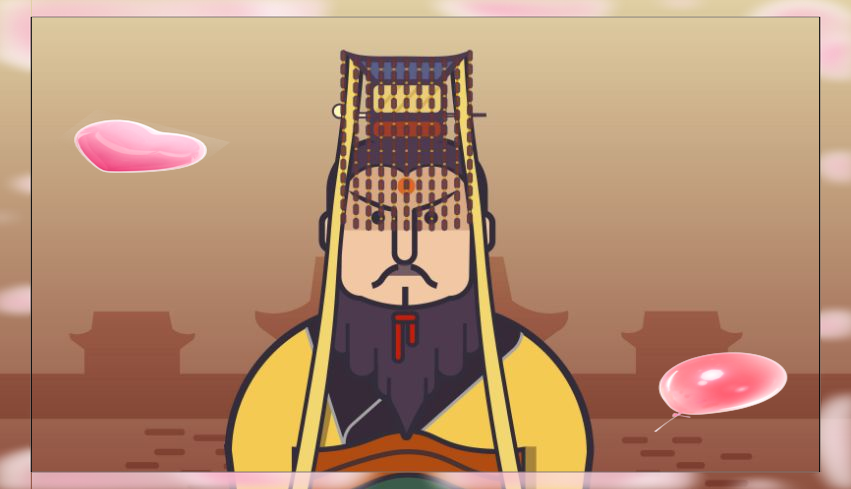
After Qin Shi Huang unified the six states, he implemented the Qin Calendar, setting the month of Jianhai (建亥) (the tenth lunar month) as the start of the year. This change meant the Qin New Year fell in late autumn and early winter. While this reflected the Qin people's preference for black and their admiration for strict laws, it severely detached from the agricultural production cycle of the Central Plains. Farmers had just finished the autumn harvest in the tenth month and had not yet rested when they were forced to welcome the New Year, followed by preparing for so-called "spring plowing" in the cold winter months, which was clearly inappropriate. Thus, while the Qin Calendar achieved political unification, it was out of place regarding people's livelihood.
The true turning point occurred during the reign of Emperor Wu of Han. After decades of rest and recuperation in the early Han period, the Han Dynasty reached the peak of its power. Emperor Liu Che was determined to reform the calendar to match the empire's glory. In the seventh year of Yuanfeng (104 BC), Emperor Wu adopted the suggestions of Sima Qian, Luoxia Hong, and others, and promulgated the Tai Chu Calendar (太初历). This calendar was epoch-making; it officially abolished the Qin Calendar and re-established the Xia Calendar's system of taking the month of Jianyin (建寅) as the start of the year, designating that year as the first year of Taichu. From then on, the name "Zhengyue" (正月) was formally fixed and has been used continuously for over two thousand years. The establishment of the Tai Chu Calendar (太初历) not only solved the problem of the disconnect between the calendar and agricultural seasons but, more importantly, perfectly aligned the concept of "Spring" with the beginning of the "Year," laying the cultural tone for the Chinese Spring Festival. Since then, no matter how dynasties changed, even if individual regimes briefly attempted to change the start of the year, they ultimately returned to the tradition of Jianyin (建寅), as it was the choice most consistent with the genetic code of the Chinese agrarian civilization.
In the subsequent long river of history, the connotation of Zhengyue (正月) continued to enrich. During the Wei, Jin, Southern and Northern Dynasties, although wars were frequent, the celebratory activities of Zhengyue (正月) became increasingly grand, and customs like the New Year's Eve vigil and setting off firecrackers began to take shape. With the strong national power of the Tang Dynasty, the holiday in Zhengyue (正月) was extended; rulers and subjects rejoiced together, and nations from all over came to pay tribute, making Zhengyue (正月) a window to display the grandeur of the Great Tang. In the Song Dynasty, with its developed commodity economy, the marketplace atmosphere of Zhengyue (正月) was thick. Dongjing Meng Hua Lu (《东京梦华录》, A Dream of Splendor in the Eastern Capital) detailed the magnificent lights and diverse performances in Kaifeng during Zhengyue (正月). Zhengyue (正月) was no longer just a time for sacrifice; it had become a carnival for the entire population. In the Ming and Qing dynasties, the ritual systems of Zhengyue (正月) became even more complete, ranging from the imperial sacrifices to heaven to folk ancestor worship and New Year greetings, forming a rigorous yet warm social order.
It is worth noting that the establishment of Zhengyue (正月) was accompanied by advancements in ancient Chinese astronomy and calendars. From initial observation-based timekeeping to later shadow measurements with gnomons, and finally to precise mathematical calculations, astronomers of successive dynasties exerted tremendous effort to determine the exact moment of the first day of Zhengyue (正月) (known as "Shuo", 朔). The first day of Zhengyue (正月) must be the "Shuo Ri" (朔日), the moment when the moon moves between the sun and the earth, making the moon invisible from earth. If calculations were erroneous, leading to a disordered Zhengyue (正月), it would be considered extremely ominous. Therefore, the history of Zhengyue (正月) is also an important part of the history of ancient Chinese science and technology.
Until today, when we talk about Zhengyue (正月), we are not just discussing a time concept; we are reliving the historical memory from the "Three Zheng" (三正) debate to the establishment of the Tai Chu Calendar (太初历). It bears witness to the Chinese nation's respect for natural laws, its persistence in agrarian civilization, and its pursuit of harmonious order. The reason Zhengyue (正月) can become the most sacred month in the hearts of the Chinese people is precisely because it carries the weight of thousands of years of history. Every moment of bidding farewell to the old and welcoming the new is a dialogue with our ancestors across time and space, keeping Chinese heritage alive.
III. Traditional Festival Activities in Zhengyue: From New Year's Day Greetings to the Lantern Festival
Zhengyue (正月) is the month with the highest density of festivals and the richest cultural connotations. From the Spring Festival on the first day of the first lunar month to the conclusion of the Lantern Festival on the fifteenth, a series of interlocking traditional Chinese festival activities over these half-months constitute a grand cultural symphony. These activities are not merely entertainment; they are concentrated exhibitions of family ethics, social relations, and spiritual beliefs.
The First Day of the First Lunar Month: The Beginning of Renewal
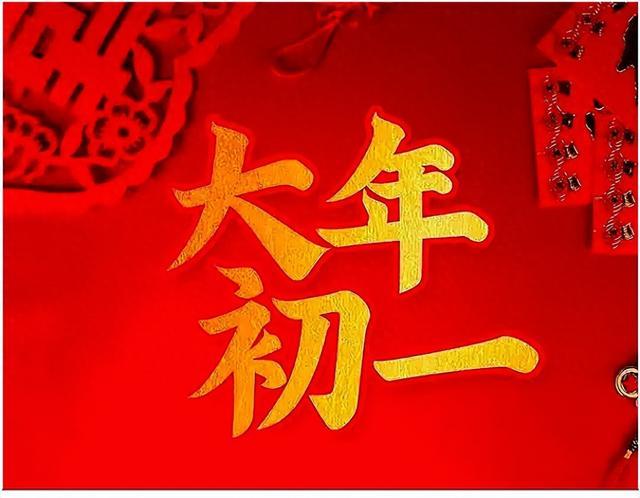
The first day, historically called "Yuanri" (元日) or "Yuandan" (元旦) (before the Republic of China), is the climax of Zhengyue (正月) and indeed the whole year. On this day, every household rises early to set off firecrackers, intending to drive away the legendary monster "Nian" (年) and to blast away bad luck while welcoming auspiciousness. Wearing new clothes is standard for the first day; regardless of wealth, people dress in clean or even brand-new attire, symbolizing a new look for the New Year. This is immediately followed by the core activity: "Bainian" (拜年,New Year greetings). The order of greetings follows strict ethical norms: first, juniors in the family kowtow or bow to elders to wish them longevity, expressing filial piety and gratitude; subsequently, neighbors and villagers visit each other, exchanging a "Happy New Year" to strengthen community bonds. On this day, linguistic taboos are strictly observed; one cannot speak unlucky words or break objects (if something is accidentally broken, one must immediately say "Sui Sui Ping An" (岁岁平安) – peace every year, a pun on "broken"). Giving "Ya Sui Qian" (压岁钱,lucky money) is also a highlight of the first day. Elders distribute red envelopes containing copper coins or banknotes to the younger generation, intending to suppress evil spirits and ensure the children's safe growth. Dumplings in the North and Nian Gao (年糕,rice cakes) or Tangyuan (汤圆,glutinous rice balls) in the South serve as the staple food for the first day, symbolizing "the transition of time" and "rising higher year by year" respectively. These Chinese New Year foods embody people's beautiful expectations for the future.
The Fifth Day: Breaking the Five and Welcoming the God of Wealth
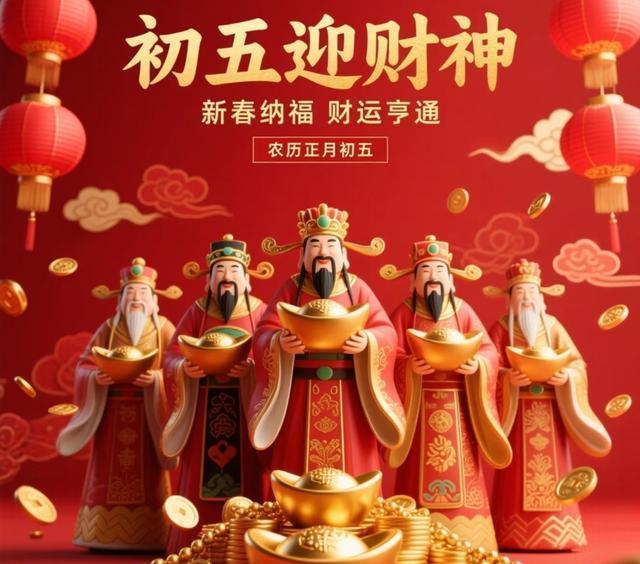
If the first day is about internal family reunion, then the fifth day is about expansion towards the outside world. This day is commonly known as "Po Wu" (破五,Breaking the Five), meaning that many taboos from the previous days (such as not using needles, not taking out trash, not sweeping, etc.) can be lifted on this day. Northern regions especially value "Po Wu" (破五); every household makes dumplings, called "pinching the little people's mouths," symbolizing the prevention of slander and gossip. More importantly, the fifth day is, legend has it, the birthday of the God of Wealth (Zhao Gongming or the Five Roads Gods of Wealth). Merchants and shops usually choose this day to reopen for business, holding grand ceremonies to worship the God of Wealth, praying for booming business and abundant wealth in the new year. People arrange offerings, set off firecrackers, and even perform dragon and lion dances, creating a lively scene. This custom reflects the simple wishes of "valuing commerce" and "seeking wealth" in traditional Chinese society and marks the transition of Zhengyue (正月) from pure rest to preparation for production and life.
The Seventh Day: Celebrating Human Day
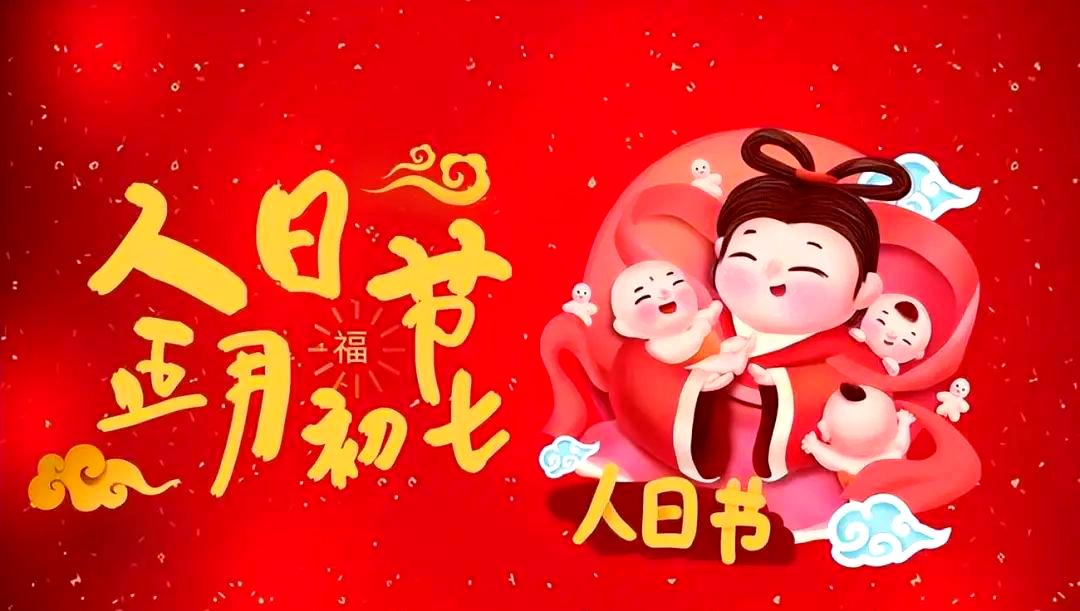
In the ancient creation myth, Nuwa created humans on the seventh day; therefore, the seventh day of the first lunar month is called "Ren Ri" (人日,Human Day) or "Rensheng Jie" (人胜节). This is humanity's birthday. Ancients would wear "Rensheng" (人胜,a head ornament cut from colored silk in the shape of a human), climb heights to compose poetry, and eat "Qibao Geng" (七宝羹,a soup made from seven kinds of vegetables), praying for the safety of the population and smooth travels. The Tang Dynasty poet Gao Shi once wrote: "On Human Day, I write a poem to send to my thatched cottage, remotely pitying my old friend thinking of his hometown." This shows that during the Tang and Song dynasties, Human Day was still a very important day for literary gatherings. Although modern society does not value "Ren Ri" (人日) as much as the Spring Festival or the Lantern Festival, some southern regions and overseas Chinese communities still retain customs like eating longevity noodles and tossing raw fish salad to celebrate "everyone's birthday," reflecting respect for the value of human life itself.
The Fifteenth Day: The Carnival Finale of the Lantern Festival
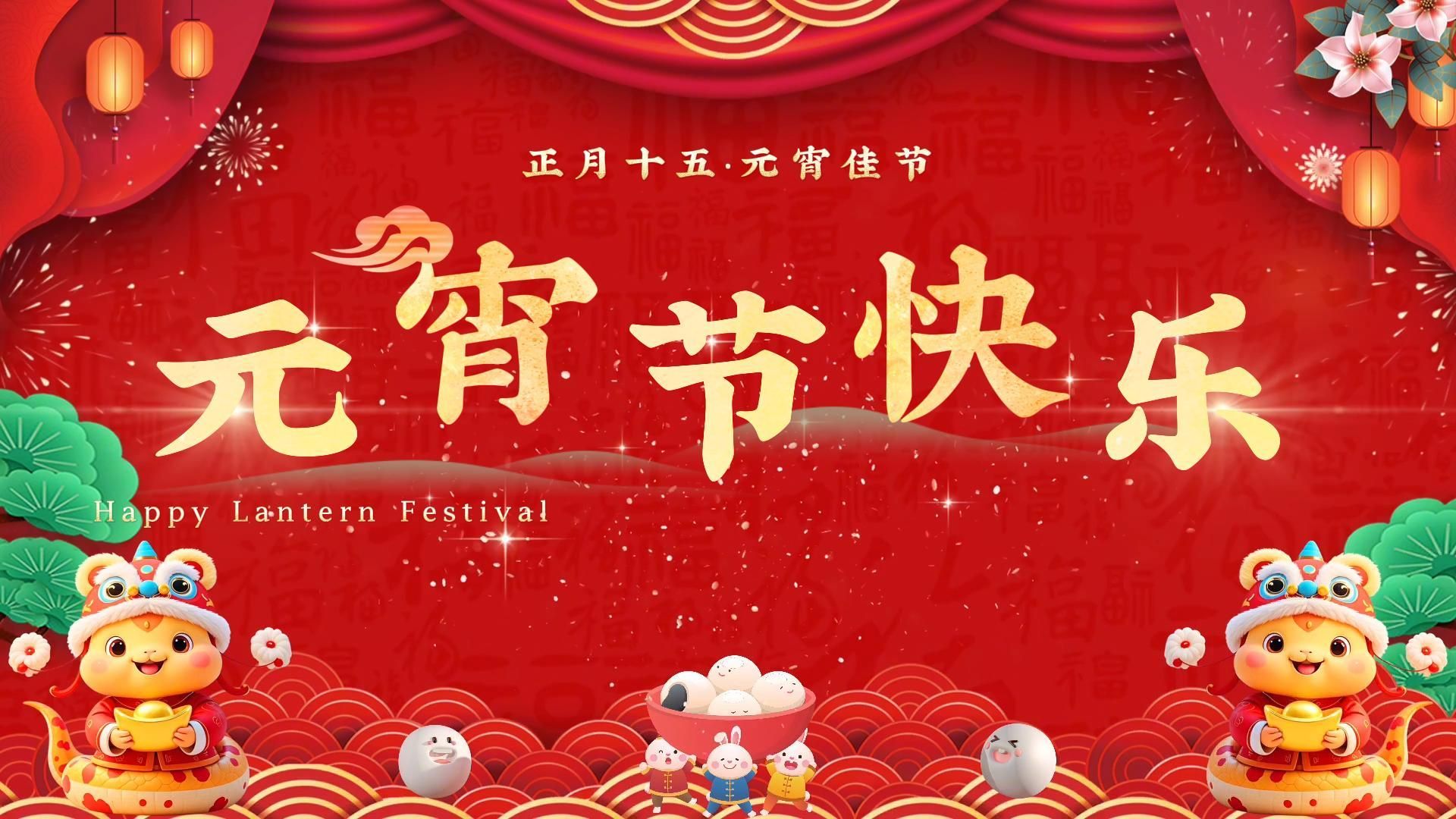
The Lantern Festival on the fifteenth day of the first lunar month is the grand finale of the Spring Festival series and also China's traditional "Carnival." On this day, as night falls and lights ignite, streets and alleys are decorated with lanterns. Admiring lanterns is the core activity of the Lantern Festival. From the imperial court to the folk, various lanterns compete in beauty, including palace lanterns, zoetrope lanterns, and zodiac lanterns, glowing with splendor. Guessing lantern riddles is a combination of intelligence and fun; riddle strips hang under the lanterns, and visitors stop to guess, full of wit and humor. Eating Yuanxiao (元宵) (in the North) or Tangyuan (汤圆) (in the South) is an indispensable ritual; their round shape symbolizes reunion and completeness. Unlike the Spring Festival, which focuses on family reunion, the Lantern Festival emphasizes social interaction. In ancient times, due to the curfew system, travel at night was strictly prohibited usually, but only during the days around the Lantern Festival was the curfew lifted, allowing people to roam at night. This gave young men and women a rare opportunity to meet; "The moon rises above the willow tops, lovers meet after dusk" depicts precisely the romantic scene of Lantern Festival night. Furthermore, performances like dragon and lion dances, stilt walking, and dry boat rowing reach their climax on this day, immersing the entire city in an ocean of jubilation. The end of the Lantern Festival marks the true conclusion of the "New Year"; people pack up their mood and fully devote themselves to the hard work of the new year.
These festival activities are interlocked and progressive. From the solemnity of the first day, to the pragmatic enterprising spirit of "Po Wu" (破五), to the warm care of "Ren Ri" (人日), and finally to the unrestrained release of the Lantern Festival, every day in Zhengyue (正月) has its unique cultural code. Together, they construct a complete emotional loop, allowing Chinese people, while bidding farewell to the old and welcoming the new, to both complete their reverence for ancestors and deities and achieve the cohesion of family emotions and the repair of social relations. These are essential elements of authentic Chinese New Year experiences.
IV. Folk Customs and Taboos in Zhengyue: The Wisdom of Revering Nature and Praying for Blessings
Zhengyue (正月) is not only a month of celebration but also a month filled with mystery and strict rules. In the long agrarian society, people believed that Zhengyue (正月), as the starting point of the year, meant that one's words and actions during this month directly affected the fortune and misfortune of the entire year. Consequently, a rich variety of folk activities and a complex system of Chinese New Year taboos evolved. These seemingly superstitious rules actually contain the survival wisdom of the ancients in revering nature and avoiding disaster, as well as their psychological demand for harmonious order.
Sweeping Dust and Decoration: The Ritual of Discarding the Old and Bringing forth the New
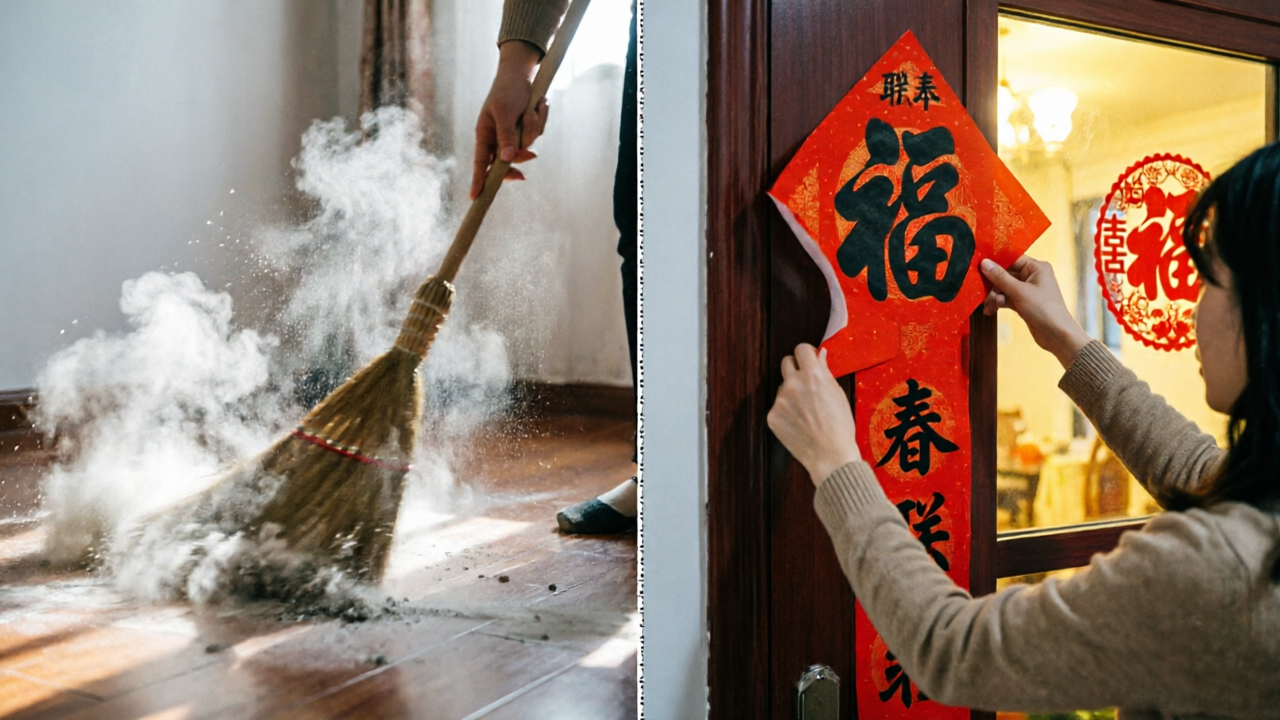
Entering the twelfth lunar month until before the first day of Zhengyue (正月), the most important folk custom is undoubtedly "Sao Chen" (扫尘,sweeping dust). Although strictly speaking, sweeping dust mostly occurs after the twenty-fourth of the twelfth month, its influence extends into Zhengyue (正月). People thoroughly clean their houses, wash utensils, and launder bedding, intending to sweep away the poverty and bad luck of the past year. By New Year's Eve and the first day of Zhengyue (正月), decoration becomes the main event. Pasting Spring Couplets, "Fu" (福) characters, hanging lanterns, and cutting paper windows become central. The dominant red color is not only festive but also possesses the function of warding off evil in traditional culture. The content of Spring Couplets mostly consists of auspicious words, expressing yearnings for favorable weather and national peace. Particularly interesting is the custom of pasting the "Fu" (福) character upside down, taking the homophone "Fu Dao Le" (福到了,Fortune has arrived). This language game reflects the humor and wit of folk culture. These decorations are not merely for beautifying the environment; they are a psychological suggestion. By creating a festive atmosphere, they make people psychologically convinced that the new year will be wonderful.
Taboos on Speech and Behavior: Caution Ensures Long-Term Safety
The number of taboos in Zhengyue (正月) is arguably the highest of the entire year. First are the speech taboos. On the first day of the New Year, one absolutely cannot say unlucky words like "death," "sickness," "lose," "poor," "break," or "bad." If a child accidentally says them, adults must immediately neutralize it with auspicious words or pretend not to hear. This taboo reflects the belief in "Yan Ling" (言灵,the power of words), believing that language has mysterious power, and speaking unlucky words will invite corresponding misfortunes. Secondly are behavioral taboos. For example, one should not use knives or scissors in Zhengyue (正月), as they are sharp instruments believed to easily cut off wealth paths and luck; one should not break bowls or dishes, because "Sui" (碎,broken) sounds like "Sui" (岁,year), and breaking things predicts an unfavorable year. If something is truly broken, one must immediately chant "Sui Sui Ping An" (岁岁平安) to resolve it; one should not sweep or take out trash, especially on the first day, believing that the dust and garbage in the house are "wealth energy." Sweeping them out is seen as driving away the God of Wealth. Usually, cleaning is postponed until "Po Wu" (破五) on the fifth day. Understanding these Chinese superstitions helps appreciate the depth of the culture.
The Haircut Taboo: The Deep Logic of Not Cutting Hair in Zhengyue
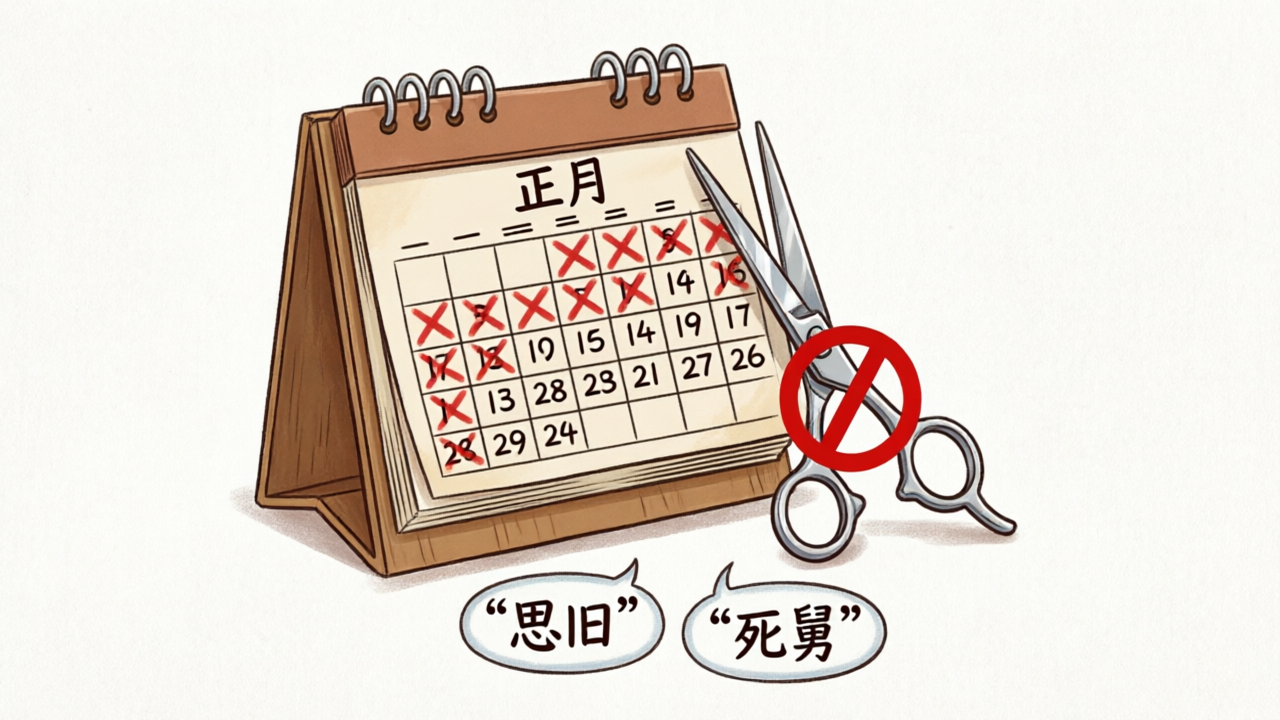
Among all Zhengyue (正月) taboos, "not cutting hair in Zhengyue" is the most widespread, even accompanied by the shocking saying "Cutting hair in Zhengyue causes the death of one's maternal uncle." In fact, this is entirely a historical misunderstanding. After the Qing army entered the pass, they forcibly ordered Han people to shave their foreheads and wear queues. Many Han people, missing the Ming Dynasty, refused to cut their hair in Zhengyue (正月) to show "Si Jiu" (思旧,thinking of the old dynasty). Over time, "Si Jiu" (思旧) was misheard/misinterpreted as "Si Jiu" (死舅,death of the uncle). Although the original meaning has been distorted, this custom has tenaciously survived. Many people get their hair cut in the twelfth month and let it grow throughout Zhengyue (正月), only going for a haircut on the second day of the second lunar month, "Long Tai Tou" (龙抬头,Dragon Raises Its Head), symbolizing good luck. This custom indirectly reflects the folk adherence to traditional etiquette and the subconscious expression of collective memory through one's body and hair.
Regional Differences: Different Winds Within a Hundred Li
China is vast, and there are significant differences in Zhengyue (正月) folk customs and taboos between the North and South. In the cold northern regions, Zhengyue (正月) focuses more on indoor activities, such as guarding the stove fire and eating dumplings; taboos are often related to fire and water, such as not splashing water (fearing splashing away wealth). In southern regions, especially Jiangnan and Lingnan, activities like "Touring the Gods" and "Welcoming the Gods" are common in Zhengyue (正月). Clan concepts are stronger, and taboos are more related to ancestor worship. For example, in some parts of Guangdong, one cannot lend money to others in Zhengyue (正月), believing it lends away one's own wealth energy; one also cannot buy shoes, because "Xie" (鞋,shoe) sounds like "Xie" (邪,evil). In some ethnic minority areas, Zhengyue (正月) customs are even more unique, such as the Yi people's Singing Festival and the Miao people's Lusheng gatherings. Their taboos are often closely linked to their totem worship and natural beliefs. Exploring regional Chinese New Year customs reveals the diversity of the culture.
Although these folk customs and taboos may seem absurd from a modern scientific perspective, they have played a huge role sociologically. Through common observance, they strengthened the cohesion of families and communities, regulated people's behavior, and reduced social conflicts. More importantly, they brought a sense of controllability to a life full of uncertainties—as long as I follow these rules, I can avoid disaster and welcome good luck. This psychological comfort is an important reason why Zhengyue (正月) culture has been passed down through generations. Even in modern society, many people are still willing to "believe it exists rather than not," carefully following ancient rules in Zhengyue (正月). This is not only respect for tradition but also a sincere prayer for a better life.
V. Inheritance and Innovation of Zhengyue in Modern Society: The Collision and Fusion of Tradition and Modernity
With the acceleration of industrialization and urbanization, and the popularity of internet technology, the face of Zhengyue (正月) has undergone earth-shaking changes in the 21st century. The background of traditional agrarian civilization has gradually faded, but the core status of Zhengyue (正月) as the spiritual homeland of the Chinese nation has not shaken. On the contrary, in its collision with modern society, it has demonstrated strong adaptability and vitality, presenting a unique landscape of "old customs celebrated in new ways, blending the ancient and the modern."
Changes in Customs Amidst Urbanization

In traditional rural society, Zhengyue (正月) was a carnival of acquaintance society, with clan gatherings and neighborly visits as the main theme. However, as a large population floods into cities, modern people living in forests of steel and cement face the dilemma of "neighbors not knowing each other." Traditional door-to-door New Year greetings have become unrealistic, replaced by phone calls and WeChat video greetings. Originally lively visits to relatives and friends have been simplified into a meal at a restaurant. Even a "Spring Festival Return Fear Group" has emerged, with young people afraid to go home due to pressures like marriage urging and salary inquiries. Additionally, urban considerations for environmental protection and safety have led many cities to implement bans on fireworks and firecrackers. The once deafening sound of firecrackers and the smell of gunpowder have become memories in many major cities. While this reduces air pollution and safety accidents, it also makes some feel that the "flavor of the New Year has faded." To compensate for this loss, many cities have launched alternative solutions like electronic firecrackers, light shows, and drone performances, using technological means to create a festive atmosphere. This shift represents the modernization of Chinese New Year.
New Interpretations by the Youth: Guochao (National Trend) and Digitalization
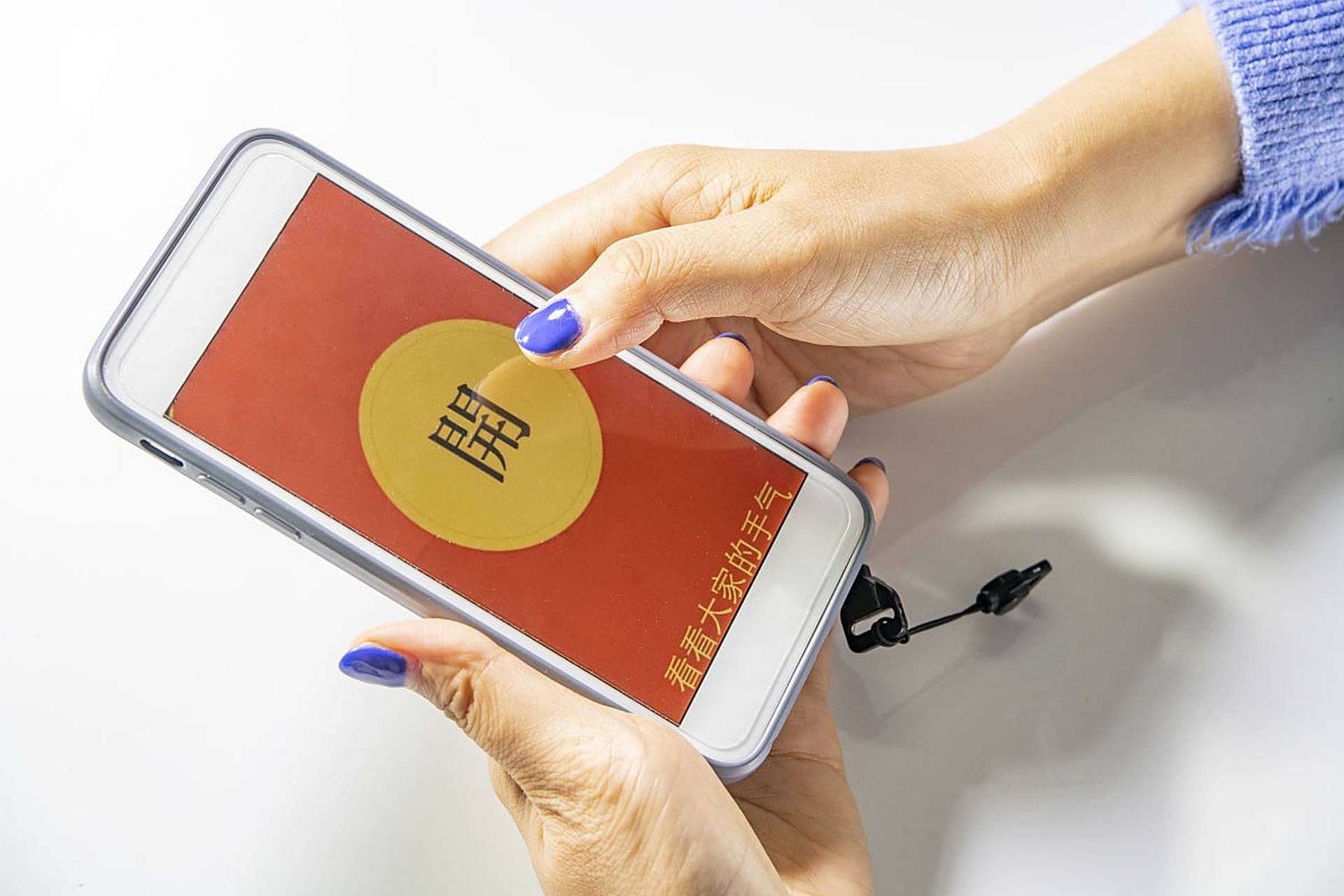
Although forms are changing, young people's enthusiasm for Zhengyue (正月) culture has not diminished; they are redefining Zhengyue (正月) in their own ways. First is the rise of "Electronic Red Envelopes." Since WeChat Pay and Alipay introduced the red envelope function, snatching red envelopes has become a "new folk custom" participated in by everyone in Zhengyue (正月). It breaks spatial and temporal limits, allowing friends and family far apart to share joy instantly. It has even spawned gameplay like "Red Envelope Rain" and "Luck Drawing," greatly increasing interactivity and fun. Secondly is the rise of "Guochao" (国潮,National Trend). More and more young people like to wear Hanfu (汉服) or Tang suits on the streets during Zhengyue (正月), participating in temple fairs or taking photos. They combine traditional clothing with modern aesthetics, letting ancient attire rejuvenate in Zhengyue (正月). Meanwhile, gifts with traditional cultural elements like Forbidden City cultural creative products and intangible cultural heritage figures have become the top choice for New Year greetings, showing the strong confidence of the younger generation in local culture. This trend highlights the revival of Chinese traditional culture among youth.
Cultural Tourism Boom and Spring Festival Box Office Economy
Zhengyue (正月) has become the most important golden period for China's cultural tourism industry. "Where to travel for the New Year" has replaced "What to eat at home" as the focus of discussion for many families. Traditional temple fairs have been upgraded, incorporating immersive theater, intangible cultural heritage experiences, and food markets, attracting a large number of tourists. Harbin's Ice and Snow World, Xi'an's Grand Tang All Day City, and Zigong's Lantern Festival all welcome peak visitor flows during Zhengyue (正月). People are no longer limited to staying up late at home; instead, they choose "traveling for the New Year," experiencing New Year customs of different regions during their journeys. At the same time, the "Spring Festival Box Office" has become a phenomenal product in China's cultural market. Watching movies together as a whole family has become a new standard for celebrating the New Year. Movie themes also often focus on family-country sentiments and family reunions, highly fitting the theme of Zhengyue (正月), triggering widespread emotional resonance. Chinese New Year travel and entertainment are now key economic drivers.
Challenges and Reflection: How to Regain the Sense of Ritual in a Fast-Paced Era
Of course, the inheritance of modern Zhengyue (正月) also faces challenges. The fast-paced life makes it difficult for people to calm down and complete cumbersome traditional rituals. The wave of commercialization sometimes dilutes the sanctity of the festival, turning Zhengyue (正月) into a mere "consumption festival" or "long holiday." How to maintain the traditional core while adapting to modern lifestyles is a question we need to consider. In fact, the core of Zhengyue (正月) does not lie in how complex the forms are, but in the warmth of "reunion" and the sustenance of "hope." Whether it is the smiling faces in video calls, the group photos during travels, or the emotions stirred in the cinema, as long as hearts are together and there is expectation for the future, the spirit of Zhengyue (正月) is being inherited.
We see that Zhengyue (正月) has not perished in modernization but is constantly evolving. Like a river, it accepts tributaries from the modern era, becoming broader and richer. From physical red envelopes to digital ones, from offline temple fairs to online memorial services, from the sound of firecrackers to brilliant lights and shadows, behind the changes in form lies the eternal Chinese pursuit of a better life. This innovative inheritance not only allows ancient Zhengyue (正月) culture to find a foothold in modern society but also contributes Chinese wisdom to global multiculturalism. In the future, with technological development and social progress, Zhengyue (正月) will surely give rise to more novel ways of celebration, but the family affection, friendship, and family-country sentiments it carries will remain unchanged forever, warming the hearts of generation after generation of Chinese people.
VI. Conclusion: Zhengyue – A Cultural Bond Connecting the Past and the Future
When the clock hand passes midnight on the fifteenth day of the first lunar month, the brilliant fireworks gradually dissipate in the night sky, and the crowds at the lively lantern fairs slowly disperse. This grand cultural banquet of Zhengyue (正月) is about to draw its curtain. But this does not mean the end; rather, it is a brand new beginning. When we pack up our mood, bid farewell to the laziness of the holiday, and plunge back into the torrent of work and study, what Zhengyue (正月) leaves us is far more than a few days of rest and satisfaction of the palate. It is a profound cultural memory and a surging spiritual strength.
Zhengyue (正月) is a time bond connecting the past and the future. Looking back, in the incense of ancestor worship, we converse with ancestors from thousands of years ago, perceiving the continuation of bloodlines and the roots of the family; in ancient customs, we touch the survival wisdom of early people who complied with heavenly timing and revered nature. Those seemingly cumbersome rituals and those taboos passed down through generations are actually spiritual codes accumulated by the Chinese nation in the long river of history. They tell us where we come from and remind us not to forget our roots, preserving our cultural identity.
Looking to the future, Zhengyue (正月) is also the lighthouse for us to set sail. At the node of "a new cycle begins," we make New Year wishes, formulate new plans, and face unknown challenges with full confidence. The familial warmth, neighborhood harmony, and the firm belief that "tomorrow will be better" accumulated in Zhengyue (正月) will become powerful motives for us to withstand storms and forge ahead. No matter how times change, no matter how advanced technology becomes, this yearning for a better life, this cherishing of family reunion, and this pursuit of a harmonious society have always been the softest concern in the hearts of the Chinese people, and also their hardest armor.
In this rapidly changing world, Zhengyue (正月) may change its appearance. The sound of firecrackers may be replaced by electronic sound effects, paper red envelopes may turn into digital transfers, and visiting relatives may become cloud-based gatherings. But please believe, the soul of Zhengyue (正月) has never changed. That strong flavor of the New Year does not lie in how luxurious the forms are, but in the temperature of the human heart; it does not lie in how ancient the customs are, but in the sincerity of emotions. As long as a family can sit together, as long as hearts harbor love for each other and hope for the future, Zhengyue (正月) will forever be vivid and warm.
Let us cherish Zhengyue (正月) and guard this unique cultural heritage. Not only should we wear new clothes and eat delicious food on this day, but we must also integrate the spiritual core of "Harmony," "Filial Piety," "Enterprising Spirit," and "Gratitude" contained in Zhengyue (正月) into the details of daily life. Let traditional culture take root and sprout in modern soil, and let the brilliance of Zhengyue (正月) illuminate our path forward.
Winter goes and spring comes; years cycle. Zhengyue (正月) comes every year, but the feelings differ with each passing year. May every Zhengyue (正月) become a harbor for our souls to rest; may every bidding farewell to the old and welcoming of the new allow us to embrace a brand new life with greater enthusiasm. Because, as long as Zhengyue (正月) exists, the spring of the Chinese people will never be absent; as long as the flavor of the New Year remains, the fire of Chinese civilization will thrive endlessly, passed down from generation to generation.
Frequently Asked Questions About Zhengyue (The First Lunar Month)
1. Why is it considered bad luck to cut hair during Zhengyue?
The taboo against cutting hair in Zhengyue (the first lunar month) stems from a historical misunderstanding rather than actual superstition. The saying "Cutting hair in Zhengyue causes the death of one's maternal uncle" is a distortion of the phrase "Si Jiu" (思旧), which means "thinking of the old [Ming] dynasty." After the Qing Dynasty forced Han people to change their hairstyle, many refused to cut their hair in Zhengyue as a silent protest. Over time, "Si Jiu" was misheard as "Si Jiu" (死舅 - death of the uncle).
Modern Practice: To honor tradition, many people still avoid haircuts during this month and wait until the second day of the second lunar month, known as "Long Tai Tou" (Dragon Raises Its Head), which is considered an auspicious time for grooming.
2. What is the significance of "Po Wu" (Breaking the Five) on the 5th day of Zhengyue?
"Po Wu" (破五), or "Breaking the Five," marks a crucial turning point in Spring Festival customs. During the first four days of the Lunar New Year, strict taboos exist: you cannot sweep, take out trash, or use needles, as these actions might sweep away wealth or prick your luck. On the 5th day, these restrictions are lifted ("broken"). Additionally, the 5th day is celebrated as the birthday of the God of Wealth. It is traditional for businesses to reopen on this day with grand ceremonies to welcome prosperity, and families often eat dumplings to symbolize "pinching the mouths of slanderers," ensuring a gossip-free year.
3. What is the difference between Yuanxiao and Tangyuan eaten during the Lantern Festival?
Both Yuanxiao and Tangyuan are glutinous rice balls consumed during the Lantern Festival (the 15th of Zhengyue) to symbolize family reunion and completeness. However, they differ by region and preparation:
- Yuanxiao (Northern China): Made by rolling solid filling cubes in a basket of dry glutinous rice flour. They have a chewier texture and are often fried or boiled in a thicker soup.
- Tangyuan (Southern China): Made by wrapping filling inside a wet dough ball (similar to making a dumpling). They have a smoother, softer texture and are typically boiled in a clear sweet soup.
Despite these differences, both foods serve the same cultural purpose: celebrating the full moon and family unity.
4. How have Zhengyue traditions changed in modern society?
While the core spirit of Chinese New Year traditions remains, the way Zhengyue is celebrated has evolved with modernization and technology:
- Digital Customs: Physical red envelopes have been largely supplemented by digital "Hongbao" sent via apps like WeChat, allowing instant sharing of luck across distances.
- Travel Trends: Instead of everyone returning to ancestral villages, "traveling for the New Year" has become popular, with families exploring different regions together.
- Eco-Friendly Celebrations: Due to environmental regulations, traditional firecrackers in many cities have been replaced by electronic versions, drone light shows, and community lantern displays.
- Guochao (National Trend): Younger generations are revitalizing Chinese culture by wearing traditional Hanfu clothing and purchasing cultural creative products, blending ancient aesthetics with modern life.
5. Why is Zhengyue considered the most important month for setting intentions for the year?
In Chinese culture, Zhengyue is viewed as the spiritual blueprint for the entire year. Following the establishment of the Tai Chu Calendar in the Han Dynasty, the first lunar month was aligned with the beginning of spring, symbolizing the renewal of life and nature. The proverb "The plan for the whole year lies in spring" highlights this belief. Actions, words, and even thoughts during Zhengyue are thought to set the tone for the months ahead. From cleaning the house to sweep away bad luck to eating specific foods like Nian Gao (symbolizing rising higher), every ritual is designed to cultivate positive energy, making it the perfect time to set goals for health, wealth, and harmony.