
Where Porcelain Meets Everyday Life: The Chinese Umbrella Stand
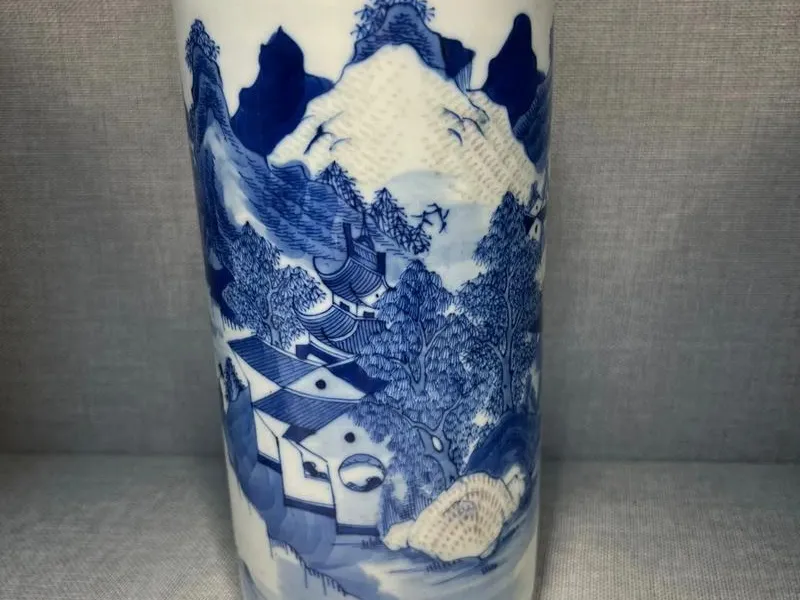
Step into a traditional Chinese home On a rainy afternoon, you’re likely to notice something tall, elegant, and quietly beautiful standing by the doorway—a porcelain umbrella stand. It rarely announces itself, yet it feels as if it has always belonged there. More than a simple household container, the Chinese ceramic umbrella stand reflects centuries of craftsmanship, aesthetics, and the way people bring beauty into even the most practical corners of daily life.
A Doorway Tradition With Deep RootsThe umbrella stand arrived long before modern umbrellas did. In late imperial China, households used it to hold bamboo-handled parasols, paper umbrellas coated with tung oil, or feather-light silk sunshades carried by women of the gentry. Placing such an object by the entrance wasn’t only about convenience; it was a sign of hospitality and order. A tidy doorway reflected an orderly home—a value deeply woven into Chinese culture.
As Chinese ceramics evolved, so did the stand itself. Kilns in Jingdezhen, Dehua, and Longquan began to fire tall cylindrical vessels decorated with mountain landscapes, plum blossoms 梅花 (méi huā), or blue-and-white waves 浪纹 (làng wén). These were everyday objects, yet they bore the same artistic care as vases and brush pots beloved by scholars. It was beauty you could use.
An Object That Blends Utility and ArtWhat makes the Chinese porcelain umbrella stand fascinating is its dual identity. It is fully practical—heavy enough not to tip over, water-resistant, easy to clean, and strong enough to survive decades of use. But stand back and look at one in a quiet hallway, and you’ll notice how it behaves like a vertical scroll painting. The cylindrical shape lets the artwork wrap around the form: a wandering scholar crossing a bridge, cranes in flight, or goldfish swimming through turquoise waters.
This blend—art that you live with, art that holds your dripping umbrella after a storm—reflects a very Chinese idea: beauty should not sit on a pedestal; it should be part of daily life. Even a container for wet umbrellas deserves elegance.
A Small Window Into Chinese Home CultureFor foreigners visiting China, the umbrella stand is one of those intriguing “small cultural clues.” It tells you that Chinese families value the look and feel of shared spaces—the entrance, the hallway, the first impression of the home. It also shows a preference for ceramics over wood or metal, a tradition deeply tied to China’s identity as the birthplace of porcelain.
Some families choose a stand with symbols of good fortune, such as dragons 龙 (lóng), phoenixes 凤 (fèng), or peonies 牡丹 (mǔdān). Others prefer peaceful scenery that softens the shift between outdoor bustle and indoor calm. In many modern apartments, you’ll find umbrella stands that still echo traditional kiln patterns, proving that this old object continues to evolve with contemporary taste.
From China to the WorldToday, Chinese porcelain umbrella holders appear in stylish cafés, boutique hotels, and homes far beyond Asia. Their blend of craftsmanship and understated practicality makes them appealing to collectors and interior designers. You might find a blue-and-white stand holding umbrellas in a New York lobby—or serving as an unexpected flower vase in a London studio.
Wherever they travel, these tall ceramic cylinders carry with them a small part of Chinese everyday culture: the belief that even the most ordinary corner of a home deserves a touch of art.