
Top 10 Chinese Mythical Heroes
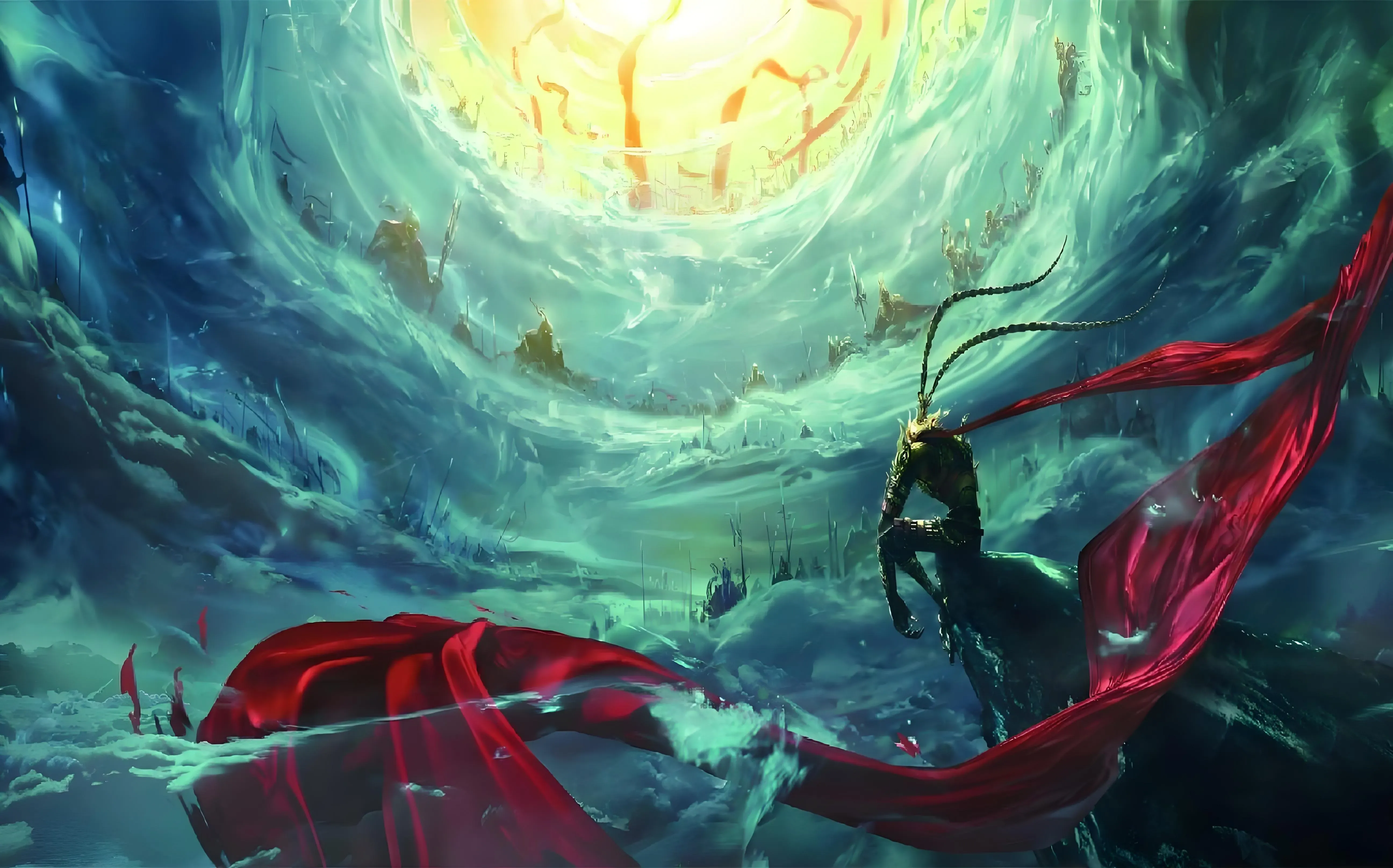
Chinese mythology is a treasure trove of stories that has shaped the culture, values, and imagination of one of the world’s oldest civilizations. Unlike Western superheroes, Chinese mythical heroes are often civilizing figures, warriors of moral duty, or giants of perseverance. They are celebrated not for flashy powers alone but for their courage, wisdom, and devotion to humanity. Here, we explore ten of the most iconic Chinese mythical heroes, their stories, and their enduring influence. Chinese terms are naturally woven into the narrative, helping readers learn about language while enjoying legendary tales.
1. Nüwa (女娲, Nǚwā) — The Creator and Protector
In the earliest Chinese myths, Nüwa (女娲, Nǚwā) is revered as the mother of humanity. According to the Shan Hai Jing (山海经, Classic of Mountains and Seas), she molded humans from yellow clay. After a cosmic disaster fractured the sky and flooded the land, Nüwa melted five-colored stones 五彩石 (wǔ cǎi shí) to repair the heavens and killed a giant turtle 巨龟 (jù guī) to stabilize the earth. She embodies compassion, responsibility, and the maternal spirit that restores order from chaos.
2. Fuxi (伏羲, Fúxī) — The Civilization Bringer
Fuxi, often paired with Nüwa, is considered a culture hero who brought knowledge and order to early humanity. He observed the heavens and the earth, discovering patterns encoded into the eight trigrams 八卦 (bā guà), the foundation of the I Ching (易经, Book of Changes). Beyond divination, Fuxi taught people how to fish, hunt, and establish social norms, turning primitive life into organized civilization.
3. Houyi (后羿, Hòuyì) — The Heroic Archer
Houyi is celebrated as the archer who saved the world from ten suns scorching the earth. He shot down nine, leaving one to provide light and warmth. His story intersects with that of Chang’e (嫦娥, Cháng’é), adding romance and tragedy. Houyi exemplifies courage, skill, and responsibility toward humanity.
4. Nezha (哪吒, Nèzhā) — The Rebellious Protector
Nezha’s story is one of youthful rebellion and redemption. Born to a military officer, he possessed supernatural abilities from birth, including spinning fire wheels 乾坤圈 (qián kūn quān) and wielding a cosmic scarf 混天绫 (hùn tiān líng). He sacrifices himself to save his family, is reborn from a lotus, and battles dragons and demons, protecting the innocent.
5. Sun Wukong (孙悟空, Sūn Wùkōng) — The Monkey King
Sun Wukong, born from a stone, learns extraordinary skills including 72 transformations 七十二变 (qī shí èr biàn), cloud-somersaulting 筋斗云 (jīn dǒu yún), and wielding the magical staff 如意金箍棒 (rúyì jīn gū bàng). Though mischievous, he matures into a hero who protects Tang Sanzang on his journey for Buddhist scriptures.
6. Zhu Bajie (猪八戒, Zhū Bājiè) — The Loyal Yet Relatable Hero
Zhu Bajie, originally a heavenly general, was banished to Earth for misdeeds and became a companion of Tang Sanzang in Journey to the West. With his characteristic gluttony, laziness, and humorous antics, he also demonstrates courage, loyalty, and perseverance. Zhu Bajie may not have Sun Wukong’s cleverness, but his determination and humanity make him a beloved and relatable hero.
7. Zhong Kui (钟馗, Zhōng Kuí) — The Demon Vanquisher
Zhong Kui, known for exorcism and protection, failed the imperial exams due to his appearance but was appointed as a demon catcher. He hunts ghosts and evil spirits, safeguarding households. He symbolizes moral integrity and courage.
8. Da Yu (大禹, Dà Yǔ) — The Flood Controller
Da Yu is legendary for controlling devastating floods. He studied rivers, created channels, and traveled tirelessly to protect the people. His story highlights perseverance, discipline, and selfless dedication to society.
9. Kuafu (夸父, Kuāfù) — The Giant Who Chased the Sun
Kuafu chased the sun to bring light to the world. He ran across mountains and rivers, ultimately dying of thirst. Before passing, he planted his staff, which became a peach forest. His tale inspires heroic perseverance and courage.
10. Xing Tian (刑天, Xíng Tiān) — The Headless Warrior
Xing Tian defied the Heaven Emperor and, after being decapitated, continued to fight using his nipples as eyes and navel as a mouth. His story embodies resilience and defiance, showing that heroism persists even in impossible circumstances.
Conclusion: The Essence of Chinese Heroism
Chinese mythical heroes differ from Western superheroes. They are:
- Builders of civilization
- Protectors of humanity from natural or supernatural threats
- Figures confronting fate with courage and selflessness
- Symbols of moral, cultural, and intellectual virtues
From Nüwa and Fuxi to Sun Wukong and Zhu Bajie, these heroes teach lessons of responsibility, perseverance, and creativity. Their stories are celebrated in literature, festivals, art, and popular culture, offering foreign readers and Chinese learners a window into the enduring spirit of Chinese civilization.