
The Western Zhou Dynasty: Birth, Rise, Glory, and Legacy(西周)
Birth – From Rebellion to Foundation
The Western Zhou Dynasty (c. 1046–771 BCE) stands as one of the most influential periods in Chinese history. Emerging from the western regions of present-day Shaanxi Province, the Zhou people overthrew the Shang Dynasty and established a political, cultural, and moral framework that shaped Chinese civilization for centuries. Spanning nearly three centuries, the Western Zhou combined military strength, visionary governance, and cultural innovation to consolidate power and create enduring legacies. This article explores the dynasty’s story through four phases: birth, rise, glory, and legacy, enriched with vivid stories and cultural insights to bring history to life.
The origins of the Western ZhouThe origins of the Western Zhou trace back to the Zhou clan, a vassal family under the Shang Dynasty controlling the Wei River valley. Though subordinate to Shang, the Zhou gradually strengthened their alliances with neighboring tribes, earning a reputation for political prudence, military skill, and moral integrity.
King Wen of Zhou’s visionKing Wen of Zhou (周文王) is often remembered not only as a ruler but as a visionary strategist. One famous story recounts how he, during a period of illness, still invited neighboring leaders to a banquet to discuss alliances. Despite personal suffering, his charisma and moral conduct convinced many to join his cause against the Shang. This emphasis on virtue and leadership foreshadowed the dynasty’s founding principles.
King Wu and the Battle of MuyeKing Wu (周武王), Wen’s son, led the rebellion that culminated in the Battle of Muye around 1046 BCE. According to legend, King Wu's army, although outnumbered, used clever strategies and moral authority to defeat the Shang forces decisively. It is said that the soldiers’ loyalty was inspired by the idea of the Mandate of Heaven (天命, Tiānmìng)—the belief that heaven supports just rulers and withdraws support from tyrants. This concept was revolutionary, giving a moral and philosophical foundation to political power and ensuring the legitimacy of Zhou rule beyond mere conquest.
Story of Chong HouhuA notable story involves the Shang general Chong Houhu, who underestimated the Zhou forces. Facing the disciplined and motivated Zhou army, his troops faltered, illustrating that moral authority and leadership could outweigh sheer numbers. This episode became a legendary example of strategy and virtue in Chinese historiography.
Establishment of the feudal systemThe Western Zhou also established the feudal system (分封制, fēngfēngzhì) to manage newly conquered territories. Relatives and allies were granted lands and titles in exchange for loyalty and military support. This system created a network of governance that was both hierarchical and flexible, balancing central authority with local autonomy—a model that shaped Chinese politics for centuries.
Rise – Consolidation and Governance
Strengthening the dynastyAfter its founding, the Western Zhou worked diligently to consolidate its power. The feudal system allowed the Zhou kings to maintain authority while enabling local lords to govern effectively. One famous anecdote tells of the Duke of Shao, who successfully administered his fief not only through military strength but by mediating disputes with fairness and wisdom. His reputation attracted scholars and officials, demonstrating that good governance relied as much on moral character as on political power.
Administrative and ceremonial systemsThe dynasty also codified administrative and ceremonial systems. The Rites of Zhou (周礼, Zhōulǐ) detailed hierarchy, social conduct, and ritual responsibilities. These rituals were not mere formalities—they were essential for instilling loyalty, maintaining social harmony, and reinforcing the king’s moral authority. During grand ceremonies, nobles would present offerings and perform complex rites, reflecting their devotion and the society’s emphasis on ethical conduct.
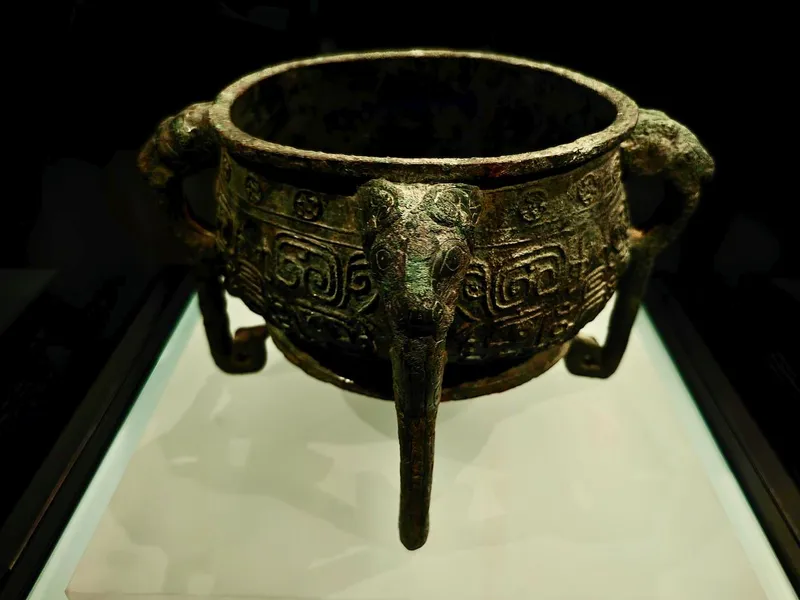
Economic growth and bronze cultureEconomic development was equally important. Bronze casting reached remarkable sophistication, producing weapons, ceremonial vessels, and tools. The inscriptions on these bronzes recorded legal decrees, genealogies, and military achievements, serving as both historical documents and symbols of cultural refinement. Agriculture thrived under well-planned irrigation projects, and regional specialization allowed areas to contribute unique resources, from metallurgy to textiles.
Stories of diplomacy and ethicsStories from this period also highlight the human side of governance. For example, a Zhou official named Shi Que once resolved a boundary dispute between two fiefs by appealing to shared rituals and ancestral customs, rather than force. Such stories illustrate how ethics and diplomacy were intertwined with practical administration.
Glory – Expansion, Stability, and Cultural Achievement
Political stability and military strategyAt its height, the Western Zhou displayed remarkable stability and cultural sophistication. The dynasty maintained order through a careful balance of centralized authority and feudal delegation. Military campaigns were strategic, aiming to protect borders and secure tribute, while fostering alliances with neighboring tribes.
Cultural achievementsCultural achievements flourished. Bronze art was not only functional but also symbolic, reinforcing social hierarchy and political authority. Intricate vessels, often used in rituals to honor ancestors, showcased exceptional craftsmanship. Music, dance, and ceremonial practices further reinforced moral and hierarchical principles, demonstrating that culture and governance were inseparable.
Stories of nobles and virtueStories of individual nobles also survive, illustrating the dynasty’s values. One tale recounts a young noble who, after failing in a minor administrative task, presented himself before the king and proposed reforms based on fairness and efficiency. King Wu praised him, showing that merit and virtue could influence political life, even within the rigid feudal hierarchy.
Infrastructure and agricultural innovationThe Western Zhou’s achievements also included infrastructure projects like roads and fortifications, facilitating trade and communication. Strategic marriages and alliances strengthened the dynasty’s influence, while agricultural innovation and irrigation projects secured food supplies and economic stability.
Philosophical developmentIn terms of philosophy, early Confucian ideals began to take shape, emphasizing morality, filial piety, and ethical governance. Education and ritual were closely linked, promoting both social cohesion and moral discipline. This integration of ethics, culture, and governance became a defining feature of Chinese civilization.
Legacy – Institutions, Culture, and Enduring Influence
Mandate of HeavenThough the Western Zhou ended in 771 BCE when invading forces captured its capital, its cultural and political legacy endured. The Mandate of Heaven provided a moral rationale for dynastic change, influencing rulers and scholars for centuries. The feudal system and ritual codes shaped Chinese society, emphasizing loyalty, ethical conduct, and hierarchical governance.
Bronze inscriptions and historical memoryBronze inscriptions and artifacts preserved the dynasty’s achievements. They offered historical records, moral lessons, and cultural inspiration. Philosophers and later dynasties revered Western Zhou institutions, using them as models for leadership and governance. Agricultural techniques, military strategies, and technological innovations continued to inform subsequent generations.
A legacy beyond political powerEven without political unity, the dynasty’s vision survived through ideas and cultural norms. The Western Zhou exemplified the integration of moral authority, administrative skill, and cultural achievement. Its emphasis on virtue, loyalty, and social harmony remains influential, providing insight into the principles that shaped Chinese civilization.
The Enduring Legacy of the Western ZhouThe Western Zhou Dynasty may have ended over two and a half millennia ago, yet its influence continues to resonate throughout Chinese civilization. From the establishment of the Mandate of Heaven to the creation of a sophisticated feudal system, the dynasty laid the foundations for governance, culture, and moral philosophy that shaped the course of Chinese history. Its rituals, bronze art, and ethical teachings were more than symbols of power—they were instruments for cultivating a harmonious society rooted in virtue, loyalty, and respect.
Though the capital fell and political unity dissolved, the Western Zhou’s vision endured. Later dynasties, scholars, and philosophers drew inspiration from its institutions and ideals, ensuring that the lessons of this remarkable era remained alive in literature, ritual, and governance. For anyone seeking to understand the roots of China’s civilization, the Western Zhou offers a story of innovation, vision, and resilience—a testament to the enduring power of leadership guided by both moral integrity and strategic insight.
By exploring the Western Zhou, readers gain a deeper appreciation of how ideas, culture, and governance intertwine to shape civilizations. The dynasty’s legacy reminds us that even in the face of decline, the principles, achievements, and values a society builds can outlast empires, echoing through the centuries as a source of inspiration and understanding.