
The Warring States Period: China’s Era of Strategy and Innovation(战国时期)
The Birth of the Warring States Period
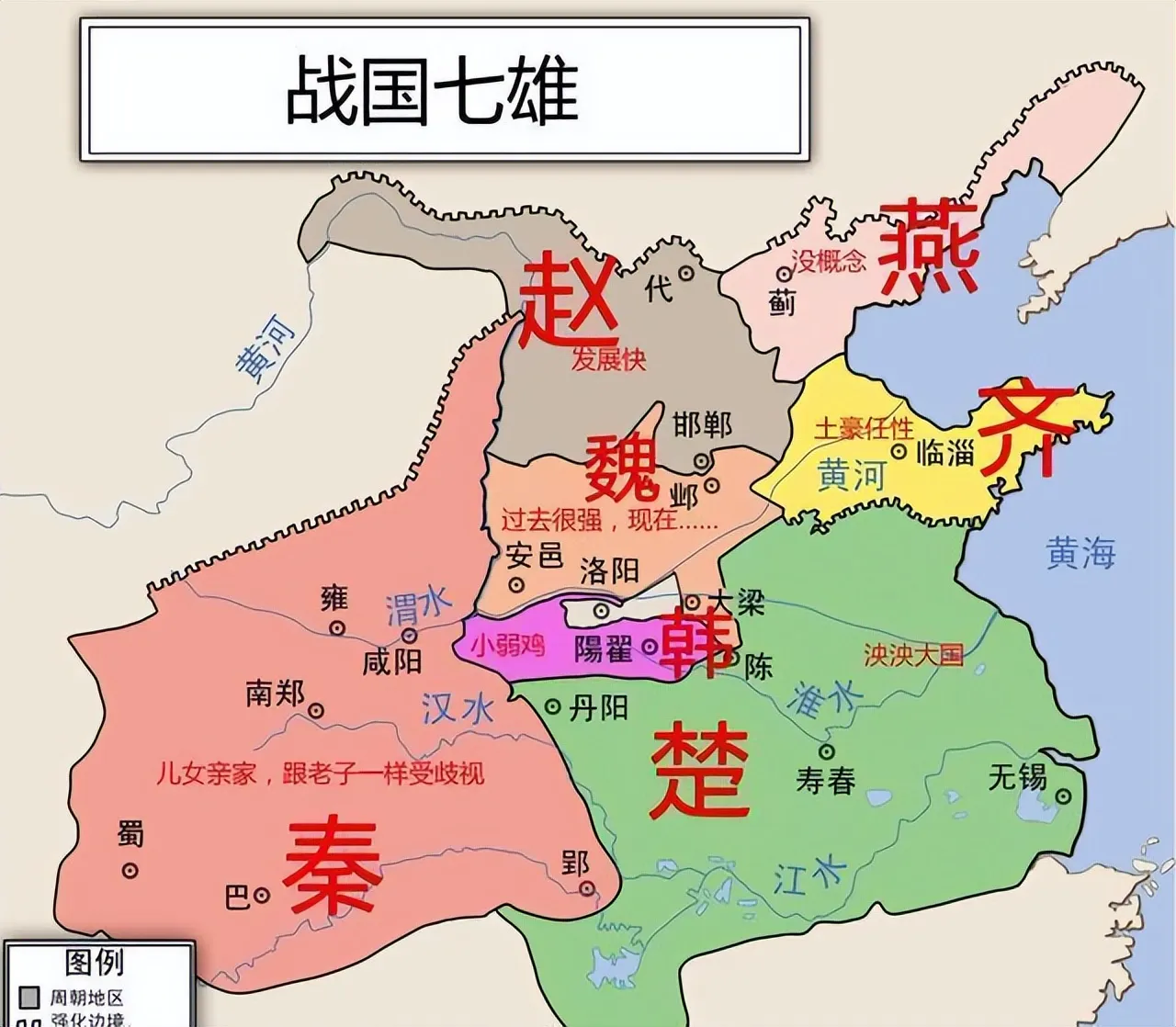
China’s history stretches over thousands of years, filled with dynastic rise and fall, cultural achievements, and legendary figures. Among these periods, the Warring States Period (475–221 BCE) stands out for its intense political rivalry, military innovation, and intellectual flourishing. Emerging from the weakening Eastern Zhou Dynasty (东周(Dōng Zhōu)), the Warring States was a time when seven major states—秦(Qín), 赵(Zhào), 魏(Wèi), 楚(Chǔ), 燕(Yān), 韩(Hán), and 齐(Qí)—vied for supremacy. While often viewed as chaotic, it was also a period that laid the groundwork for a unified China and introduced enduring cultural and philosophical legacies.
The Warring States Period was born from the political fragmentation of late Eastern Zhou (东周(Dōng Zhōu)). During this time, the Zhou kings had become figureheads, their power largely symbolic, while regional lords held real authority. Amid this decentralization, seven states gradually rose as dominant forces: 秦(Qín), 赵(Zhào), 魏(Wèi), 楚(Chǔ), 燕(Yān), 韩(Hán), and 齐(Qí). Each state had its own administration, taxation system, and professional army, creating a complex web of political and military competition.
Early in the period, the states engaged in minor skirmishes, shifting alliances, and frequent betrayals. Politics and warfare were deeply intertwined. A state that excelled in military strategy could gain territorial advantage, while one with superior diplomacy could manipulate alliances to weaken rivals. The famous Chinese saying, “知己知彼,百战不殆”(Zhī jǐ zhī bǐ, bǎi zhàn bù dài), meaning “Know yourself and your enemy, and you will never be defeated,” became a guiding principle for leaders.
For ordinary people, this was a time of both opportunity and hardship. Agricultural innovation allowed for surplus production, but conscription and taxation placed heavy burdens on families. Cities were fortified, trade routes became safer under strong rulers, yet civilians often lived under the constant threat of war. Despite this, the period also saw the refinement of governance structures, legal codes, and bureaucratic systems, laying the foundation for a more organized society.
Military Innovations and Famous Battles
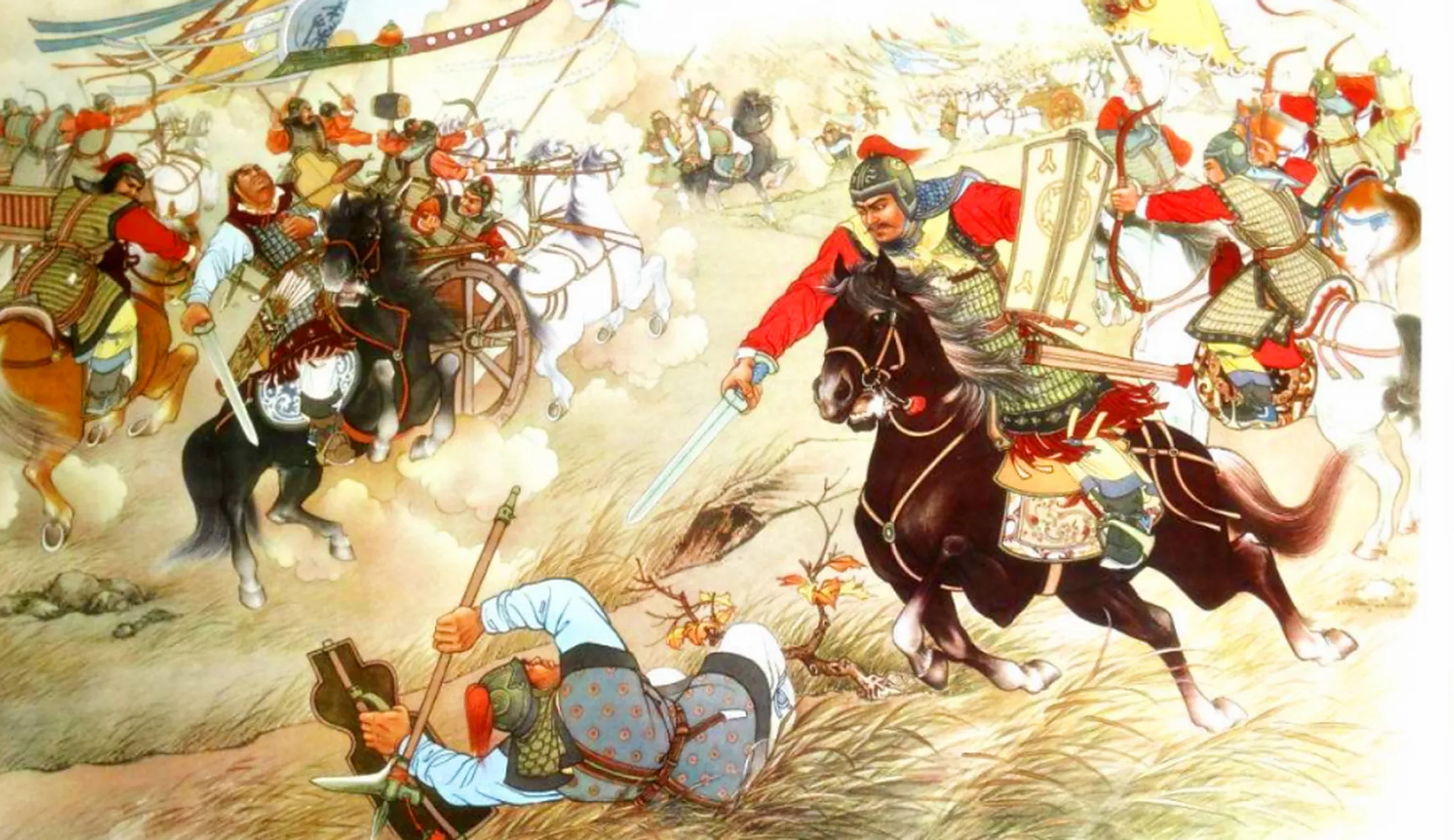
The Warring States Period was marked by unprecedented military development. Armies became professional, disciplined, and technologically advanced. The widespread use of iron weapons, crossbows, chariots, and cavalry transformed the art of war. Each state developed its own tactical doctrines to gain advantages over rivals.
One of the most famous conflicts, the Battle of Changping (长平之战 Chángpíng Zhī Zhàn) in 260 BCE, showcased the strategic brilliance of the 秦(Qín) general Bai Qi. By cutting off 赵(Zhào)’s supply lines and employing a devastating encirclement, Bai Qi crushed the Zhao army, demonstrating the deadly combination of planning, intelligence, and discipline. Battles like this shaped not only political boundaries but also military thought for centuries.
Military thinkers like 孙膑(Sūn Bìn) and 吴起(Wú Qǐ) studied the psychology of soldiers, battlefield deception, and mobility. Their strategies emphasized flexibility, speed, and surprise, giving smaller or less equipped forces the ability to outmaneuver stronger armies. The Warring States saw the creation of highly structured armies, with specialized roles, rigorous training, and sophisticated logistics.
Military culture was closely tied to politics. States used spies, diplomats, and alliances to complement battlefield strength. Rulers had to balance offensive campaigns with internal stability, knowing that even a victorious army could be undermined by poor governance at home.
Philosophical and Cultural Flourishing
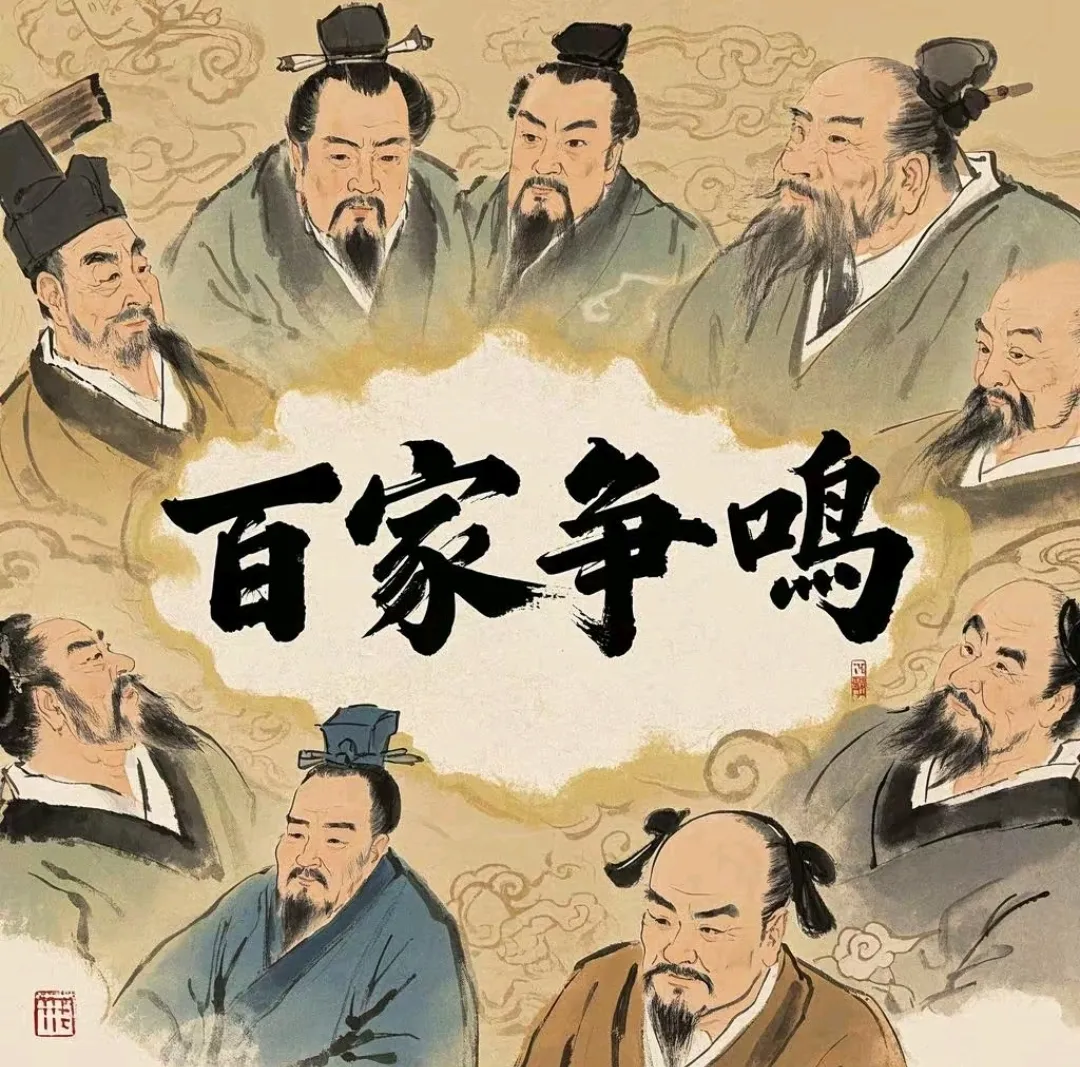
Amid constant warfare, the Warring States Period became a remarkable era of intellectual and cultural achievement. Known as the Hundred Schools of Thought (百家争鸣 Bǎi Jiā Zhēng Míng), this period produced philosophical diversity that continues to influence China today.
Confucianism (儒家 Rújiā), represented by thinkers like 孟子(Mèng Zǐ), emphasized moral governance, virtue, and social harmony. In contrast, Legalism (法家 Fǎjiā), championed by 韩非子(Hán Fēi Zǐ), advocated strict laws, centralization, and merit-based rule. Other schools, including Daoism (道家 Dàojiā) and Mohism (墨家 Mòjiā), contributed ideas about nature, ethics, and social organization. These intellectual debates were not abstract; rulers actively sought advice from scholars to strengthen their states.
Technology and science advanced alongside philosophy. Iron plows, irrigation techniques, and urban planning improved productivity. Art and culture flourished: ritual bronzes, musical innovation, and early literature reflected both aesthetic refinement and social sophistication. Even under warfare pressures, the human drive for knowledge, beauty, and order persisted, highlighting the resilience of culture.
Diplomacy, Alliances, and State Rivalries
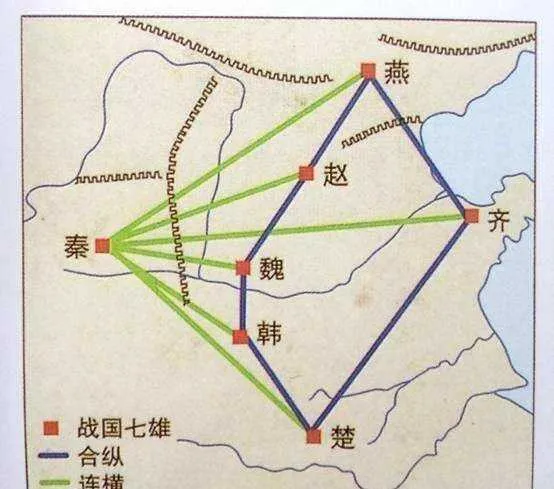
Diplomacy was as crucial as military power during the Warring States. States engaged in complex alliances, with strategies often involving both cooperation and betrayal. The concept of Vertical and Horizontal Alliances (合纵连横 Hé Zòng Lián Héng) described either banding weaker states against a strong one (vertical) or aligning with the strongest state for protection (horizontal).
Diplomats like 苏秦(Sū Qín) and 张仪(Zhāng Yí) became legendary for their persuasive skills, often swaying entire states with speeches, promises, and cunning strategies. Their work demonstrates that intelligence and rhetoric could be as decisive as swords in determining the fates of nations.
Among the seven states, 秦(Qín) gradually emerged as the most powerful. While other states struggled with internal corruption, leadership disputes, and unstable alliances, Qin implemented systematic reforms, centralized authority, and developed an efficient military. Its rulers understood that long-term strategy, rather than short-term victories, would lead to dominance.
Civilians experienced the consequences of these rivalries. Trade fluctuated, cities fortified, and migration became common as people sought safety and opportunity. Yet, these pressures also stimulated economic innovation, urban development, and social adaptation.
The Fall of the Warring States and the Rise of Qin
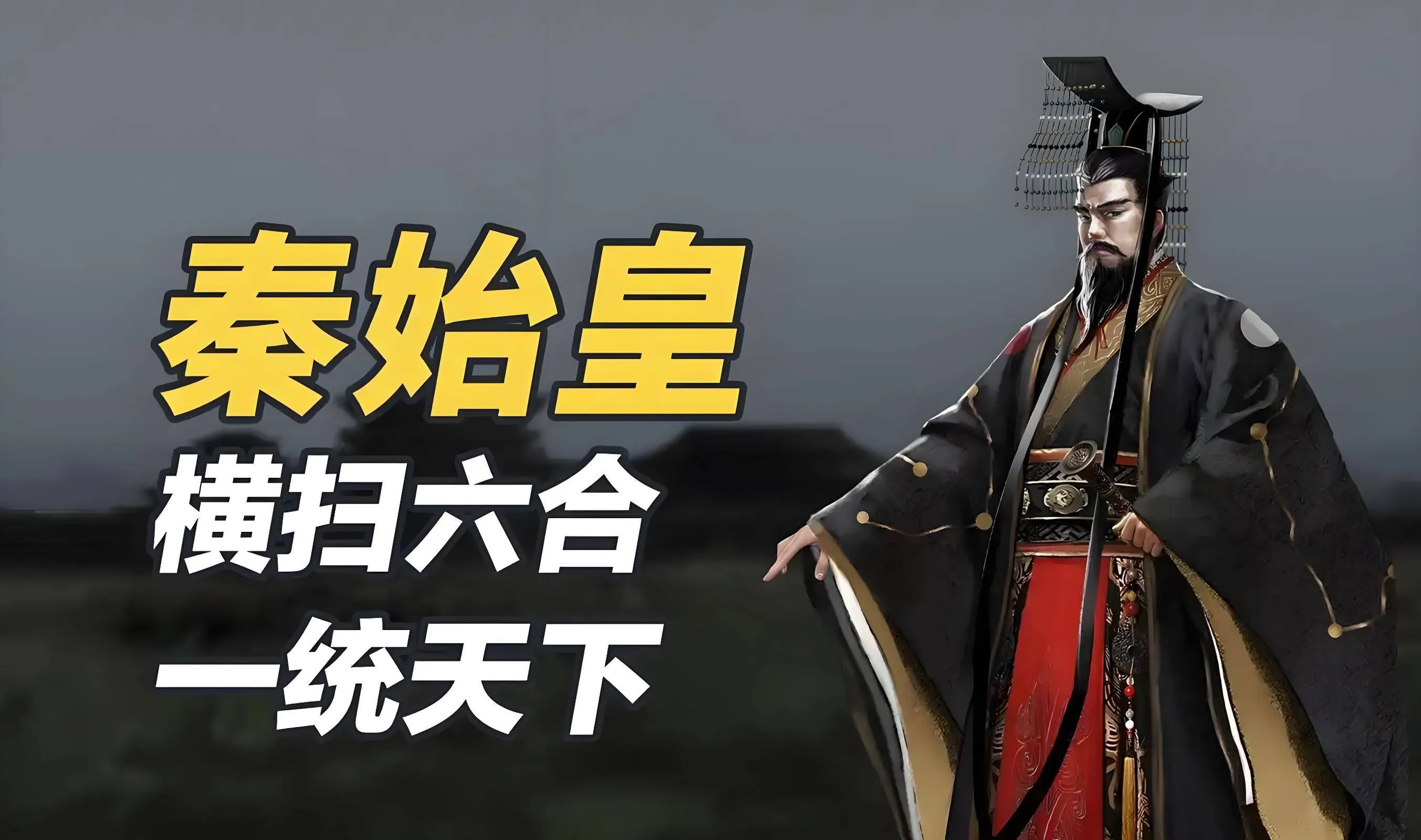
By the late 3rd century BCE, 秦(Qín) had developed the administrative and military strength to conquer its rivals. Over decades, it systematically defeated 韩(Hán), 赵(Zhào), 魏(Wèi), 楚(Chǔ), 燕(Yān), and 齐(Qí), culminating in the unification of China under 秦始皇(Qín Shǐ Huáng), the First Emperor.
The fall of the other states marked the end of centuries of decentralized power, replacing them with a highly organized bureaucracy and codified laws. The Warring States Period, therefore, was not merely a time of chaos; it was a transformative era that shaped China’s political structure, philosophical thinking, and cultural identity for millennia.
Epilogue: Lessons from the Warring States Period
The Warring States Period demonstrates that conflict can coexist with creativity and intellectual growth. Military innovation, diplomatic strategy, and philosophical inquiry flourished simultaneously. Leaders, scholars, and ordinary people alike navigated this turbulent world with courage, ingenuity, and resilience.
For modern readers, the period offers lessons in strategy, leadership, and the interplay between warfare and culture. It reminds us that even in times of upheaval, human innovation and intellectual curiosity can thrive, leaving legacies that endure long after the battles have ended.