
The Ultimate Guide to Chinese Noodles: From Street Food to Homemade Classics
China is the birthplace of noodles, and for anyone visiting or studying in the country, experiencing the diversity of noodles is both a culinary delight and a cultural lesson. From bustling night markets to cozy student dorm kitchens, noodles occupy a central role in Chinese daily life. This guide will take you through the most beloved varieties, teach you how to make your own noodles at home, and show you how to prepare classic chicken noodle soups. Whether you are curious about rice noodles, egg noodles, or want to understand how noodles fit into Chinese cuisine, this four-chapter journey has you covered.
Understanding Chinese Noodles — Rice Noodles vs. Egg Noodles
When you first step into a noodle shop in China, you might be overwhelmed by the dizzying variety of noodles on the menu. The first question you may ask is: “What’s the difference between rice noodles and egg noodles?” Understanding this distinction will shape your noodle adventures in China.
Rice Noodles (米粉, mǐfěn)Rice noodles are made primarily from rice flour and water. They are naturally gluten-free, soft, and slightly chewy. These noodles are incredibly versatile — thin as vermicelli or wide like flat sheets — and appear in dishes across southern and southwestern China, especially in provinces like Guangxi, Yunnan, and Sichuan. Famous examples include Guilin rice noodles (桂林米粉) and crossing-the-bridge rice noodles (过桥米线) from Yunnan.
Rice noodles are generally lighter in texture than wheat noodles, making them perfect for soups, stir-fries, or cold noodle salads. Because they are made from rice, they absorb flavors quickly, so a rich broth or spicy sauce transforms them into an explosion of taste. For travelers, rice noodles are often easier to digest and ideal for those with gluten sensitivities.
Egg Noodles (蛋面, dànmiàn)Egg noodles, on the other hand, are made from wheat flour and eggs, which gives them elasticity, a slightly yellow hue, and a richer flavor. These noodles are staple ingredients in northern China and in dishes like Beijing-style fried noodles (炸酱面) or Hong Kong-style wonton noodle soup.
Egg noodles can be fresh, dried, or pulled by hand into long, thin strands. They hold up well in stir-fries and soups due to their robust structure. For learners or travelers, tasting egg noodles provides a firsthand lesson in the diverse textures Chinese cuisine offers.
Comparing Rice Noodles and Egg NoodlesThe choice between rice noodles and egg noodles often comes down to the dish and regional preference. Rice noodles shine in light, soupy, or spicy dishes, while egg noodles are ideal for hearty broths or fried preparations. For example, a bowl of spicy Sichuan rice noodles delivers a completely different experience than a plate of stir-fried egg noodles with vegetables.
From a health perspective, rice noodles are lower in gluten and calories, while egg noodles provide more protein from eggs. Both are versatile, culturally significant, and essential for anyone exploring Chinese food culture.
Tips for Travelers- Always ask about the noodle type if you have dietary restrictions.
- Try rice noodles in the south and southwest; try egg noodles in the north and coastal cities.
- Don’t be shy to ask for recommendations; noodle vendors often have signature dishes that are must-try local flavors.
By understanding the distinction between rice noodles and egg noodles, you’ll approach Chinese menus with confidence and know exactly what to expect from each regional specialty. In the next chapter, we’ll explore how to cook rice noodles and create an authentic noodle experience in your own kitchen.
How to Cook Rice Noodles — A Step-By-Step Guide
Cooking rice noodles at home is easier than many travelers imagine. With just a few ingredients and techniques, you can replicate the flavors of Chinese street food in your dorm or apartment kitchen. Rice noodles may seem fragile, but proper handling and preparation are key.
1. Choosing Your Rice NoodlesRice noodles come in multiple forms:
- Dried thin noodles: Perfect for stir-fries or soups.
- Dried wide noodles: Ideal for hearty dishes like chow fun.
- Fresh noodles: Usually available in Asian markets; cook quickly and retain softness.
When selecting noodles, always check for freshness and packaging instructions. Fresh noodles cook faster, while dried noodles may need soaking or boiling.
2. Basic Cooking Technique- Soaking: Dried rice noodles typically need 20–30 minutes in warm water until flexible but not mushy. Fresh noodles skip this step.
- Boiling: Bring a pot of water to a rolling boil. Add noodles and stir gently to prevent clumping.
- Testing: Taste a strand; the texture should be tender but firm (al dente). Overcooked rice noodles become sticky and lose shape.
- Draining: Quickly drain noodles in a colander and rinse under cold water to stop cooking. This also prevents sticking.
- Heat oil in a wok.
- Add aromatics (garlic, ginger, chili).
- Toss in vegetables, protein, and sauces.
- Add noodles and stir quickly. Rice noodles absorb the sauce and flavors beautifully.
- Start with a flavorful broth (chicken, pork, or vegetable).
- Add softened noodles and cook for 1–2 minutes.
- Top with garnishes like scallions, cilantro, chili oil, or pickled vegetables.
- Don’t overcrowd the pan; rice noodles need space to absorb flavors.
- Pre-mix sauces before cooking; rice noodles soak up flavor fast.
- Experiment with spices and ingredients from local Chinese markets to replicate authentic flavors.
Rice noodles are not only versatile; they are also healthy, gluten-free, and light. Many travelers find them perfect for quick lunches, late-night dinners, or cooking on a student budget. Next, we’ll dive into egg noodles, which offer a contrasting experience in texture, flavor, and culinary technique.
Mastering Egg Noodles — Homemade Recipes and Techniques
Egg noodles are a cornerstone of Chinese comfort food. Unlike rice noodles, their wheat-and-egg composition gives them elasticity, chewiness, and a slightly richer flavor. Making egg noodles at home is an opportunity to connect with traditional Chinese culinary practices, especially for travelers and students craving authentic meals.
1. Ingredients for Homemade Egg Noodles- 2 cups all-purpose wheat flour
- 2 large eggs
- 1/4 teaspoon salt
- 2–4 tablespoons water (as needed)
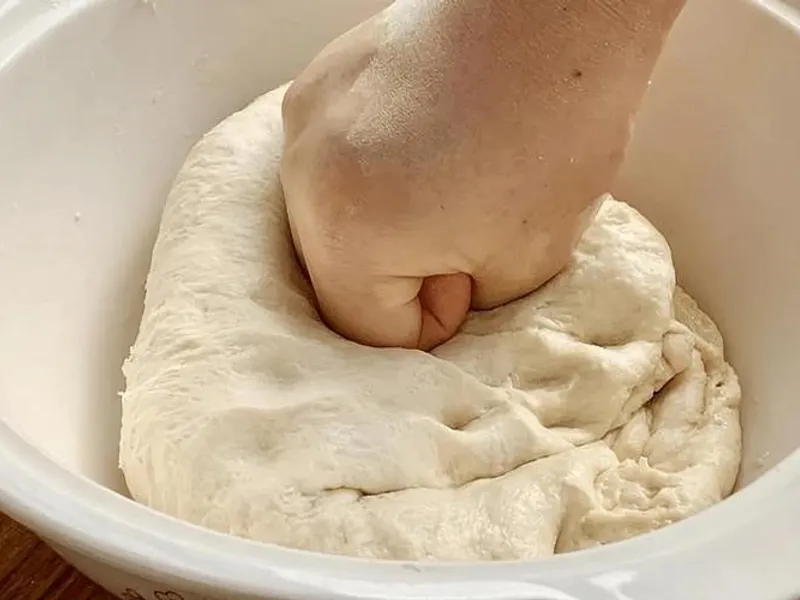
Mix flour and salt in a bowl, create a well, and crack in the eggs. Mix slowly, adding water if the dough is dry. Knead until smooth and elastic. Let it rest for 30 minutes to relax the gluten.
2. Rolling and Cutting Noodles- Roll the dough into a thin sheet.
- Use a sharp knife or pasta cutter to slice into thin or wide strips.
- Dust with flour to prevent sticking.
For travelers, a rolling pin and a clean countertop suffice; traditional pasta machines are optional.
3. Cooking Egg Noodles- Boil a large pot of water.
- Drop noodles in and stir to prevent sticking.
- Cook 3–5 minutes for fresh noodles; 7–10 minutes for thicker homemade noodles.
- Drain and rinse under cold water for stir-fries or serve immediately in soups.
- Prepare a broth with chicken, ginger, garlic, and soy sauce.
- Add cooked egg noodles just before serving.
- Top with vegetables, herbs, and optional protein like chicken or tofu.
Egg noodles are high in protein, especially if made with extra eggs. You can experiment by adding spinach, carrot puree, or whole wheat flour for added nutrition. Noodles can be thick for hearty soups or thin for lighter dishes.
6. Tips for Travelers- Freshly made egg noodles outperform dried ones, both in taste and texture.
- Egg noodles store well in the fridge for a day or two; freeze for longer storage.
- Pair noodles with seasonal vegetables for balance and freshness.
Egg noodles are an excellent canvas for learning Chinese cooking, providing a deeper appreciation of texture, flavor, and tradition. In the final chapter, we’ll explore chicken noodle soup, arguably the most comforting and iconic noodle-based dish in China.
Chapter 4: Chicken Noodle Soup — The Heart of Chinese Comfort Food
Few dishes are as universally beloved as chicken noodle soup. In China, this dish is a symbol of warmth, healing, and home. For travelers, students, or culinary explorers, making chicken noodle soup offers a window into Chinese flavor philosophy and traditional techniques.
1. Ingredients for Authentic Chinese Chicken Noodle Soup- 1 whole chicken or chicken parts (breast, drumsticks)
- 1 tablespoon ginger, sliced
- 2–3 cloves garlic
- 2 liters water
- Soy sauce, salt, and white pepper to taste
- Rice noodles or egg noodles
- Optional: bok choy, carrots, mushrooms, scallions
- Place chicken, ginger, garlic, and water in a pot.
- Bring to a boil, then simmer for 30–45 minutes.
- Skim foam occasionally to keep broth clear.
- Season with soy sauce, salt, and pepper.
- Add noodles to boiling water or directly into the broth (depending on type).
- Cook until tender, then serve immediately.
- Place noodles in a bowl first, then pour broth and chicken on top.
- Garnish with scallions, cilantro, and optional chili oil.
- Serve with small side dishes like pickled vegetables for a complete meal.
- Sichuan chicken noodle soup: Add chili oil and Sichuan peppercorns for numbing spice.
- Cantonese style: Light broth with egg noodles, delicate seasoning, and bok choy.
- Northern style: Hearty soup with hand-pulled noodles and savory soy-based broth.
Chicken noodle soup in China is not just food — it’s considered restorative. Ginger and garlic aid digestion, vegetables provide balance, and homemade noodles offer energy and satisfaction.
7. Tips for Students and Travelers- Experiment with rice noodles for a lighter, faster-cooking option.
- Use leftovers creatively: stir-fry noodles with vegetables the next day.
- Pair with tea or light Chinese side dishes for a complete meal experience.
Cooking chicken noodle soup teaches travelers about Chinese cooking techniques: simmering for flavor, balancing protein and vegetables, and integrating noodles in multiple ways. It also introduces essential Chinese ingredients, like soy sauce, ginger, and scallions, while encouraging experimentation with spices and textures.
9. Beyond the BowlA bowl of chicken noodle soup is more than a meal — it’s a cultural experience. Eating it can spark conversations with locals, inspire visits to noodle markets, and deepen appreciation for daily Chinese culinary traditions.
10. The Joy of Homemade Noodles in ChinaFrom rice noodles to egg noodles and from stir-fries to comforting soups, learning to make noodles and chicken noodle soup at home connects travelers directly to Chinese food culture. Noodles are not just sustenance — they are history, tradition, and daily life boiled down to their most delicious form.
Conclusion
Whether you are wandering bustling streets in Beijing, sampling rice noodles in Guilin, or making egg noodles in your apartment kitchen, Chinese noodles are an essential part of the journey. Understanding the difference between rice noodles and egg noodles, learning how to cook them, and mastering classic dishes like chicken noodle soup will enrich your experience in China.
Noodles are more than food; they are stories, flavors, and social rituals. By diving into their textures, tastes, and preparation, travelers and students can connect with Chinese culture in a deeply personal and delicious way.
So, grab your wok, pick your noodles, and start your adventure — one steaming bowl at a time.