
The Timeless Sound of the Bamboo Flute: Craft, Culture, and Music in China
Introduction: A Melody Through Time
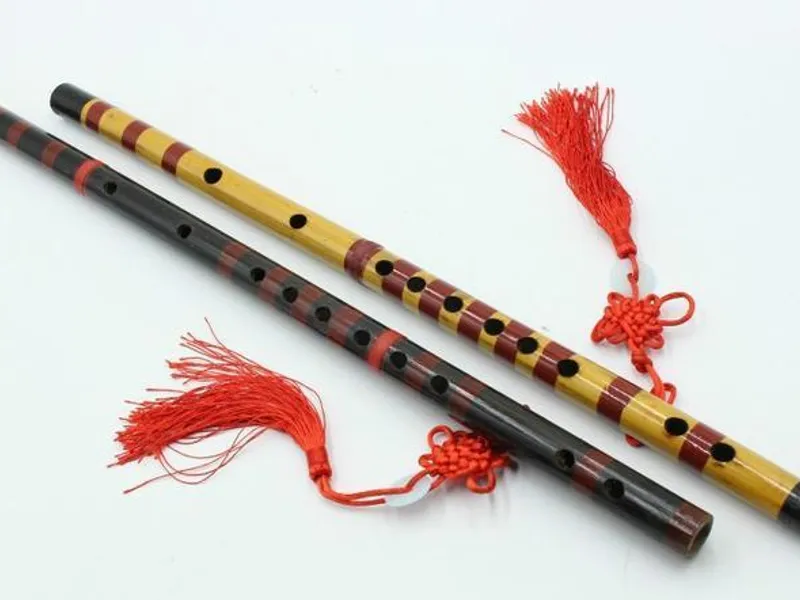
In the heart of Chinese culture, the bamboo flute, known as the dizi (笛子, dízi), holds a special place. Its ethereal tones have resonated across centuries, accompanying emperors, scholars, and common folk alike. Unlike Western flutes, the dizi carries a distinctive buzzing membrane (膜, mó) that gives it a warm, resonant timbre. This instrument is not only a source of music but also a reflection of Chinese artistry, philosophy, and daily life. From its construction to its cultural significance, the bamboo flute embodies the intersection of nature, craftsmanship, and human expression.
The Origins of the Bamboo Flute
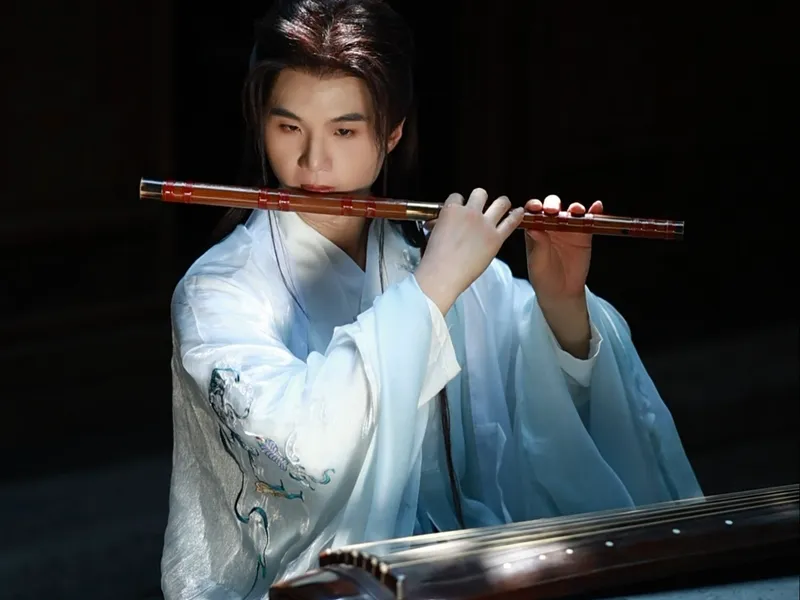
The bamboo flute has roots that stretch back thousands of years, with archeological evidence suggesting its presence in China as early as the Han Dynasty (206 BCE – 220 CE). Early versions of the dizi were simple, unadorned instruments, primarily used in court music and folk rituals. Bamboo was chosen for its availability, natural resonance, and symbolic meaning—representing integrity, flexibility, and harmony in Chinese culture.
Historical texts, such as the Shijing (诗经, Book of Songs), mention the flute in ceremonial and celebratory contexts. The instrument evolved through different dynasties, adapting to the tastes of the time. During the Tang Dynasty (618–907 CE), the dizi became a staple in orchestras and ensemble music, reflecting the growing sophistication of Chinese musical theory. Its ability to mimic natural sounds, from flowing rivers to chirping birds, made it an ideal tool for both meditation and entertainment.
The bamboo flute also carried symbolic weight. In Confucian philosophy, music was considered essential for moral cultivation, and instruments like the dizi were believed to refine character, foster emotional balance, and cultivate social harmony. In this way, the bamboo flute was not merely a musical instrument; it was a bridge between humans and nature, the personal and the universal.
The Craftsmanship of the Dizi
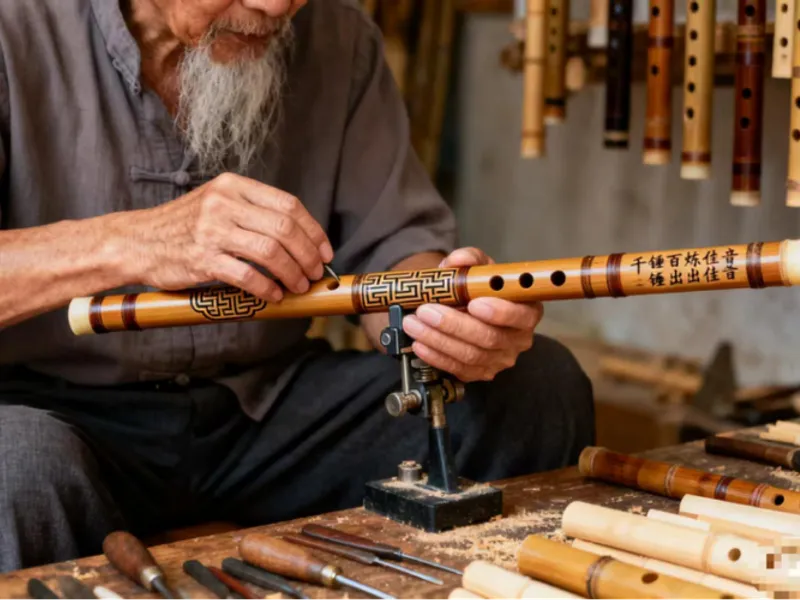
Making a bamboo flute is a meticulous art, combining precision, intuition, and an understanding of the material. Traditional dizi makers select bamboo that has grown for at least three to five years. Ideal bamboo has straightness, uniform thickness, and a resonant hollow. In China, regions such as Anji (浙江, Zhèjiāng) are famous for producing high-quality bamboo used in flutes.
The crafting process begins with harvesting, curing, and drying the bamboo to prevent cracking. Holes are then carefully drilled to produce the correct pitch and tonal quality. One unique feature is the dimo (笛膜, membrane), a thin reed that covers a special hole and vibrates to create the characteristic buzzing sound. Applying the dimo requires patience and skill, as its tension and placement significantly affect the sound.
Artisans often inscribe the flute with carvings, calligraphy, or lacquer, turning each instrument into a work of art. The process combines physics and aesthetics: the length, diameter, and hole spacing determine the pitch, while the craftsmanship ensures resonance and tonal richness. Learning to craft a dizi is a lifetime pursuit, often passed from master to apprentice over generations. The result is not only an instrument but a testament to human ingenuity and the harmony between nature and culture.
Playing the Bamboo Flute
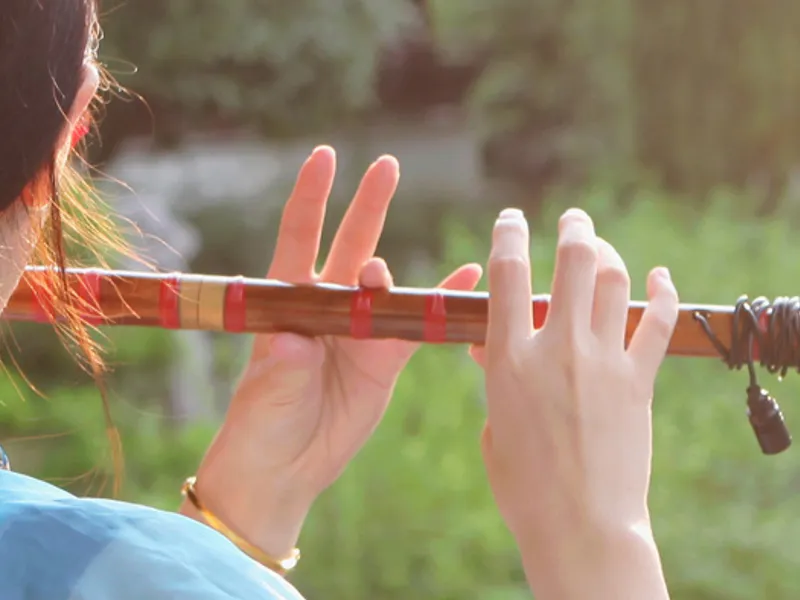
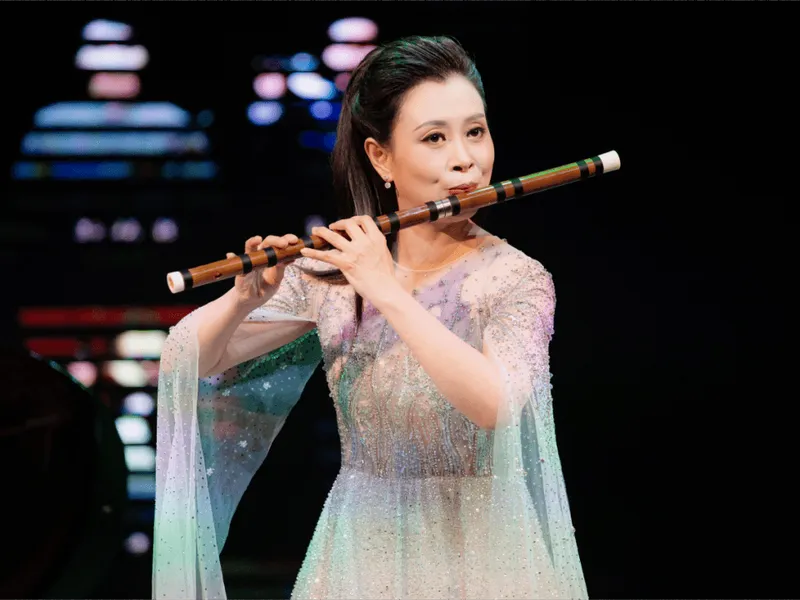
The dizi can produce a wide range of expressive sounds, from gentle, flowing melodies to vibrant, joyous tunes. Players learn proper breath control, fingering techniques, and embouchure to coax emotion from the instrument. Traditional Chinese music emphasizes subtlety and expression, often evoking landscapes, seasons, or philosophical ideas.
Famous compositions, such as “Spring River in the Flower Moon Night” (春江花月夜, Chūn Jiāng Huā Yuè Yè), showcase the dizi’s capacity for lyrical storytelling. In folk traditions, the flute accompanies dance, storytelling, and festivals, while in classical Chinese orchestras, it blends with other instruments like the pipa (琵琶) or guzheng (古筝).
Modern players also experiment with fusion, combining the dizi with Western instruments or electronic music. This adaptability shows the instrument’s timeless appeal and cultural flexibility. Beyond technical skill, playing the bamboo flute is a meditative practice, fostering mindfulness and a connection to both tradition and nature.
The Cultural Legacy of the Bamboo Flute
The dizi’s influence extends beyond music. It is deeply embedded in Chinese literature, opera, and visual art. Poets have celebrated its sound as a symbol of purity and longing, while painters often depict musicians playing bamboo flutes amidst mountains or rivers, emphasizing harmony between humans and nature.
Educationally, the dizi is used to teach discipline, musical theory, and cultural heritage. Its presence in festivals, temples, and rural celebrations reinforces community bonds and continuity with the past. Internationally, the bamboo flute has become an ambassador of Chinese culture, performed in world music festivals and appreciated by musicians worldwide.
The bamboo flute represents more than an instrument; it is a living cultural artifact. Its creation, performance, and symbolism continue to inspire, bridging ancient traditions with contemporary artistic expression. In learning about the dizi, one gains insight into China’s philosophy, aesthetics, and enduring reverence for music as a moral and cultural force.
A Resonance That Transcends Time
From its origins in ancient dynasties to its role in modern performances, the bamboo flute (dizi) exemplifies the fusion of nature, artistry, and human creativity. Its delicate yet powerful sound connects generations, embodying virtues of patience, skill, and harmony. Whether crafted by a master artisan or played by a student, the dizi carries stories, emotions, and cultural heritage with every note.
For anyone exploring Chinese music or culture, the bamboo flute offers a window into a world where craftsmanship, tradition, and the beauty of sound intertwine. It is more than an instrument; it is a symbol of China’s enduring cultural heartbeat.