
The Spring and Autumn Period: The Tumultuous Dawn of Eastern Zhou China(春秋时期)
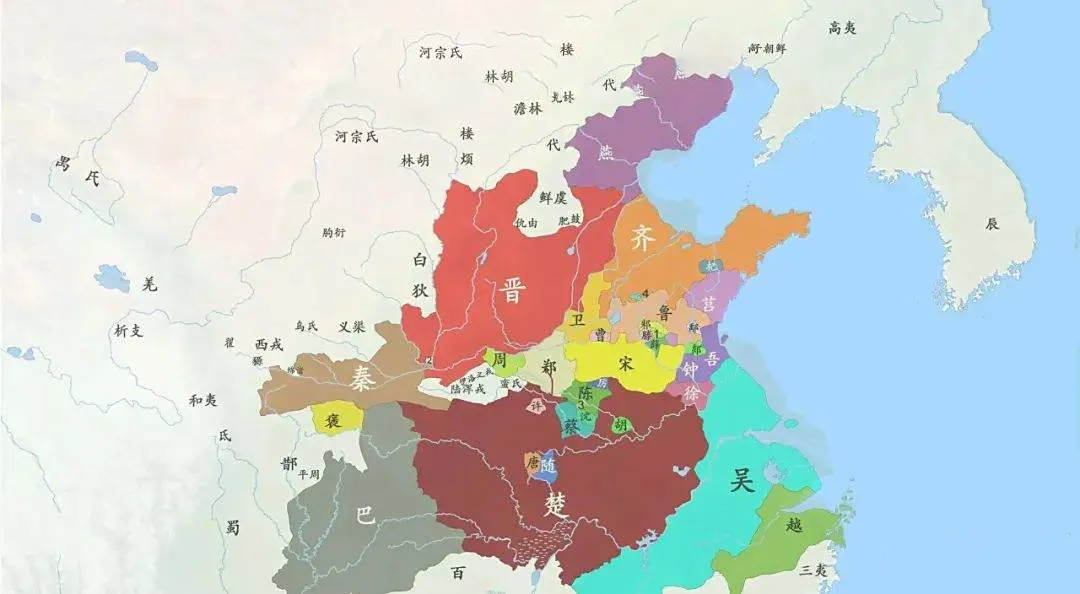
China’s history spans thousands of years, and the Eastern Zhou dynasty marks a fascinating chapter in this vast timeline. The Spring and Autumn Period (770–476 BCE) was a time of both political turbulence and cultural flourishing. Although the Zhou kings still ruled in name, real power had shifted to the many feudal lords across the land. This period set the stage for China’s future political, philosophical, and cultural developments.
The Fall of Western Zhou and the Birth of Eastern Zhou
The Western Zhou dynasty (1046–771 BCE) had maintained a strong central authority under the mandate of heaven, but by the late 8th century BCE, cracks in its structure became apparent. The downfall of Western Zhou began with internal corruption, weakening kingship, and pressures from nomadic tribes on the northern borders. The infamous attack by the Quanrong nomads in 771 BCE forced the Zhou king to flee from Haojing (near modern Xi’an) to Luoyi (modern Luoyang), marking the beginning of the Eastern Zhou dynasty.
The move from Haojing to Luoyi was not just a geographical shift—it symbolized a shift in political power. The Zhou king remained the symbolic center of authority, but real control gradually passed to local feudal lords, or zhuhou (诸侯). These lords managed their territories with increasing autonomy, raising armies, collecting taxes, and exercising judicial powers independently. While this decentralization contributed to political instability, it also created opportunities for regional innovation and cultural experimentation.
The early years of Eastern Zhou were challenging. The royal court struggled to maintain prestige and authority, while ambitious nobles vied for influence. Stories of this time are filled with intrigue: ministers plotting coups, young heirs fleeing assassins, and kings attempting, often in vain, to mediate disputes among the powerful lords. This setting of political fragmentation laid the foundation for the dramatic conflicts of the Spring and Autumn Period.
The Rise of the Feudal Lords
With the Zhou king’s authority weakened, regional lords began to rise. They managed independent armies, formed alliances, and frequently fought for territory and prestige. It was during this era that the term “hegemon” (霸, ba) emerged, referring to the most powerful lords who could claim leadership among the feudal states.
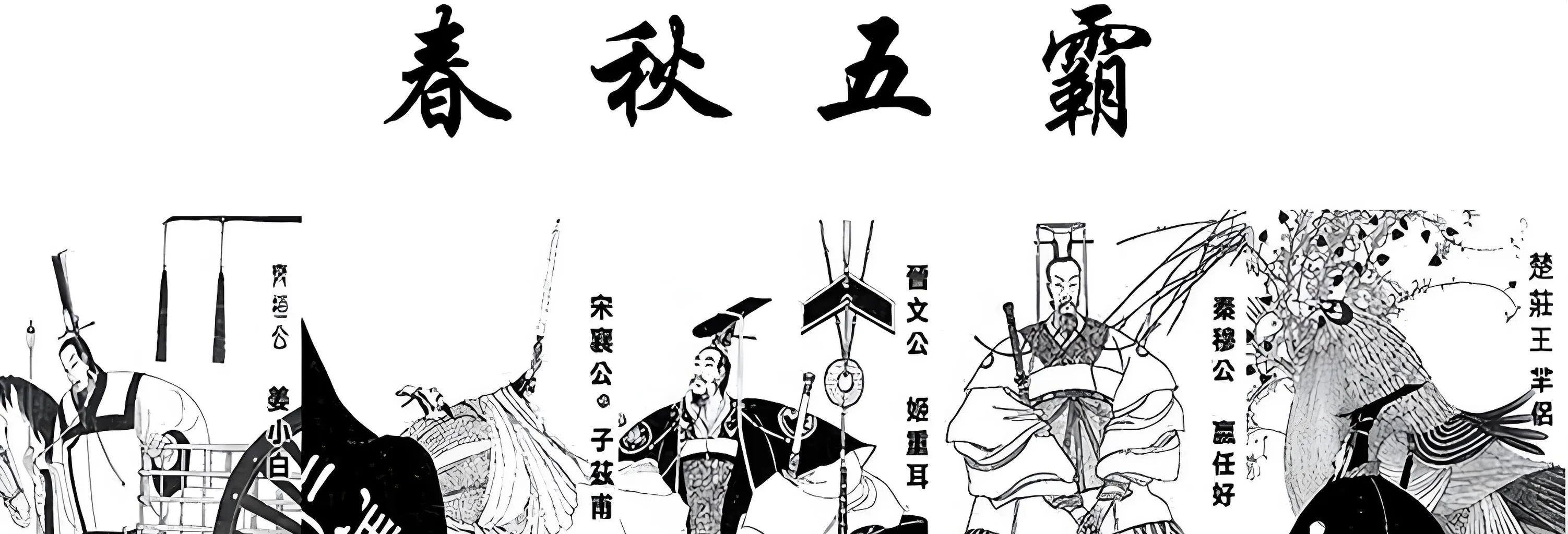
Prominent examples include Duke Huan of Qi (齐桓公, Qí Huán Gōng), who, with the guidance of his capable minister Guan Zhong (管仲, Guǎn Zhòng), transformed Qi into a powerful state. Guan Zhong implemented reforms that strengthened the economy, centralized administration, and organized the military more efficiently. This allowed Duke Huan to assert dominance over other states and become one of the era’s first “Five Hegemons.”
Another notable figure was Duke Wen of Jin (晋文公, Jìn Wén Gōng), remembered for his strategic acumen and diplomacy. He leveraged both alliances and military tactics to expand Jin’s influence, famously leading his state to victory in numerous conflicts while promoting stability within his borders.
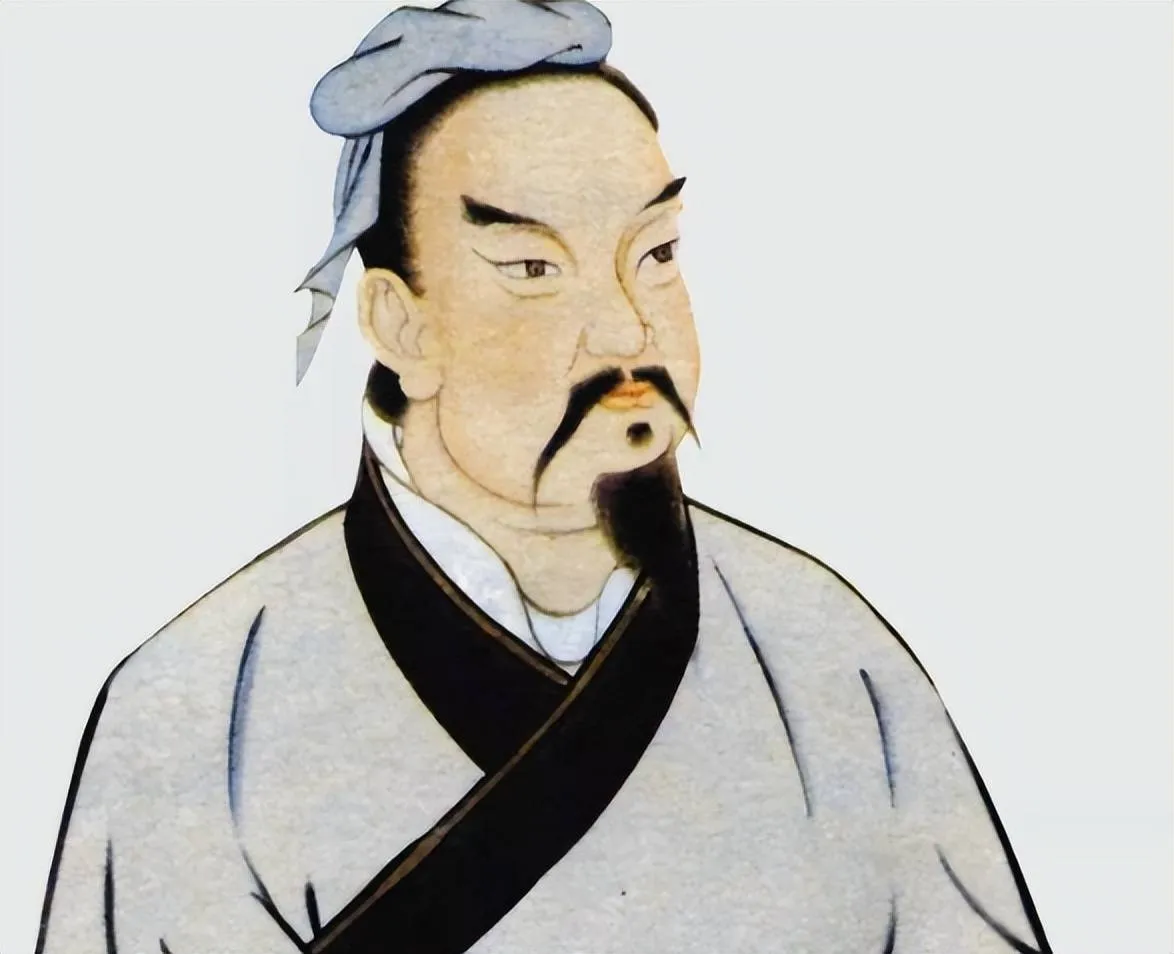
Stories of cunning and wisdom abound. Wu Zixu (伍子胥) of Wu is remembered for his resourcefulness and dedication, navigating court intrigues, advising rulers, and contributing to the military rise of the state of Wu. Meanwhile, states like Chu and Yue expanded rapidly under ambitious rulers, showcasing the diversity of political strategies and governance styles.
The rise of these feudal lords demonstrated that leadership was as much about intelligence, strategy, and governance as it was about hereditary status. The Spring and Autumn Period thus became a laboratory of political thought and statecraft, offering lessons still studied in Chinese culture today.
Wars and Strategies of the Spring and Autumn Period
The Spring and Autumn Period was a time of almost constant military activity. Battles were frequent, and ambitious lords competed for supremacy. Unlike large-scale imperial wars in later periods, these conflicts often involved clever tactics, espionage, and shifting alliances.
For example, the famous Battle of Chengpu (632 BCE) between Jin and Chu demonstrated the importance of strategy and intelligence. Jin’s commander, Xun Linfu, carefully arranged his forces, while spies and scouts provided critical information on Chu’s positions. The resulting victory solidified Jin’s status as a hegemon, highlighting the role of preparation, discipline, and strategic thinking.
Military innovation was another hallmark. Armies experimented with different formations, siege technologies, and cavalry maneuvers. This era saw improvements in bronze weapons and armor, as well as the first widespread use of crossbows in combat. These developments not only shaped the outcomes of battles but also influenced political negotiations, as states that could field effective armies gained leverage in diplomacy.
Beyond warfare, stories of heroism and loyalty flourished. Tales of generals and soldiers who risked everything for their states were passed down through oral traditions and early writings. These narratives often included moral lessons about courage, honor, and the consequences of betrayal—values that remain central to Chinese storytelling even today.
Culture, Philosophy, and Society
While warfare dominated politics, the Spring and Autumn Period was also a golden age for culture and intellectual development. With the decline of central authority, thinkers were free to travel between states, advising rulers and debating ideas.
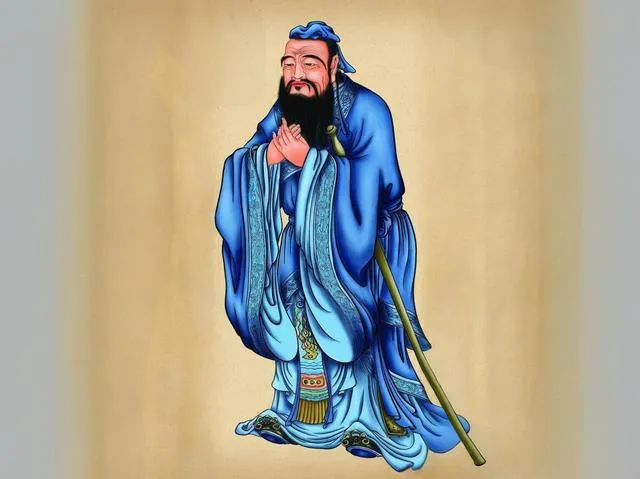
Confucius (孔子), arguably the most influential figure of this period, emphasized ethics, ritual propriety, and harmonious governance. His teachings stressed the importance of moral leadership, respect for hierarchy, and education. Confucius’ disciples traveled widely, influencing rulers and laying the foundation for Confucianism, which would shape Chinese civilization for millennia.
Other thinkers, such as Laozi (老子) and Mozi (墨子), offered alternative philosophies. Laozi promoted the Dao (道) as a guiding principle of natural order and simplicity, while Mozi advocated meritocracy, frugality, and the welfare of the people. These debates between schools of thought enriched Chinese intellectual life, creating a diverse cultural landscape.
Art, music, and ritual also flourished. Bronze vessels, jade ornaments, and lacquerware became symbols of status and refinement. Music and ceremonial dance were carefully codified, reflecting a belief in harmony between human society and the cosmos. Even during times of political instability, these cultural achievements demonstrated the resilience and creativity of the people.
Trade, Economy, and Daily Life
Amidst the political upheaval, ordinary people engaged in farming, handicrafts, and trade. Agriculture was the backbone of the economy, with innovations in irrigation and crop rotation improving productivity. Staple crops included millet, wheat, and rice, depending on regional climate.
Trade networks expanded as states interacted for both resources and strategic advantage. Salt, iron, textiles, and luxury goods moved along river valleys and overland routes, promoting inter-state connections. Markets and towns grew, providing hubs for merchants, artisans, and scholars.
Daily life included festivals, rituals, and social customs. People celebrated seasonal events with music, dance, and offerings to deities and ancestors. Family and kinship remained central, shaping social responsibilities and hierarchies. Through these activities, even ordinary citizens were participants in the cultural and economic life of the era.
Epilogue: The Enduring Legacy of the Spring and Autumn Period
The Spring and Autumn Period was more than a chapter of battles and shifting alliances—it was a crucible of Chinese civilization. In the echoes of strategy, diplomacy, and philosophy, we hear the voices of visionary leaders, wise ministers, courageous generals, and ordinary citizens whose lives shaped the destiny of states. The rivers and mountains of ancient China witnessed not only the clash of armies but also the birth of ideas that would endure for millennia.
This era reminds us that greatness is forged in times of challenge. While kings struggled to maintain authority, and lords vied for dominance, human ingenuity and moral thought flourished. Confucius taught lessons on virtue and governance, Guan Zhong demonstrated the power of wise administration, and countless unknown figures contributed to a tapestry of resilience and creativity.
For modern readers, the Spring and Autumn Period offers a vivid portrait of a civilization in motion—a time where power, philosophy, and culture intertwined. It teaches timeless lessons about leadership, ethics, and the pursuit of harmony amid complexity. In exploring this period, we not only glimpse the roots of Chinese history but also experience the enduring spirit of a people whose legacy continues to inspire.