
The Cultural, Culinary, and Emotional Power of Red Beans in China
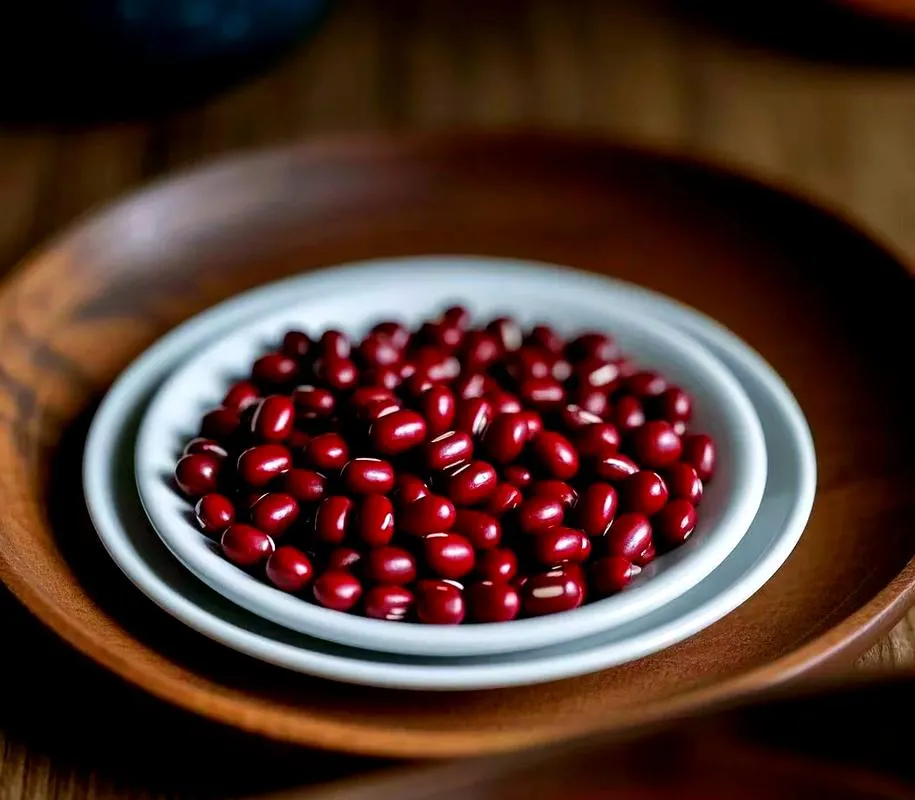
Red beans—known as hóngdòu (红豆) in Chinese and adzuki beans internationally—are among the most culturally symbolic foods in China. They are tiny, ruby-colored legumes, but their symbolic meaning is vast, emotional, and deeply woven into Chinese history, literature, and daily life. Understanding red beans in China means exploring a rich mixture of poetry, philosophy, medicine, and belief systems surrounding this humble ingredient.
The History and Cultural Symbolism of Red Beans in China
 1. From Ancient Origins to Traditional Symbolism
Red beans have been cultivated in China for over 2,500 years. Archaeological discoveries from the Zhou and Han dynasties show red beans stored in clay vessels used for rituals and offerings. Because of their deep red color—traditionally associated with joy, luck, passion, and life energy—these beans gradually became more than food; they became symbols.
In ancient Chinese cosmology, red is the color of the south, fire, vitality, and emotional intensity. This naturally led people to associate red beans with love, longing, and remembrance. Over time, red beans entered poetry, stories, and popular idioms, carrying emotional weight unmatched by most foods in Chinese culture.
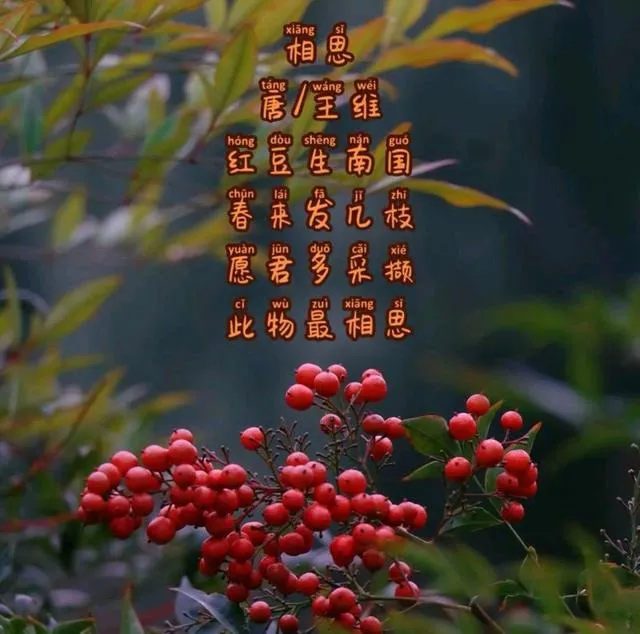
2. “红豆生南国” — Red Beans as a Symbol of LoveThe most famous connection between red beans and love comes from the Tang dynasty poet Wang Wei (王维) and his iconic poem:
“红豆生南国,春来发几枝。
愿君多采撷,此物最相思。”
Translated:
“Red beans grow in the southern land;
Every spring a few branches appear.
Gather them more, my dear friend—
These are the seeds of deep longing.”
From this poem, red beans became known as 相思豆 xiāngsī dòu, “the seeds of longing.” Lovers would keep red beans in small pouches as tokens of affection, and travelers would carry them during long journeys as symbols of connection with their families. Even today, red bean jewelry, bracelets, and lucky charms are sold in Chinese markets, representing love, loyalty, reunion, and emotional bonds.
3. Red Beans in Festivals and TraditionsBecause red symbolizes luck and celebration, red beans appear in many traditional festivals:
- Lantern Festival: sweet red bean tangyuan
- Qixi (Chinese Valentine’s Day): red bean desserts and pastries
- Winter Solstice (冬至): warming red bean porridge
- Weddings: red bean rice symbolizing sweetness and harmony
The pairing of red bean foods with festivals reinforces the belief that red beans bring warmth, hope, and emotional comfort.
4. Red Beans in Traditional Chinese MedicineIn TCM (Traditional Chinese Medicine), red beans play an important role:
- Remove dampness
- Promote blood circulation
- Support the heart
- Boost energy
- Improve digestion
Their natural sweetness and mild nature make them suitable for all ages—from children to the elderly—reinforcing their role as a household staple.
5. Red Beans in Daily Life: From Nostalgia to ComfortFor many Chinese people, red beans evoke nostalgia—memories of home, childhood, and warm desserts made by elders. Whether it’s red bean soup after a long day or a red bean bun from a bakery, these foods represent comfort, healing, and emotional warmth.
The emotional connection is so strong that in modern pop culture, red beans often appear in:
- Romantic dramas
- Lyrics of love songs
- Literature about memory and longing
In short, red beans are more than a food—they are a cultural symbol of love, connection, and emotional depth in Chinese society.
Red Beans in Chinese Cuisine — A Sweet World of Creativity
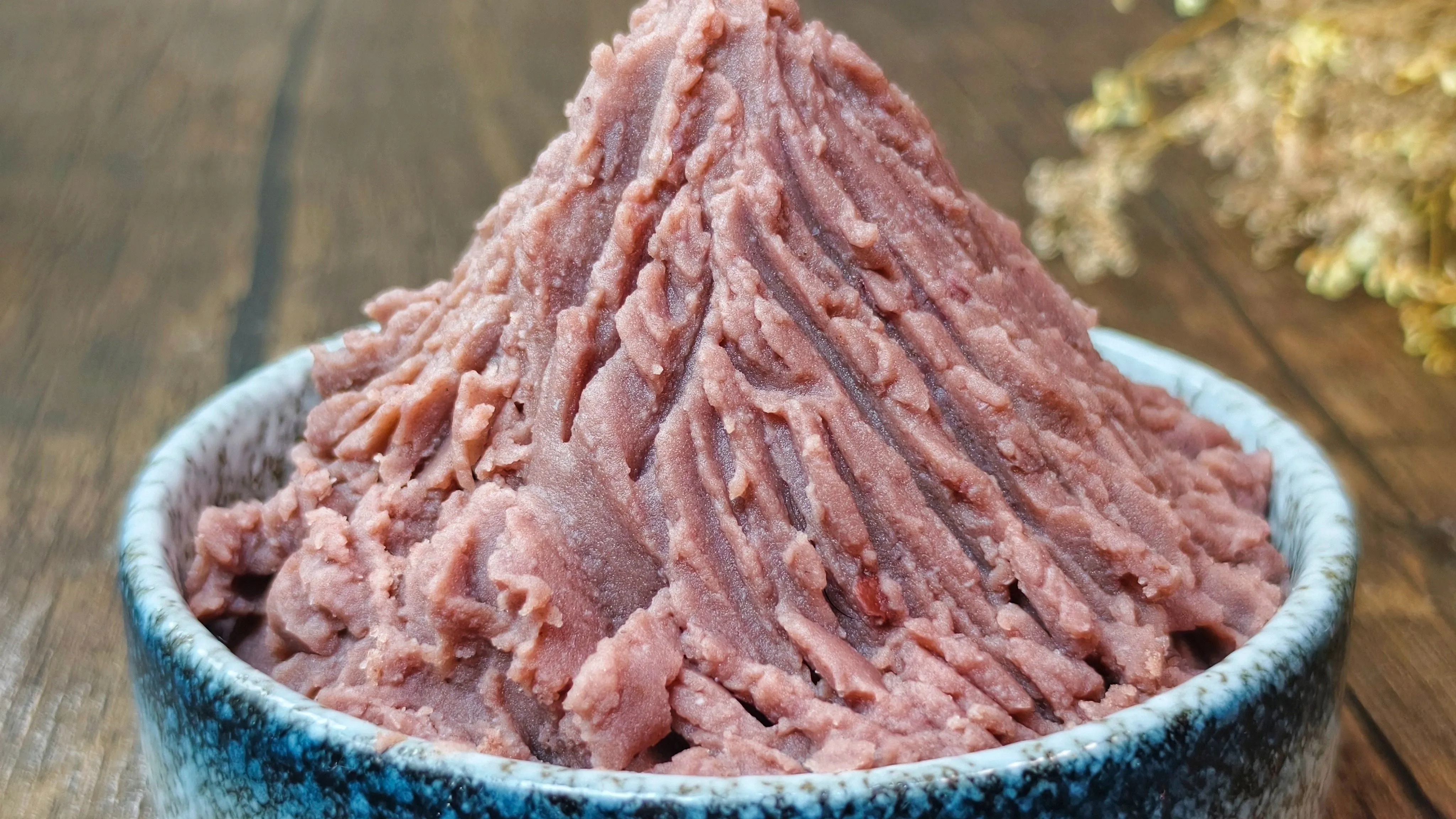 1. Red Bean Paste: The Heart of Hundreds of Desserts
Perhaps the most iconic form is red bean paste (红豆沙). The paste can range from:
- Smooth (细沙)
- Half-smooth (半沙)
- Chunky (粗沙)
Depending on the dish, each texture brings a different mouthfeel. Smooth paste works well in pastries, while chunkier paste brings rustic flavor to homemade desserts.
Red bean paste is widely used in:
- Mooncakes (月饼)
- Buns (豆沙包)
- Tangyuan (汤圆)
- Pancakes (豆沙饼)
- Rice cakes (年糕)
- Japanese-style dorayaki (铜锣烧)
- Taiwanese wheel cakes (车轮饼)
In each dessert, the sweet, earthy flavor of red beans brings a sense of nostalgia—a flavor people grow up with.
2. Sweet Red Bean Soup (红豆沙 / 红豆汤)Red bean soup is one of China's most beloved home-style desserts. It can be:
- Hot in winter for warmth
- Ice-chilled in summer for refreshment
Adding ingredients such as lotus seeds, tangerine peel, or coconut milk transforms the dish into richer variations enjoyed across China, Hong Kong, Taiwan, and Southeast Asia.
3. Red Bean and Sticky Rice (红豆糯米饭)This dish appears in:
- Winter Solstice meals
- Wedding rituals
- Birthday celebrations
Sticky rice symbolizes unity, while red beans symbolize sweetness—together representing harmonious relationships.
4. Modern Desserts Using Red BeansIn recent years, red beans have entered modern culinary trends:
- Bubble tea toppings
- Red bean lattes
- Red bean milkshakes
- Ice creams
- Red bean matcha desserts
- Red bean waffles
- Red bean yogurt bowls
Young people love the fusion of traditional flavors with trendy formats, making red beans fashionable again.
5. Regional Red Bean Specialties Across ChinaDifferent regions use red beans in unique ways:
- Guangdong & Hong Kong: Red bean ice (红豆冰), Coconut red bean soup, Red bean pudding pastries
- Jiangsu & Zhejiang: Suzhou sweet red bean mooncakes, Red bean glutinous rice cakes
- Taiwan: Red bean shaved ice, Wheel cakes with molten red bean filling
- Southwest China: Red bean rice with grains and nuts
Each region adds its own touch, showing how deeply red beans are rooted in Chinese culinary tradition.
The Emotional, Social, and Modern Value of Red Beans in China
 1. Red Beans and Emotional Memory
Many Chinese children grow up eating:
- Red bean porridge from grandparents
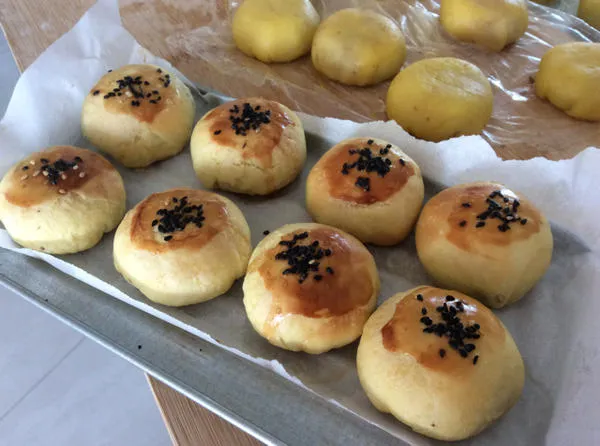
- Sweet red bean buns on school mornings
- Red bean desserts at family gatherings
As adults, eating red bean dishes often evokes nostalgia and emotional comfort. This deep memory connection makes red beans emotionally powerful—similar to chocolate in Western culture, but with a uniquely Chinese story.
2. Red Beans and RelationshipsBecause of their symbolism of longing and affection, red beans are still exchanged between lovers or used in modern gifts such as:
- Red bean bracelets
- “Lover’s red bean” necklaces
- Handmade red bean lucky charms
- Red bean-themed greeting cards
Many couples view red beans as tokens of deep connection, especially in long-distance relationships.
3. Red Beans and Social RitualsFamily gatherings, holidays, and special occasions often include red bean dishes. The mild sweetness makes them suitable for all ages, while the symbolism adds emotional value to the meal.
During the Lunar New Year, red desserts represent:
- A sweet beginning
- Future harmony
- Good luck
During the Qixi Festival, red bean pastries are exchanged to express love—continuing a tradition thousands of years old.
4. Red Beans in Modern Pop CultureIn films, novels, and songs, red beans continue to symbolize longing:
- In TV dramas, a bowl of red bean soup often appears in emotional moments.
- Modern writers use red beans as metaphors for memory or love.
- Pop songs mention red beans to express missed connections or heartfelt emotions.
A famous Cantonese song, “红豆” by Faye Wong, uses red beans to symbolize waiting and emotional hope, becoming an Asian cultural classic.
5. Red Beans in the Global Market: A Cultural ExportWith the global popularity of Asian food, red bean–based products have spread worldwide:
- Red bean buns in Western bakeries
- Red bean bubble tea in North America
- Red bean mochi in Europe
- Red bean ice cream in global supermarkets
- Matcha-red-bean combinations in cafés
What used to be a traditional Chinese ingredient has become an international ambassador of Chinese flavor and culture.
6. Why Red Beans Remain IrreplaceableDespite new dessert trends emerging every year, red beans remain a permanent classic because they combine:
- Flavor: gentle sweetness
- Nutrition: high fiber, protein, antioxidants
- Emotional meaning: love, longing, memory
- Cultural depth: poems, festivals, rituals
- Versatility: soups, pastries, drinks, ice cream
No other Chinese ingredient carries such a powerful mix of taste and symbolism.
Conclusion
Red beans are more than just a food in China—they are a cultural symbol, a culinary treasure, and an emotional anchor. Their presence in poetry, festivals, medicine, and cuisine reflects deep Chinese values surrounding love, remembrance, family, and warmth.
Across thousands of years, from ancient poetry to modern desserts, red beans continue to connect people, memories, and traditions. And as global interest in Asian flavors grows, red beans are becoming an ambassador of Chinese culinary culture worldwide.