
The Birth of Oolong Tea: From Misty Mountains to Global Fame
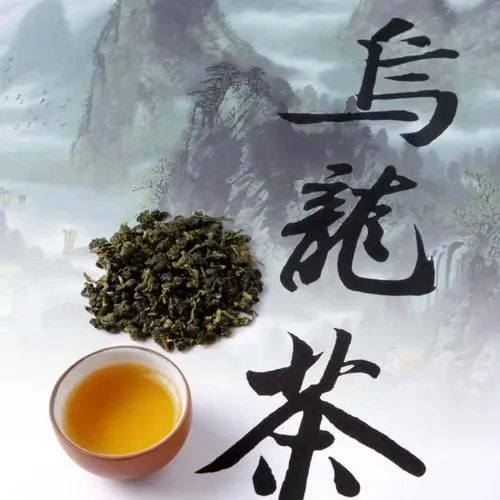
Oolong tea, or wulong tea (乌龙茶) in Chinese, occupies a unique position in the world of tea. Neither fully green nor fully black, it combines the freshness of lightly oxidized leaves with the depth of partially fermented tea, producing a complex aroma that ranges from floral and fruity to roasted and caramelized. Its origin is deeply intertwined with China’s southern mountains, centuries of craftsmanship, and cultural evolution. From its humble beginnings in misty Fujian and Guangdong mountains to the cultivation of iconic varieties like Tieguanyin (铁观音) and Da Hong Pao (大红袍), oolong tea has become a symbol of Chinese ingenuity, art, and cultural sophistication.
This article explores the story of oolong tea in four major chapters: its origins, technical development, social and cultural impact, and global influence.
Origins in the Mist: The Early Roots of Oolong Tea
1. Early Tea Traditions in Southern China
Before oolong tea existed, green tea and lightly fermented teas dominated the landscape. Tea cultivation in Fujian can be traced back to the Tang (618–907) and Song (960–1279) dynasties, during which local farmers experimented with different plucking and processing methods. Most tea was still either green or black in style.
Southern tea farmers, seeking a tea that retained fresh flavor while offering richer aroma, began experimenting with semi-oxidation processes. Local conditions, such as mountain microclimates and unique tea cultivars of Fujian and Guangdong, encouraged innovation.
2. The Misty Mountains and Tea Culture
The Wuyi Mountains, with steep cliffs, rivers, and dense mist, created perfect conditions for rock oolong teas (岩茶). Mineral-rich soil combined with sunlight filtered through morning fog produced leaves with complex flavors.
Anxi County became the cradle of Tieguanyin, known for its orchid-like fragrance. Tea farmers discovered that careful shaking and partial oxidation of fresh leaves produced flavors both delicate and robust, a defining characteristic of oolong tea.
The Technical Revolution: How Oolong Was Truly Born
1. Semi-Oxidation: The Key Innovation
Oolong tea is partially oxidized, typically 30–70%, unlike green tea (0–10%) or black tea (90–100%). Steps include:
- Plucking: Mature leaves with one bud and two or three leaves.
- Withering: Reducing moisture under sunlight or indoors.
- Shaking / Tossing (摇青): Gently bruising leaves to trigger oxidation.
- Partial Oxidation: Carefully monitored for desired flavor.
- Fixation (杀青): Heat stops oxidation.
- Rolling / Shaping: Leaves shaped into curls, strips, or semi-balls.
- Roasting / Firing: Enhances aroma and stabilizes flavor.
Precise timing is essential; too little oxidation yields bland tea, too much produces black tea. Balance gives oolong its signature aroma and taste.
2. The Birth of Iconic Varieties
- Tieguanyin (铁观音): Anxi County, orchid-like aroma, smooth mouthfeel, floral aftertaste, “Iron Goddess of Mercy.”
- Da Hong Pao (大红袍): Wuyi Mountain rock tea, mineral-rich “rock flavor” (岩韵), complex roasted notes, imperial prestige.
- Oriental Beauty / Bai Hao Oolong (东方美人茶): Northern Taiwan, insect bites trigger enzymatic reactions, honeyed and fruity aroma.
Oolong Tea in Society, Art, and Culture
1. Tea in Daily Life and Social Rituals
- Morning and afternoon refreshment
- Hospitality and social gatherings
- Traditional ceremonies (weddings, ancestor worship)
Serving oolong tea is a gesture of respect and cultural refinement, reflecting harmony, patience, and attention to detail.
2. Tea Art and Literature
The Qing dynasty saw the rise of gongfu cha (工夫茶), emphasizing multiple short infusions, precise water temperature, and timing. Poets like Lu Yuanji and He Zhizhang referenced oolong in verse, while paintings depicted tea leaves, steaming cups, and utensils, symbolizing refinement and intellectual pursuit.
3. Oolong Tea as Cultural Identity
Oolong tea embodies the fusion of nature, craft, and culture. Production reflects respect for mountains, generational craftsmanship, and integration of folklore, legend, and daily life. It symbolizes southern Chinese identity in Fujian, Guangdong, and later Taiwan.
Oolong Tea on the Global Stage
1. Trade and Maritime Influence
- Maritime Silk Road
- Trading ports: Xiamen, Fuzhou
- Early European merchants
Oolong’s stability and aroma made it favored in Europe, influencing early afternoon tea blends and luxury markets in France and Holland.
2. Taiwan’s Role and Innovation
In the 19th century, oolong spread to Taiwan, producing varieties such as Dong Ding (冻顶乌龙) and Baozhong (包种茶), adapted to high-altitude cultivation and refined semi-oxidation, gaining international acclaim.
3. Contemporary Popularity
- Specialty tea markets in Europe, North America, and Asia
- Gongfu tea workshops worldwide
- Health-conscious consumers appreciate antioxidants and mild caffeine
- Tea tourism in Fujian, Guangdong, and Taiwan
The Timeless Legacy of Oolong Tea
From Fujian’s misty mountains to global tea markets, oolong represents centuries of human innovation, cultural sophistication, and natural harmony. Semi-fermented leaves tell the story of southern China’s mountains, artisans, and social rituals.
Oolong tea is a testament to Chinese tea masters: a beverage balancing complexity with elegance, craft with nature, and tradition with innovation. Every sip embodies history, art, and culture, proving that a cup of tea can encapsulate both a civilization and a global heritage.