
Something About Chinese Umbrella You May Want to Know
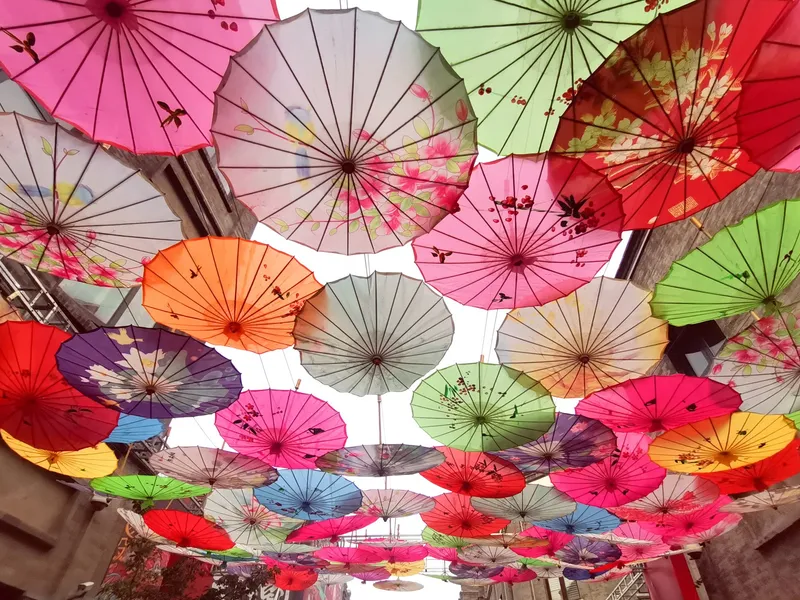
Introduction: Beyond Rain and Sun
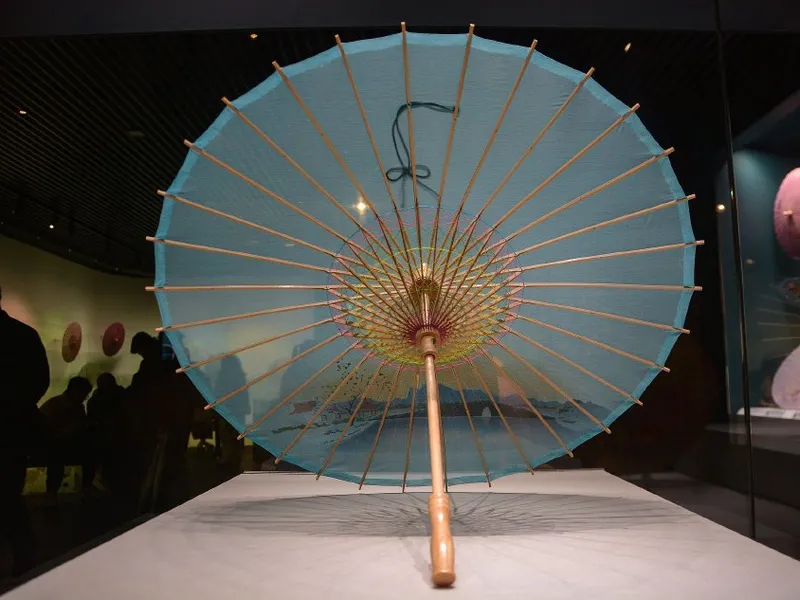
The Chinese umbrella, or traditional parasol, is more than a tool for protection from rain or sun. Known as 伞 (sǎn) in Chinese, umbrellas have been an integral part of Chinese culture for thousands of years. From the delicate oil-paper umbrellas of southern China to the intricately carved silk parasols of the imperial court, Chinese umbrellas combine functionality with art, symbolism, and social significance.
Unlike ordinary umbrellas, traditional Chinese umbrellas often carry cultural meaning. They are used in ceremonies, theatrical performances, festivals, and even weddings. Through their history, umbrellas have reflected Chinese craftsmanship, philosophical ideas, and aesthetic values, making them a window into the soul of Chinese culture.
The Origins of the Chinese Umbrella
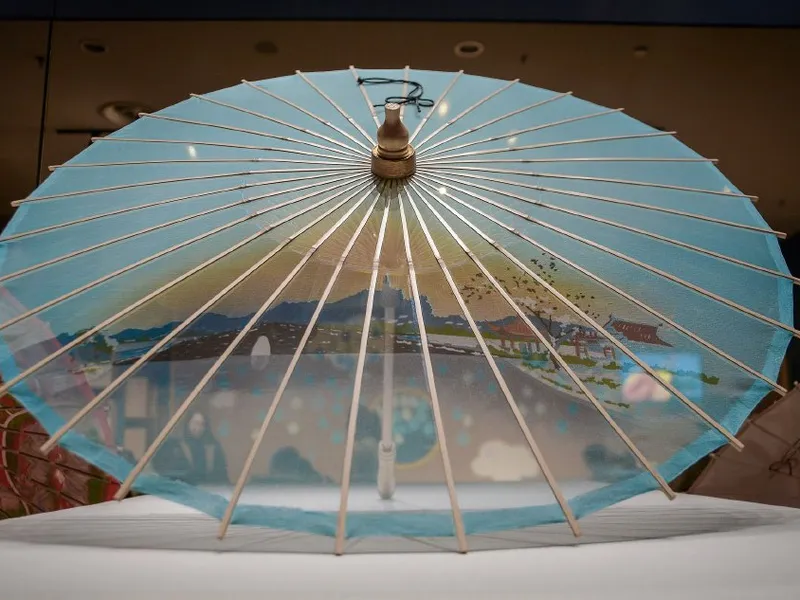
Umbrellas in China date back over 2,000 years, with evidence found as early as the Spring and Autumn period (770–476 BCE). Ancient Chinese scholars and artisans considered umbrellas a symbol of authority and respect. Early umbrellas were made from silk, bamboo, and paper, often waterproofed with oil.
Initially, umbrellas were a luxury item, used primarily by the wealthy and aristocrats. The imperial courts valued them not just for their practical use, but also as a symbol of status. In ancient texts, umbrellas appear as gifts between royalty, offerings in temples, and ceremonial objects. Their design, color, and patterns often denoted rank or social class.
By the Tang Dynasty (618–907 CE), umbrellas had become widely recognized as both practical tools and aesthetic objects. Craftsmen perfected techniques in bamboo rib construction, paper or silk covering, and intricate painting, elevating umbrellas from mere tools to objects of beauty and cultural expression.
Traditional Umbrella Craftsmanship
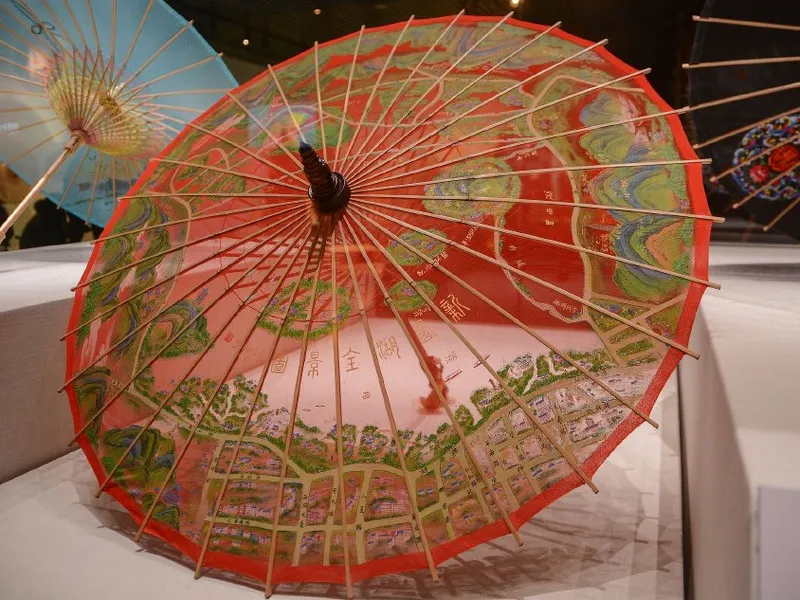
The art of making a Chinese umbrella is meticulous. The frame, usually made from lightweight bamboo, must be carefully cut, split, and polished. Each rib is attached to a central shaft with precision, ensuring smooth opening and closing. The canopy, made from oil-paper (油纸, yóu zhǐ) or silk, is stretched and glued with natural adhesives.
Oil-paper umbrellas are often hand-painted with motifs such as plum blossoms, dragons, phoenixes, or landscapes, making each umbrella a unique work of art. The oil coating not only waterproofs the paper but also adds a delicate sheen. In southern China, especially in provinces like Sichuan and Guangdong, umbrellas are celebrated as part of local folk culture, with artisan families passing down umbrella-making skills for generations.
Silk umbrellas, often used in imperial ceremonies, required the collaboration of multiple craftspeople. Artists would paint detailed scenes and patterns, while weavers and carpenters ensured the silk and frame were perfectly aligned. The combination of material, craftsmanship, and decoration made these umbrellas luxurious and highly valued cultural objects.
Symbolism and Cultural Meaning
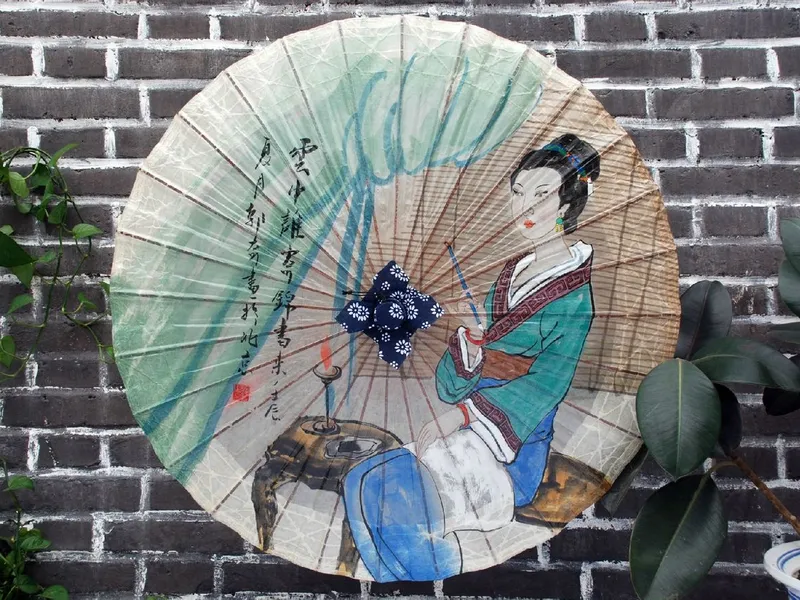
Beyond their practical use, Chinese umbrellas carry deep symbolic significance. In weddings, a red umbrella shields the bride, symbolizing protection, good fortune, and happiness. In traditional theater, umbrellas often denote character identity, status, or even mood. For example, a painted parasol may accompany a heroine or scholar, enhancing the story’s visual narrative.
Umbrellas also appear in Chinese art and poetry. Poets use the image of a solitary figure under an umbrella to evoke emotion, solitude, or elegance. Scholars in the Ming and Qing dynasties (1368–1912) depicted umbrellas in paintings as metaphors for shelter, wisdom, and balance. The umbrella’s ability to shield yet remain delicate mirrors Chinese philosophical ideas about harmony between strength and fragility.
Today, Chinese umbrellas are still used both practically and decoratively. While Western-style umbrellas are popular for daily use, traditional oil-paper and silk umbrellas are celebrated in festivals, stage performances, and cultural exhibitions. The Yunnan Water Splashing Festival and Suzhou silk arts fairs often feature umbrellas as symbolic props. Chinese umbrellas have also influenced international design, appearing in fashion, photography, and modern art.
The Umbrella as a Cultural Icon
The Chinese umbrella is more than an accessory; it is a bridge between history, artistry, and cultural identity. From ancient imperial courts to rural festivals, from practical use to symbolic artistry, umbrellas have captured the imagination of generations. They remind us of the delicate balance between function and beauty, tradition and innovation, and individual expression within communal culture.
By exploring the history, craftsmanship, and symbolism of Chinese umbrellas, foreign readers and Chinese learners can gain insight into how an everyday object becomes a vessel of culture, philosophy, and artistry. Each umbrella tells a story of China’s past, embodying its rich heritage in every rib, canopy, and painted motif.