21 Things You Probably Didn’t Know About Chinese New Year
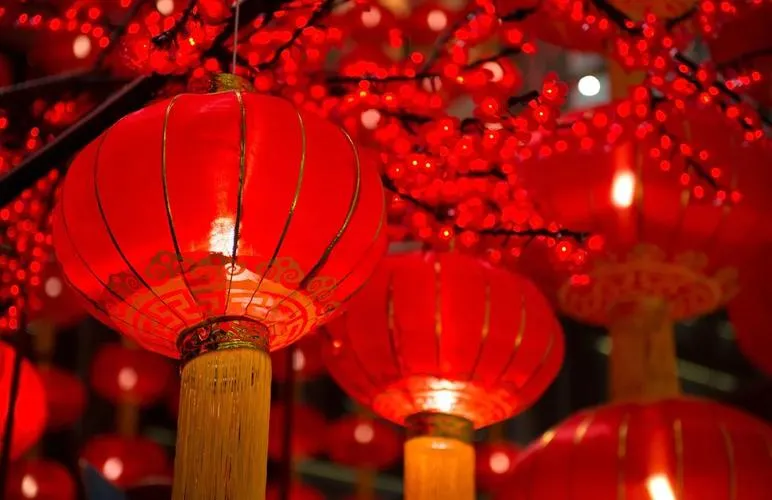
Table of Contents
▼Chinese New Year is the world's largest annual celebration, yet many of its most captivating details remain hidden. From global significance to deep-rooted rituals, how much do you really know? Uncover 21 remarkable facts that go beyond the common knowledge.
1. Chinese New Year is Also Known as the Spring Festival
In China, the holiday is most commonly called Chunjie (春节), which translates directly to "Spring Festival." This name is rich in symbolism: while the weather is often still wintry, the festival traditionally marks the passing of the coldest days and the welcoming of spring. It heralds the season of planting, future harvests, and the universal theme of new beginnings.
The celebration is also widely referred to as the Lunar New Year. This name acknowledges its basis in the traditional lunisolar calendar and its significance beyond China, as it is observed in other East Asian cultures like those of Korea and Vietnam.
2. Why Chinese New Year Falls on Different Dates Each Year
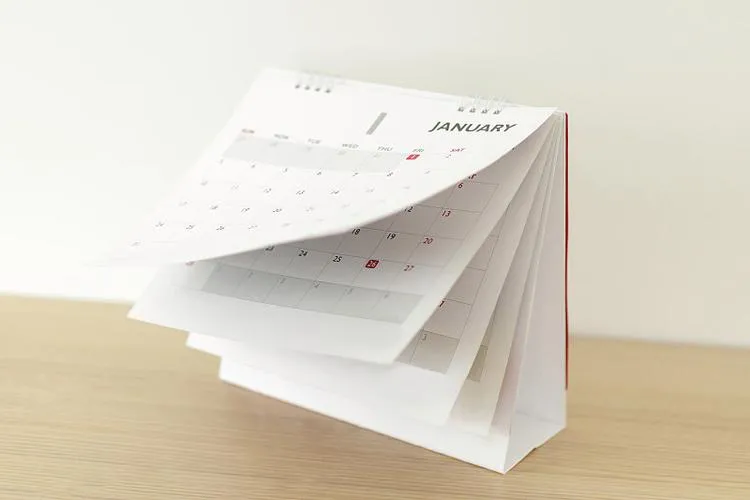
Why does Chinese New Year move every year? Unlike Christmas, its date is determined by the moon, landing on the first day of the lunar calendar. This means it can occur between January 21 and February 20 on your standard calendar—next year, for example, it falls on February 17. Check our calendar for all future dates and events!
China operates on the Gregorian calendar like most of the world, yet the traditional lunar calendar is far from obsolete. Still, it holds immense cultural sway, determining the timing of traditional holidays and key dates like the Winter Solstice. For many, it even serves as a personal calendar, used to mark birthdays and reckon age.
3. The Spiritual Roots of Chinese New Year Traditions
The origins of the festival lie in solemn rituals of gratitude and appeal. As an agrarian society, ancient Chinese communities held ceremonies to pray for a bountiful year. They sought favor from the gods of land and sky, and paid homage to their own ancestors, who were viewed as divine family patrons watching over their descendants.
4. Legends Behind Firecrackers and Fireworks
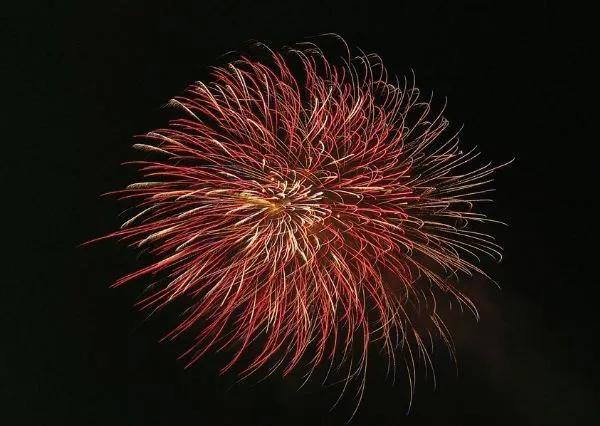
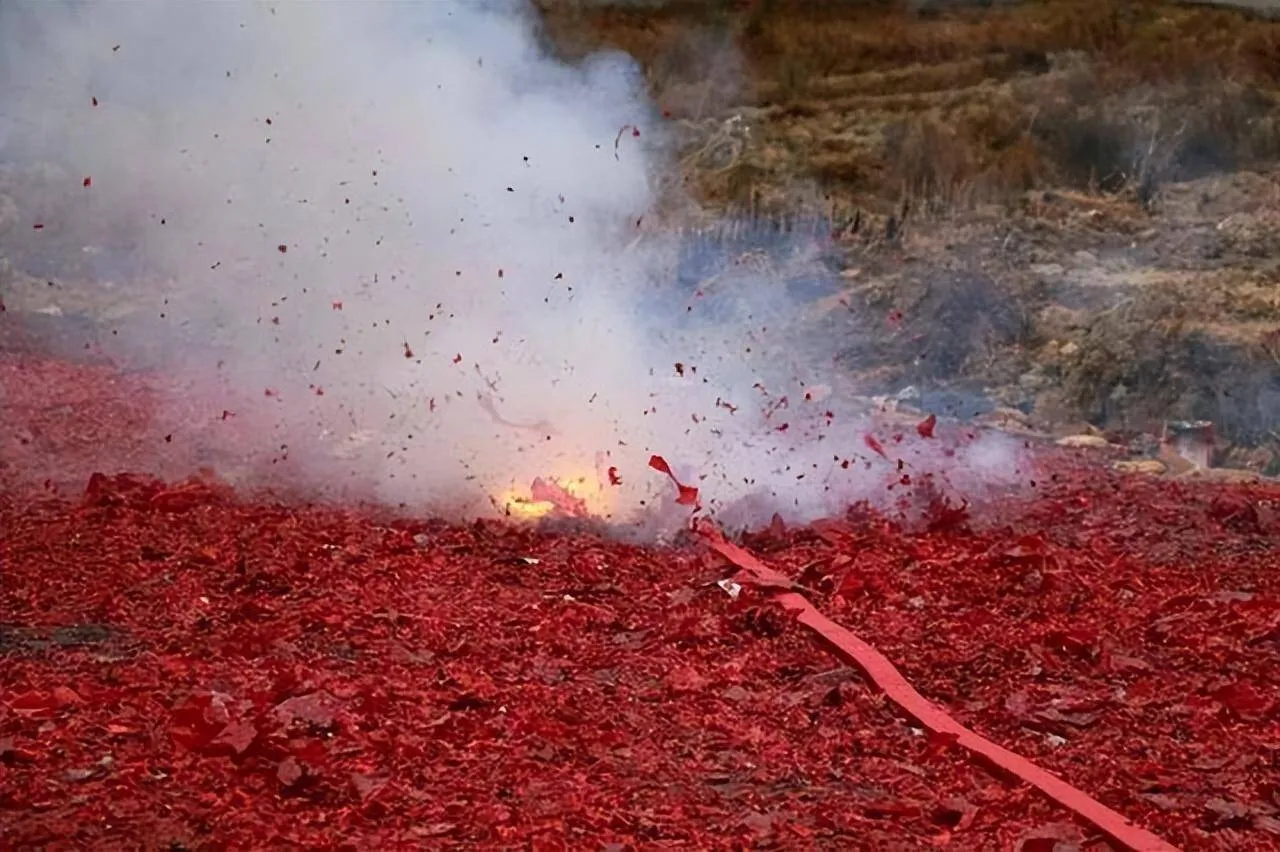
The Spring Festival's customs are steeped in legend. One of the most enduring explains the use of firecrackers. It involves the mythical beast Nian, which descended upon villages at the turn of the year. Tradition holds that its reign of terror was ended by a brave act involving the first firecrackers, whose noise and light repelled the creature. The custom of setting off firecrackers during the festival commemorates this victory and symbolizes scaring away misfortune to welcome a peaceful new year.
5. Fireworks, Rituals, and Modern Restrictions
Two key rituals define New Year's Eve. The first is the explosive display of firecrackers and fireworks at midnight. This practice, rooted in the legend of Nian, serves to scare away monsters and bad luck while audibly inviting prosperity for the coming year. The second is the solemn burning of ritual paper offerings (like "money" and "gold bars") for ancestors. This act of homage, paralleling other global traditions, is believed to provide for deceased loved ones in the afterlife, who in turn bestow protection and fortune upon the living family.
6. A Clash of Tradition and Regulation
Despite its deep roots in tradition, the iconic fireworks display now faces modern restrictions. Citing safety hazards and air quality concerns, over 500 Chinese cities have imposed full or partial bans. Yet, public attachment to the custom remains formidable, often overriding legal boundaries. Beijing’s own 13-year ban, for instance, was revoked in 2006 due to widespread public sentiment. As a result, during the festival, the persistent symphony of crackles and booms—often lasting for nights on end—testifies to a vibrant tradition that continues to negotiate its place in contemporary society.
7. Why Chinese New Year Is China's Longest Holiday
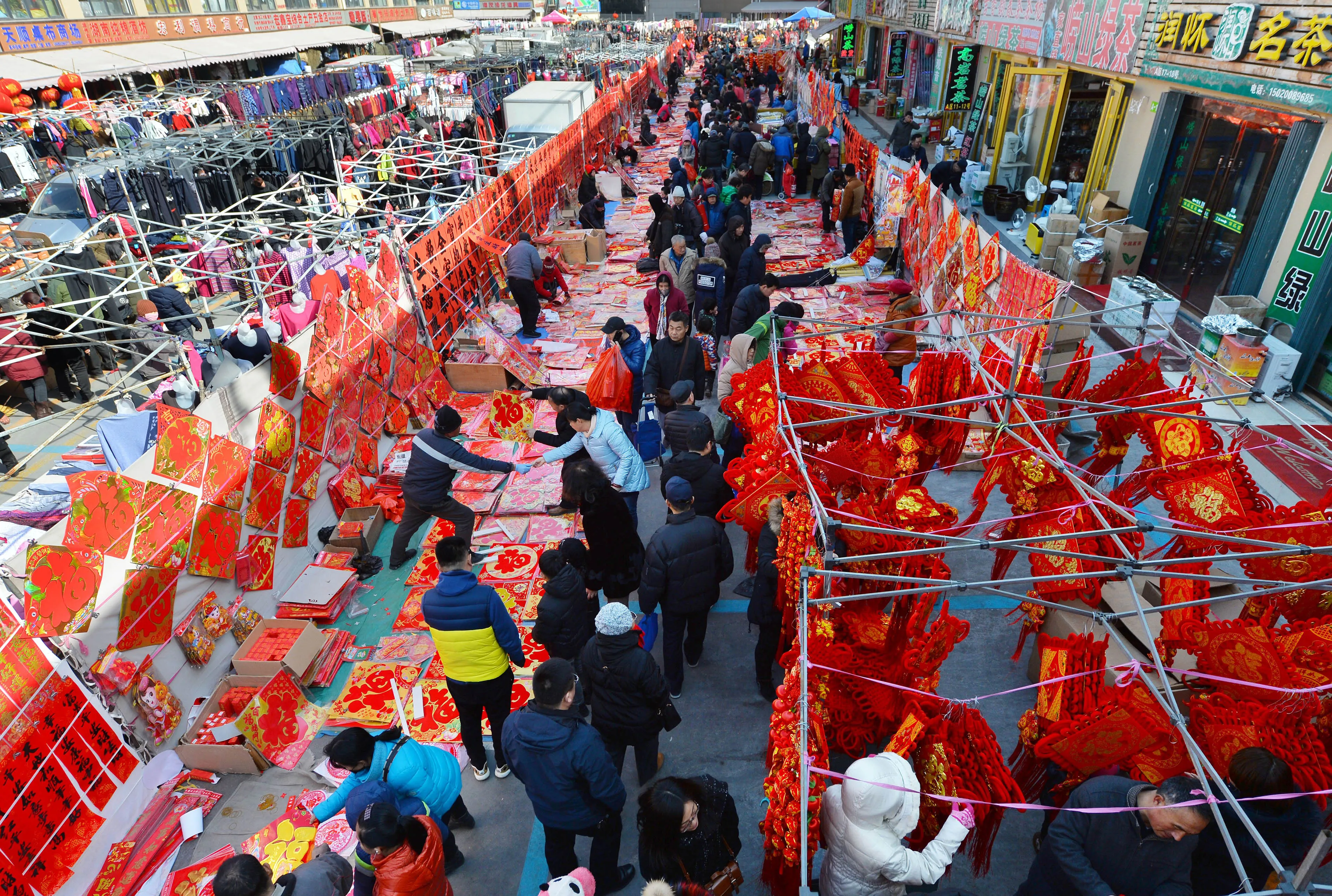
The Spring Festival stands as the longest and most profound holiday in Chinese culture. Its core celebration lasts 16 days, but the seasonal atmosphere builds for about 40 days, beginning with the Laba Festival.
At its heart is the rule of family: the first days are strictly for domestic reunion, with outward socializing traditionally postponed until after the fifth day. Nationally, commerce pauses as shops close. This inward focus is preceded by the vital ritual of "办年货" (bàn niánhuò)—the strategic gathering of New Year goods. This preparatory phase, where households stock up on food, clothing, and gifts, is as integral to the festival as the celebration itself, ensuring families are fully provisioned for uninterrupted togetherness.
8. The World's Largest Annual Human Migration
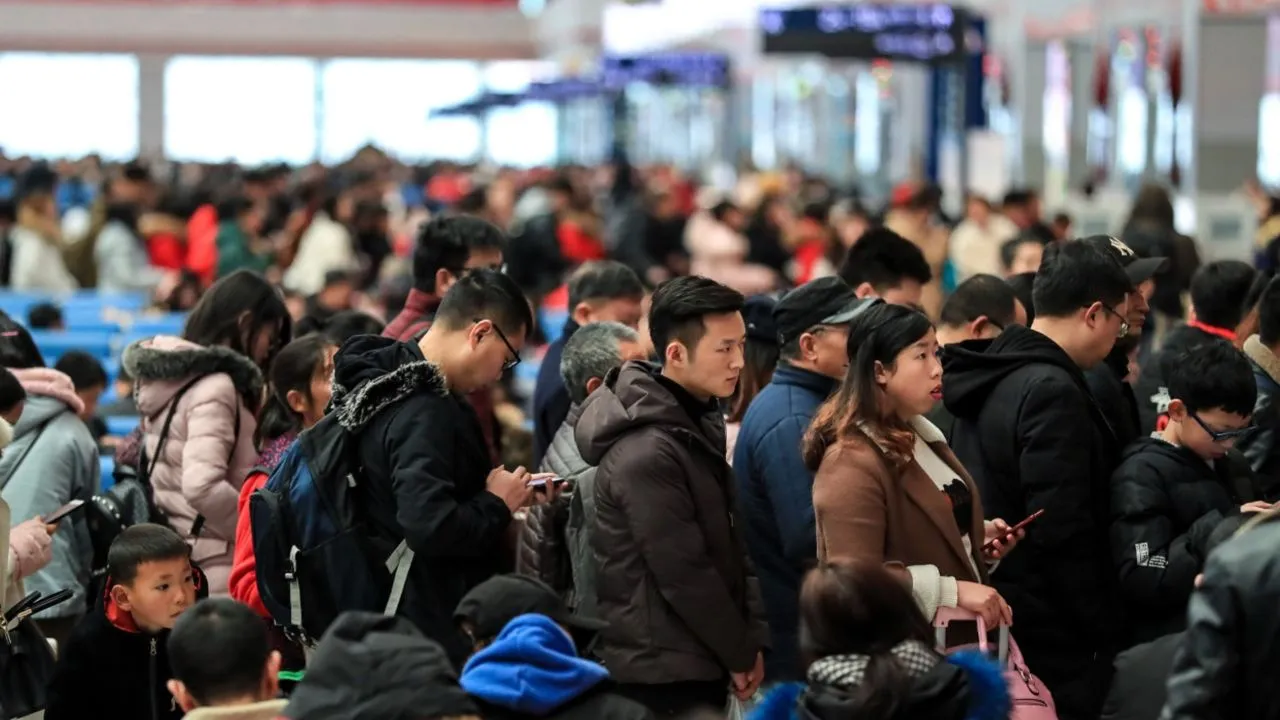
The festival's ultimate importance lies in family reunion, symbolized by the essential New Year's Eve dinner. This tradition collides with a modern reality: the geographical separation of working-age adults in cities and their aging parents in villages. The result is "春运" (chunyun), the massive pre-holiday travel period.
The logistics are daunting. With train tickets available only 60 days ahead of time, a frantic scramble ensues. The demand is astronomical, evidenced by 2015 sales data showing an average of about 1,000 tickets purchased per second during peak periods.
9. Modern Social Pressures During Chinese New Year
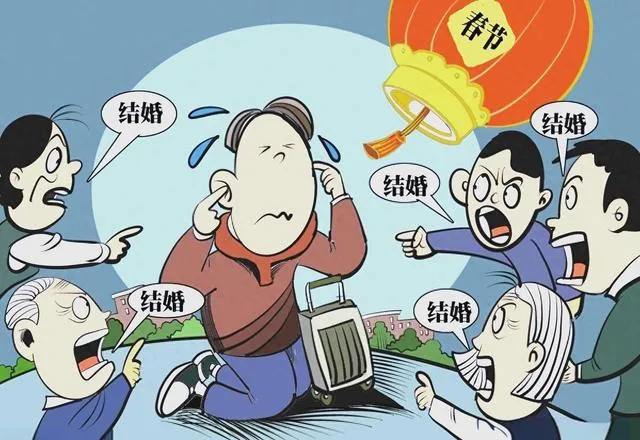
Intense familial pressure to marry and have children has given rise to a commodified response: renting a fake romantic partner for the Spring Festival. This two-sided market allows singles to hire a "date" to bring home, or alternatively, to be hired out as one. The service scope has expanded to include pre-fabricated responses to other common probing questions about one's career, income, and plans for starting a family.
10. New Year Taboos and the Fear of Losing Good Luck
A cluster of traditions governs the first days of the festival, all centered on one principle: do not let good luck slip away. Thus, showering on New Year's Day is avoided, as is sweeping or taking out garbage before the fifth day, lest prosperity be literally washed or swept out the door.
Other taboos focus on averting misfortune:
- Avoid Sharp Objects: Using scissors, knives, or getting a haircut (especially before the 2nd lunar month) is discouraged, as "cutting" symbolizes severing good fortune.
- Mind Your Words and Actions: Arguing, swearing, saying inauspicious words (like "death" or "sickness"), or breaking objects are all seen as omens of conflict or loss for the coming year.
These practices form a fascinating web of symbolic protection. For a deeper dive, explore our complete list of festive taboos.
11. Hongbao: Red Envelopes and the Culture of Giving
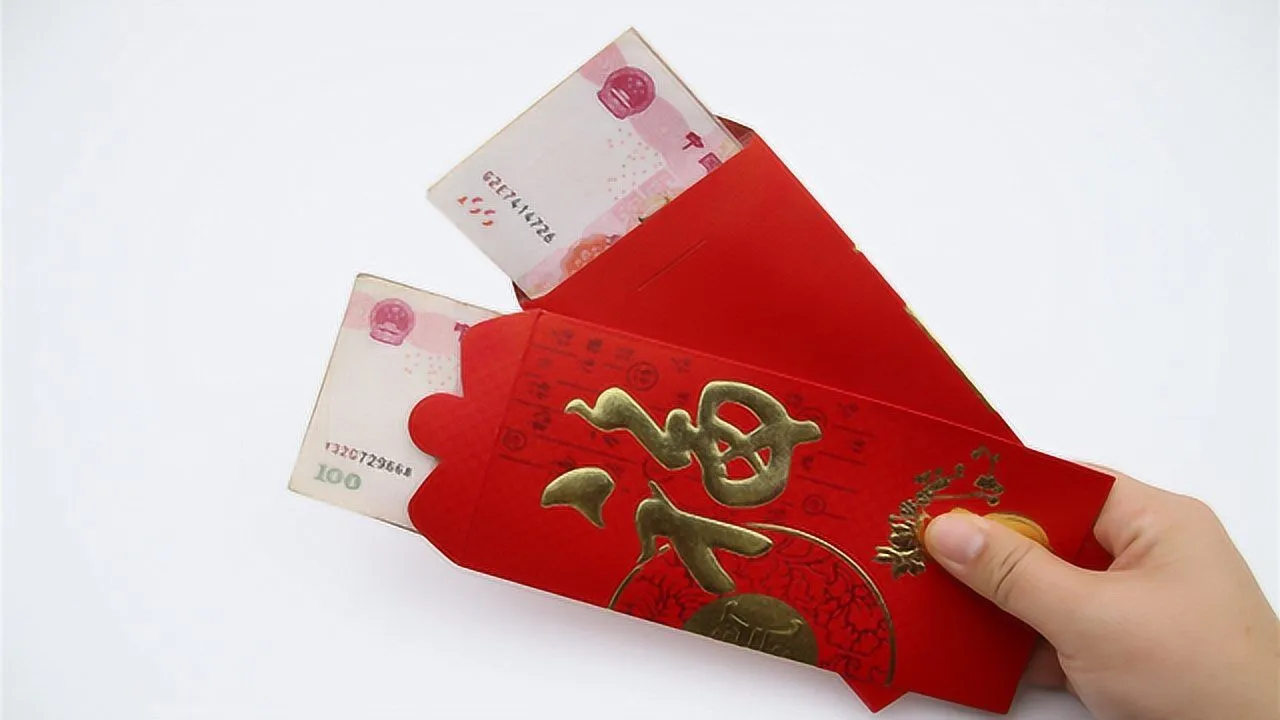
While gift-giving is common during the Spring Festival, a unique tradition for children is receiving "hongbao" (红包)—vibrant red envelopes containing money. More than a simple gift, this practice symbolizes the transfer of blessings and good fortune from elders to the younger generation. These envelopes, also exchanged among adults, foster goodwill in various relationships, from employers and employees to friends.
Today, this ancient custom has embraced the digital age. The rise of virtual red envelopes, often sent into group chats, has sparked the popular and lively activity of "抢红包" (qiǎng hóngbāo), where participants joyfully "snatch" digital luck from their friends and family.
12. A Festival on the Table: Symbolic New Year Foods
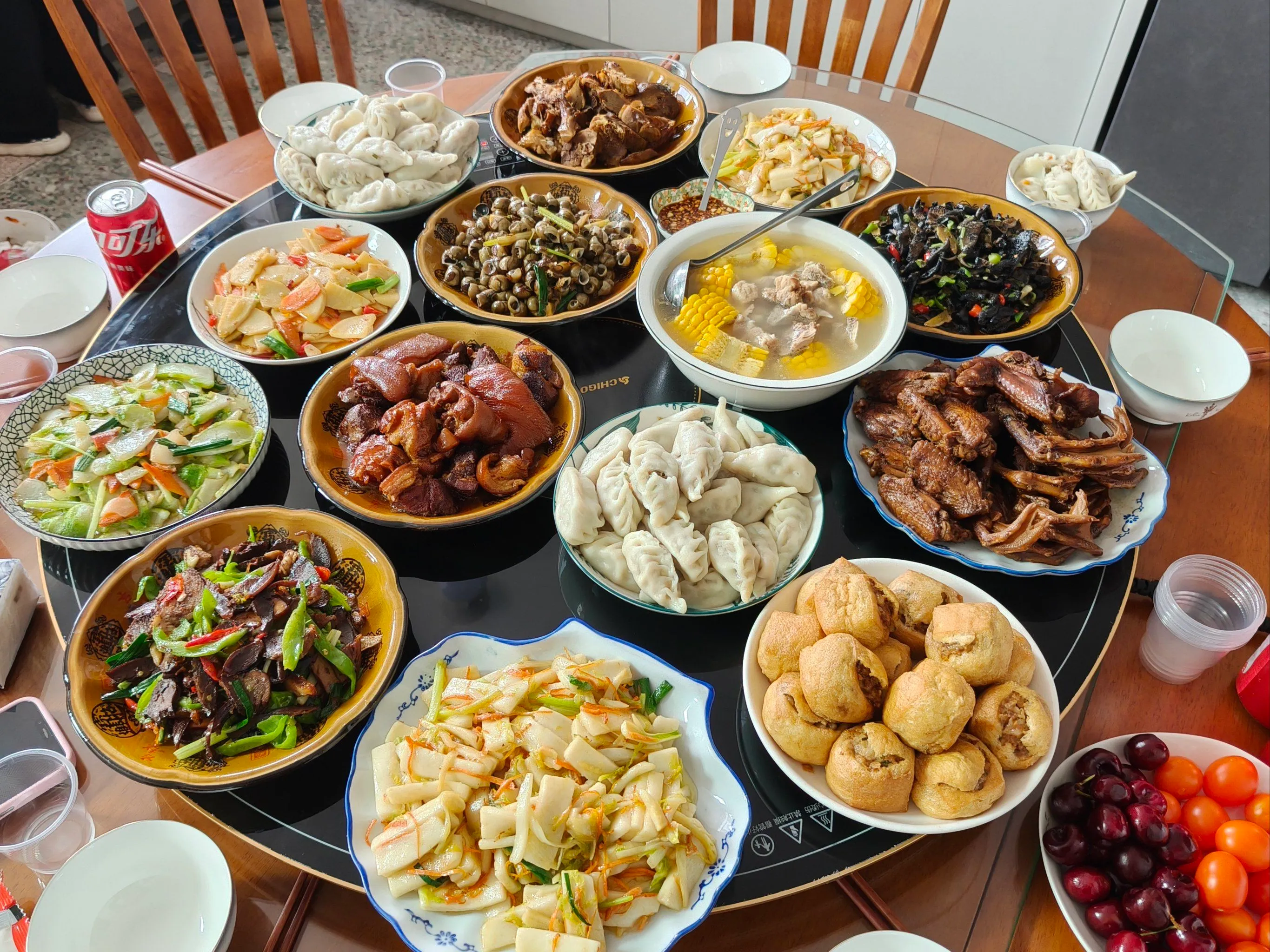
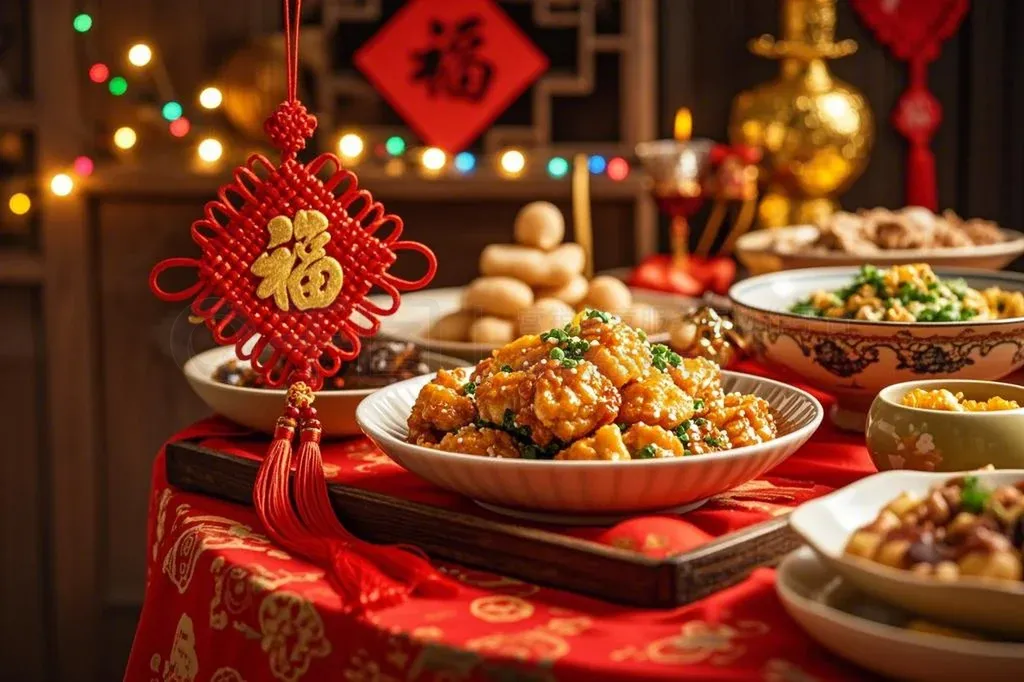
The Spring Festival is a grand tour of China's culinary heritage, where every meal is a chance to taste a different blessing. While dumplings are a beloved staple in the North, symbolizing prosperity, they are just one act in a much larger, nationwide food festival.
Venture south, and the celebratory menu shifts to crispy spring rolls and sweet tangyuan, each carrying their own auspicious meanings. Together, these diverse dishes transform the holiday into a magnificent, days-long banquet—a true feast for both the stomach and the soul.
13. Desserts, Homophones, and Sweet New Year Wishes

The Spring Festival is not just about food; it is about sharing joy and good fortune. Desserts play a central role in this tradition, with each dish carrying its own unique meaning.
- · (汤圆), the glutinous rice balls in soup, are homophones for "reunion" (团圆, tuányuán), making them an essential symbol of togetherness.
- · Gao (年糕), the sticky rice cake, sounds like "year high" (年高), promising prosperity and advancement in the coming year.
- · Gao (发糕), a steamed sponge cake, shares the lucky character "fa" (发) with "to prosper" (发财, fācái). Its vibrant colors and rising shape visually echo the wish for wealth and growth.
14. Wine, Etiquette, and Family Hierarchy
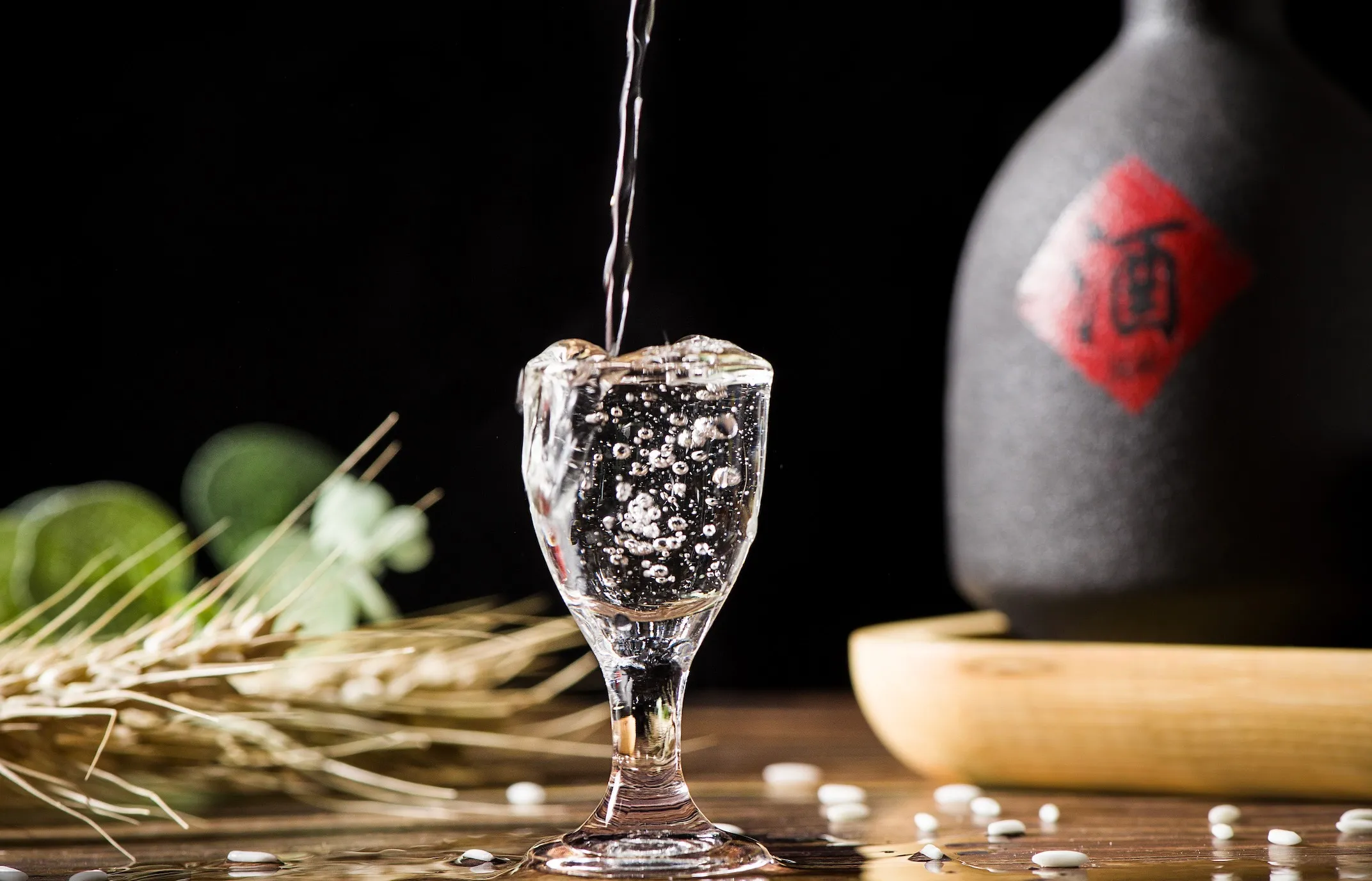
In Chinese culture, wine is far more than a beverage—it is the soul of ritual. A traditional saying holds, "No wine, no etiquette," underscoring its essential role in every ceremony, festival, and significant feast, including engagements, weddings, and especially the Spring Festival. Dedicated festival wines exist for this very purpose.
While a rich culture of drinking games adds to the festivity, the New Year's family dinner demands solemn decorum. When toasting with elders, one must observe strict protocols governing the order of toasts, seating arrangements, and even the manner of holding the glass, transforming each toast into a profound act of respect.
15. Why Red Dominates Chinese New Year Decorations
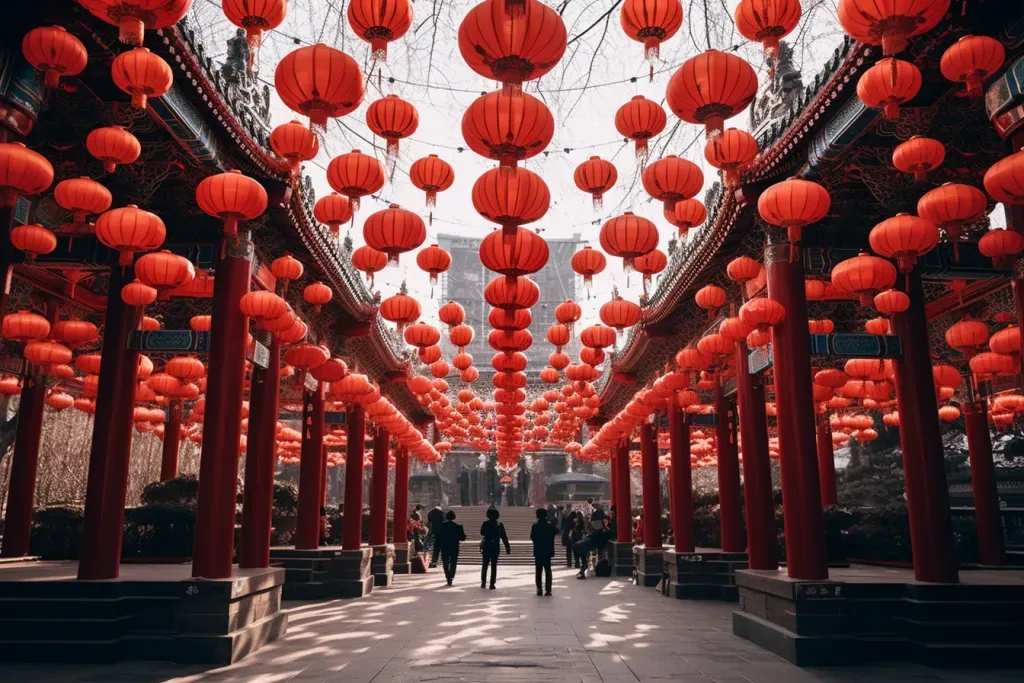
Red is the festival's defining hue, rooted in the legend of Nian, which was repelled not only by noise but also by the color red. This imbues red with the power to ward off evil and attract good fortune. Consequently, homes are adorned with red lanterns, door couplets, window paper-cuttings, and strings of chili peppers.
The tradition of renewal extends to personal attire. Wearing new clothes, especially in red, symbolizes a fresh start and is believed to usher in luck for the coming year, making it an essential part of the festive wardrobe.
16. The Chinese Zodiac and the Meaning of Each Year
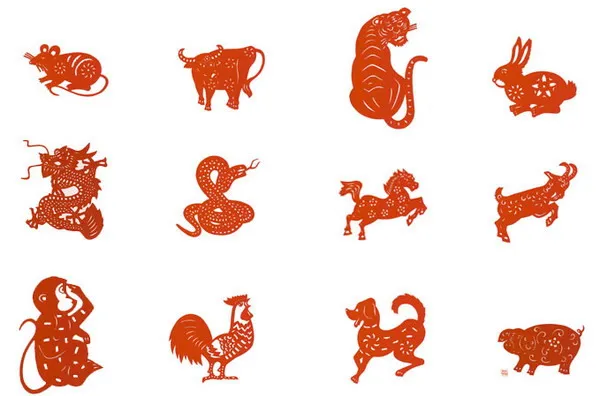
Think of the Chinese zodiac as a grand, year-long personality theme. Instead of changing monthly, each lunar year is governed by a specific animal, with 2026 marking the spirited Year of the Horse. This system creatively reclaims animals: the clever Rat or the profound Snake, often viewed with ambivalence, become symbols of positive attributes for those born in their years. Far beyond casual horoscopes, your Chinese zodiac animal is a cultural touchstone, consulted for guidance on everything from career choices to personal relationships. Discover yours—it's a key to a fascinating layer of cultural identity.
17. Ben Ming Nian: Your Unlucky Zodiac Year Explained
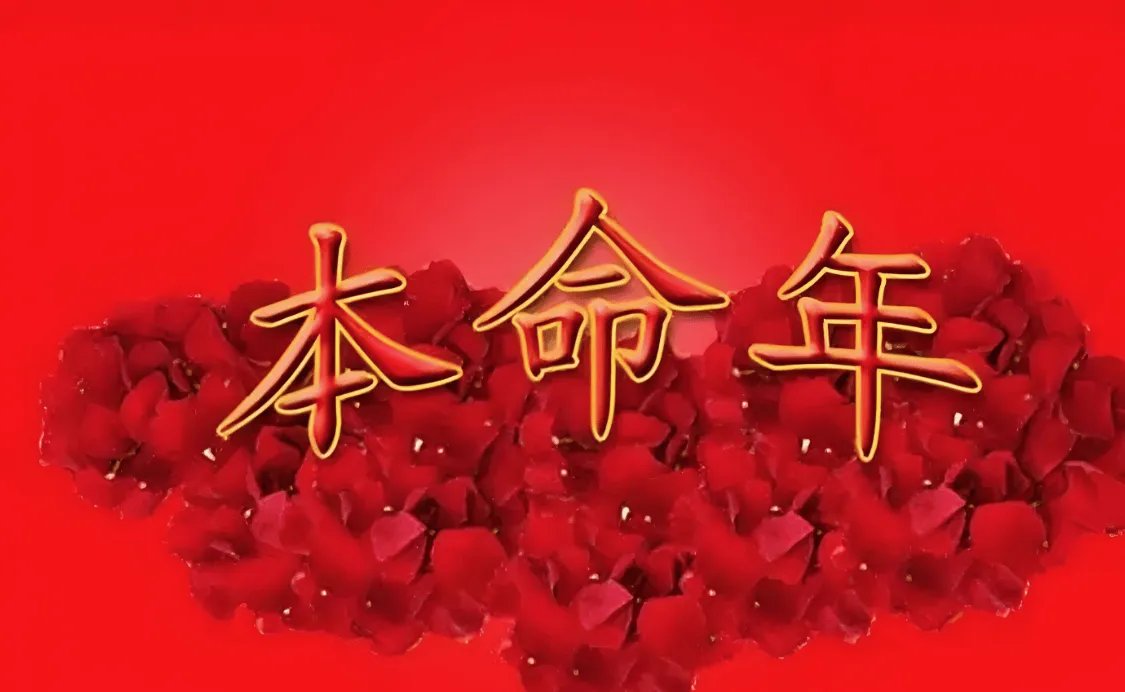
The year that coincides with your birth sign is known as your "本命年" (běn mìng nián), and it is traditionally considered the most precarious in the 12-year cycle. One folk belief holds that, as this year symbolically marks a rebirth, individuals become more vulnerable to negative forces, much like a child.
To counteract this, people turn to the protective power of the color red. Following the same logic as festive decorations, wearing red clothing—especially red undergarments worn daily throughout the year—is believed to shield the wearer. This practice often extends to red outerwear, accessories, and even insoles, creating a personal armor of crimson for the year.
18. How Age Is Counted in Traditional Chinese Culture
In China, age is counted in two ways. Your "real age" follows the international standard, increasing on your solar calendar birthday. Conversely, your "nominal age" grows by one with each Spring Festival, based on the lunar calendar.
While the nominal system was predominant historically, both methods are commonly used or understood interchangeably today. To avoid confusion in informal settings, it's wise to clarify which age is being referenced.
19. Common Chinese New Year Greetings and Their Meanings
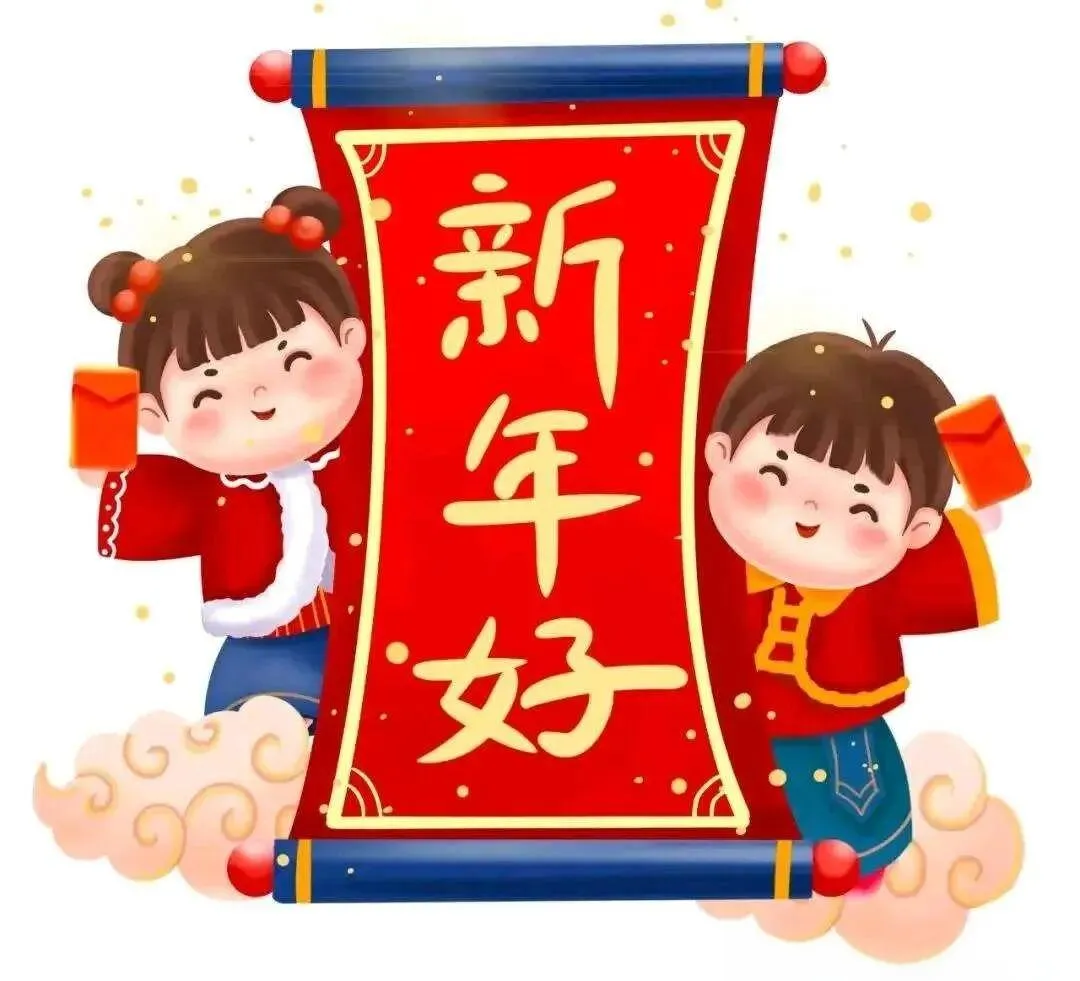
While "新年快乐" directly translates to "Happy New Year," the most iconic greeting is arguably "恭喜发财," meaning "Congratulations, may you prosper."
- · Abundance (plentiful harvests)
- · Prosperity (wealth and fortune)
- · Well-being (health and longevity)
- · Family Legacy (having children and large families)
20. The Lantern Festival: A Radiant Finale

The Spring Festival reaches its luminous conclusion with the Lantern Festival, held on the year's first full moon. While still a family occasion, the night takes on a celebratory and liberating air.
Historically, this was one of the few nights when young women, otherwise confined to their homes, could freely stroll outside under the moonlight to admire the dazzling lantern displays. This tradition of chance encounters and shared wonder has rightfully earned the Lantern Festival its nickname as the traditional Chinese Valentine's Day.
21. Chinese New Year Around the World
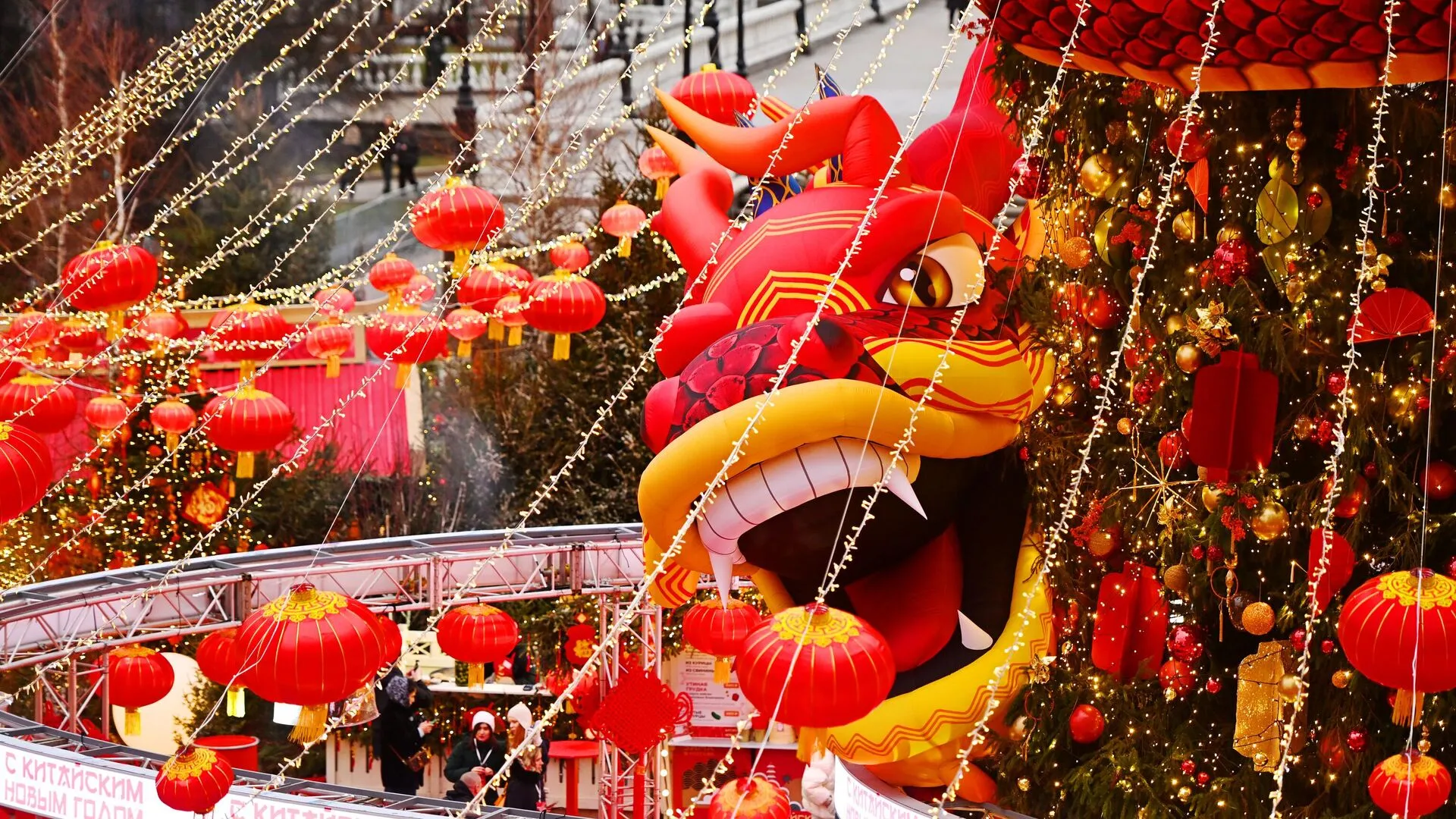
Carried by a vast global diaspora, Chinese New Year has blossomed into a worldwide celebration. Cities like London, San Francisco, and Sydney proudly showcase some of the most spectacular festivities outside Asia.
The good news? You can likely join the excitement close to home. Head to a nearby Chinatown to witness the vibrant street parades, powerful lion dances, intricate lantern installations, and savor the festive flavors—a perfect way to experience this cultural spectacle wherever you are.
Chinese New Year isn’t just a festival you watch.
It’s a system of values you temporarily live inside.
A Homeward Journey, A Hopeful Dawn
Ultimately, beyond the firecrackers, feasts, and zodiac cycles, the heart of Chinese New Year beats to a universal rhythm. It is a celebration of home—wherever that may be—and the unwavering hope for a brighter tomorrow. Each custom, from the meticulous taboos to the explosive joy, tells a story of resilience, family, and the shared human desire for fortune and peace. As the world's largest annual festival, it invites everyone to reflect on their own journeys, cherish their loved ones, and step into the new year with renewed unity and optimism.
FAQ
Q: How long does Chinese New Year actually last?
A: Officially, Chinese New Year celebrations last 16 days, from New Year’s Eve to the Lantern Festival on the 15th day of the lunar calendar. However, culturally, the festive season begins much earlier with preparations like Laba Festival and buying New Year goods, and can stretch to nearly 40 days in total.
Q: Why is Chinese New Year so important compared to other Chinese holidays?
A: Chinese New Year centers on family reunion, ancestor worship, and renewal, making it deeply tied to identity and tradition. Unlike other holidays, it affects travel, work schedules, social etiquette, and even personal behavior, turning it into a nationwide cultural reset.
Q: Is Chinese New Year celebrated the same way across China?
A: No. While core customs are shared nationwide, regional differences are significant. Northern China favors dumplings and firecrackers, southern regions emphasize rice cakes and tangyuan, and many areas incorporate local temple fairs, folk dances, or religious rituals into their celebrations.
Q: Why are there so many taboos during Chinese New Year?
A: New Year taboos are rooted in symbolic thinking. Actions like sweeping, cutting, or arguing are believed to “cut away” or drive out good fortune. These customs reflect an ancient desire to preserve luck, harmony, and abundance at the very start of the year.
Q: What is the Lantern Festival’s role in Chinese New Year?
A: The Lantern Festival marks the official end of the Chinese New Year season. Celebrated on the first full moon of the lunar year, it symbolizes reunion, light, and renewal, and historically served as a rare opportunity for social gatherings, public celebrations, and romantic encounters.
Q: Can foreigners participate in Chinese New Year traditions?
A: Absolutely. Visitors and overseas communities are often encouraged to join festivities such as family dinners, temple fairs, lantern displays, and lion dances. Participating respectfully offers a meaningful way to experience the values of family, renewal, and hope that define the festival.