Peanuts in China: Food, Culture, and Why Chinese People Love Them
2026-01-07计算中... By RPL School chinese-culture
Table of Contents
Peanuts play a surprisingly important role in Chinese daily life. Beyond being a common food, they appear in home cooking, street snacks, festive desserts, and drinking culture across China. Understanding peanuts offers a small but revealing window into Chinese food habits, regional flavors, and cultural values.
The Chinese Love Peanuts
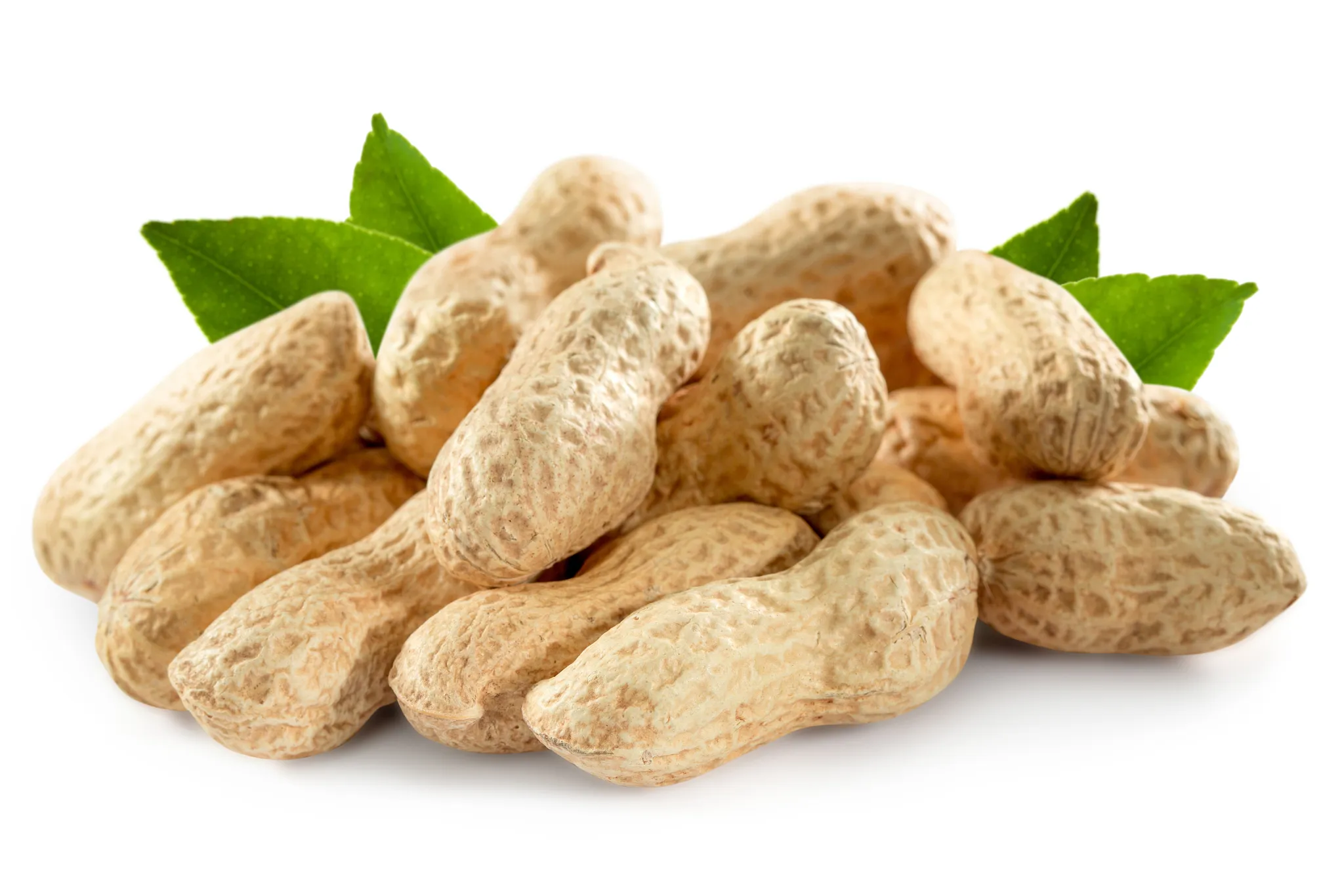
Peanuts are grown across much of China, from Shandong and Henan to Jiangsu and Guangdong. Thriving in diverse soils and climates, they are one of the country’s most common and affordable crops, appearing in markets, roadside stalls, and neighborhood shops—raw, boiled, roasted, or lightly fried.
In daily life, peanuts are rarely the star of a meal. Instead, they quietly appear on the table, in a paper bag, or as a small accompaniment to stir-fries, soups, or snacks. They don’t call attention to themselves, yet their presence is constant, woven seamlessly into everyday routines.
The Many Roles of Peanuts in Chinese Daily Life
Peanuts in Everyday Meals
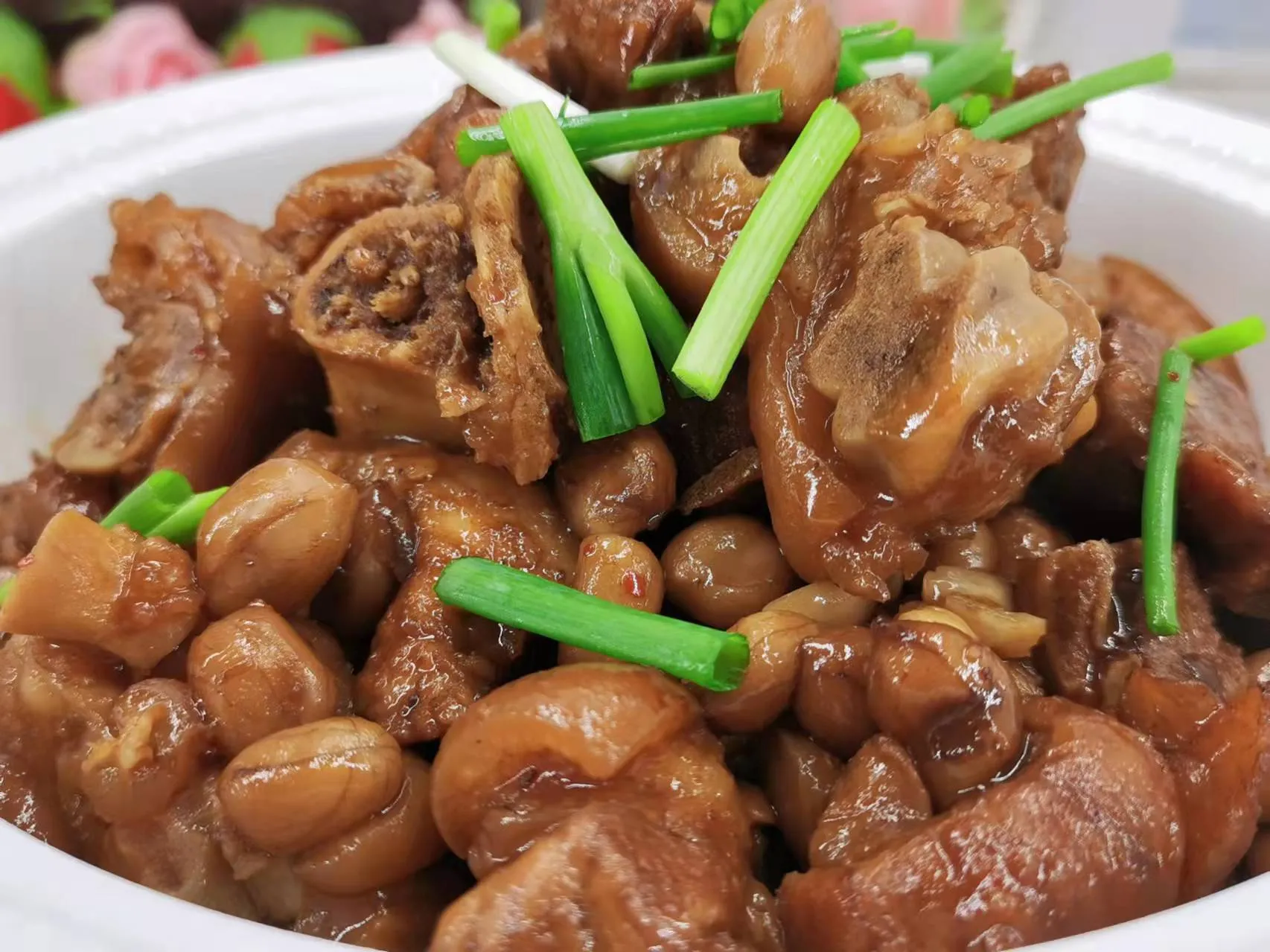
In Chinese homes, peanuts rarely take the spotlight but quietly shape meals. In northern China, peanut paste enriches noodles, porridges, and sauces, adding a gentle nutty depth. At the table, peanuts appear stir-fried with vegetables, braised with meats, or tossed in cold dishes, providing crunch and balancing flavors. Though not a staple, they enhance texture, stretch ingredients, and make meals more satisfying without overwhelming other elements.
Braised pork trotters with peanuts - a classic example of peanuts braised with meat
Peanuts as Snacks in China
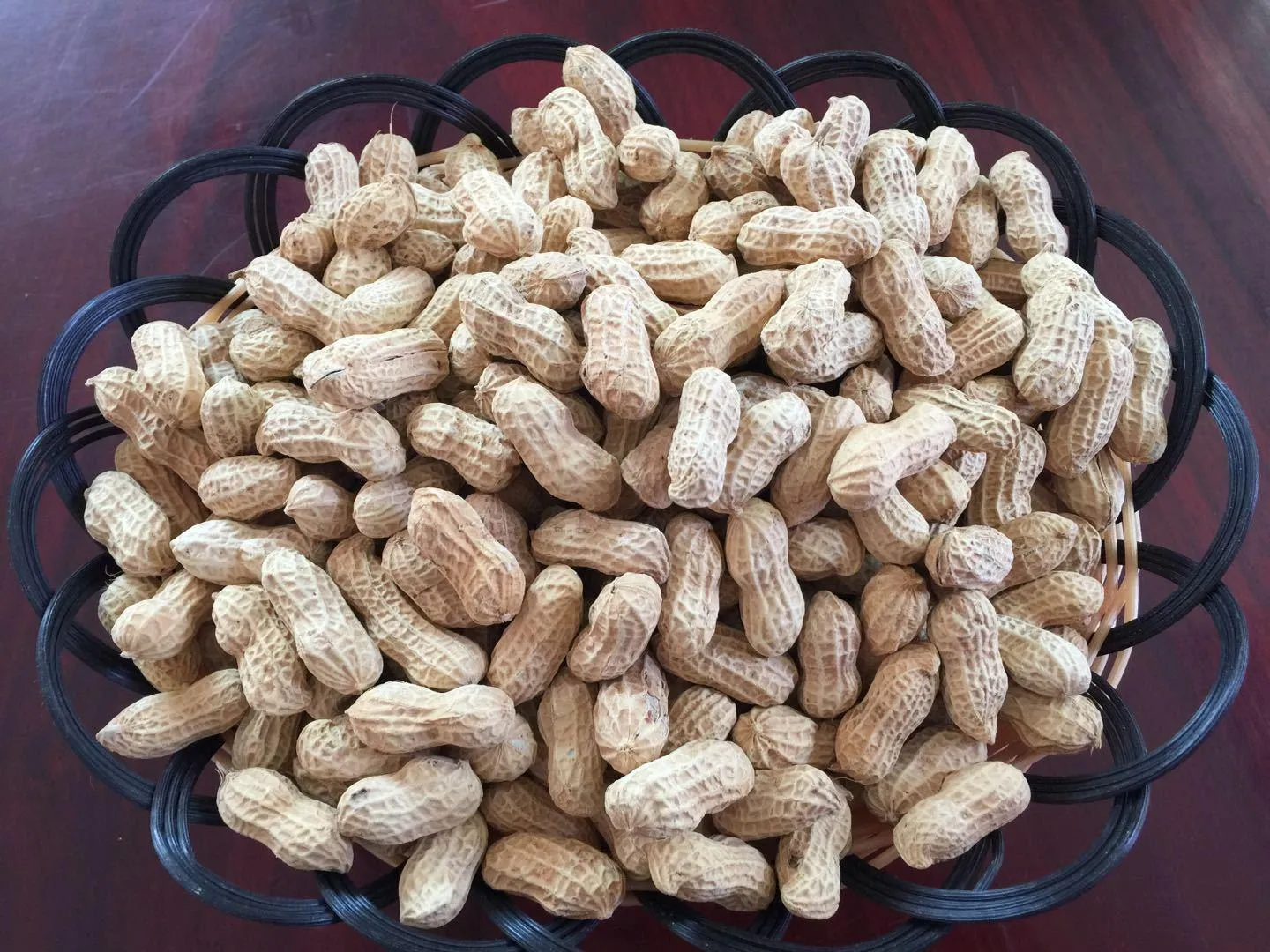
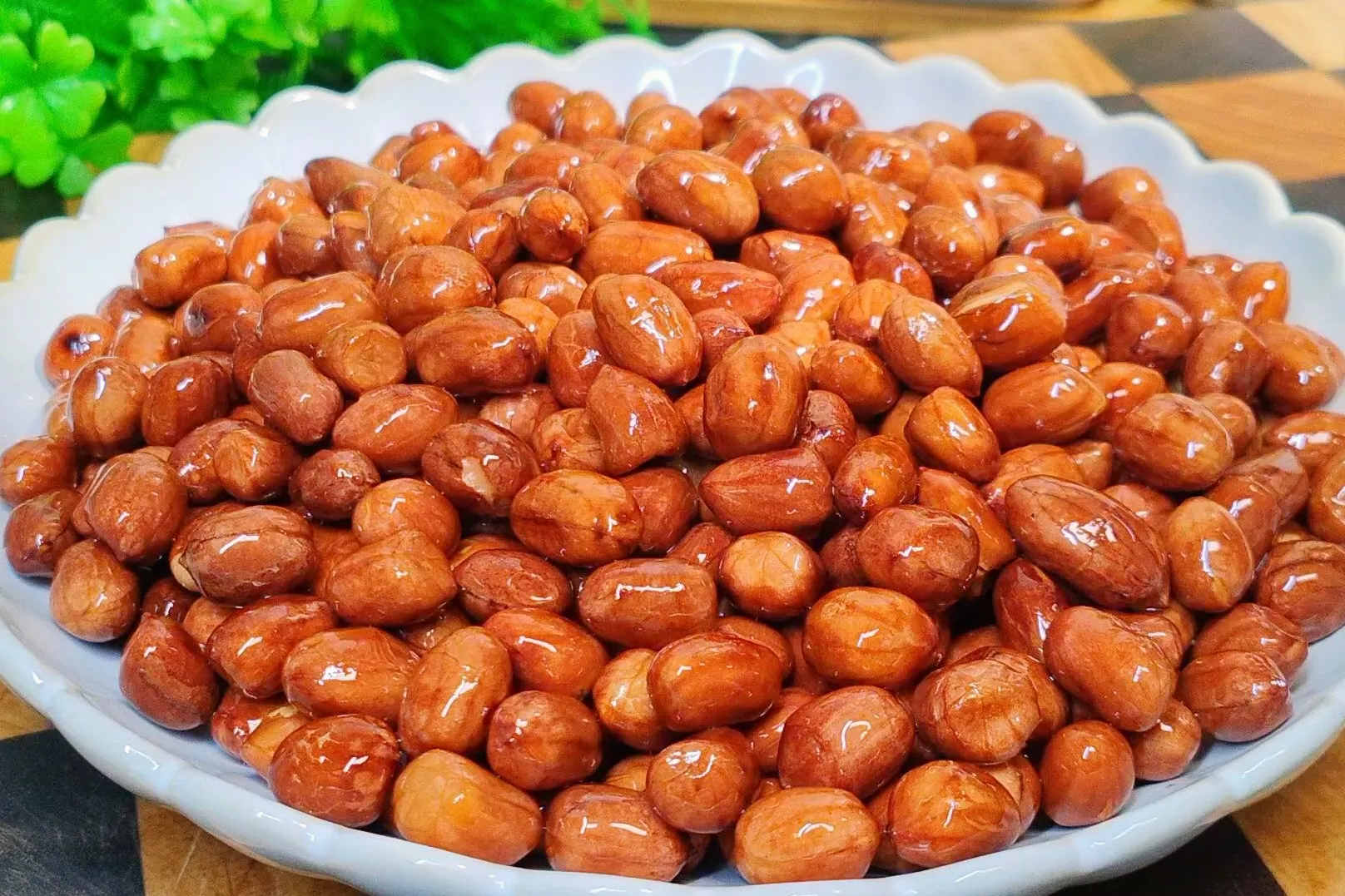
Across China, peanuts are a versatile everyday snack, enjoyed in many forms and settings. In southern regions, boiled peanuts—lightly salted and served warm—are often shared among family and friends, creating casual moments of connection. Roasted or fried peanuts appear in small bowls at restaurants, street stalls, and neighborhood shops, sometimes spiced with chili, Sichuan pepper, or five-spice powder.
Traditional Chinese peanut snacks - a beloved everyday treat
Peanuts as snacks do more than satisfy hunger—they mark pauses in daily life. A handful between tea breaks, a small bowl on a table during a card game, or a paper bag from a street vendor creates opportunities to slow down, chat, and linger. They foster social bonds quietly, turning ordinary moments into shared experiences, and are often present in both everyday routines and festive gatherings.
Peanuts in Sweets and Desserts
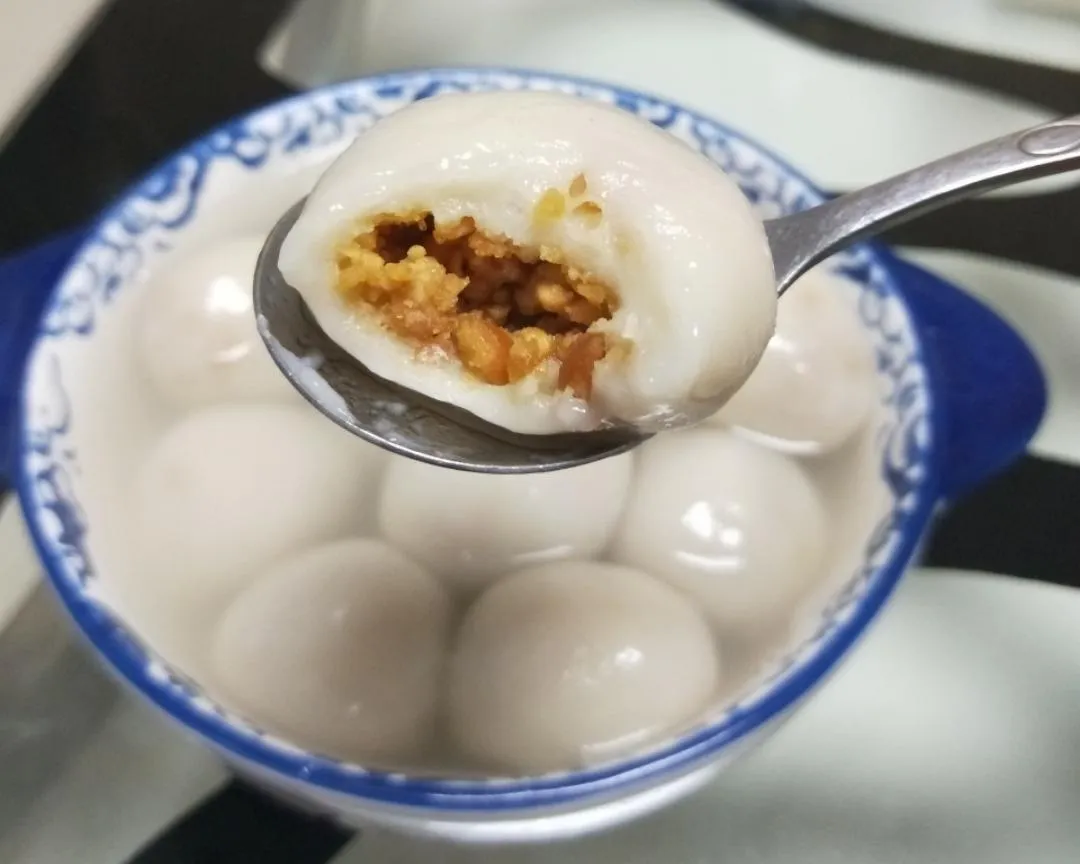
Peanut Fillings in Traditional Pastries Traditional tangyuan with peanut filling - a beloved Chinese dessert with cultural significance
Crushed or ground peanuts often become fillings for classic treats such as glutinous rice balls (汤圆 tangyuan), pancakes (花生煎饼 huāshēng jiānbing), and steamed buns (花生包子 huāshēng bāozi). These sweet, nutty centers balance textures and flavors, adding warmth and richness to everyday desserts.
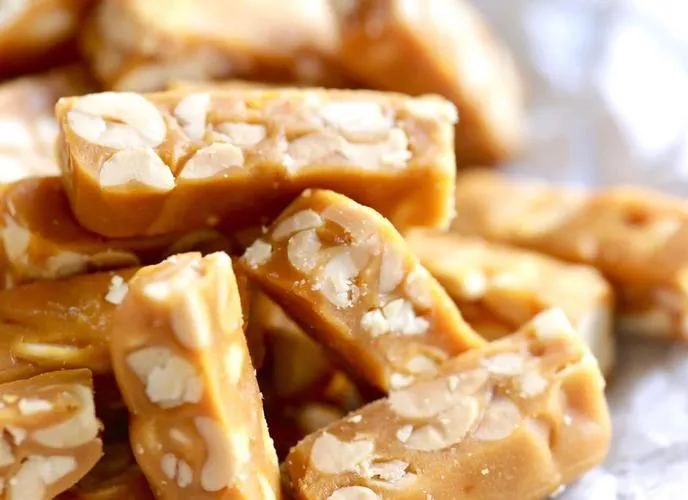
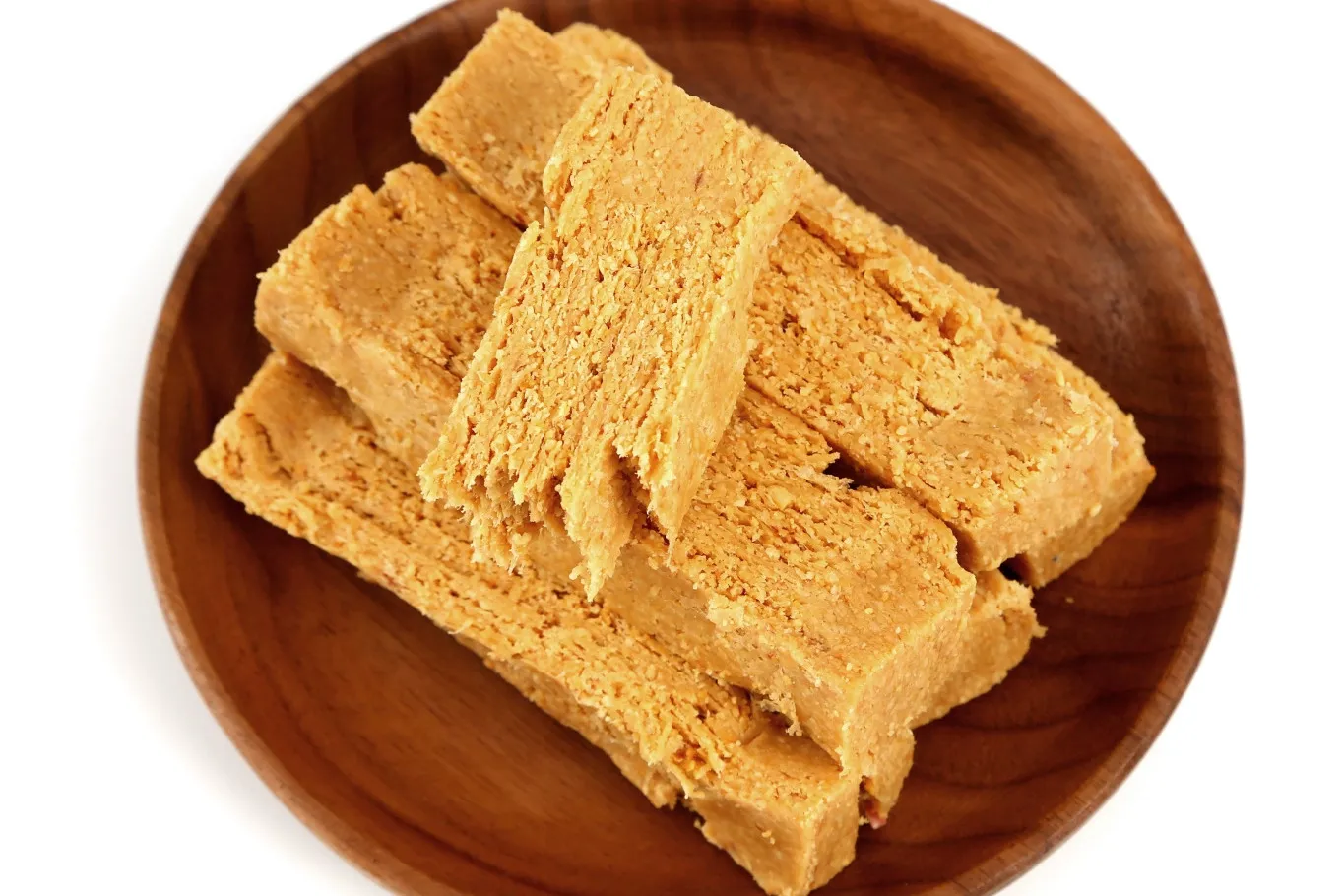
Peanut Candy and Brittle Traditional peanut brittle - a beloved dessert treat during Lunar New Year
Peanut brittle (花生糖 huāshēng táng), sesame peanut candy (芝麻花生糖 zhīma huāshēng táng), and peanut cookies (花生饼 huāshēng bǐng) are popular festival treats, especially during Lunar New Year, weddings, and family celebrations. These snacks symbolize prosperity, happiness, and shared fortune, making them a festive staple across households.
Peanut-based Desserts as Nostalgia and Memory
Beyond flavor, peanut desserts evoke childhood snacks, home kitchens, and the joyful bustle of family gatherings. They link ordinary life with special occasions, grounding culinary tradition in family, community, and shared memory. In this sense, peanuts are not just an ingredient—they are a cultural connector that carries both taste and meaning.
Traditional peanut crisp and brittle candies - festive treats that evoke childhood memories
Peanuts, Regional Flavors, and Drinking Culture in China
Spicy and Bold: Southern and Southwestern Peanuts
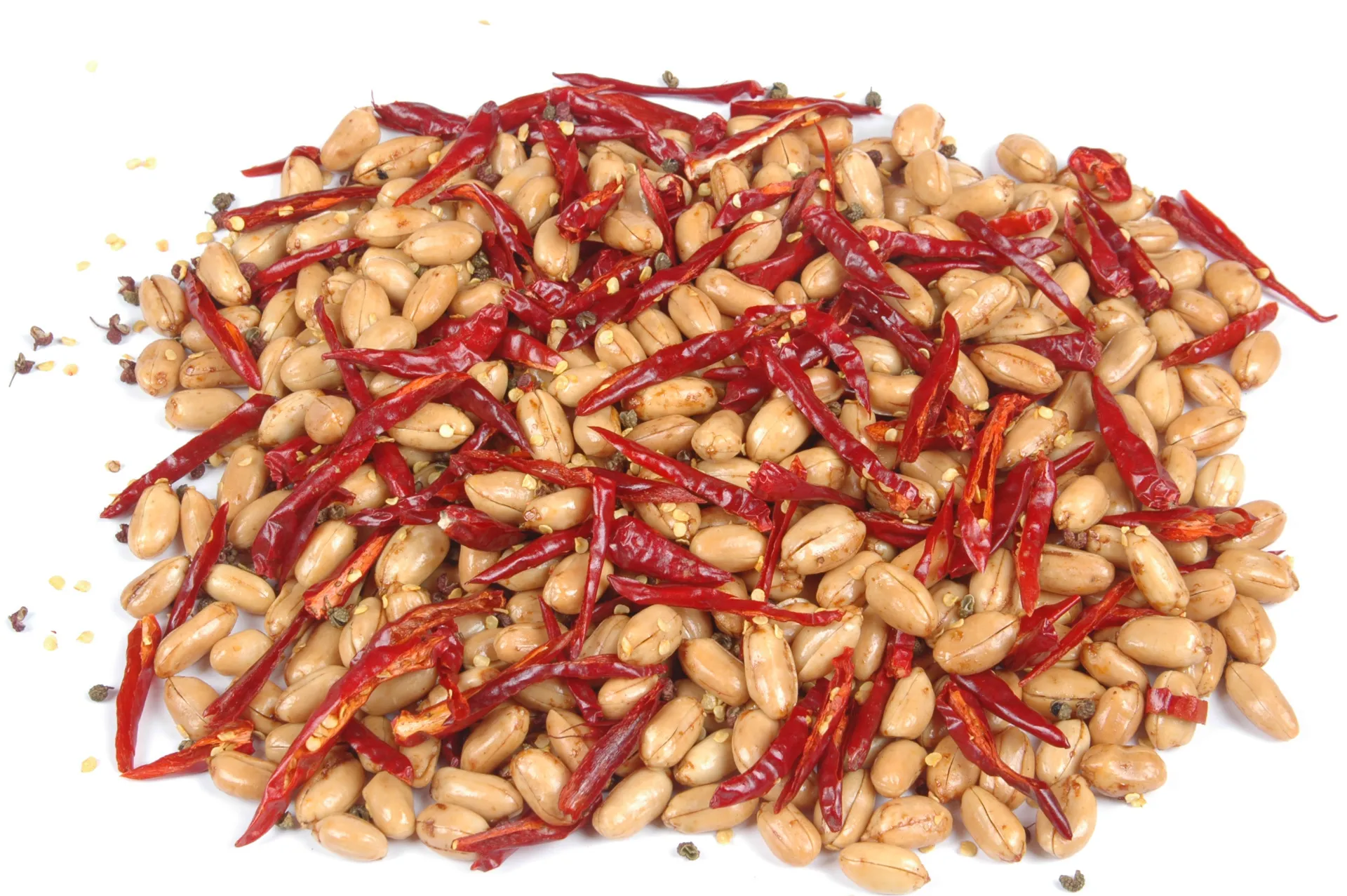
In southern and southwestern China, especially Sichuan, Guizhou, and Hunan, peanuts are often stir-fried with dried chilies, Sichuan peppercorns, garlic, or fermented seasonings, creating a small but powerful punch of flavor. These 麻辣花生 (málà huāshēng) rarely appear alone—they are mixed into cold dishes, noodle toppings, or spicy sauces, where their crunch balances intense flavors. Travelers often first encounter them at street stalls or local noodle shops, where a handful of chili-coated peanuts can completely change the character of a dish.
Spicy麻辣花生 - A fiery, numbing snack that embodies the bold flavors of southwestern China
Mild and Comforting: Northern and Eastern Peanuts
In northern and eastern regions, including Shandong, Hebei, and Jiangsu, peanuts are more subdued. They are boiled, lightly roasted, or gently braised, often appearing in home-cooked dishes, soups, or as a simple side. The emphasis is on natural sweetness and texture rather than bold seasoning. Dishes like 家常花生 (jiācháng huāshēng) or lightly braised peanuts embody this comforting, familiar style, highlighting nourishment and everyday enjoyment. This contrast mirrors broader culinary habits: bold, fiery flavors in the south, gentle and balanced tastes in the north.
Peanuts and Alcohol in China: A Social Connector
Perhaps the most telling role of peanuts in China is at the table with alcohol. Served roasted, fried, or lightly salted, they are placed in the center to be shared—never counted or rushed. In bars, night markets, or home gatherings, peanuts act as a social lubricant: slowing down drinking, giving hands something to do, and creating a rhythm for conversation. A bowl of peanuts between friends, alongside a glass of 白酒 (báijiǔ) or beer, signals a relaxed evening and encourages lingering. For many travelers, this is where peanuts feel most "Chinese": not just as food, but as a cultural moment—aromatic, tactile, and communal, where language fades and the experience is shared through taste and ritual.
A bowl of peanuts with 白酒 - the perfect companion for conversation and relaxation
The Meaning and Symbolism of Peanuts in Chinese Culture
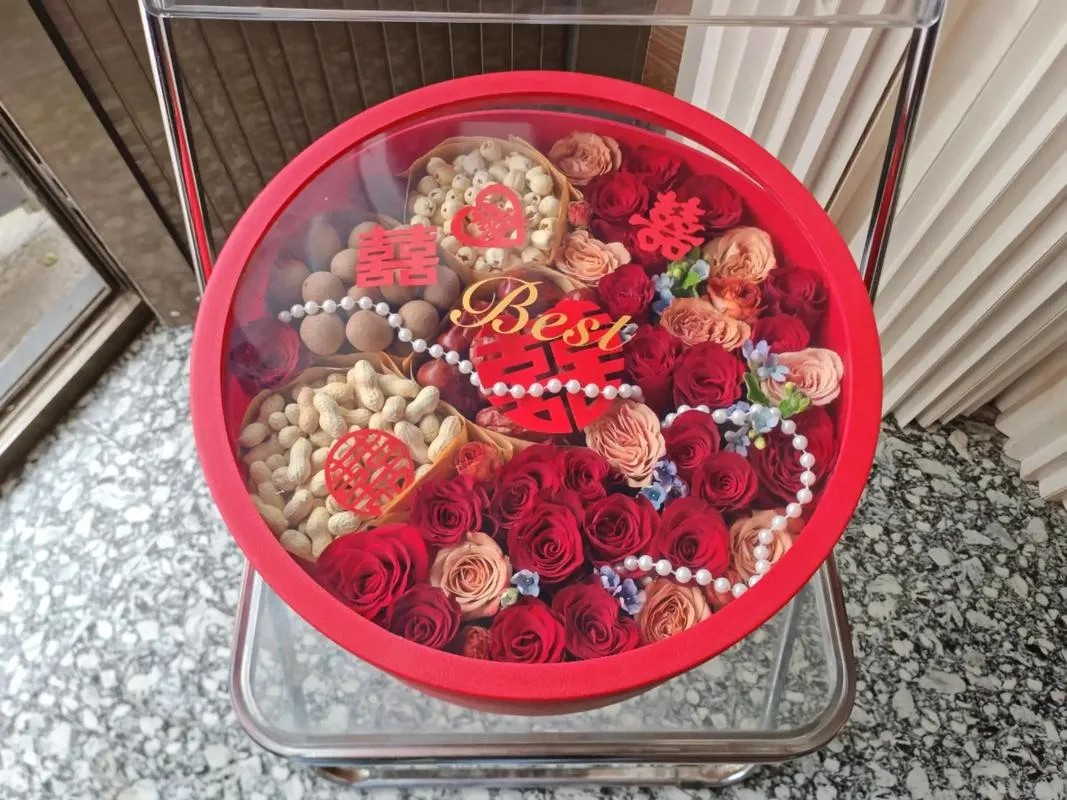
Peanuts at Chinese weddings - symbols of fertility, prosperity, and family continuity
In Chinese culture, peanuts carry meanings that go far beyond nutrition. They are symbols of longevity, fertility, continuity, and everyday well-being. Often called 长生果 (chángshēng guǒ)—“the fruit of long life”—peanuts reflect the belief that they support health and vitality. Growing underground and producing multiple kernels per shell, they are seen as resilient and quietly life-giving rather than flashy or indulgent.
Peanuts are closely linked to family and prosperity. A single shell holding several kernels symbolizes fertility and the continuation of the family line. For this reason, peanuts appear frequently at weddings, Lunar New Year celebrations, and family banquets, often alongside other symbolic foods like dates (红枣 hóngzǎo) and lotus seeds (莲子 liánzi).
Beyond formal rituals, peanuts are a symbol of ordinary happiness. Affordable, filling, and widely available, they are a food of the people rather than the elite. A small bowl of peanuts on the table suggests stability, hospitality, and a life that may not be extravagant but is complete.
Peanuts also carry a social dimension. They are rarely eaten alone in formal settings, instead placed in shared dishes to be cracked, eaten slowly, and passed around while people talk, drink, or linger together. In this way, peanuts embody patience, togetherness, and the gentle rhythms of everyday life.
For many Chinese, peanuts do not announce celebration loudly. Instead, they quietly anchor moments, whether at a family breakfast, a night market snack stall, or a gathering of friends. Sometimes, good fortune is not grand—it is as small, steady, and comforting as a handful of peanuts shared across the table.
Why Chinese People Love Peanuts
Chinese people love peanuts not because they are rare, expensive, or fancy, but because they quietly fit into everyday life. They appear everywhere—home kitchens, street stalls, banquet tables, or night markets—and can be boiled, fried, ground into sauces, mixed into sweets, or simply eaten plain. Their presence is constant, familiar, and dependable, making them a comforting companion in daily routines.
Peanuts also embody a sense of balance. They are filling but not heavy, flavorful but not overpowering. In meals, they soften spice, add texture, and bring calm to strong flavors. In life, they represent moderation: enough, but never too much.
There is a social and almost ritualistic dimension to eating peanuts. A bowl shared among friends or family, shells cracked and kernels eaten slowly, encourages conversation, leisure, and connection. Whether paired with tea, alcohol, or a simple meal, peanuts guide the pace of the gathering, quietly bringing people together.
Most importantly, peanuts feel honest. Affordable, widely grown, and familiar to nearly everyone, they symbolize a steady, rooted, and sustainable life rather than flashy indulgence. In Chinese culture, liking peanuts often means appreciating things that stay, accompany life quietly, and do not need to prove their value. In that sense, peanuts are not just loved—they are trusted.
FAQ
Q: Why are peanuts so common in Chinese daily life?
A: Peanuts are widely grown across China, affordable, and versatile. They appear in markets, street stalls, home kitchens, and restaurants—raw, boiled, roasted, or fried. Their ability to complement other foods, add texture, and fit into various cooking styles makes them a constant presence in everyday meals.
Q: How are peanuts typically used in Chinese meals?
A: Peanuts are used in multiple ways: stir-fried with vegetables, braised with meats, ground into sauces, or added to soups. They enhance texture and flavor without overpowering other ingredients. In northern China, peanut paste is used in noodles and porridges, while southern regions favor stir-fried or lightly spiced peanuts.
Q: What role do peanuts play as snacks in China?
A: Peanuts are a versatile snack, enjoyed boiled, roasted, or spiced. They often accompany tea, card games, street-side snacks, or social gatherings. Beyond satisfying hunger, they create opportunities for social interaction, allowing people to linger, chat, and bond.
Q: How are peanuts used in Chinese sweets and desserts?
A: Peanuts are commonly used as fillings in pastries, glutinous rice balls, pancakes, steamed buns, and candies such as peanut brittle and sesame peanut candy. They add nutty flavor, texture, and richness, and are especially popular during festivals, Lunar New Year, weddings, and family celebrations.
Q: Are there regional differences in how peanuts are prepared in China?
A: Yes. In southern and southwestern China (e.g., Sichuan, Guizhou, Hunan), peanuts are often stir-fried with chilies, Sichuan pepper, or fermented seasonings for bold, spicy flavors. In northern and eastern China (e.g., Shandong, Hebei, Jiangsu), peanuts are boiled, roasted, or lightly braised, emphasizing natural sweetness and a comforting, mild taste.
Q: What is the connection between peanuts and drinking culture in China?
A: Peanuts are often served with alcohol as a social snack, encouraging slow eating, conversation, and lingering at the table. A shared bowl of peanuts during drinks fosters connection, making them both a food and a cultural ritual that enhances social interaction.
Q: What symbolic meanings do peanuts hold in Chinese culture?
A: Peanuts symbolize longevity, fertility, continuity, prosperity, and everyday well-being. Often called 长生果 (chángshēng guǒ, “fruit of long life”), they are associated with family, stability, and social harmony. Peanuts appear at weddings, Lunar New Year, and family gatherings, reflecting both tradition and daily life values.
Q: Why do Chinese people love peanuts despite their simplicity?
A: Peanuts are loved because they are familiar, dependable, and versatile. They quietly fit into everyday routines, balance flavors in meals, and encourage social interaction. Affordable and widely grown, they symbolize moderation, stability, and a steady, rooted lifestyle, making them culturally trusted rather than flashy or indulgent.
Q: How do peanuts contribute to social bonding in China?
A: Peanuts are rarely eaten alone in formal settings; they are shared among friends or family. Cracking shells, eating slowly, and passing bowls around encourages conversation and leisure. This communal aspect makes peanuts a symbol of patience, togetherness, and the gentle rhythms of everyday life.
Q: Are peanuts used differently in northern versus southern Chinese cuisines?
A: In the north, peanuts are prepared more subtly—boiled, lightly roasted, or gently braised—highlighting natural sweetness and comfort. In the south, they are often stir-fried with bold spices, chili, and fermented seasonings, complementing the region’s spicy and robust flavors. This regional contrast mirrors broader culinary styles in China.