
Minor Snow – One of the 24 Solar Terms
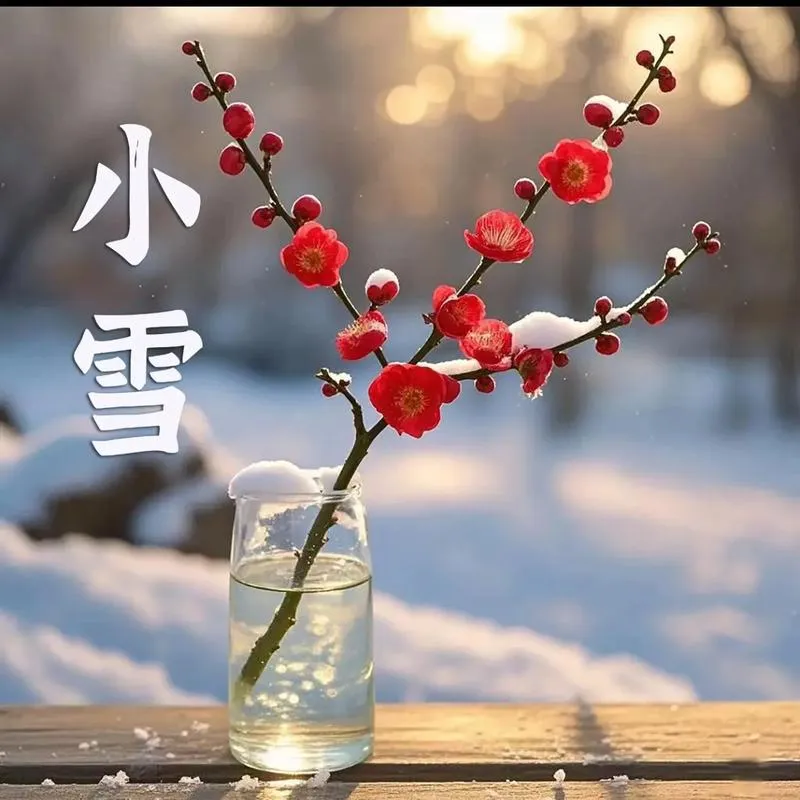
Minor Snow, known as Xiaoxue (小雪) in Chinese, is the 20th solar term in the traditional Chinese lunar calendar. It usually begins around November 22 and signals the arrival of colder weather and the first light snowfall in northern China. Understanding Xiaoxue is essential for appreciating traditional Chinese culture, seasonal customs, and the agricultural calendar.
What is Xiaoxue (Minor Snow)?
Xiaoxue (小雪) literally means “minor snow” or “light snow.” It is part of the 24 solar terms (二十四节气), an ancient system used to guide agricultural activities and daily life. During this period, temperatures drop significantly, but snowfall is usually light compared to the heavier snowfalls of Major Snow (Daxue, 大雪).
Seasonal Significance
● Marks the transition from late autumn to early winter.
● Temperatures start to fall sharply, especially in northern China.
● Farmers prepare for winter crops and livestock protection.
Cultural Context
Xiaoxue is not only about weather—it reflects Chinese observation of nature and seasonal change. Traditional poetry and folklore often mention Xiaoxue, emphasizing the beauty of the first snow and the quiet of early winter landscapes.
Weather Patterns During Xiaoxue
Temperature Drop● Northern China sees temperatures approaching freezing.
● Southern regions experience milder cooling, often with rainy or foggy weather.
First Snowfall● The term “minor snow” refers to the expectation of light snow, not heavy accumulation.
● Snowfall during Xiaoxue is usually intermittent and gentle, creating scenic early winter views.
Agricultural Preparations● Farmers finish harvesting autumn crops like corn and soybeans.
● Fields are prepared for winter wheat and soil protection.
● Livestock are brought to sheltered areas to cope with colder temperatures.
Traditional Customs and Foods
Seasonal Foods● Glutinous Rice Cakes (年糕, niángāo): Symbolizing prosperity and warmth.
● Hot Pot (火锅, huǒguō): A winter favorite in northern China to keep warm.
● Lamb or Mutton Dishes: Traditionally consumed in northern regions to build warmth in the body.
Customs and Rituals● People observe health practices aligned with traditional Chinese medicine, focusing on warming the body.
● Offerings may be made to ancestors in some areas as part of early winter rituals.
● Children sometimes play in the first snow, celebrating the seasonal change.
Xiaoxue in Literature and Culture
Famous Poetic References● Many Tang and Song dynasty poems describe the subtle beauty of the first snow and the calm of the Xiaoxue period.
● The term evokes a sense of transition and preparation for the harshness of winter.
Cultural Symbolism● Snow represents luck, renewal, and purity in Chinese culture.
● Xiaoxue serves as a reminder to cherish seasonal changes and respect nature’s rhythms.
Modern Relevance of Xiaoxue
● Meteorologists and farmers continue to monitor seasonal changes for crop planning.
● Schools and media often teach about Xiaoxue to preserve cultural awareness.
● Festivals and events sometimes coincide with the solar term, celebrating early winter customs.
Conclusion: Embrace the Beauty of Xiaoxue
Xiaoxue (Minor Snow) is more than a weather marker; it is a bridge between autumn and winter, connecting modern life with traditional Chinese culture. From observing gentle snowfall to enjoying seasonal foods and preparing for colder months, Xiaoxue reminds us to appreciate nature’s cycles and the richness of heritage.
Experience Xiaoxue by observing the first snow, savoring warm seasonal foods, and learning more about China’s 24 solar terms. Let this Minor Snow season inspire both reflection and celebration.