
Mastering Sticky Rice: Everything You Need to Know
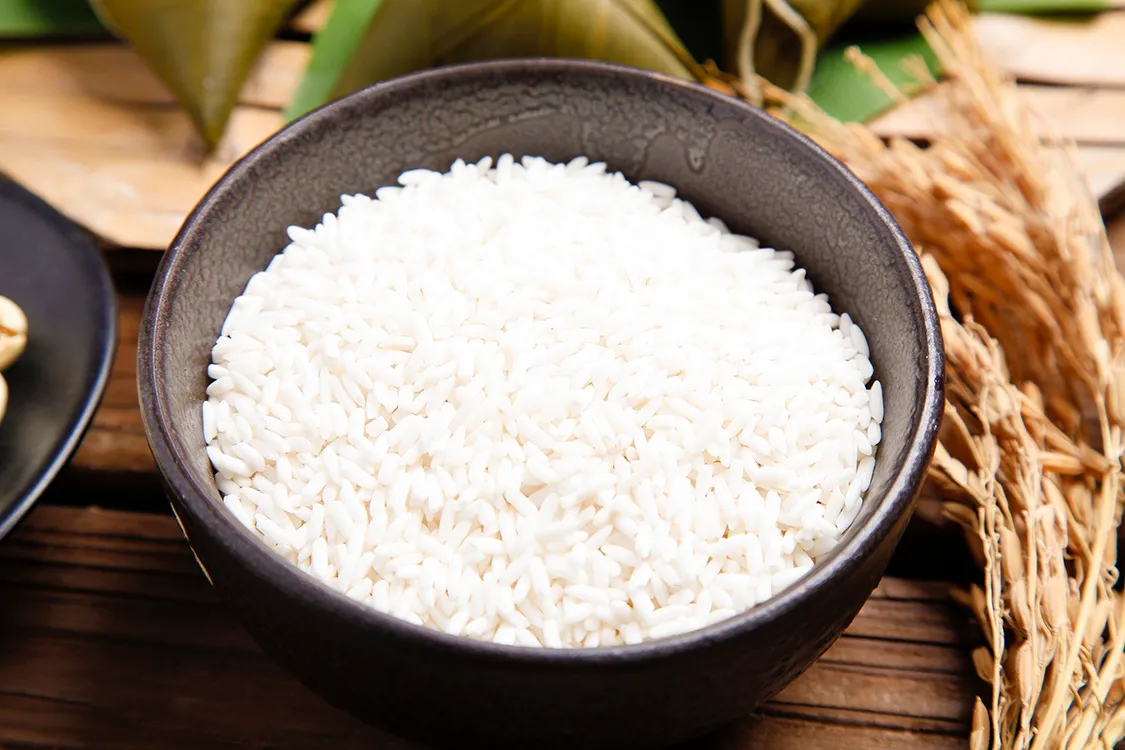
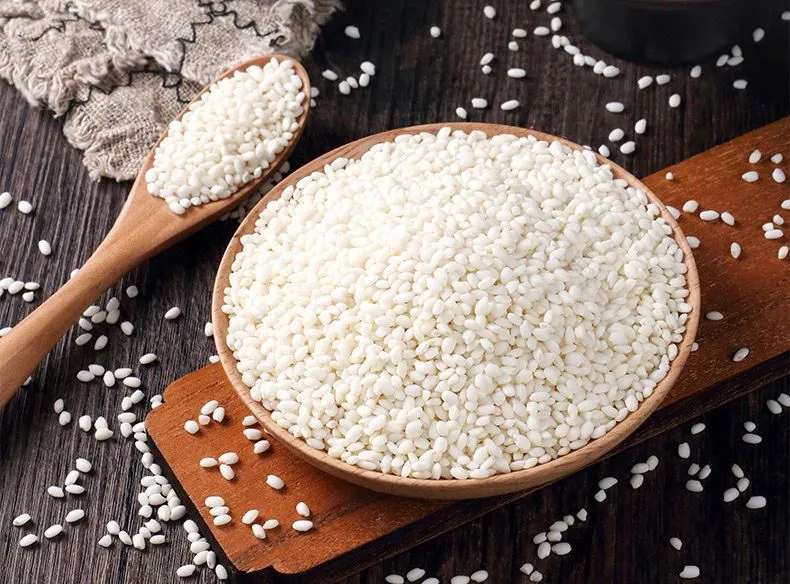
Sticky rice, also called glutinous rice or sweet rice, is a versatile ingredient that appears across many Asian cuisines. From dim sum favorites to festive desserts, sticky rice glutinous grains are prized for their chewy texture, subtle flavor, and ability to hold together. While simple in appearance, cooking sticky rice requires understanding its unique properties and using the right method to achieve perfect results.
For beginners, questions like “how to make sticky rice” or “what is sticky rice?” are common. This guide breaks down everything into four detailed chapters, helping you master sticky rice, explore different cooking methods, and incorporate it into a variety of dishes.
Understanding Sticky Rice
Sticky rice, or glutinous rice, is not "glutenous" in the sense of containing gluten. Instead, its stickiness comes from its high amylopectin content, a type of starch that gives each grain its characteristic chew. In contrast, long-grain rice varieties contain more amylose, resulting in fluffy, separate grains when cooked. Understanding this distinction is crucial for anyone learning how to make sticky rice properly.
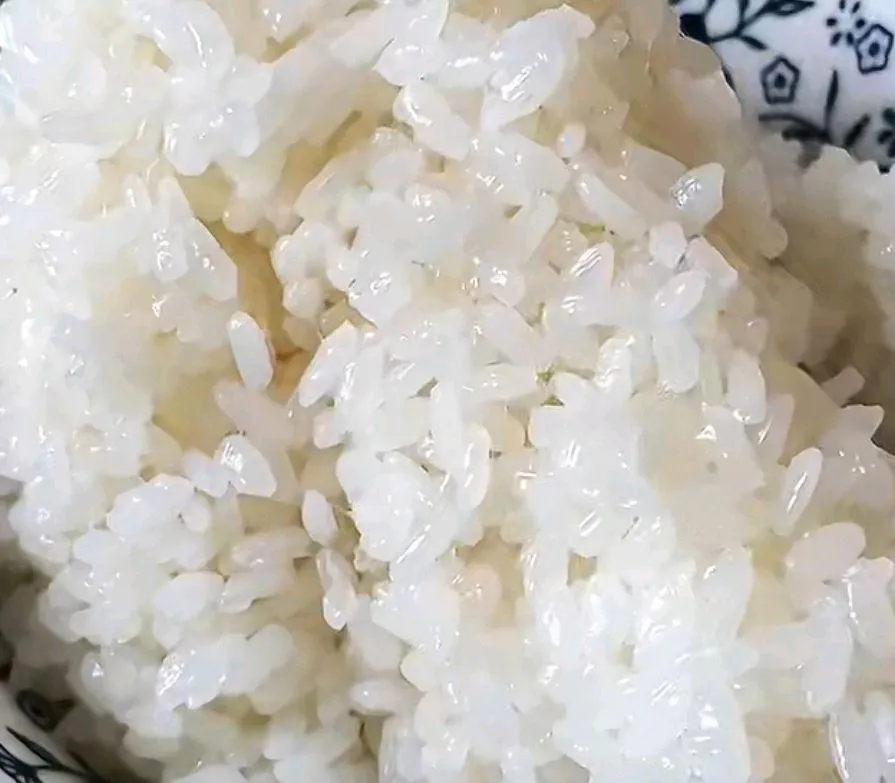
In Chinese cuisine, sticky rice has a long history. It is used in savory dishes like zongzi (rice dumplings wrapped in bamboo leaves), stir-fried sticky rice with Chinese sausage, and shumai. It is also the foundation of sweet recipes, such as mango sticky rice or sticky rice with red bean paste. This versatility is one reason why sticky rice is a pantry staple in many households.
Before cooking, sticky rice glutinous grains must be prepared carefully. Unlike standard rice, it needs to be soaked in water for several hours or overnight. This step ensures that the grains expand evenly and achieve the right chewy texture. Without soaking, the rice can cook unevenly, leaving some grains firm while others are overly soft. Understanding the science behind sticky rice helps any cook create consistent, delicious results every time.
Another essential point is the difference in cooking techniques. While some might try boiling sticky rice like regular rice, steaming is the preferred method. Steaming ensures the rice cooks gently, allowing each grain to become tender yet distinct, perfect for any recipe calling for sticky rice.
Preparing Sticky Rice for Cooking
Preparation is critical in making sticky rice, and following proper steps will improve both texture and flavor. Start by rinsing the sticky rice glutinous grains thoroughly. This step removes excess starch and prevents clumping, which is especially important if the rice will be used in savory dishes like sticky rice with Chinese sausage.
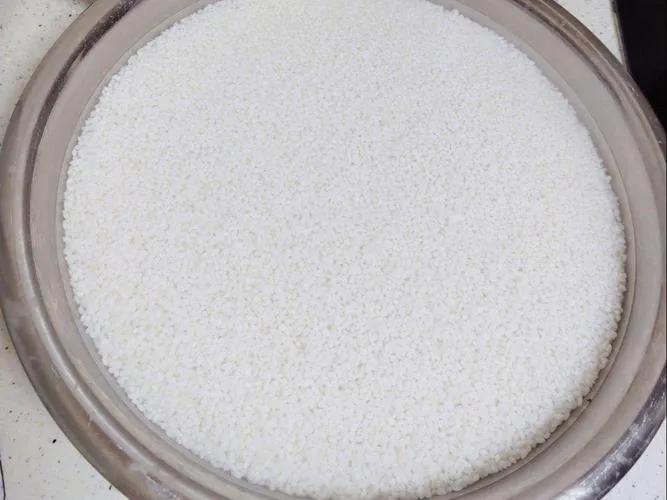
Next, soak the rice. Fill a bowl with water at least three inches above the rice and let it soak for 6 to 24 hours. The longer the soak, the softer and more cohesive the rice will become. Soaking also reduces cooking time and ensures even absorption of moisture. If you’re wondering how to cook sweet rice, this soaking step is indispensable for achieving the classic sticky texture.
After soaking, drain the rice and prepare your steaming setup. You can use a bamboo steamer, a metal steamer, or a simple heatproof plate placed on a rack above boiling water. Lining the steamer or plate with parchment paper or a natural steamer liner can prevent the rice from sticking, making it easier to handle once cooked.
Tips for handling sticky rice: wetting your hands or utensils helps prevent the grains from clumping together. Keep in mind that sticky rice glutinous grains dry out quickly once exposed to air. Cover it with a cloth or lid until you are ready to serve or incorporate it into a recipe. Mastering these steps is key for anyone learning how to make sticky rice like a professional.
Cooking Sticky Rice
Steaming is the most reliable method for cooking sticky rice. After preparing and soaking the rice, arrange it evenly in your steamer. Avoid piling it too high; an even layer allows steam to circulate properly, ensuring uniform cooking. Place the steamer over boiling water, cover it, and steam for 30–45 minutes. Depending on the quantity and thickness, larger batches may require longer cooking or multiple rounds of steaming.
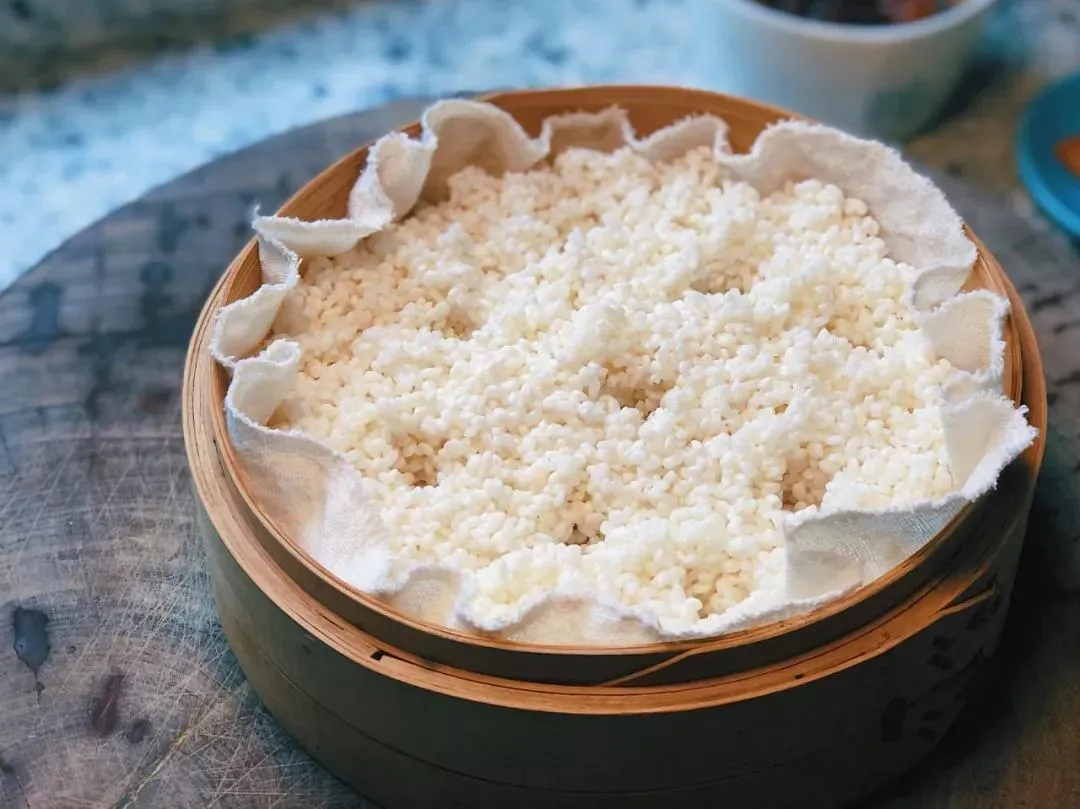
During steaming, check the rice occasionally to ensure it cooks evenly. Properly cooked sticky rice should be tender, slightly chewy, and cohesive. Avoid overcooking, which can make the grains overly soft and mushy, or undercooking, which leaves hard centers. This is the essence of how to cook sticky rice successfully.
For convenience, some cooks use rice cookers. While rice cookers can work for sticky rice, results may vary depending on the model. Typically, you need to adjust water levels carefully and soak the rice before cooking. The steaming method remains more foolproof, providing consistent results with fewer variables.
Once cooked, keep sticky rice warm and covered to maintain its texture. It’s versatile and can be used immediately in dishes like zongzi, sticky rice hashbrowns, or sweet sticky rice desserts. Understanding the cooking nuances ensures that your sticky rice glutinous grains reach their full potential.
Using and Storing Sticky Rice
Sticky rice is extremely versatile, and knowing how to use it enhances your culinary repertoire. In addition to classic dishes like sticky rice with Chinese sausage or dim sum dumplings, sticky rice is excellent for desserts, molded snacks, and even fusion recipes. It can be sweetened with coconut milk, incorporated into salads, or pan-fried to create crispy textures.
Storing sticky rice requires care. Cooked sticky rice glutinous grains harden quickly at room temperature. Keep it covered and warm until serving. If storing for later use, refrigerate briefly and re-steam before consuming. Avoid microwaving for long periods, as this can dry out the grains.
Sticky rice also provides a foundation for creative recipes. You can experiment with fillings, toppings, and flavors to make stuffed sticky rice balls, sticky rice puddings, or fried sticky rice dishes. Once you understand how to make sticky rice, the possibilities are almost endless, making it a valuable ingredient for home cooks and professional chefs alike.
Conclusion
Sticky rice is more than just a side dish—it’s a culinary staple with deep roots in Asian cuisine. By understanding what sticky rice is, how to soak and steam it, and how to store and use it, you can confidently prepare this versatile ingredient for a wide range of recipes. Whether you’re looking for a sticky rice recipe, want to learn how to cook sweet rice, or are simply curious about what is sticky rice, mastering these techniques ensures perfect results every time.
FAQ
Q: What is sticky rice?
A: Sticky rice, also called glutinous rice or sweet rice, is a type of rice that becomes very sticky when cooked due to its high amylopectin content. It is commonly used in Asian cuisine for desserts, dumplings, and savory dishes.
Q: How do you make sticky rice?
A: To make sticky rice, soak the rice in water for several hours or overnight, then steam it in a bamboo basket or use a rice cooker. Proper soaking and steaming ensure the rice becomes soft, chewy, and sticky.
Q: What is the difference between sticky rice and regular rice?
A: Sticky rice has a higher starch content, specifically amylopectin, which makes it cling together when cooked. Regular rice has more amylose, which keeps the grains separate after cooking.
Q: Can sticky rice be cooked in a rice cooker?
A: Yes. Many modern rice cookers have a “sticky rice” or “glutinous rice” setting. Soak the rice beforehand, add the correct water ratio, and cook according to the rice cooker instructions.
Q: How do you make sweet sticky rice?
A: Sweet sticky rice is made by cooking glutinous rice and then mixing it with sugar, coconut milk, or other sweet ingredients. Popular dishes include mango sticky rice and sweet rice dumplings.
Q: What are some tips for making perfect sticky rice?
A: Key tips include soaking the rice long enough, using a proper steaming method, and avoiding overcooking. Also, rinse the rice to remove excess starch before cooking to prevent clumping or uneven texture.