
Huangshan Maofeng: The Crown Jewel of Chinese Green Tea
Introduction: The Green Treasure of Huangshan
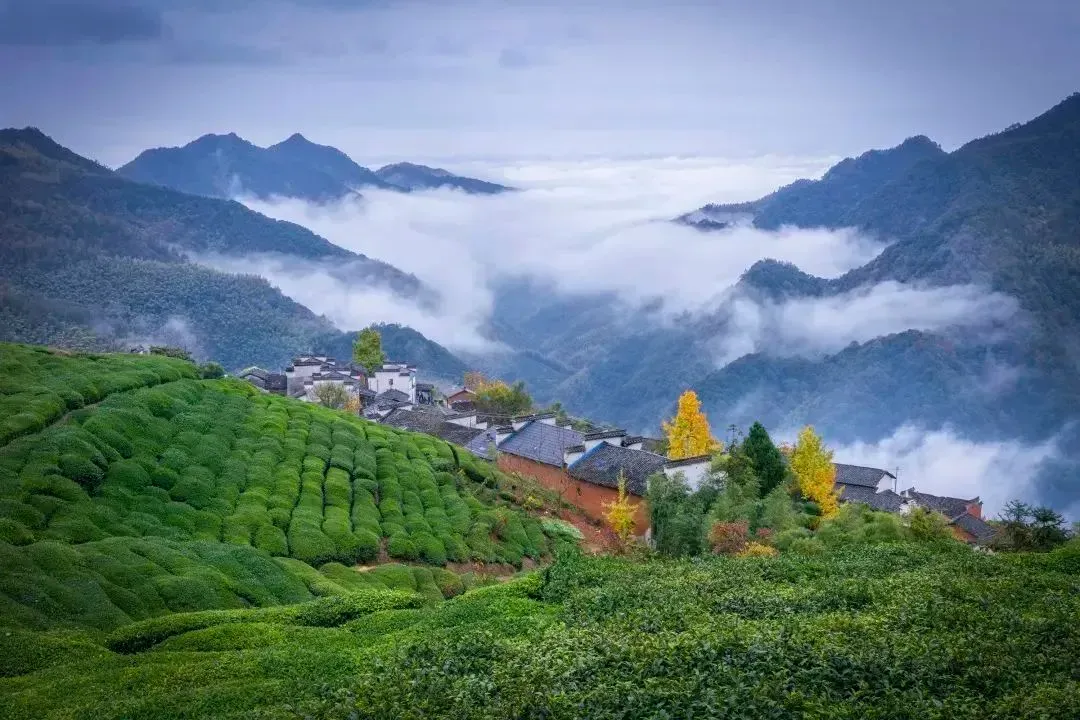
Huangshan Maofeng (黄山毛峰, Huángshān Máofēng) is widely regarded as one of China’s most exquisite green teas. Its name, “Fur Peak of the Yellow Mountains,” evokes the image of tender tea buds covered in fine downy hairs and the rolling mountain peaks where it grows. Harvested from the misty slopes of Huangshan (黄山, Huángshān) in Anhui Province, this tea is prized for its delicate aroma, refreshing taste, and elegant appearance. Huangshan Maofeng is not only a beverage but also a symbol of Chinese culture, linking nature, artistry, and tradition.
Huangshan Maofeng has a history spanning several centuries. As tribute tea (贡茶, gòngchá) during the Ming (1368–1644) and Qing (1644–1912) dynasties, it was highly valued by emperors, scholars, and literati. The tea embodies a cultural ideal: harmony between human cultivation and the natural environment. Its popularity today, both domestically and internationally, demonstrates the timeless allure of fine Chinese teas.
Origins, Legend, and Cultural Significance
Huangshan Maofeng’s origins are deeply intertwined with Chinese cultural history. According to local legends, the tea bushes were first discovered during the Tang Dynasty (618–907) in the shaded valleys of Huangshan, where the fog, fertile soil, and mineral-rich granite formed the perfect growing environment. By the Ming Dynasty, Huangshan Maofeng had become a favorite among scholars, poets, and officials, who praised its fragrance and elegance in poetry and calligraphy.
The tea’s cultural significance goes beyond flavor. In classical Chinese aesthetics, Huangshan Maofeng is associated with simplicity, purity, and refinement. Tea connoisseurs valued its subtle floral notes and smooth sweetness as an accompaniment to meditation, painting, and scholarly discussion. Ming-era poets often wrote about “the misty mountain breeze and the taste of tender leaves,” emphasizing the connection between the environment and the sensory pleasure of tea.
During the Qing Dynasty, the tea’s reputation extended across China, solidifying its status as one of the “Ten Famous Chinese Teas” (中国十大名茶, Zhōngguó Shí Dà Míngchá). Beyond domestic admiration, tribute shipments introduced the tea to Japan, Korea, and Southeast Asia, marking the beginning of its international recognition.
Terroir, Cultivation, and Grades
Huangshan Maofeng grows exclusively in the high-altitude slopes of Huangshan, often above 800 meters. The region’s frequent mist, soft rainfall, and moderate temperatures create tender, flavorful leaves. The mineral-rich granite soil contributes a distinctive sweetness and vegetal note, while the careful shade provided by ancient pine trees encourages slower growth and richer aroma.
Huangshan Maofeng leaves are meticulously hand-picked, usually the first bud with one or two tender leaves. This ensures only the most delicate leaves are harvested. After plucking, they undergo precise withering, rolling, and drying to preserve the characteristic downy hairs and the subtle aroma.
Tea quality is classified into several grades, primarily based on leaf size, shape, and aroma. The highest-grade Huangshan Maofeng features slender, slightly curled leaves covered with fine white hairs. The liquor is pale green with a clear sheen, and the aroma is reminiscent of orchids, chestnuts, or fresh spring air. Lower grades may have less uniform leaves or slightly coarser texture, yet still retain the signature sweetness and freshness.
Brewing, Tea Etiquette, and Appreciation
Huangshan Maofeng is traditionally brewed with water at 75–80°C (167–176°F), as higher temperatures can scorch the tender leaves and diminish aroma. A glass or porcelain teapot is preferred to appreciate the unfurling of the leaves. The first infusion releases a gentle fragrance, while subsequent infusions bring out richer, deeper flavors.
Chinese tea culture emphasizes mindfulness and ritual in brewing. A proper Huangshan Maofeng tasting involves appreciating the leaves’ shape, inhaling the aroma, observing the color of the liquor, and savoring the taste with small sips. In tea ceremonies, it is customary to pour the first cup for guests, expressing respect and hospitality. This practice reflects broader cultural values: harmony, attentiveness, and the appreciation of natural beauty.
Beyond China, the tea has become an ambassador of Chinese culture. Tea enthusiasts worldwide recognize Huangshan Maofeng not just for taste, but for its embodiment of artistry, patience, and environmental respect. Workshops and tea festivals often feature this tea, allowing participants to explore Chinese language, culture, and history alongside the sensory experience of tea drinking.
International Influence and Modern Legacy
In the modern era, Huangshan Maofeng continues to thrive. Its reputation has crossed borders, appearing in specialty tea shops across Europe, North America, and Asia. International connoisseurs admire its smooth texture, floral fragrance, and cultural significance. The tea is also celebrated in competitions and exhibitions, where producers showcase traditional picking, processing, and brewing techniques.
Furthermore, Huangshan Maofeng has influenced contemporary tea culture. Tea tourism in Huangshan attracts thousands of visitors each year, offering experiences like guided tea picking, traditional hand-processing workshops, and scenic tea-tasting sessions with views of the misty mountains. Modern Chinese designers incorporate Huangshan Maofeng into lifestyle products, tea gift sets, and luxury packaging, blending heritage with innovation.
The tea has also inspired literature, music, and art. Poems about Huangshan Maofeng capture its ethereal fragrance and the beauty of the mountains, while paintings depict tea leaves harmonizing with misty peaks, creating a visual metaphor for balance and serenity.
Conclusion: A Living Heritage in Every Cup
Huangshan Maofeng is far more than a green tea—it is a living piece of Chinese culture. Each cup carries centuries of history, art, and dedication, from the misty slopes of Huangshan to the careful hands of the tea master. It represents the intersection of nature, craftsmanship, and human creativity, allowing tea drinkers to experience not only flavor but also the spirit of Chinese tradition.
For those exploring China’s teas, Huangshan Maofeng offers an unparalleled introduction to the depth, elegance, and cultural richness of Chinese tea heritage. Its legacy endures, a fragrant bridge connecting ancient mountains, historical rituals, and the modern world.