
Evening Feasts: Exploring the Heart of Chinese Dinner

In China, the rhythm of the day changes as the sun dips toward the horizon. Streets hum with life, neon lights flicker on, and the unmistakable aroma of garlic, soy, and chili begins to drift from countless kitchens. Dinner, or wǎnfàn (晚饭), is not just a meal—it is a ritual, a gathering, and a moment where flavor, culture, and conversation converge. For anyone exploring Chinese dinner ideas or wondering what Chinese for dinner looks like in practice, stepping into a local restaurant or a family home in China is a revelation.
Unlike lunch, which often leans toward efficiency and quick bites, dinner carries a sense of ceremony. It is the time for families to gather, friends to laugh over steaming dishes, and for the city to unwind into flavors that tell stories. And while foreigners searching “Chinese dinner near me” might expect simple plates, the reality is a rich tapestry of regional dishes, textures, and aromas.
To truly understand Chinese dinner dishes, one must first grasp the philosophy behind them. Dinner in China is designed for sharing, balance, and satisfaction. A meal is rarely about a single dish. Instead, multiple plates, each with contrasting flavors, textures, and cooking methods, are placed at the center, inviting diners to explore, converse, and connect.
The Language of DinnerIf you are learning how to say dinner in Chinese, the basic term is wǎnfàn (晚饭). Yet language alone cannot capture the experience. Beyond words, you discover phrases that frame the entire dinner culture:
- 家庭晚餐 (jiātíng wǎncān) – Family dinner
- 晚餐菜单 (wǎncān càidān) – Dinner menu
- 中餐晚饭 (zhōngcān wǎnfàn) – Chinese dinner
Understanding these terms is helpful, but the real lesson comes at the table. To eat dinner in China is to participate in a social dance: sharing, passing, tasting, and savoring.
The Rich Palette of Chinese DinnerChinese dinner is characterized by its diversity and regional distinction. Southern dinners often feature delicate seafood and fragrant rice, while northern meals favor wheat-based dishes like dumplings and hand-pulled noodles. Sichuan dinners are bold, spicy, and numbing. And across the country, the concept of balance reigns supreme: a harmony between protein and vegetables, soft and crispy textures, and flavors that range from sweet to sour, salty to umami.
Here are some classic and beloved dishes that define the Chinese evening table. Each is more than food—it is a story, a tradition, and an experience that reflects centuries of culinary evolution.
Peking Duck: A Crispy Celebration
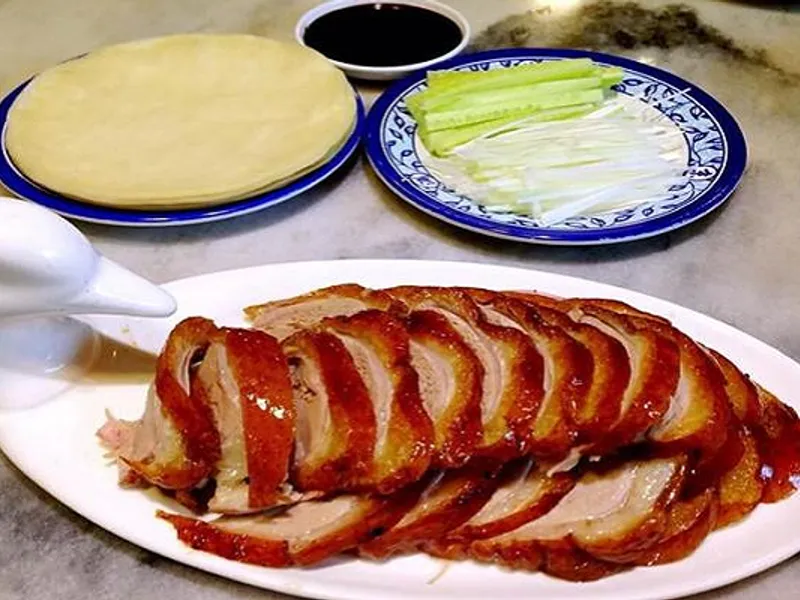
Few dishes capture the grandeur of a Chinese dinner like Peking Duck. Crispy-skinned, tender duck slices are wrapped in thin pancakes, complemented by scallions, cucumber, and a sweet bean sauce. The ritual of carving, wrapping, and sharing makes every bite feel ceremonial.
Red-Braised Pork Belly: Comfort and Indulgence
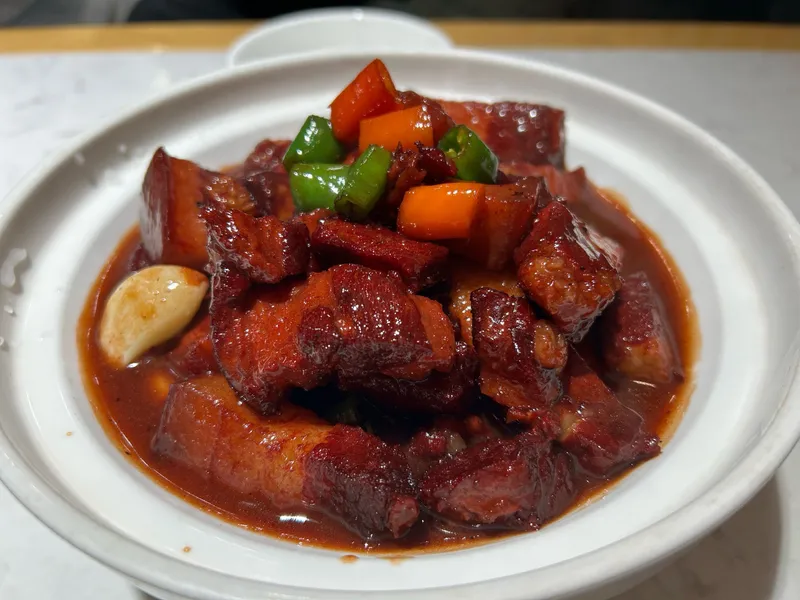
In Jiangsu and Zhejiang, families often enjoy Red-Braised Pork Belly (hóngshāo ròu) for dinner. Cubes of pork simmered in soy, sugar, and spices achieve a balance between richness and subtle sweetness. Each mouthful melts in the mouth, pairing perfectly with steamed rice.
Steamed Fish: Freshness on the Table
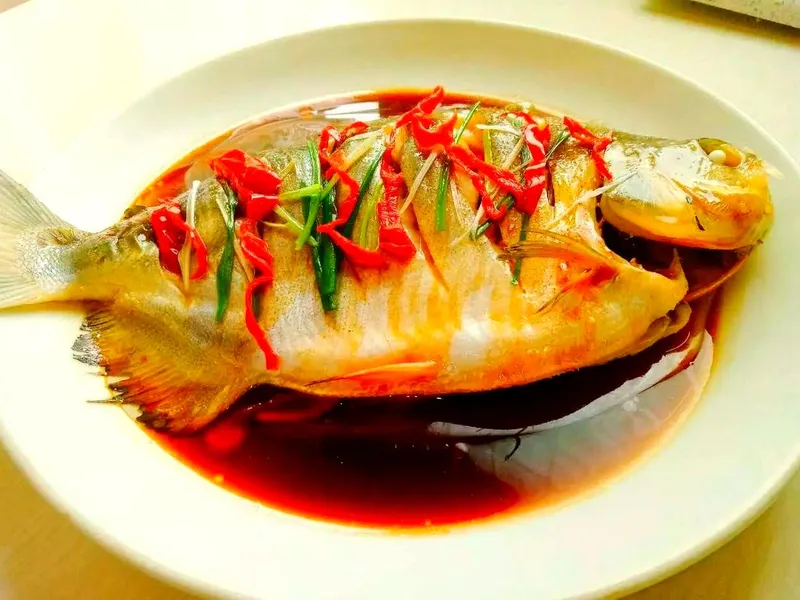
Fish occupies a central role in Chinese evening meals, especially in southern households. Steamed fish with ginger and scallion is simple yet profound. Serving it whole symbolizes prosperity and completeness.
Mapo Tofu: Spice that Awakens
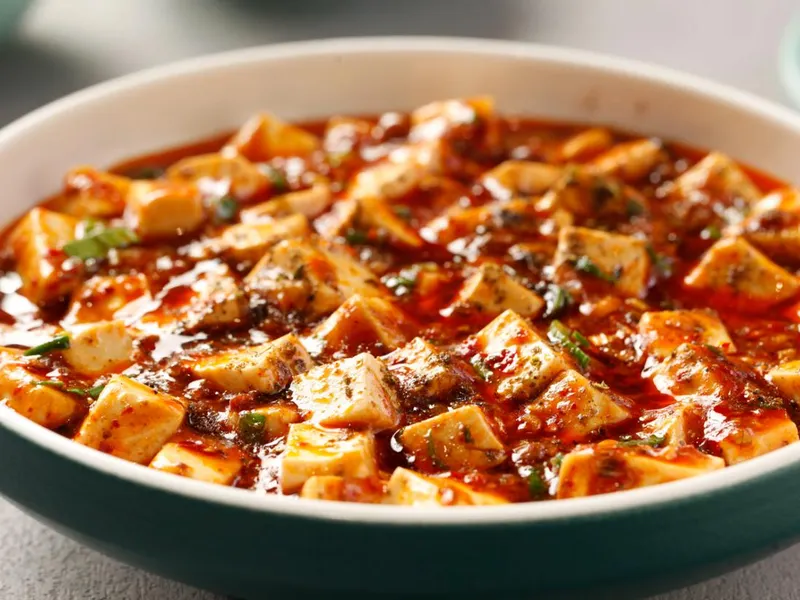
For lovers of bold flavors, Mapo Tofu is a Sichuan classic that transforms a typical dinner into an event. Silky tofu mingles with minced pork, fermented bean paste, and numbing peppercorns.
Braised Lion’s Head Meatballs: Tradition on a Plate
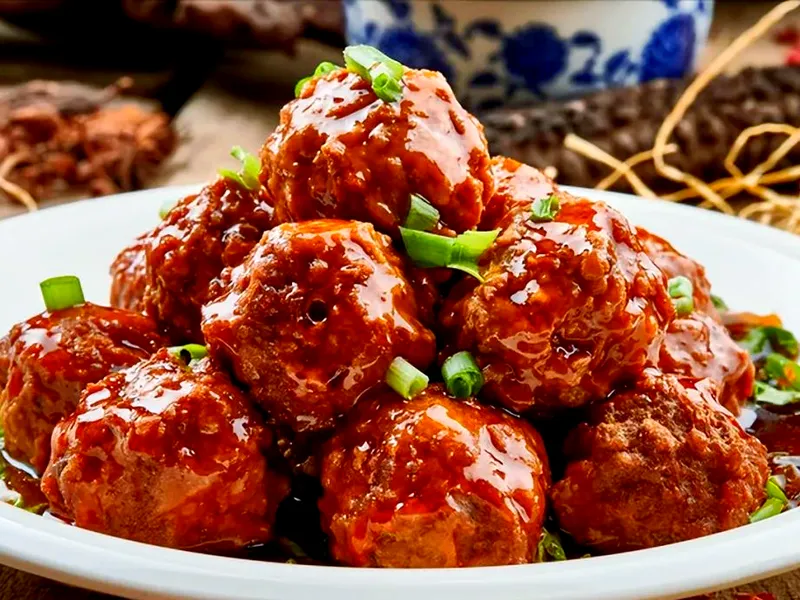
In Jiangsu province, Lion’s Head Meatballs (shīzitóu) are a centerpiece at family dinners. Large pork meatballs are slowly braised until tender in a savory, slightly sweet broth.
Stir-Fried Seasonal Vegetables: Harmony and Balance
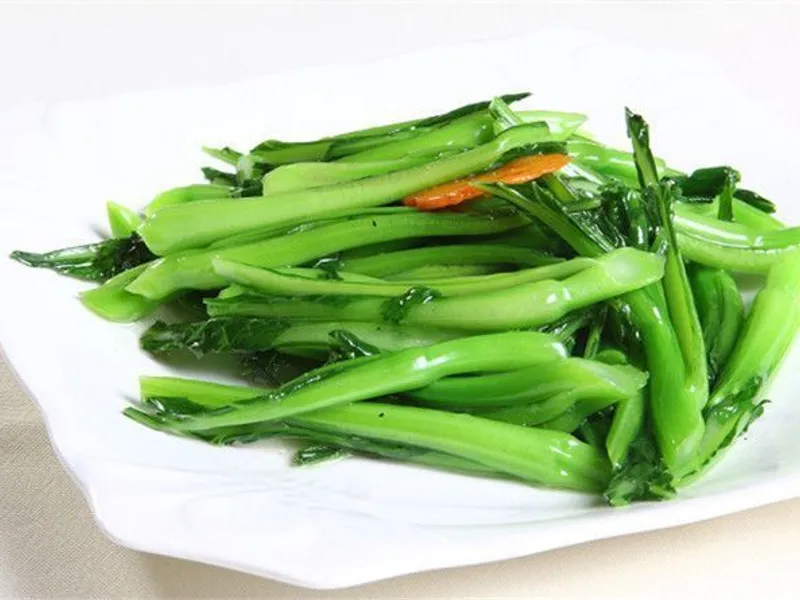
Even in indulgent dinners, vegetables play a vital role. Stir-fried bok choy, Chinese broccoli, or lotus root with garlic and light soy sauce provide freshness, crunch, and color to the dinner table.
Cantonese Clay Pot Chicken: Slow-Cooked Comfort
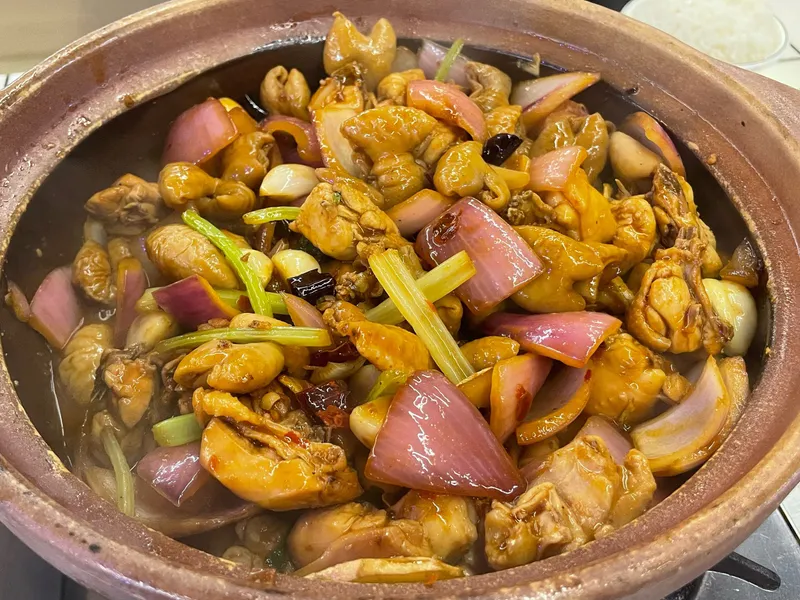
In southern China, a clay pot chicken dinner is a staple for evenings. The chicken simmers slowly with mushrooms, Chinese sausage, and seasonings, while the rice absorbs the rich juices.
Hot Pot: Interactive Dining
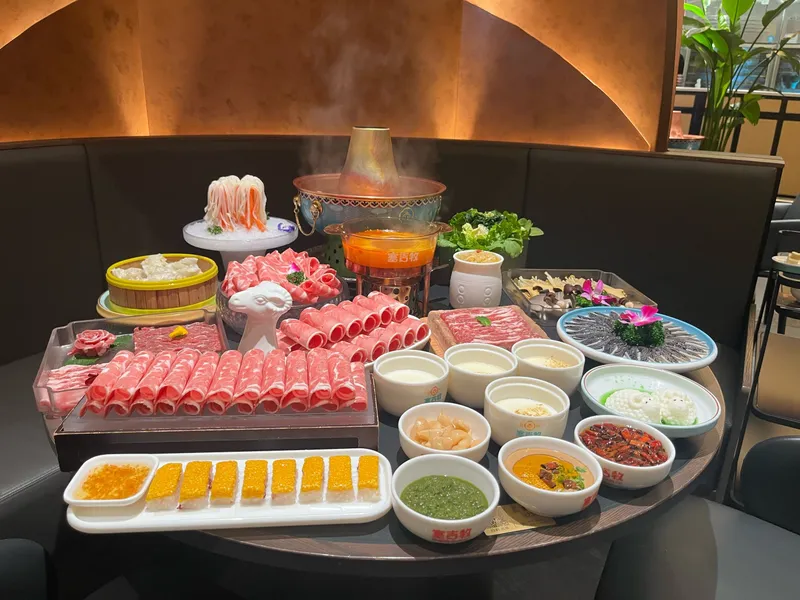
For many regions, particularly in winter, hot pot transforms dinner into an interactive, communal experience. Diners cook slices of beef, lamb, vegetables, tofu, and seafood in a simmering broth.
Sichuan Spicy Fish: Bold Evening Adventure
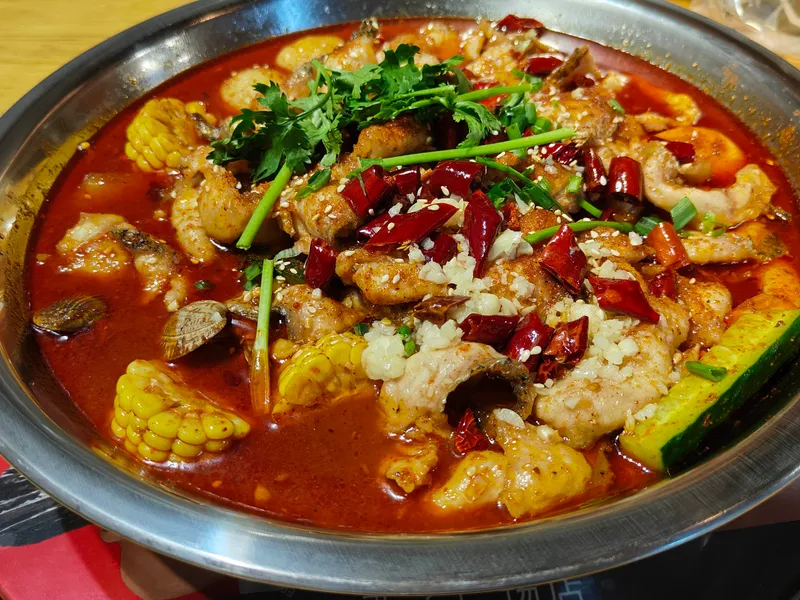
For those craving adventurous dinner flavors, Sichuan spicy fish is unforgettable. Tender fish slices swim in a red chili oil sauce, accented with aromatic spices and numbing Sichuan peppercorns.
Dongpo Pork: Luxury in Simplicity
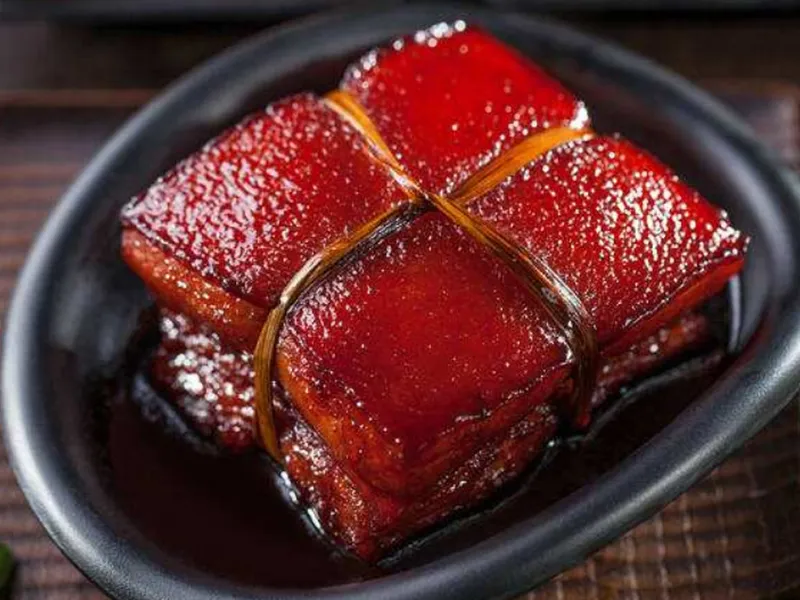
Named after the poet Su Dongpo, Dongpo Pork is rich, glossy, and melt-in-your-mouth tender. Its deep flavor and luxurious texture make it a dish reserved for celebratory dinners or family gatherings.
Dinner Beyond FoodIn China, dinner is rarely just about eating. It is a cultural event, an intersection of history, family, and community. Around the dinner table, conversations flow easily. Elderly relatives offer advice, children share school stories, friends tease one another. The dishes themselves are stories: the red-braised pork tells of indulgence and care, steamed fish speaks of prosperity, hot pot embodies collaboration, and Peking Duck conveys celebration.
Even for those learning how to say dinner in Chinese, participating in a meal is immersive education. Vocabulary alone cannot teach the rhythm, etiquette, and social nuance embedded in Chinese dinner culture.
Global Influence and AccessibilityThe allure of Chinese dinner dishes has traveled far beyond China’s borders. Recipes for Mapo Tofu, Kung Pao Chicken, or stir-fried vegetables appear in kitchens worldwide. Restaurants offer Chinese chicken dinner ideas or curated dinner specials, echoing the communal, balanced, and flavorful principles of traditional Chinese dining.
Conclusion: The Evening Table as a Mirror of CultureDinner in China is a journey through regions, seasons, and traditions. From Peking Duck in Beijing to Dongpo Pork in Shanghai, from fiery Sichuan fish to delicate steamed fish in Guangdong, every dish tells a story. It is an opportunity to experience community, savor craftsmanship, and witness the interplay of flavor and culture.
Whether you are searching “Chinese dinner near me”, planning easy Chinese dinner ideas at home, or participating in a family gathering, remember: Chinese dinner is more than nourishment. It is history on a plate, conversation in motion, and culture experienced bite by bite.