
10 English-language films loved by Chinese audiences

Western films do not become popular in China by accident. When a foreign movie truly breaks through, it is usually because it touches something that already exists inside Chinese life. These ten English-language films are not just box office successes. They are emotional mirrors. Each one reflects a desire, anxiety, or longing that quietly runs through modern Chinese society.
1. Titanic (泰坦尼克号)
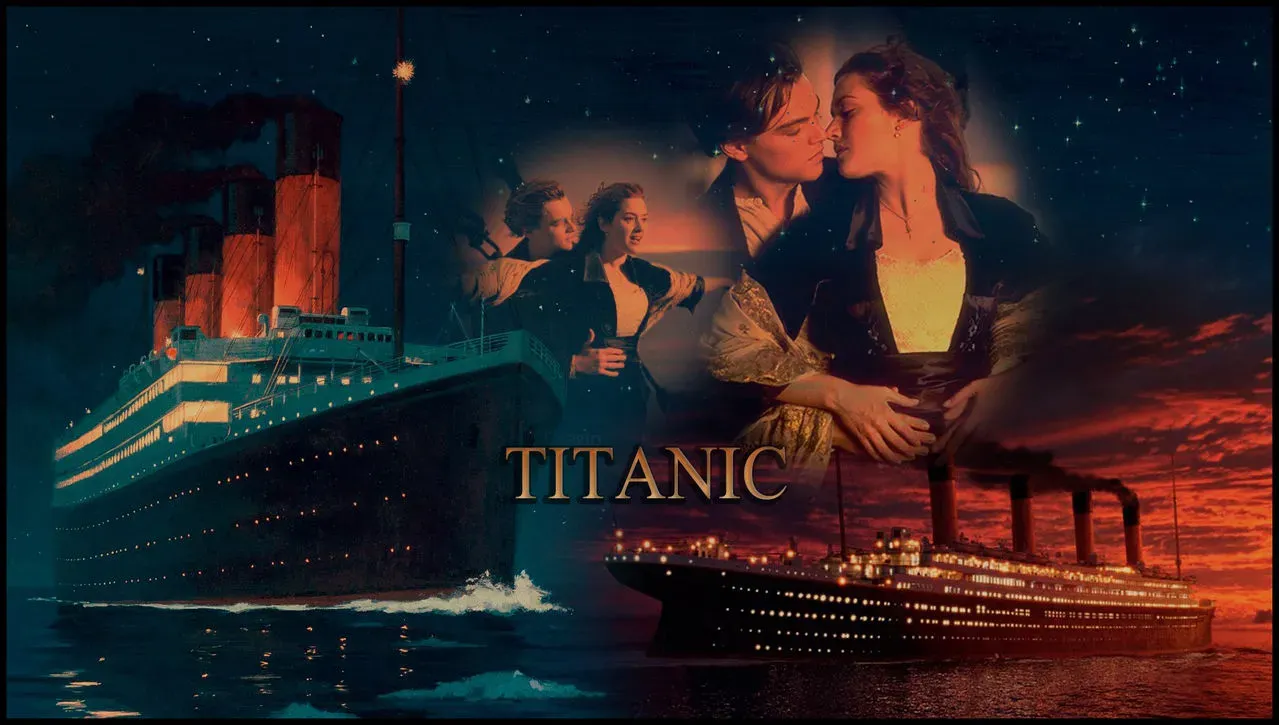
In China, Titanic is not remembered as a disaster film. It is remembered as the purest love story ever told. Two people choose each other even when the world is ending. In Chinese romantic tradition, emotional loyalty matters more than survival. Jack and Rose do not represent tragedy. They represent devotion taken to its final, beautiful extreme.
2. Inception (盗梦空间)

Chinese audiences love structure, logic, and layered puzzles. Inception turned a blockbuster into an intellectual challenge. Understanding the film became a badge of intelligence. It offered not just spectacle, but the pleasure of mastery inside complexity, something deeply appealing in a culture shaped by exams, systems, and hierarchies.
3. Harry Potter (哈利·波特系列)

For many young Chinese viewers, Harry Potter is not fantasy. It is emotional autobiography. A lonely child discovers a hidden world where he finally belongs. In a society where students grow up under enormous pressure and isolation, that story feels painfully real.
4. The Matrix (黑客帝国)

This film asks a dangerous question: What if the world you see is not real? In China, this idea carries unusual emotional weight. Control, illusion, and awakening are not abstract concepts. They are lived experiences. That is why The Matrix never feels like just science fiction.
5. The Avengers (复仇者联盟系列)

Chinese audiences are drawn not to lone heroes, but to the team. Sacrifice for the group, loyalty to a shared mission, and unity under threat echo deeply rooted cultural values. This is not individualism. It is collective strength, with personality.
6. Forrest Gump (阿甘正传)

A simple, kind man walks through a complicated world. In China, this film is loved because it suggests that goodness matters more than cleverness. It offers emotional relief in a society where competition never stops.
7. The Shawshank Redemption (肖申克的救赎)

This is one of the highest-rated foreign films in China. It speaks directly to a quiet longing for dignity and inner freedom inside restrictive systems. Hope becomes a form of rebellion, even when nothing on the outside changes.
8. Interstellar (星际穿越)

Chinese audiences were moved not by the science, but by the bond between a father and daughter. Family loyalty, sacrifice, and emotional duty travel across galaxies in this story. That is why it feels deeply Chinese, even in a Western universe.
9. The Dark Knight (黑暗骑士)

The Joker became an icon in China because he represents chaos confronting order. In a society built on structure and discipline, that tension feels disturbingly honest. The film becomes a psychological mirror, not just a superhero story.
10. La La Land (爱乐之城)
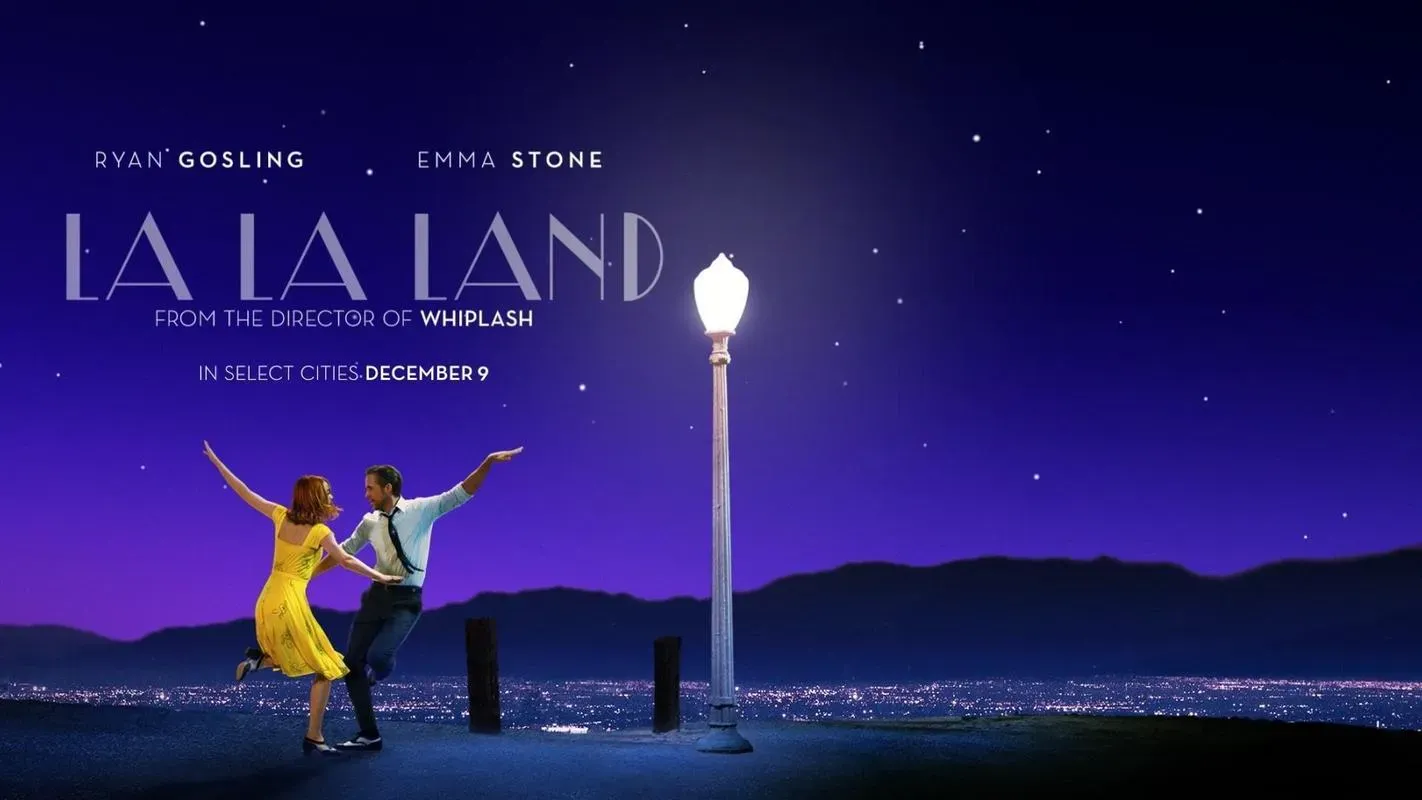
This film hurt because it told the truth. Sometimes you must choose between love and dreams. In modern China, where ambition shapes so many lives, that trade-off feels painfully familiar.
Why These Western Films Became So Popular in China
These films did not succeed in China because they were foreign, expensive, or spectacular. They succeeded because they touched emotions that already existed. Modern China is a world of pressure. Students compete from childhood. Families carry expectations across generations. People learn to suppress feelings in order to survive systems that reward endurance and performance.
Inside that environment, Western films offer something quietly radical. They give people permission to feel, to choose, and to resist.
Many of these stories share one idea: the individual matters.
In The Shawshank Redemption, hope survives inside a prison. In Forrest Gump, goodness survives inside chaos. In The Matrix, awakening breaks illusion. In La La Land, dreams demand sacrifice.
These stories resonate because they express what many people feel but rarely say: that a person is more than their role.
At the same time, these films do not reject collective values. The Avengers celebrates teamwork. Interstellar honors family loyalty. Titanic glorifies emotional devotion.
What feels new is that they place individual choice at the center of those values.
Western cinema becomes a safe emotional laboratory. People can experience freedom, rebellion, romance, and doubt inside a dark movie theater, even if real life remains tightly structured.
That is why these films cross borders so easily. They are not really about the West. They are about the quiet human wish to live a life that truly belongs to oneself.
FAQ
Q: Why do certain Western films become so popular in China?
A: These films succeed because they echo emotions that already exist in Chinese life. Themes like family duty, personal sacrifice, emotional loyalty, and the pressure of expectations feel deeply familiar, even when told through foreign stories.
Q: Do Chinese audiences watch these movies for entertainment or something deeper?
A: For many viewers, these films become emotional experiences rather than simple entertainment. They offer a safe space to feel love, doubt, rebellion, and hope in ways that daily life often does not allow.
Q: Why do stories about freedom and identity resonate so strongly in China?
A: Modern Chinese society is highly structured, with strong social and family expectations. Films like The Matrix and The Shawshank Redemption speak to a quiet desire for inner freedom and self definition, even when outer circumstances feel fixed.
Q: Why are romantic films like Titanic and La La Land especially powerful in China?
A: These films reflect the tension between love and duty, emotion and ambition. In a culture where people often sacrifice personal happiness for stability or success, such stories feel both beautiful and painfully real.
Q: How do superhero films connect with Chinese cultural values?
A: While they feature individual heroes, films like The Avengers emphasize teamwork, loyalty, and collective sacrifice. These ideas align closely with Chinese traditions that value group harmony and shared responsibility.
Q: What do these Western films reveal about modern Chinese society?
A: They reveal a society filled with ambition, pressure, and emotional restraint. The popularity of these films shows a growing desire to explore personal identity, emotional honesty, and the possibility of choosing one’s own path.