
Chrysanthemum and Chrysanthemum Tea in china
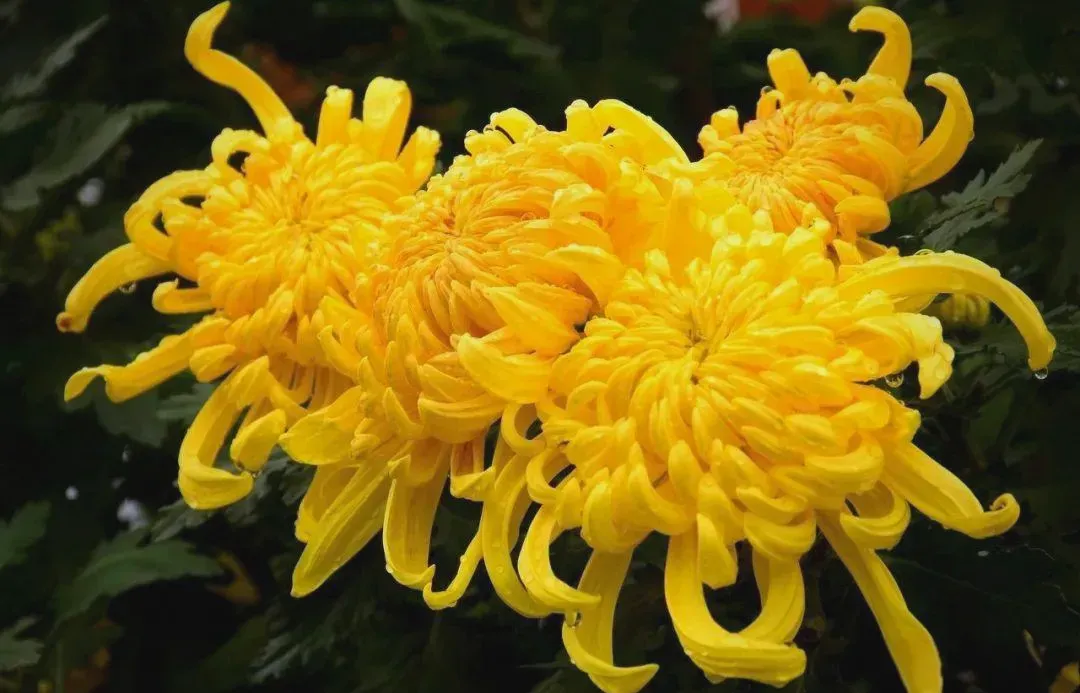
Chrysanthemum, known as 菊花 (Júhuā) in Chinese, is one of the most iconic flowers in China, cherished for its beauty, longevity, and cultural symbolism. Beyond its ornamental value, chrysanthemum has a long-standing tradition in Chinese medicine and cuisine, particularly in the form of 菊花茶 (chrysanthemum tea). This aromatic tea has been appreciated for centuries for its refreshing flavor, soothing properties, and health benefits.
1. Chrysanthemum in Chinese Culture
Chrysanthemum has a rich history in China, dating back over 2,500 years. It is one of the “Four Gentlemen” (四君子) in Chinese art—alongside plum blossom, orchid, and bamboo—symbolizing nobility, resilience, and modesty. Chrysanthemum blooms in late autumn, often surviving frost, which is why it represents endurance and the ability to thrive in adversity.
The flower is frequently celebrated in Chinese poetry, painting, and festivals. The Chrysanthemum Festival (重阳节, Double Ninth Festival) held on the ninth day of the ninth lunar month traditionally includes chrysanthemum appreciation and drinking chrysanthemum wine or tea. Chrysanthemum is also associated with scholars and the literati, often symbolizing elegance, scholarly pursuit, and a refined lifestyle.
2. Chrysanthemum Tea: Preparation and Varieties
菊花茶 is a fragrant herbal infusion made from dried chrysanthemum flowers. The tea can be enjoyed hot or cold, often with added rock sugar or combined with other ingredients such as goji berries (枸杞) or green tea leaves.
The preparation involves gently rinsing dried flowers, placing them in hot water, and steeping for several minutes. The quality of chrysanthemum tea depends on the variety of the flower—common types include Yellow Chrysanthemum (黄菊), White Chrysanthemum (白菊), and Hangzhou Chrysanthemum (杭菊). Each has a slightly different aroma and flavor profile, from light and sweet to rich and floral.
Chrysanthemum tea is not just a beverage; it represents centuries of herbal wisdom and an aesthetic of simplicity and natural elegance in Chinese daily life.
3. Health Benefits and Uses
Chrysanthemum tea is widely valued in traditional Chinese medicine for its cooling and detoxifying properties. Common benefits include:
- Reducing inflammation and eye strain
- Relieving headaches and mild fever
- Supporting cardiovascular health
- Promoting relaxation and reducing stress
Many people in China drink chrysanthemum tea daily, particularly during the summer months, to balance internal heat and maintain overall wellness. Its light, floral taste makes it a favorite among people of all ages.
Beyond tea, chrysanthemum is also used in culinary creations such as soups, desserts, and infused wines, highlighting its versatility and cultural significance.
4. Chrysanthemum in Art and Symbolism
Chrysanthemum has a profound presence in Chinese art, often depicted in paintings, embroidery, ceramics, and calligraphy. It symbolizes longevity, perseverance, and purity, making it a favorite subject for scholars and artists.
Classical Chinese poetry frequently praises the chrysanthemum’s resilience, especially its ability to bloom in autumn when most other flowers fade. This imagery is often used metaphorically to represent upright character, scholarly integrity, and inner strength.
Chrysanthemum tea, with its soothing aroma, complements this cultural symbolism, offering not only refreshment but also a connection to Chinese artistic and philosophical traditions.
Conclusion
The chrysanthemum (菊花) and chrysanthemum tea (菊花茶) exemplify the fusion of nature, culture, and wellness in Chinese tradition. From its aesthetic and symbolic significance in art and literature to its therapeutic and culinary uses, chrysanthemum continues to be a cherished flower in China.
Whether admired in a garden, brewed into a calming tea, or celebrated in poetry and painting, the chrysanthemum represents a harmonious blend of beauty, resilience, and cultural heritage that has endured for thousands of years.