
10 Chinese Films That Let You Truly Understand China

Table of Contents ▶
To understand China, you do not begin with maps, numbers, or political theories.
You begin with stories.
Chinese films have always carried more than entertainment. They record how people love under pressure, how families survive inside history, and how individuals bend when the weight of the world becomes too heavy.
The ten films in this list are not simply great movies. Together, they form a portrait of China from the inside. Through opera stages, village classrooms, crowded city streets, and quiet hospital rooms, they reveal what it feels like to live, endure, and hope in a society shaped by rapid change and long memory.
1. Farewell My Concubine (霸王别姬)
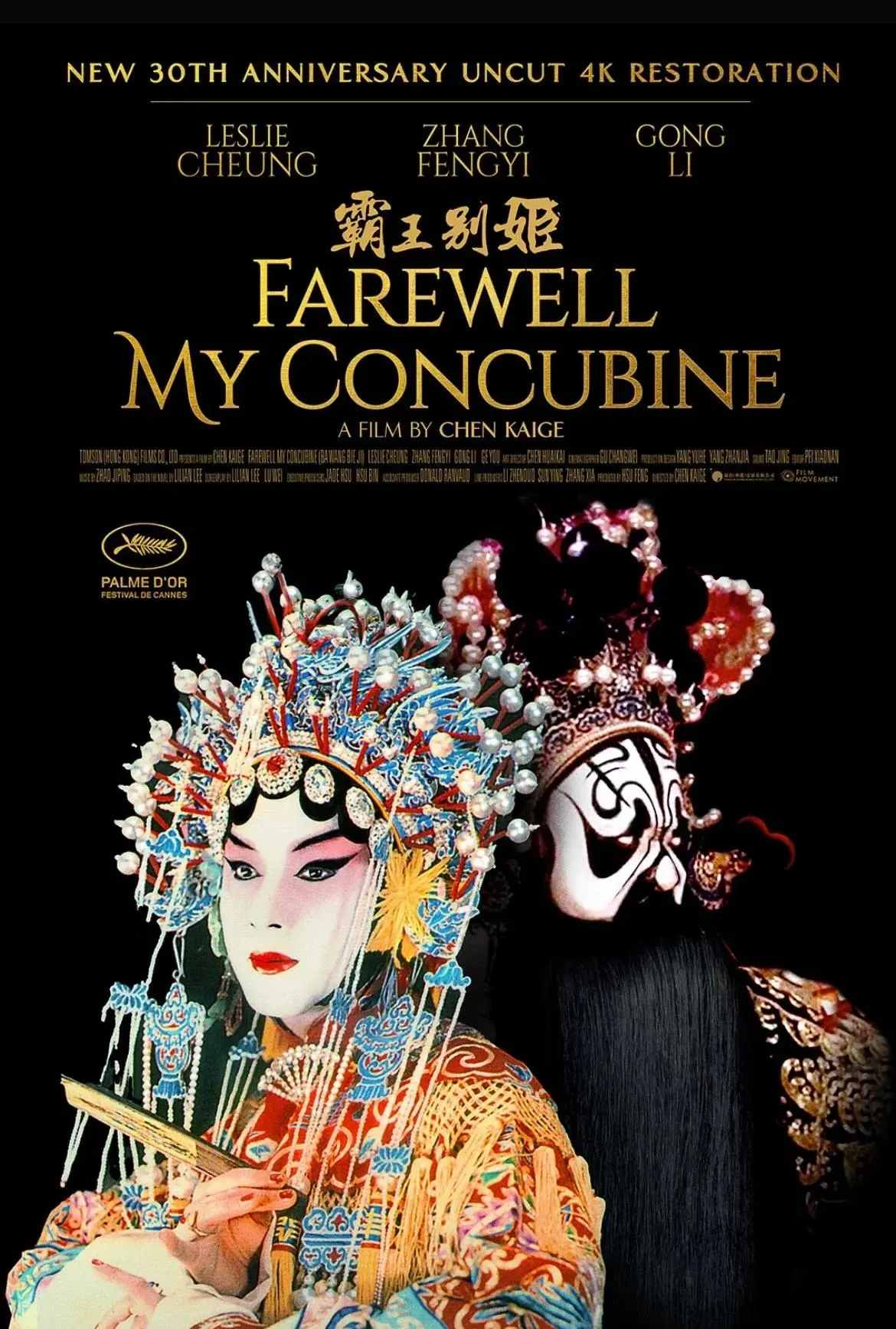
Few films in world cinema carry the emotional and historical weight of Farewell My Concubine. On the surface, it appears to be the story of two Beijing opera performers and their lifelong relationship on and off the stage. But beneath that elegant surface lies one of the most powerful portraits ever made of modern China and the way history reshapes human identity.
Beijing opera in the film is not just a profession. It is a discipline that erases the self. From childhood, the performers are trained to suppress their own feelings, gender, and desires in order to become characters. When Cheng Dieyi is taught to perform female roles, the line between acting and being slowly dissolves. Over time, the role he plays on stage begins to define who he is in real life. His love, his loyalty, and even his sense of self become inseparable from the character he performs.
That confusion between role and reality becomes a metaphor for China itself. As the country moves through war, revolution, and political upheaval, people are constantly forced to adapt. Beliefs that were once safe become dangerous. Relationships that once felt stable suddenly carry risk. Like the opera performers, ordinary people are required to change who they are in order to survive each new political era.
The love triangle at the heart of the film is not just romantic. It reflects deeper conflicts between devotion, betrayal, and survival. One character clings to idealism and emotional truth, while another chooses compromise and self-protection. Neither path leads to peace. History makes both choices painful.
What makes Farewell My Concubine so devastating is that no one escapes unscarred. Talent, loyalty, and love offer no protection when power shifts. Even art, which seems timeless, is twisted by politics. The opera that once brought beauty becomes something that can be used, censored, or destroyed.
This is why the film resonates so deeply in China. It expresses a truth many people feel but rarely say aloud: identity is often not something you choose. It is something you perform in order to stay alive. In a violent century, survival becomes the most powerful role of all.
2. To Live (活着)
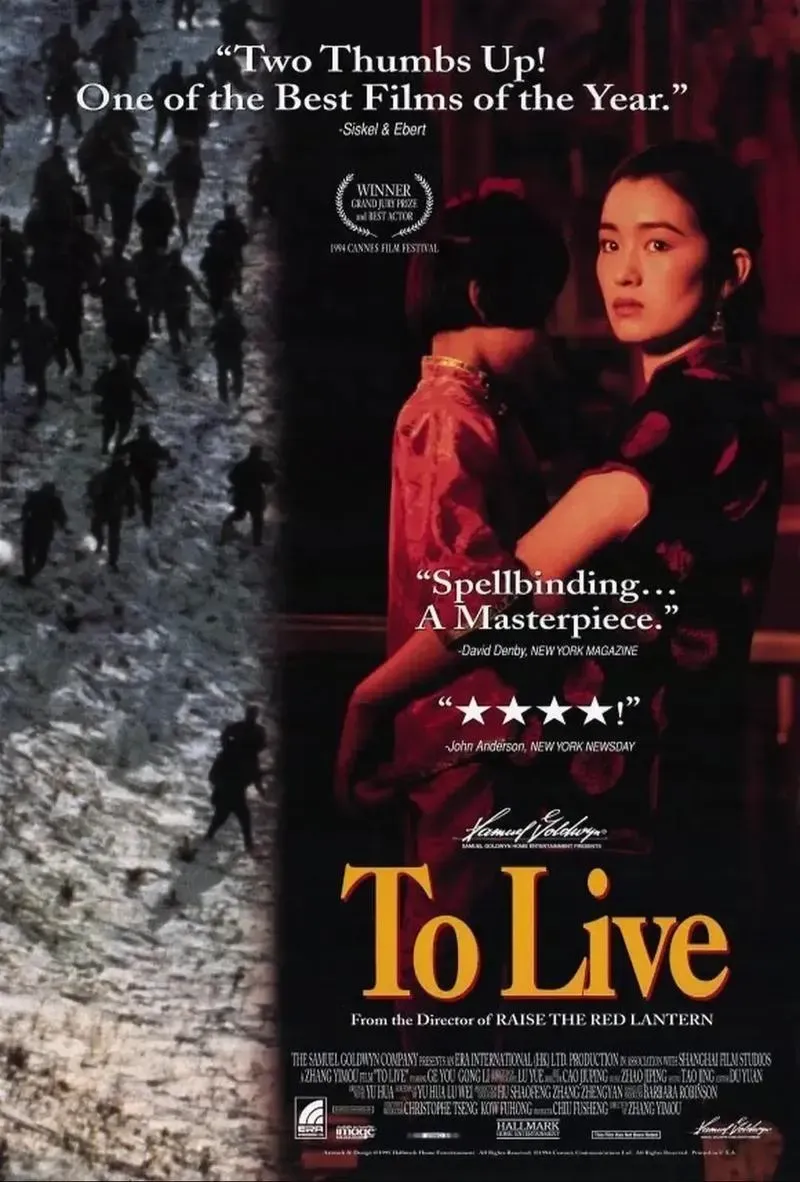
To Live removes ideology from the center of history and replaces it with something far more fragile and more real: a family.
The film follows one ordinary Chinese couple as they pass through some of the most turbulent decades of modern China. Wars, political campaigns, economic collapse, and sudden reforms sweep across their lives, but the story never focuses on leaders or slogans. It stays with two parents and their children, people who are simply trying to survive one more day without losing everything they love.
What makes To Live so devastating is how small its tragedies are. A son dies not in battle, but because of a careless system. A daughter is lost not to fate, but to exhaustion and neglect. These deaths do not feel heroic. They feel cruel, accidental, and unbearably unfair. The film refuses to give suffering any grand meaning.
And yet, despite all of this, the characters keep going. They mourn, but they also cook, laugh, and argue. They continue to love their children even after losing them. Life does not become beautiful, but it continues.
This is the emotional truth at the heart of the film. For many Chinese families, history was not something they participated in. It was something that happened to them. Political movements arrived like storms, and ordinary people had no choice but to endure.
To Live helps explain a deep instinct that still exists in China today: stability is precious because instability once destroyed everything. When people have watched their world collapse again and again, simply staying alive becomes a quiet form of victory.
3. In the Heat of the Sun (阳光灿烂的日子)
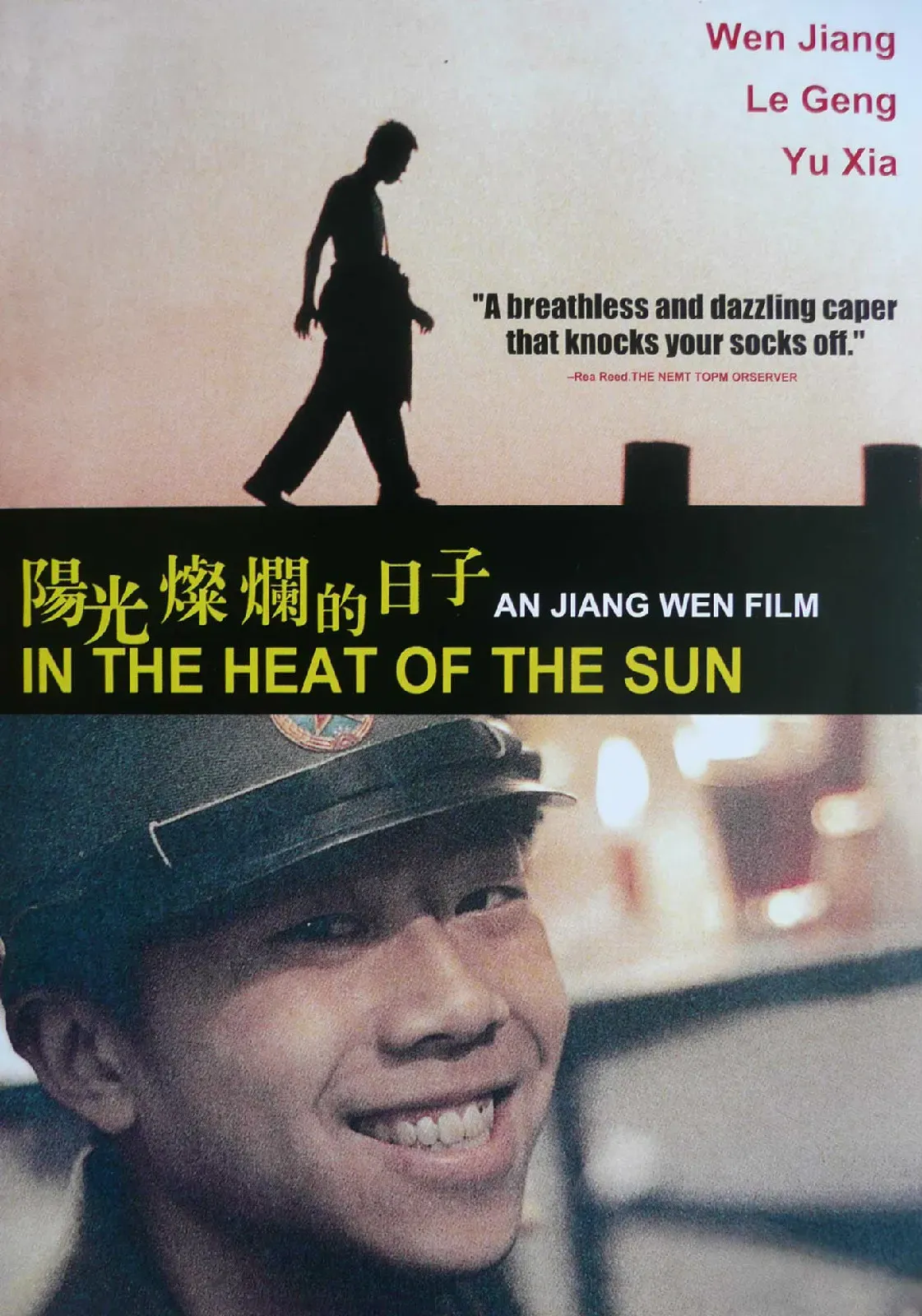
In the Heat of the Sun is not a nostalgic coming of age story. It is a memory of adolescence lived inside political confusion.
Set in Beijing during the 1970s, the film follows a group of teenagers while the adult world is distracted by revolution and ideological struggle. Schools are barely functioning. Parents are absent or emotionally distant. The streets feel strangely open, like a city temporarily left to its children. In this space of freedom, the teenagers wander, fight, fall in love, and imagine themselves as heroes, even though they barely understand the world around them.
What makes the film so powerful is how it captures emotional hunger. These young people are not just bored. They are searching for identity, for recognition, for someone to truly see them. They perform toughness, romance, and loyalty the way they see in movies and stories, but underneath, they are deeply unsure of who they are.
The political chaos of the era creates a strange contradiction. On the surface, everything is about ideology and collective identity. But in private, these teenagers are desperate to be individuals. They want to be special, loved, remembered. Their small personal dramas unfold against a backdrop of historical noise that makes their feelings feel both trivial and enormous at the same time.
This is why the film resonates so strongly in China. It shows a generation that grew up without emotional safety. They learned how to desire, to fight, and to dream in a world that offered no clear future. For many Chinese people, this was what youth felt like: bright, confusing, and quietly lonely beneath the sunlight.
4. Infernal Affairs (无间道)
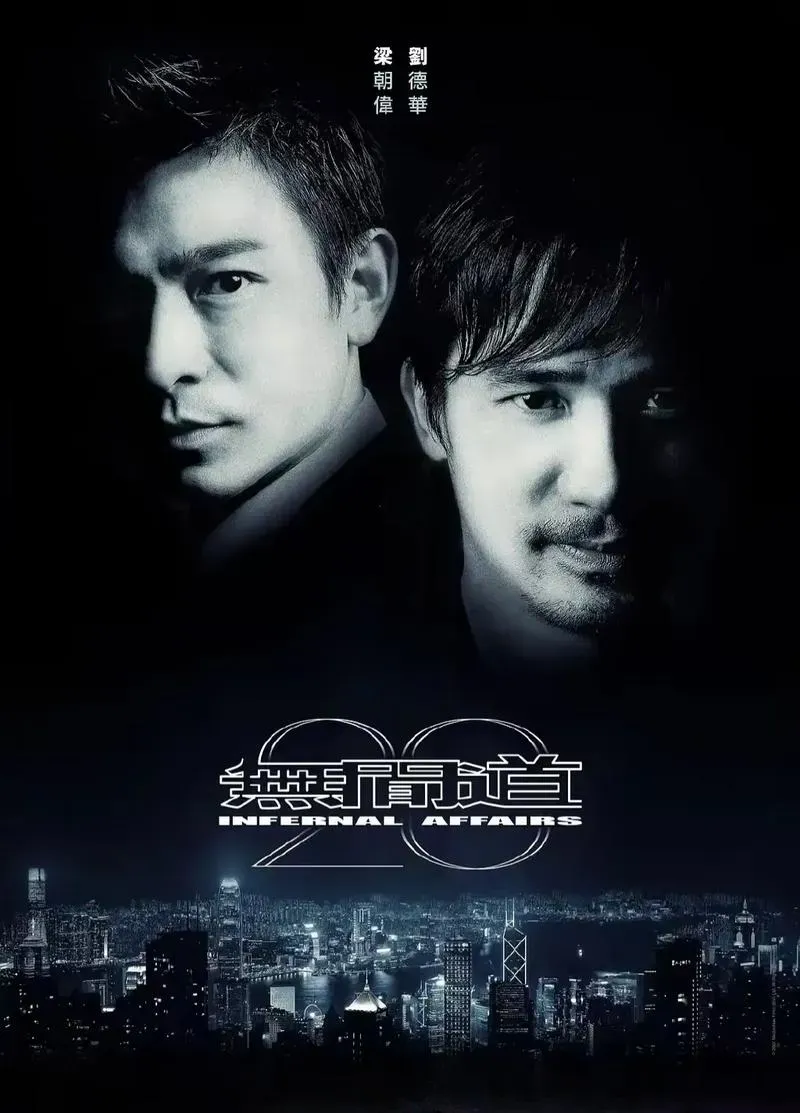
On the surface, Infernal Affairs looks like a sleek, fast paced police thriller. There are secret identities, undercover missions, and tense confrontations. But beneath the genre, it tells a far more disturbing story about what happens when a person is forced to live a lie for too long.
Two men sit at the center of the film. One is a police officer who has spent years pretending to be a criminal. The other is a criminal who has spent years pretending to be a police officer. Both are trapped in roles that began as assignments but slowly became their entire lives. The longer they perform these identities, the harder it becomes to remember who they really were before.
This is not just psychological tension. It is existential. When every relationship, every decision, and every emotion must be filtered through a fake identity, the self begins to disappear. Loyalty becomes confusing. Guilt loses its meaning. Even survival feels hollow.
This theme resonates deeply in Chinese society, where people often learn to adapt themselves to powerful systems. In schools, in workplaces, and in politics, individuals are taught to perform the correct role rather than express their true thoughts. Over time, that performance can become permanent.
Infernal Affairs is not really about police and criminals. It is about the quiet terror of losing your own face. When pretending lasts long enough, there may be nothing real left behind it.
5. Crouching Tiger, Hidden Dragon (卧虎藏龙)
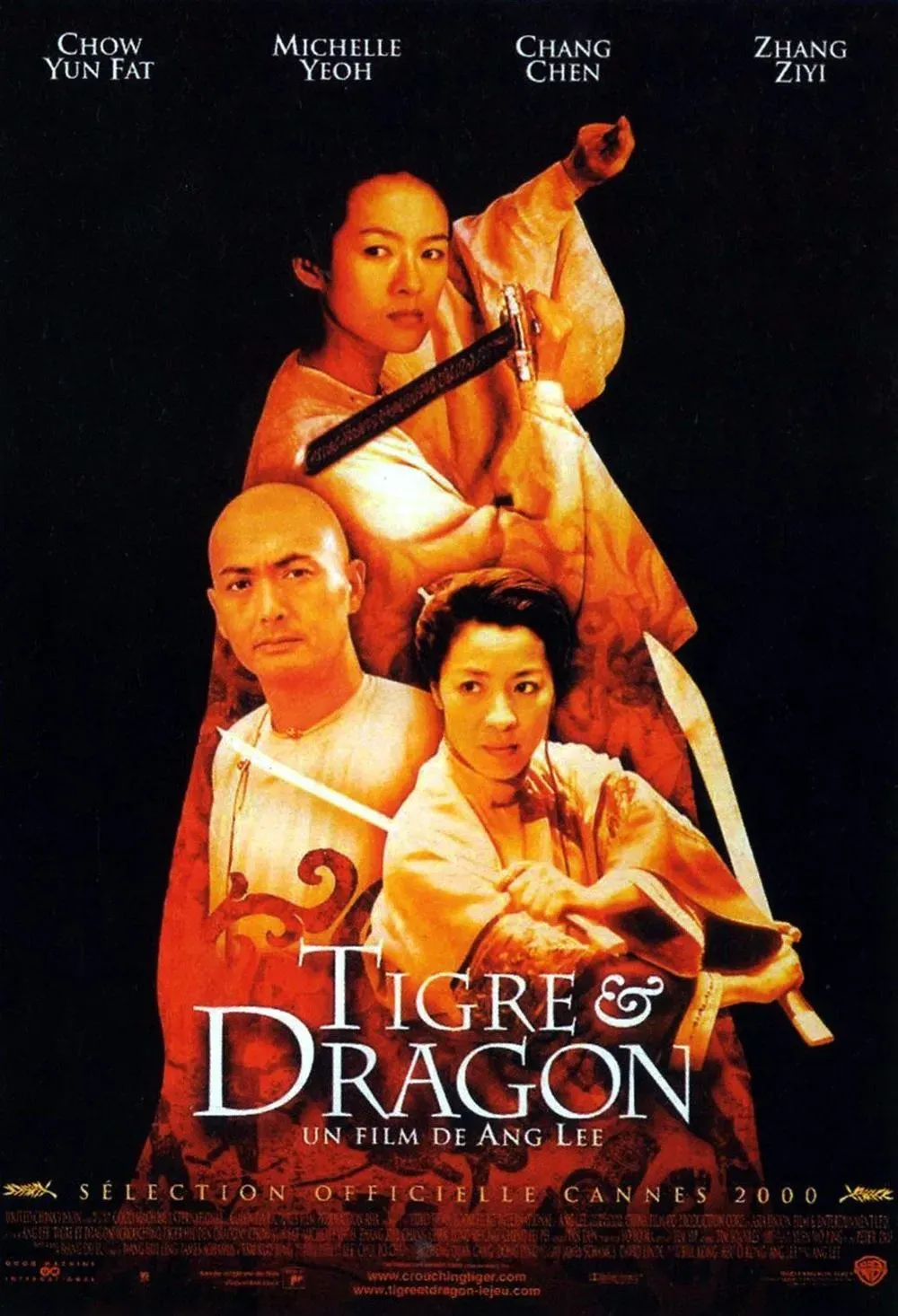
Crouching Tiger, Hidden Dragon is often remembered for its breathtaking martial arts and floating sword fights, but its true power lies somewhere much quieter. This is not a story about warriors defeating enemies. It is a story about people who cannot escape their own emotional cages.
Every major character in the film is deeply skilled, deeply disciplined, and deeply unhappy. They live in a world ruled by honor, tradition, and expectation. Love must remain hidden. Regret must be swallowed. Desire is treated as weakness. The result is a life of beautiful restraint and private suffering.
The famous fight scenes are not just physical. They are emotional eruptions. When characters leap across rooftops or clash in bamboo forests, they are expressing what they are forbidden to say. Anger, longing, jealousy, and heartbreak explode into motion because words are not allowed.
This tension reflects something deeply rooted in Chinese culture. People are taught to control themselves, to protect harmony, and to place duty above personal happiness. Feelings are intense, but they are meant to remain invisible.
Crouching Tiger, Hidden Dragon shows the cost of that restraint. It asks a quiet but painful question: what happens when a lifetime of self control leaves no room for joy?
6. The Bold, the Corrupt, and the Beautiful (血观音)
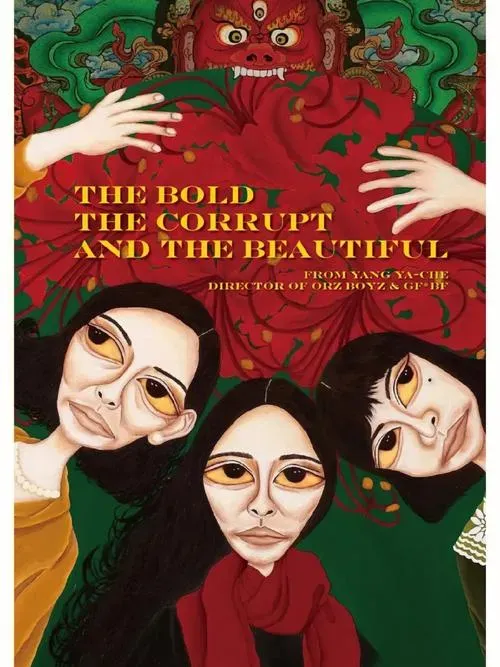
The Bold, the Corrupt, and the Beautiful does not portray power as loud or violent. It shows power as soft, polite, and terrifyingly calm.
The world of the film is filled with temples, charity events, family gatherings, and elegant women in silk dresses. People smile, offer tea, and speak gently. Yet behind every gesture lies calculation. Political alliances are formed over dinner. Lives are traded for favors. Even love becomes a tool.
At the center of the story is a mother who understands power perfectly. She does not need to shout or threaten. She simply knows how to position people, including her own daughter, like pieces on a chessboard. Loyalty is not something she gives. It is something she collects.
What makes the film so disturbing is how normal all of this feels. Corruption is not hidden in dark alleys. It lives in living rooms, in religious rituals, and in polite conversations. Violence rarely appears on screen, yet everything is soaked in it.
This film reveals a side of Chinese society rarely shown to outsiders. Power does not always look brutal. Often it looks graceful, maternal, and respectable. And that is exactly what makes it so dangerous.
7. Not One Less (一个都不能少)
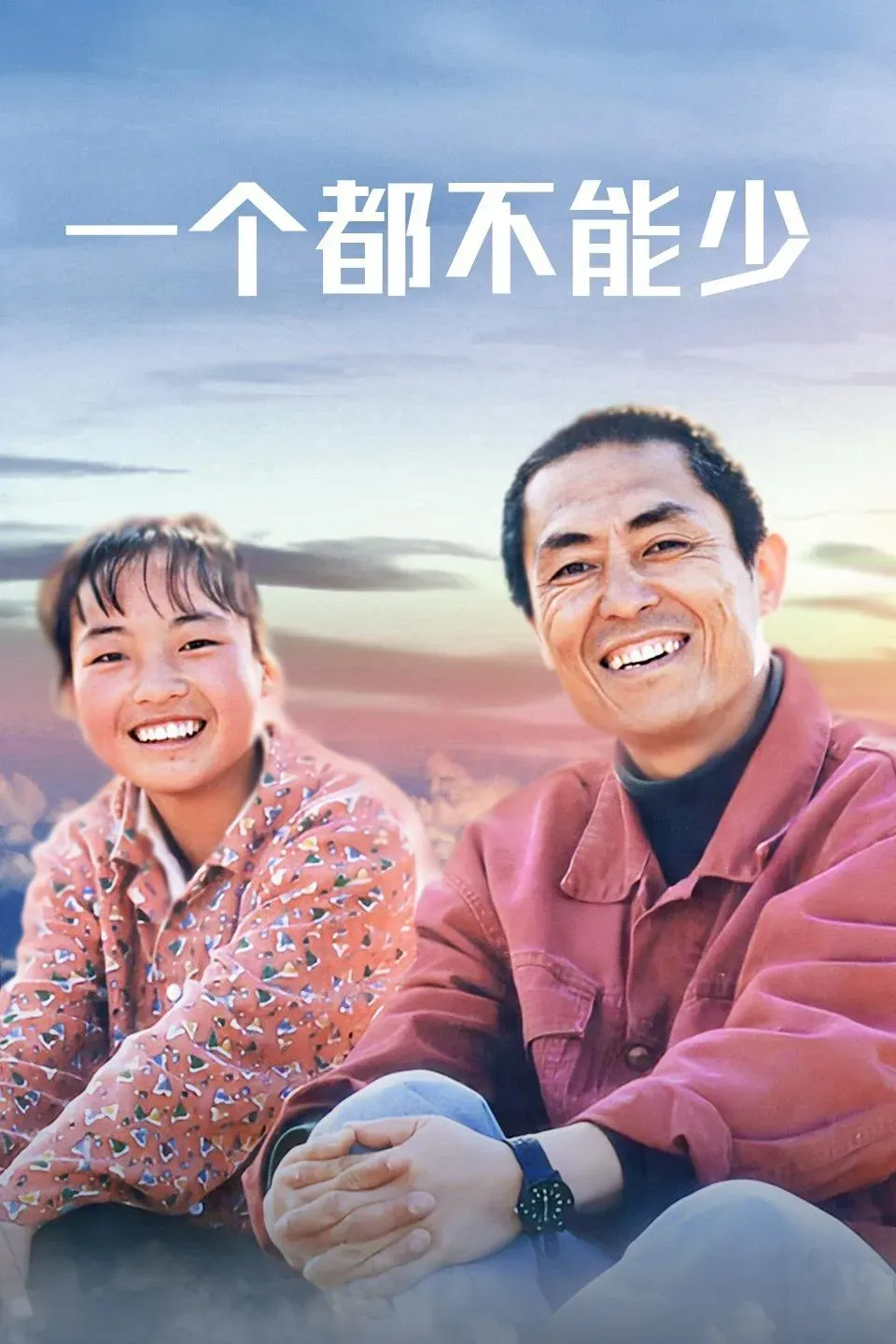
Not One Less is one of the quietest films on this list, but it may be one of the most morally powerful.
The story is simple. A teenage girl is asked to temporarily replace a rural schoolteacher. Her only rule is that she must not lose a single student. When one poor boy leaves school to earn money in the city, she has no choice but to go after him.
There is no dramatic music, no cinematic heroism. The camera follows her awkward steps, her confusion, and her stubborn determination. She does not even fully understand why the rule matters. She only knows that she has been told not to let anyone disappear.
The journey into the city becomes a collision between two Chinas. One is fast, crowded, and indifferent. The other is small, poor, and easily forgotten. The girl is invisible in the urban world, just like the boy she is trying to save.
The film’s central question is devastating in its simplicity. Does one poor child matter? In a country focused on growth and efficiency, can a single forgotten life still be worth the effort?
Not One Less answers quietly but firmly. Yes. And the fact that this even has to be asked tells you everything about the cost of China’s rapid development.
8. The Great Buddha Plus (大佛拉普拉斯)
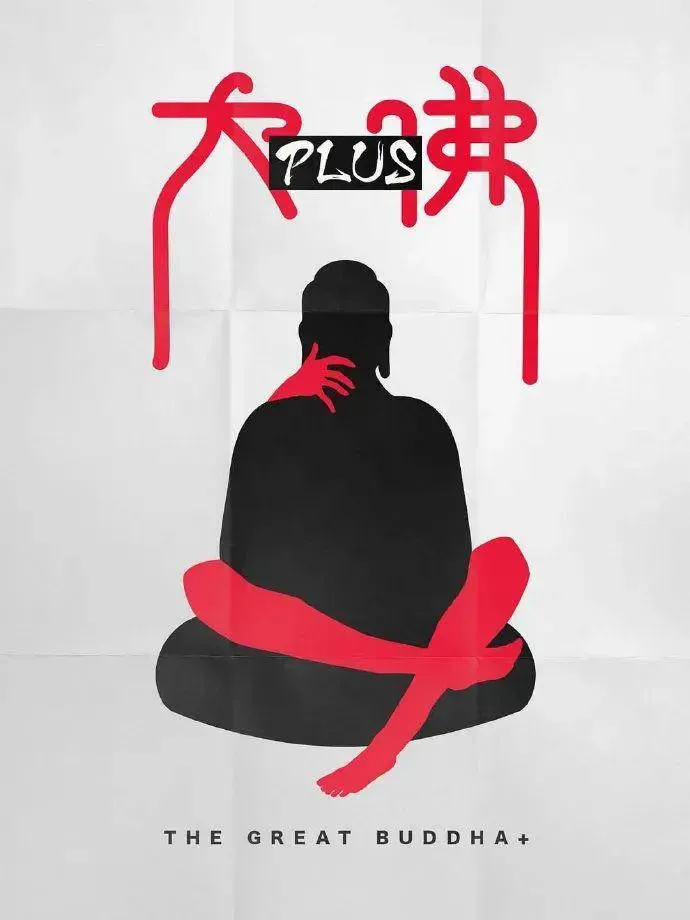
The Great Buddha Plus looks like a dark comedy, but its laughter is bitter and hollow.
The film follows a few poor, invisible men who survive by watching security camera footage for rich people. Through these screens, they witness a world they will never enter. Luxury cars, expensive homes, and powerful figures fill the images. They also witness crimes, secrets, and corruption. But seeing everything does not give them power. It only makes their helplessness clearer.
One of the film’s most striking visual choices is its use of color. The lives of the rich are shown in bright, vivid tones. The lives of the poor appear in dull black and white. This is not just a stylistic trick. It is a statement about who gets to experience the full richness of life.
The humor in the film comes from absurdity and resignation. The characters joke, not because they are happy, but because laughter is the only thing left to them. They know the system is unfair. They also know they cannot change it.
This is why the film captures modern China so sharply. Economic growth created glittering cities and enormous wealth, but it also created a new kind of silence. Those at the bottom see everything, understand everything, and yet remain completely unheard.
9. Dying to Survive (我不是药神)
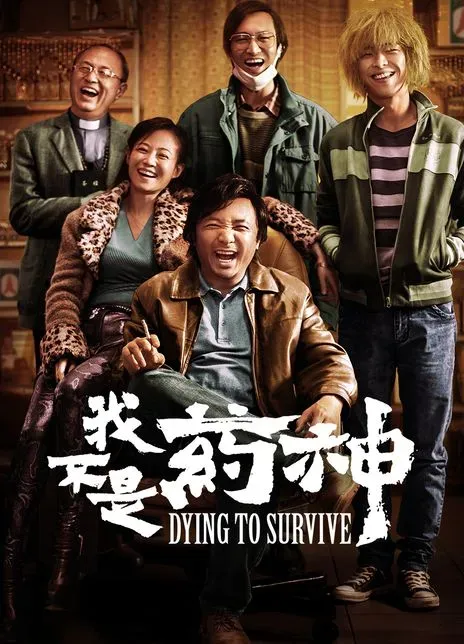
Dying to Survive is not just a successful film. It became a social event.
Based on a true story, it follows an ordinary, slightly selfish man who begins smuggling cheap cancer medicine from India so poor patients in China can afford to stay alive. What starts as a business slowly turns into a moral burden. Every box of medicine becomes a choice between the law and human life.
The power of the film comes from how clearly it exposes a broken system. The patients are not looking for miracles. They are only trying to buy time. But legal medicine is priced far beyond their reach, turning survival into a privilege for the wealthy.
The man at the center is not a saint. He lies, argues, and makes mistakes. That is exactly why his transformation matters. He is pushed into compassion by the suffering he sees around him. In the end, he becomes something China rarely celebrates: a flawed person who chooses to help anyway.
The film sparked real debate across the country about healthcare policy and drug prices. That alone makes it historic.
It shows a China that is beginning to speak up for itself, even while still constrained by law, bureaucracy, and fear.
10. Chungking Express (重庆森林)
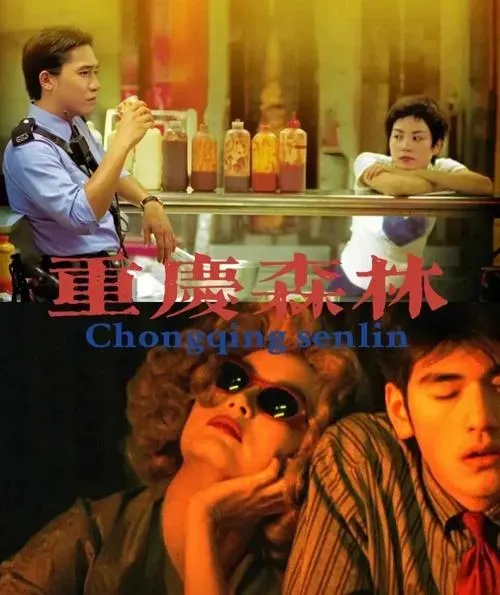
Chungking Express is a love story about people who never quite meet.
Set in the crowded heart of Hong Kong, the film follows lonely souls drifting past one another in fast food shops, night streets, and cramped apartments. They fall in love too late, miss each other by minutes, and hold onto feelings that have nowhere to go. Everything moves quickly, yet emotionally, everyone feels stuck.
What makes the film so special is its mood. The city is alive, neon soaked and full of motion, but the people inside it feel isolated. Relationships are brief, fragile, and strangely beautiful. Love is something you almost touch, but rarely keep.
This captures an important side of Chinese modern life. As cities grow faster and more global, people become more connected and more alone at the same time. Tradition fades, but nothing stable replaces it.
Chungking Express shows a China that is no longer bound by old rules, yet not quite free either. It is a portrait of urban Chinese loneliness, told through small moments, quiet heartbreak, and passing glances.
When the Screen Goes Dark, the Stories Remain
These ten films do not tell you what China thinks.
They show you what China feels.
Across decades of history, political storms, economic miracles, and personal tragedies, one truth remains constant: ordinary people keep trying to live with dignity. They love their children, protect their pride, hide their fears, and search for meaning even when the future feels uncertain.
If you watch these films, you will not walk away with simple answers. You will walk away with something better. You will begin to understand the quiet courage, the private sadness, and the stubborn hope that runs through Chinese life.
And once you see that, China is no longer just a place on a map. It becomes a collection of human stories, still unfolding.
These films are especially powerful for anyone learning Chinese or trying to understand life in China beyond textbooks.
They are not just movies. They are language, emotion, and culture moving in front of your eyes.
FAQ
Q: Why are films such a powerful way to understand China?
A: Chinese films often speak in emotional and human language rather than political slogans. Through family stories, love, loss, and daily struggle, they show how history is felt by ordinary people. This makes them one of the most honest windows into Chinese society.
Q: Do these movies reflect real Chinese life or just artistic fiction?
A: While they are artistic works, most of these films are deeply rooted in real social experiences. Stories about poverty, political change, family pressure, and identity are drawn directly from how people have lived through modern Chinese history.
Q: Why do so many of these films focus on suffering and hardship?
A: Much of modern Chinese history involved war, revolution, and rapid change. For many families, life meant adapting to loss and instability. These films reflect that reality and explain why endurance and emotional restraint remain strong cultural values.
Q: What do these movies reveal about Chinese identity?
A: They show that identity in China is often shaped by social roles, family duty, and political pressure. Many characters struggle between who they are inside and who they are expected to be, a tension that runs through Chinese history and daily life.
Q: Are these films helpful for people learning Chinese?
A: Yes. Beyond language, they teach cultural meaning, emotional expression, and social context. Watching how people argue, love, and stay silent in these films helps learners understand how Chinese communication really works.
Q: What connects all ten films on this list?
A: They all show ordinary people trying to stay human inside powerful systems. Whether through family tragedy, love stories, or social injustice, each film reveals how individuals search for dignity, connection, and meaning in a changing China.