
Chinese Bamboo Culture: The Enduring Charm of Bamboo in Chinese Life

Bamboo has held a unique place in the hearts of Chinese people for millennia. Beyond being a versatile plant, it represents elegance, strength, and moral integrity. In Chinese culture, bamboo is not only admired for its physical beauty but also celebrated for its symbolic significance. Its hollow stems signify humility, its upright growth embodies resilience, and its ability to bend without breaking teaches the value of flexibility in life.
From imperial gardens to rural landscapes, from architecture to cuisine, and even in personal adornments and daily-use items, bamboo permeates countless aspects of Chinese life. This article explores Chinese bamboo culture in four chapters, revealing how this remarkable plant has inspired art, philosophy, lifestyle, and innovation.
Bamboo in Chinese Art, Philosophy, and Symbolism
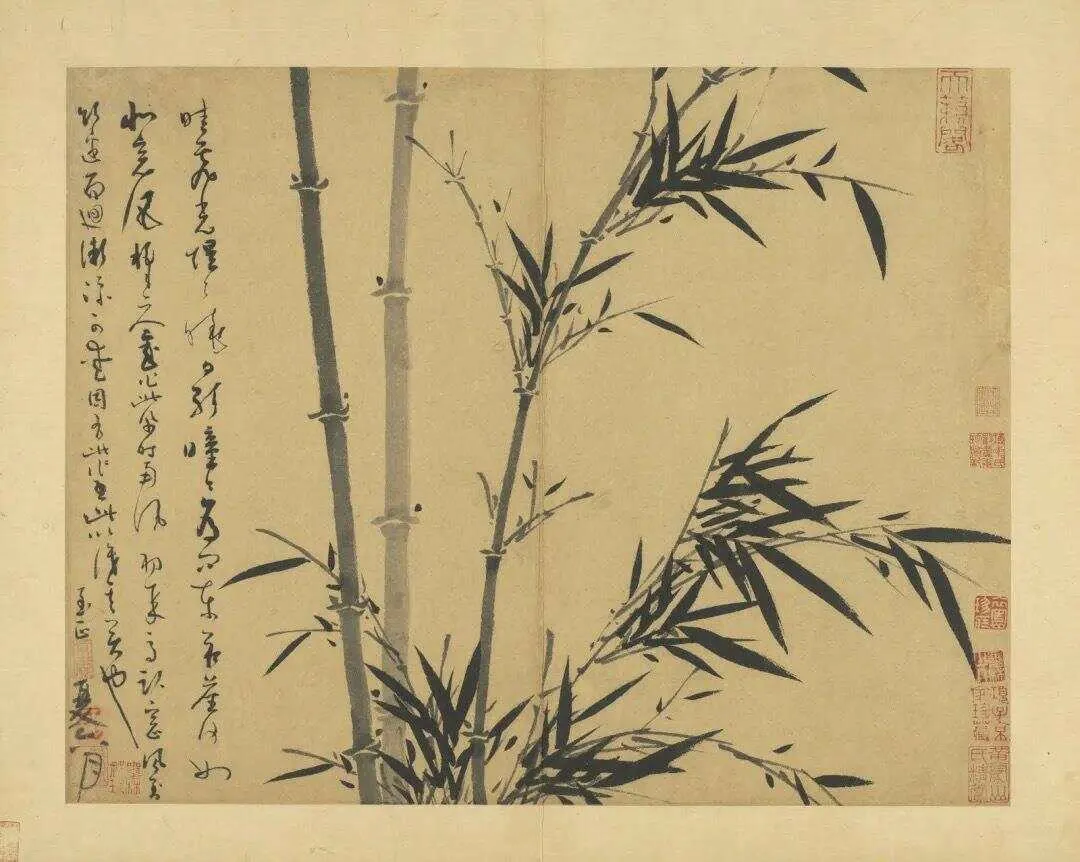
Bamboo has been more than a plant to Chinese culture; it is a profound symbol and a central motif in art, literature, and philosophy. Its presence in daily life has long shaped aesthetics and moral values.
Bamboo in Chinese Philosophy and MoralityIn Confucian and Daoist thought, bamboo carries deep symbolic meaning. Its tall, straight stems represent integrity and righteousness, while its hollow interior symbolizes humility and open-mindedness. Scholars often likened themselves to bamboo: standing tall in character, yet modest in attitude. The bending of bamboo in wind teaches resilience, a lesson mirrored in both personal and social ethics.
Literary works from the Tang and Song dynasties frequently used bamboo imagery to convey moral qualities. Poems would describe a scholar leaning against a bamboo grove, signifying quiet reflection and moral fortitude. Bamboo was a metaphorical mirror for one’s character: supple but strong, simple yet noble.
Bamboo in Chinese Painting and CalligraphyThe bamboo motif is a cornerstone in Chinese painting, particularly in ink brush art. Artists of the literati tradition—scholar-painters—often painted bamboo alongside plum blossoms, orchids, and chrysanthemums, collectively known as the “Four Gentlemen.” These paintings were not merely decorative; they conveyed philosophical ideals and personal cultivation.
Brush strokes that captured the swaying bamboo conveyed rhythm, energy, and spirit (qi). The varying shades of ink represented both subtlety and dynamism. Black bamboo, in particular, became a popular subject in traditional painting for its dramatic color contrast and elegance. Red bamboo, although less common, symbolizes warmth and vitality, occasionally appearing in modern reinterpretations.
Calligraphy also embraced bamboo as a metaphor. The straight yet flexible lines of bamboo were likened to proper brush technique: a disciplined, upright stroke imbued with natural flow. Scholars and artists often inscribed bamboo imagery alongside poems to express moral ideals or personal sentiment.
Bamboo in Literature and FolkloreBamboo appears extensively in Chinese literature and folklore. Stories often depict bamboo groves as places of seclusion, meditation, or spiritual encounters. In classic tales, heroes may hide in bamboo forests, and immortals are said to dwell among bamboo to cultivate enlightenment. Bamboo represents purity, serenity, and protection, making it an enduring motif in narrative imagination.
The plant is also associated with longevity and fortune. Bamboo groves near a home are considered auspicious, bringing prosperity and positive energy. These associations led to widespread cultivation of bamboo in both rural and urban spaces.
The Aesthetic of Bamboo GardensThe concept of the bamboo garden is central to traditional Chinese landscaping. Bamboo gardens are carefully designed to harmonize with natural landscapes, creating spaces for contemplation and leisure. In classical gardens, bamboo serves multiple purposes: as a visual focal point, a natural screen, and a source of soothing rustling sounds in the wind.
The selection of bamboo species is deliberate. Black bamboo adds dramatic contrast and elegance, while green bamboo conveys freshness and calm. Gardens might also feature red bamboo, whose subtle hue offers warmth to the overall composition. Bamboo pathways invite slow, reflective walks, and carefully arranged clusters create rhythmic patterns that please both the eye and the mind.
Bamboo gardens were particularly favored by scholars and poets, who sought quiet spaces to write, meditate, and discuss philosophy. Today, these gardens remain treasured, both as heritage sites and modern reinterpretations in urban landscaping.
Integration with Chinese Daily LifeEven beyond art and philosophy, bamboo’s symbolic significance influences everyday objects. Items such as bamboo pillows are designed not just for comfort but for promoting healthy posture and relaxation, reflecting the same elegance and natural alignment associated with bamboo’s physical form. Bamboo earrings carry aesthetic grace and may subtly express cultural literacy or artistic taste. Bamboo-themed décor embodies a lifestyle that values simplicity, serenity, and moral reflection.
In all these aspects, bamboo transcends its material utility. It becomes a vessel for culture, a medium for personal expression, and a symbol of resilience and integrity. In this way, the Chinese relationship with bamboo is both tangible and deeply spiritual, reflecting an aesthetic and philosophical worldview that has endured for centuries.
Bamboo in Chinese Architecture and Homes: From Traditional Houses to Modern Innovation
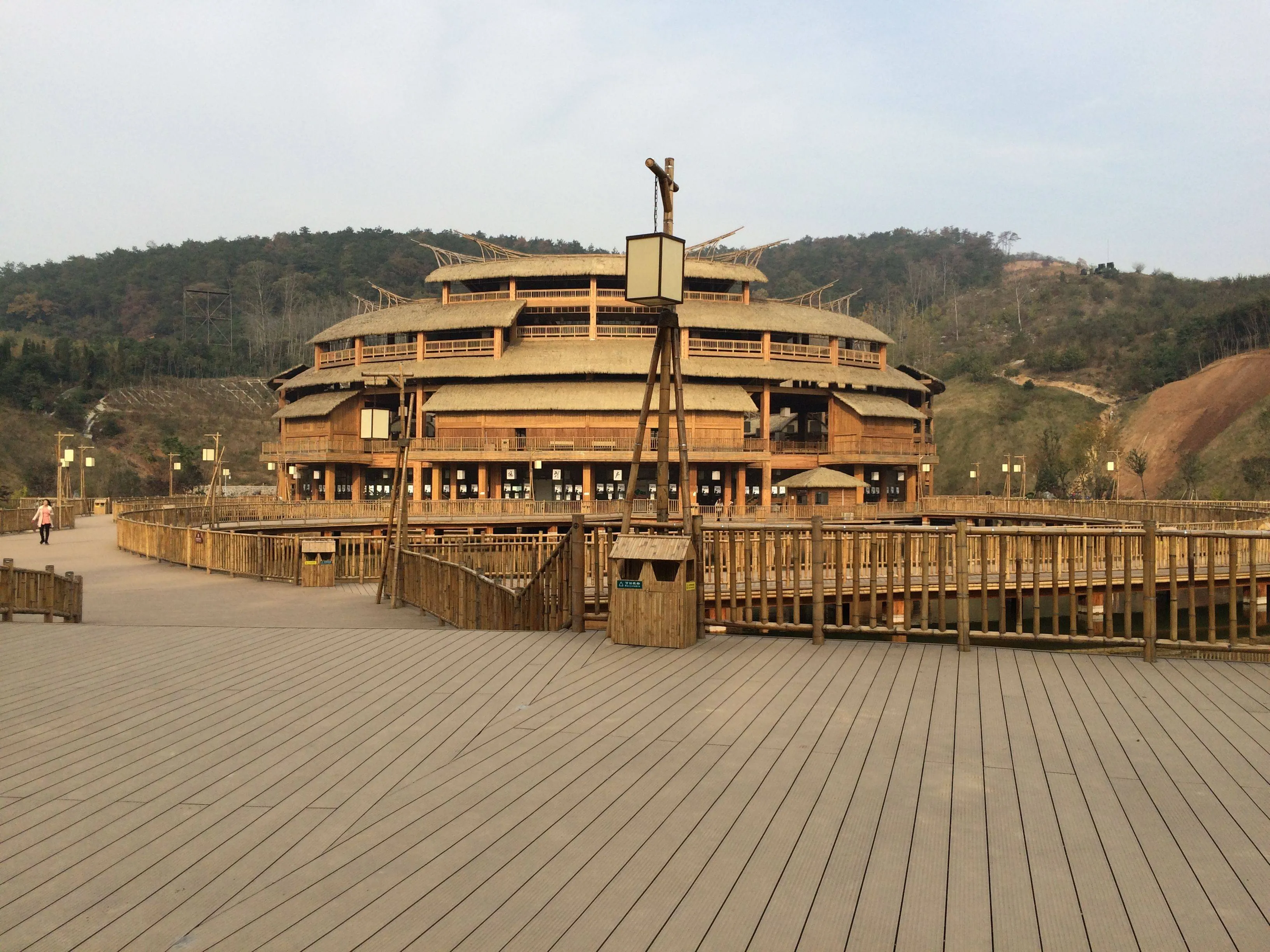
Bamboo is more than a symbol or decorative plant in Chinese culture—it has been a fundamental building material for centuries. Its combination of lightness, flexibility, and strength makes it ideal for constructing homes, bridges, and furniture. In China, the integration of bamboo into architecture is both practical and symbolic, reflecting an enduring harmony between humans and nature.
The Practicality of Bamboo in Traditional ArchitectureHistorically, bamboo was widely used in southern China, where its rapid growth and abundance made it accessible to rural communities. Farmers and artisans crafted everything from structural beams to floorboards from bamboo, creating houses that were resilient, lightweight, and naturally ventilated.
A bamboo house is typically designed with both durability and climate considerations in mind. The hollow stems allow airflow, keeping interiors cool during hot summers. Bamboo flooring and walls have natural moisture-regulating properties, absorbing humidity when the air is damp and releasing it when the air dries. These features demonstrate a practical knowledge of material science long before modern engineering concepts were formalized.
Beyond functional aspects, bamboo houses were deeply connected to cultural aesthetics. The straight lines of bamboo beams and the rhythmic pattern of bamboo lattices create a subtle elegance, complementing the natural surroundings. Builders often combined bamboo with clay, wood, and stone, forming structures that seamlessly integrate with forests, rivers, or gardens.
Bamboo in Modern Architecture and DesignIn contemporary China, bamboo continues to inspire architects and designers. Modern eco-friendly architecture often incorporates bamboo for its renewable properties, structural strength, and natural beauty. In urban settings, bamboo houses may appear as part of sustainable resorts, tea houses, or garden pavilions. The material is celebrated not only for its environmental advantages but also for its aesthetic appeal—its texture, color, and natural patterns bring warmth and character to modern constructions.
Architects experiment with bamboo in innovative ways. Laminated bamboo, bamboo composites, and engineered bamboo panels allow for taller, more durable structures, while maintaining flexibility and lightness. These advancements demonstrate that traditional materials, when reimagined through modern technology, can meet contemporary design demands while preserving cultural identity.
Bamboo in Garden ArchitectureThe bamboo garden is a quintessential aspect of Chinese landscaping architecture. Beyond aesthetic value, bamboo in gardens serves as a living element that interacts with the environment. Bamboo groves create natural walls, pathways, and focal points. The sound of leaves rustling in the wind adds an auditory dimension, promoting relaxation and reflection.
In garden pavilions, bamboo is often combined with water features and stone elements to evoke a sense of balance and harmony. The design encourages mindfulness; every bamboo stalk is placed intentionally, guiding movement and sight lines, shaping both visual composition and human experience.
Bamboo in Interior SpacesInside homes, bamboo is equally pervasive. Furniture—such as chairs, tables, and screens—leverages bamboo’s strength and flexibility, while decorative elements—like bamboo pillows and woven bamboo mats—offer comfort and health benefits. The bamboo pillow, for instance, promotes proper alignment of the neck and spine and provides a naturally cool sleeping surface, reflecting an understanding of ergonomics rooted in traditional knowledge.
Bamboo is also present in subtle home décor, from window blinds to ceiling panels, where its warm texture and rhythmic pattern create a calming ambiance. Even contemporary apartments may feature bamboo elements as a nod to tradition, bringing a sense of cultural continuity into modern life.
Symbolic Significance in ArchitectureThe use of bamboo in architecture extends beyond utility. It conveys philosophical and moral symbolism. A bamboo lattice is more than a wall—it represents balance, order, and transparency. A house surrounded by bamboo is thought to bring prosperity and moral stability to its inhabitants. In urban areas, bamboo screens provide privacy while maintaining openness, echoing the cultural value of discretion combined with social harmony.
Certain species, like black bamboo and red bamboo, are favored in gardens and homes for their visual and symbolic qualities. Black bamboo is associated with elegance and sophistication, often placed near entrances or meditation spaces. Red bamboo, with its subtle warm hue, adds vibrancy and is sometimes used in ceremonial or festive architectural features.
Cultural Continuity and Modern AdaptationThe endurance of bamboo in Chinese architecture reflects the culture’s respect for nature and tradition. While modern materials like steel and concrete dominate, bamboo remains a powerful symbol and functional choice. Architects and designers increasingly integrate bamboo into green building projects, public parks, and urban installations, bridging past and present.
Whether in a rustic countryside dwelling, a classical garden pavilion, or a modern eco-resort, bamboo continues to shape the spaces where people live, work, and gather. It embodies a unique blend of resilience, beauty, and ethical reflection—qualities that mirror the Chinese cultural understanding of life itself.
Bamboo in Food and Daily Products: Nourishment, Comfort, and Everyday Life
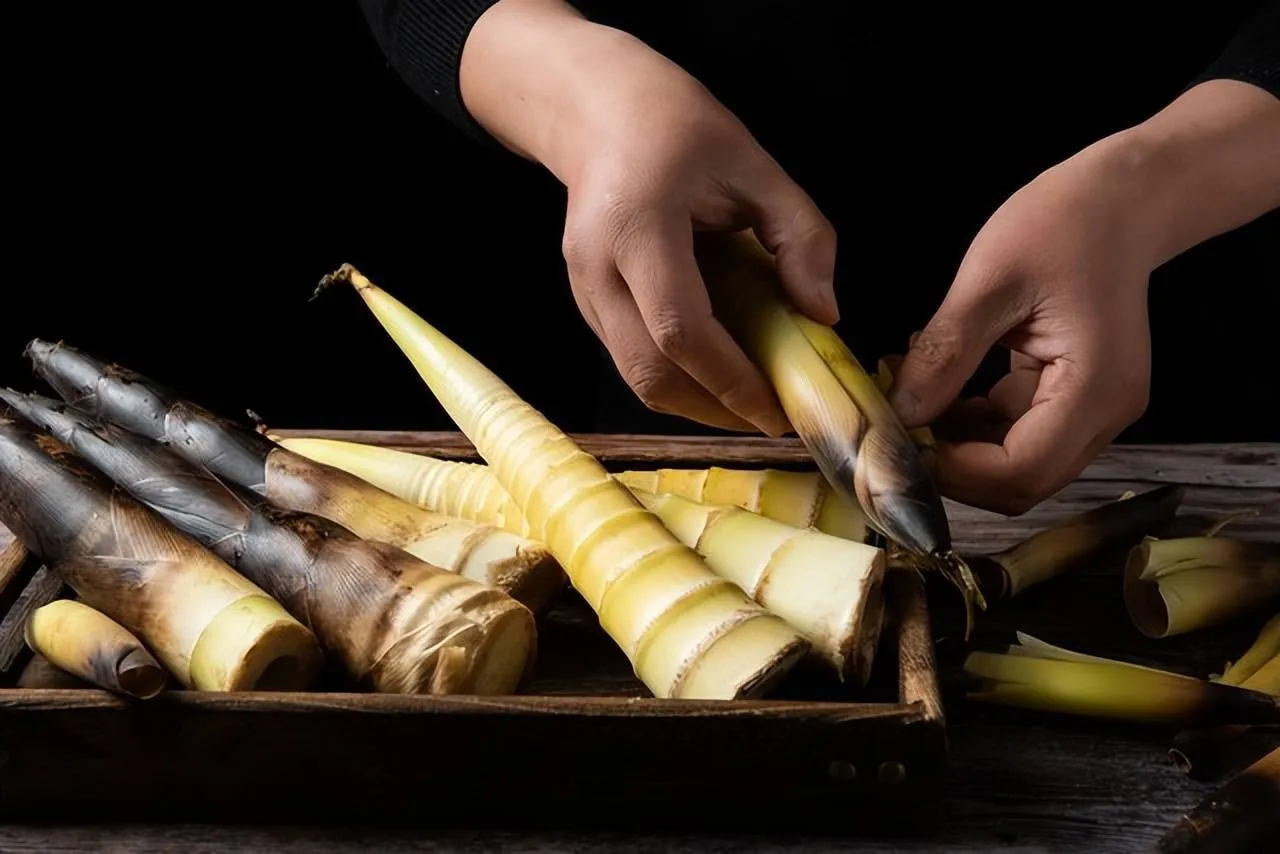
Bamboo is far more than a symbol or building material in Chinese culture; it is intimately woven into daily life. From the kitchen to the bedroom, from accessories to household items, bamboo serves practical, aesthetic, and cultural purposes. Its versatility and sustainability make it an enduring part of Chinese life, while its symbolic meanings reinforce cultural identity. This chapter explores the many ways bamboo enhances Chinese living, from bamboo shoots in culinary tradition to bamboo pillows that improve sleep.
Bamboo in Chinese Cuisine: From Bamboo Shoots to Gourmet DelightsOne of the most celebrated aspects of bamboo in China is its role in the kitchen. Bamboo shoots, the tender, edible young stems of the bamboo plant, are prized for their delicate flavor, crisp texture, and health benefits. Harvested in early spring, bamboo shoots are a seasonal delicacy that signals the renewal of life and vitality.
Bamboo shoots are highly versatile. They can be stir-fried with meats, pickled, steamed, or incorporated into soups and dumplings. In southern Chinese cuisine, bamboo shoots are often paired with pork or chicken, creating dishes that balance tenderness with crunch. Their mild taste absorbs seasonings effortlessly, making them a staple ingredient in both home cooking and fine dining.
Beyond flavor, bamboo shoots are valued for their nutritional profile. They are low in calories, rich in fiber, and contain antioxidants, vitamins, and minerals. Traditional Chinese medicine even considers bamboo shoots beneficial for digestion and overall wellness. This dual value—culinary and medicinal—reflects a broader cultural pattern in which food is seen as nourishment for both body and spirit.
Bamboo is also used as a cooking medium. In some regions, rice, fish, or meats are steamed inside bamboo tubes, infusing the food with a subtle fragrance while preserving moisture. The bamboo imparts an earthy aroma that enhances flavor and makes the dining experience a multi-sensory journey.
Bamboo in Household Products: Comfort, Health, and SustainabilityBamboo’s practical applications extend far beyond the kitchen. Chinese households have long employed bamboo in everyday items, blending functionality with cultural symbolism.
Bamboo pillows are a prime example. Traditionally filled with shredded bamboo fibers or woven mats, these pillows are naturally cool, firm, and breathable. They support the head and neck, improve posture, and provide a refreshing sleep experience, particularly in hot, humid climates. Beyond comfort, the use of bamboo in bedding symbolizes a connection with nature and a lifestyle rooted in harmony and mindfulness.
Other household items include bamboo mats, baskets, chopping boards, and even furniture like chairs and stools. The lightweight, durable nature of bamboo makes it ideal for creating long-lasting household products. Woven bamboo baskets, for instance, serve both practical and decorative purposes. They can store food, display fruits, or even act as planters for small indoor gardens. Each piece, simple yet elegant, reflects the aesthetic principles of Chinese design: balance, utility, and understated beauty.
Bamboo in Personal Accessories: From Earrings to Decorative ItemsBamboo also permeates personal adornments and cultural expression. Bamboo earrings are increasingly popular, blending traditional motifs with modern fashion trends. Lightweight and eco-friendly, they appeal to those who value sustainability and natural materials. In addition, bamboo bracelets, hairpins, and small charms carry cultural symbolism, often representing resilience, humility, and elegance.
In traditional crafts, black bamboo is frequently chosen for jewelry and decorative items due to its striking color and association with sophistication. Red bamboo, with its warm hue, is often incorporated into festive ornaments, signaling vitality and celebration. Even small bamboo carvings—animals, miniature furniture, or intricate patterns—embody artistic skill and cultural heritage.
Bamboo in Modern Consumer CultureIn recent decades, bamboo has experienced a resurgence in modern consumer culture, both in China and globally. Sustainable products made from bamboo, such as utensils, water bottles, and eco-friendly packaging, appeal to environmentally conscious consumers. Bamboo fiber textiles are being used for clothing, towels, and bedding, providing softness, breathability, and natural antibacterial properties.
This modern adoption of bamboo bridges traditional wisdom with contemporary lifestyle demands. It emphasizes the material’s ecological benefits while preserving cultural associations with purity, health, and moral integrity. For instance, a bamboo pillow on a modern bed is not merely a product—it is a continuation of a centuries-old philosophy that values comfort, alignment with nature, and thoughtful living.
Cultural Reflection: Bamboo as a Lifestyle PhilosophyAcross food, home products, and accessories, bamboo embodies a philosophy of life. It is practical yet elegant, strong yet flexible, humble yet enduring. Incorporating bamboo into daily life is not only functional but also symbolic: it reflects a mindset of harmony, respect for nature, and aesthetic awareness.
For Chinese people, eating bamboo shoots, resting on bamboo pillows, or wearing bamboo earrings is more than habit; it is a way of aligning oneself with cultural ideals. Bamboo represents resilience in adversity, the beauty of simplicity, and the wisdom of patience—qualities that permeate both material culture and personal values.
Bamboo as an Enduring Part of Everyday LifeFrom the first bite of a tender bamboo shoot to the comforting feel of a bamboo pillow, the presence of bamboo in Chinese life is tangible, intimate, and meaningful. It enriches food, enhances daily living, and carries centuries of cultural symbolism. Its versatility, aesthetic appeal, and philosophical significance have allowed bamboo to remain relevant, not only as a traditional material but also as a modern lifestyle choice.
Chinese bamboo culture illustrates the harmony between utility and symbolism, tradition and innovation, nature and human creativity. In every household, garden, and personal accessory, bamboo quietly reminds people of resilience, elegance, and the enduring values of Chinese culture.
Bamboo in Fashion, Accessories, and Modern Culture: Tradition Meets Innovation

Bamboo’s influence in China extends far beyond gardens, homes, and kitchens. In fashion, accessories, and popular culture, bamboo continues to inspire creativity, sustainability, and cultural pride. From delicate bamboo earrings to avant-garde clothing and design concepts, bamboo embodies a unique blend of tradition and modernity, reflecting Chinese aesthetics while addressing contemporary lifestyles.
Bamboo in Traditional Fashion and AccessoriesHistorically, bamboo has been a versatile material in fashion and adornment. It appears in hairpins, bracelets, earrings, fans, and even hat frames. Its natural lightness and flexibility made it ideal for delicate craftsmanship. Bamboo earrings, in particular, were popular among women from both rural and urban areas. They were not only visually pleasing but also carried symbolic meanings—resilience, flexibility, and moral integrity.
Different types of bamboo convey distinct aesthetic qualities. Black bamboo was favored for elegant and formal settings. Its dark hue provided dramatic contrast in jewelry or clothing accessories, highlighting sophistication. Red bamboo, with its subtle warm tones, symbolized vitality and celebration. Incorporating these materials into accessories allowed wearers to express personal taste while resonating with cultural symbolism.
In traditional clothing, bamboo was sometimes woven into decorative patterns on fabrics or used in functional items such as umbrella handles and shoe frames. These applications illustrate the seamless integration of utility, art, and symbolism—a principle that has persisted into modern design philosophy.
Bamboo in Modern Fashion: Sustainability and InnovationToday, bamboo has taken on new roles in the fashion industry, both in China and globally. Bamboo fiber textiles are increasingly popular due to their softness, breathability, and natural antibacterial properties. Clothing, socks, hats, and scarves made from bamboo fiber provide comfort while aligning with sustainable and eco-conscious trends.
Chinese designers are experimenting with bamboo in unexpected ways. For instance, bamboo components appear in avant-garde clothing collections or accessories that emphasize natural texture and pattern. Bamboo sunglasses, watches, and handbags combine elegance, durability, and environmental responsibility. Even everyday wear can carry a subtle nod to bamboo’s cultural heritage, bridging ancient tradition with modern sensibilities.
Bamboo in Jewelry and Personal ExpressionBamboo jewelry continues to flourish, blending artistry with cultural identity. Bamboo earrings, necklaces, and bracelets are popular among young people seeking eco-friendly and culturally meaningful accessories. They symbolize resilience, balance, and natural beauty—values deeply embedded in Chinese culture.
Artists are incorporating modern techniques into bamboo jewelry production, including laser cutting, staining, and combining bamboo with metals or gemstones. Black bamboo jewelry, for example, is paired with silver or gold to create contrast, while red bamboo is highlighted in festive or ceremonial designs. These modern adaptations maintain traditional symbolism while appealing to contemporary aesthetics.
Beyond visual appeal, bamboo jewelry fosters a sense of cultural connection. Wearing bamboo-crafted accessories signals respect for heritage, environmental awareness, and mindfulness—qualities increasingly valued in urban Chinese society.
Bamboo in Popular Culture and MediaBamboo’s presence in contemporary Chinese media also reinforces its cultural importance. In films, advertisements, and social media, bamboo often appears as a visual motif symbolizing elegance, resilience, or serenity. For example, characters in period dramas might stroll through a bamboo grove, conveying reflection and moral strength. In urban advertising, bamboo imagery signals environmental sustainability and modern lifestyle sophistication.
Bamboo-inspired design is also evident in architecture, home décor, and lifestyle products that cater to younger generations. Bamboo pillows, bamboo mats, and eco-friendly utensils are promoted through social media platforms, blending functional utility with aspirational aesthetics. Influencers and designers often highlight bamboo as both a cultural and environmentally conscious choice, creating a bridge between tradition and global trends.
The Cultural Meaning of Bamboo in Modern LifeIn modern Chinese culture, bamboo has become a symbol of ethical and aesthetic values. It embodies resilience, adaptability, and refinement—qualities that resonate in both personal life and professional spheres. Choosing bamboo products, whether as fashion items, home goods, or culinary ingredients, reflects an awareness of sustainability, heritage, and style.
The combination of bamboo garden landscapes, bamboo house interiors, bamboo shoots in cuisine, and bamboo-inspired fashion accessories creates a cultural ecosystem in which bamboo is not just a material but a lifestyle philosophy. Its continuous presence in daily life emphasizes balance between human needs, environmental consciousness, and cultural pride.
Global Recognition and Future PotentialChinese bamboo culture is gaining international recognition. Sustainable fashion brands, eco-conscious architects, and global culinary enthusiasts increasingly draw inspiration from China’s rich bamboo heritage. Bamboo’s versatility, symbolic meaning, and aesthetic appeal position it as a material that transcends borders.
Looking forward, bamboo’s role in Chinese culture will likely expand in areas such as technology, sustainable innovation, and artistic expression. Its inherent qualities—strength, flexibility, and ecological sustainability—mirror the evolving values of modern society, where tradition, environmental responsibility, and creativity intersect.
Conclusion — Bamboo: A Timeless Symbol of Chinese Culture and LifestyleFrom gardens and homes to food, fashion, and personal accessories, bamboo permeates nearly every aspect of Chinese life. Its significance extends beyond practicality to embody philosophical principles, aesthetic ideals, and cultural identity. Bamboo earrings, black bamboo, red bamboo, bamboo pillows, and bamboo in architecture or cuisine are not mere objects—they are expressions of resilience, elegance, and mindful living.
Chinese bamboo culture demonstrates a unique blend of tradition and modernity, reflecting a society that values heritage while embracing innovation. By integrating bamboo into daily life, Chinese people honor centuries of philosophy, craftsmanship, and ecological wisdom.
As bamboo continues to inspire fashion, design, and sustainable living, it remains a living testament to China’s creativity, cultural pride, and enduring connection with nature.