
China Beauty Standards: Tradition, Modern Pressure, and the Future of Chinese Beauty Ideals
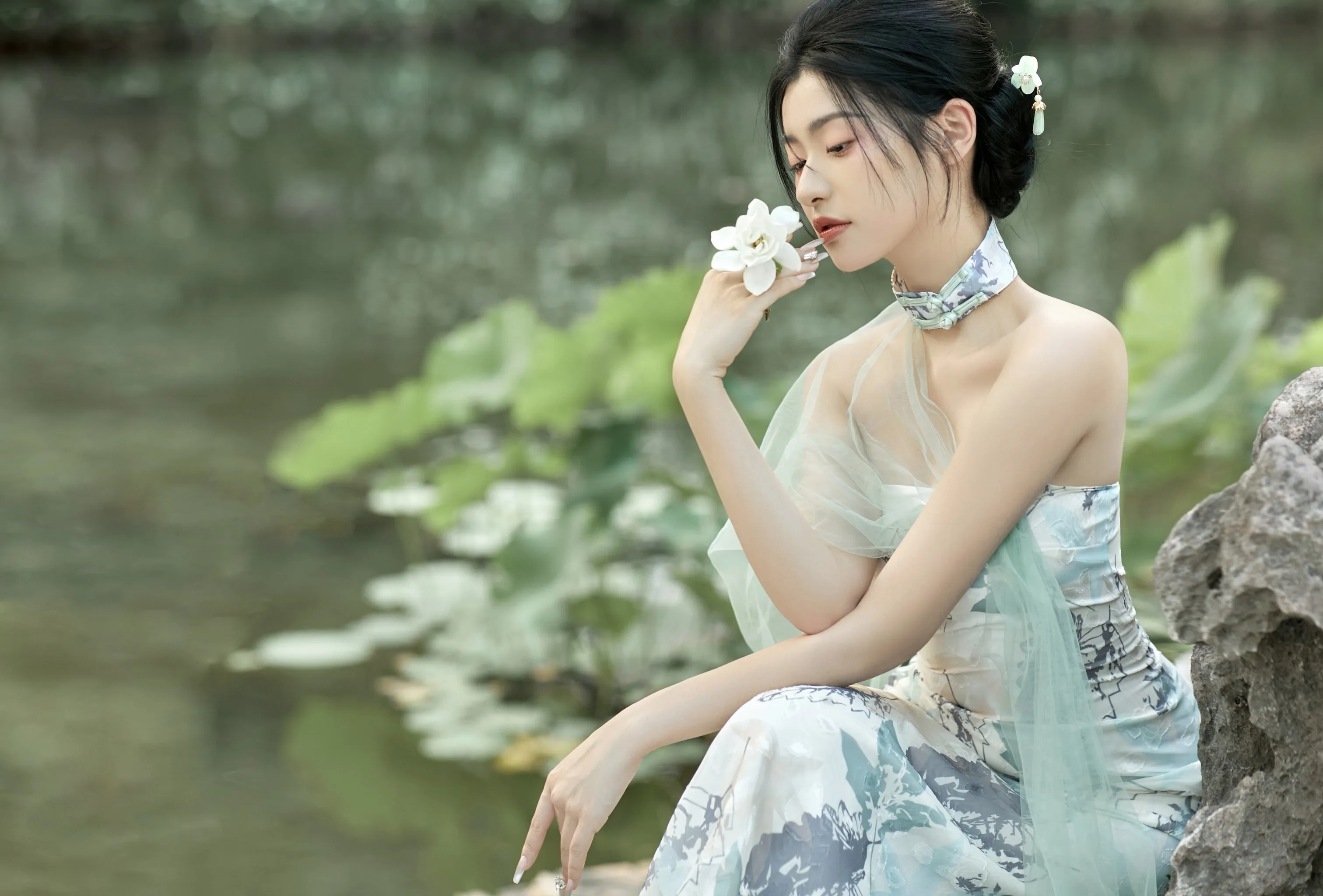
Why Beauty in China Is More Than Aesthetic
Beauty in China has never been just a surface-level pursuit. It is a cultural language, a social signal, and sometimes even a reflection of one’s inner character. When people today discuss China beauty standards or Chinese beauty ideals, they often focus on pale skin, youthful features, or trendy skincare routines. Yet behind these visible elements lies a long story woven from history, philosophy, social expectations, and the rapid digitalization of modern life.
This article explores that story in three phases:
- Where Chinese beauty ideals come from
- How modern society and technology reshape them
- Where these standards might be heading in the future
Each chapter uncovers a different layer of what beauty means in China—emotionally, socially, and culturally.
Echoes of the Past: How History Formed Chinese Beauty Ideals
Chinese beauty ideals have deep cultural roots, shaped over thousands of years. They reflect the temperament of dynasties, the values of philosophers, and the emotional tone of Chinese art.
Beauty as Softness and HarmonyIn early poetry and classical literature, beauty was often described with metaphors of nature: the moon, flowing water, light clouds. These gentle images expressed the early aesthetic belief that beauty should be harmonious—not forceful or overwhelming.
Confucianism added the idea that outward beauty reflected inward character. A calm, refined appearance symbolized a disciplined, cultured mind. Thus, gentle expression, modesty, and subtlety became enduring traits of Chinese beauty.
Dynasty Shifts and Changing AestheticsBeauty changed dramatically from dynasty to dynasty.
The Tang Dynasty celebrated fullness—rounded bodies, confident stances, rich colors. A fuller figure symbolized fertility, wealth, and stability.
The Song Dynasty emphasized slender forms, pale skin, and quiet gentleness. By the Ming and Qing eras, fair skin became an ideal, symbolizing status and education.
Feet Binding and Complicated AestheticsFoot binding, historically popular, reveals how beauty intertwined with social structure. Tiny feet symbolized delicacy and control, showing how beauty was linked to discipline and social order.
What Remains TodayFrom ancient times to now, certain threads remain consistent:
- Softness over aggression
- Balance over exaggeration
- Subtlety over boldness
- Skin as a symbol of personal cultivation
Beauty in Modern China: Youth, Refinement, and the Digital Mirror
If ancient beauty ideals came from poetry, modern Chinese beauty is shaped by screens. Smartphones, livestream apps, and influencer culture accelerate trends at unprecedented speed.
The Pursuit of YouthfulnessOne of the strongest forces in today’s beauty standards is the desire for youth, often expressed as 少女感 (the feeling of girlish freshness). Smooth skin, bright eyes, and a small, delicate facial structure form the blueprint for this youthful look.
Skin: The Center of Beauty CultureChina’s beauty market is skincare-driven. Consumers value clarity, hydration, and luminosity:
- 水光肌 (glass-skin glow)
- 奶油肌 (creamy glow)
- 清透感 (translucent fresh look)
Apps like Douyin and Xiaohongshu amplify beauty ideals through filters, tutorials, and influencer content. Cosmetic procedures like nose shaping, jawline contouring, and eye enhancements are widespread.
Global Influences: Korea, Japan, and the WestKorean makeup trends, Japanese minimalism, and Western fitness culture shape Chinese beauty while maintaining traditional softness and restraint.
Growing Resistance to Standardized BeautyA counter-movement is emerging: freckles, natural skin texture, and tanned skin are gaining popularity, reflecting a desire for authenticity and individuality.
The Future of Chinese Beauty Ideals: Diversity, Culture, and Self-Expression
Guochao: A Renaissance of Chinese AestheticsThe Guochao movement revives traditional aesthetics in fashion and beauty. Hanfu, historical makeup, and ancient-inspired colors are popular among young people, blending heritage with modern confidence.
Diversity Becoming Mainstream- Wheat-colored and tanned skin is gaining recognition
- Freckles are embraced
- More body shapes are appreciated
- “Real face” photos trend on social media
Male grooming is increasing. Chinese men use skincare, subtle makeup, and fashion styling, reflecting expanding male beauty standards.
Technology: A Double-Edged SwordAI beauty apps, virtual try-ons, and personalized skincare reshape how beauty is experienced. Technology enables creativity but also raises questions about authenticity.
The Heart of Tomorrow’s Beauty: ConfidenceThe next era values:
- Cultural identity
- Health
- Confidence
- Individuality
Conclusion — Chinese Beauty Is Moving Toward a More Confident, Inclusive Future
Chinese beauty standards have evolved from ancient poetry to modern digital culture. Today, diversity and individuality are rising alongside traditional values. Beauty now reflects cultural identity, self-expression, and confidence.
Understanding Chinese beauty ideals provides insight into Chinese society itself—its values, hopes, and complexities. As China changes, its definitions of beauty will continue to evolve, balancing history with innovation, softness with strength, and collective identity with personal expression.