
How to Get Good Luck in Your Zodiac Year
Table of Contents
In Chinese culture, your "Ben Ming Nian"—the year that matches your birth zodiac—carries a paradoxical weight. Rather than promising fortune, it is believed to be a time when one's luck is most volatile, potentially bringing challenges. Yet, this tradition is not without hope. It also prescribes specific practices and precautions designed to protect individuals, counteract negative forces, and attract divine goodwill throughout this critical year.
What is Ben Ming Nian?
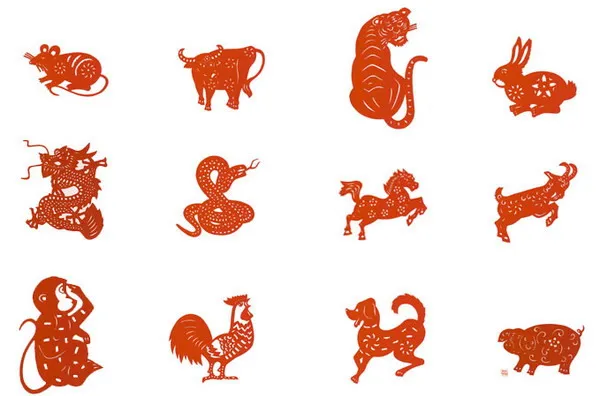
"Ben Ming Nian" (本命年) is a unique concept in Chinese astrology, referring to the year when your birth zodiac animal re-aligns with the annual zodiac. Unlike Western sun signs that change monthly, the Chinese zodiac operates on a 12-year cycle, with each year governed by one animal sign (Rat, Ox, Tiger, Rabbit, Dragon, Snake, Horse, Goat, Monkey, Rooster, Dog, and Pig).
This cyclical return is seen as a symbolic "rebirth" year, traditionally considered a period of heightened astrological vulnerability. Your Ben Ming Nian recurs every 12 years—commonly at ages 12, 24, 36, 48, and so on, based on nominal age ("虚岁"), which increments with each Lunar New Year rather than on your birthday.
While the Lunar New Year begins between January and February, each zodiac animal broadly corresponds to a Gregorian calendar year (e.g., 2026 is the Year of the Horse). To determine your zodiac sign and anticipate your next Ben Ming Nian, refer to the chart below matching your birth year with its presiding animal.
Why is Your Chinese Zodiac Year Bad Luck?
Unfortunately, being in your Ben Ming Nian is not an occasion for celebration, but traditionally believed to be a year of setbacks and delays at best and disasters at worst. This is because in addition to the zodiac animal, each year also has a governing god, called the God of "Tai Sui" in Chinese. To understand this peculiarity, you might consider that back in the days of emperors, it was considered taboo to share the same name as the emperor—so it isn't surprising that the God of the Tai Sui might not look kindly upon your sharing their zodiac!
According to traditional belief, individuals in their Ben Ming Nian are considered most likely to "offend Tai Sui" (the God of the Year). This celestial misalignment is thought to invite a period of heightened vulnerability, where even under the best circumstances, one may encounter obstacles and unforeseen challenges. More gravely, it is seen as a particularly inauspicious time for major life commitments. Foremost among the taboos is marriage; tradition strongly advises against becoming engaged or married during this year, warning that unions formed under this astrological shadow may face greater trials or lack longevity.
In terms of work, switching jobs or starting businesses in Ben Ming Nian could lead you to severe financial difficulties. Even other major ventures like moving house, traveling great distances and such are generally advised against. Basically, it is best to lay low on Ben Ming Nian and try to fly under the radar of Tai Sui to avoid serious calamity.
However, adhering strictly to every traditional guideline may not always align with the rhythms of modern life, where major decisions often follow their own timeline. Fortunately, the same ancient wisdom that outlines these cautions also provides a path forward. For those anticipating significant changes during their Ben Ming Nian, tradition offers practical and time-honored methods to respectfully harmonize with Tai Sui. These practices aim to seek understanding and blessings for the journey ahead, turning a year of potential challenge into one of mindful navigation and guarded prosperity.
Traditional Protection Methods
A Shrine for Tai Sui: Seeking Harmony in Your Zodiac Year
Setting Up a Tai Sui Shrine: A Step-by-Step GuideThe year of your zodiac sign is also considered your year of "Fan Tai Sui," meaning you may inadvertently offend the presiding deity. Establishing a Tai Sui shrine at home is a traditional way to appease this celestial influence and proactively seek protection.
Key Considerations:
- Timing: Set up the shrine early in the year, ideally before the Lunar New Year.
- Placement: Each Tai Sui favors a specific direction. For instance, in 2026 (Year of the Horse), the auspicious direction is the south. Place the shrine in the southern part of your home.
- Respect: Once placed, avoid loud disturbances, construction, or major renovations in that area to maintain a peaceful environment for the deity.
In the practice of Feng Shui, directly facing Tai Sui is considered an act of confrontation and disrespect. Therefore, during your Ben Ming Nian, it is advised to thoughtfully orient key furniture—such as your bed, desk, and sofa—so that your habitual sitting or lying position does not directly face the Tai Sui's favored direction of the year.
For 2026, when Tai Sui resides in the south, positioning yourself to face north is considered optimal. This mindful alignment is more than avoidance; it is an act of ceremonial respect within Chinese spatial philosophy. By honoring this principle, you not only avert potential conflict but may also invite the deity's goodwill, potentially transforming the year's energy to your benefit.
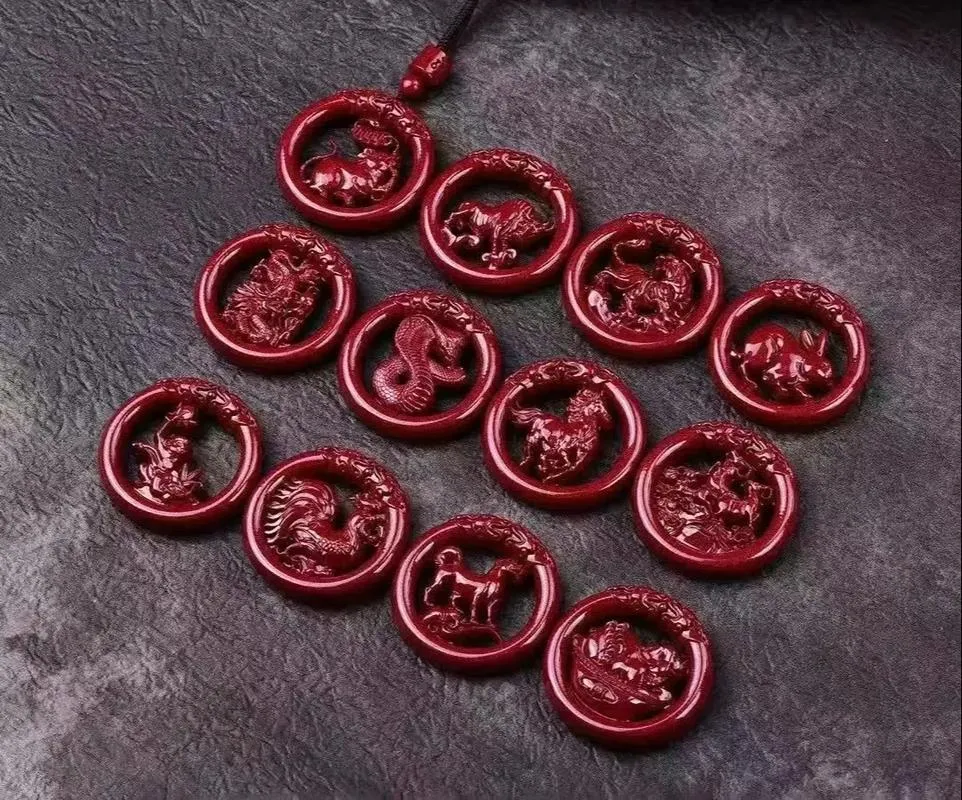
Personal Guardians: Talismans for Protection and ProsperityAnother proactive measure is to wear a personal talisman, commonly in the form of a pendant or bracelet. Adorning an emblem of your own zodiac animal serves as a direct appeal for its guardianship, while the mythical Pixiu is a popular choice for its potent association with attracting and guarding wealth.
These talismans are often crafted from jade, a stone deeply revered in Chinese culture not only for its beauty but also for its perceived purifying properties. It is believed that jade can absorb and dispel negative energies, effectively drawing out the metaphorical "impurities" of misfortune from one's aura, thereby offering a layer of spiritual and physical protection throughout the vulnerable Ben Ming Nian.
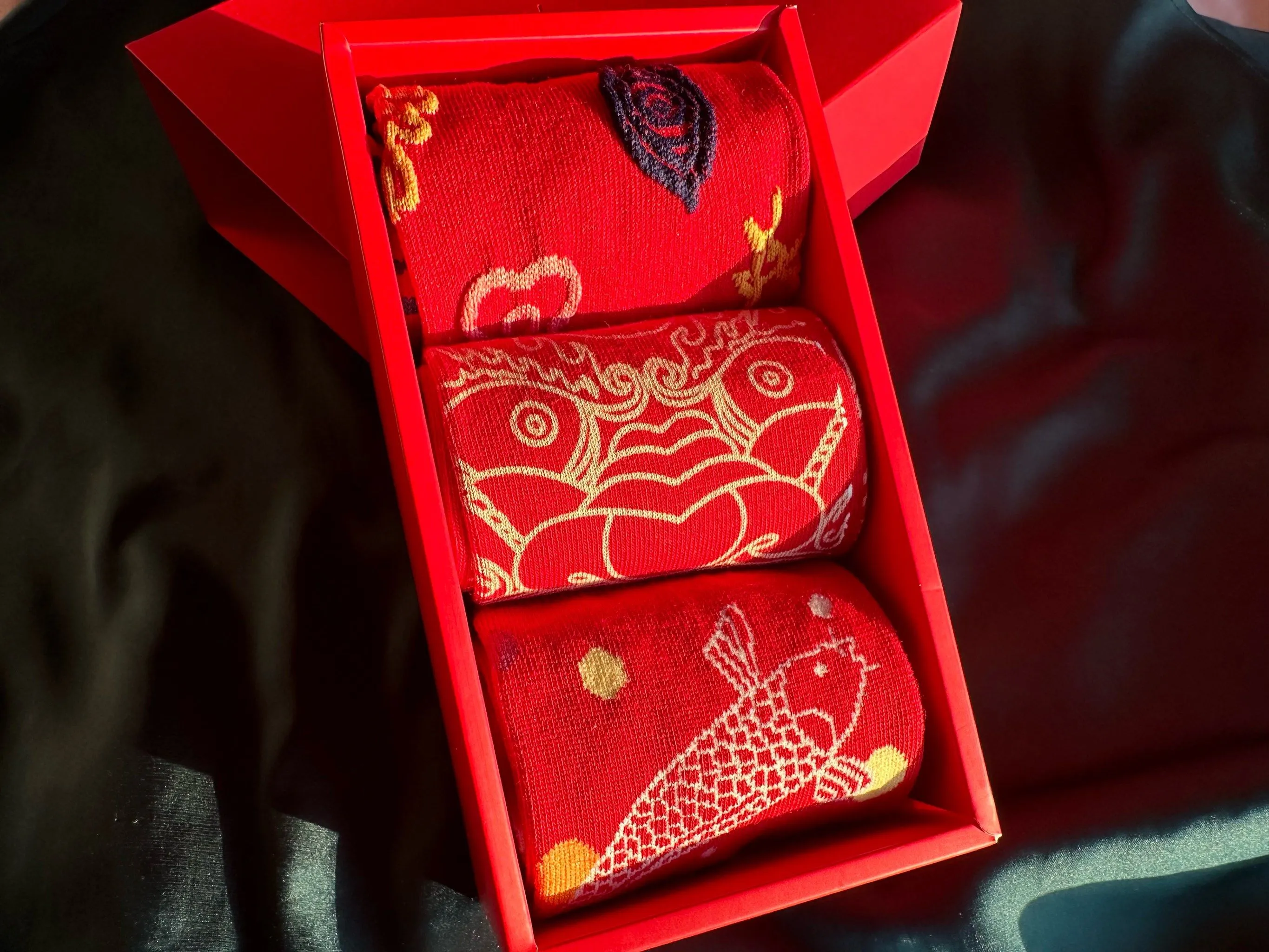
The Protective Power of RedIn Chinese culture, red is the paramount color of luck, joy, and prosperity, ubiquitous at weddings and festivals. During your vulnerable Ben Ming Nian, consciously wearing red transforms this general auspiciousness into a personal shield against misfortune.
This practice can be both visible and discreet: a red scarf, belt, or a talisman strung on a red cord draws in positive energy. The most intimate and traditional form of this protection is the wearing of red underwear and socks, especially as the New Year begins. By "binding" yourself to this color from the skin out, you symbolically and continually wrap your person in a layer of protective fortune for the year ahead.
Modern Perspectives and Cultural Adaptation
In contemporary China, attitudes toward Ben Ming Nian are far from uniform. While older generations may still follow traditional precautions closely, many younger people view their zodiac year through a more symbolic and psychological lens. Rather than seeing it as a year doomed to bad luck, they interpret Ben Ming Nian as a reminder to slow down, be cautious with major decisions, and pay closer attention to balance in life.
For some, wearing red or carrying a jade charm is less about literal protection and more about cultural continuity. These gestures serve as personal rituals, offering comfort, confidence, and a sense of connection to family traditions. In this way, Ben Ming Nian functions much like a cultural checkpoint—a moment to reflect, reset, and move forward with intention.
Modern life does not always allow people to avoid job changes, marriages, or relocations simply because of astrology. As a result, many choose a middle path: respecting tradition without letting it dictate every decision. This flexible approach reflects a broader trend in Chinese society, where ancient customs are preserved not as rigid rules, but as living cultural practices that adapt to individual beliefs and modern realities.
Ultimately, whether one fully believes in Ben Ming Nian or treats it as a symbolic tradition, its enduring relevance lies in its message. It reminds people to approach change thoughtfully, value protection and harmony, and acknowledge the emotional reassurance that rituals—ancient or modern—can provide.
The Gift of Shared Fortune
There is an important nuance to these protective practices: according to tradition, the most potent talismans and red garments are those received as gifts from close family and friends, rather than purchased for oneself.
This custom transforms a physical object into a vessel of shared luck and collective goodwill. When loved ones gift you these items, they are actively lending a piece of their own auspicious energy to your defense. This convergence of positive intentions from your inner circle is believed to create a powerful, shared shield that can most effectively neutralize the challenges of your Ben Ming Nian.
FAQ
Q: What is Ben Ming Nian and why is it considered unlucky?
A: Ben Ming Nian (本命年) is the year that corresponds to your Chinese zodiac sign, occurring every 12 years. Traditionally, it is seen as a year of heightened vulnerability where misfortunes and obstacles are more likely due to offending Tai Sui, the God of the Year.
Q: When does Ben Ming Nian occur for each zodiac sign?
A: Ben Ming Nian recurs every 12 years for each zodiac sign. For example, if you were born in a Year of the Horse, your Ben Ming Nian would occur in the next Horse year (e.g., 2026). It is based on nominal age ("虚岁"), which increments with each Lunar New Year, not your birthday.
Q: What traditional precautions are taken during Ben Ming Nian?
A: Common practices include wearing red clothing or accessories, especially underwear or socks, carrying talismans like jade charms or zodiac pendants, setting up a Tai Sui shrine in the home, and avoiding major life events like marriage, job changes, or moving houses.
Q: How does the Tai Sui shrine help protect against misfortune?
A: A Tai Sui shrine honors the presiding deity of the year, showing respect and seeking harmony. By placing it in the correct auspicious direction, avoiding loud disturbances nearby, and following proper rituals, it is believed to help mitigate challenges and invite blessings during Ben Ming Nian.
Q: Can modern lifestyles adapt Ben Ming Nian traditions?
A: Yes. Many people today interpret Ben Ming Nian symbolically rather than literally. Wearing red, using talismans, or observing Feng Shui practices can serve as rituals for reflection, mindfulness, and emotional reassurance, while allowing individuals to continue with modern life decisions like career moves or marriage.
Q: Why is it important to receive red clothing or talismans as gifts during Ben Ming Nian?
A: According to tradition, red garments or talismans are most potent when gifted by family or friends, as they carry the giver's auspicious energy. This shared fortune creates a protective layer of goodwill, enhancing the symbolic power against misfortune during one's Ben Ming Nian.