
Badminton in China: A Legacy of Champions
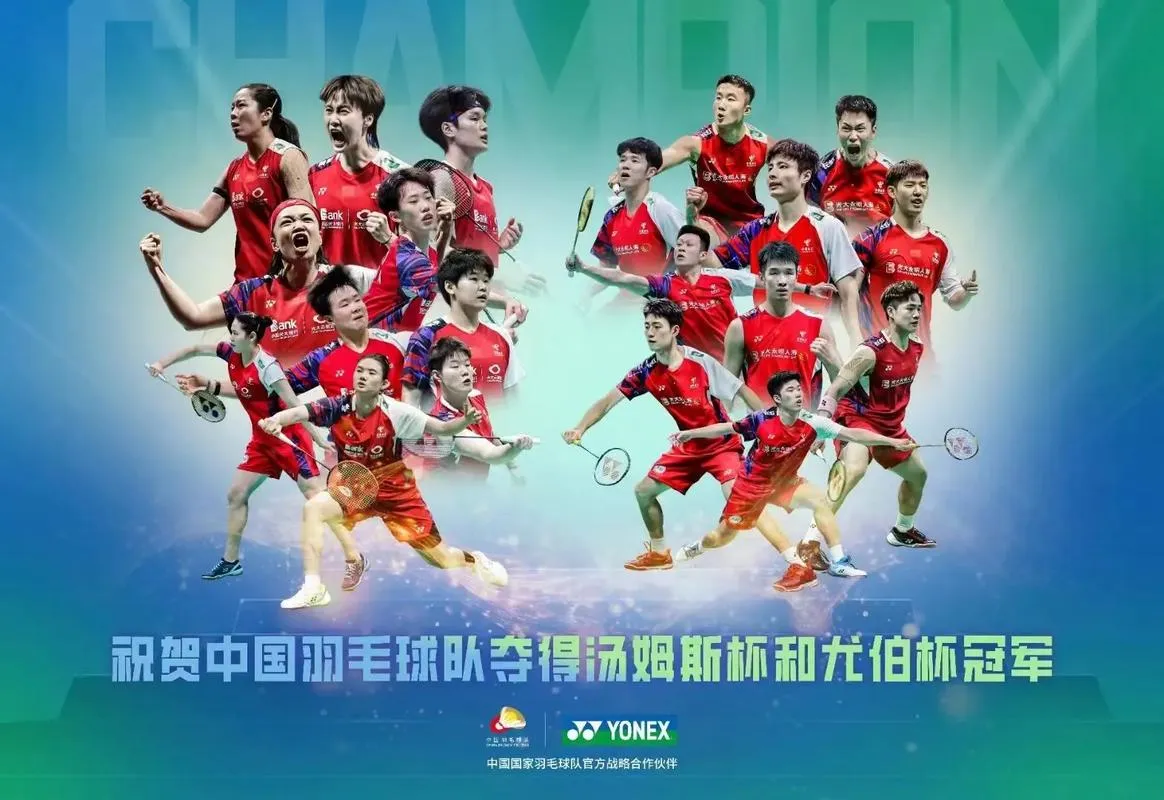
Badminton has long been one of China’s most celebrated sports, both domestically and internationally. Known as 羽毛球 (yǔmáoqiú) in Chinese, it has grown from a recreational pastime into a highly competitive and nationally revered sport. Over the decades, the Chinese national badminton team has consistently dominated the world stage, with both male and female Chinese badminton players earning international fame. This article explores the history, rise, and dominance of Chinese badminton, as well as the remarkable achievements of individual players and teams.
The Rise of Badminton in China
 1. Early History and Introduction
Badminton was first introduced to China in the early 20th century, likely through British influence in coastal cities. Initially, it was a leisure activity among students and social clubs. By the 1950s and 1960s, badminton had begun to gain popularity as a competitive sport, with local tournaments emerging in major cities such as Beijing, Shanghai, and Guangzhou.
During this period, badminton in Chinese schools became increasingly common, and provincial teams began scouting talented youths to form training programs. The sport’s combination of speed, agility, and strategy made it appealing to both players and spectators. By the 1970s, China was officially participating in international competitions, and the foundations for a national team were being laid.
2. Formation of the Chinese National Badminton TeamThe Chinese badminton team was formally established to compete in global tournaments such as the Thomas Cup (men’s team) and Uber Cup (women’s team). The Chinese national badminton team quickly became a powerhouse, emphasizing rigorous training, discipline, and technical innovation. Coaches focused on developing explosive footwork, precise shot placement, and strategic game intelligence.
3. Development of Women’s Badminton in ChinaThe Chinese women’s badminton team has historically been a standout component of the national squad. In the 1980s and 1990s, Chinese female badminton players began winning major international titles, including the All England Championships, World Championships, and Olympic medals. The combination of speed, precision, and tactical intelligence made Chinese female players particularly formidable in doubles competitions, though many also excelled in singles.
Legendary Chinese Badminton Players
 1. Pioneers and Early Champions
Several players laid the groundwork for China’s international badminton dominance. Notable pioneers include Han Aiping, Li Lingwei, and Yang Yang, who won multiple World Championships and helped establish China’s reputation. Their victories were pivotal during the 1980s, when China was emerging as a global force in badminton.
2. Modern Era ChampionsIn recent decades, China has produced some of the most celebrated badminton stars, both male and female:
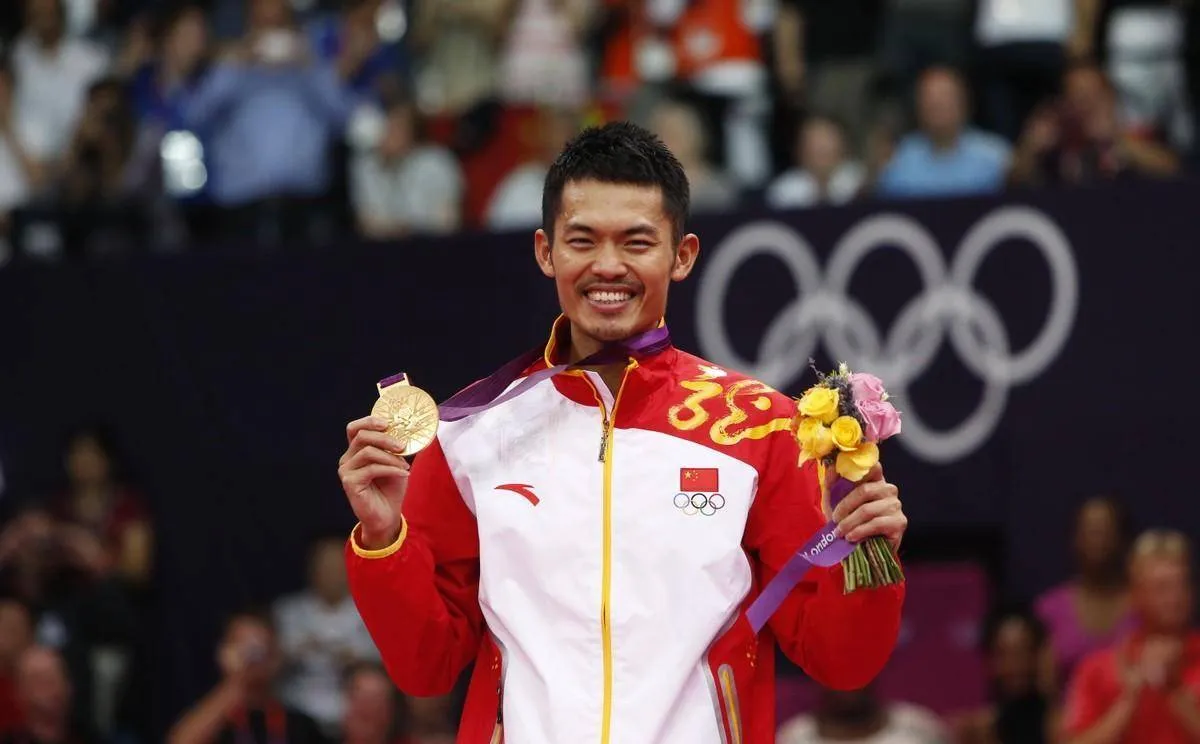
- Lin Dan – Often called “Super Dan,” he is a two-time Olympic gold medalist and five-time World Champion. His agility, shot variety, and mental toughness made him a global icon.
- Chen Long – Olympic gold medalist and World Champion, known for his stamina, power, and consistency.
- Zhang Ning – Female champion, Olympic gold medalist in women’s singles, admired for her technique and mental resilience.
- Wang Yihan and Li Xuerui – Multiple champions in singles competitions, known for their speed, tactical intelligence, and endurance.
- Tian Qing and Zhao Yunlei – Champions in women’s doubles and mixed doubles, renowned for teamwork and coordination.
The Chinese Badminton Team and Its Continuing Legacy
 1. Achievements of the Chinese National Badminton Team
The Chinese national badminton team has dominated numerous international competitions:
- Thomas Cup (Men’s Team) – Multiple titles since the 1980s
- Uber Cup (Women’s Team) – Numerous consecutive championships
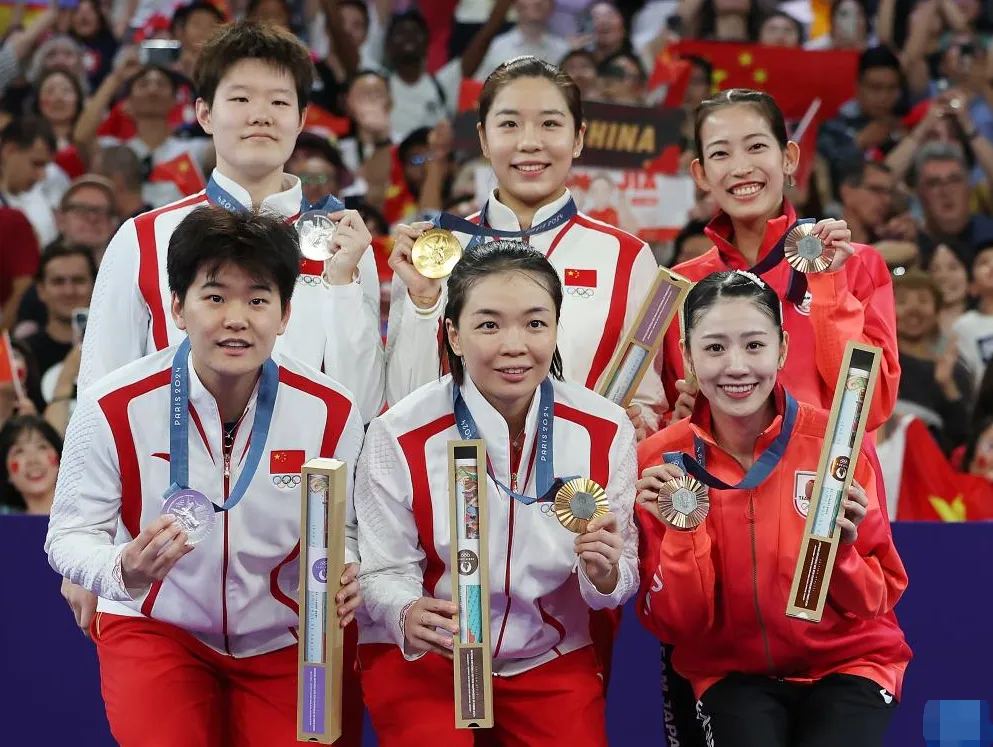
- Olympic Games – Gold medals in singles and doubles
- World Championships – Regular winners across all categories
The Chinese women’s badminton team remains a cornerstone of national success. Their dominance in doubles competitions, in particular, has set records and inspired international admiration. Female athletes often serve as role models, demonstrating discipline, resilience, and excellence both on and off the court.
3. Challenges and CompetitionDespite dominance, China faces increasing competition from countries such as Indonesia, Japan, South Korea, India, and Denmark. The Chinese badminton team continues to innovate in training, tactics, and technology to maintain its edge.
4. Social Influence and InspirationChinese badminton players serve as national heroes, inspiring the youth and promoting sports culture. Amateur badminton courts flourish in cities and towns, while professional matches are broadcasted to millions. Successful athletes like Lin Dan and Zhang Ning have also become cultural icons, appearing in endorsements, media, and charitable activities.
5. Future ProspectsChina continues to invest in badminton, aiming to sustain its global leadership. Initiatives include expanding youth programs, improving coaching methodologies, and participating in international tournaments for exposure. The legacy of the Chinese national badminton team ensures that future generations of players will inherit not only skills and techniques but also a deep sense of pride and national identity.
Conclusion
Badminton in China is more than a sport—it is a national passion, a cultural phenomenon, and a source of international pride. From the early days of badminton in Chinese schools to the world-class triumphs of the Chinese national badminton team, the country has cultivated generations of elite athletes.
The achievements of Chinese badminton players, especially female Chinese badminton players, highlight the strength, discipline, and strategic brilliance that define China’s approach to the sport. With a legacy of champions, innovative training, and global influence, China’s badminton story continues to inspire athletes and fans worldwide, ensuring that the sport remains a defining symbol of excellence, unity, and cultural pride.