
Ancient Chinese Weapons and Armor: The Art, History, and Legends of China’s Martial Heritage
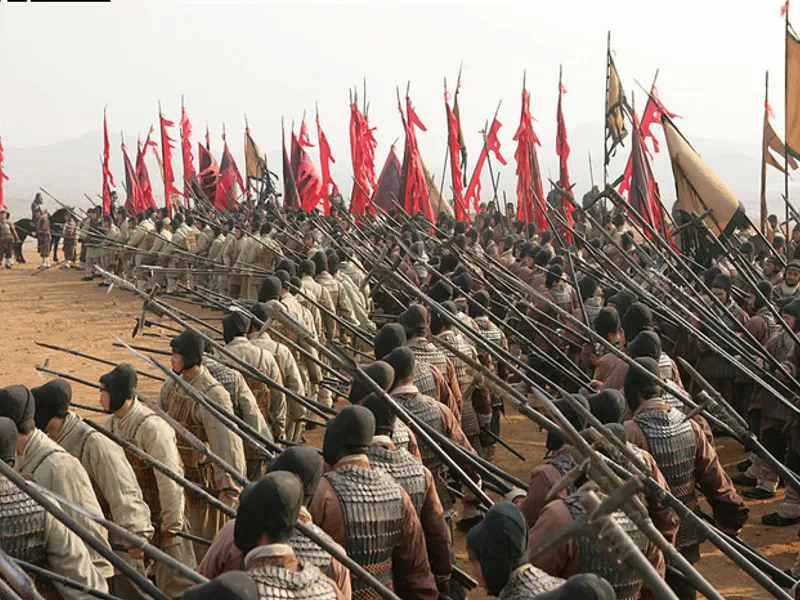
China’s history is a tapestry of dynasties, legends, and battles, and at the heart of this story lies its extraordinary martial heritage. From the precise elegance of the jian to the imposing lamellar armor worn by elite warriors, ancient Chinese weapons and armor reflect not only technological ingenuity but also deep cultural meaning. These tools of war were extensions of a warrior’s character, embodying honor, discipline, and artistry.
For anyone curious about Chinese history, culture, or martial arts, exploring these weapons and armor is like stepping into a world where combat, philosophy, and craftsmanship intertwine in fascinating ways. This article will take you on a journey through the evolution, design, and legends of ancient Chinese weapons and armor, revealing how they shaped not only warfare but also Chinese society, martial arts, and enduring cultural identity.
Ancient Chinese Weapons
Early Weapons: Stone, Bronze, and Iron
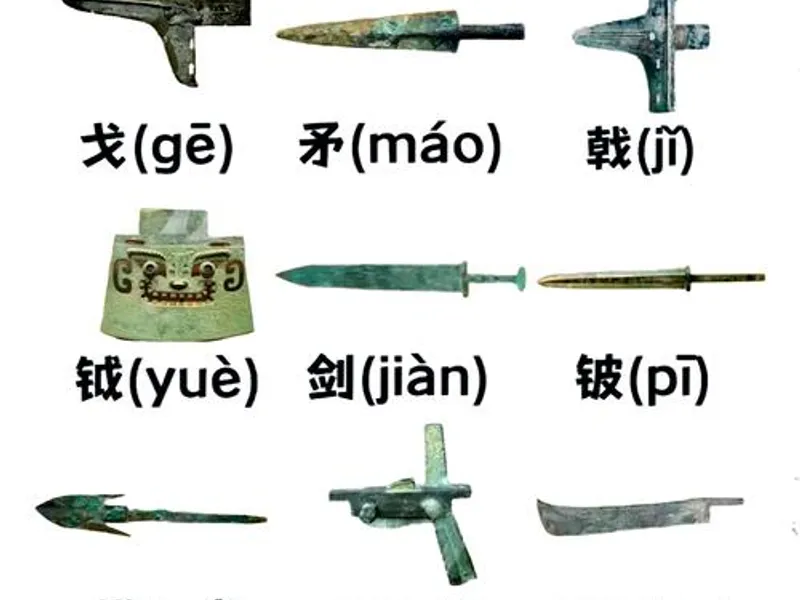
In prehistoric China, survival demanded simple tools for hunting and defense. Early weapons were often made of sharpened stones, bone, and wood. As communities developed metallurgy, bronze emerged as the first durable weapon material. Bronze spears, dagger-axes, and crossbows allowed warriors to strike with greater force and precision. These weapons were often engraved with dragons, tigers, and geometric motifs, reflecting the belief that symbolic power could protect the bearer and enhance effectiveness in combat.
The transition to iron and steel during the late Warring States period (475–221 BCE) marked a dramatic improvement in battlefield capability. Infantry could now wield swords, spears, and polearms that were both stronger and more standardized. Bronze remained ceremonial or decorative, while iron weapons dominated the battlefield. Historical accounts describe vast armies equipped with iron spears, shields, and halberds, moving in disciplined formations that required careful coordination and strategy.
Regional differences shaped weapon design. In northern China, where cavalry dominated, longer spears and heavier swords were preferred. Southern regions, with river valleys and mountains, favored lighter, more flexible weapons that allowed maneuverability and rapid strikes.
The Jian and Dao: Gentleman’s Sword vs Soldier’s Saber
Among Chinese swords, two stand out: the jian and the dao.
The jian, a straight, double-edged sword, earned the nickname “gentleman’s sword.” Scholars, nobles, and officers carried the jian as a symbol of virtue, intellect, and refinement. Unlike heavier battlefield weapons, the jian rewarded precision and skill over brute strength. Its length and balance made it ideal for thrusting and controlled slashing. Jian blades were often engraved with moral maxims or inlaid with jade and gold, transforming the sword into both a weapon and a statement of character. Taoist and Confucian writings associate the jian with discipline, inner balance, and moral integrity, making it a philosophical as well as practical tool.
The dao, a single-edged curved saber, contrasted sharply with the jian. Optimized for slashing, the dao was ubiquitous among infantry and cavalry. Its curved blade allowed devastating cuts while maintaining speed and flexibility. Historical records from the Tang and Song dynasties describe dao units sweeping across open plains and defeating heavily armored foes with efficiency. While less ceremonial than the jian, the dao’s practicality ensured its place as the backbone of Chinese armies for centuries.
Polearms, Crossbows, and Siege Weapons
Beyond swords, Chinese armies relied on an extensive array of weapons to dominate the battlefield.
Polearms, such as spears, halberds, and guandao, provided reach and versatility. The guandao, famously associated with General Guan Yu, was a long pole with a crescent-shaped blade, capable of cleaving through multiple opponents or unseating cavalry.
Crossbows revolutionized ranged combat. Unlike bows that required extensive training, crossbows could be used effectively by relatively inexperienced soldiers, allowing massed volleys that could decimate enemy lines. Ancient texts describe disciplined crossbow units firing in synchronized rotations, creating a lethal wall of steel bolts.
Siege weapons, including catapults and early trebuchets, enabled armies to breach fortifications. These devices were as much engineering marvels as they were weapons, requiring knowledge of mechanics, physics, and coordination. Accounts of battles such as the Siege of Handan during the Warring States illustrate how siege technology determined the outcome of prolonged conflicts.
Legendary Weapons and Stories
Some weapons achieved legendary status, blurring the line between history and myth.
The Sword of Goujian, dating back over 2,500 years, remains famous for its exceptional sharpness and preservation despite being submerged for centuries. Inscriptions reveal the king who commissioned it, providing historical context, while its metallurgical sophistication highlights the expertise of ancient Chinese smiths.
The Green Dragon Crescent Blade, associated with Guan Yu, symbolizes loyalty, courage, and martial excellence. Stories describe Guan Yu using it to defeat entire battalions, making it a cultural emblem of heroism.
Literature abounds with tales of swords possessing spiritual or moral energy. In classics like Romance of the Three Kingdoms and Water Margin, swords often test the virtue of their wielder, embodying justice, courage, and destiny. These narratives elevated the sword from mere weapon to symbol of personal and societal ideals.
Cultural and Martial Influence
Weapons shaped not only warfare but also martial arts, philosophy, and culture. Sword forms, polearm techniques, and crossbow drills evolved into stylized movements practiced in wushu and tai chi. Martial training emphasized precision, balance, and moral discipline, reflecting the integration of combat skill and personal development.
Today, ancient Chinese weapons inspire martial arts demonstrations, historical reenactments, films, and video games. Museums across China display swords, spears, and polearms, offering global audiences a tangible connection to history. Replicas allow enthusiasts to experience the weight, balance, and artistry of these weapons firsthand.
Ancient Chinese Armor
Early Armor: Leather and Bronze
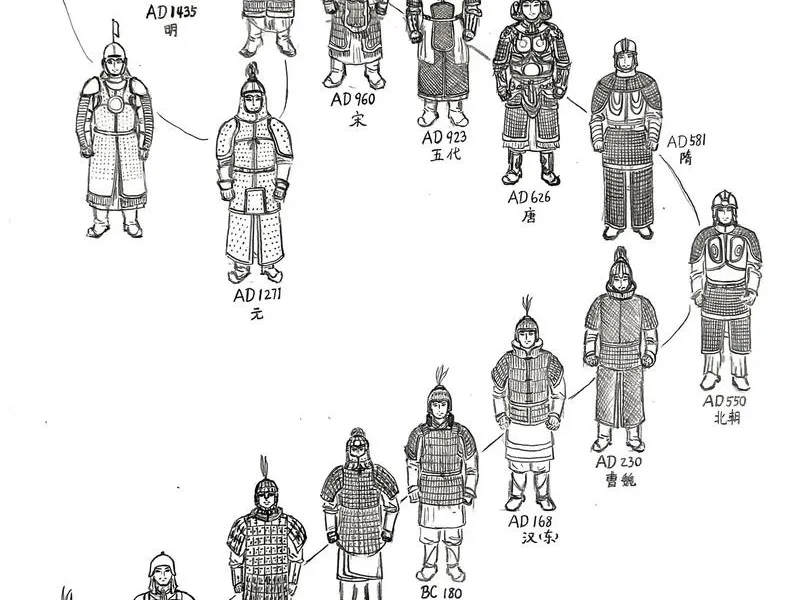
In the Shang and Zhou dynasties, armor was primarily padded leather or reinforced cloth, sometimes augmented with bronze plates. This combination offered basic protection while allowing mobility. Early bronze lamellar armor, made of small interlocking plates, covered the torso and shoulders, balancing defense and flexibility. Engravings of dragons, geometric motifs, or ceremonial symbols were common, serving both protective and spiritual purposes.
Iron and Steel Armor: Innovation and Standardization
With the Warring States and Han dynasties came iron and steel armor. Lamellar and plated designs became more standardized, providing effective protection for infantry while remaining flexible enough for movement. Helmets evolved to include face guards, neck flaps, and decorative elements. Cavalry units developed horse armor to protect mounts in battle, demonstrating the comprehensive approach to defensive design.
Heavier armor protected soldiers in frontal assaults and siege warfare, while lighter armor suited skirmishers, archers, and reconnaissance units. The introduction of early firearms later prompted innovations in layered and reinforced armor.
Ceremonial and Symbolic Armor
Armor also carried significant ceremonial and symbolic weight. Generals and nobles wore ornate suits in rituals and court events. Dragons, phoenixes, and clouds decorated helmets and breastplates, believed to provide spiritual protection. Inscriptions commemorated victories, honored ancestors, or invoked blessings. Armor thus functioned as both practical defense and an emblem of power, culture, and status.
Regional and Ethnic Variations
Geography and ethnicity influenced armor design. Northern China favored heavier armor suited for open plains and cavalry charges, while southern regions preferred lighter, more flexible designs for riverine and mountainous terrains. Minority groups introduced unique patterns, curved lamellar arrangements, and ornate ceremonial styles, reflecting the diverse cultural landscape of ancient China.
Integration with Martial Arts and Legacy
Armor shaped combat techniques, requiring soldiers to adjust footwork, weapon handling, and tactics. Martial arts forms often simulate armored combat, preserving historical methods while developing balance, coordination, and precision. Armor remains a key feature in historical education, cultural festivals, reenactments, and media portrayals.
Modern interest in ancient Chinese armor spans museums, martial arts schools, films, and video games. Enthusiasts study construction techniques, metallurgy, and historical context, while replicas allow direct interaction with these artifacts. The enduring fascination with armor lies in its combination of functionality, artistry, and cultural symbolism.
Conclusion
Ancient Chinese weapons and armor are more than relics of the past—they are living symbols of a civilization’s creativity, strategy, and values. Every sword, spear, and lamellar suit tells a story of innovation, courage, and artistry. From the Warring States to the Tang and Song dynasties, these tools shaped battlefields, influenced martial practices, and inspired countless legends. Today, they continue to captivate scholars, martial artists, collectors, and global audiences through museums, reenactments, films, and literature.
By studying these artifacts, we gain a richer understanding of China’s history and the profound ways in which warfare, culture, and human ingenuity intersect. Ancient Chinese weapons and armor remain timeless reminders of the skill, courage, and artistry that defined one of the world’s most fascinating martial traditions.