
Ancient Chinese Paper: The Dawn of Written Civilization
The invention of paper in ancient China revolutionized the way humans recorded, shared, and preserved knowledge. Long before modern technology, Chinese innovators created a medium that profoundly shaped education, culture, and governance. This article explores the origins, development, and impact of ancient Chinese paper, highlighting its significance in human history and its global influence.
The Origins of Paper in Ancient China
The earliest forms of paper trace back to the Han Dynasty (206 BCE – 220 CE), a period known for its scientific innovation and cultural advancement. Before paper, people in China relied on bamboo strips, silk, and animal skins to record information. While durable, these materials were either heavy, costly, or difficult to produce in large quantities, limiting their accessibility.
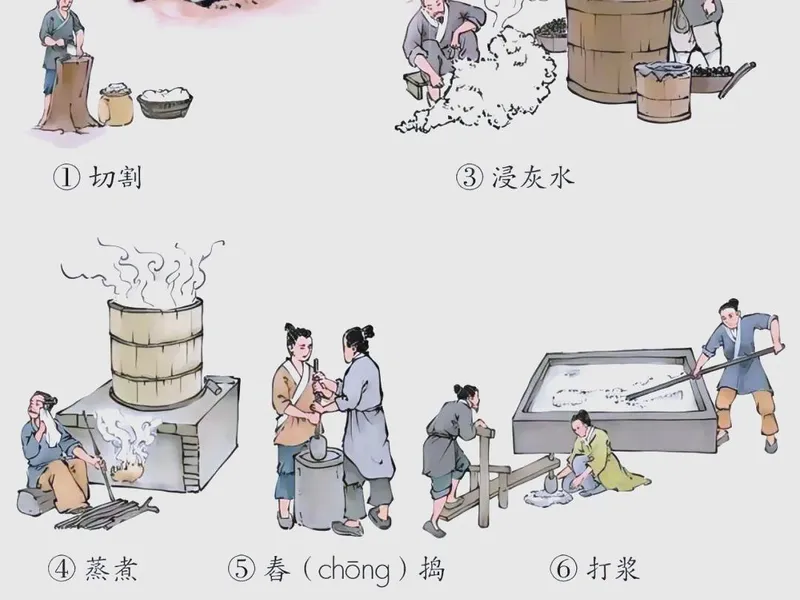
Cai Lun and the Official InventionCai Lun, a court official during Emperor He’s reign, is credited with refining papermaking in 105 CE. He combined plant fibers such as mulberry bark, hemp, rags, and fishing nets to create a flexible, lightweight, and durable writing surface. What made Cai Lun’s method revolutionary was not just the materials but the process—beating fibers into pulp, forming sheets, pressing, and drying them—a method that influenced papermaking for centuries.
Historical records describe Cai Lun presenting his invention to the emperor, emphasizing its affordability and practicality. This innovation quickly gained favor in the imperial court and eventually spread to scholars, artists, and merchants. Some historians argue that Cai Lun’s contribution marked the beginning of a literacy revolution in China, as paper dramatically reduced the cost and effort of record-keeping.
Early Uses and SpreadInitially, paper served governmental purposes—documenting decrees, tax records, and legal contracts. However, its lightweight and easy-to-produce nature soon encouraged broader usage. By the Tang Dynasty (618–907 CE), paper had become ubiquitous in schools, monasteries, and homes. Buddhist monks used paper to copy scriptures, spreading religious knowledge widely.
Interestingly, archaeological discoveries show fragments of early paper used for wrapping, painting, and even clothing, highlighting its versatility beyond mere writing. Paper allowed for the accumulation and dissemination of knowledge, laying the groundwork for education, literature, and administration in ancient China.
Materials and Techniques of Ancient Chinese Paper
Ancient Chinese papermakers were skilled artisans who experimented with various materials and methods to achieve optimal quality.
Primary Materials- Mulberry bark: Provided strong, fibrous strands ideal for long-lasting sheets.
- Hemp fibers: Commonly used for everyday writing paper due to their abundance.
- Recycled textiles: Old rags and cloth were beaten into pulp, demonstrating early recycling practices.
- Other plant fibers: Bamboo, rice straw, and even fishing nets contributed different textures, absorbency, and durability for specific applications like painting or printing.
The choice of material influenced the texture, color, and longevity of the paper. For instance, paper made from mulberry bark was smooth and durable, suitable for official documents, whereas hemp paper was coarser but more affordable for everyday use.
Traditional Papermaking Process- Soaking and Pulping: Plant fibers were soaked to soften and then beaten into a slurry.
- Sheet Formation: The pulp was spread over a bamboo or wooden frame, allowing excess water to drain.
- Pressing and Drying: Sheets were pressed and dried under sunlight or low heat to achieve strength and flexibility.
- Finishing: Some papers were polished with natural stones to create a smoother writing surface.
This labor-intensive process produced paper that could last centuries. Remarkably, some manuscripts from the Tang and Song Dynasties (960–1279 CE) remain legible today, attesting to the quality of ancient Chinese craftsmanship.
Ancient Chinese Paper and Cultural Advancement
Education and LiteracyPaper democratized learning. Schools and academies could produce textbooks more easily, broadening access to education. The imperial civil service examinations, which determined government officials, relied heavily on written essays. The availability of paper allowed scholars from diverse backgrounds to prepare for these exams, fostering a meritocratic system that valued knowledge and skill.
Art and LiteratureArtists and writers quickly embraced paper for its versatility. Chinese calligraphy, considered a high art form, flourished because paper allowed precise brushwork and expression. Similarly, paper became the preferred medium for ink painting, enabling artists to experiment with shading, brush strokes, and textures. Ancient scrolls, like those of the Tang dynasty, show a blend of poetry, calligraphy, and painting—all possible because of the innovation of paper.
Printing and Knowledge DisseminationThe Tang Dynasty also witnessed the rise of woodblock printing. Paper was ideal for mass production of texts, accelerating the spread of knowledge. Buddhist sutras, scientific treatises, and literary works could reach a wider audience than ever before. This accessibility laid the foundation for a literate, informed society and fostered intellectual exchange across regions.
The Global Influence of Chinese Paper
Silk Road TransmissionTrade along the Silk Road facilitated the spread of papermaking techniques to Central Asia and the Middle East by the 8th century. Arab scholars, impressed by the quality and versatility of Chinese paper, adopted and adapted the technology, setting up the first paper mills in Baghdad.
European AdoptionBy the 12th century, paper had reached Europe, where it gradually replaced parchment and vellum. The rise of paper in Europe fueled the printing revolution, enabling mass production of books and scientific texts. This chain of innovation—from Cai Lun’s invention to Gutenberg’s printing press—illustrates how a single technological breakthrough can reshape global civilization.
Conclusion: The Legacy of Ancient Chinese Paper
Ancient Chinese paper is more than a historical artifact—it represents human ingenuity, creativity, and the drive to communicate. From Cai Lun’s innovation in the Han Dynasty to its spread across continents, paper transformed education, art, religion, and governance. Today, as we rely on digital media and printed texts, we continue to benefit from an invention that shaped civilization itself.
Explore the history of Chinese innovations and discover how ancient ideas like paper continue to influence our world today. Dive into our curated resources and bring the story of Chinese culture into your own learning journey.