Zhejiang — An Epic of Jiangnan's Elegance
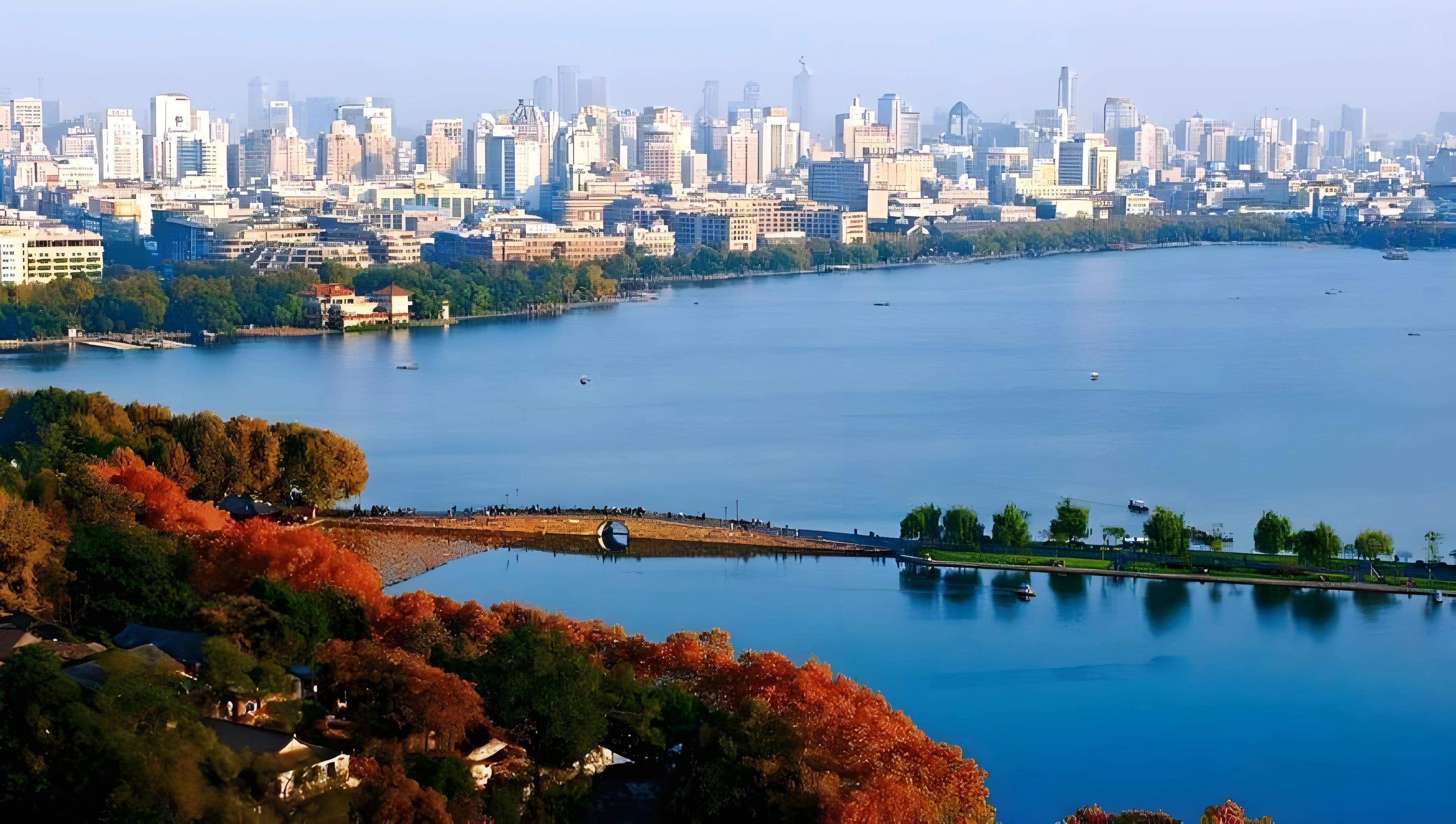
In the splendid tapestry of Chinese civilization, Zhejiang has never been merely a gentle footnote of the Jiangnan water towns.It is a flowing epic, written with landscapes as its paper and human culture as its ink. From the misty rains of the Hangjiahu Plain to the waves along the Wenzhou-Taizhou coast, from the bamboo-clad mountains of Western Zhejiang to the fishing lights of the East Sea islands—every inch of land narrates a symphony of resilience and grace. Journeying here, you are not a passerby but a reader tracing the currents of time, listening to the echoes of civilization amidst a millennium of cultural heritage and the rhythms of the modern era.
The Character of Zhejiang: Landscapes as Its Veins, Climate as Its Charm
To understand Zhejiang's elegance and grandeur, one must first appreciate the intricate interplay of its mountains and seas and the rhythmic cadence of its four distinct seasons. Zhejiang, much like its ancient name "Yue" (越), which implies transcendence and agility, is a natural theater sculpted by the Qiantang River and the East Sea.
Topography: A Strategic Layout of "Seventy Percent Mountains, Ten Percent Waters, Twenty Percent Farmland"
Zhejiang's structure unfolds as a three-dimensional masterpiece where mountains, waters and seas create a delicate equilibrium between nature and human civilization.
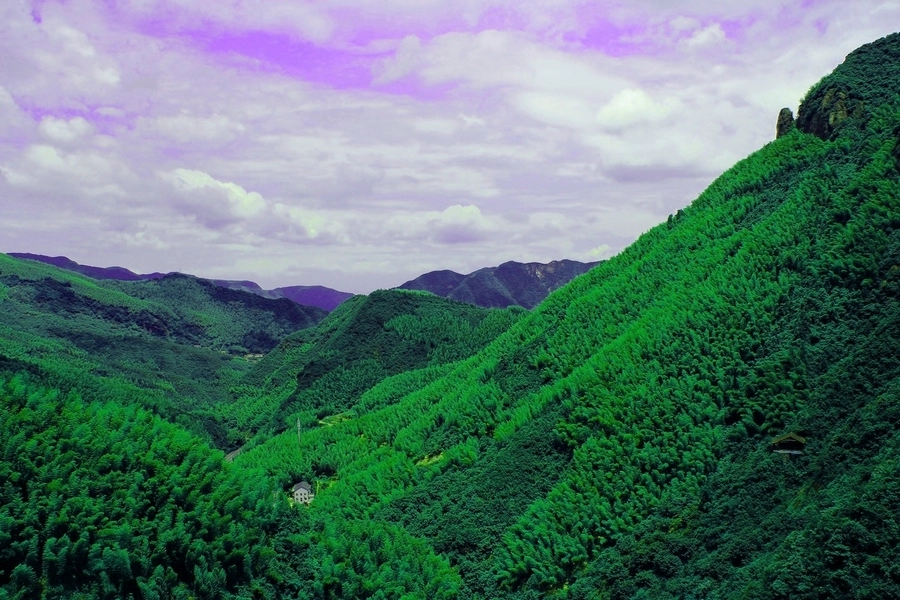
Western Zhejiang Highlands: The Tianmu and Kuocang Ranges form emerald barriers, with the former's vast bamboo forests creating Jiangnan's most profound ecological sanctuary, while the latter's cloud-veiled terraced fields trace a thousand-year poetic legacy of agricultural civilization. These continuous highlands serve not only as Zhejiang's geographical backbone but also as the natural habitat for the region's characteristic "spirit of reclusion."
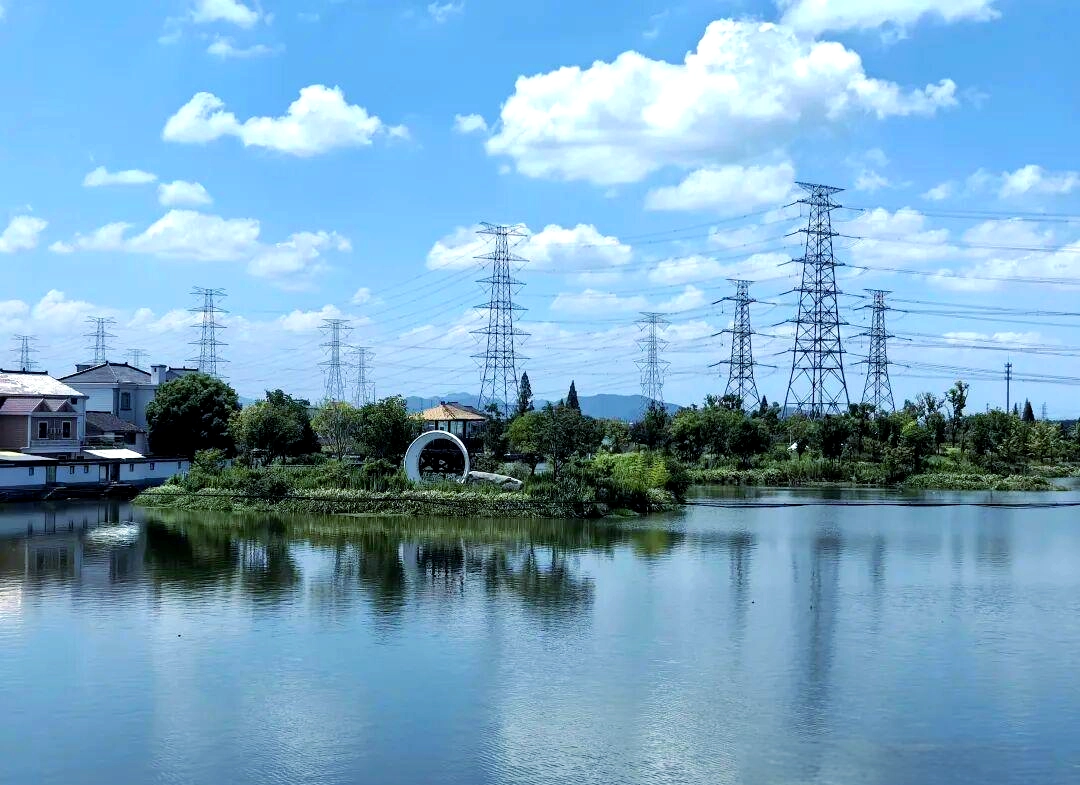
Eastern Zhejiang Water Networks: The Grand Canal threads through the land like a jade ribbon, connecting the fertile fields of the Hangjiahu Plain. Lakes including West Lake, Dongqian Lake and South Lake scatter like pearls across the landscape, their shimmering surfaces mirroring the whispers of scholars and poets through dynasties. Water constitutes the spiritual lifeblood flowing through Zhejiang's veins—the irreplaceable soul of poetic Jiangnan.
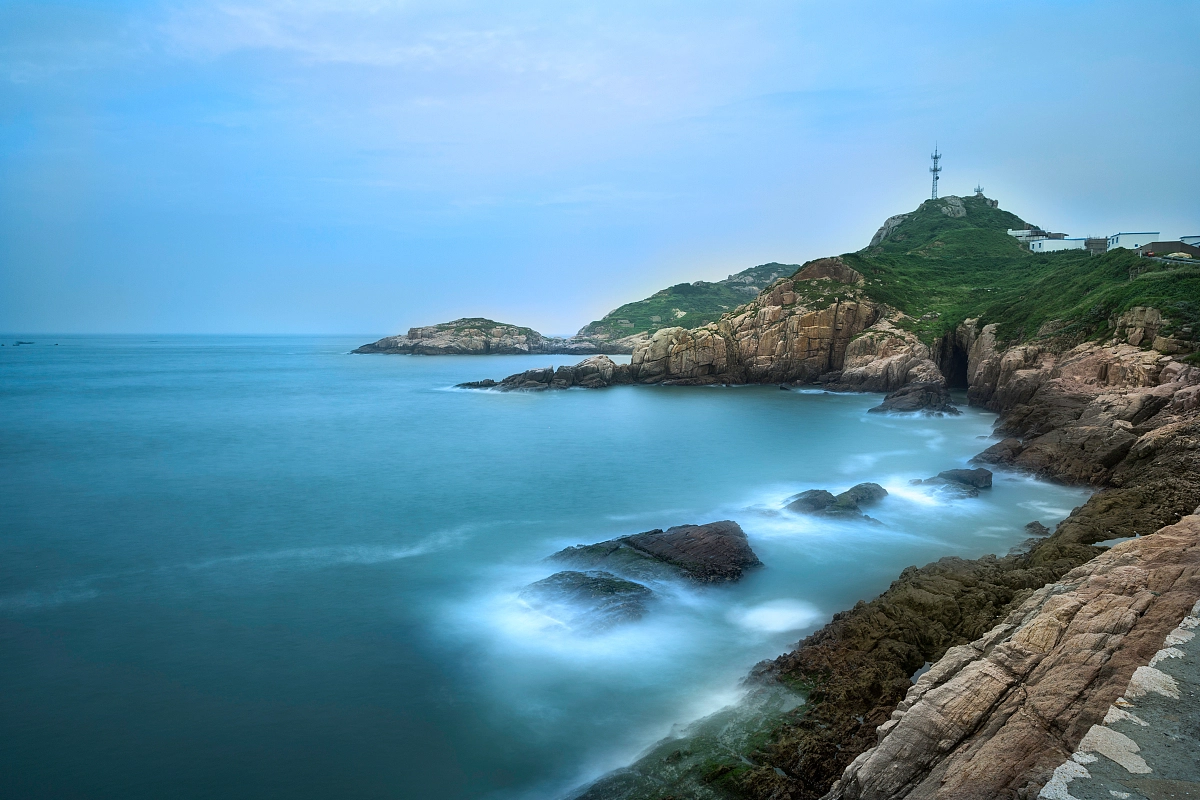
East Sea Archipelagos: The Zhoushan Islands dot the ocean like celestial formations, where Buddhist chants from Putuo Mountain harmonize with the vibrant sounds of Shenjiamen Fishing Port. The Ningbo-Zhoushan Harbor hosts endless streams of vessels day and night, channeling the legendary legacy of the Maritime Silk Road across centuries. These waters hold both the profound serenity of Buddhist sanctity and the fearless spirit of generations of maritime pioneers.
Climate: The Seasonal Variations of Jiangnan
Zhejiang's four seasons compose not a monotonous repetition but a magnificent symphony conducted by subtropical monsoons and performed by mountains and seas. Each season manifests with distinctive intensity, expanding Jiangnan's essence from misty dreamscapes to dynamic encounters between land and ocean.
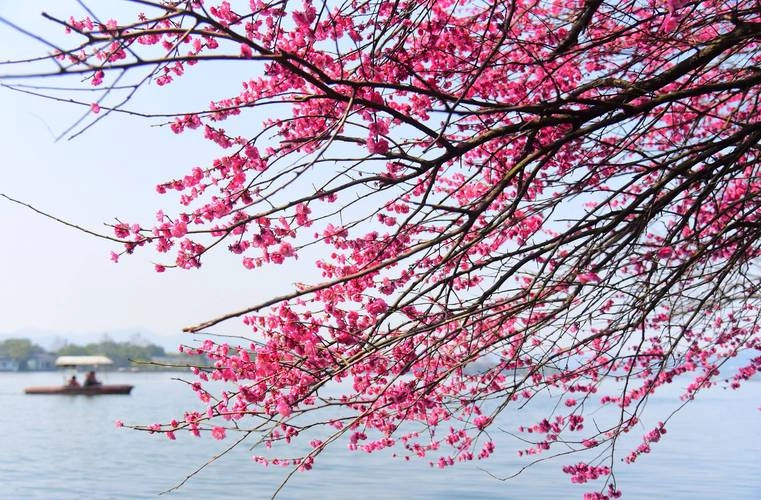
Spring Awakening (March-May): A grand ceremony orchestrated by drizzles and emerging greenery. Before the plum rains arrive, spring mists envelop Zhejiang in a vessel of warm nephrite. Along West Lake, peach blossoms and willow branches blur in the humid air like unfinished ink wash paintings, while the spring rain adds scholarly elegance to Shaoxing's Lanting Pavilion. Across the hills, Longjing tea terraces absorb moisture voraciously, sprouting emerald buds that pulse with the vitality of spring.
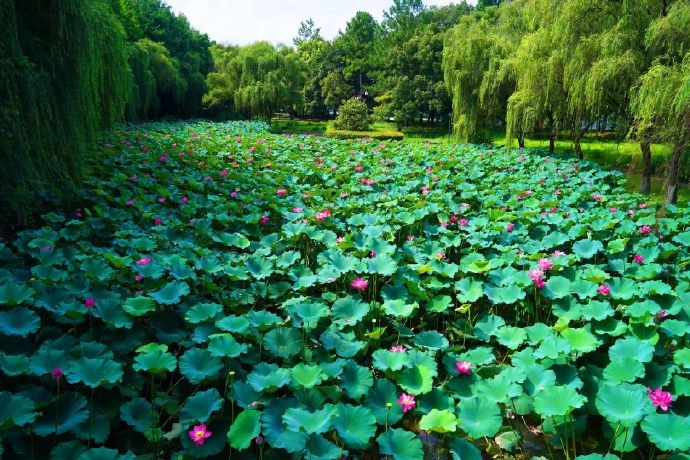
Summer Rhapsody (June-August): Monsoon winds bring abundant rain and heat in a passionate duet of intensity and coolness. Lotuses at Hangzhou's West Lake bloom spectacularly under blazing sun, displaying endless green canopies beneath the sky. Retreating into Moganshan's bamboo forests transports visitors to serene pathways where shade and murmuring streams create nature's cooling system. Meanwhile, the Zhoushan Archipelago's blue waters and golden sands welcome tide-riders, with Dongji Island's clear waves and rustic fishing culture creating an azure celebration of mountain and sea.
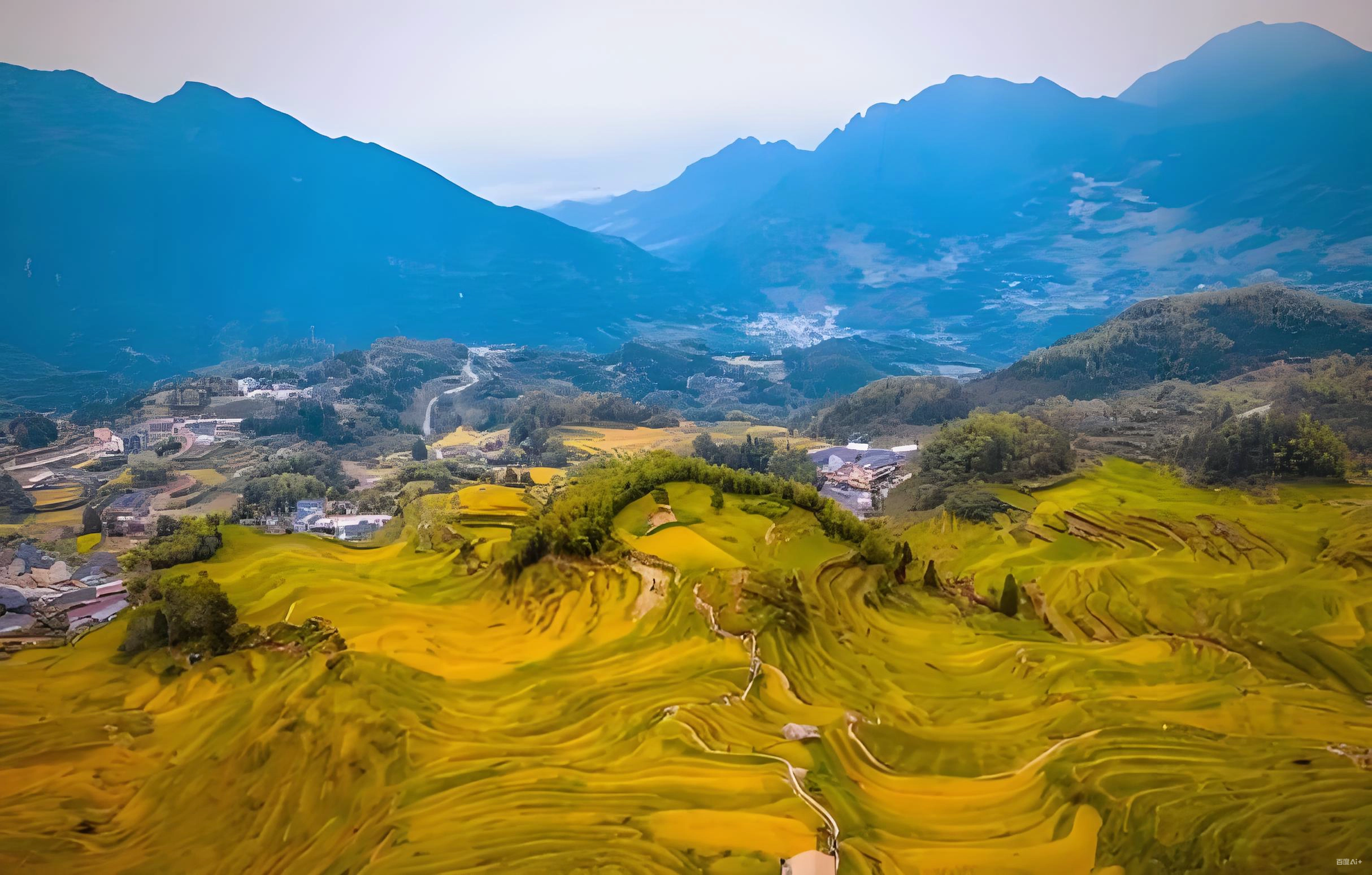
Autumn Ode (September-November): Zhejiang's most richly layered and generous season. As summer heat recedes, skies heighten and clouds thin. Osmanthus flowers at Hangzhou's Manjuelong bloom like golden rainfall, their sweet fragrance saturating the city air. Simultaneously, the Qiantang River Bore charges forth like a cavalry of thousands, elevating tranquil autumn to a dramatic climax in a monumental symphony of water and shore. Golden rice waves in terraced fields, the serene autumn moon over South Lake, and blazing maples along ancient trails compose a resonant ode to maturity and harvest.
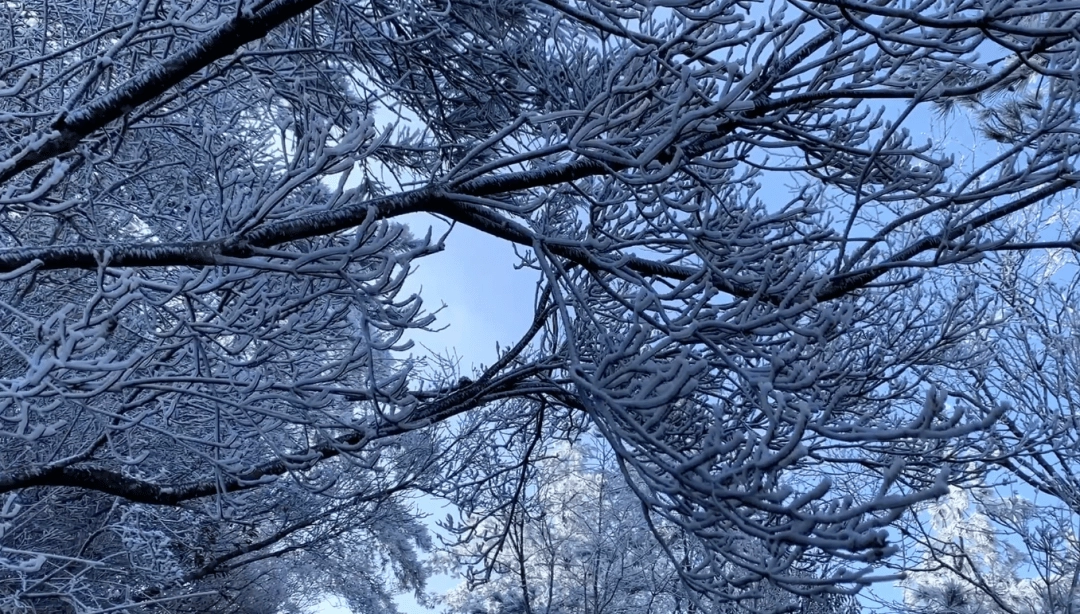
Winter Repose (December-February): As cold air descends, Zhejiang sheds its bustle to reveal serene warmth. After snowfall, ancient temples like Ningbo's Tiantong Temple stand silver-clad, their Buddhist architecture reflecting the snowscape in deepened Zen contemplation. In the waterside pavilions of Wuzhen and Xitang, traditional lanterns glow against ink-black waters, while the air carries the aroma of New Year cakes and cured meats. This represents Jiangnan's distinctive tranquility—filled with human warmth and peaceful moments that gently conclude the seasonal cycle.
The Soul of Zhejiang: A Millennia-Long Cultural Legacy, A Torrent of Luminaries
In Zhejiang, history never lies dormant in ancient texts. It pulses through the endless recitations in academies, echoes in the ground-breaking strides of commerce, and is etched into the spiritual footsteps of generations of remarkable figures. This land achieves immortality not only through its stunning landscapes but also through its enduring role as a wellspring of thought, a highland of spirit, and a vanguard of civilization.
I. The Heart of Culture and Soul of Craftsmanship: Illuminating Past and Present
Zhejiang's cultural lineage, possessing intellectual depth, aesthetic brilliance, and scientific insight, has illuminated multiple dimensions of Chinese civilization.
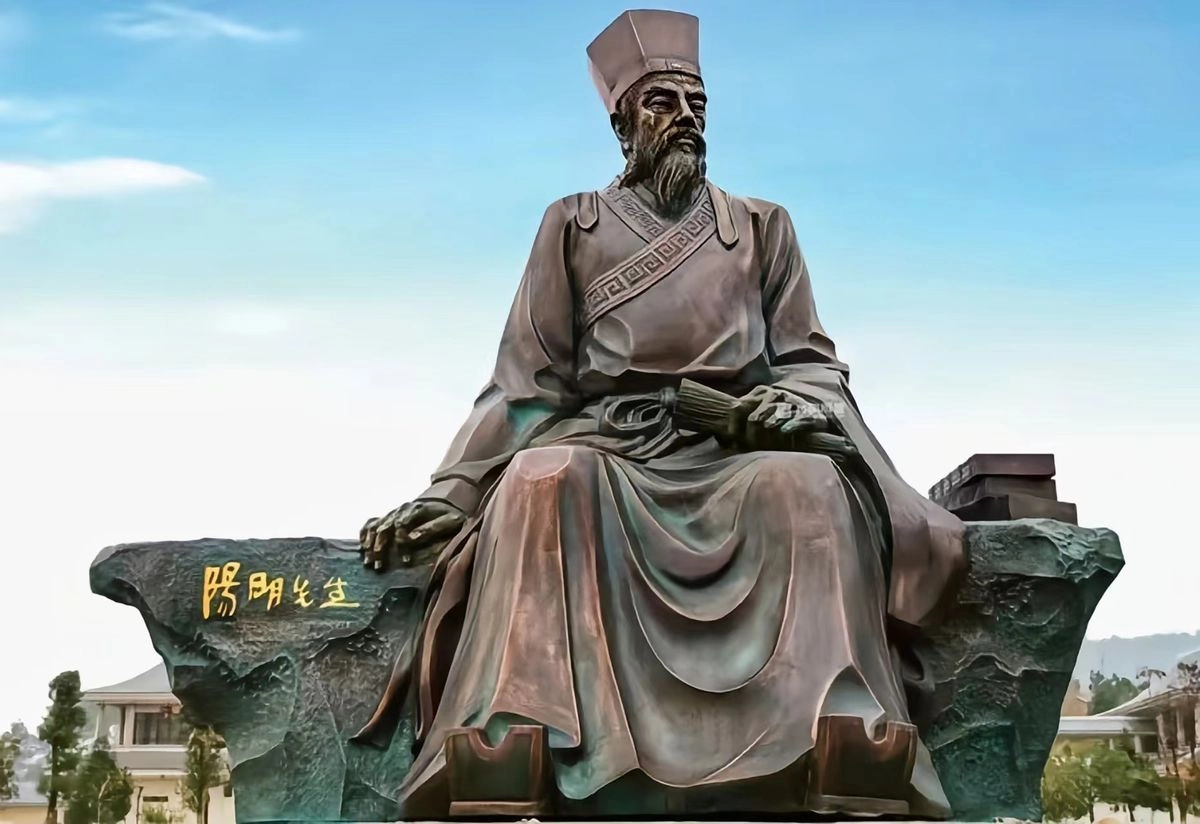
The Awakening of Thought: Wang Yangming and the "Light of the School of Mind"
At Wang Yangming's former residence in Yuyao, we encounter far more than an old house; we touch a earth-shattering spiritual awakening. From his "Longchang Enlightenment" to the suppression of the Prince of Ning's rebellion, he transformed the philosophy of the "Unity of Knowledge and Action" into thunderous action, reshaping the intellectual backbone of Chinese scholars through "the extension of innate knowing." His School of Mind subsequently traversed mountains and seas, becoming a humanistic torch illuminating East Asia and beyond, securing Zhejiang's lofty position in the history of thought.
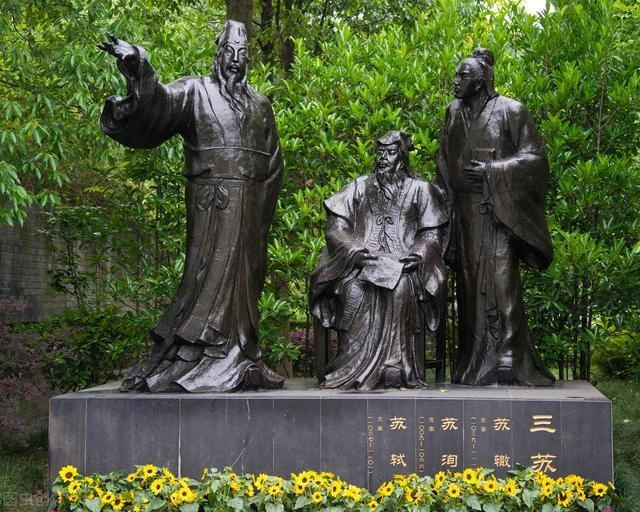
The Shaping of Poetic Sensibility: Su Shi and "The Aesthetics of West Lake"
Though not a native of Zhejiang, he deeply engraved half a lifetime of talent and ambition into Hangzhou's urban memory. When he dredged West Lake, built the Su Causeway, and penned the timeless line "I would like to compare West Lake to the Lady West Zi," he infused Zhejiang's landscape with an eternal aesthetic soul. His poetry and administrative achievements together wrote the ideal model of the Chinese literati: "cultivating the world through culture, aiding the people through governance," elevating Zhejiang's natural scenery to the height of humanistic spirit.
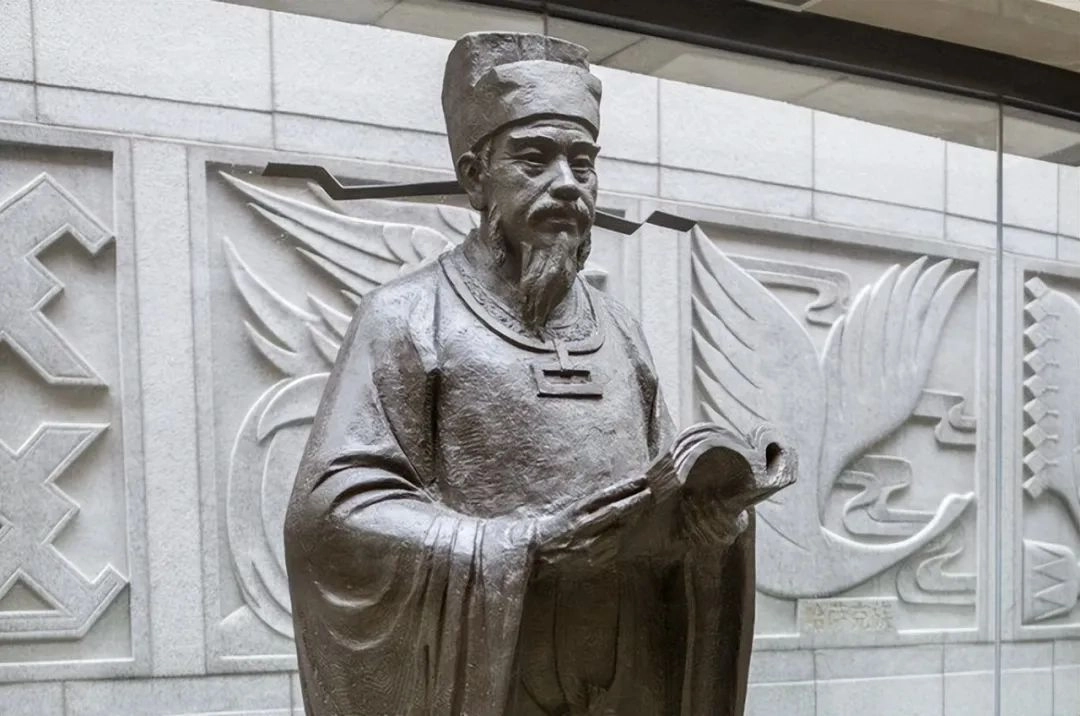
The Pinnacle of Science: Shen Kuo and the "Wisdom of the Song Ethos"
This erudite polymath from Qiantang, with his Dream Pool Essays, traversed astronomy, calendrics, geography, medicine, and numerous other fields. His writing crossed literary and scientific boundaries, recording the scientific peak of Song civilization with observational power transcending his era. He was not merely a scientist but a systematic organizer of knowledge, hailed as a "landmark in the history of Chinese science," demonstrating the long tradition of rational inquiry and empirical spirit within Zhejiang's culture.
II. The Interplay of Scholars and Merchants: A Legacy of Character
The soul of Zhejiang lies in its spirit's ability to transition freely between the integrity of scholars and the pragmatism of merchants, forging a unique regional character.
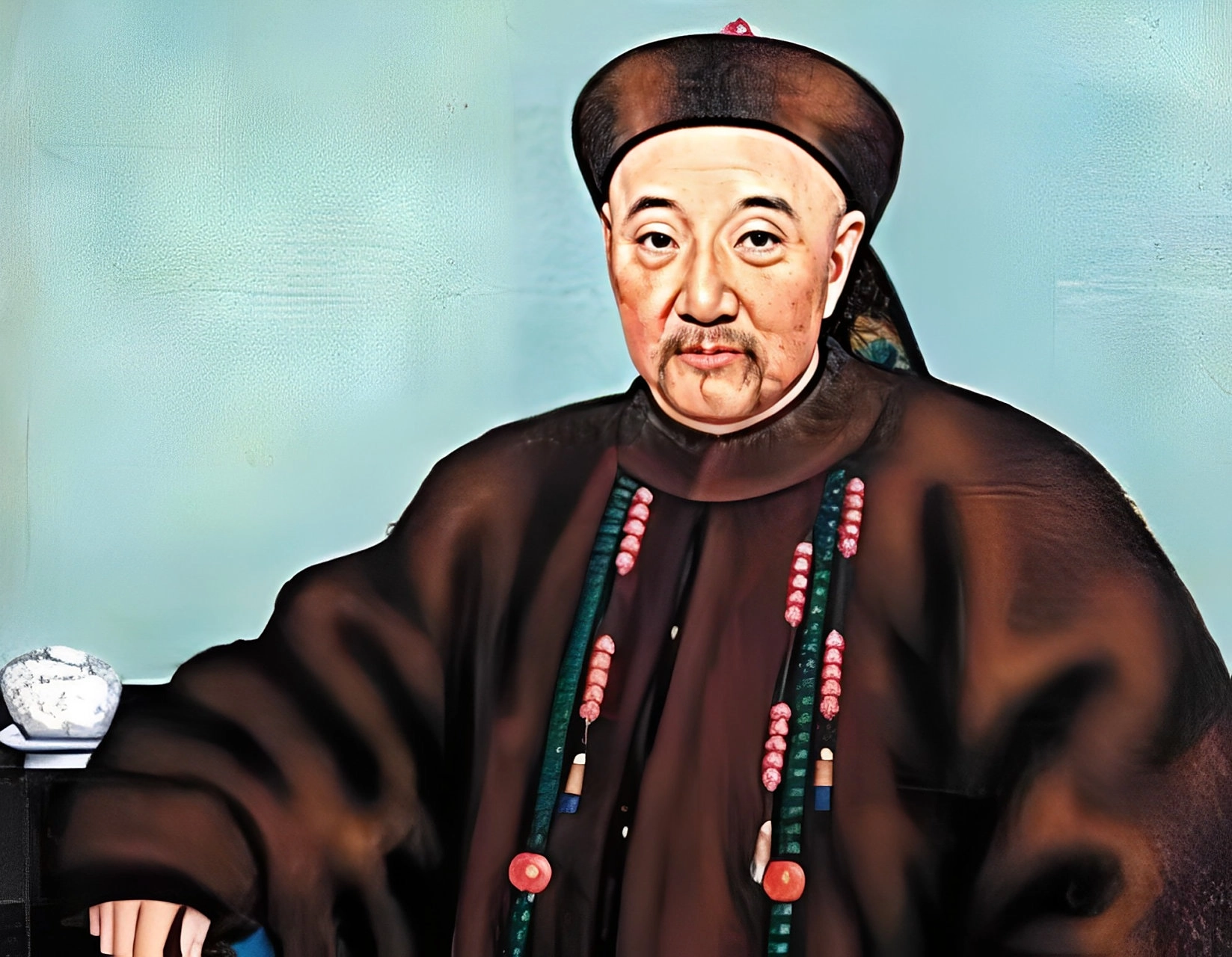
An Epitome of the Mercantile Way: Hu Xueyan and "The Vicissitudes of Integrity"
Within the Hu Qing Yu Tang on Hangzhou's Hefang Street, the scent of medicine remains enduring, lingering around the wisdom and tribulations of this late-Qing tycoon. Using commerce to serve the state and his pharmacy to aid the world, his legendary life—meteoric rise and dramatic fall—serves as an early microcosm and profound allegory for the Zhejiang merchant spirit: "daring to venture, daring to strive, with integrity as the foundation."
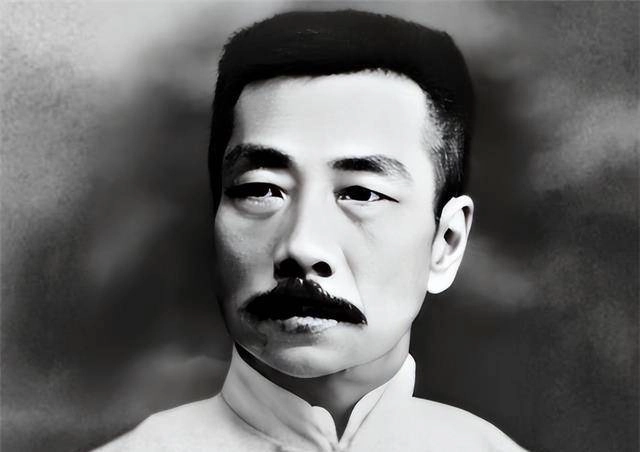
The Backbone of the Nation: Lu Xun and the "Soul of Critique"
In the narrow lanes and traditional courtyard houses of Shaoxing, one can still perceive a penetrating intensity and fervor that transcends centuries. The Hundred Plants Garden and Three-Flavors Study of his childhood provided the foundational experiences for his incisive examination of the national character. With his pen as a javelin, works like A Call to Arms and Hesitation shattered the silence of the old era with thunderous impact. This architect of China's "national soul" elevated the inherent resilience and moral integrity within Zhejiang's cultural heritage—the courage for rigorous scrutiny and commitment to social responsibility—to its ultimate expression, completing the profound transformation from literary scholar to seminal thinker.
A Forest of Academies: Sustaining Cultural Heritage, Fostering Innovation
Zhejiang's prosperity stems not only from its natural endowments where mountains meet the sea, but equally from its profound foundation of honoring scholarship and education. From the resonant recitations in ancient Yue academies to the intellectual halls of modern universities, this land has consistently served as fertile ground for innovative thought and talent cultivation.
Century-Old Institutions: Passing the Torch
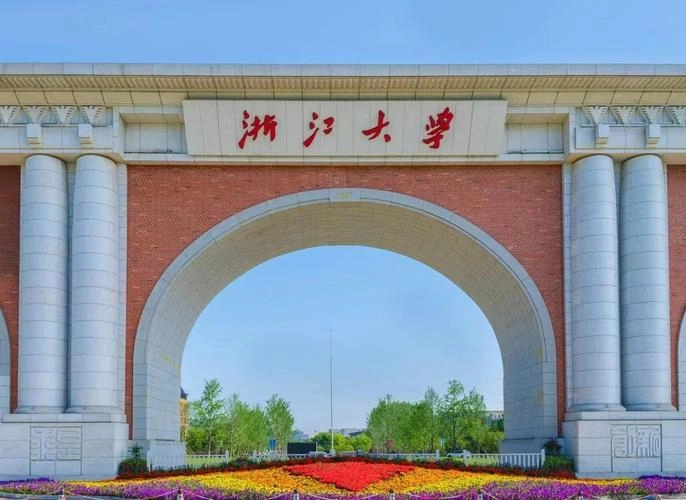
Zhejiang University: Located in Hangzhou, it is often hailed as the "Cambridge of the East." Originating from the Qiushi Academy, this century-old institution has evolved into a top-tier comprehensive research university. Its Zijingang campus resembles an academic city, brimming with youthful vitality, while the Zhijiang campus, with its red-brick buildings and clock tower, embodies a century of cultural legacy. From engineering and life sciences to humanities, agriculture, and management, ZJU scholars consistently uphold the spirit of "Seeking Truth and Pioneering New Trails," contributing significantly to national strategies and scientific advancement.
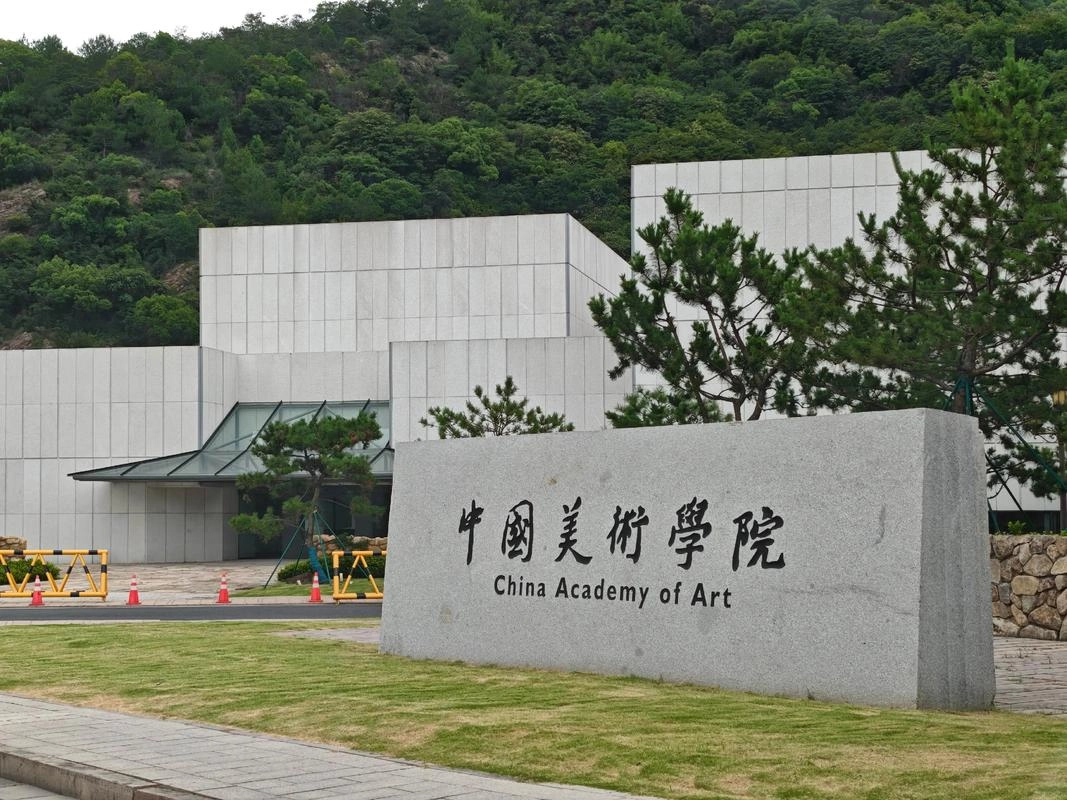
China Academy of Art: As the pinnacle of artistic education in China, the CAA is an indispensable part of Zhejiang's aesthetic soul. Its Nanshan campus, nestled beside West Lake, is itself a work of art; the Waterside Mountainside architecture of the Xiangshan campus has pioneered a new paradigm for campus design. Graduates here merge traditional Chinese aesthetics with contemporary artistic trends, profoundly shaping China's modern visual landscape.
Specialized Universities: Distinctive Excellence
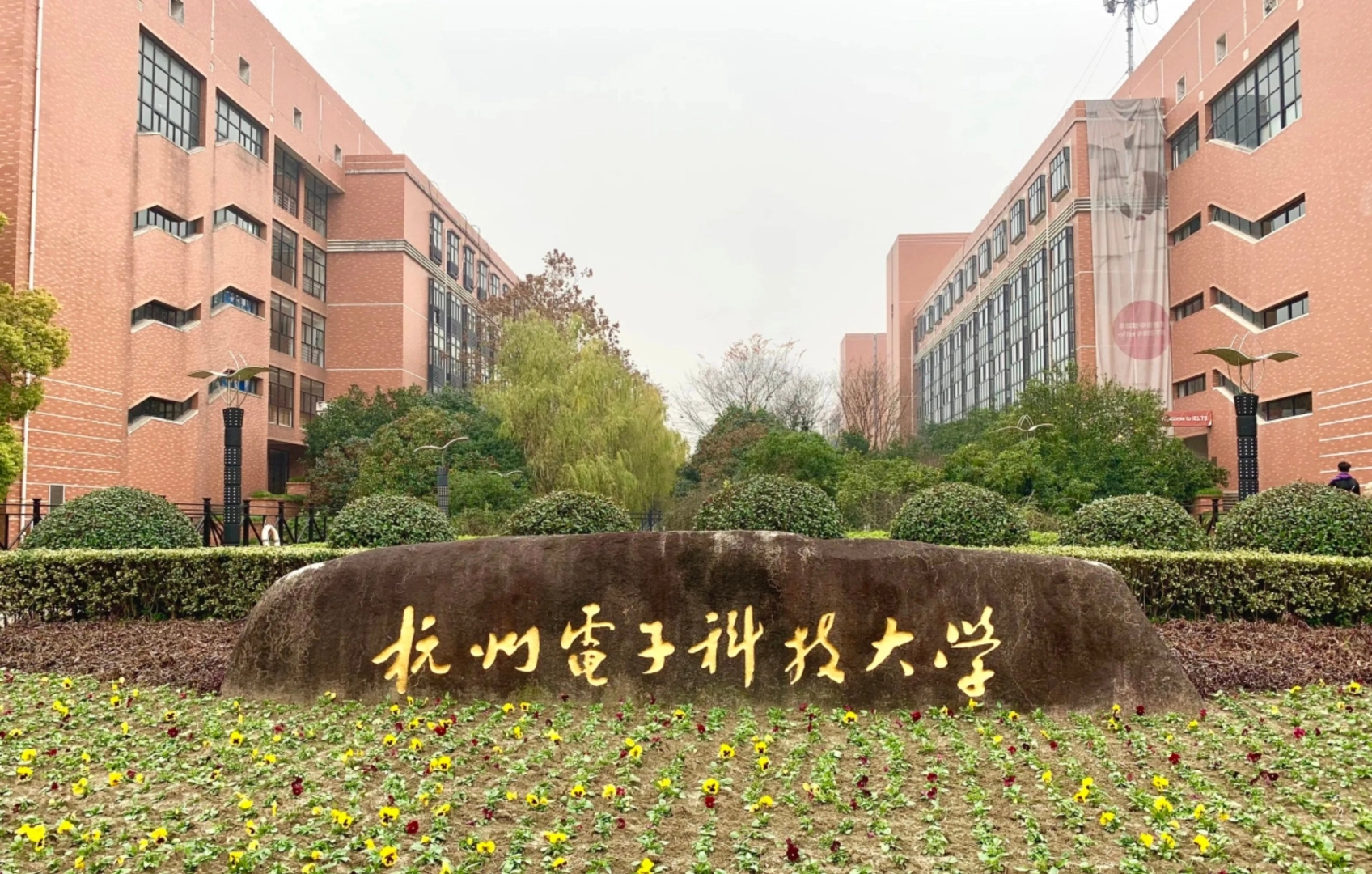
Hangzhou Dianzi University: In the wave of the digital economy, this institution, specializing in electronics and information, has become a vital talent hub for Zhejiang's digital industries. From software development and artificial intelligence to communications engineering and cybersecurity, its students excel in fields like smart manufacturing and e-commerce, forming the backbone of the "Digital Zhejiang" initiative.
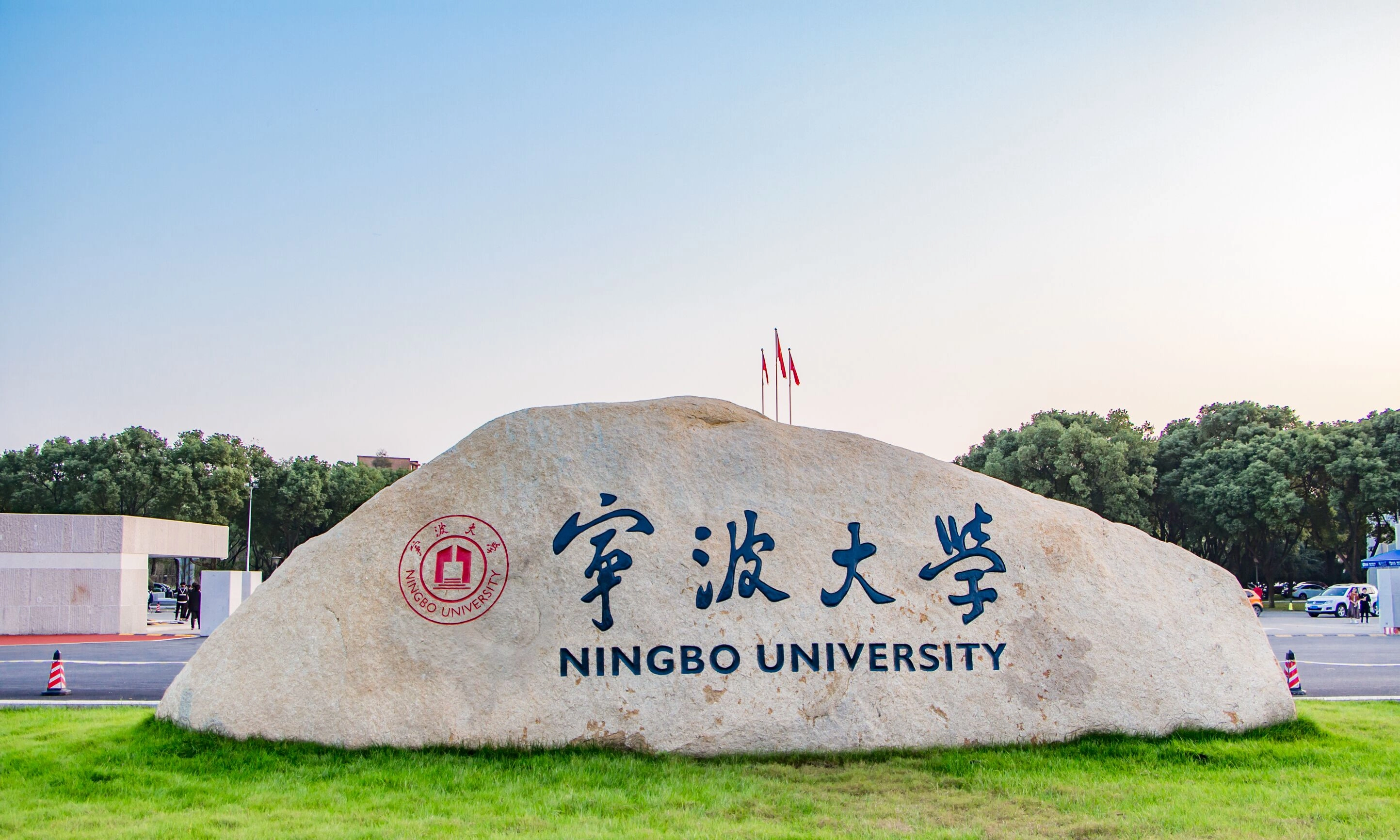
Ningbo University: Embodying the open spirit of Ningbo—"a city of ancient books and a port to the world"—this young "Double First-Class" university exhibits vibrant dynamism. It features distinctive disciplines in marine science and shipping management, while its mechanical engineering program is renowned in academic circles. The Pao Yue-Kong Library on campus stands as a testament to the philanthropic tradition of the "Ningbo Gang" and inspires a new generation of students to strive for excellence.
Open Education: Integrating Global Perspectives
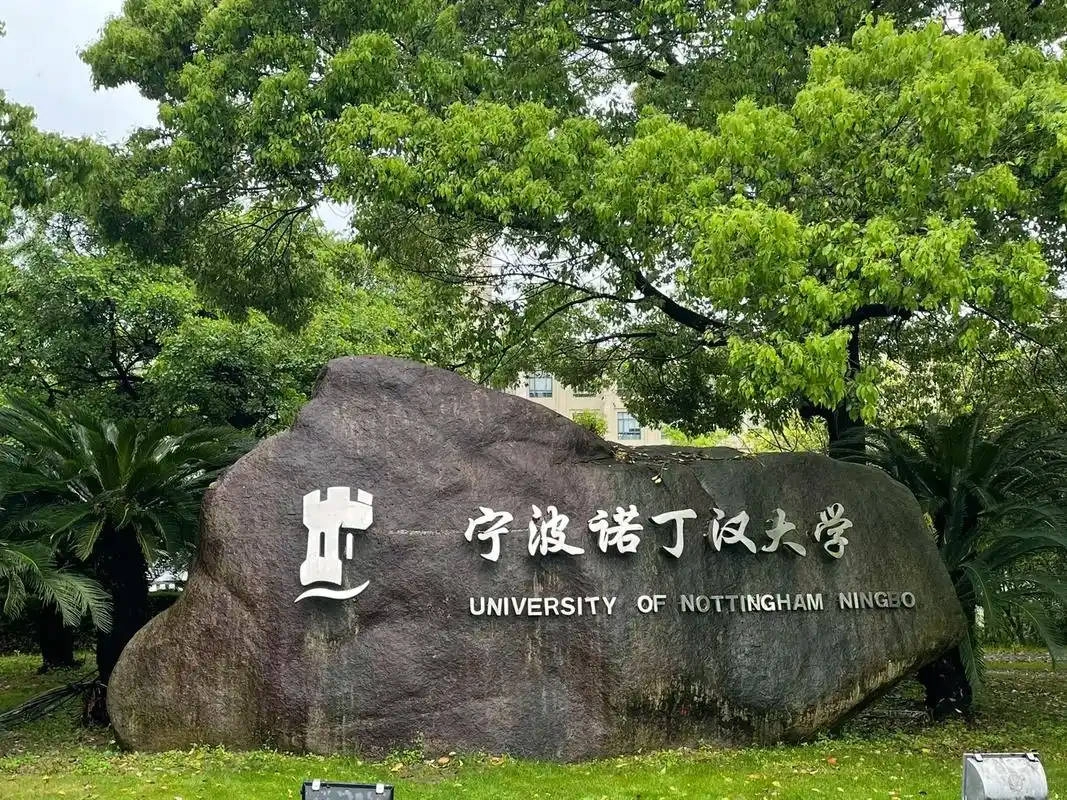
The University of Nottingham Ningbo China: As China's first Sino-foreign university with independent legal person status, it is a pioneer in educational internationalization. Deep integration of diverse cultures and the collision of innovative ideas here cultivate a multitude of versatile talents well-versed in international norms.
From the hometowns of Wang Yangming and Lu Xun to the modern campuses spread across the province today, education remains the core engine of Zhejiang's development. These distinctive institutions collectively form a highland of talent, providing an inexhaustible source of wisdom for the enduring prosperity of this dynamic land.
The Elegance of Cities: Each City a Poem, Each Place a Chapter
The epic of Zhejiang is jointly composed by its eleven cities. From Hangzhou's ideal of lakes and mountains to Wenzhou's ventures in the mercantile sea, each city is an indispensable, splendid chapter in the long scroll of civilization, bearing a unique regional soul and cultural code.
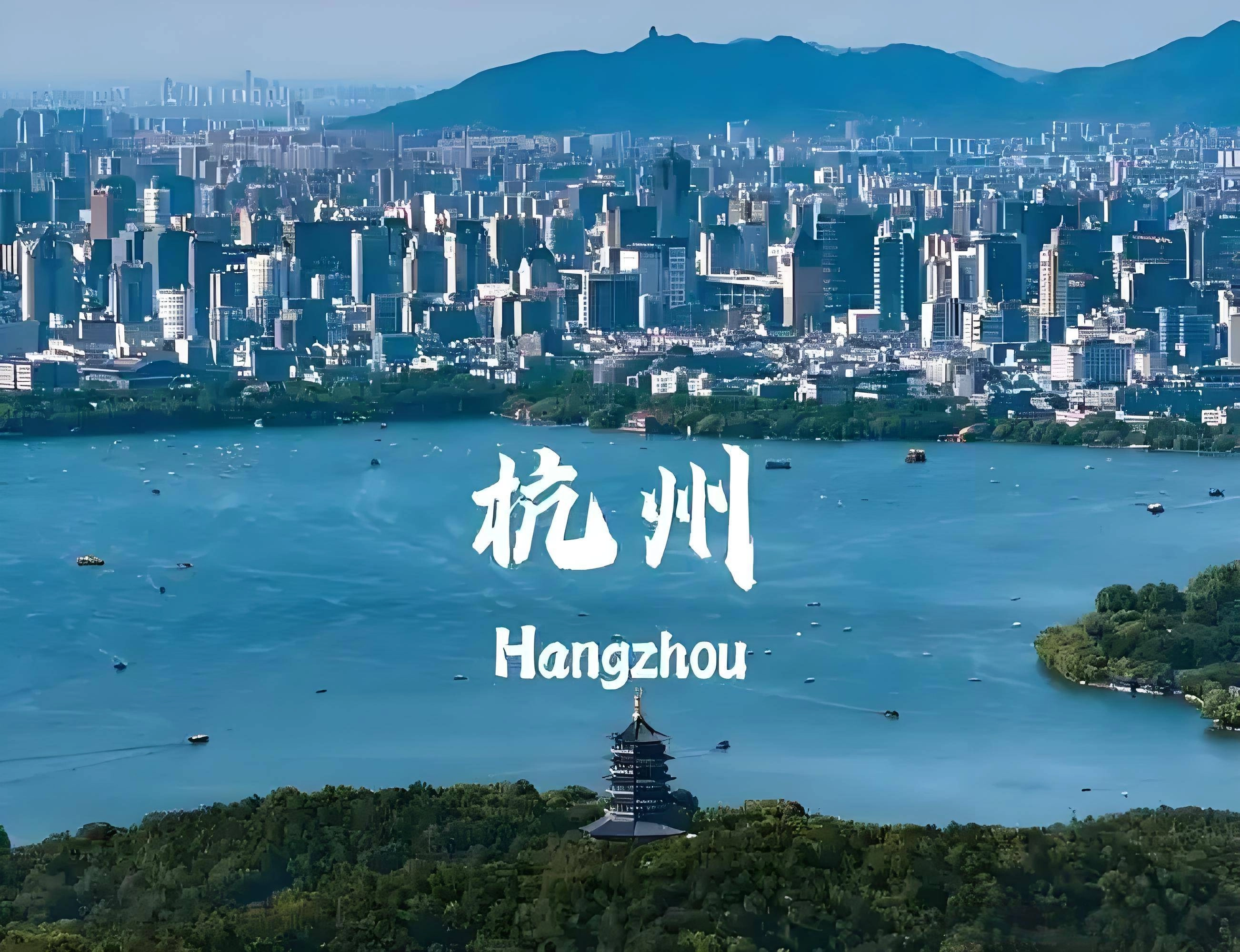
Hangzhou: The Double-Sided Embroidery of Southern Song Legacy and the Digital New City
"A Scenic Wonder in the Southeast, a Metropolis of the Three Wus" is its classical footnote; "The Premier City of the Digital Economy" is its modern declaration. The Melting Snow at Broken Bridge on West Lake and the evening bell from Lingyin Temple weave the millennia-old dream of Jiangnan, while the computational light of Alibaba Cloud and the entrepreneurial passion of Dream Town surge with the voice of the future. To read Hangzhou is to read a revelation of how "classical and future" elegantly coexist.
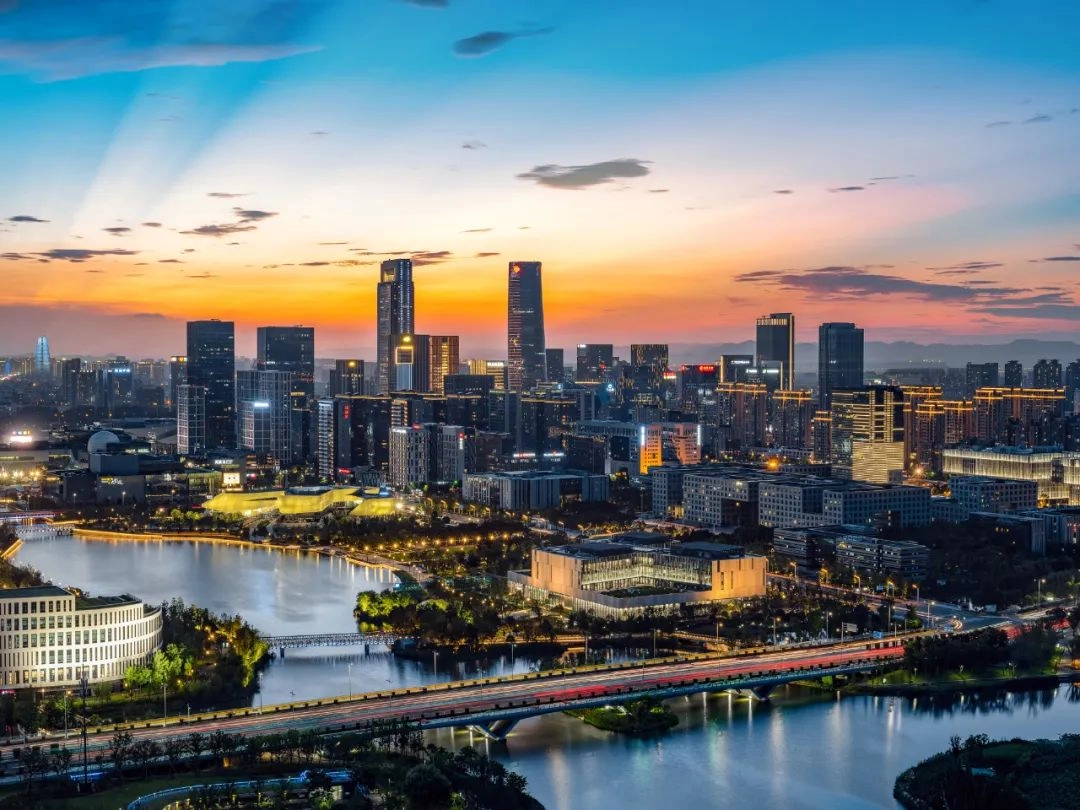
Ningbo: Port to the World, Culture Through the Ages—Bold and Profound
The scholarly aura of the Tianyi Pavilion cultivates a majestic spirit of "collecting books from all ages," while the giant cranes of Beilun Port wield the broad-mindedness of "a port connecting the world." Here lies the "living fossil" of the Maritime Silk Road, having witnessed the spectacle of countless sailing ships; it is also the cradle of the Ningbo Merchants' spirit, where the genes of integrity, pragmatism, and pioneering continue to flow in the land's lifeblood.
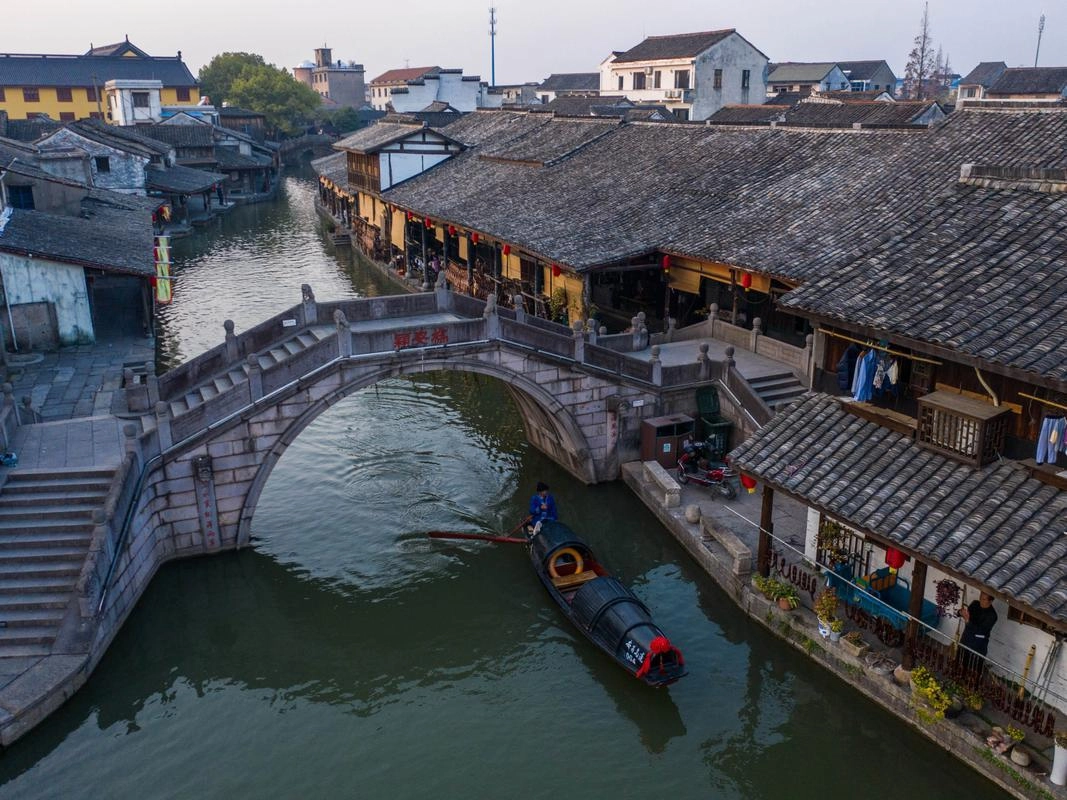
Shaoxing: The Aroma of Wine and the Charm of Ink—The Character and Tenderness of a Land of luminaries
Board a black-canopied boat and glide through the crisscrossing water lanes, and you enter the most quintessential aquatic dream of China. Seek childhood fun in the Hundred Plants Garden and the solemnity of the Three-Flavors Study at Lu Xun's Former Residence; feel the poignant love song of Lu You and Tang Wan between the powdered walls of Shen Garden. Every glass of amber-hued yellow rice wine here precipitates the millennia-old character of "Jianhu Lake and Yueta—the Land of Luminaries." To drink it is to taste history and savor the spirit.
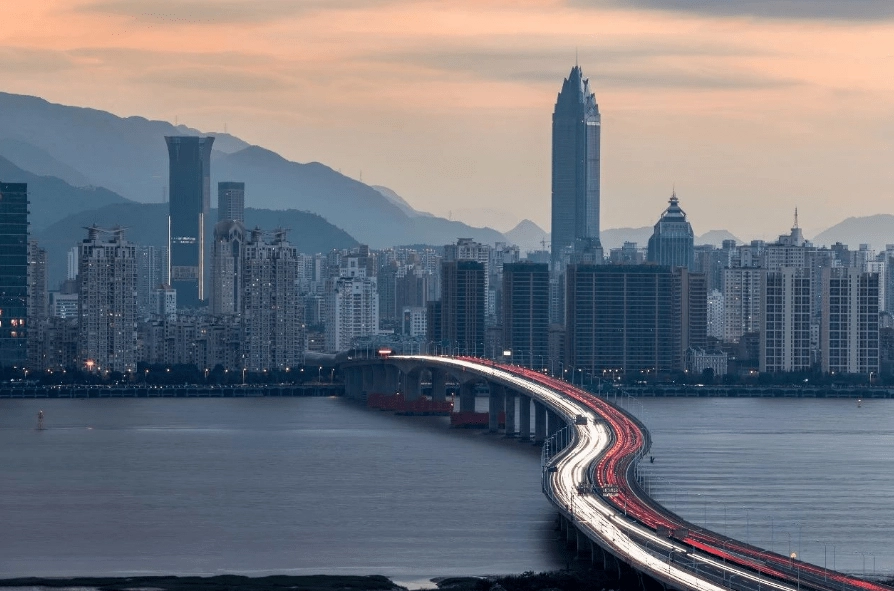
Wenzhou: The Oujiang Landscape and the Entrepreneurial Epic of the 'Jews of the East'
Wenzhou, a land forged by the Yandang Mountains and nurtured by the Oujiang River, writes its business legend with the courage of "daring to be the first under heaven." From the "Town of a Hundred Crafts" to the Wenzhou Merchant network spanning the globe, "Where there's a market, there are Wenzhou people" is not just a business adage but a survival wisdom deeply ingrained in their blood. This confidence stems from the "pragmatic" philosophy of the Southern Song Yongjia School, laying the spiritual foundation for Wenzhou people's practicality, innovation, and balance of righteousness and profit. Between the tranquility of ancient villages along the Nanxi River and the commercial hustle of Wuma Street, Wenzhou perfectly embodies a unique character that both guards tradition and boldly ventures into the world.
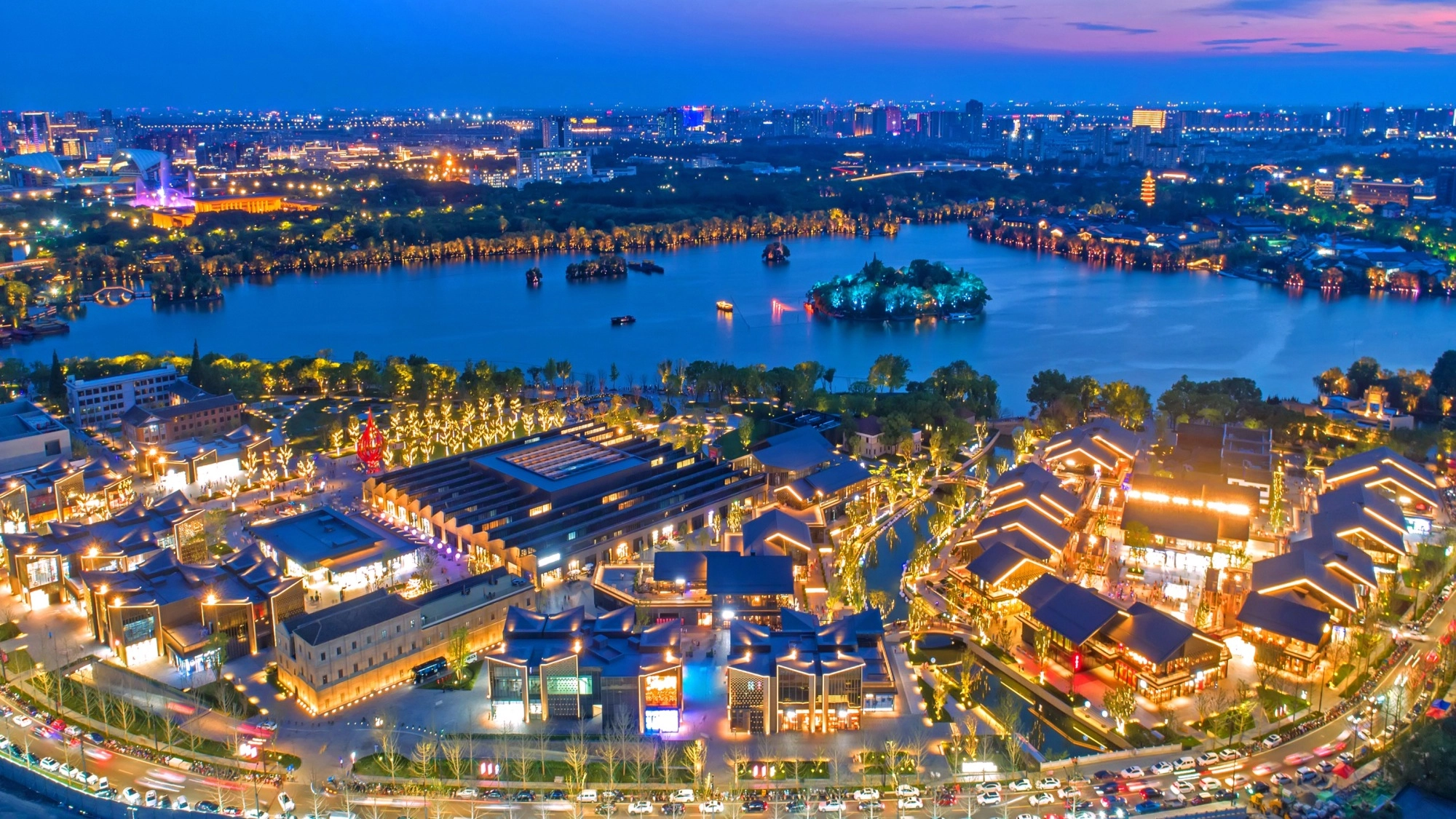
Jiaxing: The Red Boat on South Lake and the Peaceful Days of Moon River in Ancient Towns
Jiaxing, an ancient Jiangnan city flowing gracefully between historical echoes and watery tenderness. On South Lake, the Red Boat that set sail in 1921, like a spark, ignited the dream of rejuvenation for the Chinese nation, forever imprinting this city on the preface of modern Chinese history. In an instant, stepping into Xitang or Wuzhen, time seems to slow—bluestone paths wind, mottled arch bridges reflect on the water, the creak of oars from black-canopied boats breaks the stillness yet deepens the tranquility. As night falls, old lanterns light up one by one, bathing the ancient town in a warm, ink-wash scroll. Here is both the revolutionary anchorage bearing the collective memory of monumental waves and a poetic dwelling continuing the daily life of Jiangnan for millennia—a perfect fusion of steadfastness and progress, a tale of two cities between historical surges and watery gentleness.
Other Cities: Scattered Cultural Codes
Amid Zhejiang's landscapes, six other cities are scattered like stars, each shining with a unique and brilliant humanistic light.
Huzhou blends the millennia-old cultural vein of "Silk Origin and Brush Charm" into the modern chapter of "Clear Waters and Green Mountains"—amid the bamboo breezes of Moganshan, boutique homestays and design hotels quietly emerge; in the continuous emerald waves of Anji, the "Two Mountains" concept took root and grew. This land not only continues the glory of "Huzhou Silk Clothing the World" but also writes the contemporary legend of ecological civilization in every stretch of bamboo sea and every clear spring.
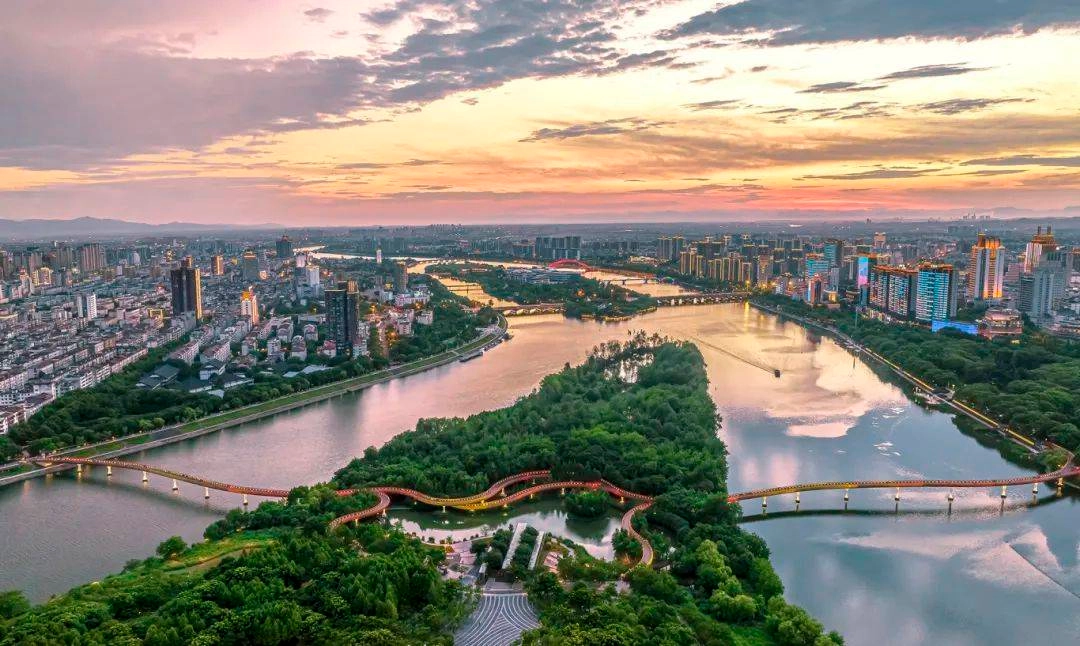
Jinhua performs a perfect symphony of tradition and modernity in the mellow aroma of ham and the wisdom of the "Eight Wu Confucian School." Yiwu started from "trading chicken feathers for candy" and has now become a "World Supermarket" where global merchants gather; on the old streets of Fotang Ancient Town, international traders and well-preserved Huizhou-style architecture create a fascinating contrast, witnessing the city's inclusiveness and vitality.
Taizhou weaves a dual world of spirit and matter between the morning bells and evening drums of Guoqing Temple and the sea of clouds and fairyland of Shenxianju. It is the ancestral home of the Tiantai Sect of Buddhism and the Southern Sect of Taoism, with Buddhist chants and Taoist rhythms lingering for millennia; meanwhile, Taizhou-manufactured auto parts and precision molds also go global, forming a unique character where "Mountain-Sea-Lake City" coexists with the "Capital of Manufacturing."
Quzhou, as the "Confucian Home in the Southeast," allows the elegance of Southern Confucian culture and the martial boldness of "Three Heads and One Palm" to complement each other. Beneath the Danxia wonders of Jianglang Mountain, the ancient Confucian tradition revitalizes in the new era; in the dimming lights of the Shuitingmen Historical Block, the spicy and flavorful local cuisine merges wonderfully with the gentle, jade-like Confucian culture.
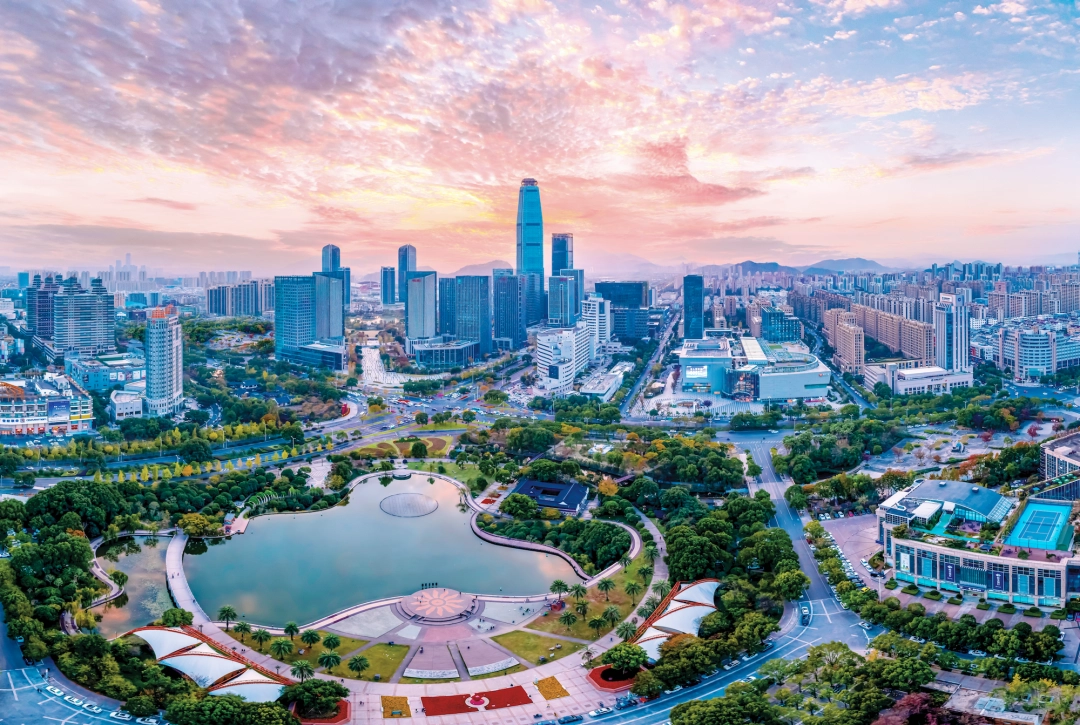
Lishui takes the clear flow of the Oujiang River as its pulse and the terraced fields and ancient villages as its charm, using the warmth of celadon and the sharpness of swords to guard the landscape haven yearned for by modern people. In the dawn light over Yunhe Terraced Fields, in the misty rain of Qingyuan Covered Bridges, and amid the ice-crack patterns of Longquan celadon, time seems to slow, allowing one to temporarily escape the hustle and bustle and rediscover inner peace.
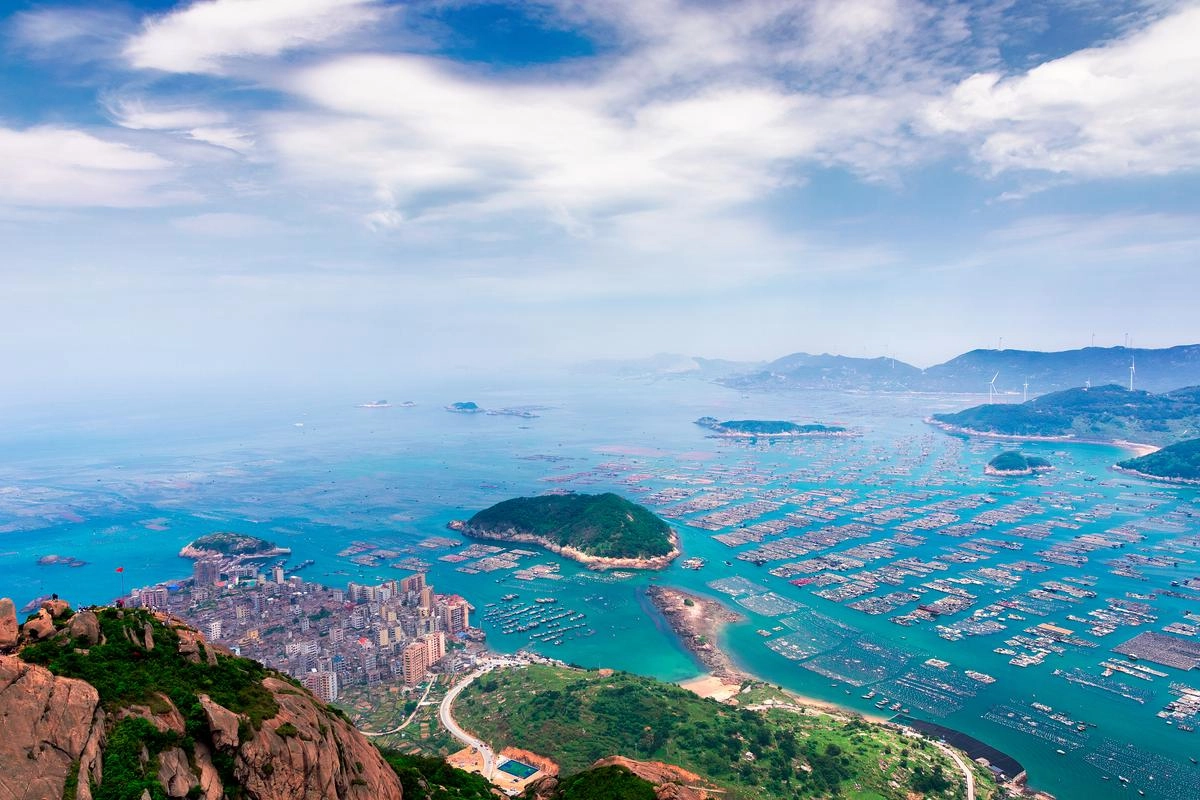
Zhoushan strings 1,390 islands into a rosary of the Buddhist Kingdom by the Sea and Sky, interweaving the Buddhist chants of Putuo Mountain with the lively atmosphere of Shenjiamen Fishing Port to create a unique island charm. The first rays of dawn on Dongji Island, the blue seas and golden sands of the Shengsi Archipelago, and the Guanyin Bodhimanda of Putuo Mountain together form a touching picture where faith and life blend seamlessly.
These six cities, with six distinct styles, interpret the diversity and inclusiveness of the Zhejiang spirit in their own ways, collectively outlining a brilliant and colorful humanistic map of Zhejiang.
Scenic Wonders: Lakes, Mountains, and Hidden Cultural Gems
Poetic Landscapes of Lakes and Mountains: Masterpieces of Nature
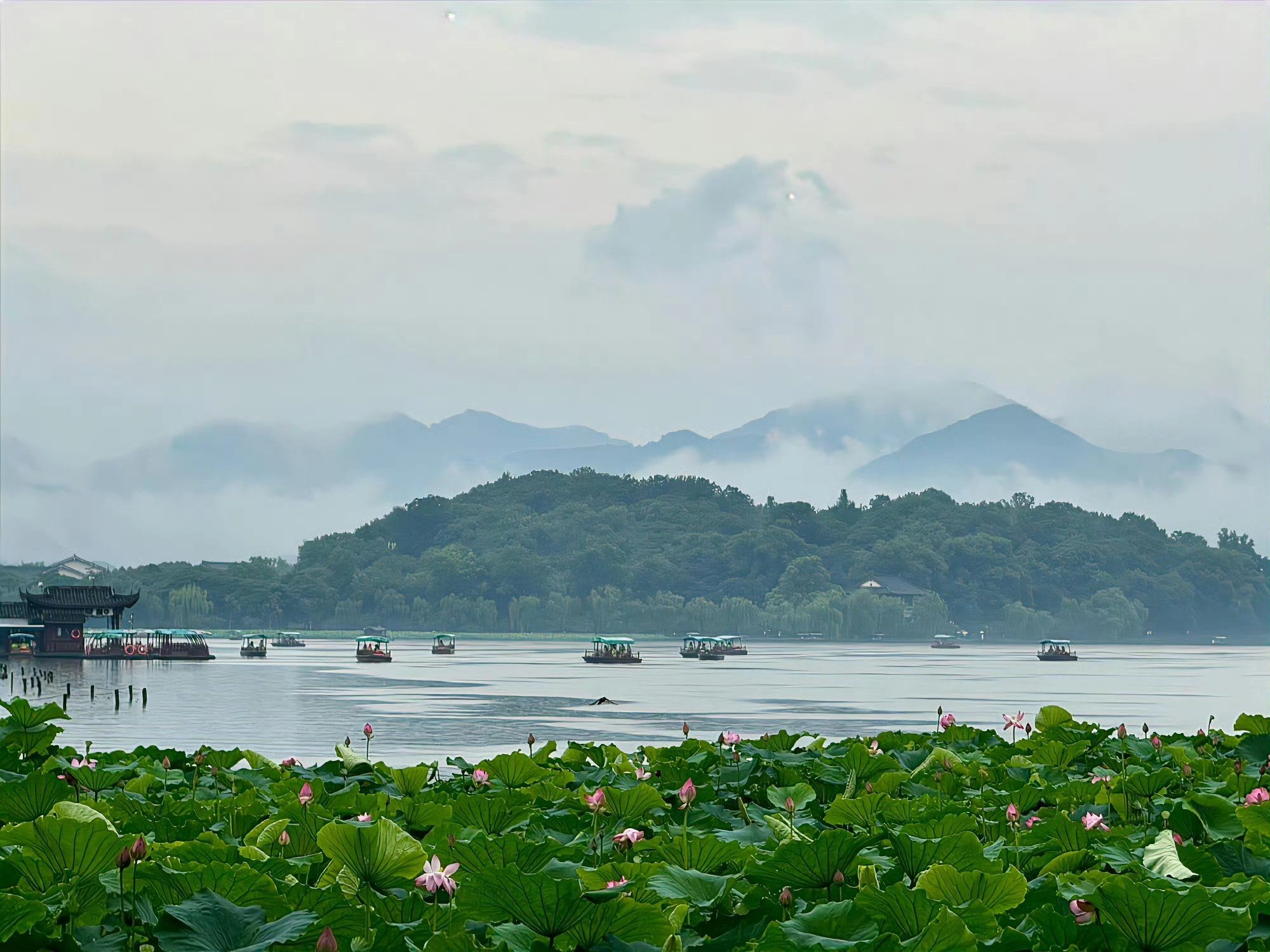
West Lake is a cultural imprint etched into the heart of every Chinese person. In spring, Su Causeway is alive with swaying willows and singing orioles, alongside radiant peach blossoms; on an autumn night, the calm lake reflects the bright moon, its shimmering surface aglow. The gilded dusk of "Leifeng Pagoda in the Sunset Glow" and the pristine poetry of "Melting Snow at Broken Bridge" together form an iconic representation of Eastern aesthetics—"always charming, whether lightly adorned or richly dressed." This is not merely scenery; it is the spiritual homeland of scholars and artists through the ages, where every view carries a millennium of poetry and legend.
Yandang Mountain, a natural sculpture gallery forged by volcanic eruptions hundreds of millions of years ago, is renowned for its "captivating daytime views and enchanting nighttime scenery." Under the moonlight, the peaks of Lingfeng transform into countless forms—the intertwined "Loving Couple Peak," the solitary "Eagle Peak"—all inspiring awe at nature's divine craftsmanship. Centuries ago, the traveler Xu Xiake, after three visits, exclaimed that "to fully appreciate Yandang's wonders, one must possess the powers of an immortal," a sentiment that still seems to echo through the valleys.
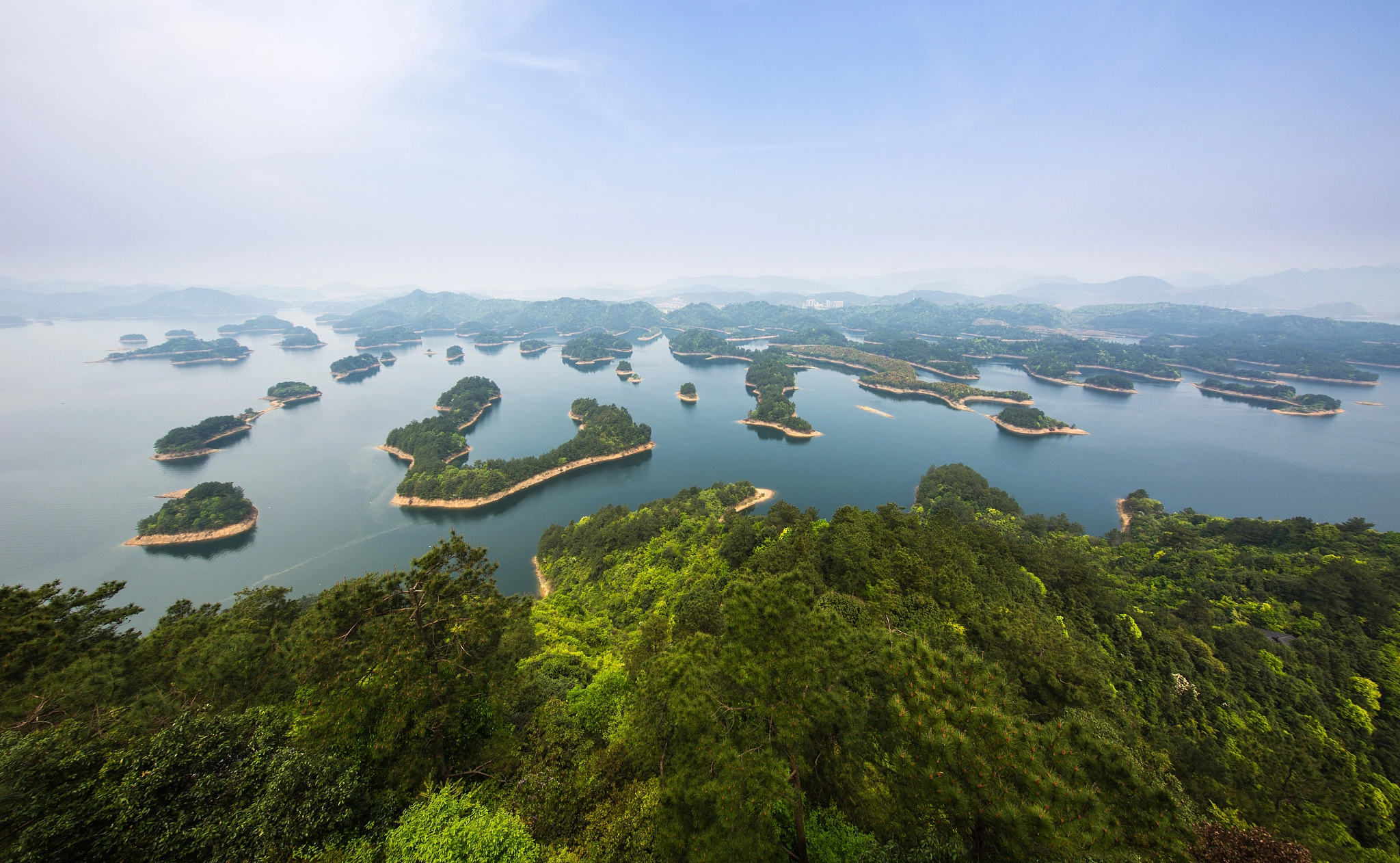
Thousand Island Lake, with its 1,078 emerald islands scattered like stars across the water, is a "man-made natural miracle." Its waters, remarkably clear with visibility reaching 7-9 meters, are hailed as "the finest water under heaven." More than just a vital water source, it is a paradise for ecological wellness. Whether boating between the islands or cycling along its greenways, one can experience the profound harmony between humanity and nature.
Ancient Town Charm: Echoes of Bygone Eras
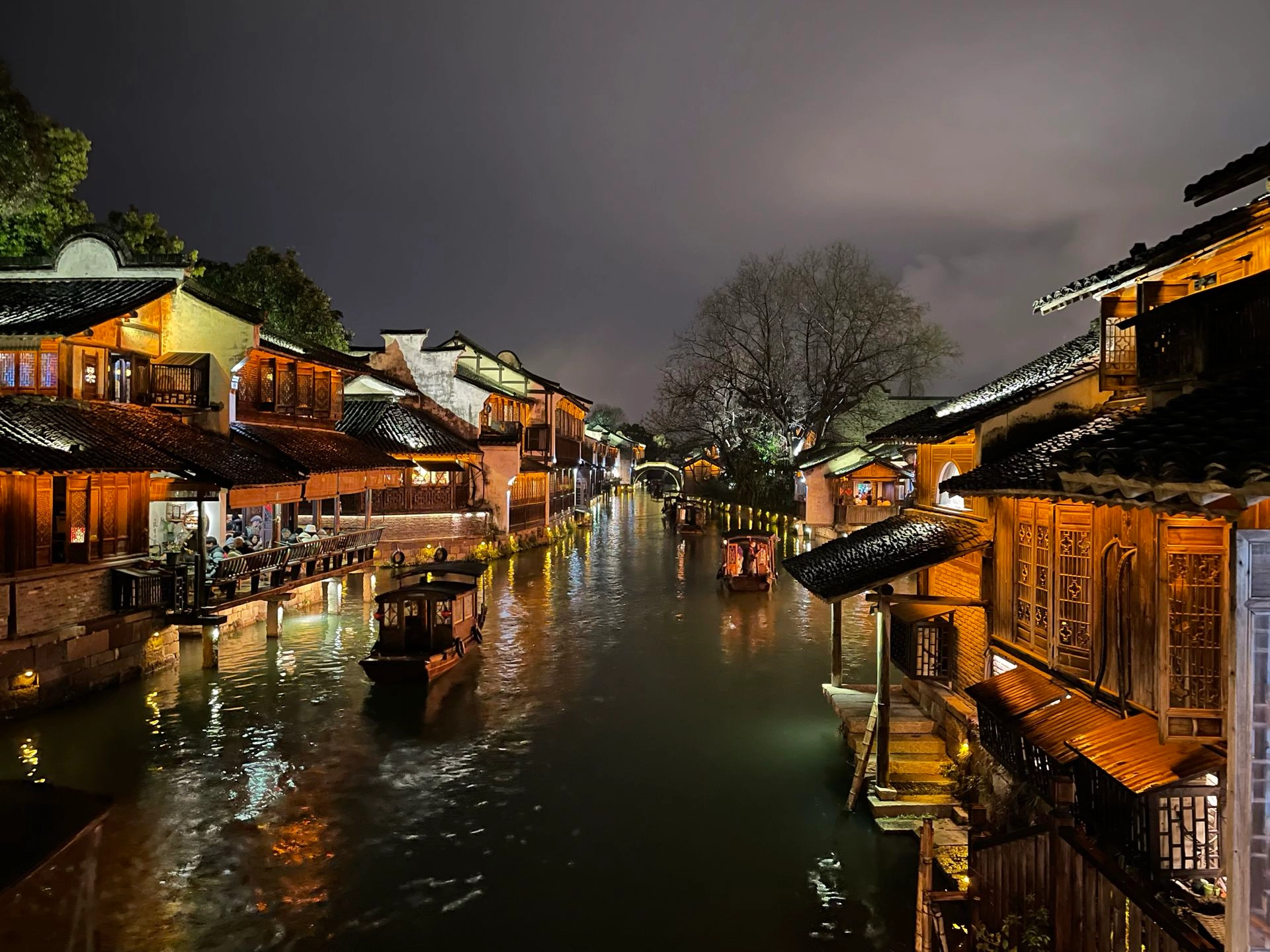
Wuzhen, a Jiangnan water town with 1,300 years of history, stages a fascinating dialogue between tradition and modernity. The innovative spirit of the World Internet Conference converges with the melodic tunes from century-old opera stages; the artistic ambiance of the Mu Xin Art Museum complements the rustic simplicity of indigo-dyed cloth on old streets. During its annual theatre festival, artists and visitors from around the world flock to this town, infusing the ancient water town with vibrant, new life.
Xitang is celebrated as a "living ancient town." At dawn, a thin mist shrouds its winding, covered corridors as elders exercise by the river and women wash clothes on stone steps; by evening, red lanterns gradually illuminate, transforming the water town into a dreamlike scene. Its 1,287 alleyways serve as time tunnels connecting past and present, allowing every visitor to experience the most authentic Jiangnan daily life.
Sacred Sites of Buddhism and Taoism: Havens for the Spirit
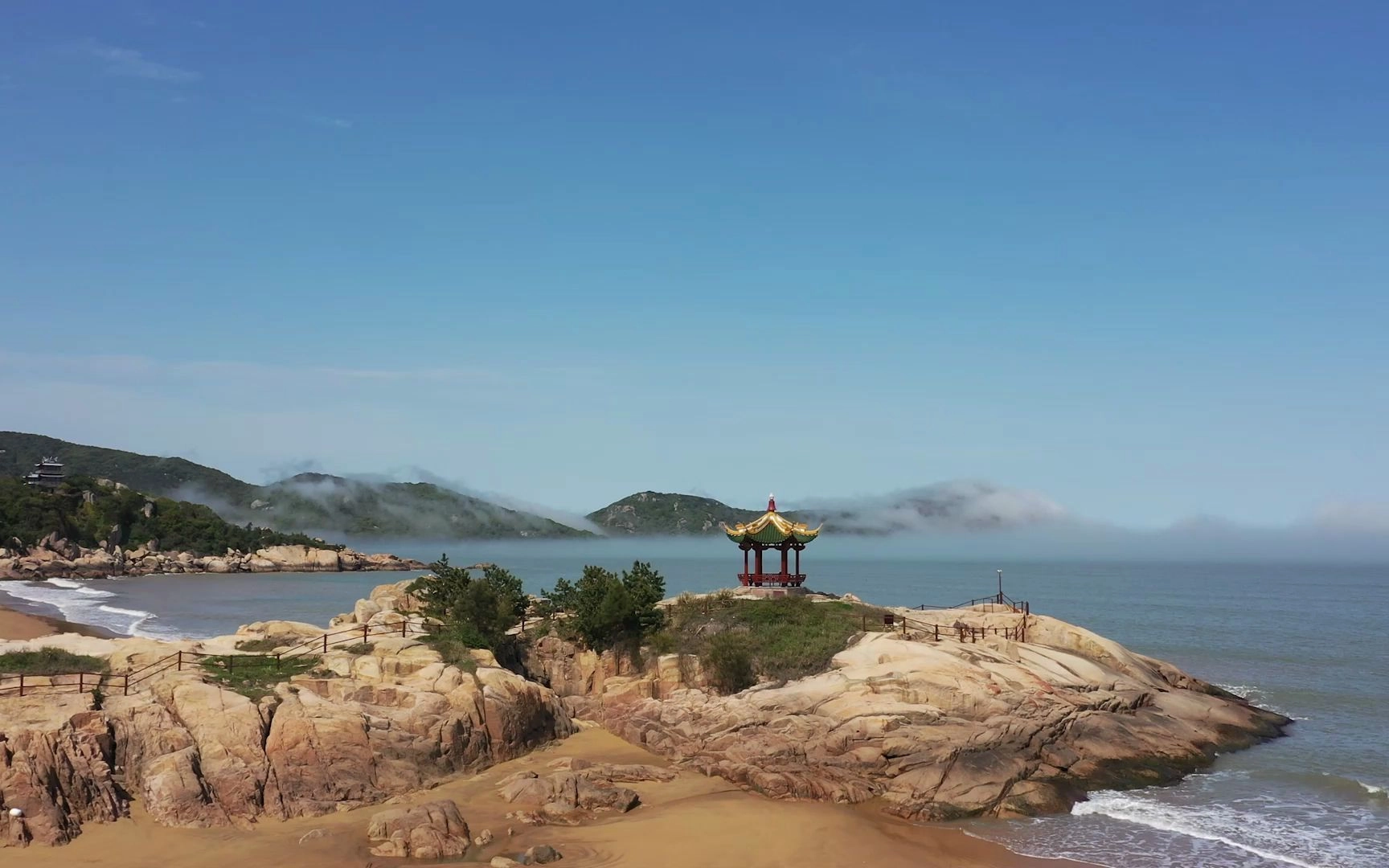
Putuo Mountain, a Buddhist sanctuary floating on the East China Sea, is both the sacred bodhimaṇḍa of Guanyin (Avalokiteśvara) and a harbor for spiritual repose. At dawn, Buddhist chants and tidal sounds create a symphony between mountain and sea; at dusk, pilgrims and seagulls walk side-by-side along the shore. Whether one is a devout pilgrim bowing at every third step or a common traveler seeking inner peace, all can find solace for the soul here.
Tiantai Mountain is famed as the "source of Buddhist sects and Taoist origins, with divinely beautiful landscapes." The Sui Dynasty plum tree in Guoqing Temple still blooms and fades after a thousand years, witnessing the enduring lineage of the Tiantai Buddhist school; the Shiliang Waterfall cascades like a reversed Milky Way, illustrating the profound mystery of "Dao following nature." This is not only a sacred ground for practitioners but also an ideal destination for urbanites seeking tranquility, ancient lore, and spiritual renewal. The stunning azaleas of Huading National Forest Park and the majestic beauty of Qiongtai Immortal Valley add infinite charm to this culturally rich mountain.
These scenic wonders and cultural treasures, like a string of brilliant pearls, form the most captivating landscape of Zhejiang, awaiting every traveler to discover, experience, and cherish.
Intangible Cultural Heritage: The Flow of Craftsmanship, Brilliance at the Fingertips
In Zhejiang, millennia of civilization are recorded not only in historical texts but also perpetuated through the deft hands of artisans, passed down from generation to generation. These ancient crafts carry the warmth of the land and the memory of time, allowing intangible cultural genes to live on through objects, melodies, and patterns.
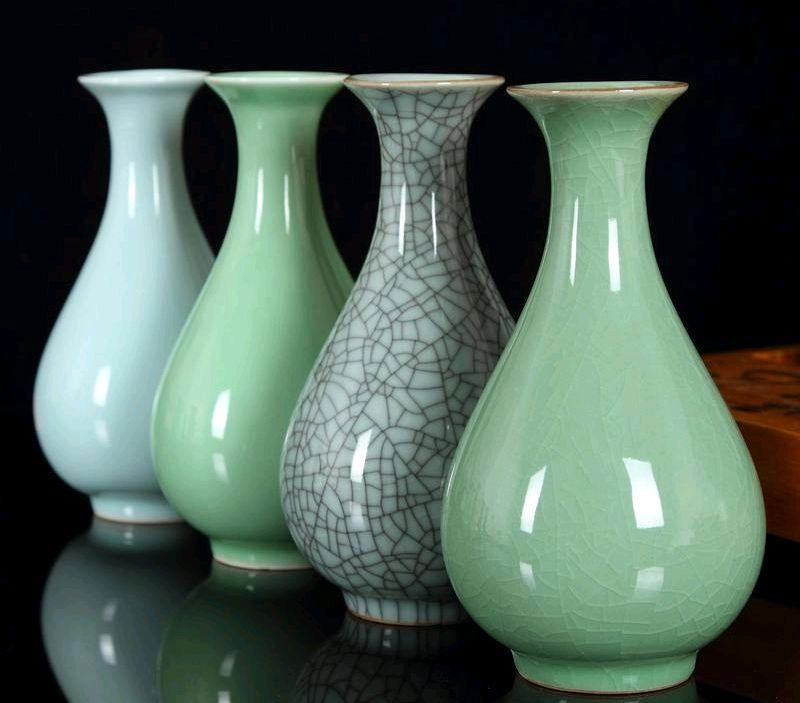
Longquan Celadon: The Jade-Like Radiance Tempered by a Thousand Years of Kiln Fires
Longquan Celadon, renowned for being "green as jade, bright as a mirror, thin as paper, and resonant as a chime stone," brought the artistic conception of Song Dynasty minimalist aesthetics to its peak. The plum green and powder green glazes resemble the sky after a cleansing rain, embodying a perfect dialogue between nature and human culture. From the ancient dragon kilns of the Dayao遗址 to the respectful innovation of modern artisans, this craft is not only inscribed on the UNESCO Intangible Cultural Heritage list but also finds new life in contemporary living, becoming an enduring symbol of Eastern aesthetics that bridges past and present.
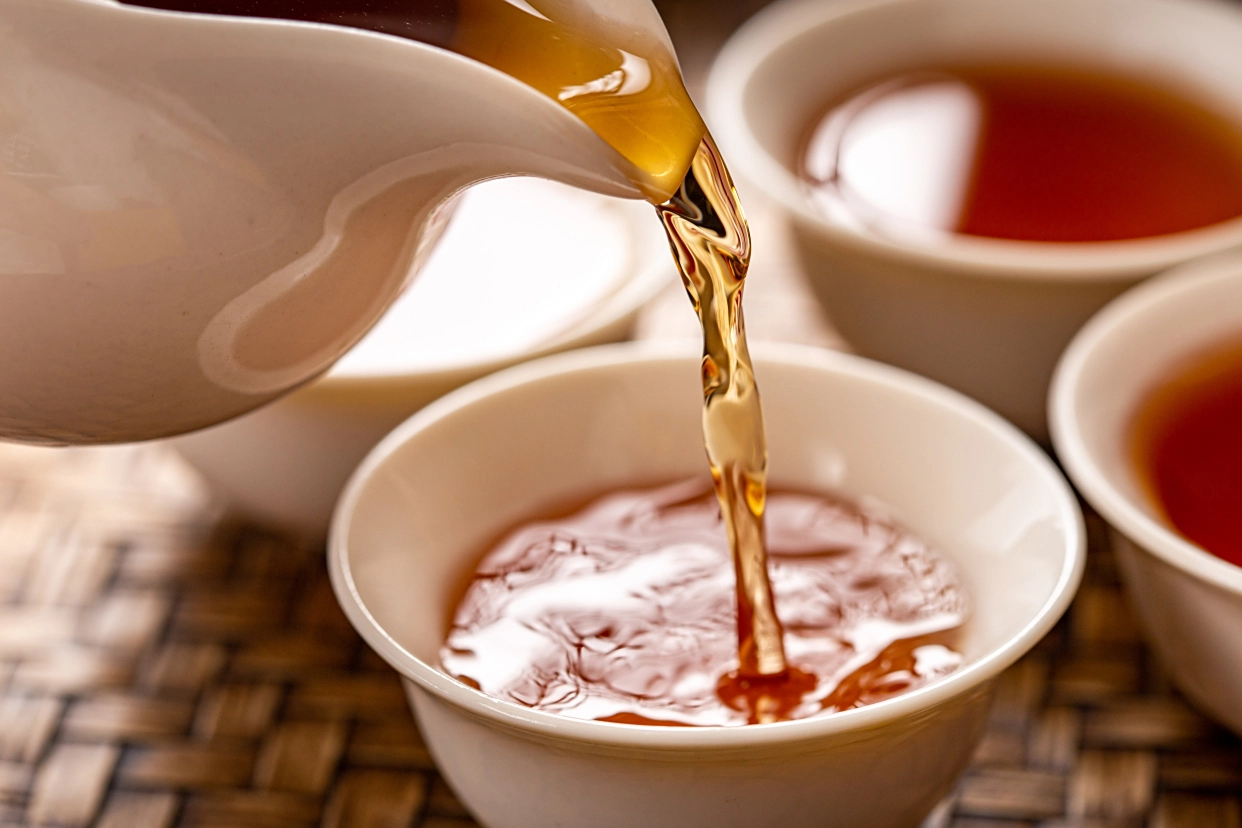
Shaoxing Yellow Wine: The Character of Yue, Fermented by Time
Shaoxing Yellow Wine is acclaimed as the "Soul of Eastern Liquors." Following the ancient method of "brewed in winter, matured in summer," it undergoes a complete cycle of soaking rice, steaming, initiating fermentation, pressing, pasteurization, and aging before achieving its amber glow. The wine contains the soft purity of Jianhu Lake water and the robust strength of the Yue region's terroir. It is both a daily drink for common households and a source of inspiration for scholars and artists. The annual "Ka Ba" ceremony at the start of winter not only marks the beginning of the brewing season but is also a reverent tribute to the rhythms of heaven and earth.
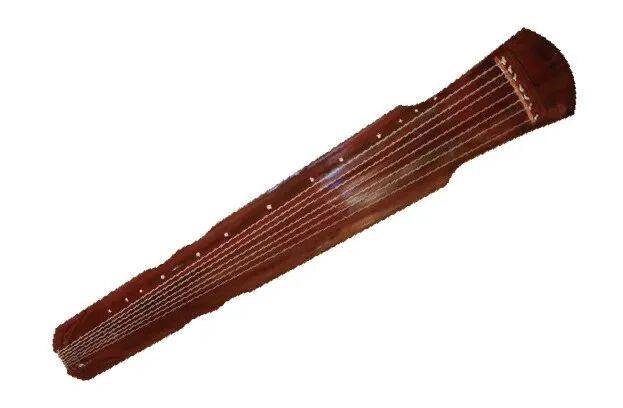
Zhe School Guqin: The Pure Sound of Landscapes upon Seven Strings
The Zhe School Guqin, known for its aesthetic qualities of being "subtle, profound, serene, and transcendent," established its unique style as early as the Southern Song Dynasty. Guo Chuwang's composition "Mist and Clouds over the Xiao and Xiang Rivers" paints a vast, misty landscape through the vibration of silk strings, conveying the scholar-official's concern for his nation. Today, the unbroken string of melodies from the West Lake Guqin Society allows this elegance to continue flowing amidst the lakes and mountains, providing spiritual nourishment for modern people seeking inner cultivation.
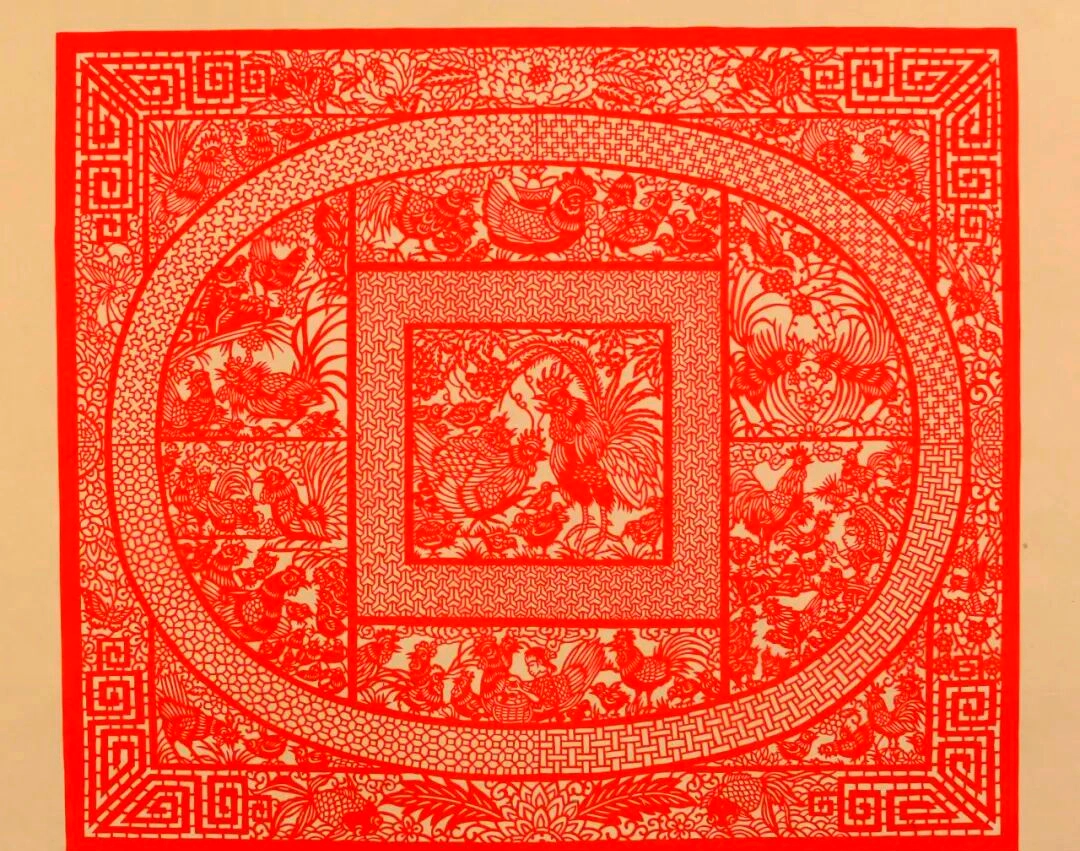
Yueqing Fine-Paper Cutting: A Miniature Universe Within a Tiny Space
Yueqing Fine-Paper Cutting is hailed as "the micro-engraving art of Chinese paper-cutting." Artisans must carve patterns as fine as hair on a small piece of red paper, relying solely on the naked eye and tactile skill—the most intricate works can feature up to 52 lines per square centimeter. This is not only an ultimate display of skill but also embodies the East Sea fishermen's reverence for precision and resilience. From the "Dragon Boat Flowers" used in rituals and prayers to modern themes documenting the times, this craft continuously innovates while being passed down.
Furthermore, the sublime artistry of Dongyang Wood Carving, the magnificent splendor of Ningbo Zhu Gold Lacquer Wood Carving, the play of light and shadow in Xianshi Lanterns, and the exquisite elegance of Ou Embroidery together form a brilliant constellation of Zhejiang's intangible cultural heritage arts. The wisdom at the fingertips is not merely the transmission of skill; it is a vivid embodiment of lifestyle, aesthetic concepts, and philosophical thought, ensuring the vibrant pulse of Zhejiang's culture continues to beat strongly in the new era.
Food and Local Specialties: The Culinary Code of Jiangnan on the Tongue
The flavors of Zhejiang are the crystallization of seasonal bounty and millennia of culture. From banquet dishes to street snacks, from a cup of clear tea to a pot of fine wine, each taste carries the unique code of this land.
The Elegance of Banquets: Master Chefs Prepare Fresh Delicacies, Balancing the Five Flavors
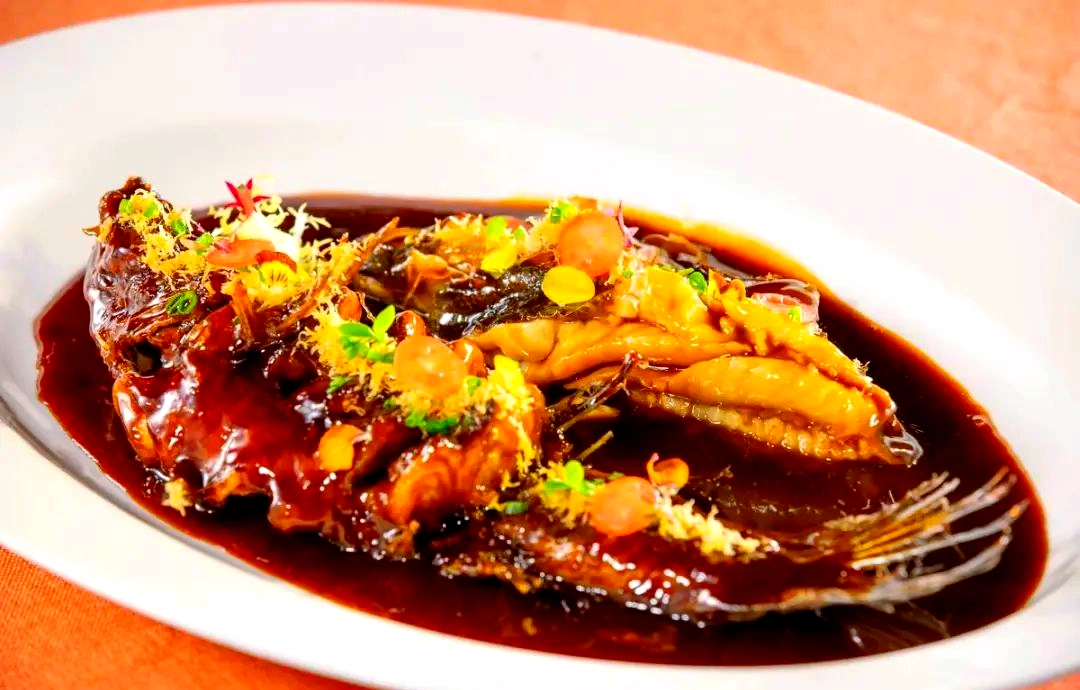
Hangzhou cuisine stands as a representative of Jiangnan's culinary aesthetics. West Lake Vinegar Fish uses live grass carp, briefly boiled then cooked, its natural sweetness outlined by a sweet and sour sauce—the form remains whole, the flavor lingers; Dongpo Pork employs pork belly ribs, using Shaoxing yellow wine instead of water, simmered gently for four hours until the result is glossy red, rich but not greasy, melting in the mouth; Longjing Shrimp captures the delicate aroma of pre-Qingming Longjing tea and the tender freshness of live river shrimp—the shrimp white as jade, the tea leaves emerald green—creating a poetic ode to spring.
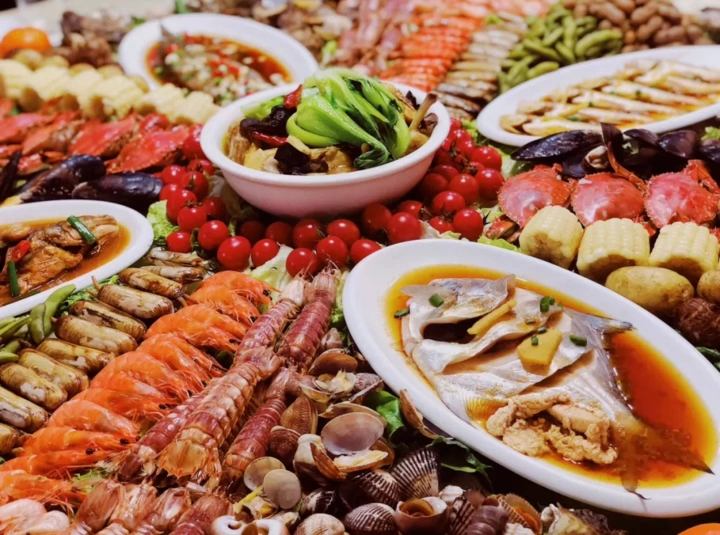
Ningbo cuisine elevates seafood preparation to an art. Salt Cabbage Soup with Yellow Croaker uses pickled snow cabbage to draw out the ultimate umami of the croaker, the soup milky white, a perfect union of savory and salty, each mouthful a gift from the sea; Soy-Marinated Crab with Red Roe selects winter female swimming crabs with roe, marinated in a special brine—the roe red, the meat tender, savory and briny in perfect balance, a treasure bestowed by the East Sea; Drunken Mud Snails are a Ningbo staple for rice, the snail meat crisp and tender, the wine aroma mellow and profound, leaving a lasting aftertaste.
The Taste of the Streets: Alleys and Lanes, the World of Daily Life
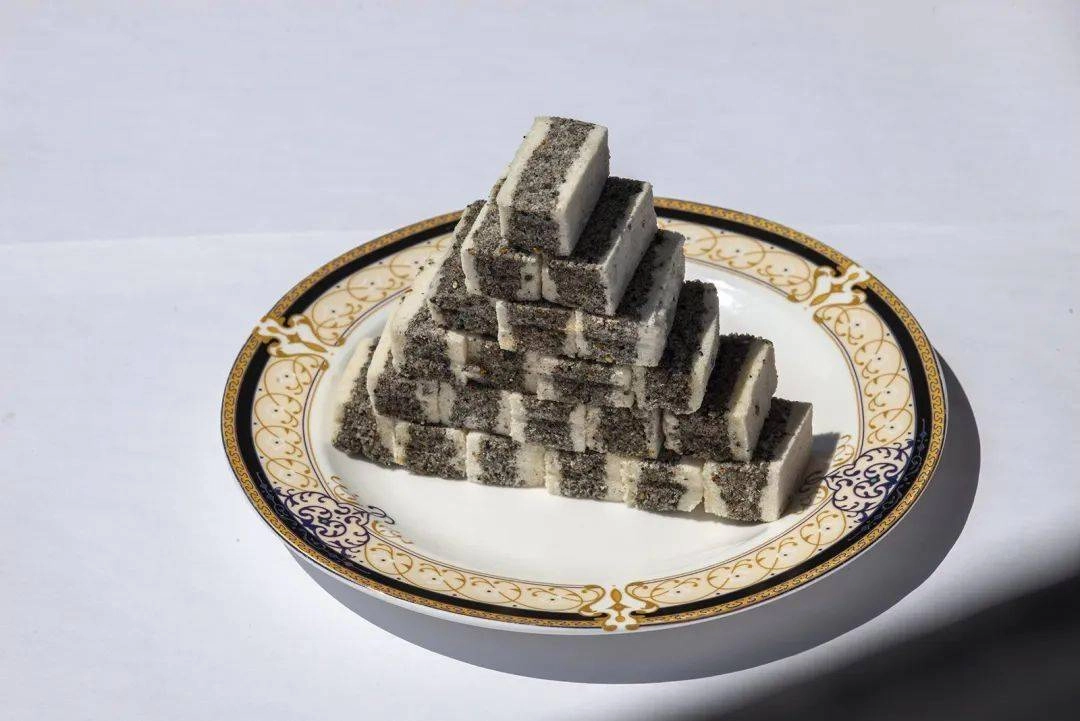
Wenzhou snacks capture the essence of local wisdom. The morning begins with Lampstand Cake—crisp on the outside, tender within, where the gentle sweetness of shredded radish and the savory richness of fresh pork merge perfectly in hot oil. At midday, a bowl of Fish Ball Soup brings comfort, made from hand-pounded croaker sourced from the East Sea, yielding a remarkable springiness in a clear, flavorful broth. As evening falls, Glutinous Rice takes center stage, accompanied by crispy fried dough sticks, fragrant pork floss, and a generous drizzle of mushroom and minced meat sauce—a taste that evokes the warmest memories of home for every Wenzhou native.
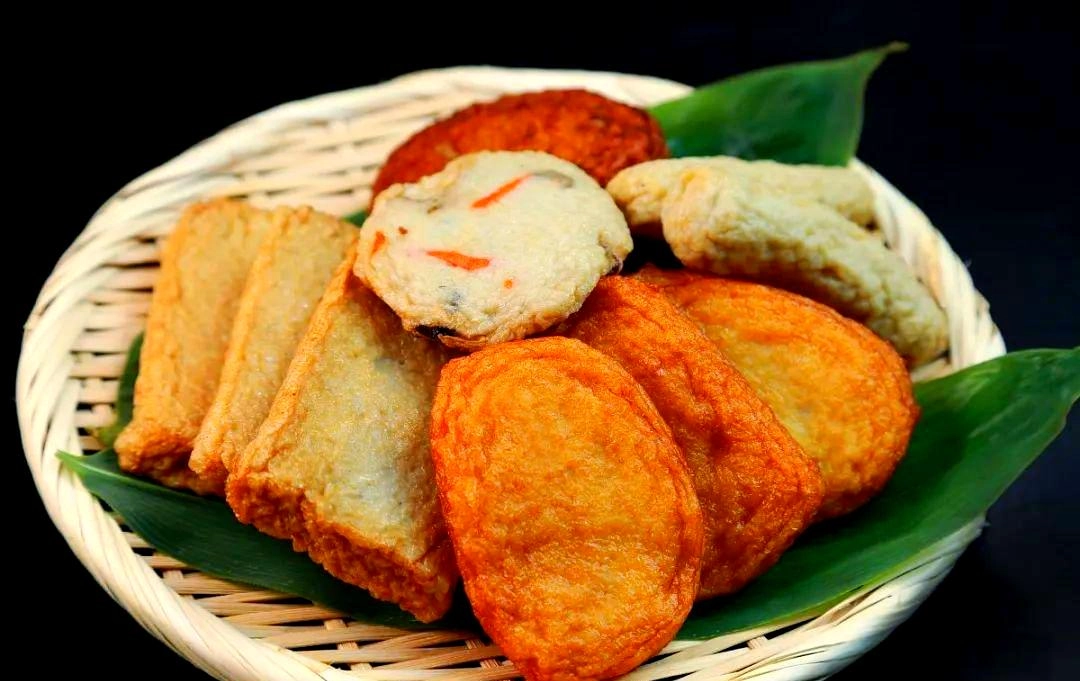
Shaoxing's flavors are steeped in time. Aniseed Beans dissolve on the tongue, while Fermented Bean Curd Sheets carry a pungent aroma that pairs exquisitely with amber-yellow rice wine. These seemingly humble foods reveal the culinary wisdom of the Yue people—a philosophy that celebrates "fermentation for freshness and pungency for beauty"—reflecting their thoughtful, unhurried approach to life. Meanwhile, Shaoxing's Drunken Chicken, tender and marinated in Huadiao wine, offers an aromatic and savory delight that lingers on the palate.
Souvenir Gifts: Inherited Craftsmanship, Portable Local Specialties
Longjing tea stands as an undisputed emblem of Zhejiang's heritage. A hint of spring from the foothills of Lion Peak Mountain unfurls in your cup, revealing the complete poetic essence of the region. Pre-Qingming Longjing, consisting of a single bud and leaf, gently awakens in 80°C water, releasing subtle nutty aromas and a smooth, sweet flavor that evokes the refreshing breeze of a Jiangnan spring.
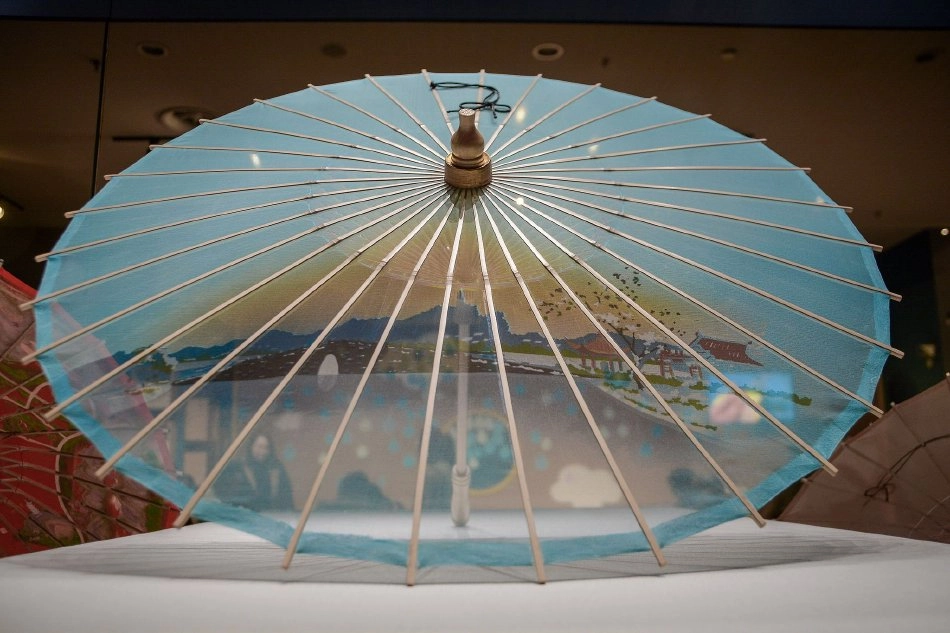
The West Lake Silk Parasol represents another pinnacle of local craftsmanship. Constructed with lightweight bamboo frames and delicate Hangzhou silk canopies, each parasol demands eighteen meticulous steps under a master artisan's hand. Adorned with paintings of the Ten Scenes of West Lake or inscribed with classical poetry, every opening and closing of these parasols celebrates the romantic artistry inherent to the region.
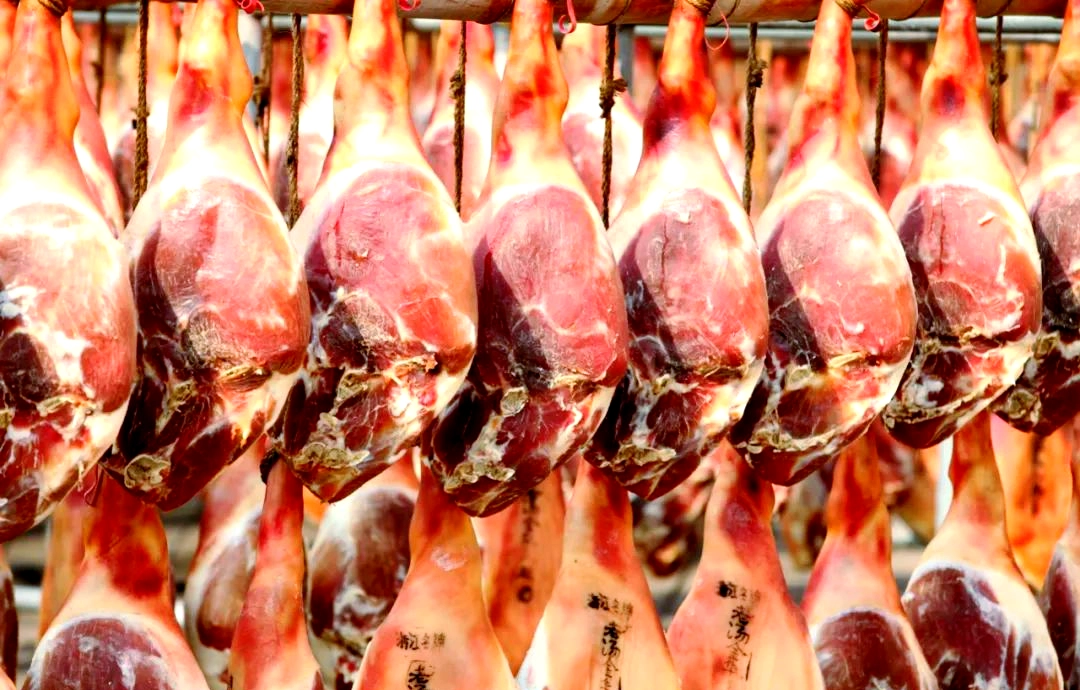
Jinhua Ham requires a remarkable three-year journey to achieve its legendary status. This specialty begins with hind legs from local "Two-Ended Black" pigs, undergoing precise trimming, salting, sun-drying, fermentation, stacking, and aging processes. The result is a ham with crystalline aroma and profound umami flavor—a true testament to time-honored methods.
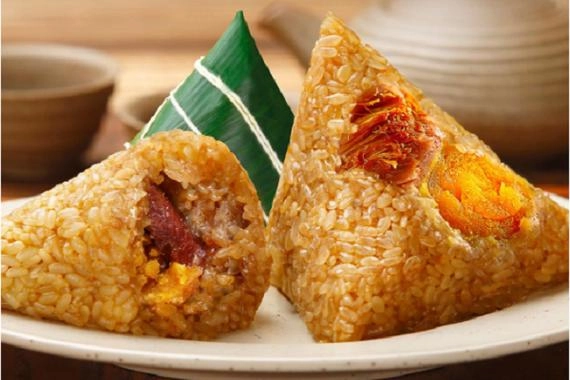
Jiaxing Zongzi, particularly those from the renowned Wufangzhai, encapsulate the agricultural richness of this "Land of Fine Crops." These pyramid-shaped bundles, wrapped in Anhui reed leaves, contain premium Taihu glutinous rice, Jinhua ham, Shaoxing dried vegetables, and other fillings. Through twelve hours of gentle simmering, the interwoven aromas of grain and meat create an irresistibly fragrant delicacy that embodies the region's culinary heritage.
The Charm of Tea and Wine: Sipping Slowly, Savoring Time
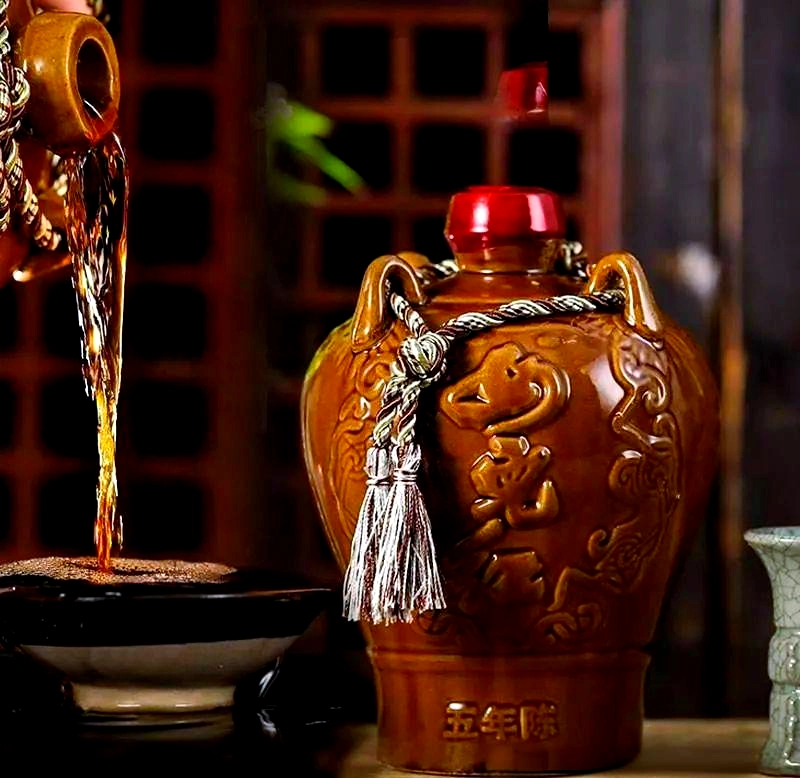
Shaoxing Yellow Wine adheres to the ancient principle of "winter brewing, summer maturation." Its amber liquid captures the soft purity of Jianhu Lake water and the resilient spirit of the Yue people. Each step—from soaking and steaming the rice, initiating fermentation, and pressing, to pasteurization and careful aging—concentrates the wisdom of generations of master brewers. Enjoying a cup of gently warmed yellow wine with a handful of aniseed beans offers a taste of Shaoxing in its most authentic form.
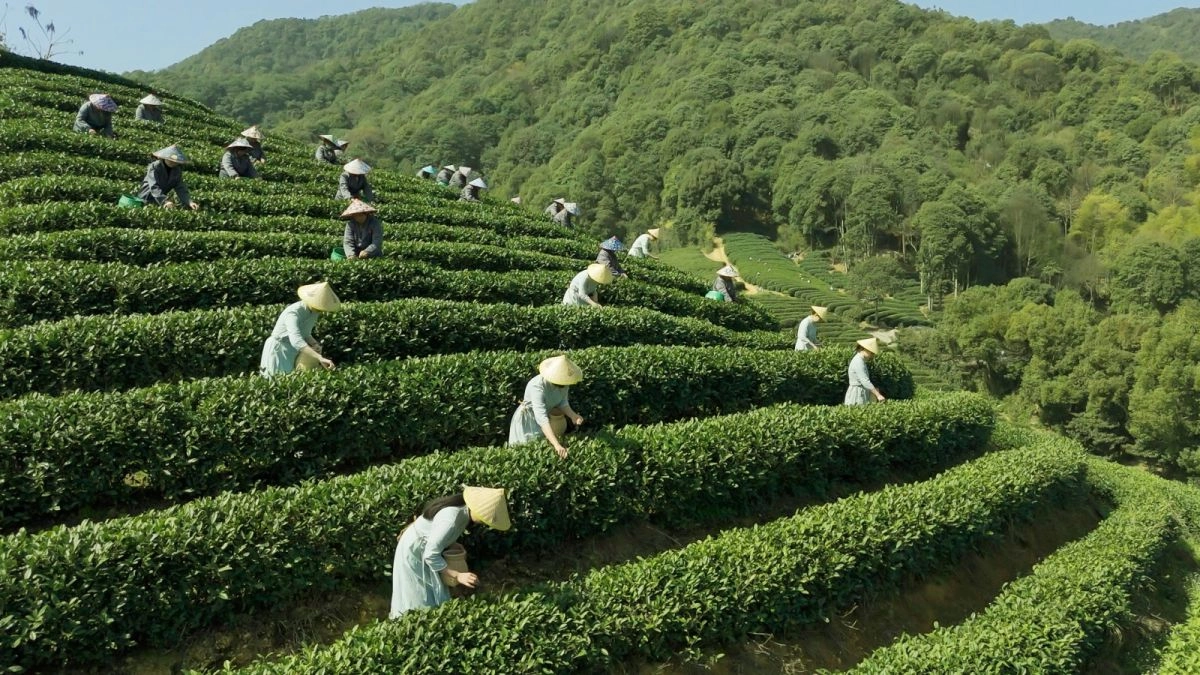
Zhejiang's tea culture is deeply rooted in history. Beyond the celebrated West Lake Longjing, the region produces other renowned varieties such as Anji White Tea and Kaihua Longding. Anji White Tea, with its pale leaves and green veins, resembles phoenix feathers; it brews into a clear, pale liquor with a refreshingly delicate and brisk flavor. Kaihua Longding, characterized by its tightly rolled, straight leaves, yields a subtle yet distinct aroma and a taste that is full-bodied and mellow. In every cup, one can perceive a reflection of the region's elegant and serene landscapes.
In this land, food and drink transcend mere sensory pleasure—they embody an attitude toward life and a form of cultural continuity. From elaborate banquets to humble street food, from fine tea and wine to artisanal specialties, the people of Zhejiang transform the simplest, most honest ingredients into a life rich with poetry. Whether it is the refinement of Hangzhou cuisine, the vibrant energy of Wenzhou snacks, or the profound depth of Shaoxing's flavors, each tells a unique story of this place, awaiting every visitor to taste, sense, and interpret.
A Moment of Repose
When the dust of your journey settles, what Zhejiang leaves you with extends far beyond a few photographs and local snacks. The willow branches swaying under the moonlight of West Lake, the sea of clouds drifting through Yandang Mountain, the vibrant energy of Yiwu's markets, and the shimmering lights of its digital cities—all these quietly weave themselves into the fabric of your being.
Zhejiang, this land that sails on a vessel of heritage and rows with the oars of innovation, never rests content with past glories. It constantly positions itself at the forefront of the tide, advancing with it. It awaits your arrival—to savor the serene beauty of Jiangnan with a cup of Longjing tea, to feel the surging power of the era while watching the Qiantang Tide, and then, carrying this inclusive wisdom, to stride more gracefully into the vastness of the world.
Related Vocabulary
| Chinese | Pinyin | English |
|---|---|---|
| 西湖 | Xī Hú | West Lake |
| 龙井茶 | lóngjǐng chá | Longjing Tea |
| 丝绸 | sīchóu | Silk |
| 古镇 | gǔzhèn | Ancient Town |
| 黄酒 | huángjiǔ | Yellow Wine |
| 浙菜 | Zhè cài | Zhejiang Cuisine |
| 山水 | shānshuǐ | Mountains & Waters |
| 茶叶 | cháyè | Tea Leaves |
| 园林 | yuánlín | Classical Garden |
| 海鲜 | hǎixiān | Seafood |
| 江南 | Jiāngnán | Southern China |
| 码头 | mǎtóu | Pier |
| 纪念品 | jìniànpǐn | Souvenir |
Zhejiang Travel FAQ: Your Complete Guide
Q1: What are the main travel regions in Zhejiang and their key features?
A1: Zhejiang offers diverse landscapes across three primary regions:
- Northern Zhejiang (Hangzhou, Jiaxing, Huzhou, Shaoxing): The classic "Jiangnan" (South of the Yangtze) region, famous for West Lake, ancient water towns like Wuzhen and Xitang, and a profound cultural heritage.
- Eastern Zhejiang Coast (Ningbo, Zhoushan, Taizhou, Wenzhou): Known for its long coastline and numerous islands. This area offers marine culture, port scenery (including Putuo Mountain, the Zhoushan Archipelago), and the legacy of merchant communities.
- Western & Southern Zhejiang (Quzhou, Lishui): A haven for nature lovers, featuring mountains like Tianmu Mountain and Yandang Mountain. It's ideal for hiking and exploring ancient villages amidst pristine ecology.
Q2: When is the best time to visit Zhejiang?
A2: Zhejiang has four distinct seasons, each with its charm:
- Spring (Mar-May): One of the best times. The weather is warm, West Lake is adorned with peach blossoms and willow trees, and the Longjing tea harvest is in full swing.
- Autumn (Sep-Nov): Another prime season. Pleasant temperatures, sweet-scented osmanthus flowers, and the spectacular Qiantang River Tidal Bore make it ideal.
- Summer (Jun-Aug): Hot and rainy, but perfect for escaping to the cool bamboo forests of Moganshan or the beaches of the Zhoushan Islands.
- Winter (Dec-Feb): Chilly and damp, but less crowded. It's a great time to experience the New Year atmosphere in ancient towns and the serene, snow-dusted Buddhist temples.
Q3: What are some recommended itineraries for a 5-7 day in-depth tour of Zhejiang?
A3:
- Classic Jiangnan Culture (5-6 days): Hangzhou (3 days) → Wuzhen/Xitang (1 day) → Shaoxing (1-2 days). Focus on West Lake, canals, ancient towns, and yellow wine culture.
- Mountain, Sea & Spiritual Retreat (5-6 days): Ningbo (2 days) → Zhoushan/Putuo Mountain (2-3 days) → Taizhou (Tiantai Mountain) (1 day). Experience the "Buddhist Kingdom on the Sea," port culture, and sacred mountains.
- Southwest Zhejiang Nature & Culture (5-7 days): Lishui (Yunhe Terraced Fields, Guyang Painting Town, 3 days) → Wenzhou (Yandang Mountain) (2 days). Immerse yourself in breathtaking landscapes, photography hotspots, and geological wonders.
Q4: What are the "must-see" spots at Hangzhou's West Lake?
A4: The essence of West Lake lies in its "Ten Scenes." Must-sees include:
- Spring Dawn at Su Causeway: Charming with willows and blossoms in spring.
- Melting Snow at Broken Bridge: The legendary meeting place from the "Legend of the White Snake," especially picturesque after snow.
- Three Pools Mirroring the Moon: The iconic scene printed on the back of the 1 RMB note.
- Leifeng Pagoda in the Sunset Glow: Magnificent views of the pagoda at dusk.
- Viewing Fish at Flower Pond: A classic Chinese garden where you can watch koi carp.
Q5: Why is Zhejiang called the "Land of Silk and Tea" and the "Land of Fish and Rice"?
A5:
- Land of Silk: Cities like Huzhou have been central to China's silk production for millennia, renowned for their high-quality silk, earning the phrase "Huzhou silk clothes the world."
- Land of Fish and Rice: The Hangjiahu Plain in northern Zhejiang, with its dense river network and fertile soil, is a prolific producer of rice and freshwater fish, making it a land of abundance.
Q6: Why is Zhejiang essential for understanding Chinese business culture?
A6: Zhejiang is a powerhouse of China's private economy, home to influential merchant groups:
- Wenzhou Merchants: Known globally for their pioneering spirit and entrepreneurial drive.
- Ningbo Merchants: A highly influential group in modern Chinese history, emphasizing integrity and international outlook.
- Yiwu: Transformed from a humble "chicken feathers for candy" barter system into the "World's Supermarket," epitomizing China's economic reform. Exploring these areas offers deep insight into Chinese business ethos and market dynamics.
Q7: What are the key Buddhist cultural sites in Zhejiang?
A7:
- Putuo Mountain, Zhoushan: One of China's Four Sacred Buddhist Mountains, it is the primary bodhimaṇḍa (place of enlightenment) of Guanyin (Avalokiteśvara), the Goddess of Mercy.
- Tiantai Mountain, Taizhou: The birthplace of the Tiantai school of Buddhism. Guoqing Temple is a significant ancestral temple.
- Ayuwang Temple & Tiantong Temple, Ningbo: Both are ancient temples with immense historical significance in Chinese Buddhism.
Q8: What are the must-try foods in Zhejiang?
A8: Zhejiang Cuisine (Zhe Cai) is one of China's Eight Great Cuisines, known for its freshness and delicate flavors.
- Famous Dishes: West Lake Vinegar Fish (sweet and sour), Dongpo Pork (braised and melt-in-the-mouth), Longjing Shrimp (infused with tea aroma), Ningbo Snow Cabbage with Yellow Croaker Soup (savory and umami).
- Snacks: Hangzhou Pian'er Chuan Noodles, Wenzhou Lampstand Cake, Huzhou Wontons, Jiaxing Zongzi (sticky rice dumplings).
- Local Flavors: Shaoxing Stinky Tofu, Drunken Crab, Wine-marinated Chicken.
Q9: What intangible cultural heritage experiences can I have in Zhejiang?
A9:
- In Hangzhou: Visit the China National Tea Museum to experience Longjing tea picking and frying; enjoy Zhe School Guqin (a seven-string zither) music at the West Lake Guqin Society.
- In Shaoxing: Take a black-canopied boat (Wupeng Boat) through the water lanes; visit the Shaoxing Yellow Wine Museum to taste and learn about the brewing process.
- In Jinhua: Explore the Dongyang Wood Carving Museum to admire exquisite woodcarving art.
- In Yueqing: You can witness the incredible artistry of Yueqing Fine-Paper Cutting, known as "Chinese micro-engraving on paper."
Q10: What are the best local specialties to buy as souvenirs?
A10:
- Tea: West Lake Longjing Tea (ranked first among China's Top Ten Teas).
- Silk: Hangzhou Silk (scarves, clothing, etc.).
- Handicrafts: Longquan Celadon Porcelain, Wangxingji Fans, West Lake Silk Parasols.
- Food & Drink: Shaoxing Yellow Wine, Jinhua Ham, Jiaxing Zongzi, Assorted Preserved Fruits.