Top 12 Most Populous Cities in China: Population, Culture, and Economic Power
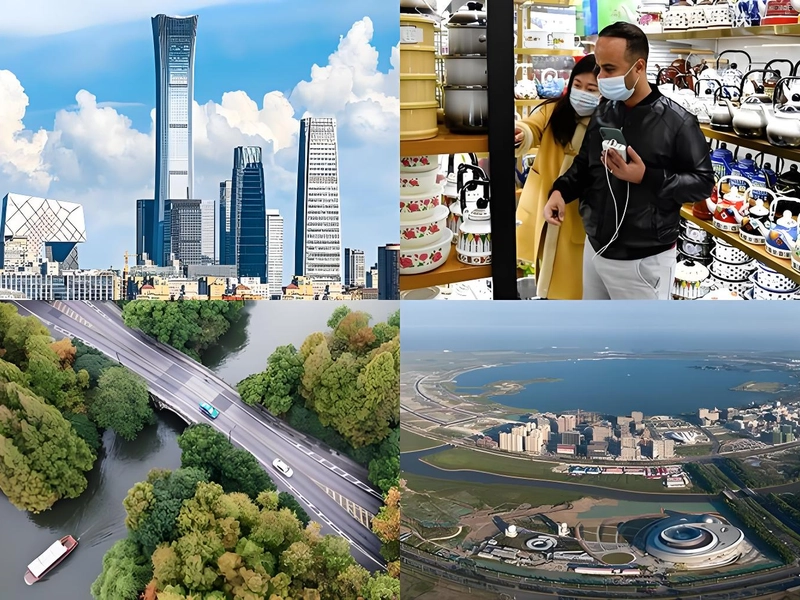
China, the world’s most populous country, is home to hundreds of vibrant cities, each with unique cultural, economic, and historical significance. For anyone searching for terms like “largest China cities by population,” “biggest city in China,” or “most populous cities in China,” understanding these urban centers offers a window into the country’s rapid urbanization, economic growth, and diverse lifestyles.
From the political heart of Beijing to the financial powerhouse of Shanghai, and from historic Xi’an to rapidly growing Shenzhen, China’s largest cities are hubs of population, commerce, and culture. This guide explores the top 12 most populous cities in China, highlighting their population statistics, economic influence, and cultural landmarks, giving readers a comprehensive overview of urban life in modern China.
Understanding China’s Urban Landscape
China’s urbanization has accelerated dramatically over the past few decades. Major cities, also called megacities, are the engines of economic growth, cultural exchange, and international trade. According to recent statistics, China has dozens of cities with populations exceeding one million, with several exceeding 10 million residents.
When discussing “cities in China by population” or “largest cities in China by population,” it’s important to differentiate between administrative population (official registered residents) and the floating population (migrants, temporary workers). This distinction helps explain the immense scale and density of urban life in China.
Beijing: The Capital and Political Hub
- Population: Approximately 21 million
- Significance: Political, cultural, and historical center
- Notable Features: The Forbidden City, Tiananmen Square, and proximity to the Great Wall
Beijing is more than just the administrative heart of China. It is a center of education, technology, and international diplomacy. Its population includes both long-term residents and a large migrant community from across the country, making it one of the most diverse cities in China.
Shanghai: China’s Economic Powerhouse
- Population: Over 24 million in the urban area
- Significance: Financial hub, global trade center
- Notable Features: The Bund, Lujiazui financial district, modern skyline with iconic skyscrapers
Shanghai’s role as a global financial hub has attracted millions of professionals, students, and expatriates. Its high population density reflects its status as a center of opportunity and innovation.
Guangzhou: The South China Giant
- Population: Around 15 million in the urban area
- Significance: Major port city, trade hub, cultural center
- Notable Features: Canton Tower, Pearl River, vibrant culinary scene
Guangzhou is historically significant as a trading hub along the Maritime Silk Road. Its combination of commerce, culture, and transportation infrastructure contributes to its ranking among China’s largest cities.
Shenzhen: Modern Metropolis
- Population: Over 13 million
- Significance: Technology and innovation hub, high-tech manufacturing
- Notable Features: Shenzhen Bay, tech parks, modern architecture
Shenzhen’s economic growth mirrors China’s modernization, attracting young professionals from all over the country and making it one of the fastest-growing megacities in the world.
Chongqing: The Mountain Megacity
- Population: Over 30 million in the administrative area (urban population is lower)
- Significance: Inland trade, heavy industry, river port
- Notable Features: Yangtze River, mountainous terrain, hotpot cuisine
Chongqing’s distinctive geography and administrative structure make it one of the largest cities in terms of population and area, offering a different perspective on urban life compared to coastal megacities.
Tianjin: Northern Port City
- Population: Around 13 million
- Significance: Port city, industry, historical European-influenced architecture
- Notable Features: Haihe River, European-style buildings, economic development zones
Tianjin combines historical charm with modern urban planning, making it a significant population center and economic driver in northern China.
Chengdu: Cultural and Economic Center of Western China
- Population: Over 16 million in the metropolitan area
- Significance: Technology, culture, food hub (famous for Sichuan cuisine)
- Notable Features: Giant pandas, Jinli Ancient Street, Sichuan opera
Chengdu’s blend of culture, cuisine, and business opportunities makes it an attractive city for both residents and tourists.
Hangzhou: Scenic and Tech-Savvy
- Population: Around 10 million
- Significance: E-commerce hub, tourism, historical city
- Notable Features: West Lake, Alibaba headquarters, scenic landscapes
Hangzhou’s population continues to grow, balancing urban development with tourism and environmental conservation.
Wuhan: Central China Megacity
- Population: Around 11 million
- Significance: Education, transportation, industry
- Notable Features: Yangtze River, universities, cultural institutions
Wuhan’s strategic location on the Yangtze River and rapid development has made it a vital population center in central China.
Xi’an: Ancient Capital with Modern Growth
- Population: About 12 million
- Significance: Historical capital, tourism, industry
- Notable Features: Terracotta Warriors, ancient city wall, Big Wild Goose Pagoda
Xi’an blends historical heritage with modern urban development, attracting both tourists and new residents.
Nanjing: Historical and Modern Hub
- Population: Around 9 million
- Significance: Education, culture, historical sites
- Notable Features: Sun Yat-sen Mausoleum, Confucius Temple, Yangtze River bridges
Nanjing’s historical significance and modern infrastructure make it one of the most populous and influential cities in eastern China.
Shenyang: Industrial Powerhouse in Northeast China
- Population: Approximately 8 million
- Significance: Heavy industry, historical capital of Manchuria
- Notable Features: Imperial Palace of the Qing Dynasty, industrial zones
Shenyang’s population reflects its industrial importance and historical significance in northeastern China.
China’s top 12 most populous cities, including Beijing, Shanghai, Guangzhou, Shenzhen, Chongqing, Tianjin, Chengdu, Hangzhou, Wuhan, Xi’an, Nanjing, and Shenyang, demonstrate the diversity, growth, and cultural richness of the country. Each city has its own unique identity, combining modern economic power with historical and cultural heritage.
Understanding China’s largest cities by population provides insight into urbanization trends, economic development, and cultural influence across the nation. These megacities are not only population centers but also hubs of innovation, tourism, and cultural exchange.
Related Vocabulary
| Chinese | Pinyin | English |
|---|---|---|
| 北京 | Běijīng | Beijing |
| 上海 | Shànghǎi | Shanghai |
| 广州 | Guǎngzhōu | Guangzhou |
| 深圳 | Shēnzhèn | Shenzhen |
| 重庆 | Chóngqìng | Chongqing |
| 天津 | Tiānjīn | Tianjin |
| 成都 | Chéngdū | Chengdu |
| 杭州 | Hángzhōu | Hangzhou |
| 武汉 | Wǔhàn | Wuhan |
| 西安 | Xī’ān | Xi’an |
| 南京 | Nánjīng | Nanjing |
| 沈阳 | Shěnyáng | Shenyang |
| 人口 | Rénkǒu | Population |
| 大城市 | Dà chéngshì | Big City |
| 省会 | Shěnghuì | Provincial Capital |
| 都市区 | Dūshì qū | Metropolitan Area |
| 经济中心 | Jīngjì zhōngxīn | Economic Hub |
| 历史名城 | Lìshǐ míngchéng | Historical City |
| 城市排名 | Chéngshì páimíng | City Ranking |