Tianjin: China’s Capital Guardian — History, Culture, Food & Modern City Experiences
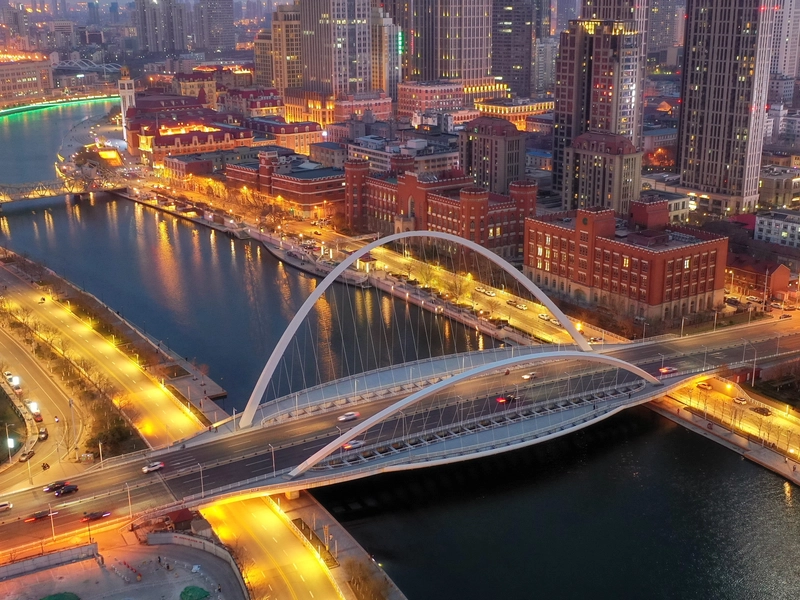
Tianjin, located in northern China’s Bohai Rim region, enjoys a prime geographical position adjacent to the capital, Beijing, serving as a crucial gateway connecting northern inland China with the coast. As one of China’s four direct-controlled municipalities, Tianjin boasts a rich historical heritage while playing a key role in modern urban development. From its unique colonial architecture and industrial base to contemporary urban planning and international economic growth, Tianjin displays an extraordinary charm. This article will guide you through Tianjin’s cultural depth, historical sites, economic vitality, and abundant tourist attractions, offering a comprehensive look at this northern city that seamlessly blends tradition with modernity.
Historical Overview
Ancient Tianjin: Origins along the Bohai Coast
Tianjin’s history dates back thousands of years. Its strategic location along the Bohai coast made it an important northern transportation hub and trade route from ancient times. Early communities relied on fishing and agriculture, with rivers and harbors providing rich resources and convenient waterways. Over time, Tianjin evolved into a key node linking inland and coastal regions, playing a significant role in military defense and commercial trade. Ancient Tianjin was not only part of Bohai culture but also laid the solid foundation for later urban development.
Tianjin has historically held an important place in China and continues to be vital in modern times. Its unique geographical location and convenient water and land transport have made it a northern economic and military hub. In the modern era, Tianjin became an open port city, attracting international cultural and commercial exchanges, which shaped its distinctive historical appearance and multicultural atmosphere. Today, Tianjin preserves rich historical relics and traditional culture while developing into a modern economic center and top destination for tourists.
Geography and Climate
Tianjin sits on the eastern edge of the North China Plain, characterized by flat terrain and a dense network of rivers. The core river, Haihe, flows through the city, creating a distinctive water system. In addition, multiple canals connect Tianjin to surrounding regions, making it an essential northern transportation and commercial hub since ancient times. The plain terrain and river resources not only facilitate trade and transport but also provide natural advantages for urban planning and industrial layout.
Tianjin experiences a temperate monsoon climate with four distinct seasons. Spring is warm and windy, often accompanied by sandstorms; summer is hot and humid, with concentrated rainfall; autumn is cool and dry, ideal for tourism; winter is cold and dry, with occasional snow. This climate influences daily life, agriculture, and the cityscape while shaping Tianjin’s unique rhythm.
The abundant water resources and favorable climate provide a strong agricultural base, suitable for crops such as wheat, corn, and vegetables. Convenient waterways and ports also promote industrial development, making Tianjin a key city for modern manufacturing and logistics. Moreover, the four-season climate and unique river landscapes attract numerous tourists, supporting a thriving tourism industry. From Ancient Culture Street to the Haihe River Scenic Area, Tianjin’s geography and climate combined with its historical culture create diverse development potential.
Economy and Industry
As an important economic center in northern China, Tianjin thrives due to its strategic location and comprehensive transportation network. Tianjin Port is a world-class deep-water harbor and a key international logistics hub in the Bohai Rim. Leveraging port advantages, Tianjin has developed a large import-export trade system, connecting domestic markets and global economies. Efficient logistics and modern port facilities position Tianjin as a leader in goods transportation, supply chain management, and cross-border trade.
Beyond port-based commerce, Tianjin’s manufacturing industry has grown rapidly. Automotive manufacturing, aerospace, electronics, and equipment industries form a complete industrial chain. In recent years, high-tech sectors such as biomedicine, new materials, and smart manufacturing have attracted domestic and foreign investors, promoting industrial transformation.
Modern service and financial industries in Tianjin are also thriving. The Tianjin Free Trade Zone provides policy support and favorable investment conditions, drawing multinational corporations and innovative companies. Financial services, insurance, consulting, logistics, and e-commerce continue to expand, becoming new economic growth drivers. Tianjin actively promotes technology innovation and entrepreneurship, ensuring continuous momentum for future development.
Overall, Tianjin’s economy leverages traditional port and manufacturing strengths while exploring new growth areas in high-tech and modern services, securing its place in domestic and international economic landscapes and offering diverse experiences for residents and tourists alike.
Culture and Local Highlights
Tianjin is a city of deep historical roots and modern energy, with cultural characteristics deeply embedded in everyday life. The Tianjin dialect, a branch of northern Mandarin, is humorous and expressive, becoming a highlight of cultural communication in the Beijing-Tianjin-Hebei region. Local customs, traditional weddings, festival celebrations, and temple fairs also showcase Tianjin’s unique folk culture.
Tianjin Cuisine
Tianjin’s culinary heritage is long-standing and an essential part of the city’s cultural identity, offering tourists a window into local life.
- Goubuli Baozi (Stuffed Buns)
Goubuli Baozi is Tianjin’s most iconic snack, over a century old. The buns are thin-skinned, elastic, and filled with juicy, flavorful meat. Legend has it that during the late Qing Dynasty, creator Gao Guiyou became famous for his exquisite technique and secret recipe, making the buns a regional culinary symbol. Today, Goubuli Baozi is not only a “business card” of Tianjin but also a must-try for visitors. - Erduoyan Fried Cake
Originating in Erduoyan Alley, this snack has a history of over 100 years. Glutinous rice is formed into cakes, stuffed with red bean paste or sesame filling, and deep-fried until golden and crisp outside, soft inside. Its distinctive taste and local flavor attract many tourists. - Jianbing Guozi (Savory Crepes)
A classic Tianjin breakfast, these thin pancakes are made from mung bean or wheat batter and filled with egg, fried dough sticks, scallions, sweet and spicy sauces. Crispy and soft, they are a daily staple and a favorite for tourists seeking authentic Tianjin flavors. - Mahua (Twisted Fried Dough)
Especially famous is the Guifaxiang Mahua, with a history exceeding 100 years. Carefully crafted dough twists are deep-fried until golden, offering sweet and savory flavors. Mahua represents Tianjin’s culinary tradition and local culture.
Other local specialties include Shibajie Mahua, Guifaxiang pastries, roasted chestnuts, donkey meat sandwiches, and mixed grain pancakes. Streets, old-brand shops, and traditional markets allow visitors to taste flavors while experiencing Tianjin’s urban culture.
Cultural Significance
Tianjin snacks not only taste exquisite but also reflect the city’s history and folk traditions. Each dish tells a story: buns symbolize craftsmanship, fried cakes reflect daily wisdom, and Mahua represents legacy and continuity. Through food, visitors can immerse themselves in Tianjin’s culture, lifestyle, and historical depth.
Performing Arts
Tianjin is a cradle of Chinese performing arts, especially famous for crosstalk, kuaiban (fast clapper storytelling), and Pingju opera.
- Crosstalk : A traditional comedic dialogue art, historically represented by Hou Baolin (1917-1993) and Ma Sanli (1914-2003).
- Kuaiban: Folk storytelling with rapid rhythm, rhymes, and humor, conveying social observations and daily life.
- Pingju Opera: Originating in Hebei, later thriving in Tianjin; famous artists like Li Wanchun promoted it nationally.
Modern art and cultural industries are also thriving, with galleries, exhibitions, creative parks, and street art blending tradition with contemporary expression.
Festivals and Events
Tianjin hosts both traditional and modern festivals, such as the Tianjin International Beer Festival, Lantern Festival, cultural events, and temple fairs, offering rich experiences for tourists.
Tourist Attractions
- Ancient Culture Street – Traditional Tianjin architecture, handicrafts, and local snacks.
- Italian Style Town – European-style buildings, cafes, restaurants, and nightlife.
- Tianjin Historical Residences & Celebrity Homes – Including Zhang Xueliang Residence and Yangliuqing Art Society.
- Haihe River Scenic Area – River cruises, walking paths, and illuminated night views.
- Tianjin Ferris Wheel & Modern Buildings – Iconic modern city landmarks.
Suggested Itineraries
- One-day tour: Ancient Culture Street + Haihe River + Italian Style Town
- Weekend tour: Add historical residences, museums, and celebrity homes
- Extended tour: Include Binhai New Area, nature spots, and local culinary experiences
Transportation
- High-speed rail and conventional rail – Tianjin Station, Tianjin West, and Tianjin South connect domestic and regional cities, including Beijing, Shanghai, and Qingdao.
- Metro system – Over 300 km covering main attractions and business areas.
- Bus & taxi services – Comprehensive and affordable local transport.
- Air travel – Tianjin Binhai International Airport with domestic and limited international flights.
- Port & waterways – Tianjin Port for cargo and cruise, Haihe River for sightseeing.
Modern Tianjin and Future Development
Education & Research – Tianjin University and Nankai University
- Tianjin University, founded in 1895, is China’s oldest modern university, excelling in engineering, chemistry, materials, and AI research.
- Nankai University, established in 1919 by educator Zhang Boling, is renowned for science, engineering, and humanities programs. It maintains leading positions in economics, management, chemistry, and physics, cultivating numerous national talents and research elites. The campus preserves historical architecture while providing advanced teaching and research facilities. Nankai emphasizes innovation, entrepreneurship, and social service, collaborating with enterprises, governments, and international universities to translate research成果 into practical applications, driving Tianjin’s modernization.
Together, these universities provide talent, innovation, and cultural influence, supporting Tianjin’s high-tech, financial, and creative industries while attracting young professionals.
Urban Life & Cultural Entertainment
Tianjin offers convenient, comfortable modern living with shopping, parks, theaters, museums, galleries, and nightlife. Haihe riverside walks, light shows, and historical streets blend culture, leisure, and modernity.
Future Development
Tianjin focuses on high-tech industries, green urban development, and internationalization. Binhai New Area attracts advanced manufacturing, finance, and innovation enterprises. Smart city initiatives and eco-friendly planning aim to enhance living standards, solidifying Tianjin’s role as a northern metropolis blending tradition with modernity.
Tianjin seamlessly integrates historical heritage with modern vitality. Ancient streets, colonial architecture, rich culture, modern urban planning, diverse cuisine, and efficient transport make Tianjin a city full of life, culture, and innovation. Tourists and residents alike can explore the city’s history, enjoy culinary delights, experience cultural performances, and witness modern development. From traditional charm to contemporary dynamism, Tianjin offers unforgettable experiences for everyone.
Related Vocabulary
| Chinese | Pinyin | English |
|---|---|---|
| 天津 | Tiānjīn | Tianjin |
| 天津大学 | Tiānjīn Dàxué | Tianjin University |
| 南开大学 | Nánkāi Dàxué | Nankai University |
| 狗不理包子 | Gǒubùlǐ Bāozi | Goubuli Stuffed Buns |
| 耳朵眼炸糕 | Ěrduǒyǎn Zhàgāo | Erduoyan Fried Cake |
| 煎饼果子 | Jiānbǐng Guǒzi | Jianbing Crepe |
| 麻花 | Máhuā | Mahua (Twisted Fried Dough) |
| 天津方言 | Tiānjīn Fāngyán | Tianjin Dialect |
| 相声 | Xiàngsheng | Crosstalk |
| 快板 | Kuàibǎn | Fast Clapper Storytelling |
| 评剧 | Píngjù | Pingju Opera |
| 天津港 | Tiānjīn Gǎng | Tianjin Port |
| 高铁 | Gāotiě | High-speed Rail |
| 地铁 | Dìtiě | Metro / Subway |
| 公交 | Gōngjiāo | Bus |
| 出租车 | Chūzūchē | Taxi |
| 摩天轮 | Mótiānlún | Ferris Wheel |
| 博物馆 | Bówùguǎn | Museum |
| 旅游景点 | Lǚyóu Jǐngdiǎn | Tourist Attractions |
| 夜景 | Yèjǐng | Night View |
| 美食 | Měishí | Local Cuisine / Food |
FAQ — Tianjin / 天津
- What are the top attractions to visit in Tianjin?
Key attractions include Ancient Culture Street, Italian Style Town, Haihe River Scenic Area, Tianjin Ferris Wheel, and historic sites like Nankai University and Tianjin University. These spots showcase both Tianjin’s cultural heritage and modern urban development. - Which local foods are must-try in Tianjin?
Tianjin is famous for Goubuli Baozi (dog-bite buns), Erduoyan Fried Cake, Jianbing Guozi (savory crepes), and Mahua (twisted dough pastry). Sampling these dishes allows visitors to experience authentic Tianjin cuisine and street food culture. - When is the best time to travel to Tianjin?
Tianjin has a temperate monsoon climate with four distinct seasons. Autumn (September–November) is ideal for sightseeing, offering cool, dry weather. Spring can be windy, summer hot and humid, and winter cold and dry. - How can I get around Tianjin efficiently?
Tianjin has a well-developed transport system, including high-speed trains connecting Beijing and other cities, an extensive metro network, buses, taxis, and Tianjin Binhai International Airport. The Haihe River also provides scenic river cruises for sightseeing. - What traditional cultural experiences can I enjoy in Tianjin?
Tianjin is a center for crosstalk (xiangsheng), kuaiban (fast-paced folk storytelling), and pingju opera. Festivals like the Lantern Festival and the Tianjin International Beer Festival offer opportunities to experience local customs, performances, and food. - Which universities in Tianjin are noteworthy?
Tianjin University and Nankai University are top Chinese universities located in Tianjin. They are renowned for research in engineering, science, economics, management, and humanities, and contribute significantly to the city’s innovation and education sectors. - What modern attractions and activities does Tianjin offer?
Modern Tianjin features Binhai New Area, skyscrapers, shopping streets, cultural galleries, and nightlife. Visitors can enjoy river cruises, modern architecture, and cultural exhibitions, combining historic charm with contemporary urban life.